Texas still has places where cowboy culture feels alive and real, not just something you see in movies or read about in history books. Across the state, working ranches, historic stockyards, and authentic dude ranches keep old traditions going strong, from cattle drives to rodeos. These hidden corners offer a chance to experience genuine cowboy life, whether you saddle up for a trail ride or watch real ranch hands work.
If you want to step back in time and feel what Texas was really like in the Old West, these spots are waiting for you.
1. King Ranch (Kingsville)
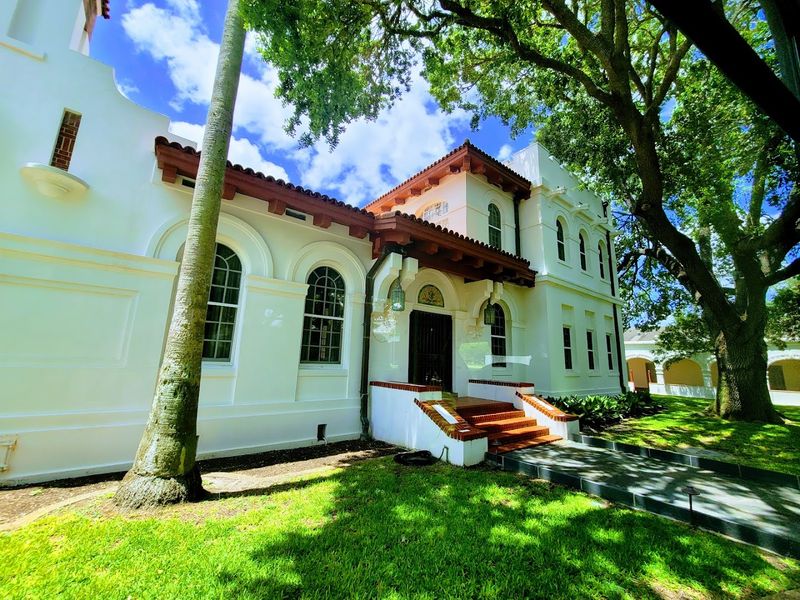
Sprawling across 825,000 acres in South Texas, King Ranch stands as one of the largest working cattle ranches in the world. This isn’t some tourist trap dressed up like the Old West. It’s the real deal, where cowboys still ride out daily to manage herds of Santa Gertrudis cattle, a breed actually developed right here on this very land.
The ranch started back in 1853 when Captain Richard King bought a creek-fed oasis called Santa Gertrudis. His vision turned into a ranching empire that changed how cattle operations worked across America. Today, you can tour parts of this massive property and see how modern ranching still relies on horseback work, roping skills, and knowledge passed down through generations.
What makes King Ranch special is how it balances history with working ranch life. You’ll spot genuine cowboys in well-worn boots and hats, not costume-wearing performers. They’re managing livestock, fixing fences, and doing the same hard work their predecessors did over a century ago.
Tours take you through different sections of the ranch, including historic buildings and areas where you might see cattle operations in action. The ranch museum displays artifacts, saddles, and equipment that tell the story of Texas ranching evolution. You’ll learn about the Quarter Horse breeding program that produced some of the finest cutting horses in the country.
The landscape itself tells a story, with mesquite trees, prickly pear cactus, and vast open spaces that look much like they did in the 1800s. Wildlife roams freely, including white-tailed deer, nilgai antelope, and countless bird species. This ranch proves that cowboy heritage isn’t just about the past—it’s a living tradition that continues shaping Texas identity today.
2. Dixie Dude Ranch (Bandera)
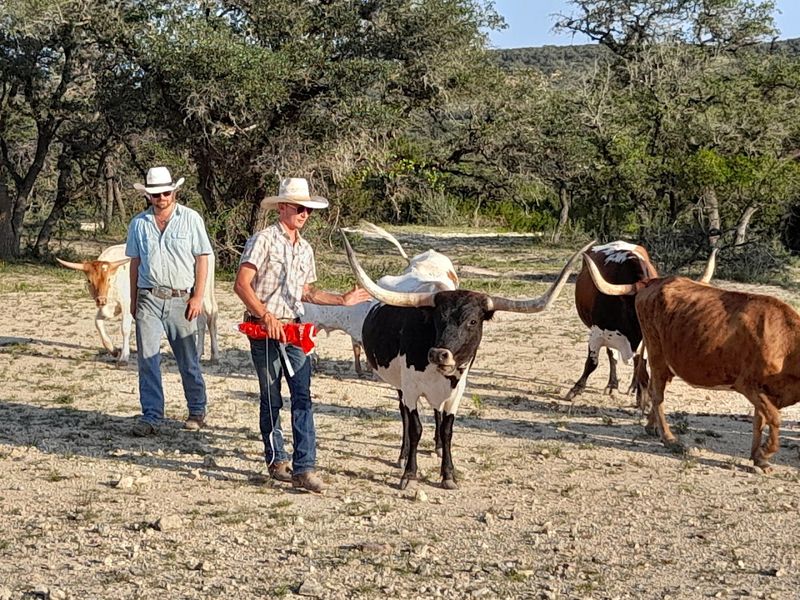
Tucked into the Texas Hill Country near Bandera, Dixie Dude Ranch has welcomed guests since 1937, making it one of the oldest continuously operating dude ranches in the state. Families have been coming here for generations, and some return every single year because this place captures something magical about cowboy life without feeling fake or forced.
The ranch sits on 725 acres of classic Hill Country terrain, where limestone outcrops meet oak-covered hills and clear spring-fed creeks cut through the property. Guests stay in individual cottages that have rustic charm but modern comforts. No two cabins look exactly alike, and each has its own character that adds to the authentic ranch atmosphere.
Horseback riding happens twice daily, and these aren’t boring nose-to-tail trail rides where horses just follow each other. The wranglers match riders with appropriate horses and take groups through varied terrain, from creek crossings to hilltop views. You actually get to experience what it feels like to ride across open Texas rangeland.
Evening activities bring everyone together for things like hayrides, campfires with s’mores, and Western music. Sometimes ranch hands demonstrate roping techniques or share stories about working cattle. The food comes family-style in a dining hall where strangers become friends over hearty Texas cooking.
What sets Dixie Dude Ranch apart is how it maintains traditional ranch hospitality. The Wallace family still owns and operates it, and they treat guests like extended family rather than customers. Kids learn to rope, adults relax on porch rockers, and everyone gets a taste of genuine ranch life.
There’s no WiFi in the cabins, which actually becomes a blessing when you realize how good it feels to disconnect and just enjoy being outside in beautiful country.
3. Fort Worth Stockyards & Cowtown Coliseum (Fort Worth)
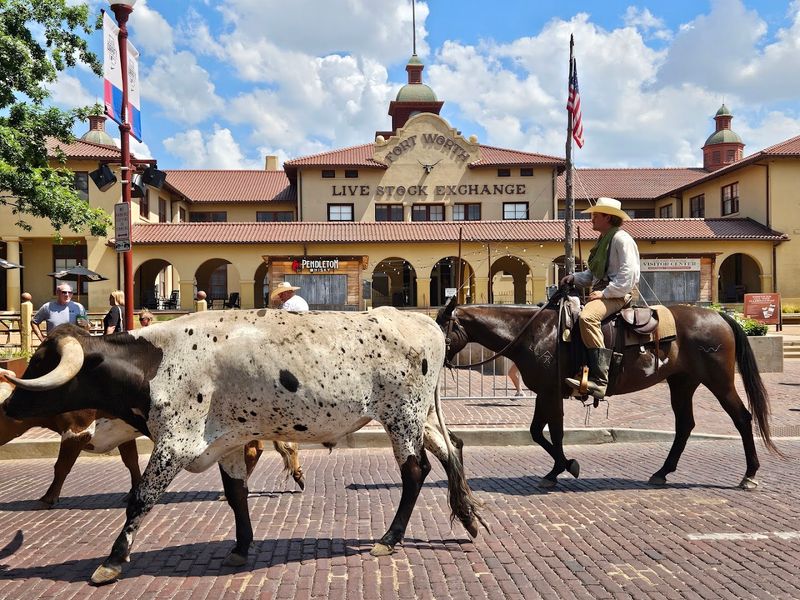
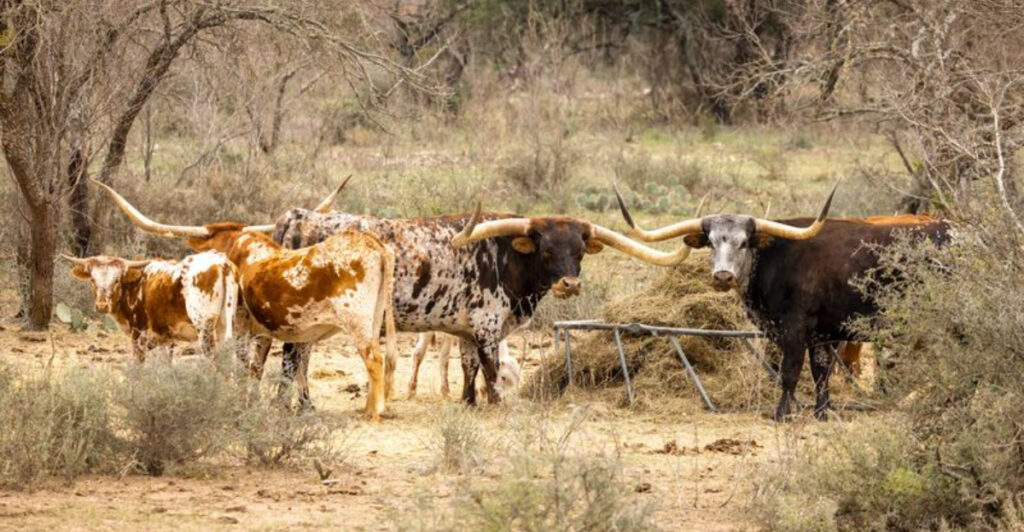
Twice daily, a herd of Texas Longhorns walks right down Exchange Avenue in Fort Worth, their massive horns swaying as cowhands guide them through the historic district. This cattle drive happens at 11:30 a.m. and 4 p.m., and it’s not a reenactment—these are real longhorns being moved by real drovers in a tradition that connects directly to Fort Worth’s past as a major livestock center.
The Stockyards National Historic District covers several blocks of preserved brick buildings that once housed the livestock industry that made Fort Worth wealthy. From 1866 through the mid-1900s, millions of cattle and hogs passed through these pens and auction houses. Walking these wooden boardwalks and brick streets, you can almost hear the bellowing cattle and shouting auctioneers from decades past.
Cowtown Coliseum, built in 1908, still hosts rodeos every Friday and Saturday night. This isn’t some sanitized show for tourists—these are competitive rodeo events where real cowboys and cowgirls compete for prize money. Bull riding, barrel racing, and roping events showcase skills that working ranch hands still use today.
Beyond the cattle drives and rodeos, the Stockyards area maintains its authentic Western character through shops, restaurants, and saloons that feel genuinely old rather than theme-park fake. The White Elephant Saloon has served drinks since 1887, and you can still see bullet holes in the ceiling from wilder times. Boot makers, hat shapers, and saddle shops operate alongside modern businesses.
The Livestock Exchange Building, once the hub of the Southwest’s cattle trade, now houses restaurants and offices but retains its original architecture and purpose-built design. Walking through these spaces, you understand how Fort Worth earned its nickname “Cowtown” and why cowboy culture remains central to the city’s identity even today.
4. Wildcatter Ranch & Resort (Graham)
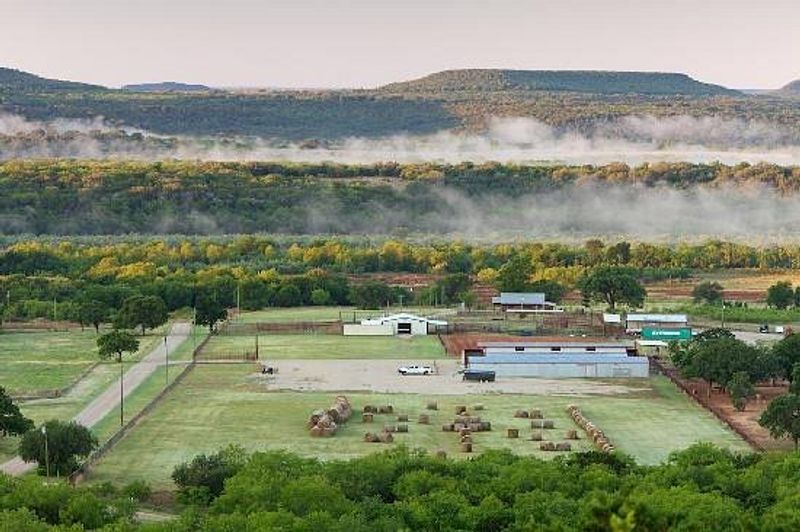
About 90 minutes west of Fort Worth, Wildcatter Ranch spreads across 1,500 acres of North Texas rangeland where cowboy traditions meet upscale hospitality. The name honors the independent oil drillers who took big risks in Texas oil fields, and that pioneering spirit still defines this working cattle ranch turned guest resort.
Ranch activities here go beyond simple trail rides. Guests can participate in actual ranch work, from checking cattle to mending fences, depending on what needs doing during their visit. The ranch runs a cow-calf operation, meaning you might see newborn calves, branding sessions, or cattle being moved to different pastures.
Horseback riding options range from gentle walks for beginners to longer rides for experienced riders who want to cover more ground. The horses are working ranch horses, not just trail-broke tourist mounts, so they have real jobs beyond carrying guests. Riding across open prairie with nothing but grass and sky in every direction gives you a sense of what early Texas ranchers experienced.
The resort side offers comfortable accommodations in the main lodge or private cabins, but the focus stays on outdoor experiences. Guided nature hikes reveal the ecosystem that supports ranch life, from native grasses that feed cattle to wildlife like deer, wild turkeys, and roadrunners. Evening programs often include talks about ranching history or demonstrations of cowboy skills.
What makes Wildcatter special is how it balances guest comfort with authentic ranch experiences. You’re not watching cowboys work from a distance—you’re invited to participate and learn. The ranch hands are patient teachers who share knowledge about livestock handling, land management, and the realities of modern ranching.
By the time you leave, you understand that being a cowboy is less about romance and more about hard work, animal care, and deep connection to the land.
5. Bandera (Texas Hill Country)
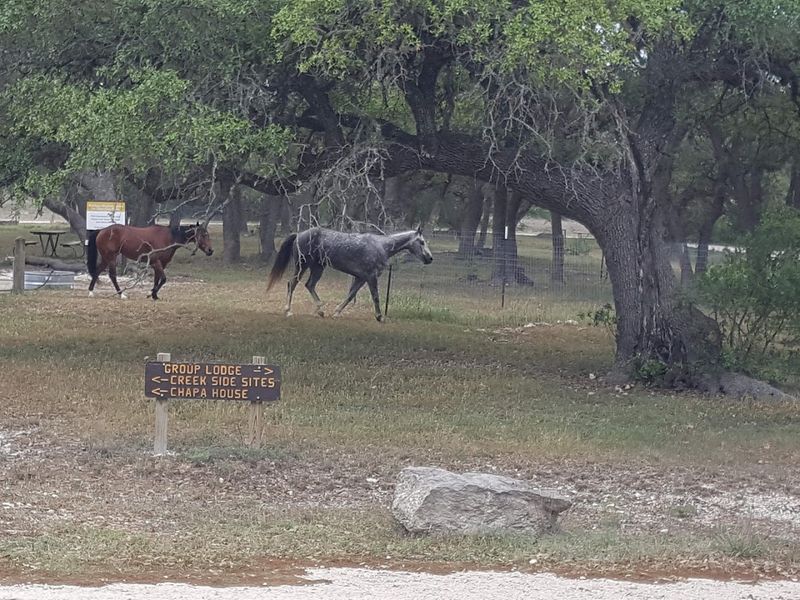
Bandera calls itself the Cowboy Capital of the World, and this small Hill Country town has earned that title through decades of dedication to Western heritage. Unlike cities that market cowboy culture for tourists, Bandera actually lives it. Ranch families shop at the feed store, real cowboys drink coffee at local cafes, and rodeo isn’t entertainment—it’s a way of life.
The town sits along the Medina River, surrounded by working ranches and dude ranches that have operated for generations. Main Street still looks much like it did in the early 1900s, with wooden storefronts, old-fashioned saloons, and shops selling working cowboy gear rather than costume-party Western wear. You can get custom boots made, buy a proper Stetson, or find tack and equipment that local ranchers actually use.
Bandera hosts rodeos year-round, with the Mansfield Park arena bringing in competitors every weekend during season. These aren’t staged shows—they’re sanctioned events where cowboys and cowgirls compete seriously. The Frontier Times Museum downtown preserves local history through collections of ranching equipment, Native American artifacts, and exhibits about the area’s frontier past.
Several historic dance halls keep Texas traditions alive, including the 11th Street Cowboy Bar where locals two-step to live country music. These venues aren’t tourist attractions—they’re community gathering spots where ranch families have socialized for decades. The music, dancing, and socializing follow patterns established over a century ago.
What makes Bandera unique is how cowboy culture permeates everyday life rather than existing as a tourist draw. Kids grow up learning to ride and rope, high school rodeo is a major sport, and many families have ranched the same land for multiple generations. The town respects its heritage not by preserving it in museums alone but by continuing to live according to cowboy values of hard work, hospitality, and connection to the land.
6. BRC Ranch Tours (Wharton County)
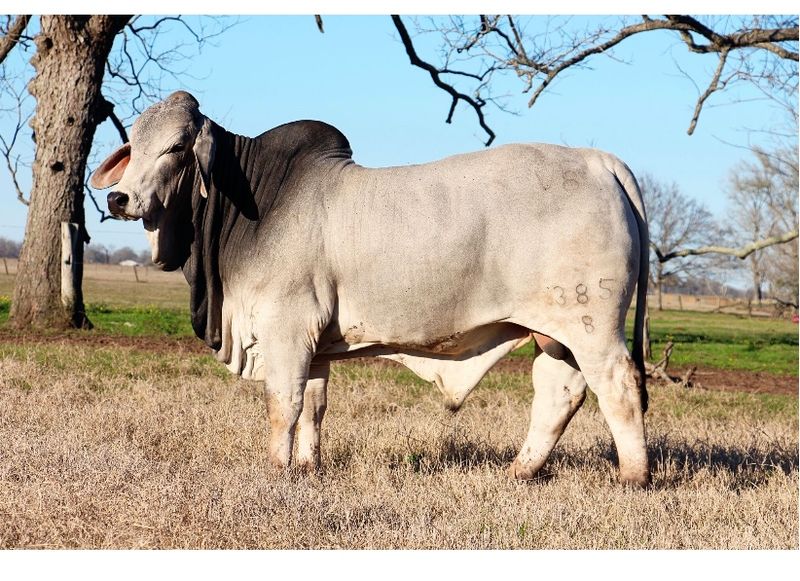
Down in Wharton County, about an hour southwest of Houston, BRC Ranch offers something most tourists never get to see—a genuine working cattle ranch in operation. No petting zoos, no staged activities, just real ranch work happening the way it has for generations. Tours here show you how modern ranching actually functions, from cattle management to land conservation.
The ranch covers thousands of acres of coastal prairie, a rapidly disappearing ecosystem that once covered much of Texas Gulf Coast region. This grassland supports not just cattle but also native wildlife including alligators, wild hogs, deer, and hundreds of bird species. Ranch management balances livestock production with habitat preservation, demonstrating how ranching can coexist with conservation.
During tours, you might see cowboys moving cattle on horseback, using techniques that haven’t changed much in 150 years. They still rely on cutting horses to separate individual animals from the herd, roping skills to catch and treat cattle, and knowledge of animal behavior passed down through generations. Modern ranching uses some technology, but horseback work remains essential.
The ranch runs a cow-calf operation, meaning they raise cattle from birth through weaning rather than just fattening animals for market. You’ll learn about breeding programs, nutrition management, and veterinary care that keeps herds healthy. Ranch hands explain how they read the land, manage grazing to prevent overuse, and maintain water sources that wildlife and livestock share.
What sets BRC Ranch apart is its educational focus without sacrificing authenticity. The guides are working cowboys who know ranching inside out because they do it every day. They answer questions honestly, showing both the rewards and challenges of ranch life.
You leave understanding that successful ranching requires business skills, environmental awareness, and physical toughness—not just the romantic image of riding horses across open range.
7. Four Sixes Ranch Tours (Guthrie)
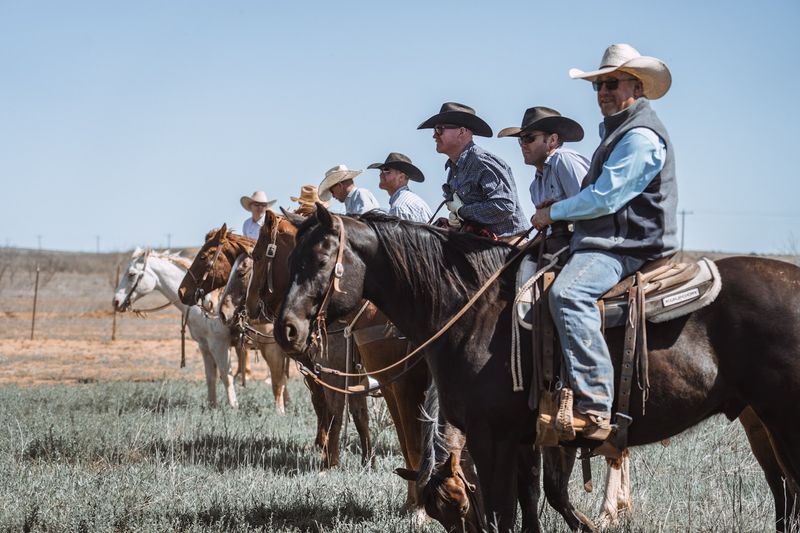
The Four Sixes Ranch, known by its 6666 brand, represents Texas ranching royalty. Founded in 1870 by Samuel Burk Burnett, this legendary operation sprawls across multiple divisions totaling over 260,000 acres in West Texas. The ranch gained fame through its breeding programs, oil discoveries, and the Burnett family’s influence on Texas cattle industry development.
Captain Burnett supposedly won the ranch in a poker game with a hand of four sixes, though historians debate that story. What’s certain is that he built an empire that revolutionized ranching practices. The ranch developed superior horse bloodlines, pioneered rotational grazing methods, and maintained standards that made the 6666 brand synonymous with quality.
Tours of the Guthrie headquarters reveal how a major ranch operation functions. The horse division alone is worth the visit—6666 horses are legendary in cutting, reining, and ranch work competitions. The breeding program has produced champions for decades, and watching these horses work cattle demonstrates the partnership between horse and rider that defines cowboy culture.
Ranch facilities include historic barns, working corrals, and the main house where Burnett entertained guests including President Theodore Roosevelt. The architecture reflects practical ranch design while maintaining the elegance of a successful operation. Everything serves a purpose, from the layout of corrals that facilitate cattle handling to the positioning of barns for weather protection.
The working cowboys at 6666 Ranch represent the top tier of their profession. Many have spent their entire careers here, learning from older hands who learned from those before them. This direct transmission of knowledge creates an unbroken line back to the earliest days of Texas ranching.
Watching these professionals work, you see skills honed through decades of daily practice, not weekend hobby riding. The Four Sixes proves that cowboy heritage isn’t nostalgia—it’s a living tradition producing real results in a modern ranching business.
8. Rancho Cortez (Bandera)
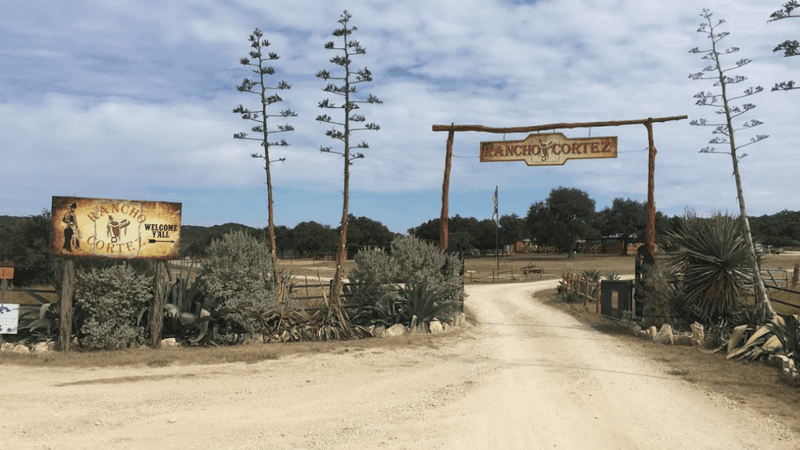
Family-owned since 1963, Rancho Cortez brings genuine Hill Country hospitality to guests who want more than a hotel stay but aren’t quite ready for full-on ranch work. Located just outside Bandera, this 80-acre property strikes a balance between authentic ranch experience and comfortable vacation, making it perfect for families or first-time ranch visitors.
The Woodward family runs Rancho Cortez with a personal touch that larger operations can’t match. They know guests by name, remember return visitors, and adjust activities to match different skill levels and interests. This attention to individual needs creates an atmosphere more like visiting relatives’ ranch than checking into a resort.
Horseback riding happens daily, with wranglers leading groups through trails that wind through oak groves, cross creeks, and climb hills for panoramic views. The horses are gentle enough for nervous beginners but responsive enough to satisfy experienced riders. Rides vary in length and difficulty, so you can choose short easy trails or longer more challenging routes.
Beyond riding, the ranch offers activities that connect guests to Hill Country nature and culture. Hayrides roll through the property at sunset, campfires gather everyone for stories and songs, and sometimes ranch staff demonstrate roping or other cowboy skills. The swimming pool provides relief from Texas heat, while porches with rocking chairs invite lazy afternoon relaxation.
Accommodations range from cozy rooms in the main lodge to individual cottages with kitchenettes, all decorated with Western touches that feel authentic rather than kitschy. Meals are served family-style in the dining hall, where conversation flows easily and strangers become friends over platters of home-cooked food. What makes Rancho Cortez special is how it introduces cowboy heritage gently, welcoming guests who might feel intimidated by working ranches while still delivering genuine Hill Country ranch experiences.
You leave with new skills, outdoor memories, and understanding of why ranch life holds such appeal for Texans.
9. Lone Star Ranch (Austin)
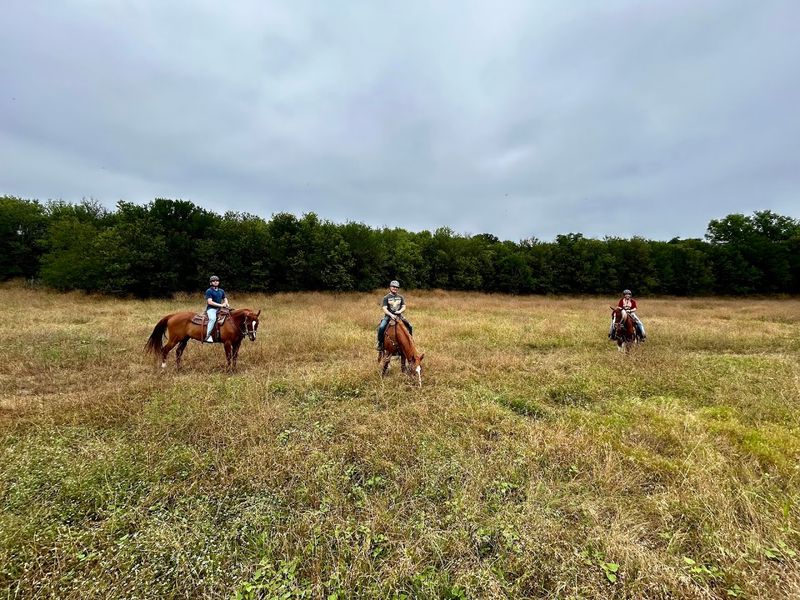
Just minutes from Austin’s city limits, Lone Star Ranch offers an escape into cowboy country without requiring a long drive. This proximity makes it ideal for Austin residents wanting a quick ranch experience or visitors who want to combine city attractions with authentic Texas ranch life. Despite its location near a major city, the ranch maintains a genuine rural atmosphere.
The ranch focuses heavily on horseback riding programs, offering everything from beginner lessons to advanced training. Their lesson program teaches proper Western riding techniques, not just how to sit on a horse while it follows a trail. Students learn to communicate with horses through rein and leg cues, developing skills that working cowboys use daily.
Trail rides explore the ranch property and surrounding areas, showcasing Central Texas terrain of rolling hills, native grasses, and scattered live oak trees. Guides share information about local ecology, ranching history, and the horses themselves. Each horse has its own personality, and riders learn to appreciate these animals as individuals rather than just transportation.
The ranch also hosts events like cattle drives where guests help move livestock, roping clinics that teach basic lasso skills, and campfire gatherings with cowboy poetry and music. These activities aren’t just entertainment—they’re genuine introductions to skills that working cowboys still use. Instructors patiently explain techniques, correct mistakes, and encourage participants to keep trying until they succeed.
What sets Lone Star Ranch apart is its educational mission combined with accessibility. Many people want to experience cowboy culture but don’t have time for multi-day ranch vacations. This ranch makes it possible to spend a few hours learning to ride properly or participate in ranch activities without major travel or time commitment.
The staff treats every visitor as a potential lifelong rider, taking time to teach correctly rather than rushing people through. You might arrive knowing nothing about horses and leave with skills you can build on, plus deeper appreciation for the work cowboys do every single day.
10. Mayan Dude Ranch (Bandera)
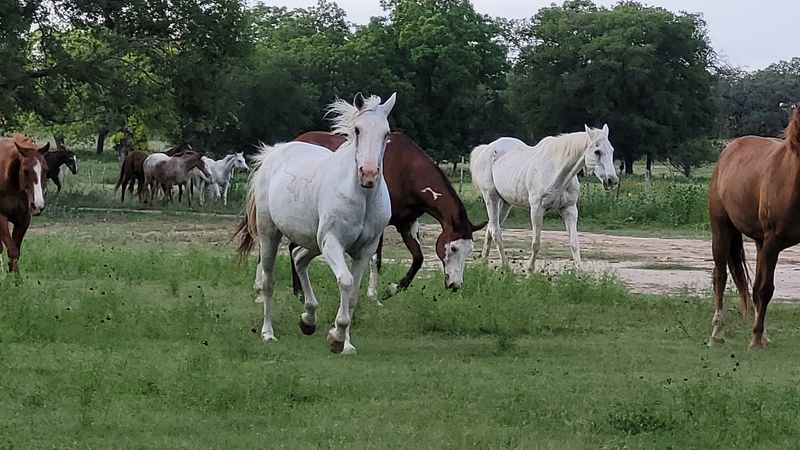
Operating in the Bandera area since 1951, Mayan Dude Ranch has introduced thousands of families to cowboy life through genuine hospitality and traditional ranch activities. The Hicks family built this ranch on principles of sharing their love for horses, land, and Western heritage with guests who might never otherwise experience these things. That mission continues today with the same warmth and authenticity.
The ranch sits on 348 acres of beautiful Hill Country terrain where cypress-lined creeks meet limestone hills covered in oak and juniper. Guests stay in individual cottages spread across the property, each with front porches perfect for watching deer graze at dusk or listening to coyotes sing at night. The accommodations feel rustic but include modern conveniences that make families comfortable.
Horseback riding forms the heart of the Mayan Ranch experience, with twice-daily rides taking guests through varied terrain. The wranglers are experienced horsemen who match riders carefully with appropriate mounts. They teach basic riding skills, share horse care knowledge, and point out wildlife and plants along the trails.
Rides aren’t rushed—there’s time to stop, look around, and really absorb the landscape.
Evening activities bring the whole ranch together for hayrides, barn dances, and campfires where someone usually pulls out a guitar. Kids love the swimming pool, fishing pond, and opportunities to help feed horses or collect eggs from chickens. Adults appreciate the chance to slow down, disconnect from technology, and enjoy simple pleasures like watching sunsets from horseback.
What makes Mayan Dude Ranch endure is its commitment to authentic experiences without pretension. They’re not trying to be the fanciest or biggest ranch—they’re focused on sharing genuine cowboy culture with people who genuinely want to learn. Families return year after year, sometimes across multiple generations, because this place feels like coming home to a part of Texas that hasn’t changed much in decades.
11. Y.O. Ranch Headquarters (Mountain Home)
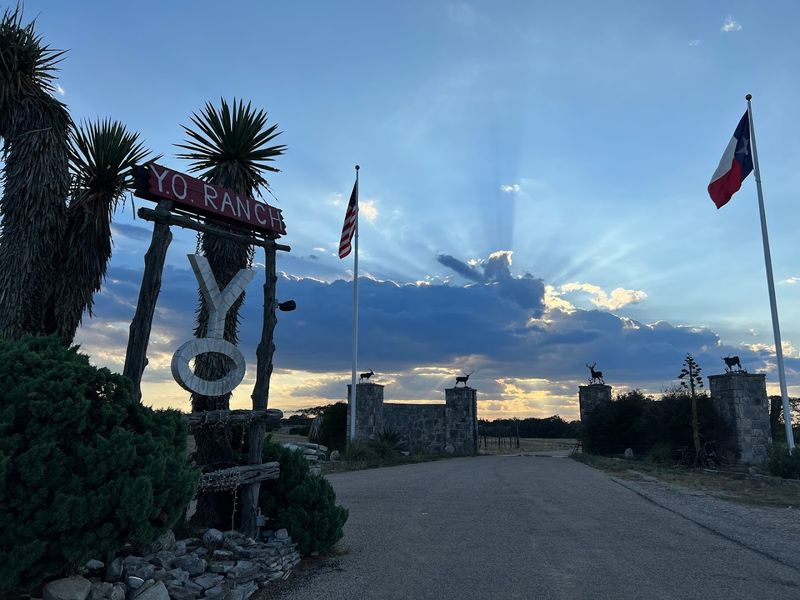
Charles Schreiner established the Y.O. Ranch in 1880, and it’s grown into one of Texas’s most famous ranching operations. The headquarters near Mountain Home sits on 40,000 acres of spectacular Hill Country terrain where traditional cattle ranching meets exotic wildlife management.
This combination makes Y.O. Ranch unique among Texas ranches, blending cowboy heritage with conservation efforts that preserve species from around the world.
The ranch runs one of the largest and most diverse collections of exotic wildlife outside Africa, with over 50 species roaming the property. Scimitar-horned oryx, addax, giraffe, zebra, and numerous antelope species live here in herds, many participating in breeding programs for endangered animals. This isn’t a zoo—animals roam freely across thousands of acres in habitat that resembles their native lands.
Despite the exotic animals, Y.O. Ranch maintains strong ties to traditional ranching. Texas Longhorns graze alongside exotic species, cowboys still work the ranch on horseback, and the operation follows practices established over a century ago.
The combination teaches visitors that ranching can evolve while honoring its roots, adapting to modern conservation needs without abandoning cowboy traditions.
Tours take guests through different sections of the ranch, offering chances to see exotic wildlife up close while learning about both conservation and ranching history. The historic headquarters building houses a museum displaying artifacts from the Schreiner family and ranch history. You’ll see antique saddles, branding irons, photographs of early ranch life, and memorabilia from famous visitors.
The ranch also offers overnight accommodations in historic cabins where guests can experience ranch life more fully. Wake to deer grazing outside your window, eat meals in the historic dining hall, and spend evenings listening to stories about the ranch’s colorful past. Y.O.
Ranch proves that cowboy heritage can embrace change while staying true to core values of land stewardship, hard work, and respect for animals—both domestic and wild.
Share this story