There’s a version of New Jersey most people never get around to seeing. It’s not sitting in Parkway traffic, fighting for beach parking, or waiting in line for a boardwalk slice.
It’s a cranberry village surrounded by pitch pines. It’s a castle ruin above a quiet mountain lake.
It’s a glowing mine tunnel, a tiny fairy house tucked into tree roots, and a national park waterfall roaring behind old brick mills in Paterson. The funny thing is, none of these places are all that far away.
They’re just slightly off the usual route, which is exactly why so many locals keep missing them. These are the spots you mention to a friend and get the same answer every time: “Wait, that’s in New Jersey?” Yes, it is.
And if your weekend routine could use something better than another trip to the same shopping center, start here.
1. Double Trouble State Park
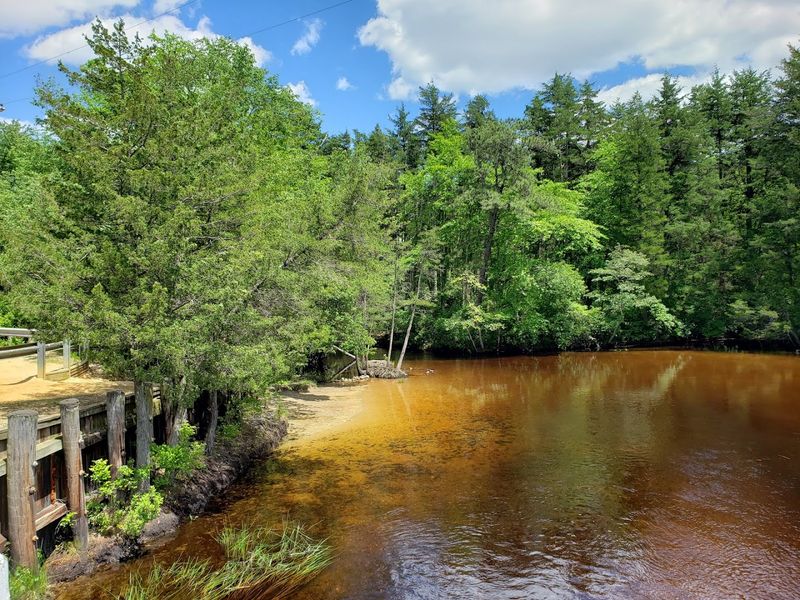
The name sounds like a roadside dare, but the place itself is all quiet cedar water, sandy trails, and old Pine Barrens history. Double Trouble State Park in Bayville protects more than just woods; it preserves the remains of a former company town built around lumber, sawmills, and cranberry farming.
The historic village, with its weathered buildings and old cranberry sorting house, gives the park a slightly eerie charm without feeling staged or over-polished. This is the kind of stop where you want to slow down.
Walk the flat sandy paths around the village, follow the trails toward Cedar Creek, and look for the cranberry bogs that still shape the landscape. Kayakers know Cedar Creek well, but many locals who live within an hour of the park have never actually pulled off the road to see the village itself.
That’s a mistake. Double Trouble is especially good for a low-effort outdoor day.
You don’t need hiking boots worthy of a mountain expedition, and the terrain is forgiving enough for a relaxed stroll. Bring water, bug spray in warm months, and a camera if you like places that look like they’re halfway between a nature preserve and a forgotten movie set.
It’s peaceful, strange, and very Jersey in the best possible way.
2. Deserted Village of Feltville
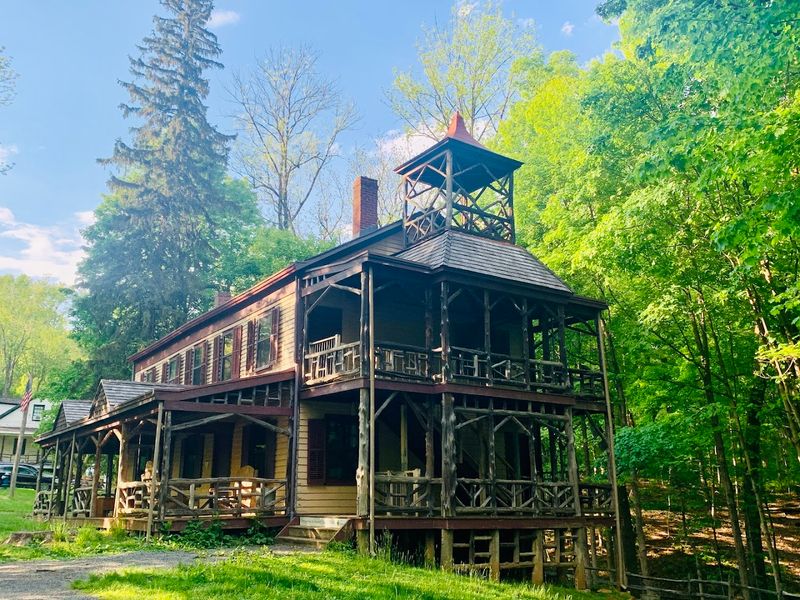
A row of old houses in the woods is already enough to get your attention. Add a former mill town, a failed summer resort, and a name like “Deserted Village,” and suddenly a walk in Watchung Reservation feels like you stumbled into local folklore.
The Deserted Village of Feltville, also known as Glenside Park, sits in Berkeley Heights inside one of Union County’s most beloved green spaces, but it still feels oddly tucked away. The village dates back to the 1800s, when David Felt built a small factory community along Blue Brook.
Later, it became a resort area before gradually losing its purpose and earning the nickname that has stuck ever since. Today, several buildings remain, including historic homes and Masker’s Barn, and the whole area has that satisfying “how did I not know this was here?” quality.
The best way to visit is to pair the village with a walk on the Watchung Reservation History Trail. You don’t have to be a history buff to enjoy it; the setting does most of the work.
In autumn, when the leaves gather around the old structures, it gets especially atmospheric. Parking is usually straightforward in the reservation, but weekends can still bring crowds to the larger park.
Go earlier if you want the village to feel properly abandoned.
3. Waterloo Village
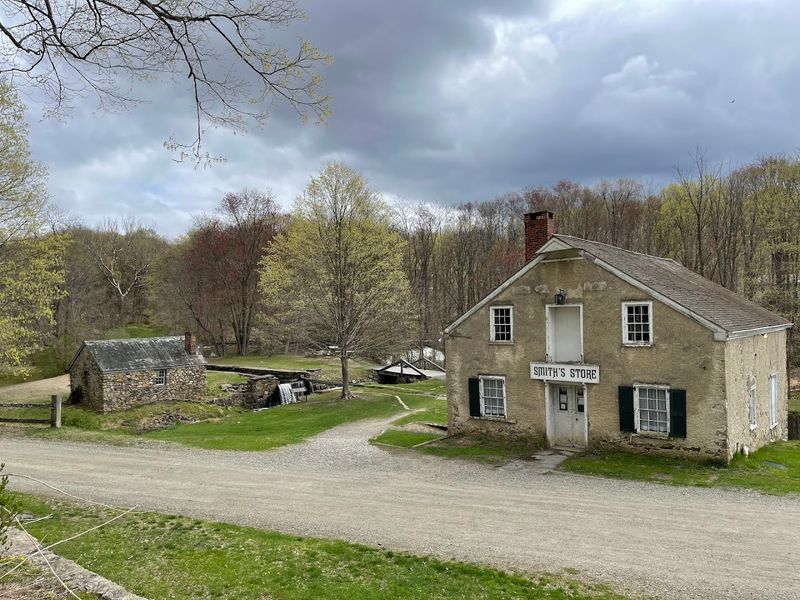
You can stand near the old canal buildings at Waterloo Village and almost hear the creak of wagon wheels. This restored 19th-century village in Allamuchy Mountain State Park sits along the Musconetcong River and the old Morris Canal, making it one of those rare places where New Jersey history feels walkable instead of trapped behind glass.
Waterloo was once a working canal town, and the preserved village includes historic buildings, open fields, river views, and a setting that feels far removed from the highway noise most people associate with North Jersey. Depending on when you visit, you may find special programs, tours, or events, but even a simple self-guided stroll is worth the drive.
The village has a layered feel: industrial history, rural scenery, and a little bit of quiet drama from the old stone and wood structures. This is a great stop for people who like history but do not want to spend the day inside a traditional museum.
Wear comfortable shoes, because the appeal is in wandering. Bring a picnic if the weather is nice, then take your time near the river and canal paths.
Waterloo Village is not flashy, and that is exactly the point. It gives you a piece of New Jersey’s past without shouting for your attention.
4. Van Slyke Castle Ruins
The first reward is Ramapo Lake. The second is the view.
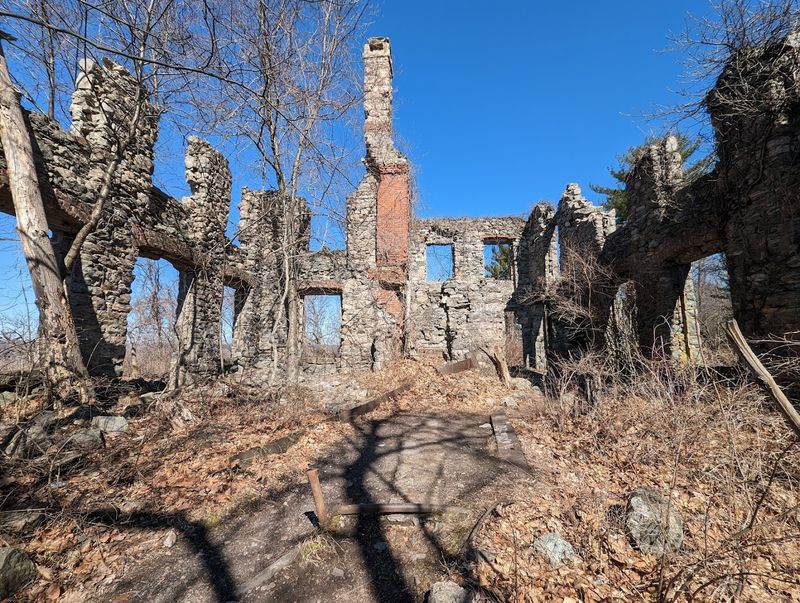
The third is realizing there are actual castle-like ruins sitting in the woods above it. Van Slyke Castle, also known historically as Foxcroft, is one of North Jersey’s great little hiking surprises, hidden inside Ramapo Mountain State Forest near Wanaque and Oakland.
The ruins are the remains of an early 20th-century estate, and they have just enough stone walls, arches, and mystery left to make the hike feel like a treasure hunt. This is not a polished historic site with velvet ropes and tidy plaques.
It is rugged, weathered, and best appreciated by people who enjoy earning their scenery. The loop to the ruins can be rocky and hilly in spots, but it is manageable for hikers who are comfortable on uneven trails.
What makes this place special is the combination: lake views, forest paths, ruins, and occasional skyline glimpses all packed into one outing. Go on a clear day, bring real footwear, and give yourself more time than you think you need because you’ll keep stopping for photos.
Parking at popular trailheads can fill up, especially on nice weekends. Still, if you have only ever thought of North Jersey as suburbs and shopping centers, this hike will happily correct you.
5. Duke Farms
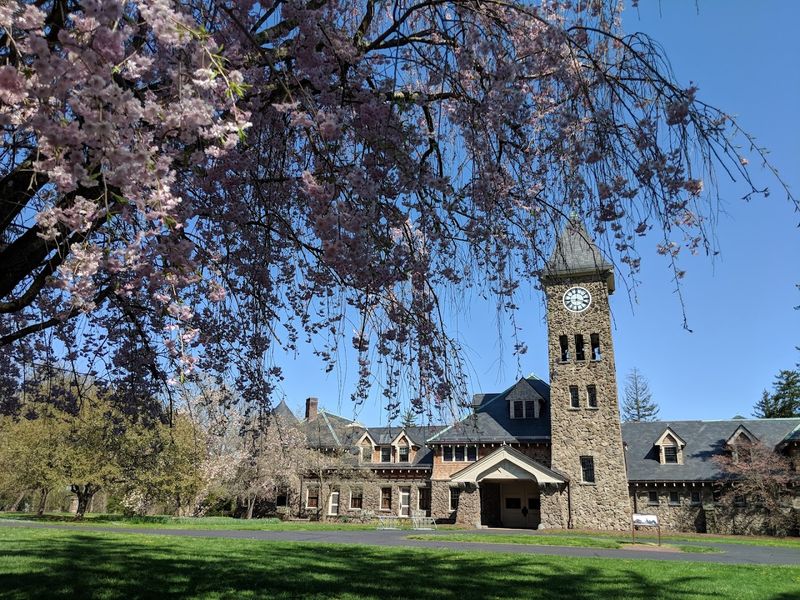
A stone wall, a broad driveway, and then suddenly Hillsborough opens into 2,700 acres of gardens, meadows, lakes, trails, and environmental restoration. Duke Farms is not exactly unknown, but plenty of New Jerseyans still think of it vaguely as “that Doris Duke place” and never actually make the trip.
They should. The property was once part of the Duke estate, but today it functions as a sprawling public space focused on conservation, wildlife, native plants, and sustainable land use.
That may sound a little academic until you’re walking past old stone structures, watching birds move across the water, or exploring the orchid range when it is open. The place is big enough that you can visit more than once and not have the same day twice.
The smart move is to check visitor information before heading out, because access, hours, and some indoor features can vary. Once you’re there, rent or bring a bike if available and allowed, or choose a walking route that matches your energy level.
Duke Farms is ideal for anyone who wants a polished outdoor experience without it feeling like a theme park. It’s peaceful, scenic, and quietly impressive — the rare hidden gem with room to breathe.
6. South Mountain Fairy Trail
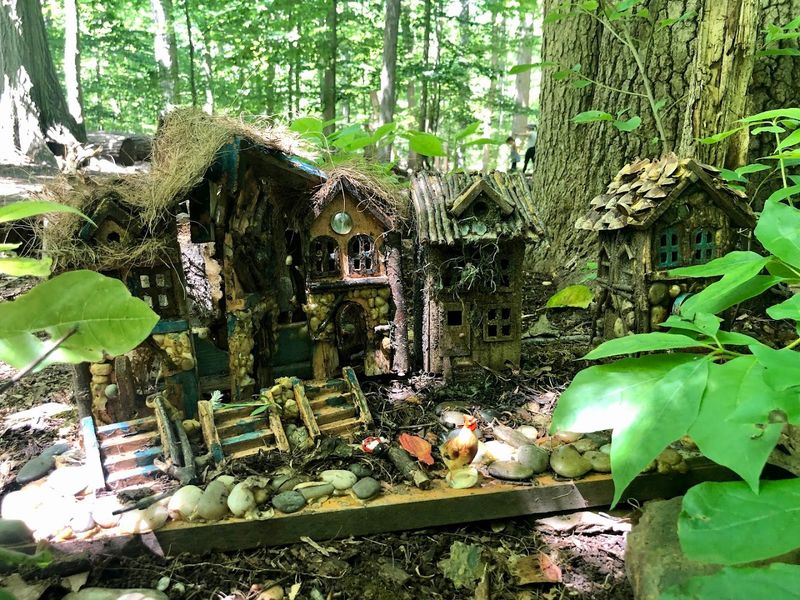
Tiny doors appear at the base of trees. Little staircases curl around roots.
Miniature houses seem to be waiting for residents who are either very shy or very magical. The South Mountain Fairy Trail in Millburn is one of those places that makes adults pretend they are only going for the kids, then immediately start pointing things out themselves.
The trail begins near the Locust Grove area of South Mountain Reservation and follows part of the Rahway Trail. It is short, easy, and full of handmade fairy houses built from natural materials and tucked carefully into the landscape.
The magic here is in the details: a pebble walkway, a bark roof, a doorway no bigger than your palm. It rewards slow walking and sharp eyes.
This is a great pick for families, but it’s also a fun little detour for anyone who likes their nature walks with a wink. Since the fairy houses are delicate and the surrounding habitat matters, visitors should stay on the trail and leave everything as they found it.
Parking is available near the trailhead, though it can get busy when the weather behaves. Go early, let kids set the pace, and don’t be surprised if the shortest hike on this list becomes the one they remember most.
7. Kittatinny Valley State Park
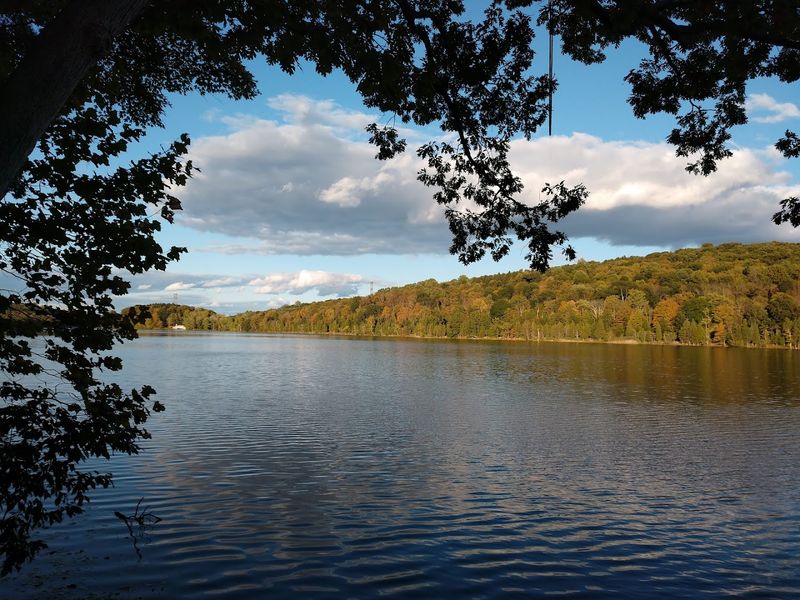
Some parks make you work hard for the good stuff. Kittatinny Valley State Park is kinder than that.
In Andover and the surrounding Sussex County landscape, it spreads out across lakes, rail trails, fields, wetlands, and quiet woods, giving visitors a little bit of everything without demanding a dramatic climb. Lake Aeroflex is the big draw, especially for paddling, fishing, and those calm blue-water views that make you forget your phone exists for a while.
The park also includes several other lakes and access to long, easygoing trail routes, including former rail corridors that are great for walking and biking. It has that open, northern New Jersey feel: less crowded than the headline-grabbing parks, but still full of scenery.
Kittatinny Valley is a strong choice when you want an outdoor day that can be as lazy or active as you want. Bring binoculars if you like birds, a bike if you want to cover more ground, or a kayak if you are set up for paddling.
The Goodale Road area is a common starting point, and the park’s flat stretches make it friendlier than many mountain hikes nearby. It’s not trying to impress you with one single overlook. It wins you over slowly, lake by lake, path by path.
8. Rutgers Gardens
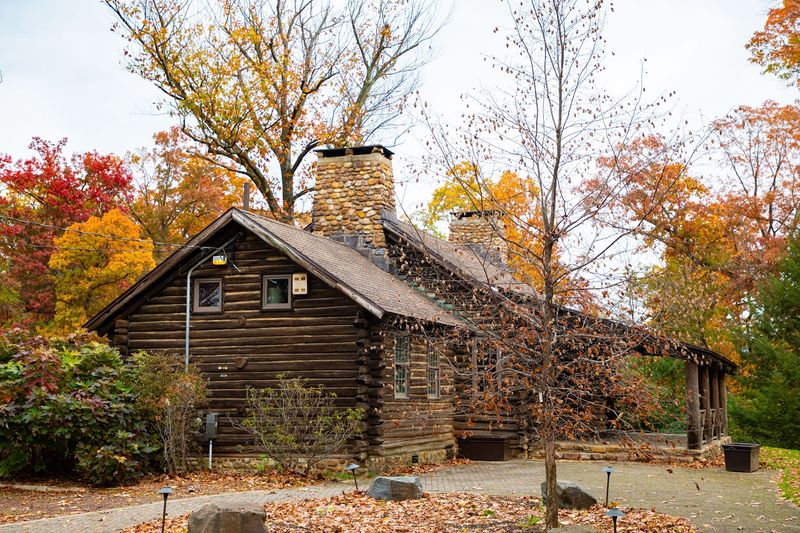
Just off the busy New Brunswick orbit, Rutgers Gardens feels like someone quietly hid a reset button behind the university. This public botanic garden is part of Rutgers University, but you do not need to be a student, alum, or plant expert to enjoy it.
You just need a free afternoon and a willingness to wander. The gardens include display areas, natural spaces, trees, shrubs, seasonal plantings, and the nearby Helyar Woods for those who want more of a walk than a garden stroll.
Depending on the time of year, the mood changes completely. Spring brings color and fresh growth, summer feels lush and shady, fall has that golden campus-adjacent glow, and winter strips the place down to structure and quiet paths.
Rutgers Gardens is perfect for a low-pressure date, a solo walk, or a family outing that doesn’t require committing to a full-day attraction. It is also one of the better places in Central Jersey to practice noticing things: leaf shapes, pollinators, garden design, the difference between “pretty flowers” and an actual living collection.
Check parking and hours before you go, since university properties can have their own rules. Once you’re there, don’t rush. This is a place built for meandering.
9. Palmyra Cove Nature Park
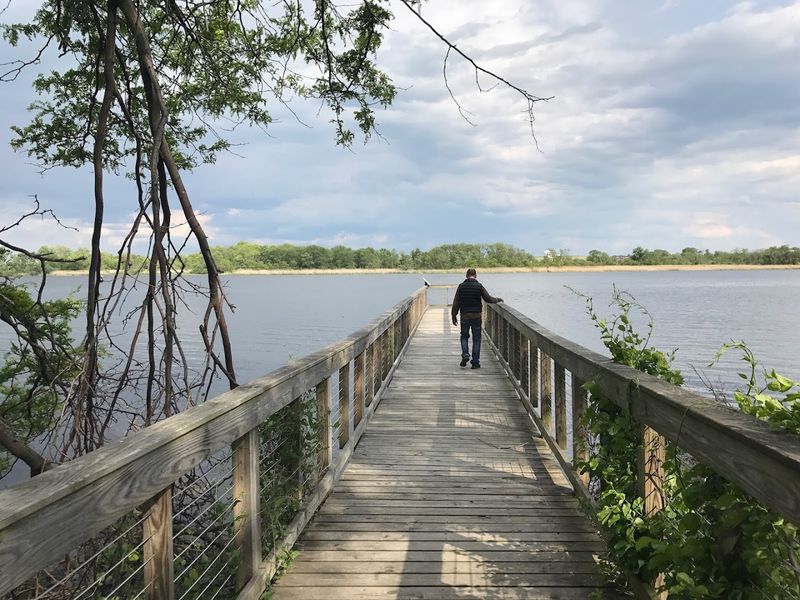
The Philadelphia skyline is right there, close enough to remind you how urban the area is. Then you turn toward the trails, wetlands, ponds, and river views of Palmyra Cove Nature Park, and the whole scene changes.
Sitting near the Tacony-Palmyra Bridge, this Burlington County spot is a reminder that wildlife does not always need a remote wilderness address. Palmyra Cove is known for birding, habitat variety, and its environmental discovery center.
The park includes forested areas, open fields, tidal wetlands, and Delaware River shoreline, which means you can see a surprising amount in a relatively compact visit. Migrating birds use the area, and patient visitors may spot everything from waterfowl to raptors depending on the season.
This is not the place for a manicured garden walk. It has a more natural, slightly scrappy edge, which is part of its charm.
Wear shoes that can handle mud, especially after rain, and bring binoculars if you have them. Families can make use of the educational side of the park, while photographers will like the mix of skyline, bridge, marsh, and river.
Palmyra Cove is the kind of hidden gem that proves New Jersey’s wild side can survive in the shadow of major roads and city views.
10. Historic Smithville
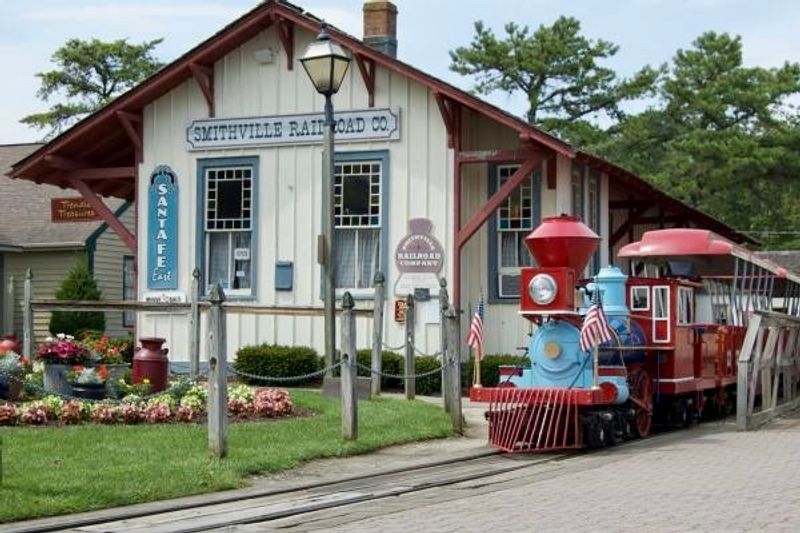
The ducks know they have the right of way here. So do the shoppers, the kids near the carousel, and anyone slowly drifting from one little shop to the next with a snack in hand.
Historic Smithville in Galloway is charming in a way that could feel too cute if it weren’t so genuinely fun to wander. This village-style destination is known for its collection of small shops, restaurants, walking paths, footbridges, and old-fashioned attractions like the train and carousel.
It is close enough to Atlantic City to work as a calmer add-on to a shore weekend, but it feels like a completely different universe from casino floors and boardwalk noise. Come hungry enough to browse the food options, whether you want a sit-down meal, something sweet, or just coffee while you roam.
The best approach is not to overplan it. Walk the village, pop into the shops that catch your eye, and leave time for the lake views and seasonal decorations.
Historic Smithville is especially good around fall and the holidays, when the village leans into its cozy side. Parking is generally part of the experience rather than a major headache, but big event days can draw crowds.
It is touristy, yes, but in the soft, nostalgic way that even locals can enjoy.
11. Batsto Village
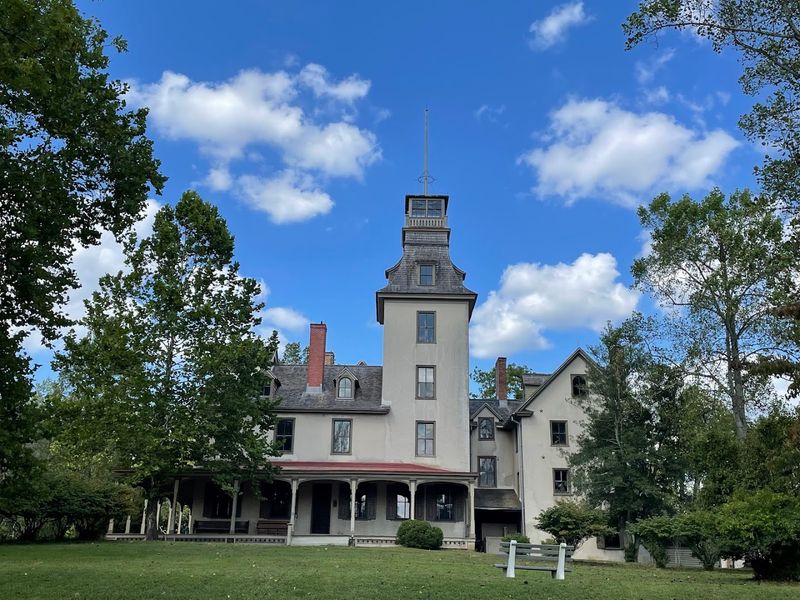
The road into Batsto Village already sets the mood: Pine Barrens, sand, trees, and then a preserved historic village appearing like it has been waiting there since the 1700s. Located within Wharton State Forest, Batsto is one of New Jersey’s best historic sites, yet plenty of residents still only know the name from road signs.
The village has roots in bog iron and glassmaking, and many historic structures remain, including the mansion, general store, post office, sawmill, gristmill, and workers’ homes. What makes Batsto so satisfying is that it does not feel like a single building pretending to explain history.
It feels like a whole place. You can walk the paths, look at the preserved structures, stop by the visitor center, and then connect the village to the larger Pine Barrens landscape around it.
Batsto works for history lovers, casual walkers, photographers, and anyone who likes a day trip with a little mystery in the trees. Some tours and building access may depend on schedule, so check ahead if you have your heart set on going inside specific spots.
Even without a formal tour, the grounds are worth exploring. Bring snacks, wear comfortable shoes, and leave time for nearby Wharton trails if you want to turn the visit into a fuller Pine Barrens day.
12. Jenny Jump State Forest
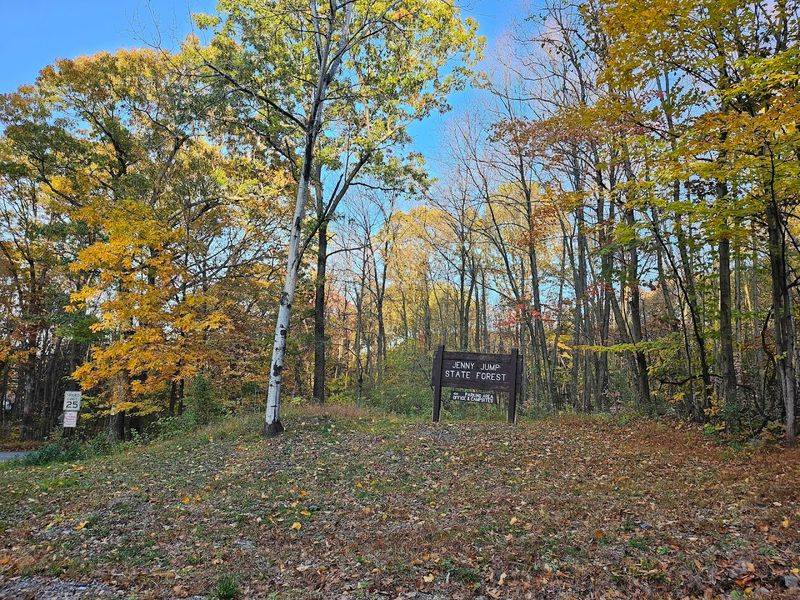
The name sounds like it belongs in a campfire story, and honestly, the forest does too. Jenny Jump State Forest in Warren County sits along rugged ridges, rocky trails, and overlooks that give you wide views of the Great Meadows, the Highlands, and the Kittatinny range.
It is one of those places that feels farther from everything than it really is. Hiking is the main reason to come, but the forest also has camping areas, picnic spots, access to Ghost Lake, and a major bonus for night-sky fans: the United Astronomy Clubs of New Jersey observatory, which has offered public programs during observing season.
That stargazing connection gives Jenny Jump a personality all its own. Not every state forest can say it has both glacial boulders and telescopes.
The trails can be rocky, so this is a step up from a casual paved-path stroll. Wear sturdy shoes and bring water, especially if you are heading for the overlooks.
Campers should reserve ahead when needed and check seasonal details before packing the car. Jenny Jump is not the loudest name in New Jersey hiking, which is part of its appeal.
It is quiet, a little rugged, and just unusual enough to make the drive feel like you discovered something.
13. Absecon Lighthouse
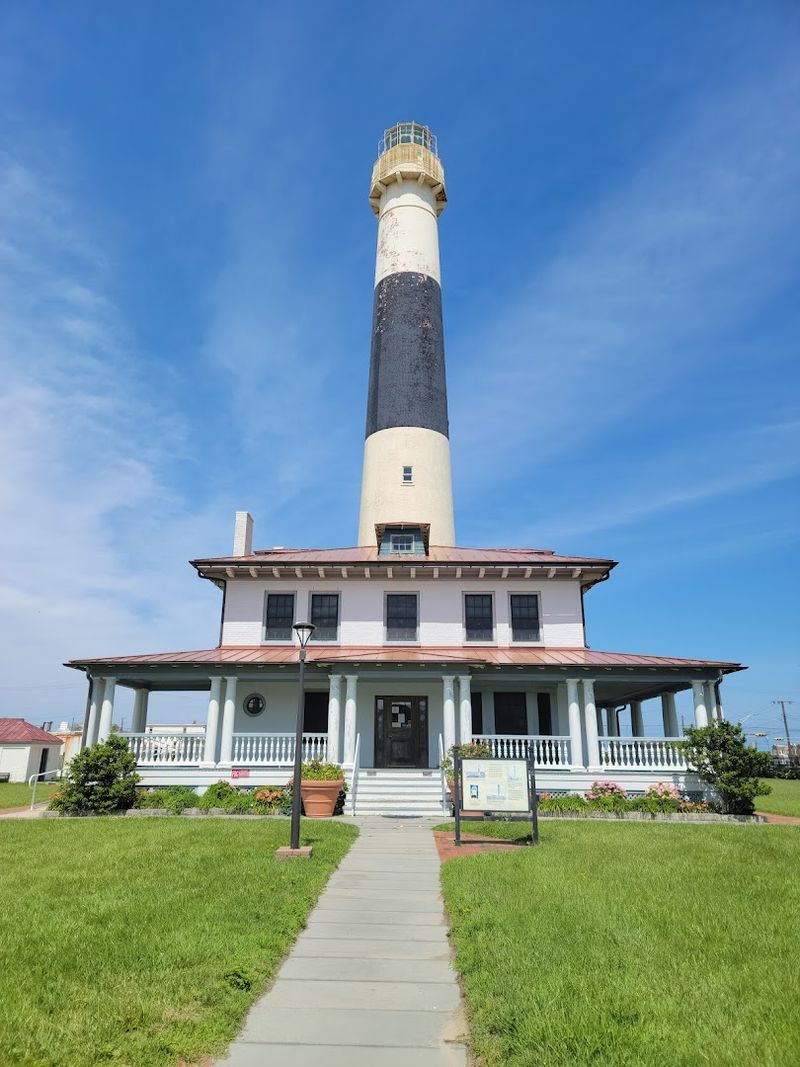
Atlantic City has no shortage of things trying to grab your attention, which makes Absecon Lighthouse feel even more satisfying. It stands tall in the Inlet section, a historic counterpoint to the casinos, restaurants, and beach crowds nearby.
Climb the 228 steps and you get a view that most people visiting AC never bother to earn. This is New Jersey’s tallest lighthouse, first lit in the 1850s, and the climb is the main event.
The staircase is part workout, part time machine, and part reminder that “just a few more steps” can be a lie told in many different ways. At the top, though, the payoff is excellent: Atlantic City, the ocean, the surrounding neighborhoods, and a close look at the lighthouse’s historic lens.
Absecon Lighthouse is especially good for visitors who want something real and local before or after the boardwalk. It is family-friendly, but the stairs are no joke, so plan accordingly.
There is an admission fee to climb, and hours can shift by season, with the last climb usually before closing. Check before you go, wear comfortable shoes, and give yourself time to enjoy the small museum and grounds too.
It is a classic hiding in plain sight.
14. Paterson Great Falls National Historical Park
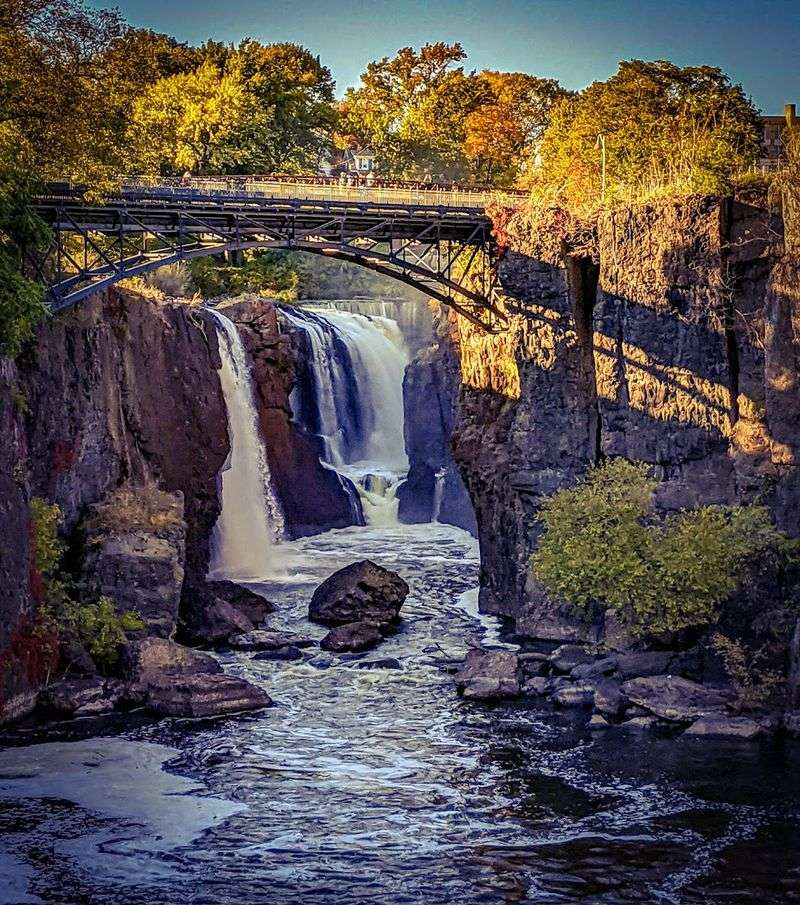
The sound hits first. Before you fully see the falls, you hear the Passaic River throwing itself over the rocks with the kind of force that makes conversation feel optional.
Paterson Great Falls National Historical Park is one of New Jersey’s most dramatic places, and somehow it still gets left out of too many local day-trip conversations. The waterfall itself is the star, but the story around it is just as important.
Paterson was founded as America’s first planned industrial city, and the power of the falls helped drive mills and factories that shaped manufacturing history. That mix of natural spectacle and industrial grit is what makes the park so compelling.
You are not just looking at pretty water. You are standing where ambition, engineering, labor, and landscape all collided.
The park is easy to visit without making a full day of it, though guided tours and ranger programs can add context if available. The viewing areas give different angles of the falls, and the surrounding historic district adds texture beyond the main overlook.
Parking and access can vary, so check current visitor details before heading out. Go after rain if you want more drama, but stay on marked paths and respect closures.
The falls do not need embellishment. They roar just fine on their own.
15. Sterling Hill Mining Museum
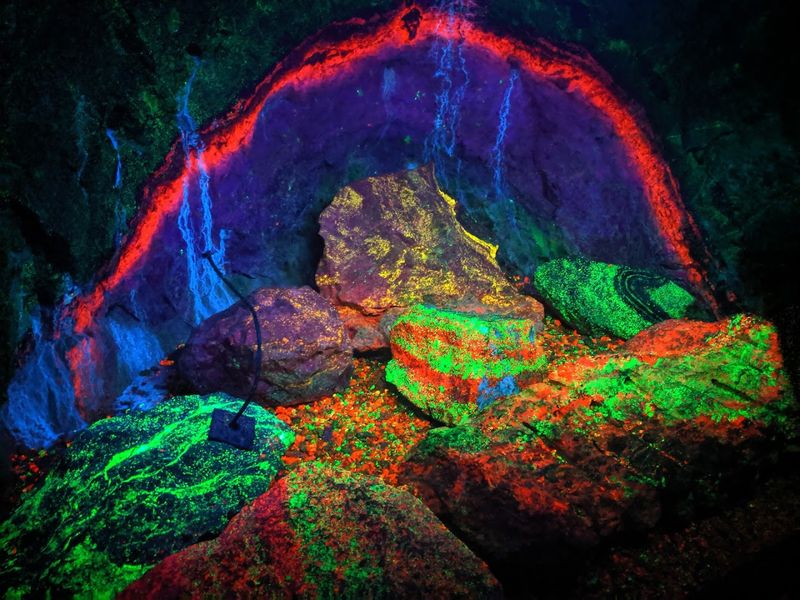
The best part happens when the lights go out and the rocks glow. Sterling Hill Mining Museum in Ogdensburg takes visitors underground into a former zinc mine, but its most unforgettable moment is the fluorescent mineral display, where the walls seem to switch from ordinary stone to electric color.
It is science, history, and a little bit of magic trick all at once. Sterling Hill was once part of one of the world’s great zinc mining districts, and today the museum preserves that industrial story through mine tours, exhibits, equipment, and mineral collections.
The underground tour is the reason to go. You get a sense of the labor, noise, danger, and ingenuity tied to mining, while also seeing geological features that make this part of New Jersey surprisingly famous among mineral collectors.
This is a strong pick for families with curious kids, adults who like unusual museums, and anyone tired of the same old weekend plans. Wear closed-toe shoes and bring a light jacket, because underground spaces can feel cool even when the weather outside is warm.
Tours have schedules and tickets, so do not just drift in at the end of the day and hope for the best. Sterling Hill is weird, educational, and memorable — exactly what a hidden gem should be.
16. Amatol Ghost Town
Some hidden gems are polished enough for brochures. Amatol is not one of them.
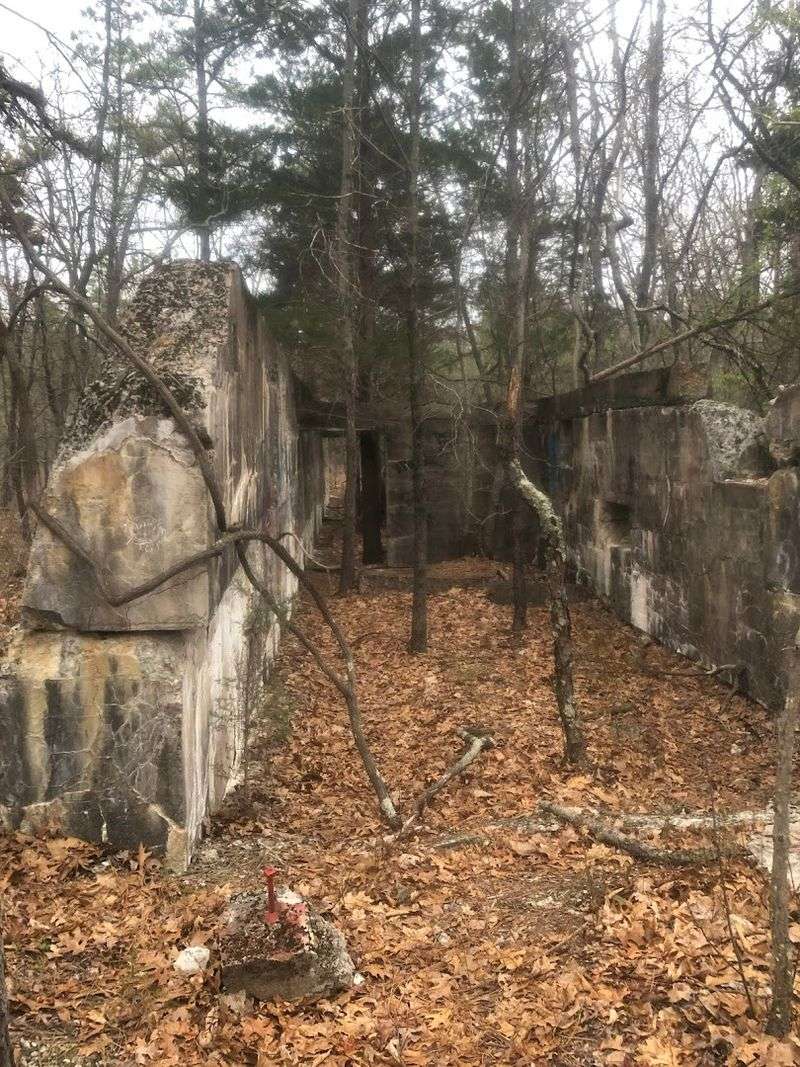
This former World War I munitions town in the South Jersey Pine Barrens is more of a historical whisper: foundations, traces, stories, and the strange knowledge that an entire planned wartime community once existed where the woods now stand.
Amatol was built during World War I to support explosives production, then faded quickly after the war ended.
Later, the area became associated with the old Atlantic City Speedway, adding another layer of vanished history. That combination makes Amatol fascinating, but it also means visitors should treat it differently from the other places on this list.
This is not a tidy attraction with a welcome desk, gift shop, and marked photo spots. If you are interested in Amatol, think of it as a research-first outing.
Learn the history, look for legal public access points, respect posted signs, and do not trespass or disturb ruins. The appeal is not in dramatic structures still standing; it is in realizing how fast a place can be built, used, abandoned, and swallowed by the pines.
For history lovers, that quietness is the point. Amatol asks you to bring imagination, caution, and a healthy respect for the woods.
17. Teaneck Creek Conservancy
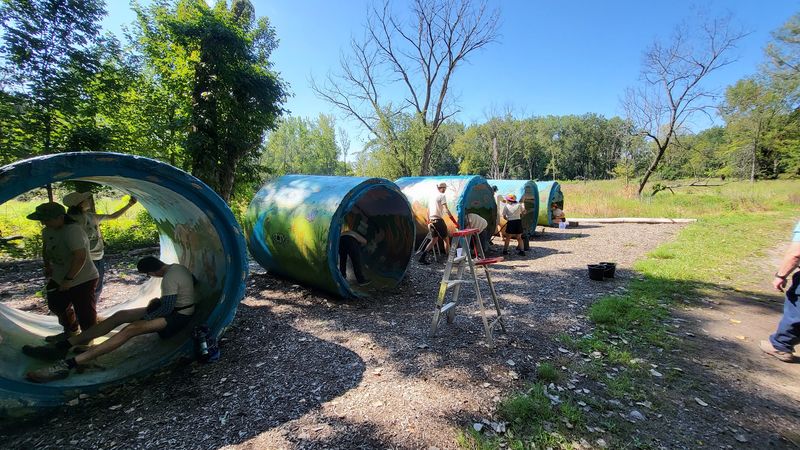
Art shows up in the middle of the trail here, not behind a museum desk. Teaneck Creek Conservancy is a 46-acre natural area in Bergen County where wetlands, woods, environmental restoration, and outdoor art installations share the same space.
It is small compared with many New Jersey parks, but it has a strong sense of identity. The conservancy grew from a community effort to reclaim and restore land that could easily have been ignored.
Today, visitors can walk trails, look for birds and native plants, and come across eco-art pieces that make the landscape feel conversational. One minute you are watching the creek or listening to leaves move overhead; the next, you are looking at an installation that makes you think about pollution, memory, or the history of the watershed.
This is a great stop when you want nature without committing to a big hike. It is also a good reminder that not every worthwhile outdoor space needs sweeping mountain views.
Some places matter because they show what care and imagination can do on a smaller scale. Check trail status before visiting, since wetland areas and boardwalks can be affected by weather or repairs.
Wear shoes you do not mind getting a little dirty, then let the park surprise you.
18. Franklin Parker Preserve
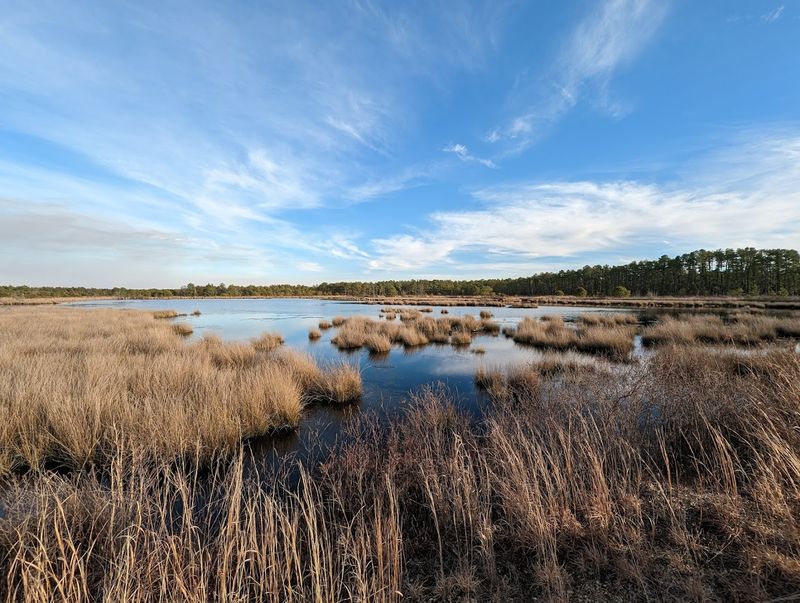
The Pine Barrens get wonderfully quiet at Franklin Parker Preserve. Not empty, exactly — there are birds, frogs, cedar swamps, sandy roads, blueberry fields, and the constant texture of pitch pines — but quiet in the way that makes you lower your voice without knowing why.
Located around Chatsworth, this enormous preserve is one of New Jersey’s great under-visited wild spaces. Franklin Parker Preserve covers a vast stretch of protected Pinelands habitat, with trails and sand roads passing through former cranberry lands, wetlands, forests, and waterways tied to the Wading River.
It is a dream for hikers, birders, photographers, and anyone who likes landscapes that feel open and a little untamed. The terrain is generally flat, but distances can be long, and the sandy footing can make a walk feel more tiring than expected.
This is not a place to visit casually with one percent phone battery and no map. Print or download trail information before you go, bring water, and expect limited facilities.
The payoff is a kind of New Jersey beauty that does not care whether you notice it quickly. Franklin Parker is subtle, spacious, and deeply Pine Barrens.
Give it a few hours, and it starts to feel less like a park and more like a secret the state somehow managed to keep.
Share this story