Hidden in one of Galveston’s quieter neighborhoods, this 20-acre nature preserve offers a peaceful escape that many beachgoers pass by without ever realizing it’s there. Laffite’s Cove Nature Society offers boardwalk trails, shaded pathways, and some of the best bird watching on the island—all completely free and open from dawn to dusk. Most visitors stumble upon this gem by accident, but once you discover the roseate spoonbills, migrating warblers, and peaceful gazebo overlooking the wetlands, it becomes an essential stop every time you’re on the island.
1. A Boardwalk That Feels Like Stepping Into Another World
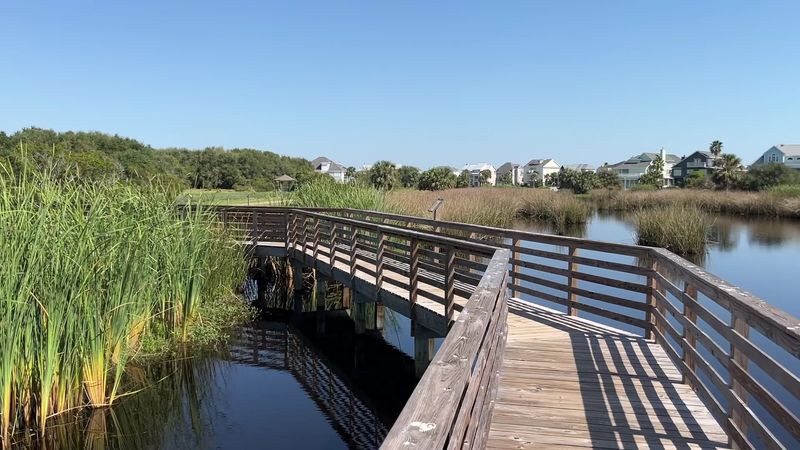
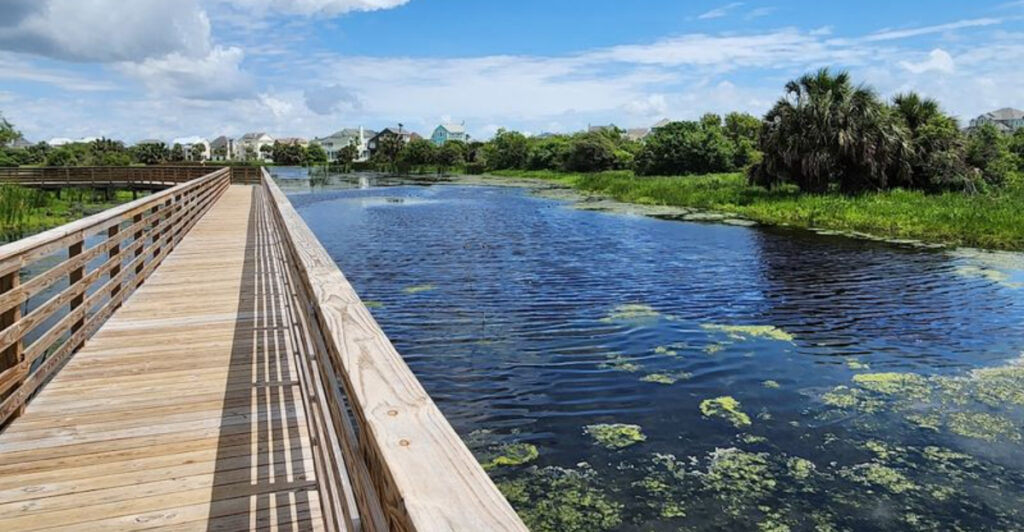
Right from the small parking lot off Eckert Drive, you’ll spot the elevated boardwalk stretching into a world of cattails, marsh grasses, and murky ponds. The wooden planks guide you over the wetlands where turtles sun themselves on half-submerged logs and herons stand motionless, waiting for their next meal. It’s the kind of scene that makes you forget you’re surrounded by residential streets.
The boardwalk itself is wheelchair accessible, which means families with strollers or anyone with mobility concerns can explore without barriers. Interpretive signs dot the route, offering tidbits about the ecosystem and wildlife you might encounter. Early morning visits reward you with cooler temperatures and active birds before the Texas heat settles in.
One of the best parts? The preserve stays remarkably quiet even when a few other visitors are present. The designated quiet zones encourage everyone to keep voices low and phones silenced, creating an atmosphere where nature sounds take center stage.
You’ll hear woodpeckers drilling into oak trees, frogs croaking from the pond edges, and the rustle of leaves as squirrels dart between branches.
Don’t rush through this section. Pause at the overlooks, lean against the railings, and scan the water’s edge. Patient observers often spot alligators lurking in the shallows or catch a glimpse of a rare migrating bird that stopped to rest on its journey north or south.
2. Bird Species That’ll Make Your Jaw Drop
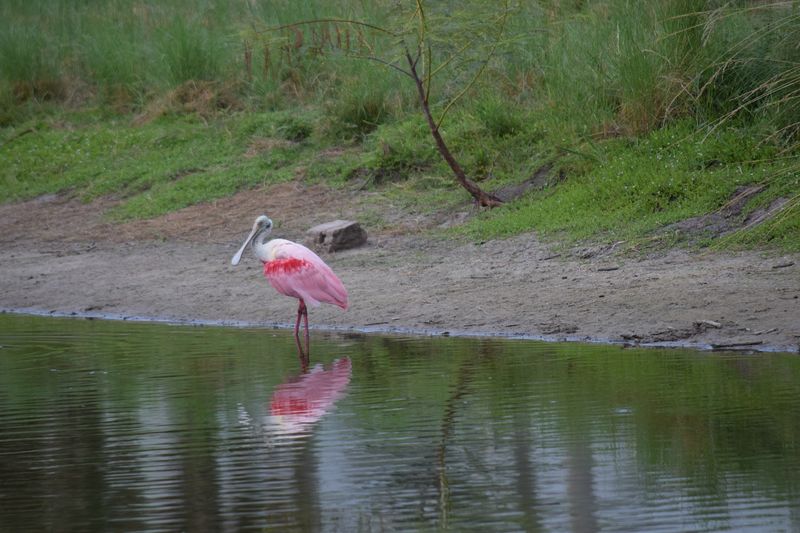
Forget everything you thought you knew about backyard birds. Laffite’s Cove attracts species so vibrant and unusual that even casual observers pull out their phones for photos. Roseate spoonbills—those shocking pink wading birds with spoon-shaped bills—show up regularly, looking like they escaped from a tropical postcard.
Herons in multiple varieties stalk the shallow waters, while egrets pose like living sculptures against the green backdrop.
Spring migration turns this little preserve into a birding hotspot that punches way above its weight. Warblers in eye-popping yellows, oranges, and blues flit through the oak canopy, resting after crossing the Gulf of Mexico. One visitor logged 65 different species in a single day during peak migration season.
Northern parulas, pectoral sandpipers, and even the occasional vagrant species make appearances that send serious birders into happy fits.
Year-round residents include cardinals, mockingbirds, and woodpeckers that call this patch of habitat home. The constructed bird baths near the gazebo area create a natural stage where you can watch feathered visitors drink, bathe, and preen. Bring binoculars if you have them, but honestly, many birds come close enough that you’ll get great views with the naked eye.
Timing matters for bird watching here. Dawn and dusk offer the most activity, while midday can be quieter as birds retreat to shade during hot months. Check migration calendars for spring and fall to maximize your chances of seeing rare travelers passing through.
3. Oak Forest Trails That Offer Serious Shade
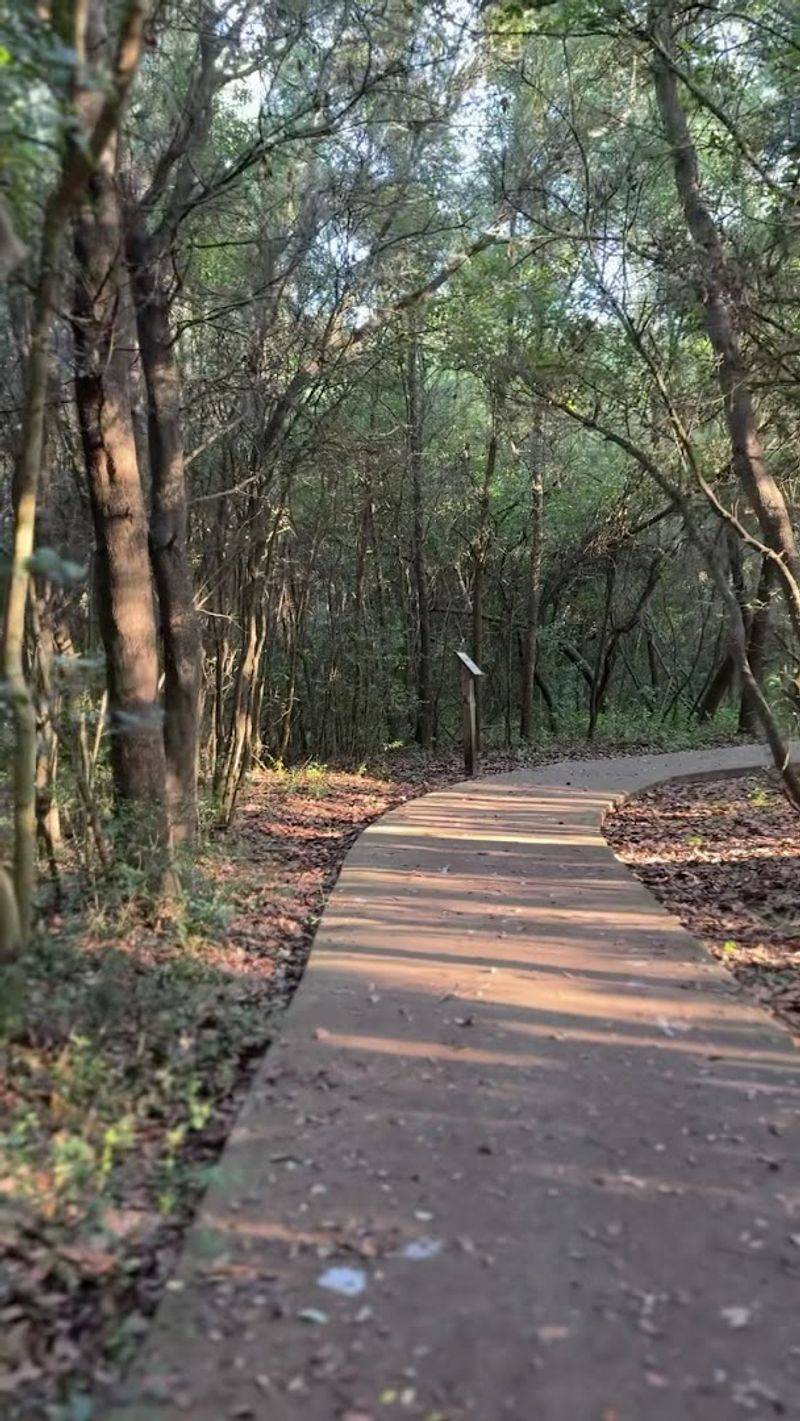
Once you cross the boardwalk section, the landscape shifts dramatically into a canopy of mature oak trees that block out the blazing Texas sun. These trails wind through what feels like genuine woodland—a rarity on a barrier island known more for beaches than forests. The temperature drops noticeably under the thick leaf cover, making summer visits far more comfortable than you’d expect.
The pathways here vary from concrete to packed earth to grassy sections, giving you different textures underfoot as you explore. Moss drapes from some of the older oak branches, adding to that Louisiana-adjacent vibe that characterizes this part of the Texas coast. Wildflowers pop up seasonally along the trail edges, adding splashes of color to the predominantly green palette.
This section of the preserve feels more intimate and enclosed compared to the open wetlands. You might spot peacocks wandering through—yes, actual peacocks—adding an unexpected exotic touch to your walk. Squirrels chatter overhead, and if you’re lucky, you’ll catch sight of a painted bunting or other woodland species that prefer the cover of trees.
The trails aren’t extensive—you can walk the entire network in about 30 to 45 minutes at a leisurely pace. But that’s actually perfect for a quick nature break when you’re already on the island for other activities. The compact size means you won’t get lost, and there’s no pressure to commit hours to the experience unless you want to linger.
4. The Gazebo Where Magic Happens
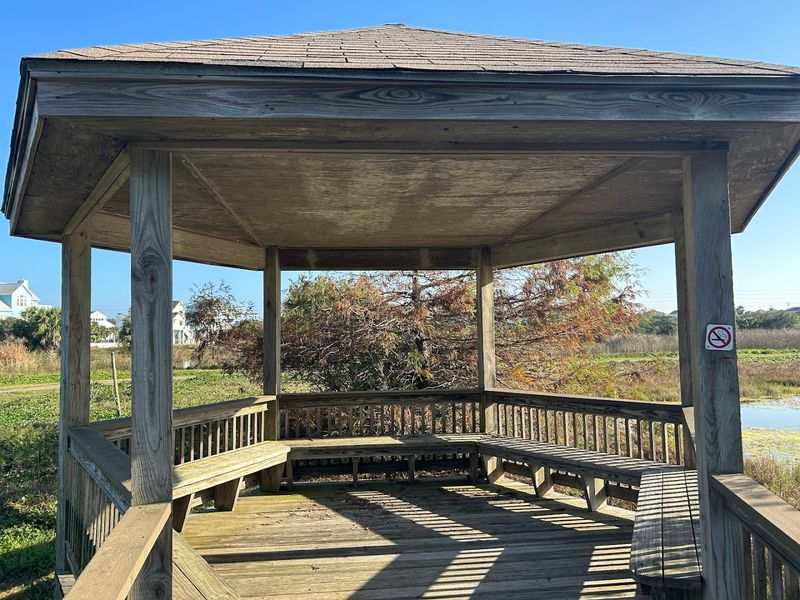
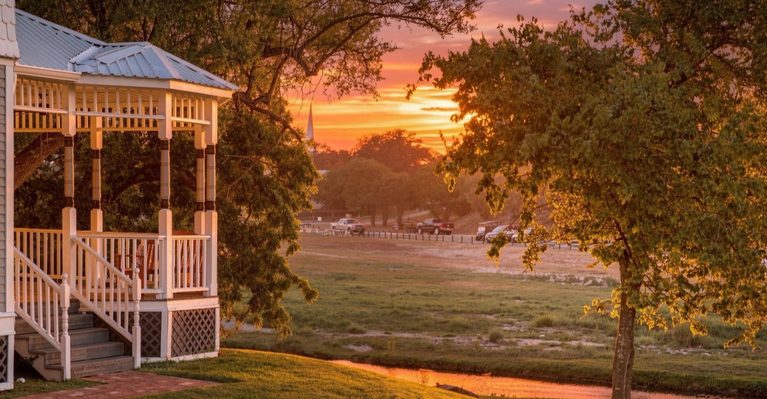
At the heart of the preserve sits a charming gazebo that overlooks one of the main ponds—and this is where patient visitors hit the jackpot. The structure provides shelter from sun or light rain while offering unobstructed views of the water and surrounding vegetation. Benches inside invite you to sit, stay quiet, and let the wildlife come to you instead of chasing it down.
The bird baths and water features positioned near the gazebo act like a magnet for feathered visitors throughout the day. You’ll watch species you’ve never seen before drop in for a drink or a quick splash. The quiet zone designation around this area means everyone keeps their voices down, creating an almost meditative atmosphere where the only sounds are natural ones.
Photographers love this spot because the gazebo provides a stable platform for setting up tripods and telephoto lenses. The angle and distance to the water create ideal conditions for capturing birds without disturbing them. Even smartphone cameras can grab decent shots when birds venture close to the viewing area.
Bring a field guide or download a bird identification app before you visit—you’ll want to put names to the incredible variety of species that parade past. Some visitors report spending an hour or more just sitting in the gazebo, mesmerized by the constant stream of wildlife activity. It’s the kind of experience that slows your heart rate and reminds you why protecting wild spaces matters.
5. Free Admission With A Catch You Should Know
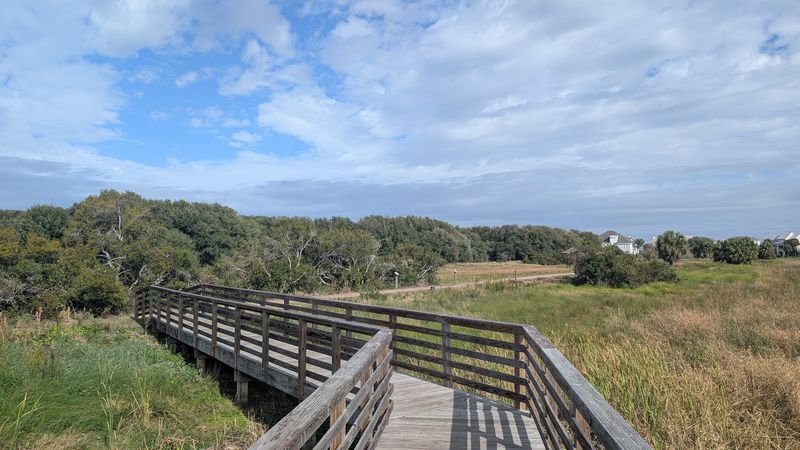
Here’s the deal that makes Laffite’s Cove even more appealing: admission is completely free, no tickets required, no entrance fees, no donation boxes pressuring you at the gate. The Nature Society maintains this preserve through volunteer efforts and community support, keeping it accessible to everyone regardless of budget. You can visit daily from 6 AM to 8 PM year-round, giving you flexibility to stop by whenever your schedule allows.
The catch? Parking is genuinely limited—we’re talking about 10 spaces max in the dedicated lot right at the entrance. On weekdays, you’ll probably find a spot without issue, but weekends and peak migration times can fill up quickly.
The preserve sits in a residential neighborhood, so street parking isn’t really an option without annoying the locals who live there. Plan to arrive early if you’re visiting on a Saturday or during popular birding seasons.
There are zero facilities here beyond the trails themselves. No restrooms, no water fountains, no visitor center with air conditioning. Come prepared with anything you might need, including water, snacks, and sunscreen.
The lack of amenities keeps the preserve simple and focused on what matters—the natural habitat and wildlife.
Despite the sparse facilities, the preserve stays remarkably well-maintained thanks to dedicated volunteers. Trash cans are available, pathways get cleared regularly, and interpretive signs stay in good condition. The community clearly takes pride in this little gem, and visitors should respect that by following posted rules and leaving no trace.
6. Mosquitoes Are Real (And So Are Snakes)
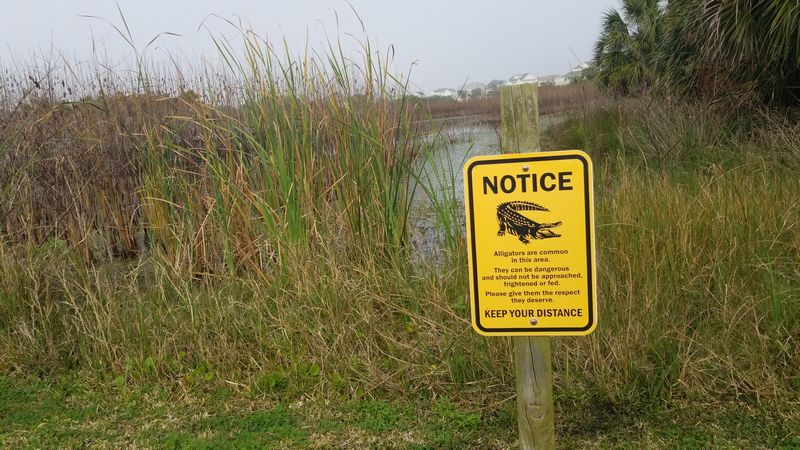
Let’s address the elephant—or rather, the mosquito—in the room. Multiple reviews mention these bloodsuckers for good reason: wetlands and marshes create perfect breeding grounds for mosquitoes, and Laffite’s Cove delivers them in abundance, especially during warmer months. Forgetting bug spray here ranks among the top mistakes you can make.
Apply it generously before you leave your car, and consider bringing the bottle along for reapplication.
The preserve also posts warnings about snakes and alligators, because this is genuine wild habitat, not a sanitized theme park. Cottonmouths (water moccasins) live in these wetlands and occasionally show up on trails or near the water’s edge. They’re not aggressive if you leave them alone, but they are venomous, so watch where you step and keep a respectful distance from any snake you encounter.
Alligators make appearances too, though they’re generally less common and more shy than the snakes. Stay on designated paths, don’t wade into the water, and definitely don’t let kids or pets approach the pond edges unsupervised. The wildlife here is the real deal, which is exactly what makes the preserve special—but it requires visitors to use common sense and respect natural boundaries.
These warnings aren’t meant to scare you away. Thousands of people visit safely every year by following basic precautions: wear closed-toe shoes, stay on trails, apply bug spray, and keep your eyes open. The reward of experiencing authentic Texas coastal habitat far outweighs the minor inconveniences of mosquitoes and the remote possibility of snake encounters.
7. Perfect Stop Between Beach And State Park
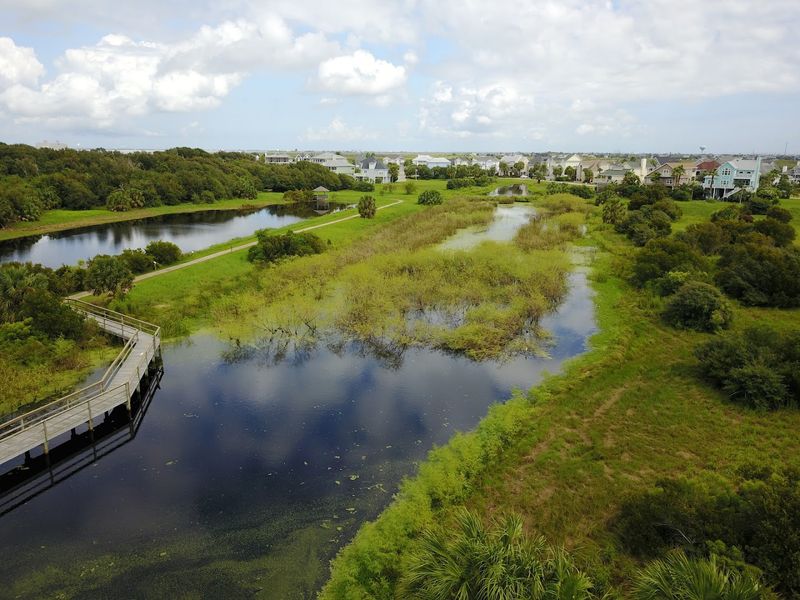
Geography works in Laffite’s Cove’s favor—it sits on Galveston’s west end, practically on the route between the main beach areas and Galveston Island State Park. This positioning makes it ridiculously easy to incorporate into a day of island exploration without backtracking or making a special trip. Swing by in the morning before hitting the beach, or stop on your way to the state park for camping or kayaking.
The preserve offers something completely different from the beach experience most people come to Galveston seeking. Instead of sand and surf, you get forest and wetlands. Instead of crowds and noise, you find solitude and birdsong.
It’s the perfect counterbalance to a day of saltwater and sunshine, giving you a fuller picture of the island’s ecological diversity.
Many visitors report discovering the preserve by accident while driving through the neighborhood, spotting the sign and deciding to investigate. That sense of stumbling onto something unexpected adds to the charm—this isn’t a heavily marketed tourist attraction, which means it stays relatively uncrowded even during peak Galveston visitation periods. Locals seem to prefer keeping it somewhat under the radar, though they’re happy to share it with respectful visitors.
If you’re staying anywhere on the west end of Galveston, Laffite’s Cove makes an excellent early morning destination before the day heats up. Grab coffee, drive over at dawn, spend an hour walking the trails and watching birds, then head to your main activities feeling like you’ve already accomplished something worthwhile before breakfast.
8. What Serious Birders Know About This Spot
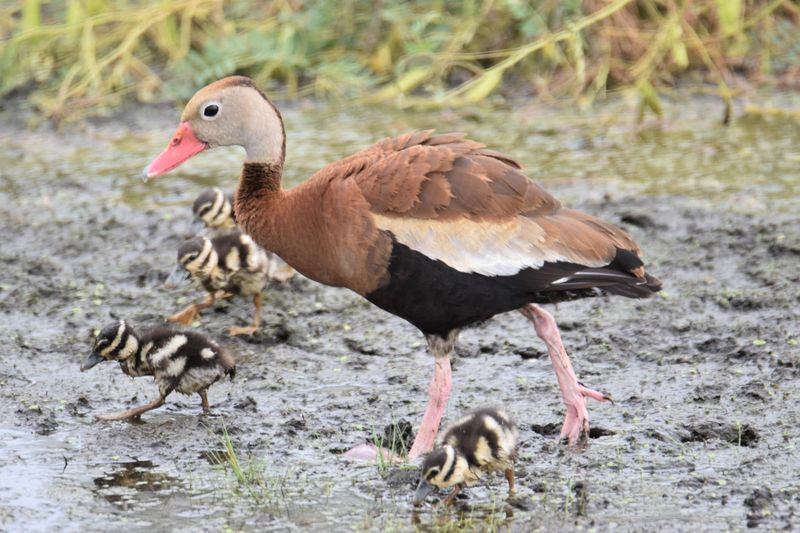
Ask experienced birders about Galveston Island hotspots, and Laffite’s Cove consistently makes the list despite its small size. The preserve’s location on the coast makes it a critical stopover point for migrating birds crossing the Gulf of Mexico. After flying hundreds of miles over open water, exhausted birds drop into the first suitable habitat they find—and this little oasis of trees and freshwater delivers exactly what they need.
Spring migration (roughly March through May) brings the most dramatic variety, with warblers, tanagers, buntings, and other neotropical migrants passing through in waves. Fall migration (August through October) offers another window of opportunity, though typically with less vibrant plumage as birds travel in their non-breeding colors. Serious birders plan their Galveston trips around these windows specifically to maximize species counts.
The drip areas—water features designed to attract birds with the sound and sight of moving water—prove especially productive during migration. Birds home in on these spots, creating concentrated viewing opportunities that make photography and observation much easier than scanning vast stretches of habitat. Patient observers stationed near the drips during peak migration can rack up impressive species lists in just a few hours.
Even outside migration seasons, the preserve maintains healthy populations of resident species and attracts waterfowl, wading birds, and raptors throughout the year. Winter brings different species than summer, giving repeat visitors new sightings across seasons. The combination of wetland, forest, and open water habitats compressed into 20 acres creates remarkable biodiversity that keeps birders coming back.
Share this story