On a spring night along the Delaware Bay, a horseshoe crab can get flipped by a wave, stuck on its back, and quietly become part of a much bigger New Jersey story.
A few counties away, baby songbirds are arriving by the boxful at a rehabilitation center, seals are being watched from the sand, and volunteers are counting birds that just crossed hundreds of miles of sky.
That is the fun twist about wildlife work here: New Jersey may be dense, busy, and forever arguing about parkway exits, but it is also full of marshes, forests, beaches, bays, and rescue centers where regular people can actually help. You do not need to be a biologist to start.
Some programs need trained hands, others need sharp eyes, patience, muddy shoes, or someone willing to answer visitor questions with a smile. These 13 programs are some of the best places to learn, volunteer, and get closer to the wild side of the Garden State.
1. NJDEP Fish & Wildlife Wildlife Conservation Corps
This is the big one for anyone who wants to do more than admire wildlife from the trailhead. The Wildlife Conservation Corps is run through NJDEP Fish & Wildlife, and it plugs volunteers into real conservation and education work across the state.
It is not one single preserve or one tidy weekend project. It is a statewide volunteer network, which means the experience can look different depending on where you live, what season it is, and what Fish & Wildlife needs most at the moment.
One person might help with fish stocking or fishing education, while another might assist with habitat projects, wildlife monitoring, range upkeep, or public outreach. That variety is exactly what makes it worth including.
It is a good fit for people who like structure, want to learn from agency staff, and do not mind that conservation sometimes involves practical, behind-the-scenes work rather than dramatic animal encounters. Think fewer staged photo ops, more boots-on-the-ground usefulness.
It is also one of the better choices if you are interested in New Jersey wildlife management as a whole, not just one species or one facility. Expect an application process, training, and assignments that may shift by region.
For locals who want a serious entry point into conservation, this is about as plugged-in as it gets.
2. Conserve Wildlife Foundation of New Jersey
If your ideal volunteer day involves being outdoors where the wildlife actually lives, Conserve Wildlife Foundation of New Jersey belongs high on the list. This group focuses on rare, threatened, and endangered wildlife, which gives its volunteer opportunities a wonderfully specific edge.
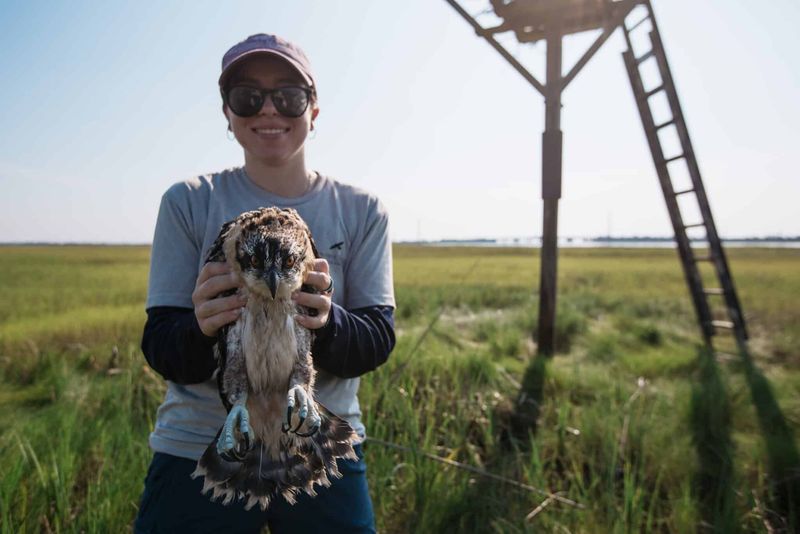
You are not just showing up to “help nature” in the abstract. You might be supporting beach-nesting bird protection, amphibian road-crossing efforts, osprey platform work, bat counts, frog and toad surveys, or kestrel nest box monitoring, depending on the season and current needs.
The vibe is very field-minded: bring curiosity, dress for weather, and expect the kind of experience that makes you notice details you used to walk past. A muddy roadside on a rainy night can suddenly become an amphibian migration route.
A quiet platform in a marsh can become part of an osprey comeback story. Because many projects are seasonal, the best approach is to keep an eye out for openings and be ready to sign up when the timing fits.
It is especially strong for people who want a mix of learning and direct conservation action. You may not be cuddling animals, and that is the point. This is about protecting wildlife in the places they need most.
3. New Jersey Audubon Volunteer Programs
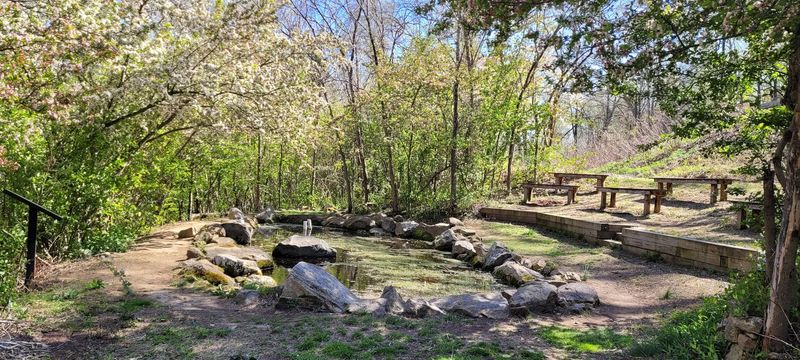
New Jersey Audubon is perfect for the person who starts a walk looking at one bird and ends it asking about native plants, soil, water, migration, and habitat. The organization has a broad conservation mission, and its volunteer opportunities reflect that range.
Depending on the location and need, volunteers may help at centers, support education programs, assist with citizen science, maintain grounds, prep materials, greet visitors, or take part in projects that connect everyday people with New Jersey’s natural world. What makes this one especially useful is its accessibility.
You do not have to arrive as an expert birder with expensive binoculars and a life list that sounds like a legal document. Plenty of people come in simply wanting to learn, and New Jersey Audubon has the kind of programming and staff knowledge that can turn casual interest into a real conservation habit.
It is also a good option for volunteers who want to help but may not be able to commit to physically demanding animal-care work. Some roles are outdoors, some are educational, and some are behind the scenes.
The common thread is that you are supporting one of the state’s long-running conservation organizations while slowly becoming the person in your friend group who can identify a warbler. No shame in that.
4. Cape May Bird Observatory
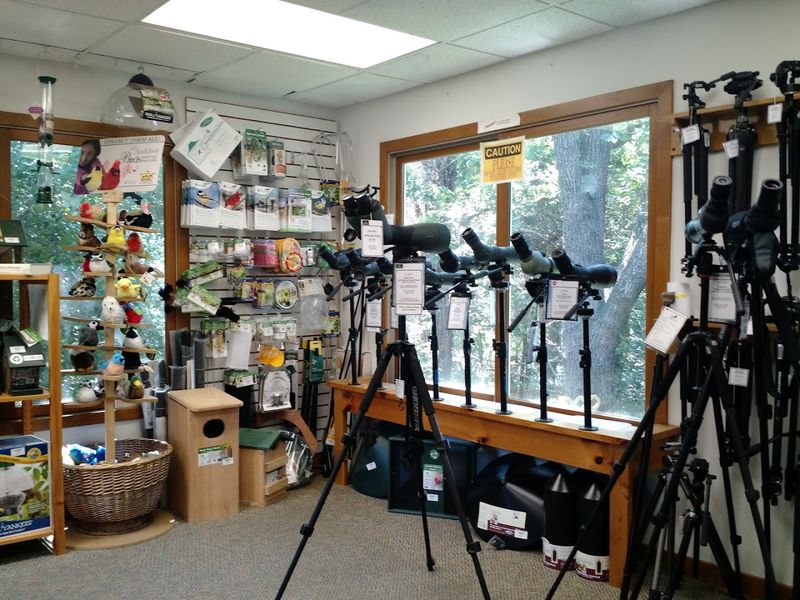
Cape May Bird Observatory is where New Jersey birding starts to feel almost theatrical. The geography does half the drama: birds funnel through Cape May during migration, and suddenly a morning sky can seem busier than the Garden State Parkway in July.
Founded by New Jersey Audubon in 1976, the observatory is known for research, environmental education, bird conservation, and recreational birding, but it is also one of the best places in the state to simply learn how much is happening overhead.
This is a terrific choice for people who want classes, guided walks, seasonal programs, field trips, and a deeper understanding of migration.
You can build skills slowly, from basic identification to more advanced workshops, and the setting does a lot of the convincing. Cape May Point, nearby marshes, beaches, and migration watch sites make the learning feel immediate.
You are not just hearing about habitat; you are standing in it. Volunteer and internship opportunities tend to be more specialized than a casual drop-in nature walk, but even participating in programs supports the larger conservation mission.
Practical note: migration seasons can draw serious birders, so register early for special walks or workshops. Also, bring layers. Cape May weather likes to keep a little mystery in the forecast.
5. The Raptor Trust
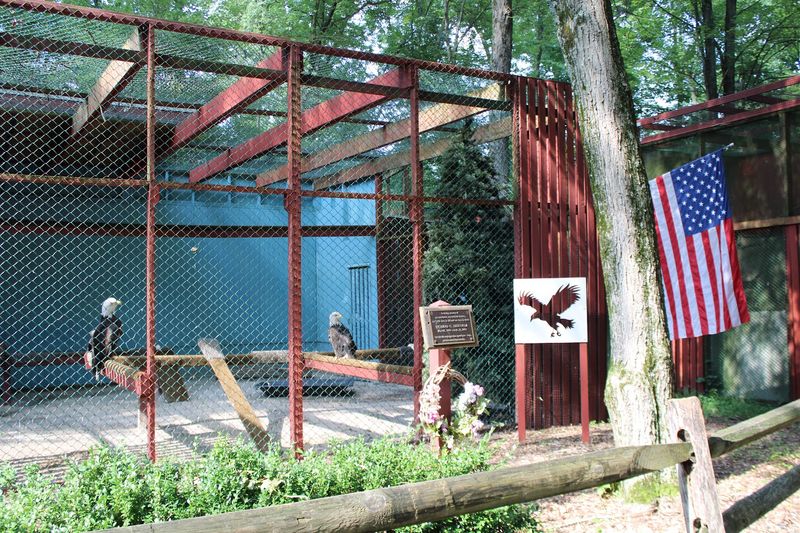
There is something unforgettable about standing near a hawk, owl, or vulture and realizing how little it cares about your schedule. The Raptor Trust in Millington is one of New Jersey’s best-known wild bird rehabilitation and education centers, and it has been caring for injured and orphaned native birds for decades.
Visitors can see resident birds that cannot be released, while the medical and rehabilitation work happens with the goal of returning wild birds to the wild whenever possible. For volunteers, this is important to understand: the work is meaningful, but it is not a fantasy version of animal handling.
Volunteers do not handle raptors or enter raptor cages. Instead, they support the operation in ways that keep the whole place functioning, especially during busy baby bird season.
That can mean food prep, cleaning, laundry, phone support, reception, gift shop help, or grounds work. It is hands-on, but in a responsible way.
The appeal here is the mix of awe and realism. You get close enough to appreciate the birds, while also seeing how much careful, unglamorous work wildlife rehabilitation requires.
The Millington location is easy enough for many North and Central Jersey residents, and it is a strong pick for anyone who wants wildlife education with talons attached.
6. Woodford Cedar Run Wildlife Refuge
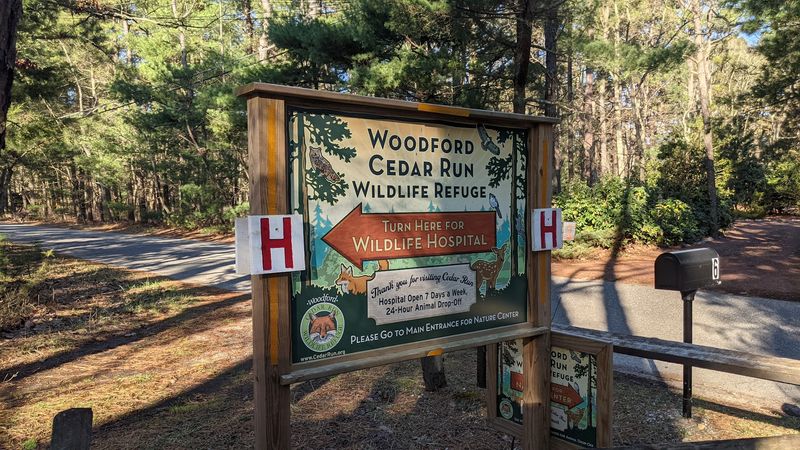
In Medford, Woodford Cedar Run Wildlife Refuge feels like a South Jersey classic: part nature center, part trail stop, part wildlife hospital, and part “wait, I had no idea that animal lived here” lesson. It is especially good for families, nature-curious adults, and potential volunteers who want to see the educational side of rehabilitation up close.
The refuge has trails, resident wildlife ambassadors, programs, and a wildlife hospital that treats injured and orphaned animals with release as the goal whenever possible. That combination makes it more than a rescue facility tucked away from public view.
Visitors can learn about native species, walk the grounds, and understand how habitat, education, and rehabilitation connect. For volunteers, Cedar Run has a formal process, and adults should expect a background check and training requirements.
Group volunteer days may also be available for schools, clubs, or companies, which makes it a practical option if you are trying to organize something beyond a solo commitment. The work can be less cuddly than people imagine, because wildlife care means cleaning, prep, patience, and following instructions exactly.
But that is also why it matters. Cedar Run is a great reminder that conservation is not only about saving animals after trouble hits; it is about teaching people how to prevent some of that trouble in the first place.
7. Woodlands Wildlife Refuge
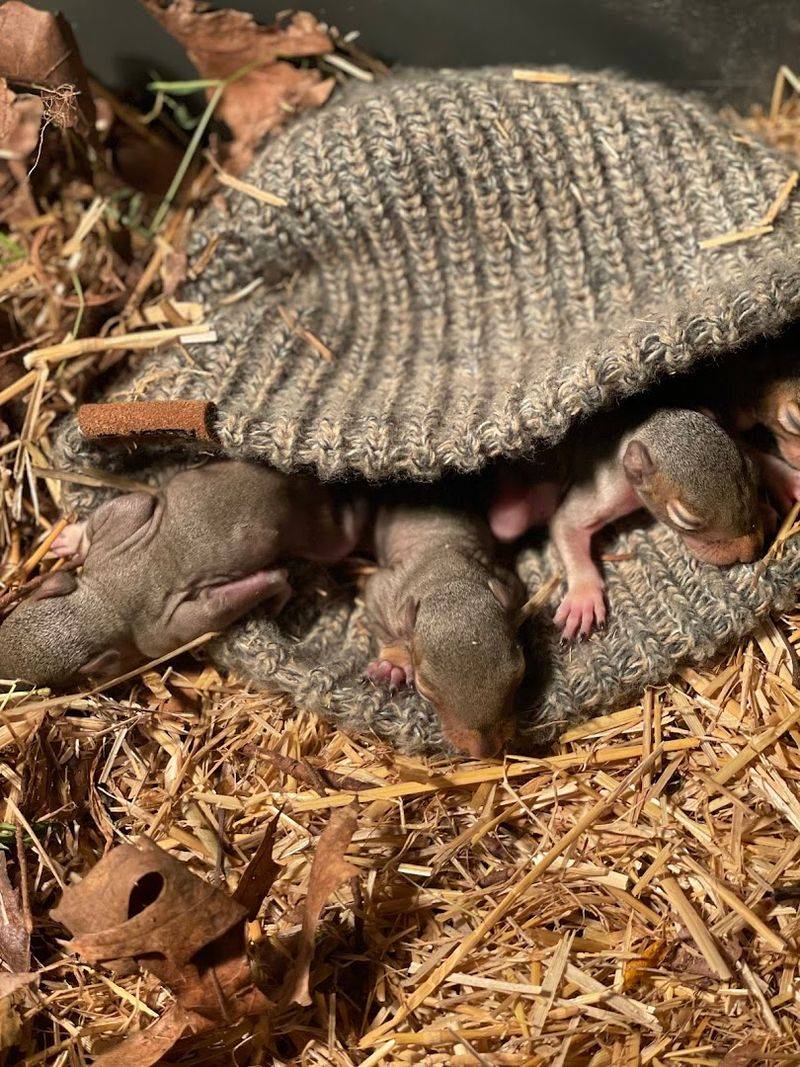
Woodlands Wildlife Refuge in Pittstown is for people who have a soft spot for New Jersey’s smaller, quieter wild residents: mammals, reptiles, and the orphaned or injured animals that often need specialized care before they can be released.
Founded in 1986, Woodlands has built its reputation around native wildlife rehabilitation and public education, and its volunteer program has a genuinely hands-on feel.
That does not mean everyone strolls in and immediately starts handling animals. Wildlife work has rules for good reason, and volunteers who work directly with animals need training and a long-term commitment.
But there are several ways to help, from animal-care support and enclosure maintenance to education programs, cleaning, meal prep, laundry, and other essential tasks. The minimum volunteer age is lower than some programs, which may make it appealing to committed teens as well as adults, though requirements and roles vary.
What makes Woodlands stand out is its focus on animals people often misunderstand or overlook. A turtle crossing a road, a young mammal separated from its mother, or a reptile in trouble can all become part of a larger lesson in coexistence.
It is a strong fit for patient volunteers who are ready to do careful work and learn that “cute” is only one tiny piece of wildlife rehabilitation.
8. Mercer County Wildlife Center
Mercer County Wildlife Center is the kind of place that makes the phrase “local wildlife” feel very real. Serving the central New Jersey area, the center rehabilitates birds and mammals with the goal of releasing them back into suitable habitat.
That mission sounds simple until you picture the daily rhythm behind it: feeding, cleaning, laundry, intake, records, enclosures, and the steady parade of animals that arrive because of cars, storms, cats, window strikes, nest mishaps, and all the other ways human life bumps into wild life.
Volunteers are especially important during the warmer months, when young animals and seasonal injuries increase.
The center typically looks for adults who can commit to a weekly shift during the busy season and attend orientation, so this is better for someone ready to be dependable rather than someone hoping for a one-time animal encounter.
The location in Hopewell Township makes it a practical option for volunteers from Mercer County and nearby communities.
It is also a good educational pick because wildlife rehabilitation forces you to think locally. These are not faraway endangered species in a documentary.
They are the animals living behind schools, near creeks, along county roads, and in backyards. Helping here can change the way you see your own neighborhood.
9. Marine Mammal Stranding Center
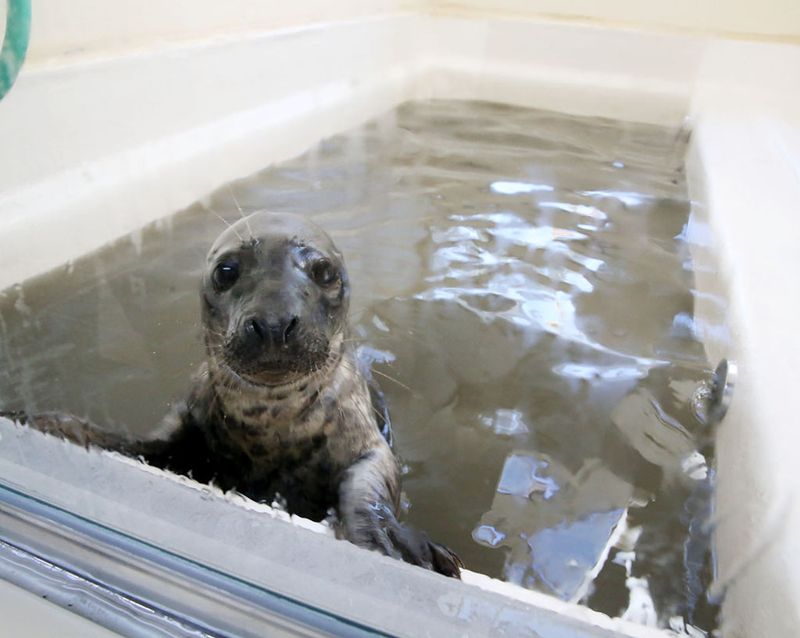
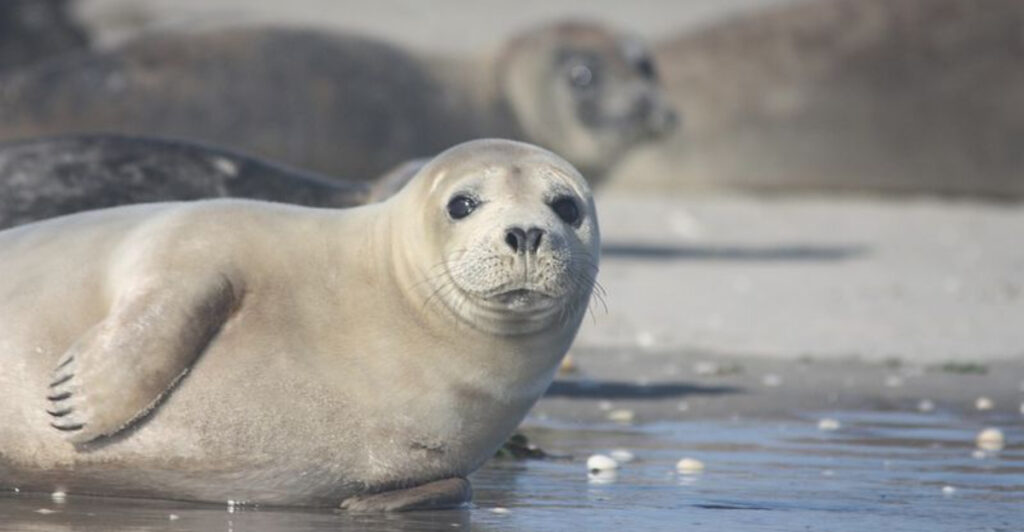
A seal resting on a Jersey Shore beach can cause instant confusion: Is it hurt? Is it sleeping?
Should anyone go near it? The Marine Mammal Stranding Center in Brigantine is one of the reasons New Jersey has real answers to those questions.
Founded in 1978, the center responds to marine mammal strandings and sea turtle emergencies across the state, and its work covers rescue, rehabilitation, release, education, and public reporting. This is not a casual “pet the seal” experience.
In fact, the best lesson most people can learn from MMSC is restraint: keep distance, report properly, and let trained responders do their work.
For volunteers and learners, the center offers ways to support the mission through public-facing roles, museum help, education, and internships for students or recent graduates interested in marine mammal rehabilitation and response.
Requirements can be specific, including age, availability, and proximity, because strandings do not politely happen on a convenient schedule. The Brigantine setting adds to the appeal, especially for Shore locals who want to understand what is happening beyond the beach blanket.
MMSC is a must-know program because it connects everyday beachgoers with the serious conservation work happening just offshore, often before most of us have finished our boardwalk fries.
10. The Wetlands Institute
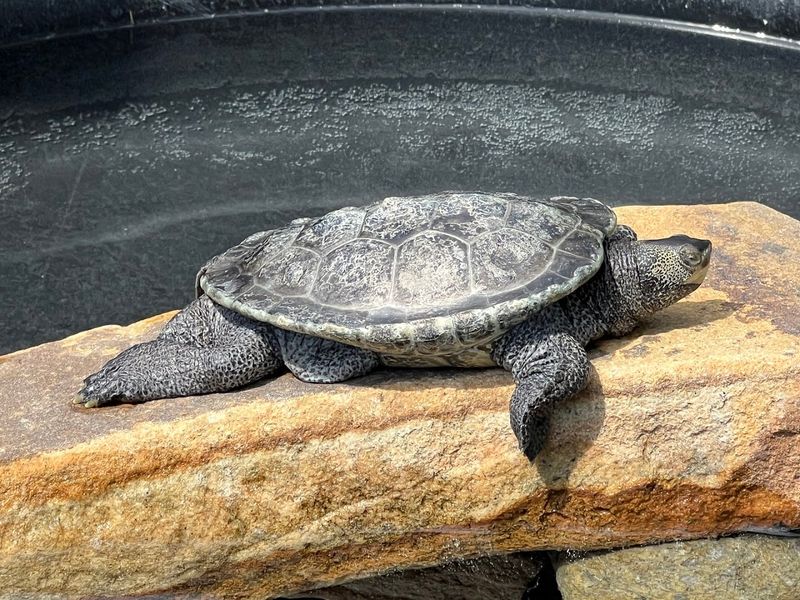
The Wetlands Institute in Stone Harbor is the rare place where marsh mud becomes charming. Set near coastal wetlands, it focuses on research, conservation, and education, with programs that make the barrier island ecosystem feel alive rather than merely scenic.
This is a great stop for anyone interested in diamondback terrapins, horseshoe crabs, shorebirds, marsh ecology, and the fragile in-between places where land and water keep negotiating. Volunteers can support the institute in several ways, including education, stewardship, visitor engagement, and research or conservation project assistance.
Some opportunities require more commitment and training, especially those connected to fieldwork. That is a good thing.
Wetlands are delicate, and the work should be careful. For visitors, the appeal is immediate: you can learn why these ecosystems matter while looking right at them.
For volunteers, the draw is the chance to support projects that feel rooted in place, season, and science. The location is especially appealing for Cape May County residents or Shore regulars who want their beach time to come with a deeper purpose.
Come expecting salt air, marsh views, and the possibility that you will never look at a terrapin crossing sign the same way again. Honestly, that is a pretty good upgrade.
11. Save Coastal Wildlife
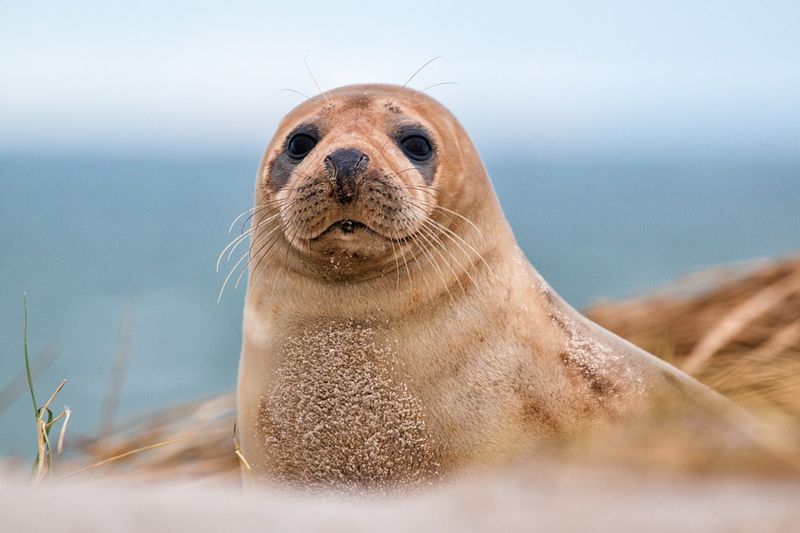
Save Coastal Wildlife has the energy of people who know the Jersey Shore is more than beach tags, umbrellas, and debates about the best slice.
Based in Atlantic Highlands, the nonprofit focuses on protecting coastal wildlife and habitats, with volunteer projects that can include beach cleanups, fish surveys, habitat restoration, horseshoe crab monitoring, and community education.
This is a strong pick for people who want conservation work that feels active but approachable. You do not necessarily need a science background to get started, but you should be ready to learn, follow protocols, and pay attention.
Coastal conservation often lives in the details: what washes up, what species are present, what habitat is being damaged, and how human behavior affects the animals that share the shoreline. Save Coastal Wildlife is especially appealing for North Jersey Shore and Raritan Bay-area volunteers who want opportunities closer to home.
The vibe is community-based and practical, with projects that remind you the coast is a living system, not just a summer backdrop. It is also a nice option for groups, families with older kids, or anyone who wants to turn a beach day into something more useful.
You may arrive for a cleanup and leave knowing the local shoreline like a nosy neighbor, which is exactly the right energy.
12. Friends of Great Swamp National Wildlife Refuge
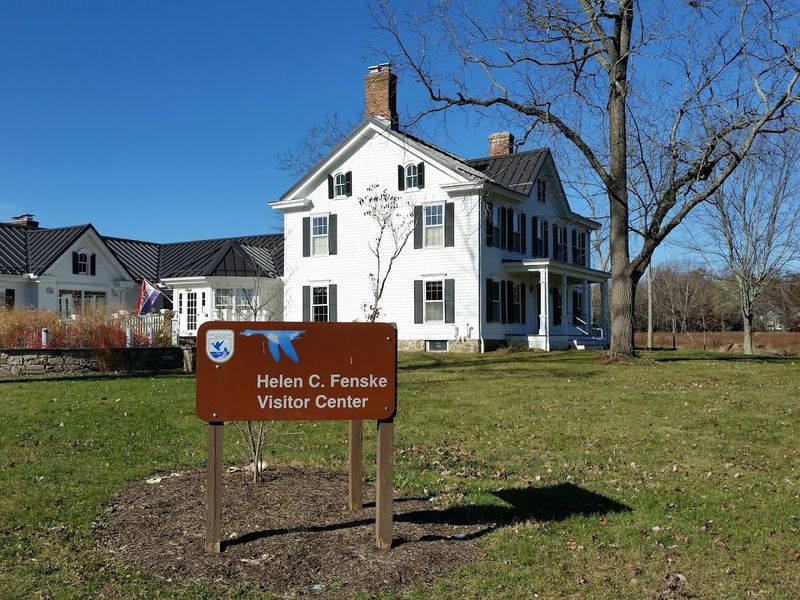
Only New Jersey could tuck a major wildlife refuge within reach of suburban errands and still make it feel like you slipped through a secret door. Friends of Great Swamp National Wildlife Refuge supports the Great Swamp refuge in Morris County, an 8,000-acre landscape of wetlands, woods, trails, and wildlife habitat.
The refuge is close enough to New York City to make the contrast almost funny, yet once you are there, the pace changes fast. Volunteers help support the U.S.
Fish & Wildlife Service mission through visitor engagement, programs, projects, and refuge support. For learners, the area offers trails, a visitor center, observation opportunities, and a chance to understand why wetlands matter so much for migrating birds and local wildlife.
The Friends group is especially important because refuges rely on community support in ways visitors do not always see. Someone has to help with education, events, nature shop support, outreach, and the many small tasks that keep a public conservation space welcoming.
This is a great pick for North Jersey residents who want meaningful nature access without driving to the Shore or the Pinelands. It is also ideal for volunteers who like people as much as wildlife.
Sometimes protecting a place starts with helping visitors care about it.
13. Friends of Edwin B. Forsythe National Wildlife Refuge
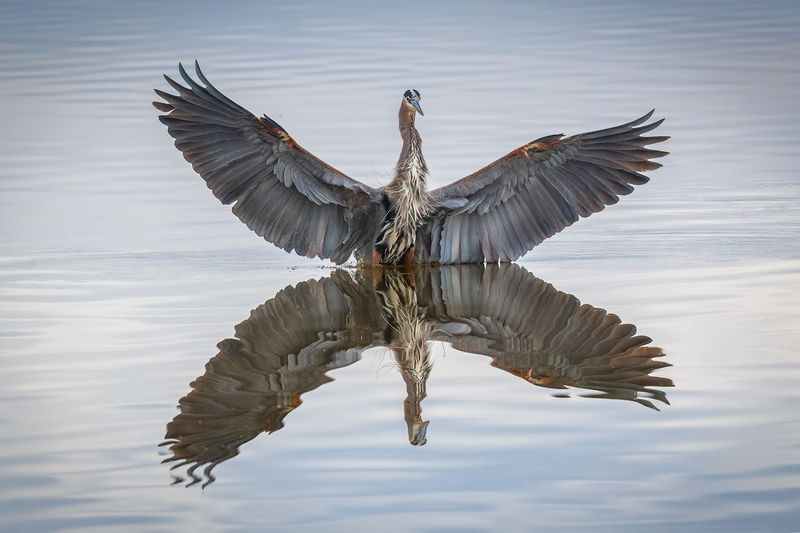
Edwin B. Forsythe National Wildlife Refuge is one of South Jersey’s great birding landscapes, and the Friends group helps make the experience richer for visitors while supporting the refuge’s conservation mission.
The refuge protects more than 48,000 acres of coastal habitat, much of it wetlands and salt marsh, along one of the Atlantic Flyway’s important migration routes. In plain English, that means birds love it here, and birders know it.
The Wildlife Drive in the Galloway area is a favorite for spotting waterfowl, wading birds, shorebirds, raptors, and whatever surprise the marsh decides to offer that day.
Volunteers with the Friends of Forsythe may help with visitor information, nature interpretation, environmental education activities, gift shop support, office tasks, membership work, or committee service.
It is a good match for people who enjoy talking with visitors, explaining what they are seeing, and helping a refuge feel approachable instead of intimidating. The practical appeal is strong, too: you can combine volunteering or learning with one of the most rewarding slow drives in New Jersey.
Bring binoculars, patience, and a willingness to be humbled by birds that refuse to pose. Forsythe has that effect on people, and honestly, it is part of the fun.
Share this story