The first spoonful does not behave like regular restaurant soup. It is darker, deeper, and a little mysterious in that way good gumbo is supposed to be, with a roux that tastes like someone actually stood over a pot and paid attention.
That is the surprise waiting at Krewe of McGinley Square, a New Orleans-style kitchen on Bergen Avenue in Jersey City where the gumbo does not feel like a Northern interpretation wearing a Mardi Gras mask. It has weight.
It has patience. It has that slow-building warmth that sneaks up halfway through the bowl instead of shouting at you from the first bite.
New Jersey has no shortage of restaurants borrowing Southern comfort food ideas, but Krewe feels different because it does not treat Cajun and Creole food like a theme. It treats it like dinner. And around here, that matters.
The Jersey City Cajun Spot Making Gumbo Worth the Drive
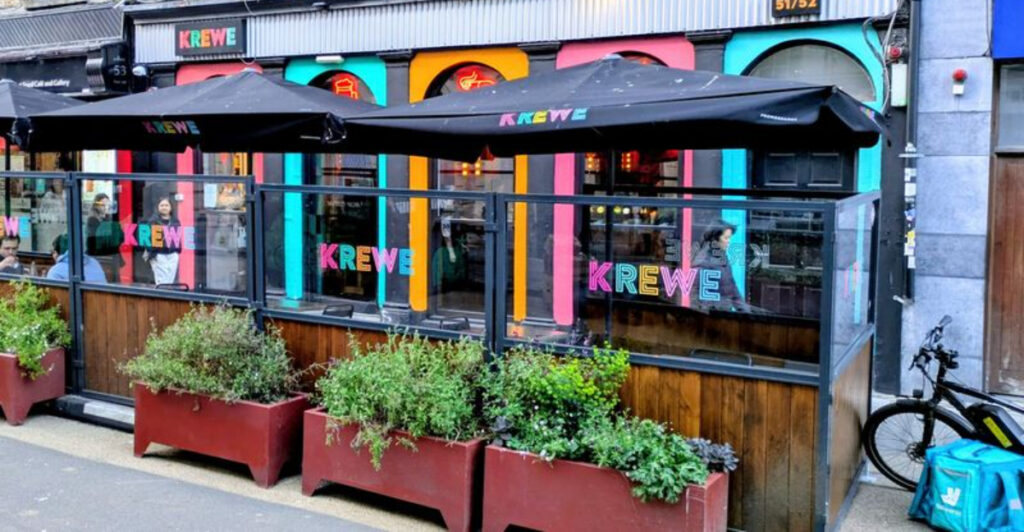
Krewe sits at 673 Bergen Avenue in McGinley Square, which already gives it a different rhythm from the glossy, river-view side of Jersey City. This is not the kind of place where you wander in because you were waiting for a waterfront cocktail reservation.
You go because someone told you the gumbo is serious, or because you have passed the storefront enough times to finally give in, or because your usual takeout rotation has started to feel criminally uninspired.
The restaurant opened in 2021, and it has quietly become one of those Jersey City food addresses people mention with the confidence of someone sharing useful information, not chasing hype.
McGinley Square helps with that. It is a real neighborhood crossroads, close to Saint Peter’s University, the Armory, Bergen Avenue foot traffic, and enough local regulars to keep a small restaurant honest.
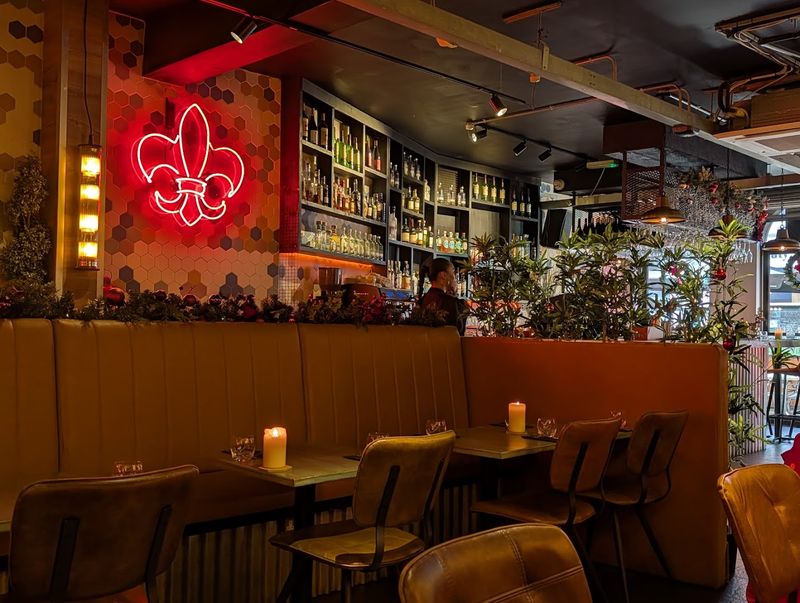
Krewe is not massive, and that works in its favor. The room feels more like a casual neighborhood kitchen than a stage set built to imitate New Orleans.
You are not walking into plastic beads, forced jazz hands, and a menu that thinks cayenne pepper is a personality. You are walking into a place where gumbo, seafood gumbo, shrimp étouffée, jambalaya, po’ boys, and beignets all sit comfortably on the same menu because that is the point.
Recent online ordering menus list a bowl of gumbo around $12 and seafood gumbo around $15, which makes it easy to justify starting there even if you came hungry enough for a full entree. Hours can shift, but current public listings generally show service from midweek through Sunday, with Friday and Saturday stretching later for dinner.
That means this is the kind of place you plan around a little, especially if you are coming from outside Jersey City. It is not complicated, but it is specific, and that is part of the charm.
Why Krewe’s Gumbo Tastes Like It Came Straight From Louisiana
Good gumbo is not just about heat. That is where a lot of restaurants outside Louisiana lose the plot.
They throw spice at the problem, add a few pieces of sausage, and hope nobody notices the bowl has no real backbone. Krewe’s version works because it understands the slower, more important part of gumbo: depth.
The flavor does not arrive as one loud note. It builds in layers, starting with that dark roux flavor, then moving into savory stock, vegetables, seasoning, and the kind of finish that makes rice feel less like filler and more like the thing holding the whole bowl together.
There is regular gumbo, and there is seafood gumbo, and the seafood version is the one that tends to win over people who are skeptical about ordering Louisiana food this far north. It is not watery.
It is not timid. It has that slightly smoky, briny, slow-cooked character that makes the spoon keep finding its way back to the bowl even after you told yourself you were saving room for something else.
What makes it feel real is restraint. Krewe does not seem interested in making gumbo that attacks you with spice just so it can prove it is Cajun.
The warmth is there, but it is tucked into the flavor instead of sitting on top of it waving a flag. That matters because gumbo is supposed to taste like a dish with history, not a dare.
The best bowls have a little murkiness to them, in the most flattering sense possible. You should not be able to identify every ingredient in one glance.
You should taste the time, the browning, the stock, the seasoning, the seafood, the rice, and the roux all working together. Krewe gets close enough to that feeling that the Louisiana comparison does not feel like wishful thinking. It feels earned.
The Dark Roux That Makes Every Spoonful Feel Real
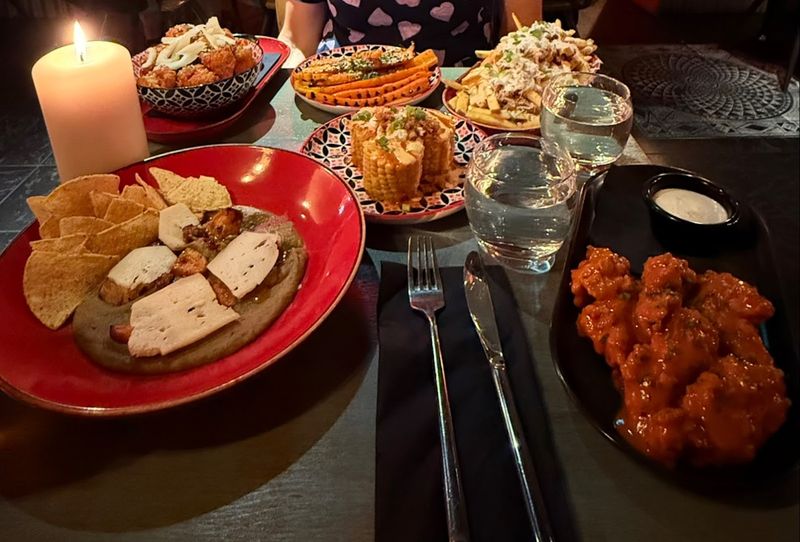
The first giveaway is the color. A pale gumbo is usually a warning sign, like a bagel with no chew or pizza crust that bends without putting up a fight.
Krewe’s gumbo has the deeper shade you want to see, the kind that suggests the roux has been pushed beyond beige into something nuttier, toastier, and more confident. That matters because roux is not just a thickener in gumbo.
It is the bass line. Everything else can be good, but if the roux is flat, the whole bowl feels unfinished.
A dark roux brings a roasted edge that gives gumbo its personality before the seafood, sausage, vegetables, or seasoning even enter the conversation. It is also easy to mess up.
Take it too far and it tastes burnt. Stop too early and it tastes like gravy pretending to be gumbo.
The sweet spot is narrow, and Krewe’s bowl seems to live in that zone where the flavor feels deep but not harsh. That is why each spoonful has a little gravity to it.
You get the warmth and savoriness first, then the softer texture of rice, then those bits of flavor that hang around after you swallow. It is food that makes you slow down without making a speech about slowing down.
The roux also gives the bowl enough structure to stand up to the rest of the menu. This is important because Krewe is not a one-dish operation.
When a restaurant serves jambalaya, shrimp étouffée, blackened catfish, po’ boys, cornbread, collard greens, grits, mac and cheese, and beignets, the gumbo cannot be the delicate little starter that gets forgotten by the time the entrees arrive. Here, it holds its own.
It tastes like the dish that tells you whether the kitchen understands what it is doing. By that measure, the answer is pretty clear.
Beyond the Gumbo With Etouffee, Jambalaya and Po’ Boys
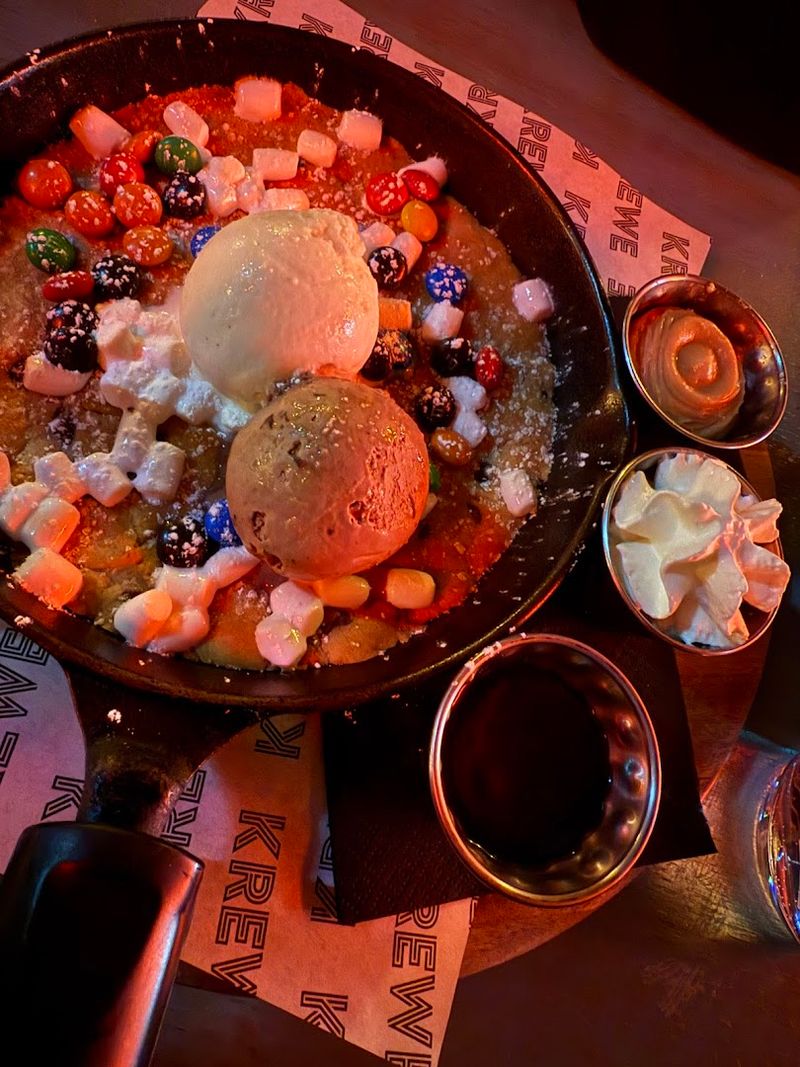
A smart Krewe order does not stop at gumbo, even if the gumbo is the reason you came. The menu is built for the kind of table where everyone says they are only getting one thing, then suddenly there is cornbread in the middle and someone is negotiating for half a po’ boy.
The shrimp étouffée is one of the obvious next moves, recently listed around $26 on online ordering menus, and it brings a different kind of comfort than the gumbo. Where gumbo is dark and layered, étouffée is richer, saucier, and more direct, the sort of dish that makes rice feel absolutely necessary.
Jambalaya, listed around $24, is another strong choice because it gives you that seasoned, rice-based, stick-to-your-ribs satisfaction without feeling like an afterthought. Then there are the po’ boys, which make Krewe useful even when you are not in full dinner mode.
Recent menus show options like chicken, cochon de lait, roast beef, shrimp, andouille sausage, crab cake, and blackened tofu, with many landing in the mid-teens and the crab cake version closer to $19.
The crab cake po’ boy comes with lump crab patties, remoulade, slaw, lettuce, tomato, and pickles, which is exactly the kind of overstuffed sandwich situation that requires napkins before optimism.
The blackened catfish, Cajun penne with shrimp, andouille, and tasso ham, and vegan dirty rice round out the menu in a way that makes the place feel flexible without losing focus. Even the sides have personality.
Cornbread, collard greens, Marsh Hen Mill stone-ground grits, mac and cheese, grit fries with remoulade, and Zapp’s chips all make sense here. Dessert is not a throwaway either.
Beignets are available, but the banana bread pudding is the sneaky move if you like your meal to end with something warm, dense, and completely unreasonable in the best way.
A Little French Quarter Energy in McGinley Square
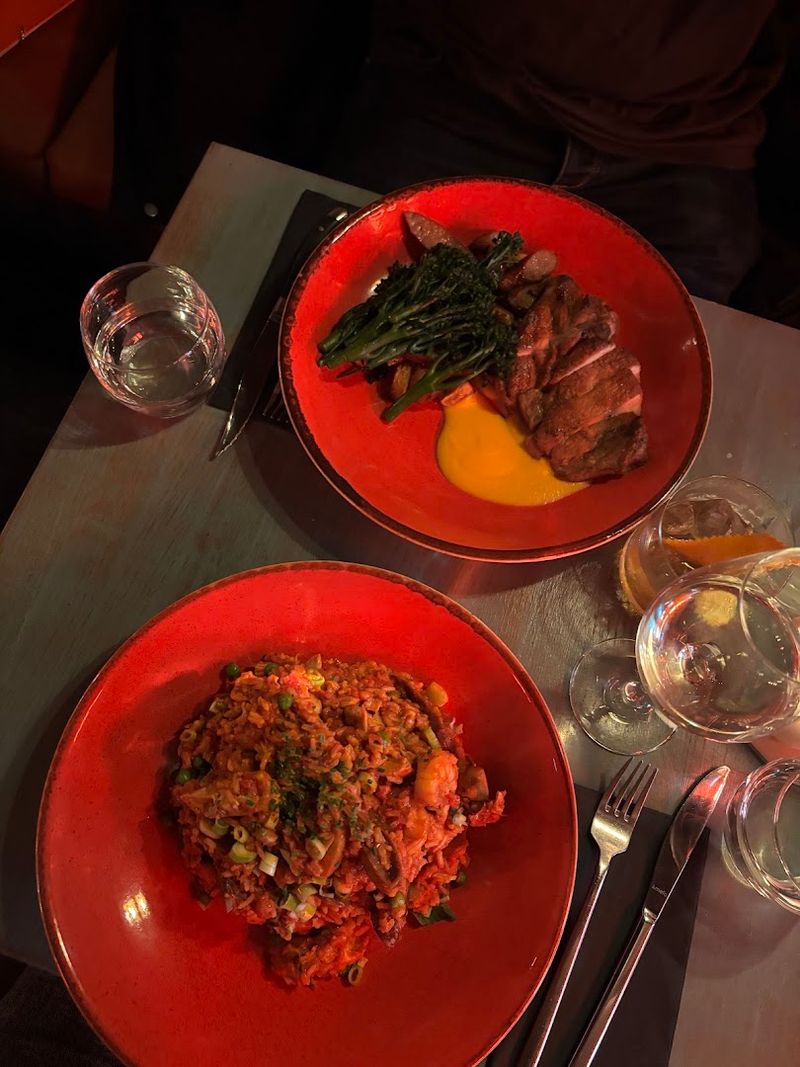
McGinley Square does not need to cosplay as New Orleans for Krewe to work. That is actually why the restaurant feels more convincing.
The neighborhood has its own texture: Bergen Avenue buses, students nearby, longtime residents, newer apartment traffic, small businesses, and that unmistakable Jersey City mix of old-school practical and quietly ambitious. Krewe slips into that setting instead of trying to overwrite it.
The name itself nods to the New Orleans “krewe” tradition, the social clubs tied to Carnival and Mardi Gras, but the restaurant does not lean on that so hard that dinner starts feeling like a costume party. The energy is lighter than that.
It is casual, a little playful, and grounded enough that you can come in for a bowl of gumbo without feeling like you signed up for a theme-night experience. The BYOB detail helps, too.
In New Jersey, BYOB can turn a good small restaurant into the kind of place people actually use. Bring a bottle, order too much food, pass plates around, and suddenly the night feels more relaxed than anything involving a formal cocktail list.
Outdoor seating shows up in public listings as well, which gives the restaurant another useful gear when the weather behaves. But the real French Quarter-ish feeling here is not about decor.
It is in the way the meal encourages lingering. Gumbo first. Maybe barbecue shrimp. Maybe cornbread because pretending you do not want cornbread is a waste of everyone’s time. Then po’ boys or étouffée, a little sweet tea, maybe beignets or bread pudding if the table still has fight left in it.
The whole thing feels social without being loud about it. That is a hard tone to fake, and Krewe is better because it does not seem to be trying too hard.
Why This Cozy New Jersey Restaurant Has Locals Coming Back
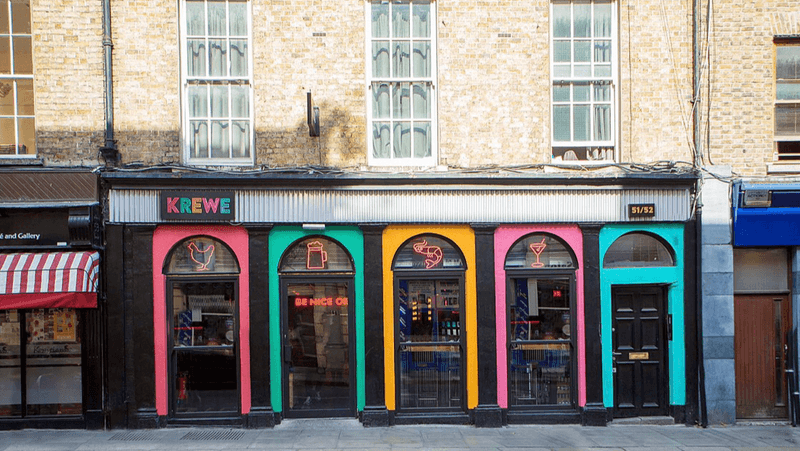
The reason Krewe has staying power is not just that Jersey City needed Cajun food. Plenty of places fill a category and still disappear from people’s routines.
Krewe feels stickier because it has a point of view. The restaurant was created by Jersey City-based actress and filmmaker Hank Morris and chef Anthony Tamburro, a husband-and-wife team, and that local connection shows in the way the place fits the neighborhood.
It is not a chain version of Southern food dropped into an available storefront. It feels personal, and that makes a difference when the food is this specific.
Locals come back because Krewe works for more than one mood. It can be a gumbo stop on a chilly night, a po’ boy lunch, a BYOB dinner with friends, a takeout order that does not feel like surrender, or the place you mention when someone complains that New Jersey does not have enough Cajun or Creole cooking worth talking about.
The menu also has enough range to keep regulars from getting bored. A person can build a meal around seafood gumbo and cornbread one visit, shrimp étouffée the next, then return for blackened catfish, jambalaya, or a sandwich that requires both hands and a little privacy.
That matters in a city where restaurant loyalty is not automatic. Jersey City diners have options, and they are not shy about moving on when a place coasts.
Krewe does not feel like it is coasting. It feels like a small restaurant that knows exactly what it wants to be: New Orleans-inspired, Jersey City-rooted, casual enough for a weeknight, and serious enough that the gumbo can carry the reputation.
In a state full of great neighborhood food, that is a pretty good lane to own.
Share this story