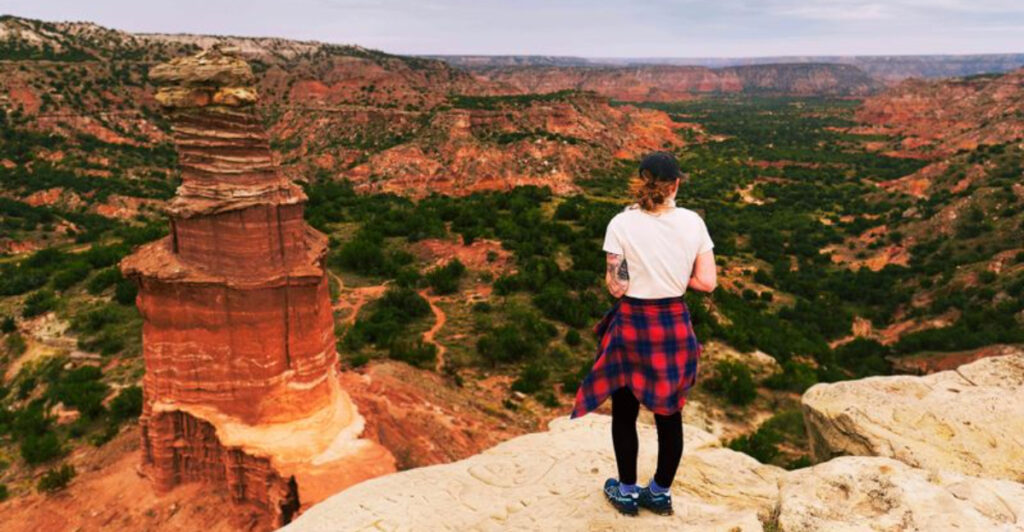
Texas is packed with natural wonders that most people never get around to visiting, even though they live right here in the Lone Star State. From towering canyons to mysterious caves, pristine lakes to ancient forests, our backyard holds adventures that rival anything you’d find in faraway places. Planning your 2026 trips around these incredible spots means you’ll experience the wild side of Texas while creating memories that’ll last way longer than any theme park visit ever could.
1. Big Bend National Park
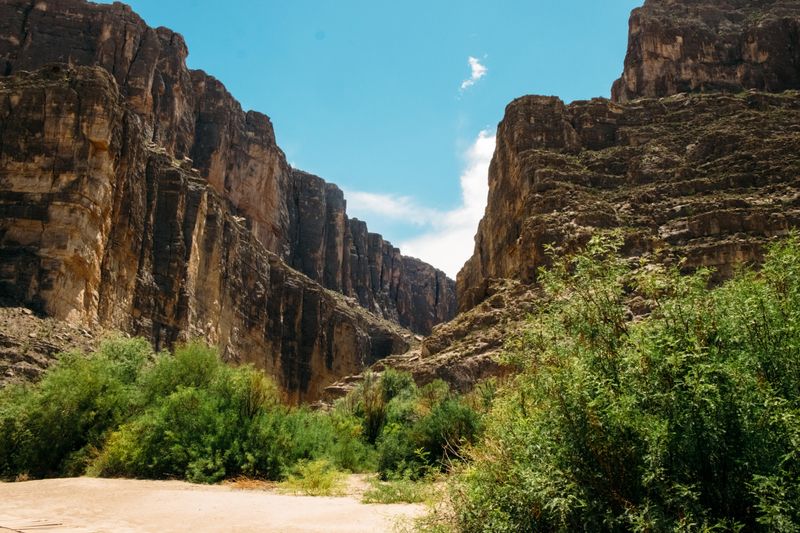
Big Bend sits in the southwestern corner of Texas where the Rio Grande carves a massive curve through the Chihuahuan Desert, creating one of the most remote national parks in the lower 48 states. The park sprawls across 801,163 acres of desert wilderness, mountain ranges, and river canyons that feel like stepping onto another planet. You won’t find crowds here like at other famous parks because it takes real effort to reach, but that isolation is exactly what makes it magical.
The Chisos Mountains rise dramatically from the desert floor, offering hiking trails that range from easy nature walks to challenging backcountry routes. Santa Elena Canyon is a must-see, where limestone cliffs tower 1,500 feet above the Rio Grande, creating a narrow passage that’ll make you feel incredibly small. The park also boasts some of the darkest night skies in North America, making stargazing an unforgettable experience where the Milky Way stretches across the sky in brilliant detail.
Wildlife watching here includes roadrunners, javelinas, and if you’re lucky, black bears that roam the higher elevations. The Rio Grande Village area provides easier access to the river, where you can dip your toes in the water that forms the international boundary with Mexico. Spring and fall offer the best weather, as summer temperatures can soar above 110 degrees in the desert basin.
Camping options range from developed campgrounds with restrooms to primitive backcountry sites for true wilderness seekers. The park’s vastness means you could spend a week here and still not see everything, so plan your visit carefully and bring plenty of water, snacks, and a good map because cell service is basically nonexistent throughout most of the park.
2. Guadalupe Mountains National Park
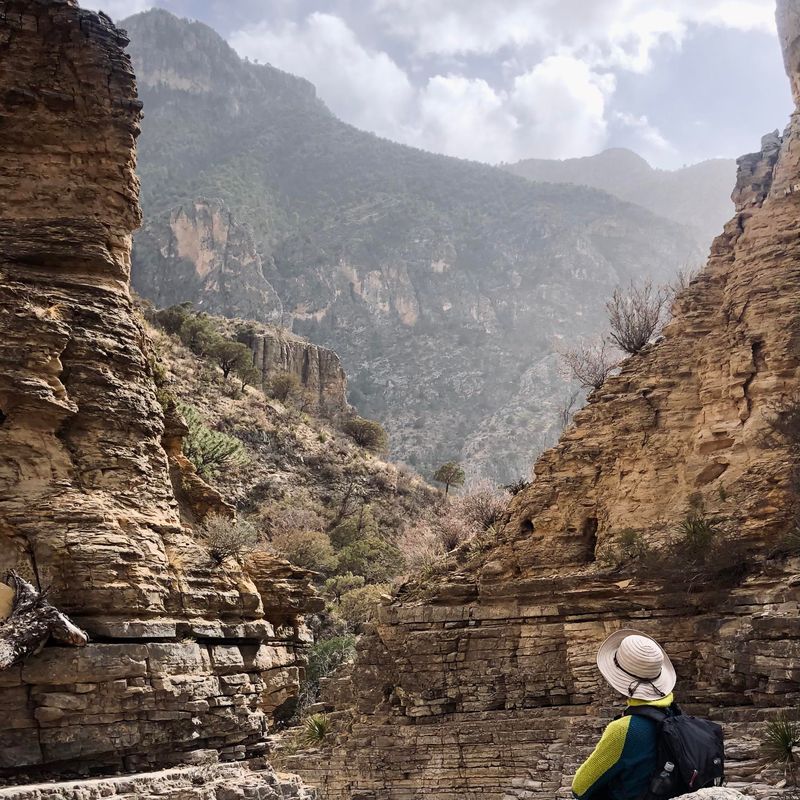
At 8,751 feet, Guadalupe Peak is the highest point in Texas, and reaching the summit is considered one of the toughest day hikes in the state. The park protects an ancient fossil reef from the Permian period, creating a landscape that geologists find absolutely fascinating. Most visitors underestimate how challenging the terrain can be, but those who make the effort discover a mountain wilderness that feels nothing like typical Texas.
The trails here don’t mess around with gradual inclines. Instead, they climb steeply through multiple ecosystems, starting in the desert and ending in cool pine forests near the peaks. El Capitan, the park’s most recognizable landmark, rises 8,085 feet and serves as a natural monument visible for miles across the desert.
The mountain’s sheer limestone face catches the light at sunset, glowing golden orange against the darkening sky.
Fall colors surprise many visitors who don’t expect vibrant reds and yellows in a Texas park. McKittrick Canyon, which technically belongs to this park but deserves its own mention, transforms into a photographer’s dream each autumn. The park sees relatively few visitors compared to other national parks, meaning you can hike for hours without seeing another soul, especially on weekdays.
Water is scarce throughout the park, so carrying enough for your entire hike is absolutely critical. The Pine Springs Campground offers the only developed camping area, and reservations fill up quickly during peak season. Weather changes rapidly at higher elevations, with temperatures dropping significantly as you climb, so layering your clothing is essential even if it feels hot at the trailhead when you start your adventure.
3. Palo Duro Canyon
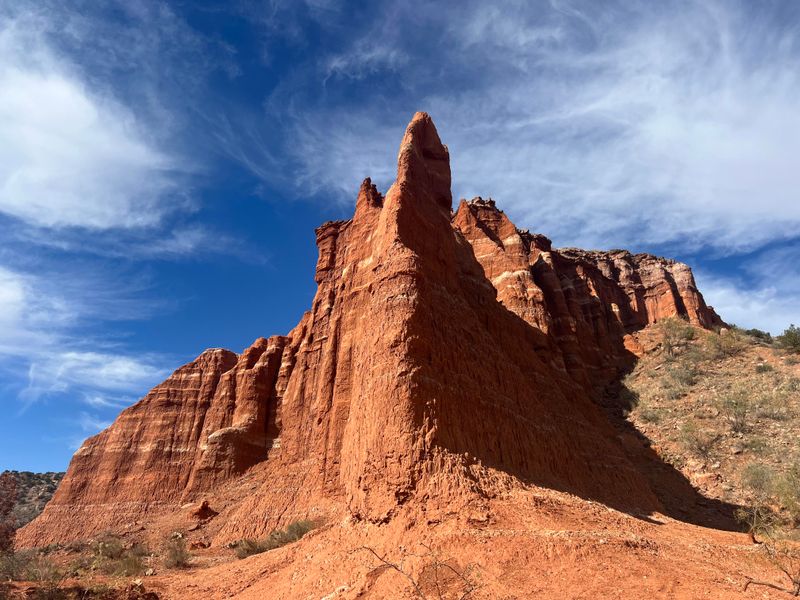
Often called the “Grand Canyon of Texas,” Palo Duro Canyon stretches 120 miles long and plunges 800 feet deep, making it the second-largest canyon system in the United States. The Spanish explorers who discovered it named it “Palo Duro,” meaning “hard wood,” after the juniper trees growing from the canyon walls. The multicolored rock layers tell a geological story spanning millions of years, with reds, oranges, yellows, and whites creating a painter’s palette across the landscape.
Driving the scenic road that winds down into the canyon gives you immediate access to trails, picnic areas, and camping spots that let you experience the canyon from the inside out. The Lighthouse Trail is the park’s most popular hike, leading 6 miles round-trip to a distinctive rock formation that looks exactly like its name suggests. Mountain biking is huge here, with miles of trails ranging from easy cruises along the canyon floor to technical climbs that’ll test your skills and endurance.
The outdoor musical drama “Texas” has been performed in the canyon’s Pioneer Amphitheater every summer since 1966, combining live music, dancing, and a barbecue dinner under the stars. Wildlife includes wild turkeys, mule deer, and the official Texas State Bison Herd that roams freely through certain areas of the park. Sunrise and sunset transform the canyon into something otherworldly, with the changing light creating shadows and highlights that shift minute by minute.
Summer heat can be intense, with temperatures regularly exceeding 100 degrees, so early morning visits work best during June through August. The park offers both tent camping and cabins, giving visitors options whether they want a rustic experience or something more comfortable after a long day of hiking and exploring.
4. Enchanted Rock
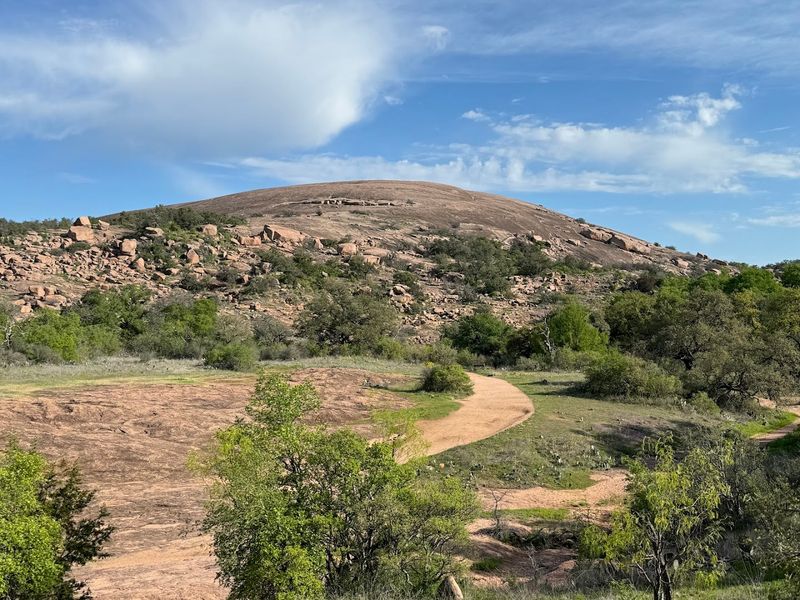
This massive pink granite dome rises 425 feet above ground and covers 640 acres, making it one of the largest batholiths in the United States. Native American legends claim the rock makes creaking and groaning sounds at night, which actually happens due to the granite contracting as it cools after absorbing heat all day. The dome formed over a billion years ago deep underground, and erosion slowly exposed it to create the landmark we see today.
Climbing to the summit takes about an hour for most people, following a trail that starts gently but gets steeper as you approach the top. The granite surface can be slippery, especially after rain or early morning dew, so wearing shoes with good traction is absolutely necessary. Once you reach the summit, the 360-degree views stretch for miles across the Texas Hill Country, with rolling hills covered in oak trees extending to the horizon in every direction.
Rock climbing enthusiasts tackle the dome’s various routes, ranging from beginner-friendly slabs to challenging vertical faces that require advanced skills. The park also features several smaller domes, caves, and vernal pools that support unique ecosystems found nowhere else. Spring wildflowers blanket the surrounding areas with bluebonnets, Indian paintbrush, and other native flowers creating a colorful carpet around the rock’s base.
The park limits daily visitors to protect the fragile ecosystem, and weekends often reach capacity by mid-morning, so arriving early or visiting on weekdays increases your chances of getting in. Primitive camping is available in designated backcountry sites, offering a chance to experience the rock under starlight. The park stays open year-round, though summer temperatures can make the exposed granite climb quite challenging without shade or water sources along the way.
5. Hamilton Pool Preserve
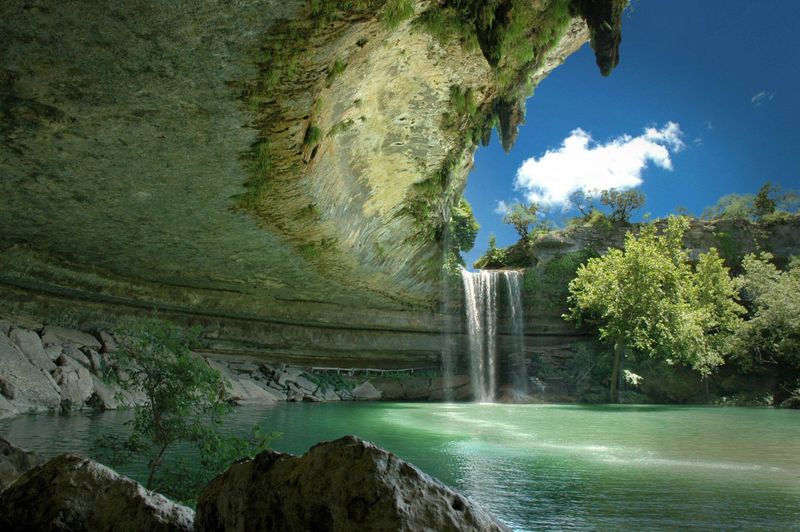
A collapsed underground river created this stunning natural pool thousands of years ago, leaving a 50-foot waterfall spilling over a limestone grotto into jade-green water below. The grotto ceiling drips with stalactites and supports hanging gardens of ferns and moss that thrive in the constant mist. Hamilton Pool became so popular that Travis County had to start requiring reservations to protect the delicate ecosystem from being loved to death by too many visitors.
Swimming is allowed when bacteria levels are safe, though the water stays pretty chilly year-round since it comes from underground springs. The pool reaches depths of about 25 feet in some spots, and the rocky bottom can be uneven, so water shoes help protect your feet. The short trail from the parking area to the pool winds through a beautiful canyon lined with cypress trees and wildflowers, crossing a creek on stepping stones.
Photography enthusiasts arrive early to catch the best light filtering through the grotto opening, creating dramatic shadows and highlights on the limestone walls. The waterfall’s flow varies depending on recent rainfall, sometimes gushing powerfully and other times reducing to a gentle trickle during dry periods. Weekends see the heaviest crowds, with reservation slots filling up weeks in advance during summer months.
The preserve limits daily visitors to 75 vehicles per hour to prevent overcrowding and environmental damage. No pets are allowed, and visitors must stay on designated trails to protect the fragile plant communities. The facility includes restrooms and picnic tables, but bringing your own food and drinks is essential since no concessions are available on-site, and the nearest restaurants are several miles away in Dripping Springs or Bee Cave.
6. Caddo Lake
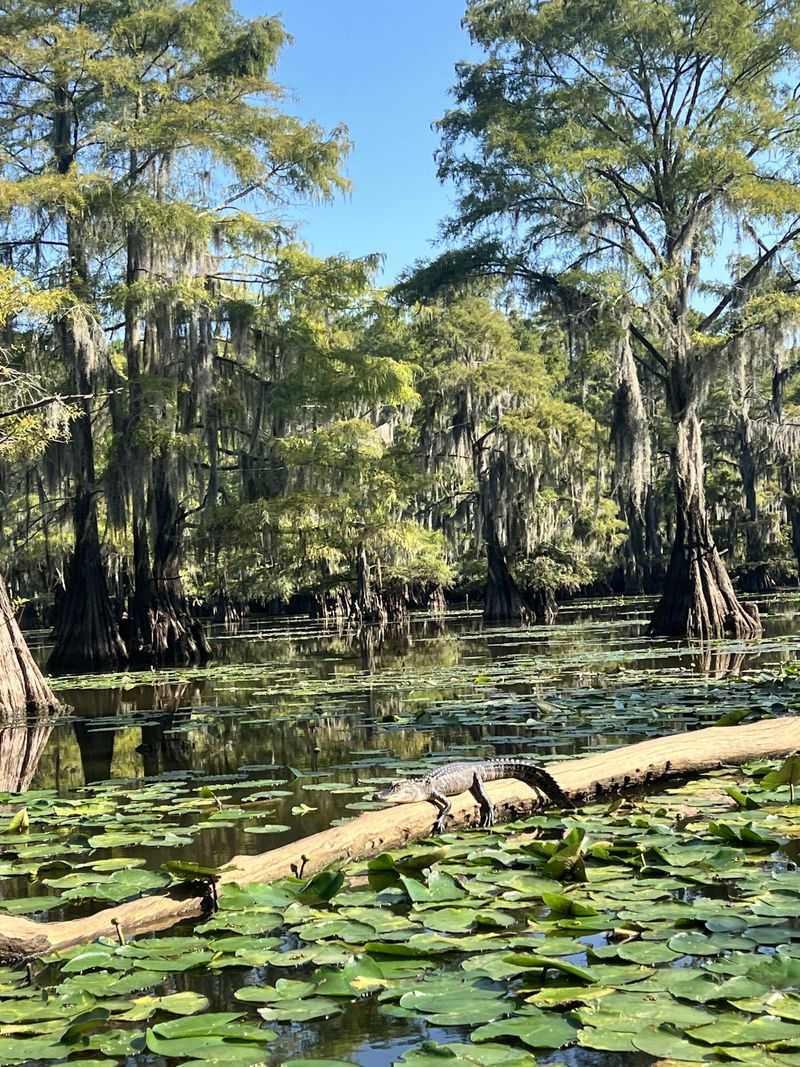
Spanish moss hangs from ancient bald cypress trees rising from dark, mysterious waters that seem straight out of a Louisiana bayou rather than East Texas. Caddo Lake is the only naturally formed lake in Texas, created by a massive logjam on the Red River centuries ago. The lake covers 26,800 acres and straddles the Texas-Louisiana border, creating a maze of bayous, sloughs, and channels that can easily disorient first-time visitors.
Kayaking and canoeing are the absolute best ways to explore the lake’s hidden channels, where you’ll paddle through tunnels formed by overhanging cypress branches and see alligators sunning on logs. Yes, alligators live here, marking the western edge of their natural range in North America. The lake supports incredible biodiversity, including 189 species of trees and shrubs, 42 species of mammals, and countless birds that nest in the cypress branches.
Fishing draws anglers seeking largemouth bass, crappie, and catfish that hide among the submerged cypress knees and lily pad fields. The lake’s mysterious atmosphere has inspired countless legends about ghosts and unexplained lights seen hovering over the water at night. Fall and spring offer the most comfortable paddling conditions, while summer brings oppressive heat and humidity that makes mosquitoes absolutely relentless.
Several outfitters rent kayaks and canoes, and guided boat tours help first-timers navigate the confusing waterways without getting hopelessly lost. Caddo Lake State Park provides camping facilities, cabins, and a boat ramp for easy water access. The park’s screened shelters offer protection from bugs while still letting you enjoy the outdoors.
Bring insect repellent regardless of season, because the mosquitoes here don’t take vacations and will happily feast on unprepared visitors exploring this unique Texas treasure.
7. McKittrick Canyon
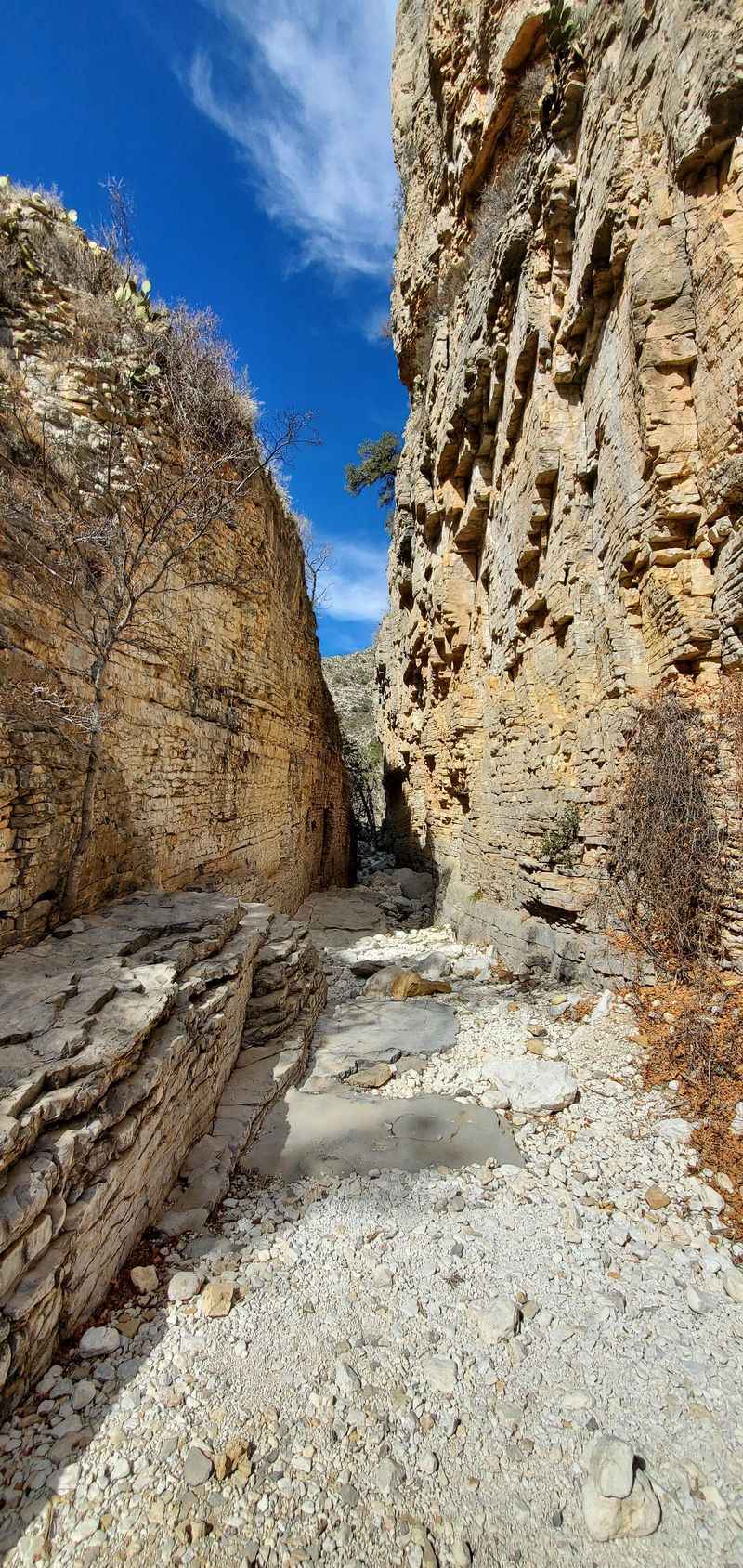
Tucked within Guadalupe Mountains National Park, McKittrick Canyon transforms into one of Texas’s most spectacular autumn displays when bigtooth maple trees explode in brilliant reds, oranges, and yellows. The canyon’s microclimate creates conditions perfect for these deciduous trees, which are uncommon in the surrounding desert landscape. A spring-fed creek flows year-round through the canyon, supporting a ribbon of lush vegetation that contrasts sharply with the arid mountains above.
The McKittrick Canyon Trail follows the creek for 4.8 miles to the Grotto, passing through multiple ecosystems that change as you gain elevation. The first two miles are relatively easy, making them accessible to families with kids who want to experience the fall colors without tackling a strenuous hike. Beyond that point, the trail gets rockier and steeper, but the scenery becomes even more dramatic with towering canyon walls closing in on both sides.
Peak color typically occurs during the last two weeks of October and first week of November, though exact timing varies depending on weather patterns. The canyon sees heavy visitation during fall color season, with the small parking lot filling up quickly on weekends. Arriving before 9 AM or visiting on weekdays helps avoid the crowds and gives you a more peaceful experience.
No camping is allowed in McKittrick Canyon itself, and the park service enforces strict rules about staying on designated trails to protect the fragile riparian ecosystem. The canyon offers year-round beauty beyond fall colors, with spring wildflowers, summer greenery, and winter solitude each providing different reasons to visit. Bring plenty of water and snacks since the hike back out can feel much longer than the walk in, especially after you’ve spent hours photographing every colorful tree and perfect reflection in the creek.
8. Caprock Canyons State Park
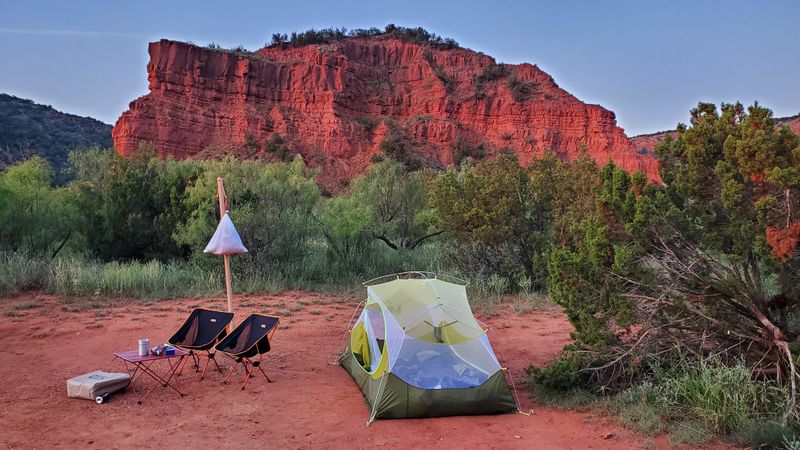
The official home of the Texas State Bison Herd, Caprock Canyons offers a glimpse into what the Great Plains looked like before European settlement. About 90 bison roam freely throughout the park’s 15,314 acres, and encountering these massive animals while hiking or biking creates an unforgettable connection to Texas history. The park sits where the flat High Plains meet the rugged canyon country below the Caprock Escarpment, creating dramatic elevation changes and stunning geological features.
The Trailway, a converted railway line, stretches 64 miles from the park northward, providing one of Texas’s best long-distance hiking and biking experiences. Mountain bikers particularly love this trail system, which includes both the smooth Trailway and challenging singletrack routes that wind through the canyons. The park’s red rock formations glow brilliantly at sunset, with layers of sandstone, mudstone, and shale creating colorful bands across the canyon walls.
Haynes Ridge Overlook Trail leads to spectacular views of the canyons and surrounding plains, climbing steadily for 1.5 miles to a high point where you can see for miles in every direction. Prairie dog towns dot the landscape, with these social rodents popping up from their burrows to check out passing visitors before diving back underground. The park’s isolation means dark night skies perfect for stargazing, with minimal light pollution obscuring the view.
Camping options include modern campsites with water and electricity, primitive sites for a more rustic experience, and equestrian camps for visitors who bring horses. The park stays open year-round, though summer heat can be intense and winter occasionally brings snow to the High Plains. Bison sightings aren’t guaranteed, but driving slowly along park roads early in the morning or late in the evening increases your chances of spotting the herd grazing in the grasslands.
9. Davis Mountains
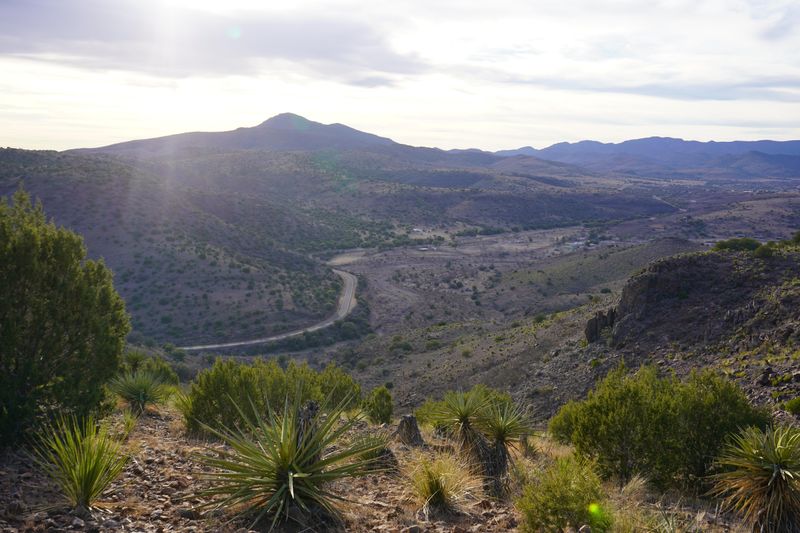
Rising to 8,378 feet at Mount Livermore, the Davis Mountains create a sky island ecosystem in far West Texas where cooler temperatures and higher rainfall support forests of ponderosa pine and Douglas fir. The mountains formed from volcanic activity millions of years ago, leaving behind dramatic peaks and valleys that look nothing like typical Texas terrain. McDonald Observatory sits atop Mount Locke, taking advantage of the area’s clear, dark skies to house some of the world’s most powerful telescopes.
Davis Mountains State Park provides the main base for exploring the area, with camping facilities, hiking trails, and the historic Indian Lodge built by the Civilian Conservation Corps in the 1930s. The Skyline Drive Trail climbs steeply for 4 miles to spectacular views across the mountains and surrounding desert. Fort Davis National Historic Site preserves a frontier military post where Buffalo Soldiers and other troops protected settlers and mail routes during the 1800s.
The small town of Fort Davis offers charming shops, restaurants, and accommodations that make a perfect base for multi-day explorations. Scenic Loop Road circles through the mountains, providing access to numerous hiking trails and overlooks without requiring serious off-road driving. Wildlife includes mule deer, pronghorn antelope, and over 300 bird species that attract birdwatchers from around the world.
Star parties at McDonald Observatory let visitors view planets, galaxies, and nebulae through powerful telescopes while astronomers explain what you’re seeing. Summer temperatures in the Davis Mountains stay significantly cooler than surrounding desert areas, making this a popular escape for Texans seeking relief from the heat. Fall brings golden aspens and changing oak leaves, creating surprising color in this high desert environment.
The area’s remoteness means planning ahead for gas, food, and supplies since services are limited and spread far apart.
10. Devil’s Sinkhole
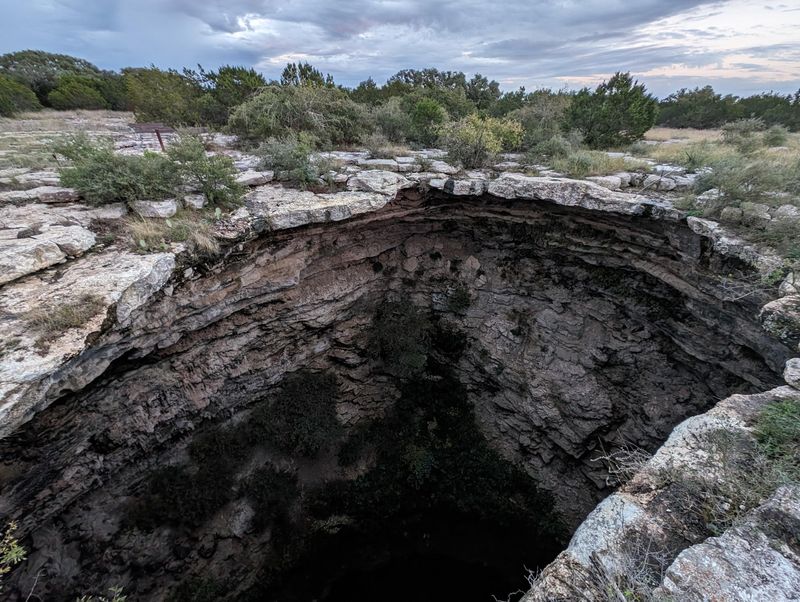
This vertical cavern plunges 350 feet straight down into the earth, opening at the surface through a 40-by-60-foot hole that leads to a massive underground chamber. The sinkhole formed when the roof of an ancient cavern collapsed, creating a natural shaft that now serves as home to millions of Mexican free-tailed bats. Each evening from March through October, the bats emerge in a spiraling tornado of wings, creating one of nature’s most spectacular shows.
Access to Devil’s Sinkhole is restricted to protect the fragile cave ecosystem, and visitors can only enter through guided tours led by trained naturalists. The tours are limited to small groups and require reservations made well in advance, especially during peak bat-viewing season. Standing at the viewing platform as millions of bats pour out of the darkness creates an experience you’ll never forget, with the sound of their wings creating a rushing wind.
The chamber at the bottom of the sinkhole measures roughly 320 feet in diameter, making it large enough to hold a football field. Underground lakes and streams flow through the cave system, though visitors don’t descend into these areas. The sinkhole’s ecosystem includes unique cave-adapted creatures that have evolved in total darkness, including blind salamanders and rare invertebrates.
Tours typically last about two hours and involve walking on uneven terrain, so sturdy shoes and reasonable fitness levels are necessary. The area surrounding the sinkhole features typical Hill Country habitat with juniper and oak trees, rocky limestone outcrops, and native grasses. Photographers should bring tripods and fast lenses to capture the bat emergence, though flash photography is prohibited to avoid disturbing the bats.
The remote location means bringing water, snacks, and anything else you might need since no facilities exist at the site beyond the viewing area.
11. Monahans Sandhills State Park
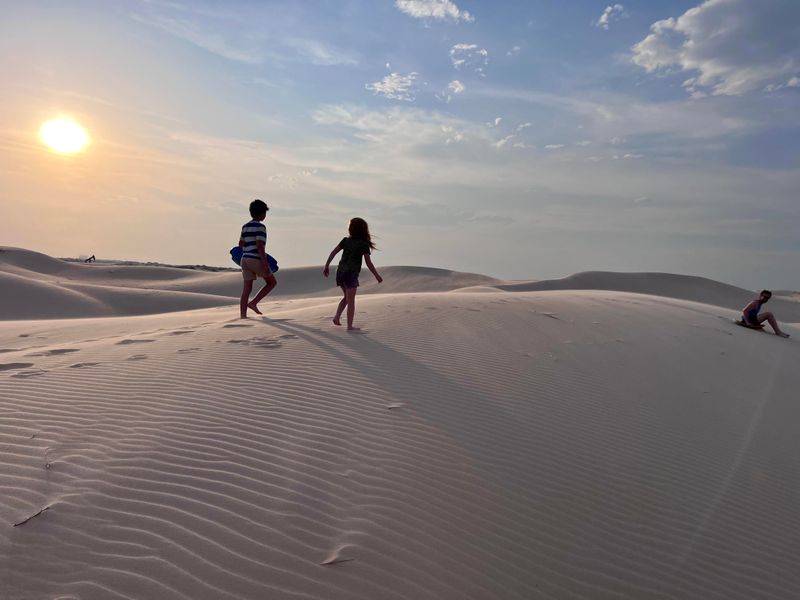
Massive sand dunes stretch across 3,840 acres of West Texas, creating a landscape that feels more like the Sahara Desert than the Lone Star State. The dunes reach heights of 70 feet and shift constantly with the wind, erasing footprints and creating new patterns daily. The sand is incredibly fine and soft, made from quartz particles weathered and transported over thousands of years from ancient rock formations.
Sand surfing and sledding are the park’s main attractions, with visitors renting sand discs at the park headquarters to slide down the dunes at surprising speeds. Kids absolutely love this activity, and adults quickly discover it’s way more fun and exhausting than it looks. The sand stays relatively cool even during hot summer days because of its light color and low moisture content, though midday temperatures can still be brutally hot.
A few hardy plants manage to survive in this harsh environment, including sand sagebrush, shinnery oak, and Harvard oak that grow in mottes scattered among the dunes. These vegetation islands provide critical habitat for wildlife like lizards, snakes, and rodents adapted to desert conditions. The park’s interpretive center explains the geology and ecology of this unique ecosystem, helping visitors understand how such a landscape exists in Texas.
Camping is available in sites scattered among the dunes, offering a true desert experience under incredibly dark night skies perfect for stargazing. The park stays open year-round, but summer visits should be planned for early morning or late afternoon to avoid the intense midday heat. Bringing plenty of water is absolutely essential since dehydration happens quickly in this environment.
Sand gets everywhere, so protecting cameras, phones, and other electronics in sealed bags prevents damage. The park sees relatively few visitors compared to other Texas destinations, meaning you can often have entire dune fields to yourself for private sand surfing sessions.
12. Balmorhea State Park
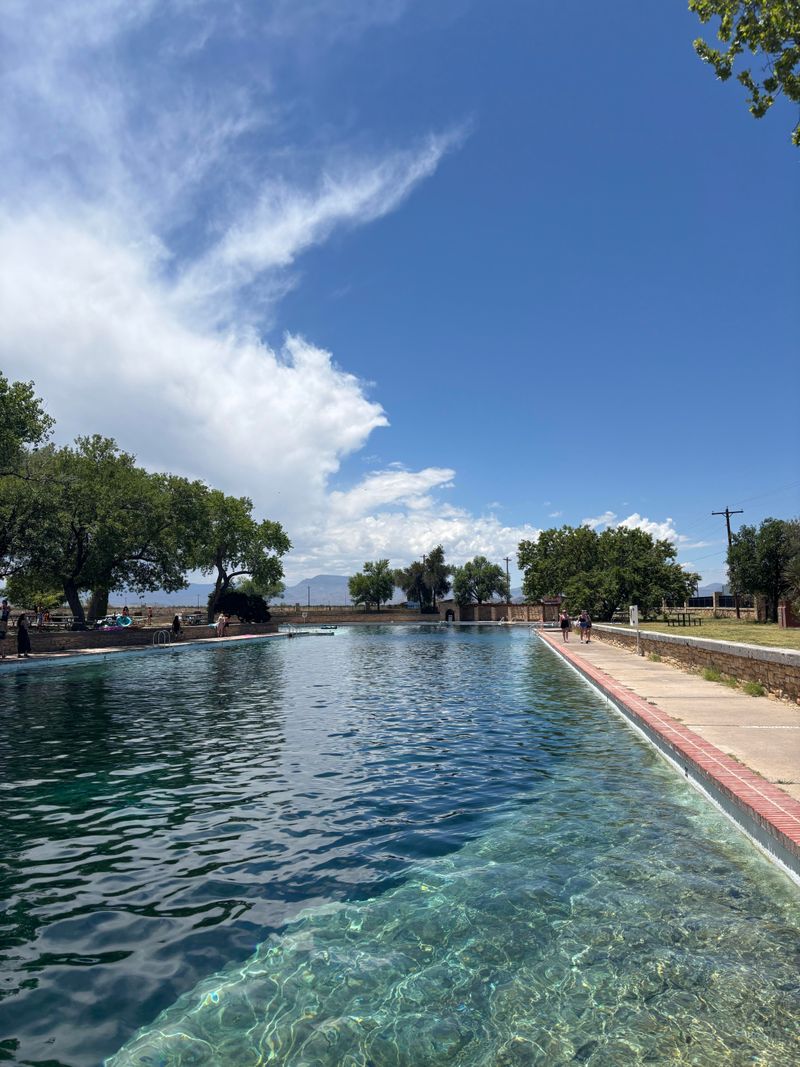
San Solomon Springs pumps 15 to 22 million gallons of crystal-clear water daily into a 1.75-acre swimming pool that stays a constant 72 to 76 degrees year-round. The pool reaches depths of 25 feet in some areas, with underwater observation windows letting non-swimmers watch scuba divers and swimmers glide past. The Civilian Conservation Corps built this incredible facility during the 1930s using hand-cut stone and innovative engineering that still functions perfectly today.
Scuba diving and snorkeling are hugely popular activities here, with the clear water offering visibility of 30 feet or more on good days. Two endangered species call the pool home: the Comanche Springs pupfish and the Pecos mosquitofish, both found nowhere else on Earth. Divers must complete an orientation before entering to learn how to avoid disturbing these rare fish and the aquatic plants that provide their habitat.
The pool’s size and depth make it feel more like swimming in a natural lake than a typical state park pool. Families spread out across the grassy areas surrounding the water, setting up picnic blankets and shade tents for all-day visits. The park provides changing rooms, showers, and a small concession stand selling snacks and drinks.
Swimming here in the middle of the desert feels surreal, especially when you look up at the surrounding mountains and realize you’re in one of the driest regions of Texas.
Camping facilities include both RV sites with hookups and tent camping areas, making this a perfect base for exploring the surrounding Davis Mountains and Big Bend region. Summer weekends get crowded, with the pool sometimes reaching capacity and requiring a wait to enter. Weekday visits or off-season trips provide a more relaxed experience with fewer people competing for space in the water and on the surrounding grounds.
13. Lost Maples State Natural Area
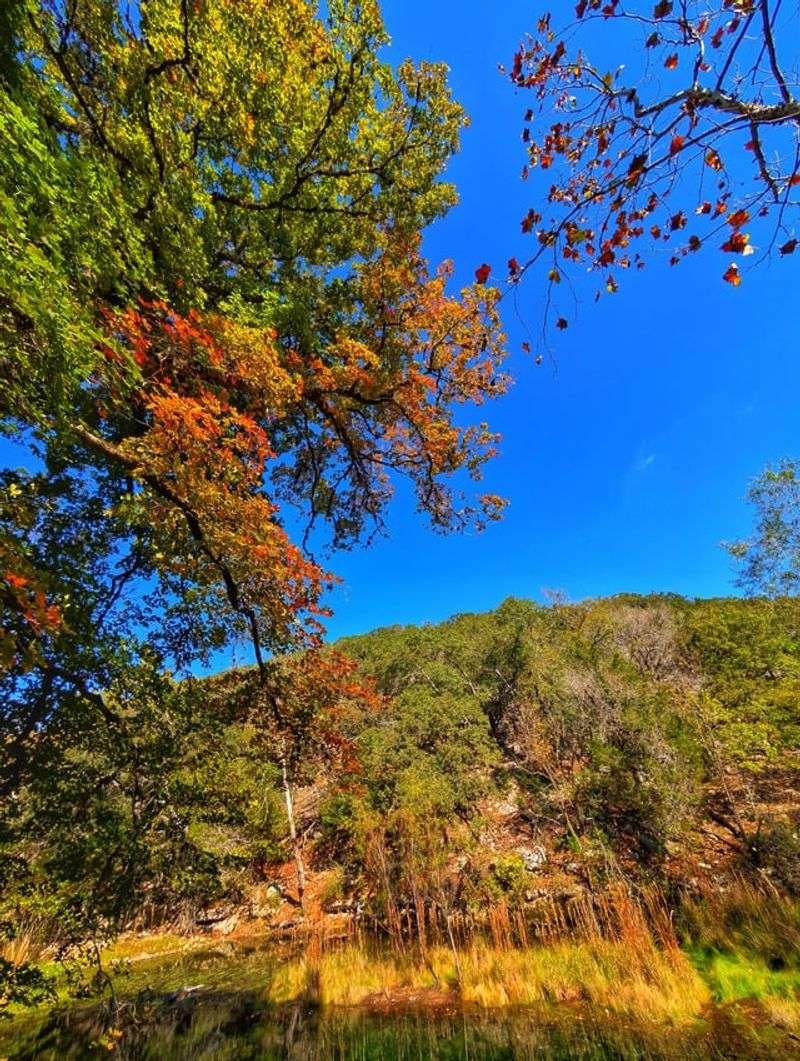
Isolated stands of bigtooth maples grow in this protected canyon system, surviving far from their typical range in the Rocky Mountains and creating Texas’s most reliable fall color display. The maples are remnants from the last ice age when cooler, wetter conditions allowed them to spread across a much wider area. As the climate warmed, these trees retreated to cool, moist canyon environments where spring-fed streams provide year-round water.
The East Trail follows the Sabinal River for 4.9 miles, passing through the heart of the maple groves where fall colors peak in late October and early November. The trail crosses the river multiple times, requiring rock-hopping that can be tricky when water levels are high. Steep climbs reward hikers with views across the canyon to colorful hillsides that look like New England rather than Central Texas.
The park limits daily visitors during peak fall color weekends to prevent overcrowding and protect the fragile ecosystem. Arriving before the park opens or visiting on weekdays increases your chances of getting in without a long wait. Spring wildflowers provide a different kind of beauty, with bluebonnets, Indian paintbrush, and numerous other species carpeting the hillsides in April and May.
Camping facilities include both primitive sites and sites with water and electricity, all requiring reservations that book up months in advance for fall color season. The park’s 2,900 acres include over 10 miles of hiking trails ranging from easy nature walks to challenging routes that climb steep canyon walls. Wildlife includes white-tailed deer, armadillos, and golden-cheeked warblers that nest in the old-growth juniper trees.
The park stays open year-round, with each season offering different reasons to visit beyond the famous fall colors that draw the biggest crowds.
14. Lake Travis
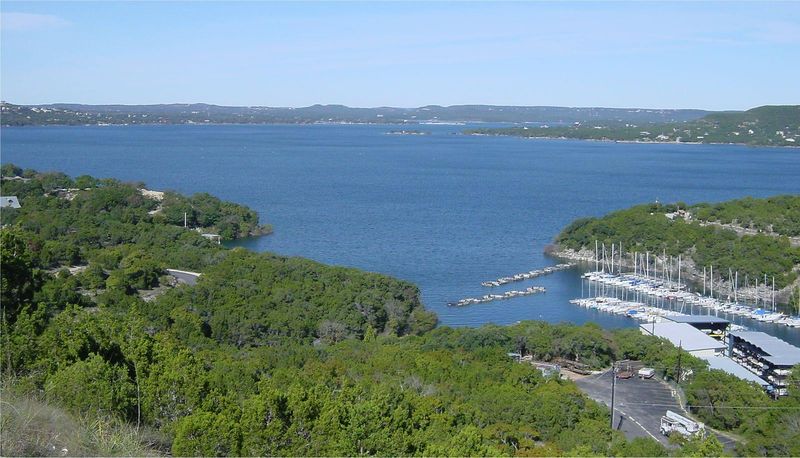
Stretching 63 miles through the Texas Hill Country, Lake Travis provides Austin residents with a massive playground for boating, swimming, and waterfront relaxation. The lake formed when the Colorado River was dammed in 1942, creating a reservoir with 270 miles of shoreline and depths reaching 210 feet. Water levels fluctuate dramatically depending on rainfall, with drought years exposing rocky beaches and wet years flooding boat ramps and parks.
Dozens of marinas, restaurants, and resorts line the lake’s shores, offering everything from kayak rentals to luxury yacht charters. Hippie Hollow Park is Texas’s only legally clothing-optional public park, attracting a unique crowd to its rocky cliffs and secluded coves. The Oasis on Lake Travis claims to have the largest outdoor deck in Texas, providing sunset views that draw crowds every evening during summer.
Devil’s Cove has become famous (or infamous) for massive boat parties where hundreds of watercraft tie together creating floating cities. Cliff jumping is popular at several spots around the lake, though accidents happen regularly when people don’t check water depths or jump from heights beyond their abilities. Water skiing, wakeboarding, and tubing are huge during summer weekends when the lake becomes packed with boats pulling screaming kids and adults.
The lake’s size means finding quiet spots is still possible even on busy weekends if you’re willing to explore beyond the main public parks. Fall and spring offer the most pleasant weather for water activities, with summer temperatures regularly exceeding 100 degrees. Several companies offer dinner cruises, party boats, and fishing charters for visitors without their own watercraft.
The surrounding Hill Country provides beautiful scenery, with limestone cliffs, juniper trees, and occasional glimpses of wildlife along the shoreline creating a distinctly Texas backdrop for water recreation.
15. Pedernales Falls State Park
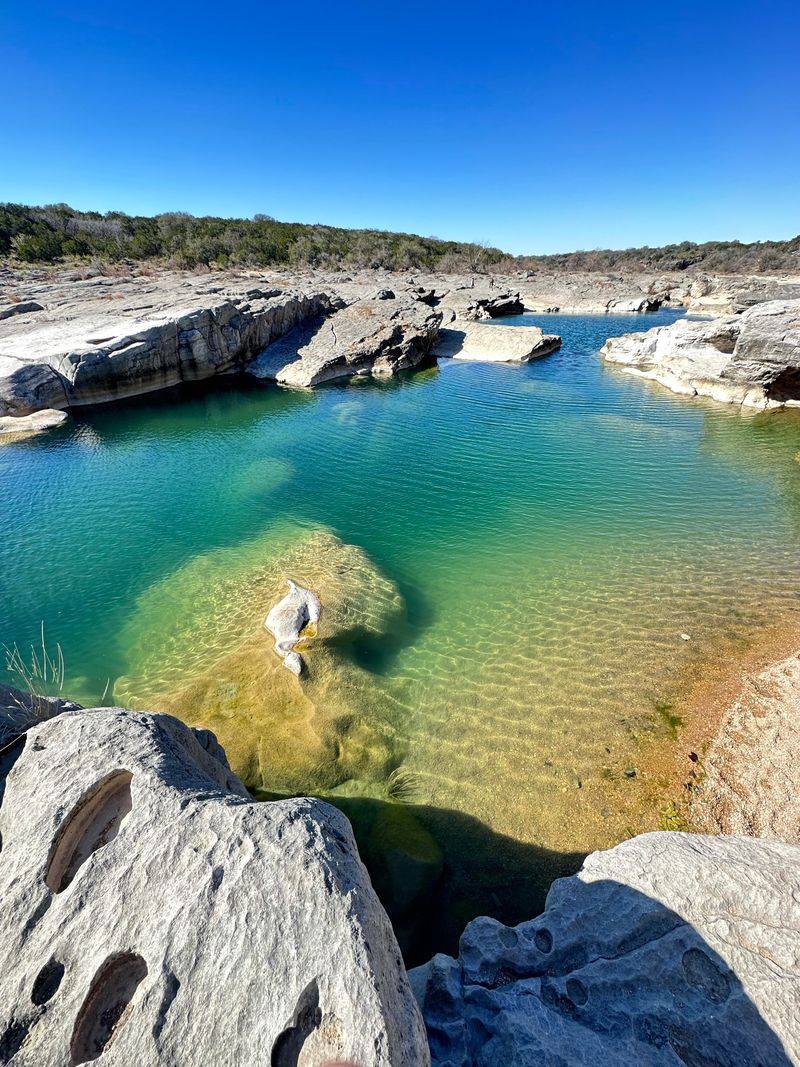
The Pedernales River flows over wide limestone ledges creating a series of cascades and pools that look more like natural water parks than typical waterfalls. During periods of normal flow, the falls create gentle cascades where families wade in shallow pools and sun themselves on warm rocks. Flash floods transform this peaceful scene into a raging torrent, with water rising 20 feet or more and sweeping across the entire riverbed with terrifying power.
The park’s 5,212 acres include over 20 miles of trails for hiking and mountain biking, ranging from easy riverside walks to challenging routes that climb onto the surrounding hills. The Wolf Mountain Trail offers a strenuous 7.5-mile loop with significant elevation gain, rewarding hikers with views across the Hill Country. Spring wildflowers blanket the hills in April and May, creating colorful displays that draw photographers and nature lovers.
Swimming and wading are popular activities, though the park posts warnings about flash floods and slippery rocks that cause injuries every year. The river’s flow varies dramatically depending on rainfall, sometimes reducing to a trickle and other times flooding the entire valley. Tubing is allowed in designated areas, providing a fun way to float downstream on hot summer days.
Camping facilities include both primitive sites and sites with water and electricity, plus several walk-in tent sites for visitors seeking a more secluded experience. The park’s popularity means weekends get crowded, especially during summer when Austin residents escape the city heat. Weekday visits provide a more peaceful experience with easier parking and less competition for prime swimming holes.
The park stays open year-round, with each season offering different experiences from spring wildflowers to fall colors to winter solitude when the crowds disappear completely.
16. Cascade Caverns
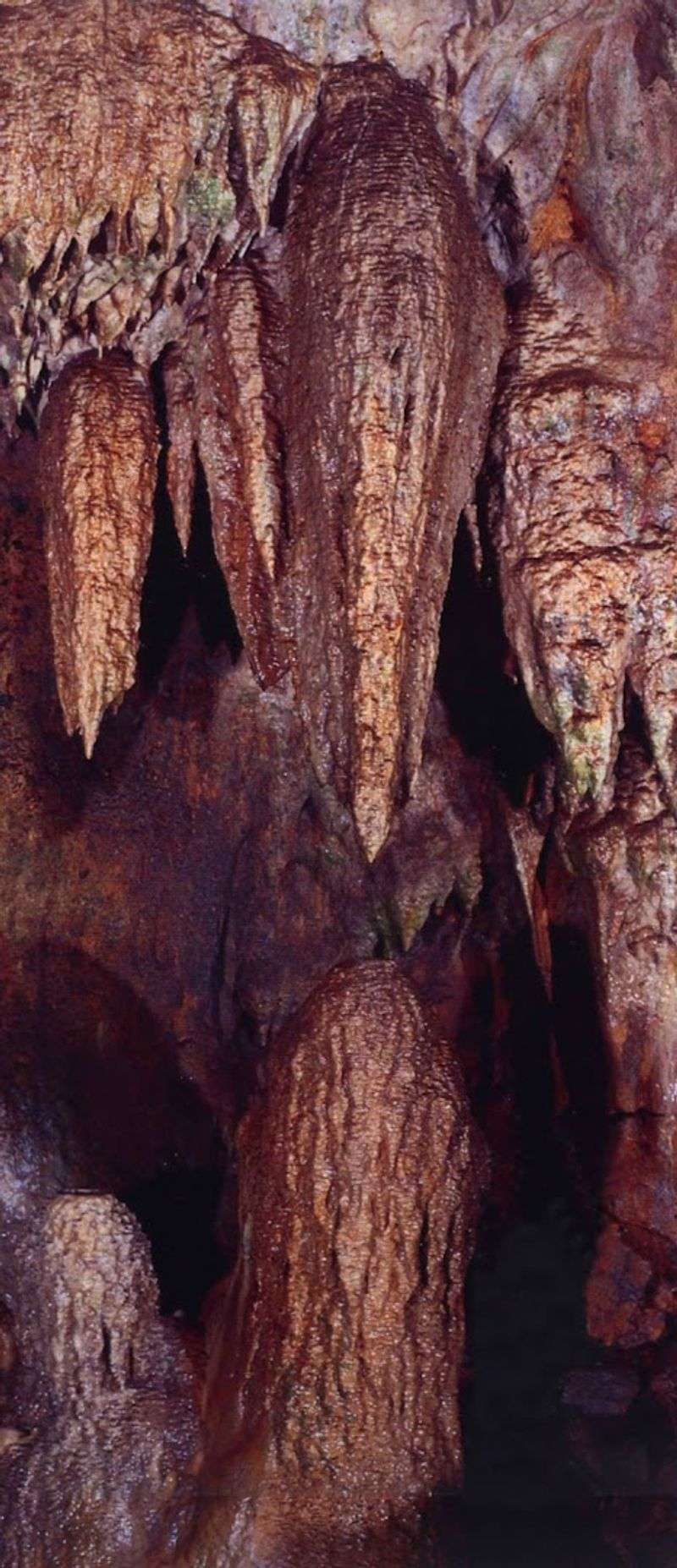
A 100-foot underground waterfall cascades through this living cave system, creating the centerpiece of one of Texas’s most impressive show caves. The caverns maintain a constant 68-degree temperature year-round, making them a perfect escape from summer heat or winter cold. Formations include massive stalagmites, delicate soda straws, flowstone curtains, and columns where stalactites and stalagmites have joined together over thousands of years.
Guided tours last about 45 minutes and cover roughly a half-mile of walking on paved trails with handrails, making the cave accessible to most visitors. The waterfall flows year-round, fed by underground streams that have carved these passages through limestone over millions of years. The sound of rushing water echoes through the chambers, creating an otherworldly atmosphere enhanced by carefully placed lighting that highlights the formations without damaging them.
The cave was discovered in the 1800s and has been open to tourists since the 1930s, with modern improvements making it safe and accessible while preserving its natural beauty. Temperature and humidity inside remain constant, creating ideal conditions for cave-adapted creatures like blind salamanders and unique invertebrates. The cave’s owners work with conservation groups to protect these rare species while still allowing public access.
Above ground, the property includes picnic areas, a playground, and nature trails through typical Hill Country habitat. The gift shop sells rocks, minerals, and cave-related souvenirs. The caverns are located near Boerne, making them an easy day trip from San Antonio or the surrounding Hill Country.
Photography is allowed during tours, though tripods aren’t permitted and flash photography is discouraged to protect the cave environment and other visitors’ experience. The site stays open year-round with tours running throughout the day, though calling ahead to confirm times and availability is recommended during off-season months.
17. Balcones Canyonlands National Wildlife Refuge
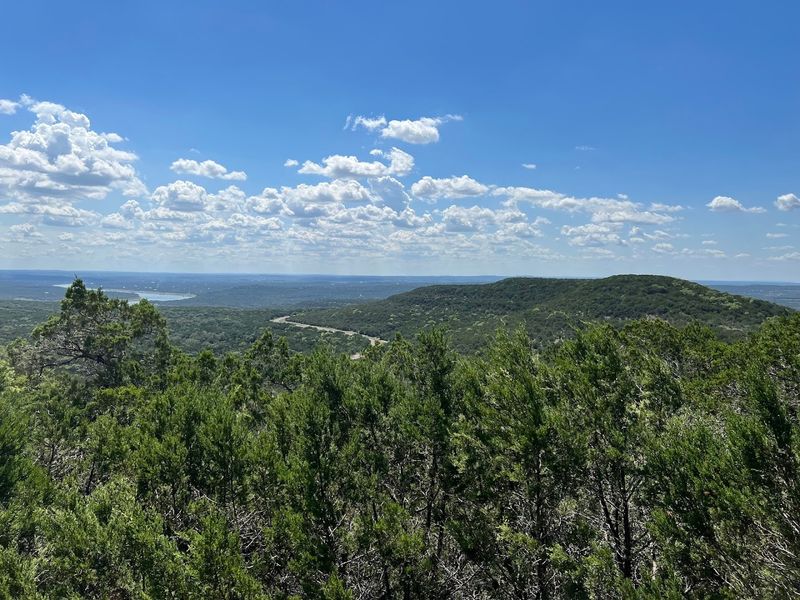
Protecting over 27,000 acres of endangered Hill Country habitat, this refuge was established primarily to save the golden-cheeked warbler and black-capped vireo from extinction. The land consists of steep canyons, rolling hills, limestone outcrops, and a mix of juniper-oak woodlands and native grasslands. The refuge sits atop the Balcones Escarpment where the Hill Country meets the Blackland Prairie, creating a transition zone that supports incredible biodiversity.
More than 240 bird species have been recorded here, making it a premier destination for birdwatchers seeking both the endangered species and common Hill Country birds. Spring migration brings waves of warblers, vireos, flycatchers, and other songbirds passing through on their way north. The golden-cheeked warbler breeds nowhere else on Earth except the juniper-oak woodlands of Central Texas, making the refuge critically important for this species’ survival.
Several tracts of the refuge are open to the public for hiking, wildlife watching, and photography. The Doeskin Ranch Trail offers an easy 1.5-mile loop through typical Hill Country habitat with interpretive signs explaining the ecosystem. The Warbler Vista Trail provides accessible wildlife viewing for visitors with mobility limitations.
Other areas remain closed to protect sensitive nesting habitat during breeding season.
The refuge doesn’t offer camping or developed facilities beyond parking areas and vault toilets at trailheads. Visitors should bring water, snacks, and sun protection since shade is limited on most trails. The rough terrain includes loose rocks, steep grades, and prickly vegetation, so wearing long pants and sturdy boots prevents scratches and injuries.
Spring offers the best combination of comfortable temperatures, blooming wildflowers, and active wildlife, though the refuge provides year-round opportunities for nature lovers willing to explore this protected slice of Texas Hill Country.
Share this story