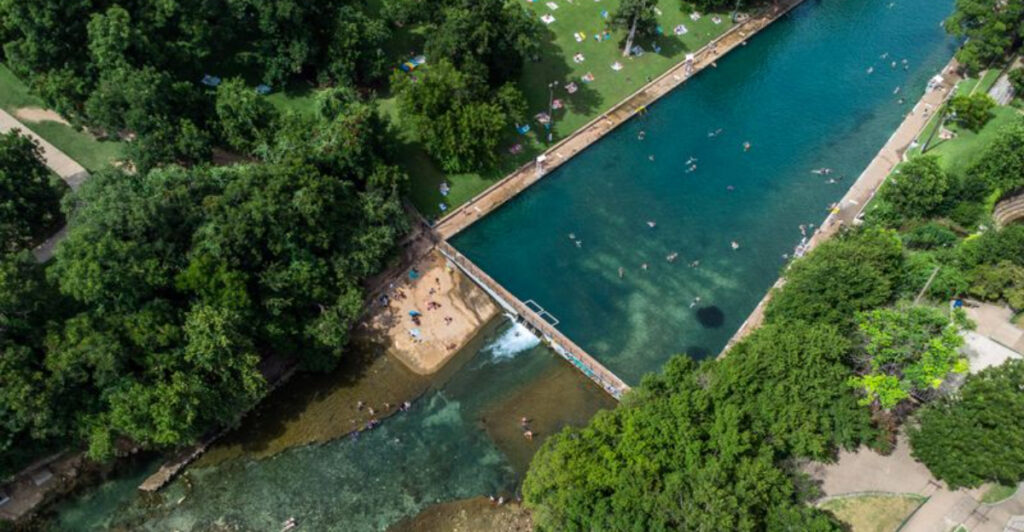
Texas summers can feel like standing inside an oven, but locals know the secret to beating the heat without breaking the bank on water park tickets. Scattered across the Hill Country and beyond are natural swimming holes with water so clear you can count the fish swimming around your toes. These spots offer more than just relief from triple-digit temperatures—they’re where families make memories, friends gather for weekend adventures, and nature puts on a show that no chlorinated pool could ever match.
Whether you’re looking for a quick dip after work or planning a full day of exploration, these crystal-clear gems are calling your name.
1. Barton Springs (Austin)
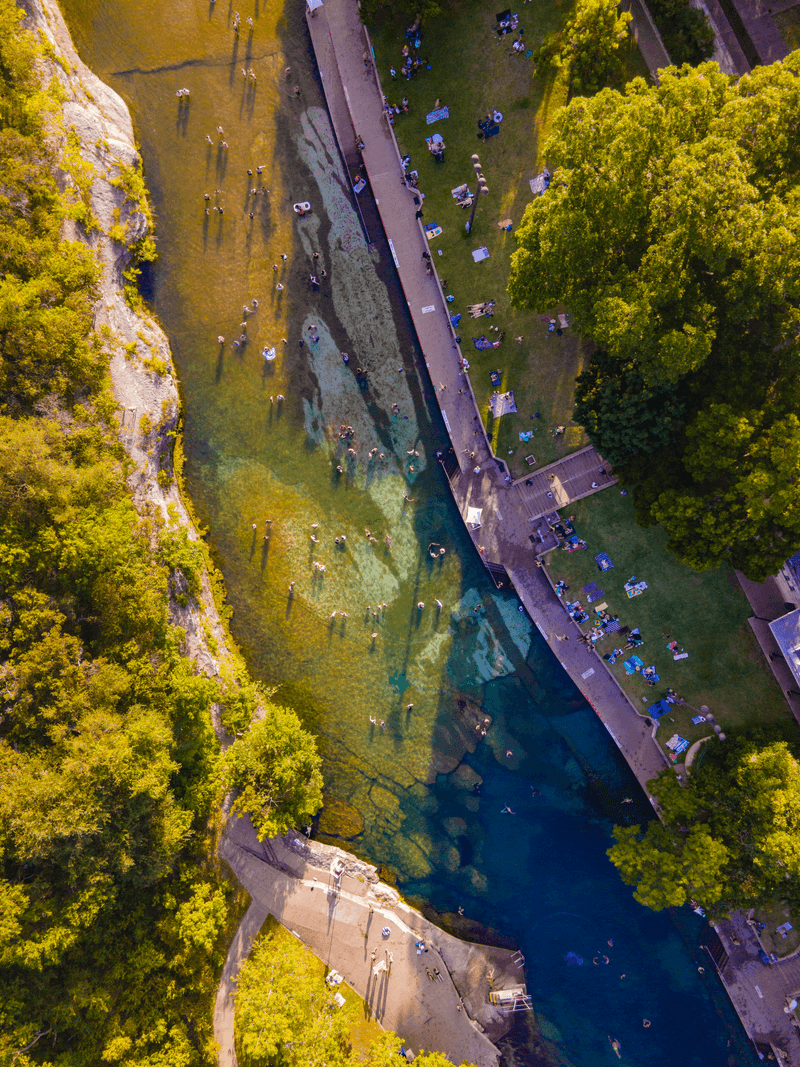
Right in the middle of Austin sits a three-acre pool fed by underground springs that pump out 27 million gallons of water daily. The temperature stays around 68-70 degrees year-round, which feels downright frigid in July but absolutely perfect when the pavement outside could fry an egg. Locals treat this place like their backyard pool, showing up before work for morning laps or after sunset for a moonlight swim.
The water clarity here is legendary. You can stand in the deep end and still see your toes clearly, watching little fish dart around the algae-covered bottom. The springs create a gentle current that pushes swimmers toward the shallow end, making it fun to float lazily downstream before swimming back up for another go.
Kids love jumping off the diving board while parents lounge on the grassy hillside that surrounds the pool.
What makes Barton Springs special isn’t just the water—it’s the whole scene. Food trucks park nearby, dogs play in the adjacent off-leash area, and the sound of live music often drifts over from Zilker Park. The endangered Barton Springs salamander lives here too, a tiny creature found nowhere else on Earth.
Scientists monitor the water quality obsessively to protect these little guys, which means you’re swimming in some of the cleanest water around.
Getting in requires a small admission fee during staffed hours, but early birds and night owls can swim for free. The pool stretches longer than a football field, giving serious swimmers room to get their exercise while casual waders stick to the shallow areas. Lifeguards keep watch during peak hours, and the bathhouse offers changing rooms and showers.
On scorching summer weekends, this place gets packed with families spreading out picnic blankets and claiming their favorite spots on the hillside.
The natural limestone bottom feels smooth under your feet, and the spring water stays so consistently cool that your body eventually adjusts to what initially feels like jumping into a mountain stream. Surrounding trees provide scattered shade, creating perfect spots to dry off between dips while reading a book or just watching the endless parade of Austinites doing what they do best—keeping cool and keeping weird.
2. Blanco State Park (Blanco)
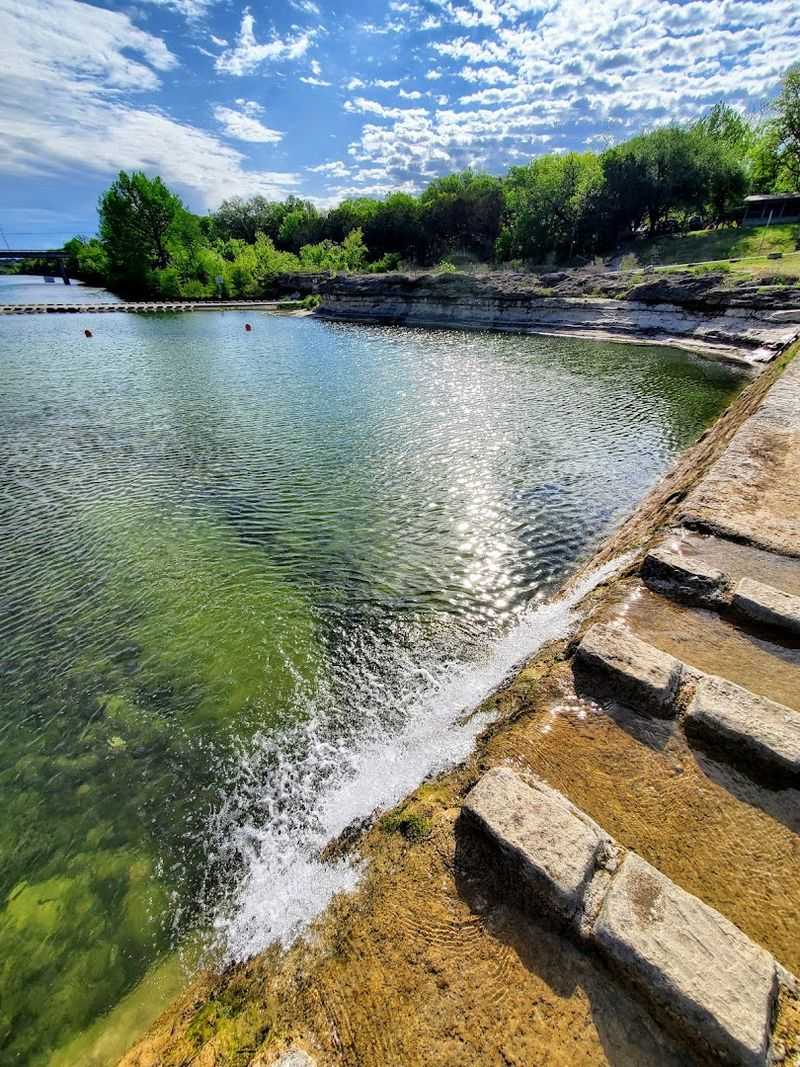
The Blanco River winds through this state park like a liquid ribbon of glass, creating natural pools and shallow rapids that make it ideal for families with younger kids. Unlike some swimming holes where you need to hike down cliffs or navigate tricky trails, this one sits right next to the camping area. You can literally walk from your tent to the water in your flip-flops carrying a cooler and inner tubes without breaking a sweat.
Water depth varies throughout the park, from ankle-deep riffles where toddlers can splash safely to deeper holes where teenagers practice their cannonballs. The limestone riverbed creates a natural filtration system, keeping the water remarkably clear even after dozens of families have been playing in it all day. Cypress trees line the banks, their roots creating natural seating areas and their branches offering shade during the hottest parts of the afternoon.
Locals know the best time to visit is weekday mornings during summer, when you might have entire sections of the river to yourself. The current flows gently enough that floating downstream on an inner tube feels relaxing rather than scary, and walking back upstream to your starting point counts as the easiest exercise you’ll ever get. Small fish congregate in the shallows, darting away when you step near them but quickly returning once you settle into a spot.
The park offers more than just swimming. Volleyball courts, playgrounds, and picnic pavilions with grills make it easy to spend an entire day here. Some folks bring fishing poles and cast lines into the deeper pools, hoping to catch bass or catfish for dinner.
Others simply spread out blankets on the grassy areas and let the sound of flowing water provide the soundtrack to their afternoon naps.
What really sets this place apart is the accessibility. Paved paths lead right down to the water’s edge, and the gradual entry means even hesitant swimmers can wade in at their own pace. The park stays open year-round, and even in winter, the clear water looks inviting on those random 75-degree January days that remind everyone why they love Texas.
Rangers patrol regularly, keeping things safe and family-friendly while answering questions about the local wildlife and river conditions.
3. Blue Hole Regional Park (Wimberley)
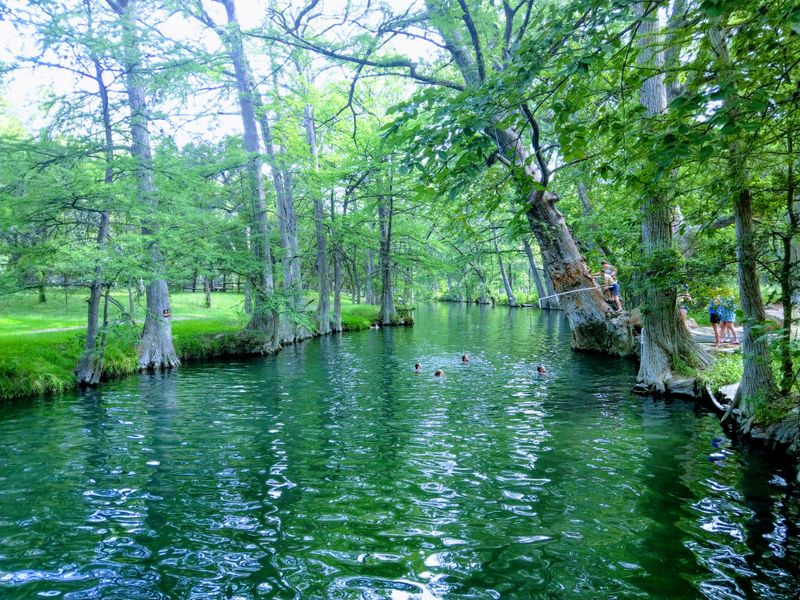
Wimberley’s Blue Hole earned its name honestly—the water glows with an almost supernatural blue-green color that looks Photoshopped until you’re standing right there staring at it. Fed by Cypress Creek, this swimming hole drops to depths of 25 feet in some spots, creating a natural diving platform that’s been thrilling visitors for generations. The color comes from the limestone bottom and the way sunlight filters through the incredibly clear water, creating an effect that cameras never quite capture accurately.
Getting to the water requires descending a stone staircase through a canopy of massive cypress and oak trees. The journey down builds anticipation, with glimpses of that brilliant blue water peeking through the leaves. Once you reach the bottom, you’ll find a wide swimming area with both deep sections for confident swimmers and shallower edges where less experienced folks can ease in gradually.
The rope swing hanging from a towering cypress tree draws crowds of teenagers and brave adults willing to channel their inner Tarzan. Watching people work up the courage to let go and drop into the deep water provides endless entertainment, with equal parts screaming, laughing, and the occasional belly flop. The current here is minimal, making it easy to swim laps or just float on your back staring up at the tree canopy swaying overhead.
Park rules keep this place well-maintained and safe. Glass containers aren’t allowed, which means fewer broken bottle worries when you’re walking barefoot on the rocky areas. Lifeguards aren’t on duty, so parents need to keep close watch on their kids, especially around the deeper sections.
The park limits daily visitors to prevent overcrowding, which means you’ll want to arrive early on summer weekends or risk getting turned away at the gate.
Locals treat Blue Hole with respect, packing out their trash and following the rules that keep this natural wonder accessible. The surrounding park includes picnic areas with tables and grills, plus hiking trails that wind through the Hill Country landscape. Some visitors spend hours here, alternating between swimming, sunbathing on the smooth limestone rocks, and exploring the creek both upstream and downstream.
The water temperature stays refreshingly cool even in August, fed by springs that maintain consistent flow regardless of drought conditions affecting other swimming spots around the region.
4. Cedar Hill State Park (Cedar Hill)
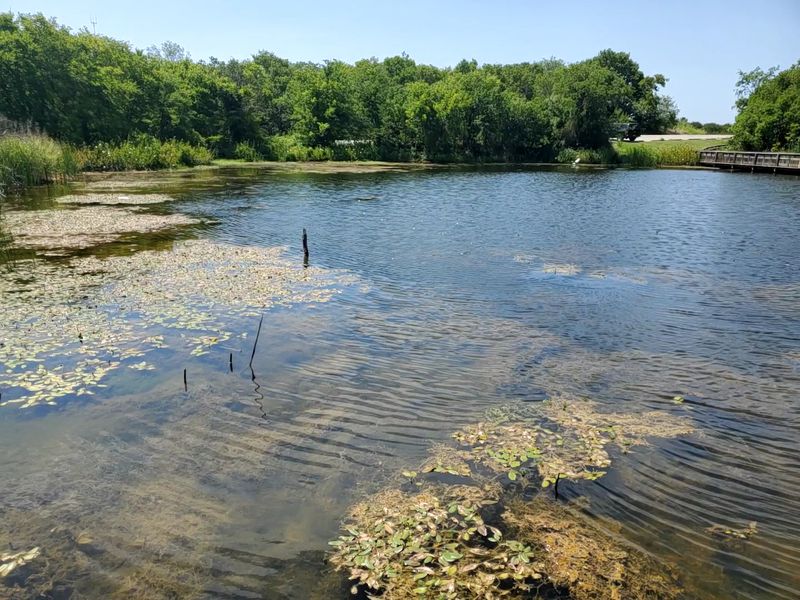
Just 20 minutes from downtown Dallas sits a 1,200-acre state park wrapped around Joe Pool Lake, offering city dwellers a quick escape without the hours-long drive to the Hill Country. The swimming beach here stretches along the shoreline with actual sand imported to create a beach experience that feels more like the coast than North Texas. Water clarity varies depending on recent rainfall, but the designated swimming area typically offers visibility several feet down, letting you see approaching fish and avoid stepping on any surprises.
Unlike river swimming holes where you’re fighting current or navigating rocks, this lake beach provides easy entry and gradual depth increases perfect for younger children still building confidence in the water. Parents can plant themselves in shallow areas while keeping eyes on kids venturing into deeper sections. The sandy bottom feels pleasant underfoot, a nice change from the limestone and river rock common at most Texas swimming spots.
Lifeguards staff the beach during peak season, adding a layer of safety that makes this spot particularly popular with families. The swimming area gets roped off from boat traffic, so you don’t need to worry about jet skis or fishing boats getting too close. Picnic tables and covered pavilions line the beach area, providing shaded spots to set up base camp for the day.
Some families bring popup canopies and coolers, settling in for marathon swimming sessions that last from morning until the sun starts setting over the lake.
The park offers more than just swimming. Miles of hiking and mountain biking trails wind through the surrounding woods, and the lake itself attracts anglers hoping to catch bass, catfish, or crappie. Camping facilities range from basic tent sites to spots with water and electric hookups for RVs.
Some folks make this a weekend destination, swimming during the day and gathering around campfires at night.
What makes Cedar Hill State Park special for Dallas-Fort Worth residents is the convenience factor. You can decide at lunchtime that you need to cool off and be swimming within 30 minutes. The park stays open year-round, and even in spring and fall, the swimming beach attracts visitors on warm days.
Water temperatures climb comfortably warm by late May and stay that way through September. The combination of easy access, good facilities, and reliable water quality makes this a regular weekend destination for North Texas families who’ve memorized the drive and know exactly which parking spots offer the shortest walk to their favorite section of beach.
5. Cypress Falls (Wimberley)
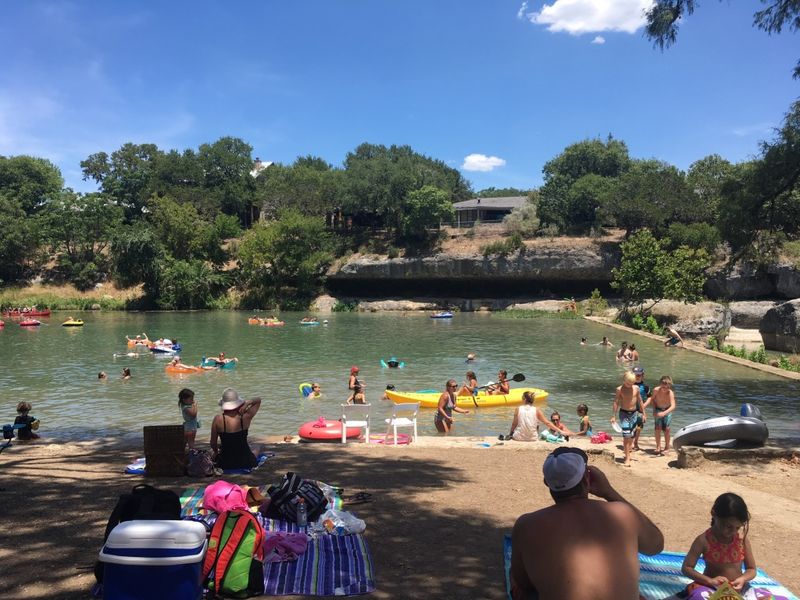
Hidden along Cypress Creek, this swimming hole rewards those who make the effort to find it with a genuine waterfall experience rare in Texas. The falls themselves aren’t massive—maybe 10 to 15 feet depending on water levels—but they create a perfect curtain of water you can swim under and a pool deep enough for proper swimming rather than just wading. The sound of water tumbling over limestone creates natural white noise that drowns out everything except the occasional laughter from other swimmers.
Reaching Cypress Falls requires a moderate hike that keeps this spot less crowded than more accessible swimming holes. The trail winds through typical Hill Country terrain with rocky sections that demand decent footwear—save the flip-flops for when you’re actually at the water. The hike isn’t particularly long, but carrying coolers and floaties adds challenge.
Most visitors pack light, bringing just towels, water bottles, and maybe some snacks in backpacks.
The pool below the falls stays clear enough to watch sunfish and small bass swimming around your legs. Limestone shelves create natural seating areas both in the water and along the edges, perfect for taking breaks between swimming sessions. Some folks bring waterproof speakers and create low-key pool parties, while others prefer the natural soundtrack of falling water and rustling leaves.
The cypress trees overhead provide decent shade, though midday sun still finds ways to peek through and warm the rocks where people spread out their towels.
Water flow varies dramatically with rainfall. After heavy rains, the falls become more impressive but the current strengthens and visibility drops as runoff clouds the water. During dry spells, the waterfall might reduce to a trickle, though the pool typically maintains enough depth for swimming.
Locals check recent weather and creek conditions before making the trip, knowing that timing matters for getting the best experience.
This spot attracts a younger, more adventurous crowd than family-oriented parks. College students from nearby universities, local twenty-somethings, and visiting tourists willing to hike all mix together in the pool. The vibe stays relaxed and friendly, with strangers often striking up conversations about where they’re from and what brought them to this particular swimming hole.
Because there’s no entrance fee or official park structure, visitors take responsibility for packing out their trash and respecting the natural environment. The lack of amenities means no bathrooms or changing facilities—you’re truly swimming in a wild space that happens to be accessible with a modest hike rather than a multi-day backpacking trip.
6. Devil’s Waterhole (Burnet)
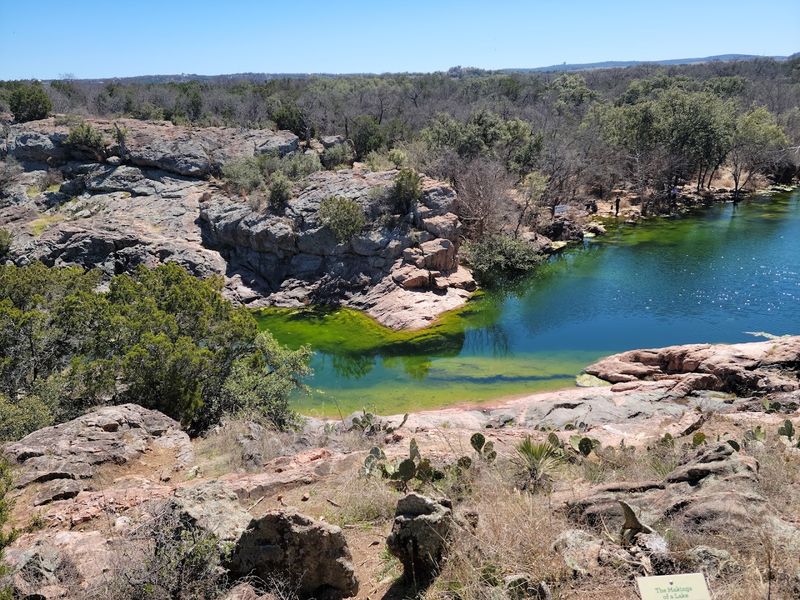
Adrenaline junkies and cliff jumping enthusiasts have been making pilgrimages to Devil’s Waterhole for decades. The main attraction here isn’t just swimming—it’s the towering limestone cliffs that rise 20 to 25 feet above the water, daring visitors to take the plunge. Watching someone stand at the edge, working up courage before finally launching into the air, never gets old.
The pool below sits deep enough that experienced jumpers have been safely launching themselves off these rocks for generations.
The water here comes from Ink Creek, which flows through Inks Lake State Park and creates this particularly deep swimming hole. Clarity varies with seasons and rainfall, but typically you can see down several feet into the green-tinted water. The depth in the jumping zone measures well over 20 feet, though you’ll want to check current conditions and talk to locals about exactly where it’s safe to jump.
Rocks lurk in some areas, and water levels change, so first-timers should watch others and ask questions before attempting any aerial acrobatics.
Not everyone comes here to jump. Plenty of visitors are content swimming in the calmer sections, floating on inner tubes, or sunbathing on the smooth limestone platforms that surround the hole. The rocks get hot in summer sun, so most people alternate between baking on the warm stone and cooling off in the water.
Small caves and overhangs in the cliff faces provide shaded spots to rest between swims.
The scene here tends toward the adventurous side. You’ll see experienced jumpers showing off with flips and tricks, groups of friends cheering each other on, and the occasional proposal or celebration marked by someone finally conquering their fear of heights. The atmosphere stays casual and encouraging, with strangers offering tips on form and landing technique.
Rangers from the state park occasionally patrol to ensure people follow safety guidelines and park rules.
Access requires parking at Inks Lake State Park and following trails to the waterhole. The hike isn’t long but does involve some scrambling over rocks. Bring water shoes with good grip—the limestone can be slippery when wet, and the last thing you want is to slip before you even reach the jumping rocks.
Most visitors spend several hours here, working up to bigger jumps or just enjoying the unique combination of swimming hole and natural adventure park. The setting feels remote despite being relatively easy to reach, surrounded by Hill Country vegetation and limestone formations that create a natural amphitheater around the water.
7. Hamilton Pool Preserve (Dripping Springs)
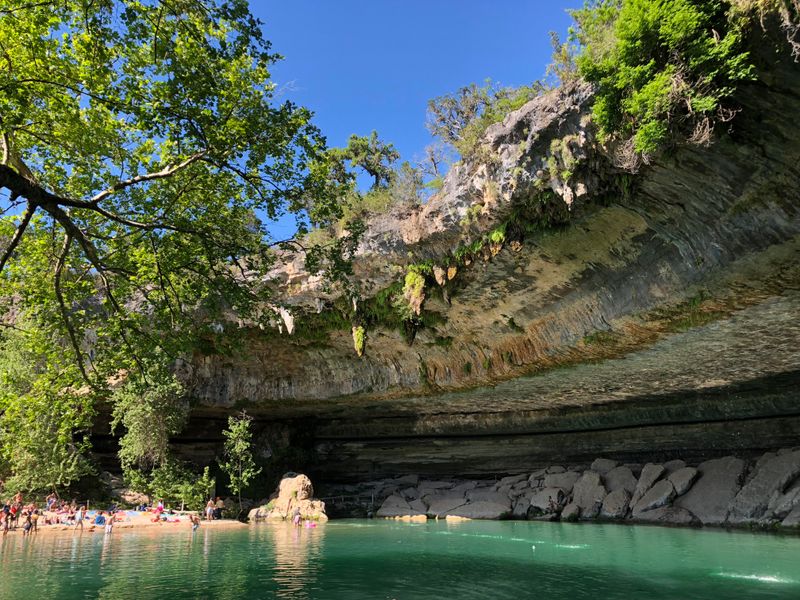
Mother Nature was showing off when she created Hamilton Pool. A collapsed grotto ceiling thousands of years ago formed a natural amphitheater with a 50-foot waterfall spilling over the limestone overhang into a jade-green pool below. Standing inside this space feels like entering a natural cathedral, with stalactites hanging from the ceiling and moss-covered walls creating an otherworldly atmosphere that cameras struggle to capture accurately.
This might be the most photographed swimming hole in Texas, and for good reason.
The pool itself measures about a quarter-acre, with water so clear you can watch schools of fish navigating between swimmers’ legs. Depth varies from shallow edges where you can wade to deeper sections near the waterfall reaching 12 feet or more. The water stays cool year-round thanks to the spring feeding it, providing serious refreshment on triple-digit summer days.
You can swim right up to the waterfall and feel the cascade pounding on your shoulders, or float on your back staring up at the grotto ceiling far above.
Getting here requires planning ahead. Hamilton Pool Preserve operates on a reservation system to prevent overcrowding and protect this fragile ecosystem. You can’t just show up on a Saturday in July and expect to get in—reservations fill up days or weeks in advance during peak season.
The quarter-mile trail from the parking area to the pool involves stairs and uneven terrain, so factor in your physical abilities and what you can carry. Most people pack light since the hike back uphill after swimming feels longer than the descent.
Swimming isn’t always allowed. During certain times of year, particularly when bird species are nesting in the grotto, the pool closes to protect wildlife. High bacteria levels after heavy rains also trigger temporary closures.
Always check the preserve’s website or call ahead before making the drive. When swimming is permitted, rules are strict—no food or drinks in the grotto area, no climbing on the formations, and absolutely no touching the delicate stalactites or moss-covered walls.
What makes this place truly special is how it manages to feel both accessible and wild. You’re swimming in a geological wonder that’s been forming for millennia, surrounded by endangered plants and animals that exist nowhere else. The Travis County parks department maintains the trails and facilities while working to preserve the natural features that make this place remarkable.
Even when the preserve is crowded with visitors, the grotto’s size and acoustics create pockets of tranquility where you can float and appreciate the rare privilege of swimming in such an extraordinary natural formation.
8. Hippie Hollow (Austin)
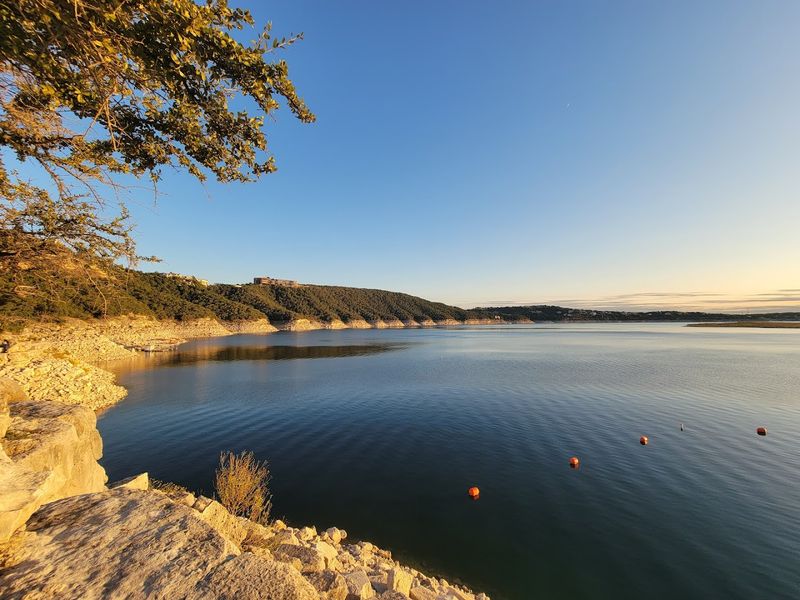
Texas’s only legally clothing-optional public park sits on the western shore of Lake Travis, attracting a diverse crowd who appreciate swimming au naturel. Before you get any ideas, this isn’t some wild party scene—it’s actually quite mellow, with established regulars who treat the place respectfully and expect the same from visitors. The park enforces strict rules against lewd behavior, and rangers patrol regularly to ensure everyone follows them.
You’re here to swim, sunbathe, and enjoy nature without tan lines, not to gawk or cause trouble.
The swimming area spreads across rocky coves and inlets carved from limestone cliffs. Water clarity on Lake Travis depends on recent rainfall and boat traffic, but typically offers decent visibility for a lake environment. Multiple entry points mean you can find your own section of shoreline rather than crowding into one designated beach area.
Some spots feature gradual entries perfect for wading in slowly, while others involve scrambling down rocks and jumping straight into deeper water.
What surprises first-time visitors is how normal everything feels. Families spread out on the rocks, couples float on inner tubes, solo visitors read books on towels—basically the same activities happening at any other swimming spot, just with fewer swimsuits. The crowd skews older and more body-positive than you might expect, with people of all ages, shapes, and sizes enjoying the freedom of swimming without fabric clinging to their skin.
Most visitors adopt a
9. Krause Springs (Spicewood)
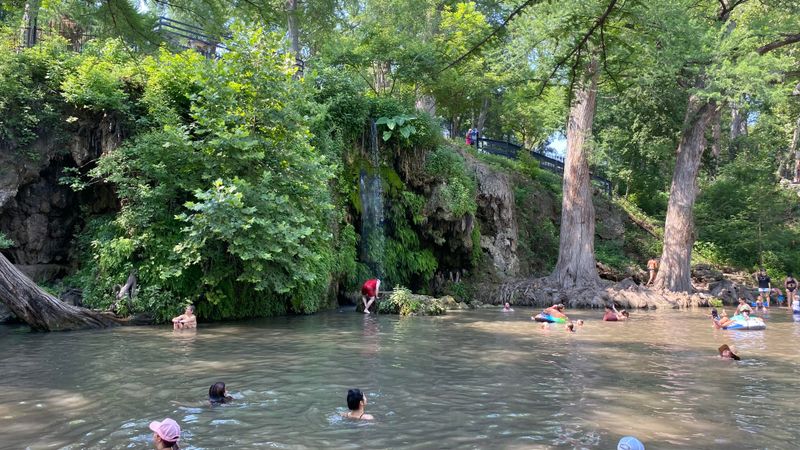
This family-owned property has been welcoming swimmers since the 1950s, and the owners have spent decades developing it into something special without ruining the natural magic. Multiple springs feed a series of pools that cascade down the hillside toward Lake Travis, creating swimming opportunities ranging from shallow kiddie-friendly pools to deeper spots where teenagers practice their dives. The main pool sits surrounded by massive old-growth trees that create a shaded oasis even during the hottest summer afternoons.
Water temperatures vary between pools, with the spring-fed ones staying refreshingly cool while lower pools warmed by the sun offer more comfortable temperatures for those who don’t love jumping into cold water. The clarity here impresses—you can see every pebble on the bottom and watch minnows darting between swimmers. The constant flow from the springs keeps the water fresh and clean, cycling through the entire system continuously rather than sitting stagnant like a typical swimming pool.
What sets Krause Springs apart is all the extra touches the owners have added. Gardens filled with native plants and butterflies surround the pools, creating a park-like atmosphere. Campsites scattered throughout the property let visitors turn a day trip into a weekend camping adventure.
Rope swings dangle over some pools, and natural rock formations create diving platforms at various heights. The property even includes a man-made swimming pool alongside the natural ones, giving visitors options depending on their preferences.
The entrance fee goes toward maintaining the property and keeping it accessible. Unlike state parks where your taxes fund operations, this is a private business that depends on admission charges to stay open. Most visitors consider it money well spent given the quality of the facilities and the obvious care put into maintaining everything.
Bathrooms, changing areas, and covered pavilions provide amenities you won’t find at wild swimming holes requiring hikes to reach.
Weekends get busy, especially during summer, but the multiple pools and extensive property mean you can usually find space to claim as your own. Some families make this a regular destination, returning weekend after weekend throughout the swimming season. The combination of natural beauty, well-maintained facilities, and that local swimming hole vibe keeps people coming back.
Kids love exploring between the different pools and finding the perfect rope swing, while adults appreciate being able to relax knowing their children are playing in a relatively controlled environment. The owners clearly love this place, and their dedication to preserving its natural character while making it accessible and enjoyable shows in every detail.
10. Lake Mineral Wells (Mineral Wells)
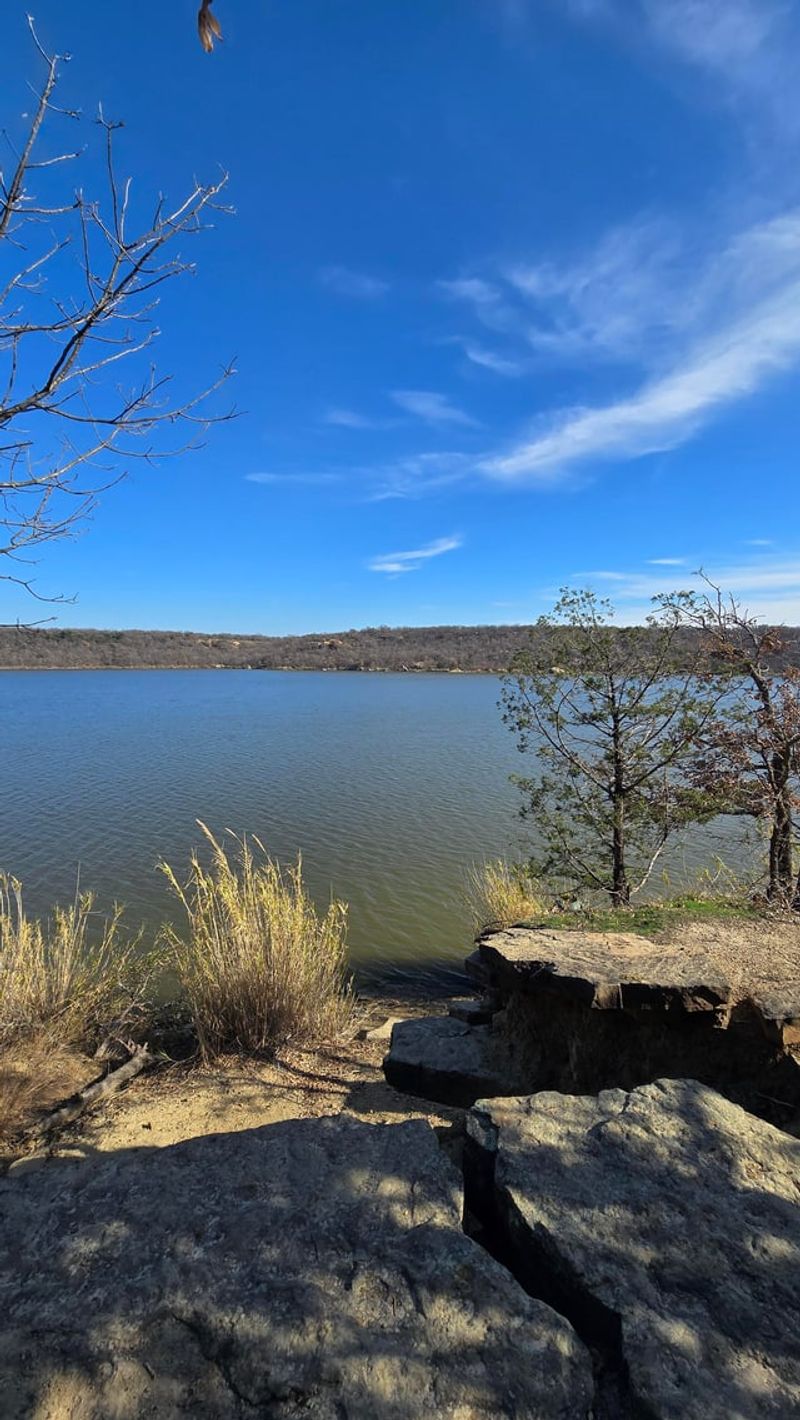
Northwest of Fort Worth, Lake Mineral Wells offers swimming opportunities in a 646-acre reservoir surrounded by rugged terrain that feels more like West Texas than the typical Hill Country landscape. The lake sits within a state park that attracts rock climbers to its famous Penitentiary Hollow cliffs, but swimmers find plenty to love about the designated beach area with imported sand and gradual entry into clear water. Unlike some Texas lakes that turn murky brown after any rainfall, Mineral Wells maintains decent clarity most of the year.
The swimming beach provides amenities that make family outings easier. Covered pavilions offer shade during the hottest hours, and picnic tables let you set up lunch without eating on your towel in the sand. Bathhouses with showers and changing rooms mean you can rinse off before the drive home.
The beach gets groomed regularly, removing debris and keeping the sand smooth underfoot. Lifeguards staff the area during peak season, adding safety for families with younger children still learning to swim confidently.
Water temperatures climb comfortably warm by late spring and stay pleasant through early fall. The lake’s size means you’re not swimming in a small pool where everyone’s on top of each other—there’s actual room to swim laps, play water volleyball, or float on inflatables without constantly bumping into other people. Ropes mark the swimming area boundaries, keeping boats and jet skis at a safe distance while giving swimmers plenty of space to enjoy the water.
Beyond swimming, the park offers extensive hiking and mountain biking trails that wind through rocky hills covered with scrubby vegetation and prickly pear cactus. The terrain looks dramatic, especially during sunset when the rocks glow orange and the lake reflects the changing sky. Some visitors come primarily for the rock climbing and treat the swimming as a bonus way to cool off after scaling cliffs.
Others focus on the lake, bringing kayaks and paddleboards to explore beyond the swimming area.
What makes this spot appealing for North Texas residents is how different it feels from the typical lakeside parks closer to Dallas-Fort Worth. The landscape has character and variety, with interesting geology and actual topographic relief rather than flat plains. The park stays less crowded than lakes closer to the metroplex, even on summer weekends.
Camping facilities range from basic tent sites to spots with full hookups, and many families make this a weekend destination rather than just a day trip. The combination of swimming, hiking, climbing, and general outdoor recreation packed into one park creates opportunities for everyone in the family to find activities they enjoy.
11. McKinney Falls (Austin)
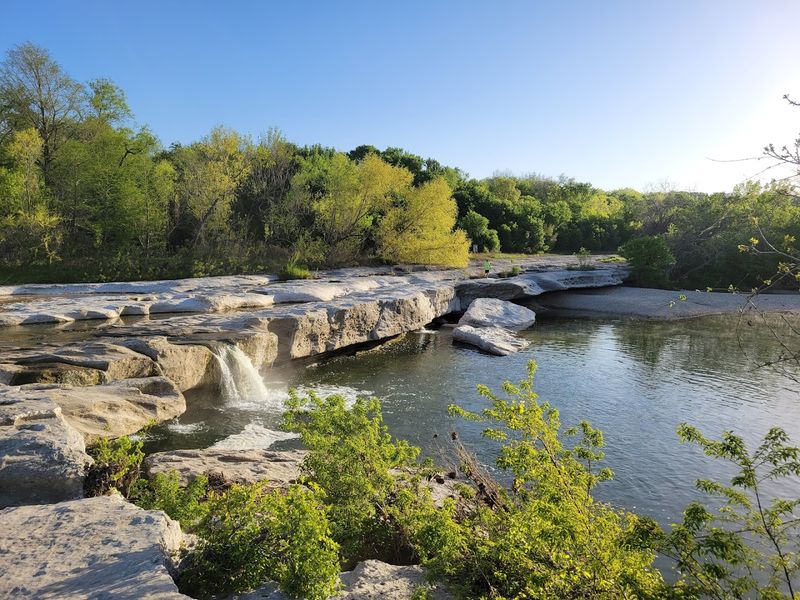
South Austin’s backyard state park features two distinct waterfalls along Onion Creek, with the upper falls creating the better swimming hole during most conditions. When water flows strongly, the falls put on a impressive show as water cascades over limestone ledges worn smooth by centuries of erosion. During drier periods, the falls might reduce to a trickle, but the pools below still offer swimming opportunities in water clear enough to see the rocky bottom and the occasional turtle sunning itself on exposed stones.
The upper falls pool sits just a short walk from the parking area via a mostly flat trail, making this one of the more accessible swimming holes for families with small children or anyone who’d rather not hike miles to reach water. The pool itself isn’t huge, but it’s deep enough for actual swimming rather than just wading. Limestone shelves around the edges create natural seating where you can sit half-submerged, enjoying the water while staying mostly out of the sun under overhanging trees.
Lower McKinney Falls sits farther downstream and requires a bit more hiking to reach. When water flows, this waterfall creates a wider, more dramatic cascade that’s popular with photographers. The pool here tends to be shallower and spreads out more, creating different swimming dynamics than the upper falls.
Most visitors check out both spots and then settle into whichever one suits their mood and swimming preferences for the day.
Water quality varies depending on recent rainfall. Onion Creek drains a large area, and heavy rains can turn the water murky brown with runoff. The park sometimes closes swimming after major storms until bacteria levels drop back to safe ranges.
During stable weather periods, particularly in late summer when creek flow comes primarily from springs rather than runoff, the water clears up beautifully and stays consistently pleasant for swimming.
The park offers more than just swimming. Ruins of the original McKinney homestead sit near the lower falls, adding historical interest to your visit. Hiking and mountain biking trails wind through the park, ranging from easy walks suitable for young kids to more challenging routes that explore the creek valley and surrounding hills.
Some visitors combine swimming with trail running, using the cold creek water as a reward after working up a sweat on the trails. The park’s proximity to South Austin means it gets heavy use from locals who pop in for quick afternoon swims or evening walks along the creek. Despite the crowds, the park’s size and multiple access points mean you can usually find a spot to claim as your own, especially if you visit during weekday mornings or late afternoons when the after-work crowd hasn’t arrived yet.
12. Pedernales Falls State Park (Johnson City)
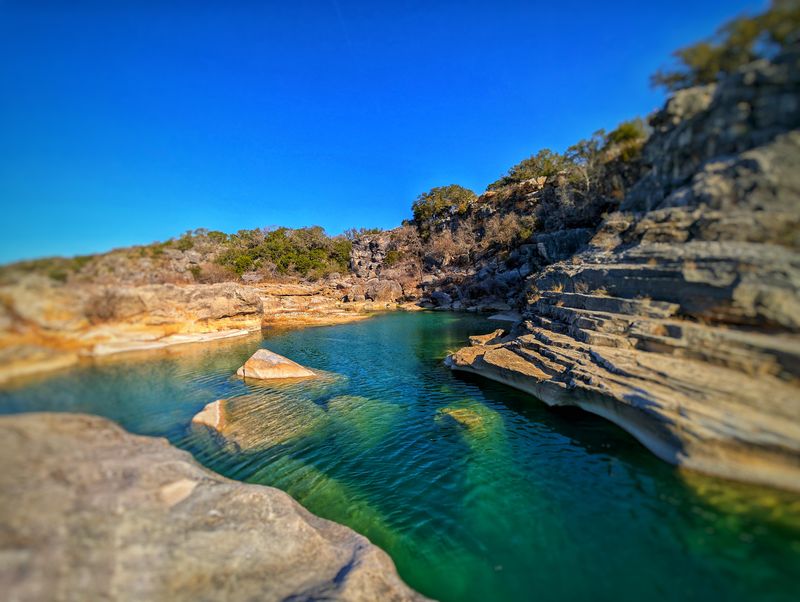
The Pedernales River creates one of Texas’s most photogenic waterfall systems as it flows over layered limestone shelves, creating a series of cascades and pools that stretch across the landscape. Swimming directly at the main falls is prohibited due to dangerous currents and slippery rocks that have caused accidents over the years, but designated swimming areas both upstream and downstream offer safe access to the same beautiful river. The water here runs clear when conditions are right, flowing over limestone that’s been polished smooth by thousands of years of erosion.
Upstream from the main falls, calmer sections of the river provide family-friendly swimming where the current stays manageable and the depth gradual. Kids can splash in the shallows while stronger swimmers venture into deeper channels. The limestone riverbed creates natural pools and riffles, giving the water visual interest and creating spots where different depths suit different comfort levels.
Trees along the banks provide scattered shade, and the wide river valley means you get expansive Hill Country views while you’re swimming.
Downstream areas offer different character, with the river widening and slowing after tumbling over the falls. Some sections here feature sandy bottoms mixed with the limestone, creating beach-like areas where you can spread out towels and build sandcastles between swimming sessions. The downstream swimming holes tend to be less crowded than upstream areas, partly because they require longer hikes from parking areas and partly because many visitors focus on viewing the main falls rather than exploring the full river.
The park encompasses over 5,000 acres, with extensive hiking and mountain biking trails that show off different aspects of Hill Country terrain. Some trails follow the river, offering multiple access points for swimming at different locations. Others climb onto ridges where you can see for miles across the rolling landscape.
Wildlife is abundant—deer, armadillos, and countless bird species call this park home, and you’ll likely spot various creatures during your visit.
Water levels and swimming conditions vary dramatically with rainfall. During drought, the river might slow to a trickle with isolated pools rather than continuous flow. After heavy rains, the Pedernales transforms into a raging torrent that’s absolutely off-limits for swimming.
The park sometimes closes entirely during and after major storms due to flash flood danger. Smart visitors check recent weather and current park conditions before making the drive, and they never swim when water is high or flowing fast regardless of how inviting it might look. When conditions align properly though, swimming in the Pedernales offers a quintessential Hill Country experience—clear water, beautiful scenery, and that sense of swimming in a wild river that’s been carving its path through limestone for millennia.
13. Rockledge Park (Grapevine)
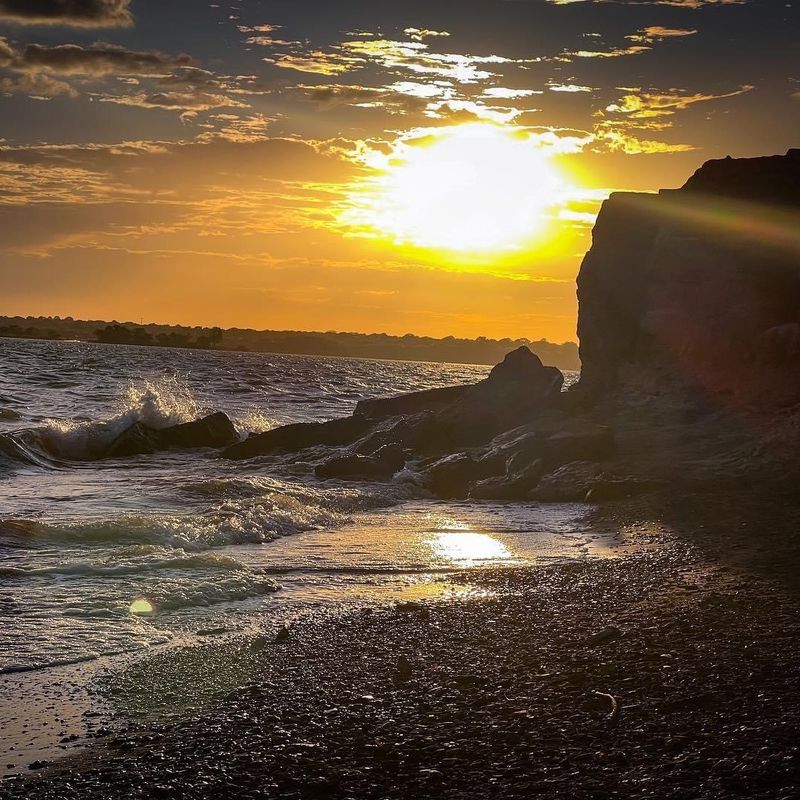
Tucked along Grapevine Lake’s shoreline, this city park offers North Texas families a convenient swimming spot without the drive to more distant destinations. The beach area features actual sand imported to create a genuine beach experience, complete with gradual entry into the lake and a roped-off swimming zone that keeps boats at a safe distance. Water clarity here surprises first-time visitors—Grapevine Lake maintains better visibility than many North Texas reservoirs, partly due to ongoing water quality management and partly due to the lake’s geological setting.
The swimming area stays relatively small compared to massive state park beaches, but that creates an intimate atmosphere where parents can easily keep eyes on their kids. Lifeguards staff the beach during summer months, adding safety and peace of mind. The sandy bottom feels pleasant underfoot, a nice change from the rocky entries common at natural swimming holes.
Depth increases gradually, giving nervous swimmers time to adjust and build confidence before reaching deeper water.
Park amenities make family outings easier. Covered pavilions with picnic tables provide shaded spaces for lunch, and playground equipment keeps younger kids entertained when they need a break from swimming. Bathrooms and outdoor showers let you rinse off lake water before heading home.
The park includes grills at some picnic sites, so families often combine swimming with cookouts, spending entire afternoons enjoying the lakeside setting.
What makes Rockledge special for Dallas-Fort Worth residents is pure convenience. You can decide on a whim to go swimming and be in the water within 30 minutes from many parts of the metroplex. The park stays open year-round, and even during spring and fall, warm days bring out swimmers taking advantage of the accessible location.
Parking fills up on summer weekends, so arriving early ensures you’ll snag a good spot close to the beach.
Beyond swimming, the park connects to trails that wind along the lake shore, popular with joggers and cyclists. Some visitors bring kayaks or paddleboards and launch from the beach area, exploring beyond the swimming zone. Fishing from the shore attracts anglers hoping to catch bass, catfish, or crappie.
The park’s location in Grapevine means you’re close to restaurants and shops if you need to grab supplies or want to extend your outing beyond just swimming. While this spot might not offer the dramatic scenery of Hill Country swimming holes or the wild character of remote river spots, it delivers exactly what busy families need—clean water, safe swimming, good facilities, and easy access that makes spontaneous summer fun actually achievable on a random Tuesday afternoon when the heat becomes unbearable.
14. Twin Falls & Sculpture Falls (Austin)
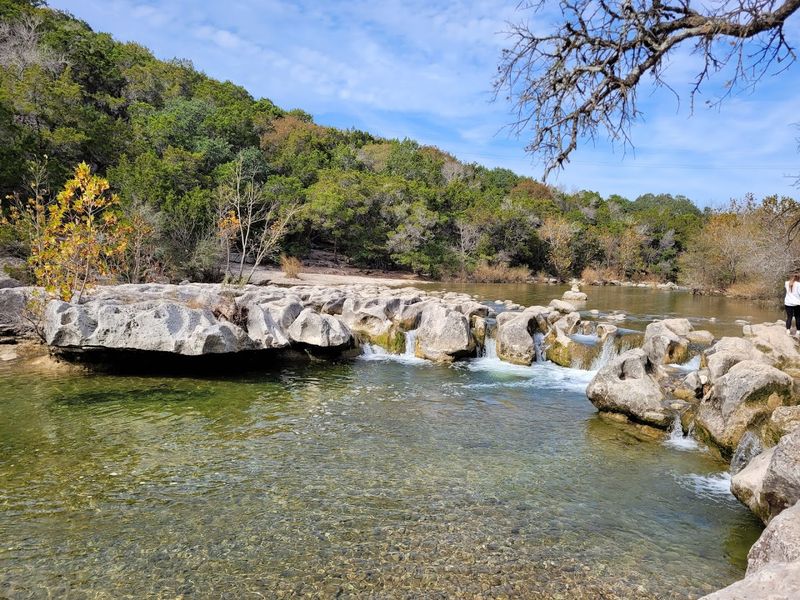
Two distinct swimming holes along the Barton Creek Greenbelt offer different experiences within a few miles of each other. Twin Falls features a double waterfall setup where water splits and cascades over limestone ledges into a pool that’s been a local favorite for decades. Sculpture Falls sits upstream, named for the smooth, sculpted limestone formations that create a more gentle cascade and a wider, shallower swimming area.
Both require hiking to reach, which keeps crowds somewhat manageable and maintains the wild character that makes these spots special.
Reaching Twin Falls involves a moderate hike along the Greenbelt trail, popular with trail runners, mountain bikers, and hikers even when they’re not planning to swim. The trail follows Barton Creek through a limestone canyon, with the creek appearing and disappearing as it flows underground through karst formations before emerging again. When you finally reach Twin Falls, the sound of water hitting the pool announces your arrival before the falls come into view around the bend.
The pool at Twin Falls offers decent depth for swimming, with the waterfalls providing natural ambiance and a spot to stand underneath and feel the cascade on your shoulders. Limestone shelves around the pool create places to sit and sun yourself between swims. The water clarity varies with recent rainfall—during dry periods, the creek runs clear and inviting, but storms turn it temporarily murky as runoff washes through the system.
Sculpture Falls requires less hiking to reach, making it more accessible for families with younger kids or anyone not interested in a serious trek. The falls here are more subtle, with water flowing over smoothly eroded limestone that looks almost man-made in its polished curves. The swimming area spreads out wider and shallower than Twin Falls, creating a different vibe that’s more about wading and playing in the current than serious swimming.
Both spots attract a distinctly Austin crowd—locals who know exactly where to park and which trails to take, visitors staying downtown who’ve done their research, and university students looking for free entertainment that doesn’t involve bars or shopping. The atmosphere stays relaxed and friendly, with swimmers often striking up conversations about trail conditions, water levels, and where else they’ve been swimming lately. Dogs frequently accompany their owners on the hike, and you’ll see plenty of pups cooling off in the creek alongside the humans.
Because these are wild swimming holes without official facilities, you’re responsible for bringing everything you need and packing out all your trash. The lack of amenities is part of the appeal—these spots feel genuinely wild despite being accessible from one of Texas’s largest cities.
Share this story