Texas is famous for its big cities and popular tourist spots, but some of the most incredible places in the state fly completely under the radar. Tucked away in remote corners and forgotten landscapes, these hidden gems offer adventures that most travelers never experience. From ancient rock art to towering sand dunes, these eight remarkable locations prove that Texas still has plenty of secrets worth discovering.
1. Caprock Canyons State Park & Trailway (Quitaque)
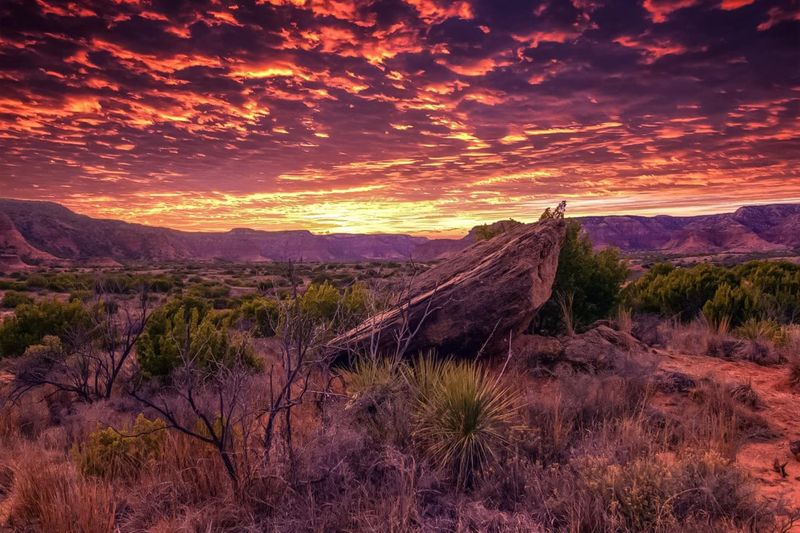
Forget everything you think you know about flat Texas. Out in the panhandle near the tiny town of Quitaque, the earth drops away into a stunning maze of red-rock canyons that look like they belong in Arizona. Caprock Canyons sits where the high plains suddenly break apart, creating dramatic cliffs, hidden valleys, and colorful rock layers that tell millions of years of geological history.
The park is home to the official Texas State Bison Herd, one of the few places in the state where you can see these massive animals roaming wild and free. Spotting a bison against the backdrop of crimson canyons makes for an unforgettable moment. The herd descends from the famous southern plains bison and represents an important conservation success story.
Hiking here feels worlds away from civilization. The trails wind through juniper-dotted canyons, past seasonal waterfalls, and up to mesa-top overlooks with views that stretch forever. The Lighthouse Trail is the park’s signature hike, leading to a 75-foot rock formation that stands like a natural monument in the wilderness.
Mountain bikers absolutely love the Caprock Canyons Trailway, a 64-mile converted railway that cuts through some of the most remote country in Texas. The trail crosses historic trestles and tunnels through landscapes that change from flat grasslands to rugged canyon country. Most visitors stick to shorter sections, but the entire route offers a true backcountry experience.
Camping under the stars here is phenomenal because there’s virtually no light pollution. On clear nights, the Milky Way spreads across the sky so bright you can see your shadow by starlight alone. The park stays quiet and uncrowded even during peak season, making it perfect for anyone seeking solitude and natural beauty far from the tourist crowds.
2. Devils River State Natural Area (Del Rio)
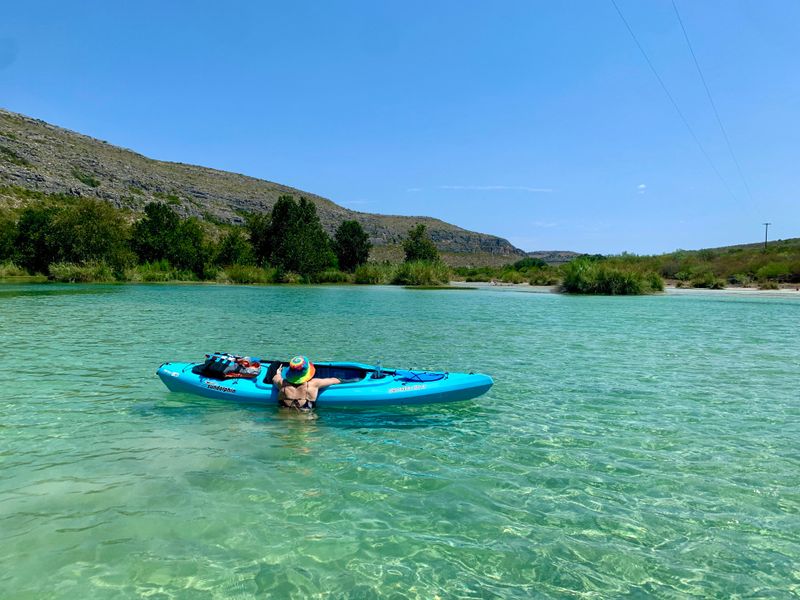
Most people have never even heard of the Devils River, which is exactly why it remains one of the most pristine waterways in the entire state. This spring-fed river flows through remote ranch country near Del Rio, creating a ribbon of crystal-clear turquoise water that stays cool year-round. The water is so pure and untouched that it supports species found almost nowhere else.
Getting here requires serious planning and a high-clearance vehicle because the roads are rough and the area is deliberately kept undeveloped. The Texas Parks and Wildlife Department limits visitor numbers to protect the fragile ecosystem, so reservations are absolutely necessary. This isn’t a place you just stumble upon during a weekend road trip.
Once you arrive, the reward is immediate. The river carves through limestone canyons, creating deep pools perfect for swimming and snorkeling in water so clear you can see every pebble on the bottom. Float trips down the river take you through landscapes that look completely untouched by modern civilization.
Wildlife sightings include everything from rare fish species to golden eagles soaring overhead.
Rock art left by ancient peoples decorates canyon walls throughout the area, some of it thousands of years old. These pictographs and petroglyphs connect you to the deep human history of this special place. The natural area protects not just the river but also the cultural treasures that surround it.
Camping is primitive, with no hookups or modern facilities, which keeps the experience authentic and the crowds minimal. Bring everything you need because there are no stores or services nearby. The isolation might feel extreme, but that’s precisely what makes the Devils River so remarkable and worth the effort to reach.
3. Bentsen-Rio Grande Valley State Park (Mission)
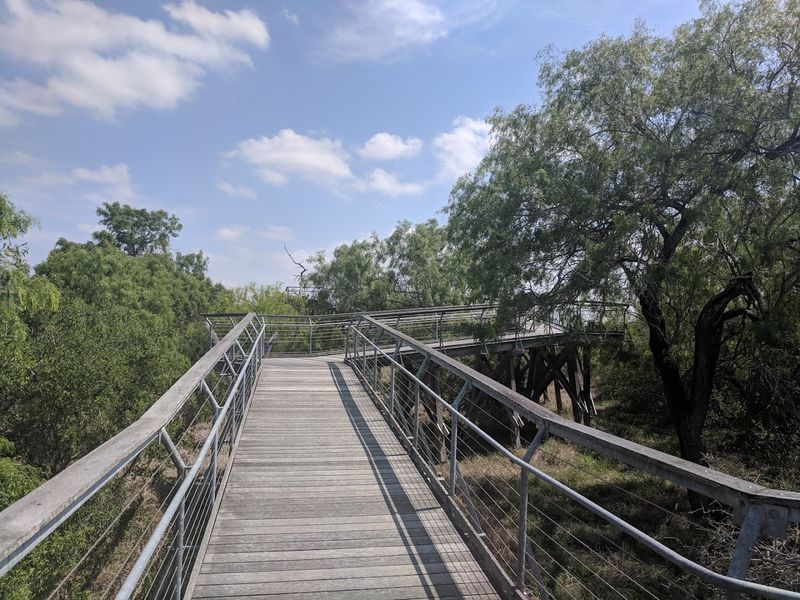
Down in the southernmost tip of Texas, where the climate turns subtropical and the vegetation looks more like Mexico than the rest of the state, Bentsen-Rio Grande Valley State Park protects a slice of disappearing habitat. This park sits in one of the most biodiverse regions in North America, where species from the tropics reach their northernmost range. The result is a natural wonderland unlike anywhere else in the United States.
Birders from around the world make pilgrimages here because the park is legendary for rare bird sightings. Species that exist nowhere else in the country show up regularly, making it a hotspot for anyone with binoculars and a life list. The observation tower and elevated hawk-watching platform offer perfect vantage points for spotting everything from green jays to plain chachalacas.
The landscape itself surprises most first-time visitors. Dense thickets of thorny brush mix with towering ebony trees and sabal palms, creating a jungle-like atmosphere. Trails wind through this subtropical forest, offering chances to see wildlife ranging from javelinas to bobcats.
Early morning walks produce the best sightings when animals are most active.
The park’s connection to the Rio Grande means it sits at a biological crossroads where northern and southern species overlap. This edge effect creates incredible diversity in a relatively small area. Butterflies alone number in the hundreds of species, with some tropical varieties found nowhere else in the state.
Educational programs and guided nature walks help visitors understand the unique ecology of the Rio Grande Valley. Rangers share insights about the ongoing conservation efforts to protect this threatened ecosystem. Despite being relatively unknown outside birding circles, Bentsen offers experiences that rival any national park, all within easy reach of the border communities.
4. Monahans Sandhills State Park (Monahans)
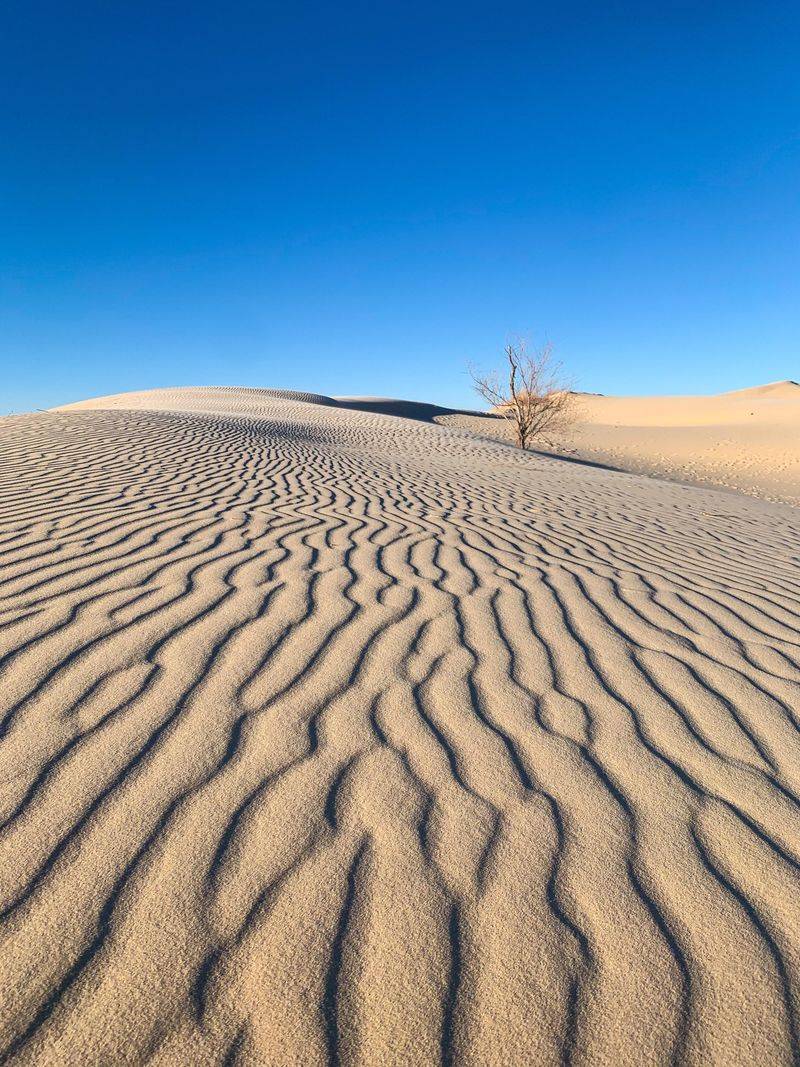
Picture the Sahara Desert, then shrink it down and drop it in the middle of West Texas. That’s essentially what you get at Monahans Sandhills, where towering dunes of white sand rise up to 70 feet high and stretch for miles. These aren’t your typical beach dunes either—this sand is ancient, blown here over thousands of years and constantly reshaped by the wind.
The park encourages something most places forbid: running, jumping, and sliding down the dunes. You can rent sand discs at the park office and spend hours surfing down the steep faces of the dunes. It’s exhausting work climbing back up, but the thrill of racing down the sand makes it completely worth the effort.
What makes these dunes even more remarkable is that they support life despite the harsh conditions. Shin oaks grow throughout the dunes, their roots reaching down 90 feet to find water. These trees are actually full-sized oaks, but the constant sand burial keeps most of their growth underground.
Only their tops peek above the surface, creating a strange forest of miniature trees.
Sunset transforms the dunes into a photographer’s paradise. The low angle of light creates dramatic shadows and highlights the ripples and curves of the sand. Colors shift from white to gold to pink as the sun drops toward the horizon.
The silence out among the dunes feels almost sacred.
Camping here puts you right in the heart of the dune field, with sites nestled among the sand hills. Night temperatures can drop dramatically, creating a surprising contrast to the daytime heat. The landscape looks entirely different under moonlight, almost glowing white against the dark sky.
Most Texans have no idea this desert wonderland exists just a few hours from major cities.
5. Big Thicket National Preserve (Kountze)
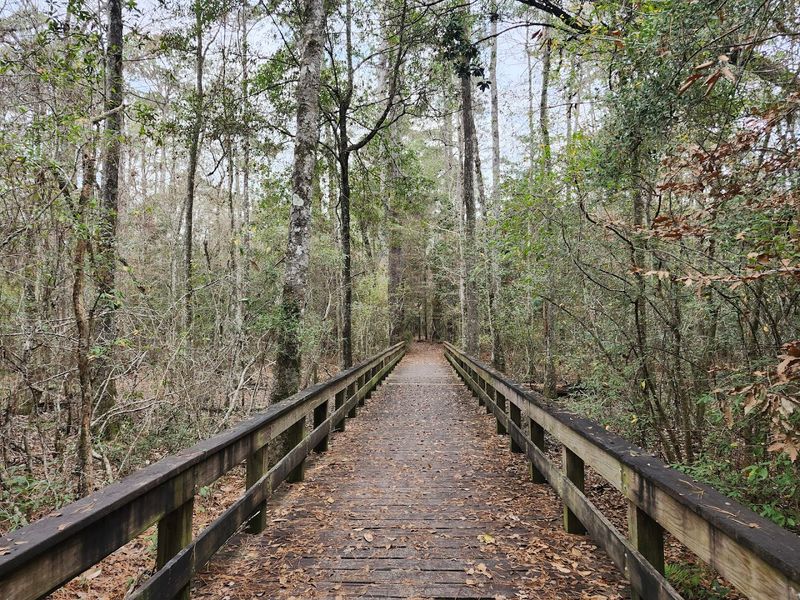
They call it the biological crossroads of North America, and once you step into the Big Thicket, you’ll understand why. This massive preserve near Kountze protects an incredibly diverse landscape where eastern forests, coastal plains, and western deserts all meet and overlap. The result is an ecological mixing bowl with more plant and animal diversity than almost anywhere else on the continent.
Walking the trails here feels like moving between different worlds. You might start in a pine forest, transition through a cypress slough with knees poking up from dark water, and end up in a beech-magnolia forest that belongs in the Deep South. All of this happens within a few miles, creating an ever-changing landscape that keeps every hike interesting.
The preserve is actually made up of 15 different units scattered across seven counties, protecting various ecosystems within the Big Thicket region. This patchwork approach saves the most important habitats while allowing visitors to explore different environments. Some units feature boardwalks over swamps, while others offer upland trails through pine forests.
Paddling the waterways here reveals a different side of the preserve. Cypress-lined creeks wind through the forest, their tannin-stained water reflecting the trees like a dark mirror. Alligators sun themselves on logs, and river otters occasionally make appearances.
The water trails range from easy floats to challenging multi-day trips.
Carnivorous plants thrive in the acidic, nutrient-poor soils of the Big Thicket, with four different species of pitcher plants growing wild. These botanical oddities trap and digest insects to supplement their diet. Finding them adds an element of treasure hunting to any hike.
The preserve remains surprisingly unknown despite being a national park unit, offering solitude and wilderness experiences just an hour from Houston.
6. Seminole Canyon State Park & Historic Site (Comstock)
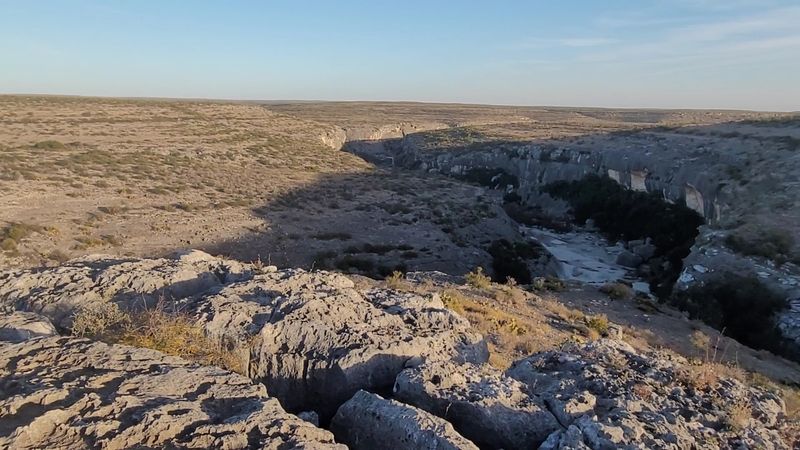
Hidden in the rugged canyon country near the Rio Grande, Seminole Canyon protects some of the oldest and most spectacular rock art in North America. The pictographs here date back thousands of years, created by ancient peoples whose artistic achievements still captivate visitors today. These aren’t simple stick figures—they’re elaborate, colorful murals that cover massive rock shelters with images of shamans, animals, and mysterious symbols.
The Fate Bell Shelter contains the park’s most famous rock art, accessible only through guided tours that descend into the canyon. The hike down is moderately challenging, but seeing these ancient paintings up close makes every step worthwhile. The shelters protected the artwork from weather for millennia, preserving colors and details that would have vanished if exposed to the elements.
Canyon views from the rim overlook stretch for miles across a landscape of limestone cliffs, desert vegetation, and the winding course of the Rio Grande far below. The harsh beauty of the terrain helps you understand why ancient peoples sought shelter in the rock overhangs. Springs in the canyon once provided reliable water in this arid region.
Beyond the famous rock art, the park offers excellent hiking through rugged backcountry. Trails wind along canyon rims and down to the canyon floor, passing through landscapes dominated by prickly pear, lechuguilla, and other desert plants. Wildlife sightings might include roadrunners, jackrabbits, and even the occasional mountain lion track.
The park’s remoteness keeps visitor numbers low, even though the cultural treasures here rival anything in the Southwest. Most travelers speed past on their way to somewhere else, never knowing what they’re missing. Rangers emphasize that the rock art is irreplaceable and fragile, which is why access is controlled and touching the paintings is strictly forbidden.
Experiencing this connection to ancient Texas is both humbling and inspiring.
7. Hueco Tanks State Park & Historic Site (El Paso)
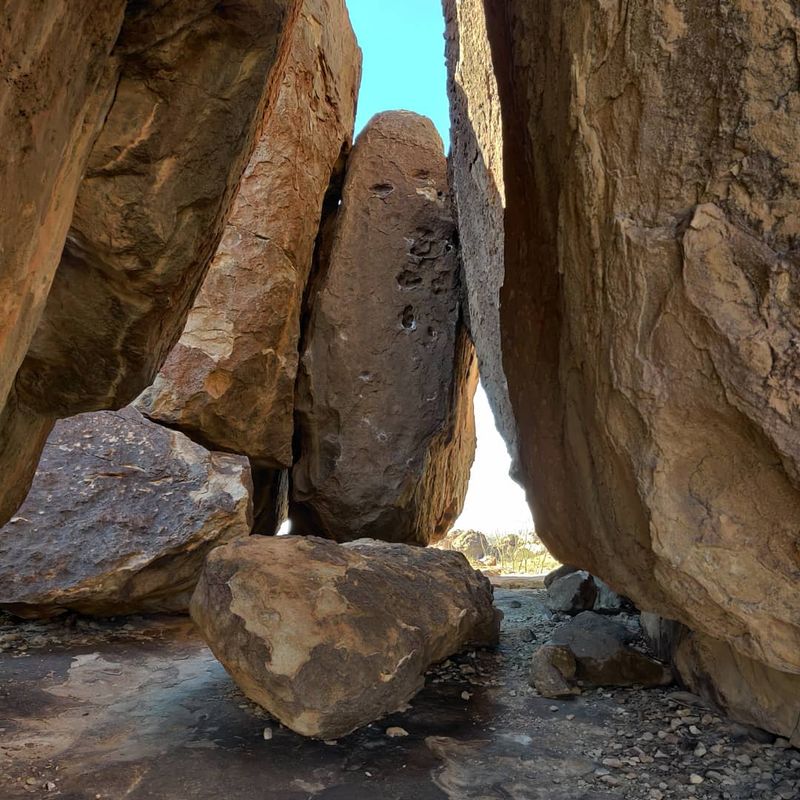
Just outside El Paso, massive granite formations rise from the desert floor, creating a landscape so unique that it’s become a pilgrimage site for rock climbers worldwide. Hueco Tanks gets its name from the natural rock basins that collect and hold rainwater—hueco means hollow in Spanish. These water-catching depressions made this place a vital oasis for thousands of years, attracting everyone from ancient peoples to modern adventurers.
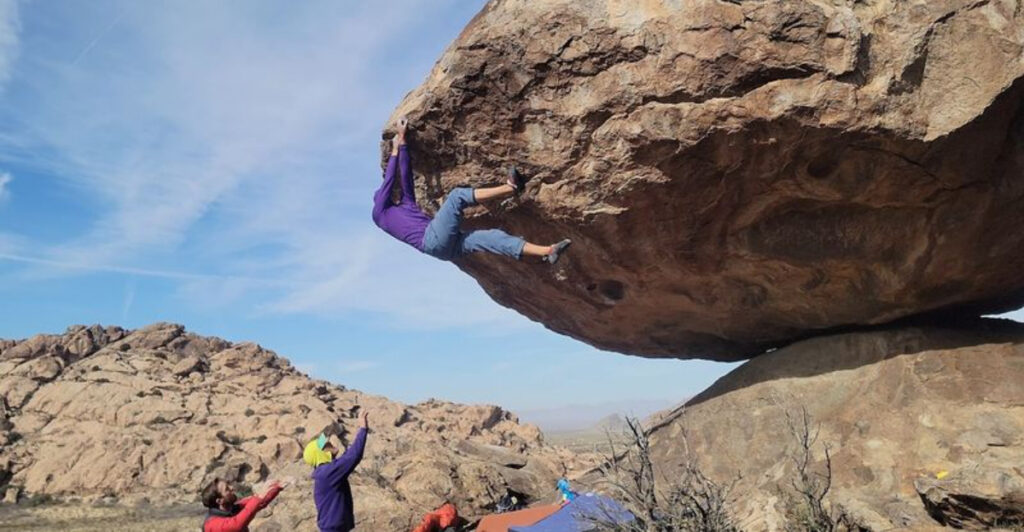
Rock climbers know Hueco Tanks as the birthplace of modern bouldering, where many classic climbing problems were first established. The park’s rounded boulders and overhanging caves offer world-class routes that challenge even expert climbers. Access is limited through a permit system to protect both the rock art and the climbing experience, so advance planning is essential.
The same rock shelters that attract climbers also preserve incredible examples of ancient rock art. Pictographs cover the walls of caves and overhangs throughout the park, with images ranging from realistic animal figures to abstract masks and symbols. Some of the art dates back over 3,000 years, representing multiple cultures and time periods.
Guided tours take visitors into restricted areas where the most significant rock art is protected from damage. Rangers share stories about the people who created these images and the meanings behind various symbols. The combination of natural beauty and cultural significance makes every tour educational and memorable.
Desert wildlife thrives here despite the harsh conditions. Lizards scurry across sun-heated rocks, and birds nest in crevices among the boulders. The tanks themselves attract wildlife during dry periods, functioning as they have for millennia.
Sunset paints the granite formations in shades of orange and pink, creating dramatic photography opportunities. Most people visiting El Paso never make it to Hueco Tanks, which is a shame because it offers experiences found nowhere else in Texas.
8. Big Bend Ranch State Park (Terlingua)
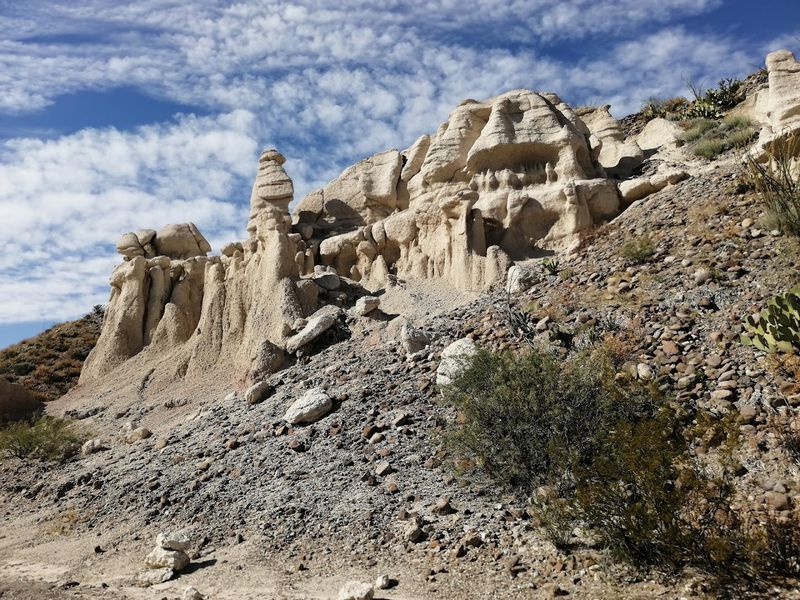
While everyone flocks to Big Bend National Park, the massive state park next door remains virtually empty despite offering equally spectacular scenery. Big Bend Ranch State Park sprawls across more than 300,000 acres of Chihuahuan Desert wilderness, making it the largest state park in Texas. The landscape is raw, rugged, and utterly remote—exactly what serious adventurers dream about.
The park preserves a volcanic landscape millions of years in the making. Ancient lava flows created bizarre rock formations, and erosion carved deep canyons through layers of volcanic ash and stone. Hiking here means scrambling over boulders, following dry creek beds, and climbing to ridgetops with views that stretch into Mexico.
River trips through Colorado Canyon offer some of the best wilderness paddling in the Southwest. The Rio Grande cuts through towering canyon walls, creating rapids, calm pools, and sandy beaches perfect for camping. Multi-day trips take you deep into country where you won’t see another soul, just canyon wrens and the occasional black bear tracks in the sand.
The park’s road system includes the famous River Road, a challenging 51-mile dirt route that follows the Rio Grande through spectacular scenery. High-clearance vehicles are mandatory, and the road demands full attention with its steep grades and rocky surface. Every turn reveals new vistas of desert mountains and river canyons.
Backcountry camping is primitive and permits are required, but having an entire mountain range to yourself makes the effort worthwhile. Springs hidden in remote canyons support pockets of greenery and wildlife. Ancient ranching ruins and Native American sites dot the landscape, reminders of the people who tried to make a living in this harsh environment.
Big Bend Ranch remains Texas’s best-kept secret for wilderness seekers willing to venture off the beaten path.
Share this story