Texas has plenty of restaurants that have stood the test of time, serving up delicious food and memories for generations. These aren’t just places to grab a meal—they’re living pieces of history where grandparents brought their kids, and those kids now bring their own children. From old-fashioned diners to family-style cafeterias, these spots have kept their original charm while the world around them keeps changing.
Walking through their doors feels like stepping back in time, where the recipes, the atmosphere, and sometimes even the decor remain wonderfully unchanged.
1. Blue Bonnet Cafe (Marble Falls)
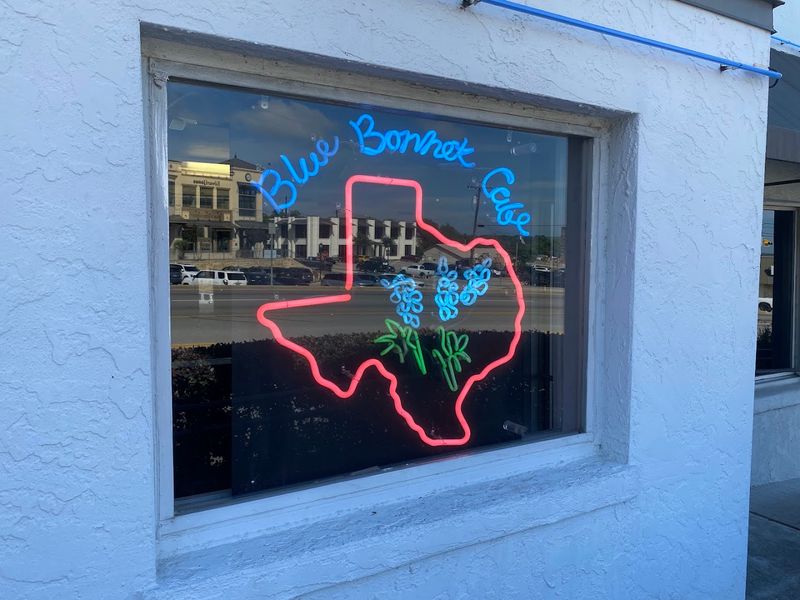
Pulling up to this place on Highway 281, you’ll spot the neon sign that’s been glowing since 1929. Blue Bonnet Cafe started as a humble lunch counter and grew into a Texas Hill Country institution that locals guard fiercely. The building itself tells stories through its worn wooden booths and black-and-white photos lining the walls.
What keeps people coming back generation after generation? The pies. Seriously, these aren’t your average diner desserts—they’re the kind of pies your great-grandmother would have made if she’d had all day to bake.
The meringue stands tall and proud on the coconut cream, while the pecan pie is so rich it should probably come with a warning label. But don’t sleep on their chicken fried steak either, which arrives at your table looking like it could feed a small army.
The menu hasn’t changed much over the decades because, honestly, why mess with perfection? You’ll find classic Texas comfort food done right: fluffy biscuits with cream gravy, crispy fried catfish, and pot roast that falls apart with just a fork. Everything tastes like someone’s beloved family recipe, probably because many of them are.
The waitresses here have seen it all—they remember regular customers from decades ago and treat newcomers like old friends. There’s no pretense, no fancy plating, just honest food served with genuine warmth. The coffee flows freely, and conversations between tables happen naturally in that small-town way that city folks sometimes forget exists.
Marble Falls has changed plenty since 1929, but stepping into Blue Bonnet feels like finding a time capsule where the most important things—good food, fair prices, and friendly faces—never go out of style. That’s exactly why it remains packed on weekends with families making their pilgrimage for those legendary pies.
2. Candy’s Old Fashion Burgers (San Antonio)
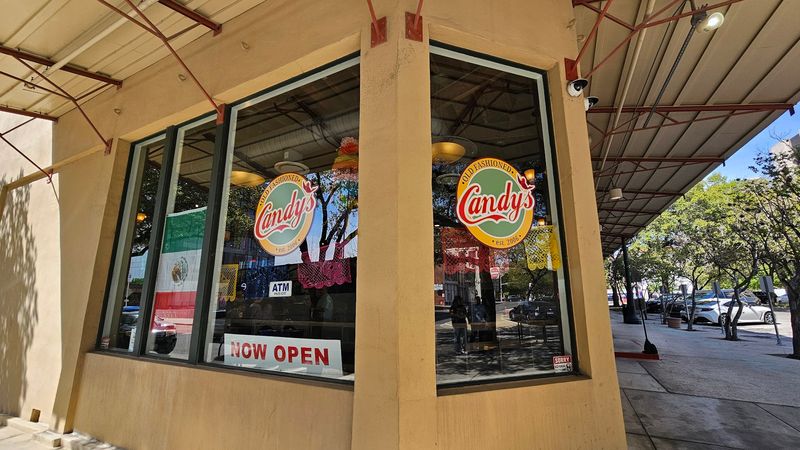
Since 1965, Candy’s has been slinging burgers the old-school way—hand-formed patties, fresh ingredients, and absolutely zero shortcuts. Owner Candy Rodriguez opened this spot with a simple philosophy: make burgers the way they’re supposed to be made, and people will keep coming back. Turns out, she was right.
The place still operates with that same dedication, even as fast-food chains have tried to muscle in on every corner.
Walking into Candy’s feels like visiting a relative’s house where everything is comfortably familiar. The decor hasn’t been updated to follow trends, and that’s precisely the point. Formica tables, vinyl booths, and walls covered in San Antonio memorabilia create an atmosphere that’s genuine rather than manufactured nostalgia.
You can tell this place earned its vintage status honestly.
The burgers here don’t try to be fancy with seventeen toppings and artisanal buns. They’re just really, really good burgers made from quality beef, cooked to order, and dressed however you like them. The patties have that perfect crispy edge that only comes from a well-seasoned flat-top grill that’s been cooking burgers for decades.
Pair it with their hand-cut fries and a thick milkshake, and you’ve got a meal that tastes exactly like childhood memories should.
What makes Candy’s special isn’t just the food—it’s the consistency. Order a burger today, and it’ll taste the same as it did twenty years ago. That reliability has built fierce loyalty among San Antonio families who’ve been coming here for generations.
Grandparents bring grandkids, sharing stories about dates they had here back in high school.
The staff treats everyone like neighbors because in many ways, they are. Regulars get greeted by name, and first-timers receive patient explanations of the menu. There’s no rush, no pressure to vacate your table quickly.
Candy’s operates on the principle that a good meal deserves proper time and attention, both in preparation and enjoyment.
3. Pickett House Restaurant (Woodville)
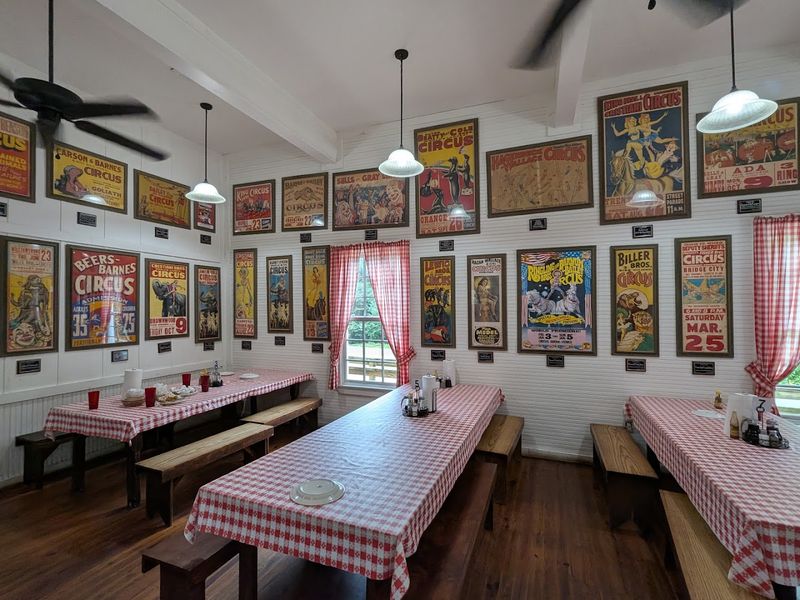
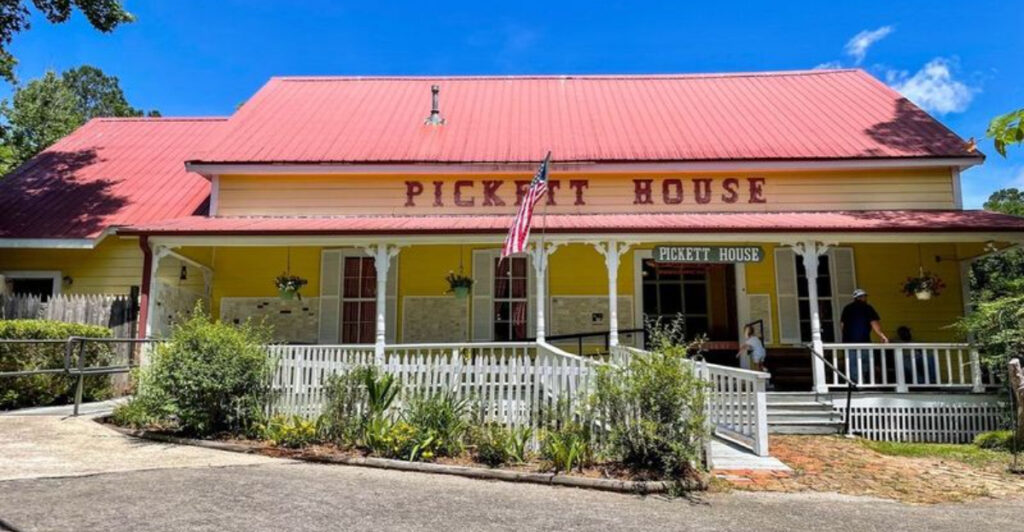
Imagine a place where strangers sit together at long tables, passing bowls of food family-style like you’re at Sunday dinner with relatives you’ve never met. That’s Pickett House, and it’s been operating this way since 1929 in the piney woods of East Texas. The restaurant started as an actual boarding house, feeding travelers and loggers who needed hearty meals after long days.
That tradition of generous portions and communal dining never stopped.
You don’t order from a menu here—the food just keeps coming. Fried chicken, pot roast, vegetables cooked low and slow, cornbread that’s still warm, and more dishes than you can count arrive at your table in waves. Everything is made from scratch daily using recipes that have been handed down through generations of cooks.
The fried chicken alone is worth the drive to Woodville, with a crust so perfectly seasoned and crispy that it shatters at first bite.
Eating at Pickett House means embracing the communal experience. You might find yourself seated next to a family from Houston, a couple of retirees on a road trip, and some locals who eat here every week. Conversations flow naturally as bowls get passed back and forth.
There’s something wonderfully old-fashioned about breaking bread with strangers this way, creating temporary communities around shared meals.
The building itself is part of the charm—a simple white structure that looks like it belongs in a different era because it does. Inside, the dining rooms are unpretentious with basic tables and chairs, letting the food take center stage. Walls display historical photos of Woodville and the restaurant’s long history, reminding diners they’re part of a tradition stretching back nearly a century.
Locals will tell you that Pickett House isn’t just a restaurant; it’s a Woodville institution that’s survived economic ups and downs by simply being excellent at what it does. The all-you-can-eat format means nobody leaves hungry, and the reasonable price keeps families coming back regularly, making it accessible to everyone.
4. Cleburne Cafeteria (Houston)
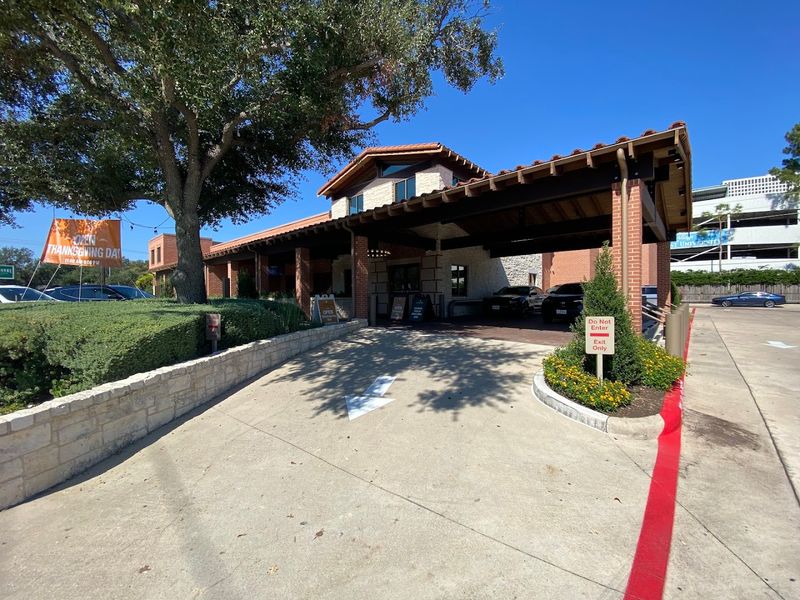
Houston’s Cleburne Cafeteria has been serving up home-cooked meals cafeteria-style since 1941, back when cafeterias were the height of modern dining convenience. Grab a tray, slide it along the line, and point at whatever looks good—that simple system has fed generations of Houstonians everything from blue-collar workers on lunch breaks to families celebrating graduations. The format might seem dated now, but there’s undeniable charm in choosing your own portions while friendly servers dish up your selections.
The food here represents classic Texas-Southern cooking at its most comforting. Chicken fried steak with cream gravy, mac and cheese that’s properly baked with a golden top, green beans cooked with bacon, and cornbread dressing that tastes like Thanksgiving year-round. Vegetables actually taste like vegetables here because they’re cooked properly, not nuked in a microwave.
The dessert section deserves special mention—pies, cobblers, and puddings that look homemade because they are.
What strikes first-time visitors is how little has changed over the decades. Sure, prices have gone up from the original nickel coffee, but the atmosphere remains wonderfully stuck in time. The dining room features simple tables and chairs, fluorescent lighting, and walls decorated with minimal fuss.
It’s not trying to be trendy or Instagram-worthy—it just is what it’s always been.
Regulars have their routines down to a science. They know which days feature their favorite specials, which servers give the most generous portions, and exactly when to arrive to beat the lunch rush. Some customers have been coming here for fifty years or more, creating an unofficial community of cafeteria devotees who nod at each other in recognition.
The staff represents another layer of continuity. Many employees have worked here for decades, learning the rhythms of busy and slow periods, remembering customer preferences, and maintaining standards that keep people returning. There’s real pride in serving good food efficiently without unnecessary frills.
Cleburne Cafeteria proves that sometimes the old ways work best, especially when you’re hungry for a taste of Houston’s past.
5. Original Mexican Eats Cafe (Fort Worth)
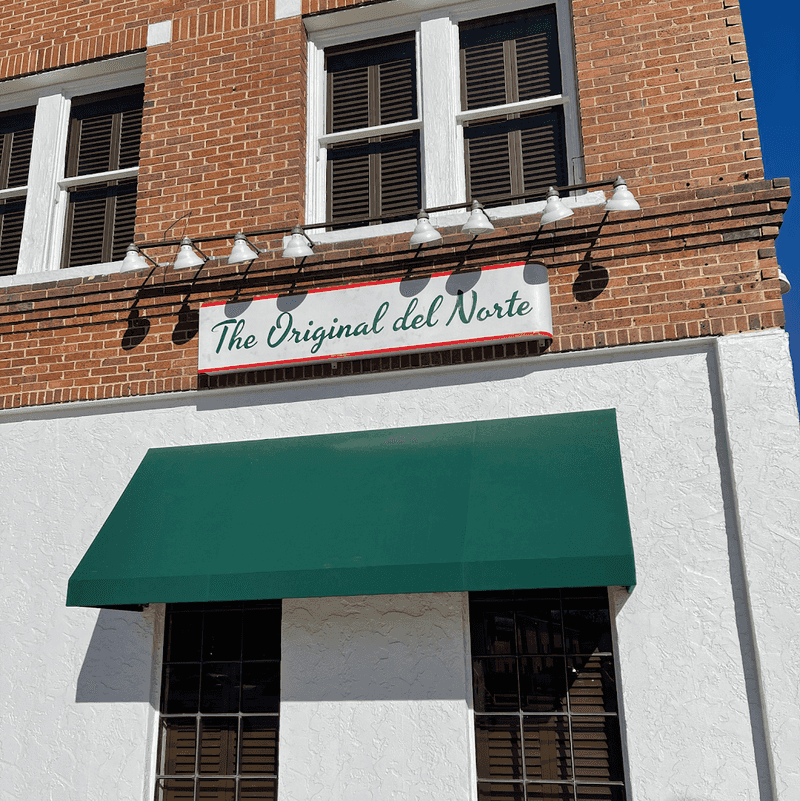
Fort Worth’s Original Mexican Eats Cafe opened in 1926, making it one of the oldest continuously operating Tex-Mex restaurants in the state. That’s nearly a century of enchiladas, tacos, and tamales served to Fort Worth families who’ve made this place part of their regular rotation. The restaurant has survived the Great Depression, multiple recessions, and countless food trends by sticking to what it does best—authentic Tex-Mex prepared the way it’s been done since the beginning.
Step inside and you’ll immediately notice the vintage atmosphere. Old photographs cover the walls, showing Fort Worth’s evolution from a rough cattle town to a modern city, while the restaurant remained constant. The booths are well-worn but clean, the kind of seats that have supported thousands of family dinners, first dates, and business lunches.
Nothing feels artificially aged—this is genuine patina earned through decades of service.
The menu focuses on Tex-Mex classics without trying to reinvent them. Their cheese enchiladas come smothered in chili gravy that’s been made from the same recipe for generations—rich, slightly spicy, and utterly addictive. Crispy tacos arrive overstuffed with seasoned ground beef, shredded lettuce, and cheese.
The tamales are hand-rolled, steamed perfectly, and served with beans and rice that taste like someone’s abuela made them. Portions are generous without being wasteful, priced fairly for working families.
What keeps Original Mexican Eats relevant isn’t just nostalgia—it’s consistency and quality. While newer restaurants chase trends and change menus seasonally, this place delivers exactly what customers expect every single time. That reliability has built trust across generations.
Grandparents who ate here as children now bring their grandchildren, creating living links to Fort Worth’s past.
The staff maintains a friendly, no-nonsense approach to service. Orders arrive promptly, plates get cleared efficiently, and everyone gets treated with equal respect whether they’re regulars or first-timers. There’s comfort in that dependability, knowing that some things in life remain unchanged even as everything else rushes forward at breakneck speed.
6. Keller’s Drive-In (Dallas)
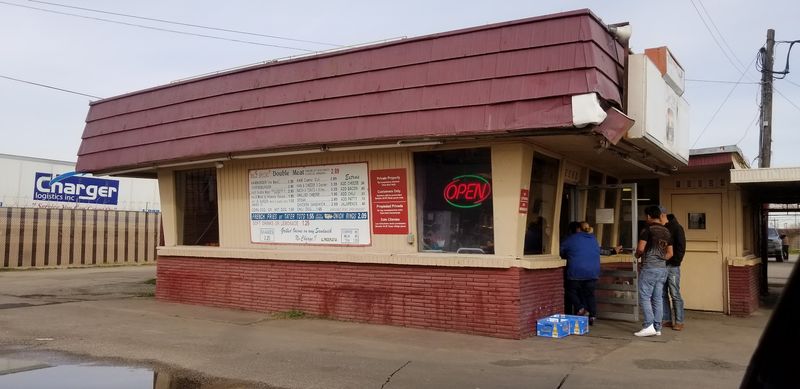
Pull into Keller’s Drive-In and suddenly it’s 1950 again. Car hops still bring food to your vehicle on actual trays that hook onto your window—no apps, no digital ordering screens, just good old-fashioned service the way it was done when this Dallas institution opened. The neon signs glow against the night sky exactly like they did decades ago, drawing in new generations who’ve heard stories about this place from their parents and grandparents.
Since 1950, Keller’s has been serving burgers, fries, and shakes without changing much of anything. The burgers are simple but executed perfectly—fresh beef patties cooked on a flat-top grill, dressed with crisp vegetables and tangy sauce, served on toasted buns. They’re not trying to be gourmet or revolutionary; they’re just really good burgers made the right way.
The onion rings deserve special recognition—thick-cut, hand-battered, and fried until golden and crispy on the outside while staying tender inside.
What makes Keller’s magical is the whole experience. Eating in your car while watching other customers pull in and out creates a sense of community that’s hard to explain until you’ve experienced it. Families park side-by-side, windows down on nice evenings, kids excited about the novelty of eating in the car.
It’s entertainment and dinner rolled into one affordable package.
The car hops work with impressive efficiency, balancing multiple trays while navigating the parking lot in all weather conditions. They’re friendly without being intrusive, delivering orders quickly and collecting payment with practiced ease. Many have worked here for years, becoming familiar faces that regulars look forward to seeing.
There’s genuine pride in maintaining this slice of Americana.
Dallas has transformed dramatically since 1950, growing from a mid-sized city into a sprawling metropolis. Yet Keller’s remains essentially unchanged, a time capsule where you can still experience drive-in dining as it was originally conceived. No indoor seating, no drive-through window—just cars, car hops, and classic American food.
That stubborn adherence to tradition is precisely why it’s survived when thousands of other drive-ins have disappeared, bulldozed for strip malls and chain restaurants.
7. Scholz Garten (Austin)
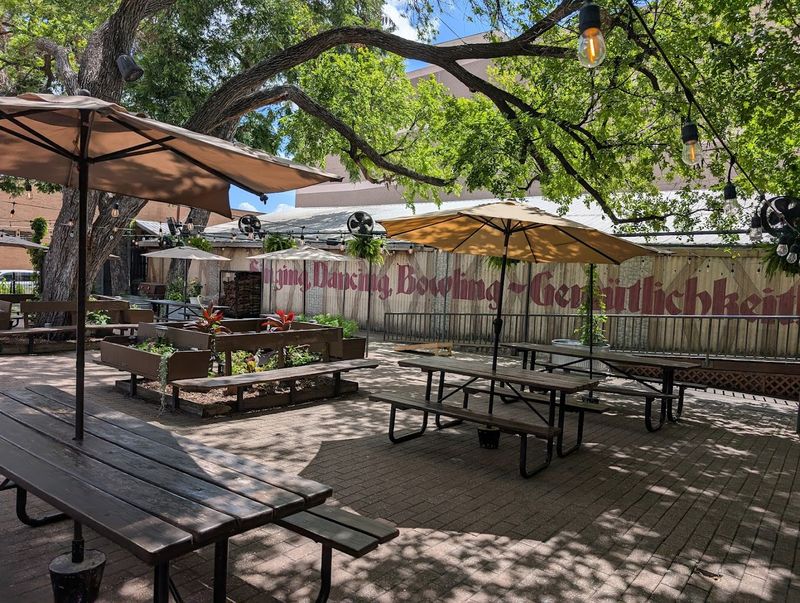
Austin’s Scholz Garten has been pouring beer and serving German-Texan fare since 1866, making it the oldest continuously operating tavern in Texas. Think about that—this place was serving drinks when the Civil War had just ended, when Austin was still a frontier town, when Texas was barely finding its identity. The beer garden has witnessed Austin’s transformation from sleepy capital to booming tech hub, adapting just enough to survive while keeping its essential character intact.
The building itself is a living history lesson. Original wooden beams, vintage photographs, political memorabilia, and beer signs from defunct breweries cover every available wall space. The outdoor biergarten features long communal tables under massive oak trees that have shaded drinkers for over a century.
On pleasant evenings, the space fills with an eclectic mix of politicians, university students, tourists, and old-timers who remember when this was the only game in town.
German heritage runs deep here, reflected in the menu’s bratwurst, schnitzel, and pretzels alongside Tex-Mex and American standards. The food is hearty and unpretentious—nobody comes to Scholz for molecular gastronomy. They come for cold beer, filling food, and atmosphere you can’t manufacture.
The beer selection honors both craft brewing trends and classic German lagers, giving options for every palate without overwhelming with choices.
Scholz Garten has always been intertwined with Texas politics. Politicians have held rallies here, made deals over beer steins, and celebrated victories or drowned sorrows depending on election results. The walls display photographs of political figures from across the decades, creating a visual timeline of Texas political history.
Even now, during election seasons, candidates make obligatory stops here to shake hands and kiss babies.
What’s remarkable is how Scholz has remained relevant through radical changes in Austin’s culture and demographics. The city that once barely topped 100,000 residents now exceeds a million, yet this beer garden still draws crowds. Younger generations discover it and claim it as their own, just as their great-grandparents did.
That multigenerational appeal comes from staying authentic rather than chasing trends, proving that sometimes the best business strategy is simply being yourself for long enough that you become irreplaceable.
8. Norma’s Cafe (Dallas)
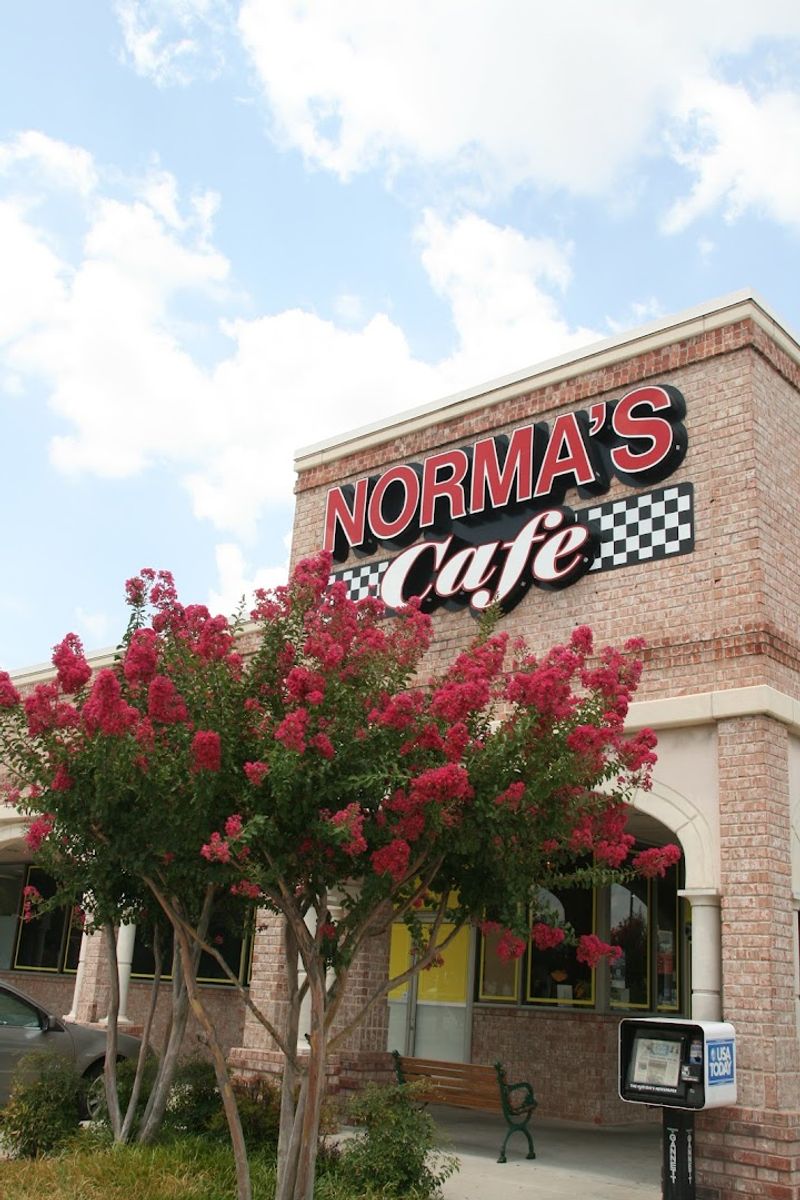
“Texas’s Best Chicken Fried Steak” isn’t just marketing hype at Norma’s Cafe—it’s a claim they’ve been defending since 1956. This Dallas institution has built its reputation on serving breakfast all day, massive portions, and home-style cooking that tastes like your grandmother made it, assuming your grandmother was an exceptionally talented cook. The original location on West Davis Street has expanded to multiple spots around Dallas, but each maintains that essential Norma’s character.
The chicken fried steak deserves its legendary status. It arrives at your table covering the entire plate, hand-battered and fried to golden perfection, then smothered in cream gravy that’s properly seasoned and silky smooth. The meat underneath stays tender and juicy despite the crispy exterior—a trick that requires skill and attention many restaurants can’t manage.
Paired with mashed potatoes, green beans, and a hot roll, it’s the kind of meal that makes you understand why Texas takes its comfort food seriously.
But Norma’s isn’t just about chicken fried steak. The breakfast menu runs all day because people demanded it—fluffy pancakes, crispy bacon, eggs cooked exactly how you order them, and hash browns that are properly crispy on the outside. The Mile-High Pies are another signature, towering slices of meringue-topped desserts that look almost too pretty to eat.
Almost. One slice could easily feed two people, but most folks tackle them solo anyway.
The atmosphere at Norma’s captures classic diner energy without feeling like a theme restaurant. Vinyl booths, Formica tables, and a counter where solo diners can sit and chat with staff create that welcoming diner vibe. Servers are efficient and friendly, many having worked here for years, building relationships with regular customers who come in weekly or even daily for their favorite meals.
Dallas has changed enormously since 1956, gentrifying neighborhoods, building skyscrapers, and attracting residents from around the world. Through all that transformation, Norma’s has remained a constant—a place where you can still get an honest meal at a fair price, served by people who seem genuinely happy to see you. That’s increasingly rare in modern cities where everything feels temporary and transactional.
9. Lankford’s Grocery & Market (Houston)
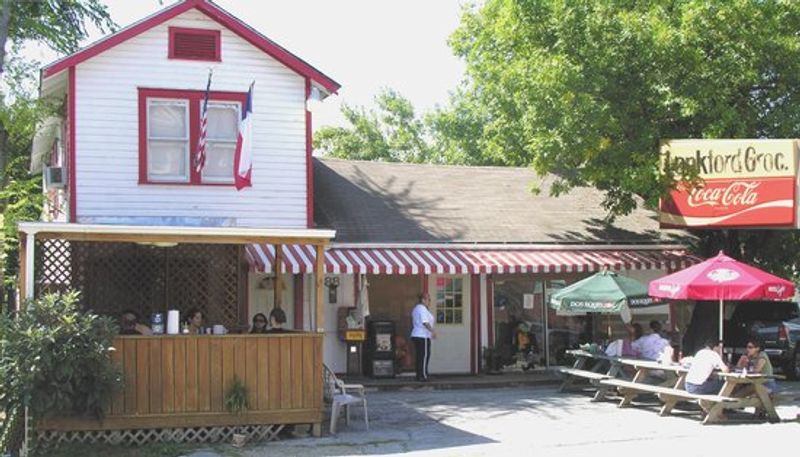
Lankford’s started as an actual neighborhood grocery store in 1939, serving Houston’s Montrose area when it was still a quiet residential neighborhood. Somewhere along the way, the grocery shelves got cleared out and replaced with a grill, transforming the space into a burger joint that kept the original name and much of the vintage charm. The building itself looks unassuming from the outside—just an old corner store that could easily be overlooked if you weren’t specifically searching for it.
Inside, the space is wonderfully cluttered with vintage signs, old grocery store fixtures, and memorabilia that’s accumulated over eight decades. It’s small, maybe a dozen tables packed close together, creating an intimate atmosphere where conversations between strangers happen naturally. The kitchen is visible, so you can watch your burger being prepared on a grill that’s probably been cooking meat since before you were born.
Everything feels authentic because it is—this isn’t manufactured nostalgia but genuine history.
The burgers at Lankford’s have achieved cult status among Houston burger enthusiasts. Hand-formed patties get cooked to order, topped with fresh ingredients, and served on toasted buns that barely contain the juicy goodness. They offer creative combinations alongside classic options, so you can keep it simple or try something adventurous.
The “Bacon Cheese Deluxe” is a perennial favorite—thick strips of crispy bacon, melted cheese, and all the fixings on a perfectly cooked patty. Onion rings come hand-battered and fried to order, arriving at your table hot and crispy.
What makes Lankford’s special isn’t just the food—it’s the whole package. The owners clearly love what they do, maintaining quality standards that bigger operations often sacrifice for efficiency. Lines form during peak hours because they only have so much space and refuse to rush orders.
Regulars don’t mind waiting because they know what they’re getting is worth it.
Houston’s Montrose neighborhood has gentrified significantly, with old homes torn down for townhouses and quirky local businesses replaced by chains. Lankford’s survival feels almost miraculous, a stubborn holdout against homogenization. Every burger served is a small victory for authenticity in a world that increasingly values convenience over character.
That’s why locals protect this place fiercely, treating it as a neighborhood treasure rather than just another restaurant.
Share this story