Texas might be famous for sprawling highways and big trucks, but some of the state’s best experiences happen on foot. Charming downtowns with historic buildings, local shops you can browse for hours, and restaurants close enough to hit three in one afternoon make these towns special. Whether you’re planning a weekend getaway or looking for a new place to call home, these walkable gems prove you don’t need a car to enjoy the Lone Star State.
1. Fredericksburg
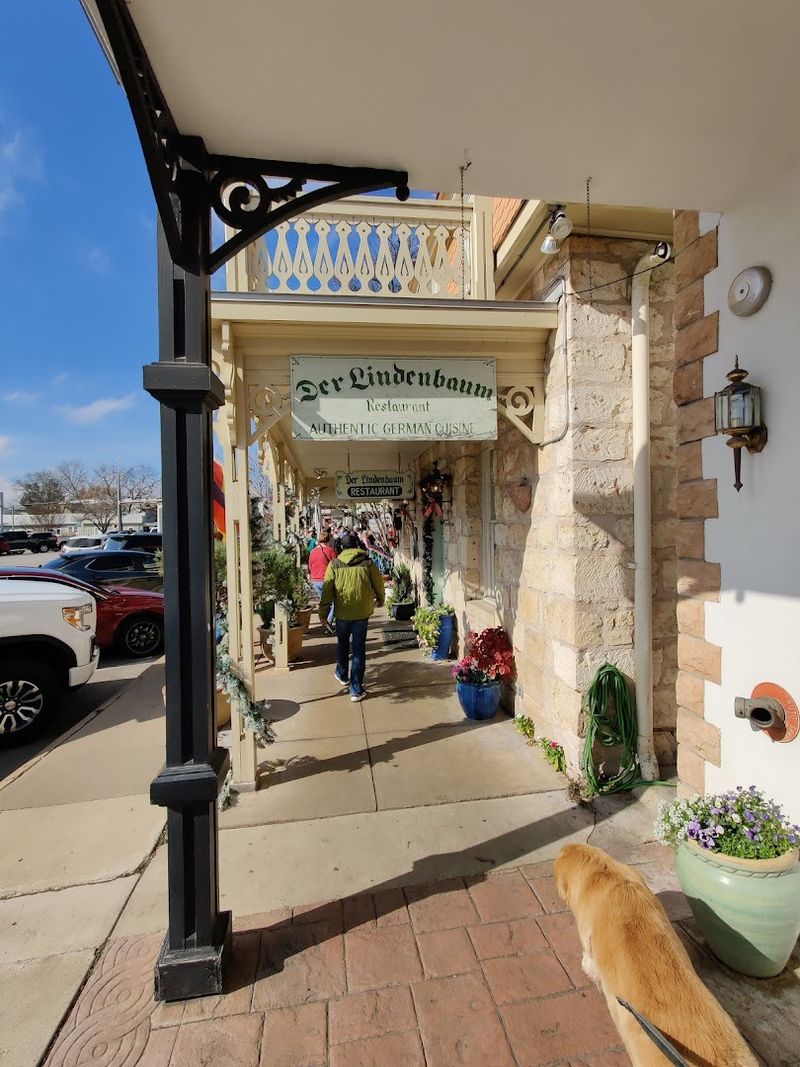
German heritage runs deep here, and you’ll notice it the second you start strolling down Main Street. Buildings with old-world architecture line both sides, housing everything from biergartens to boutiques selling handmade goods. The entire downtown stretches about eight blocks, which means you can cover serious ground without ever feeling rushed or exhausted.
Wine lovers have struck gold because over 50 tasting rooms sit within walking distance of the town square. You can sample Texas wines all afternoon, then grab a pretzel or schnitzel without calling a rideshare. The Pioneer Museum and National Museum of the Pacific War are both easy walks from the center, giving history buffs plenty to explore between snack breaks.
Peach season turns this place into a madhouse in the best way possible. Roadside stands pop up everywhere, but the downtown shops bake peach pies, cobblers, and ice cream that’ll ruin you for any other fruit. Local bakeries open early, so morning walks often include warm kolaches and strong coffee before the crowds arrive.
Bed and breakfasts outnumber chain hotels by a landslide, and most sit within a few blocks of Main Street. You can leave your room, wander to breakfast, shop all morning, and return for an afternoon nap without moving your car once. Evening strolls take on a magical quality when the string lights come on and live music drifts from the beer gardens.
Antique hunters could spend days combing through the shops here. Furniture, vintage jewelry, old signs, and collectibles fill multi-story buildings where you’ll lose track of time. The town also hosts festivals nearly every month, from Oktoberfest to Christmas markets, all centered around that walkable downtown that makes Fredericksburg feel like a European village dropped into the Texas Hill Country.
2. Georgetown
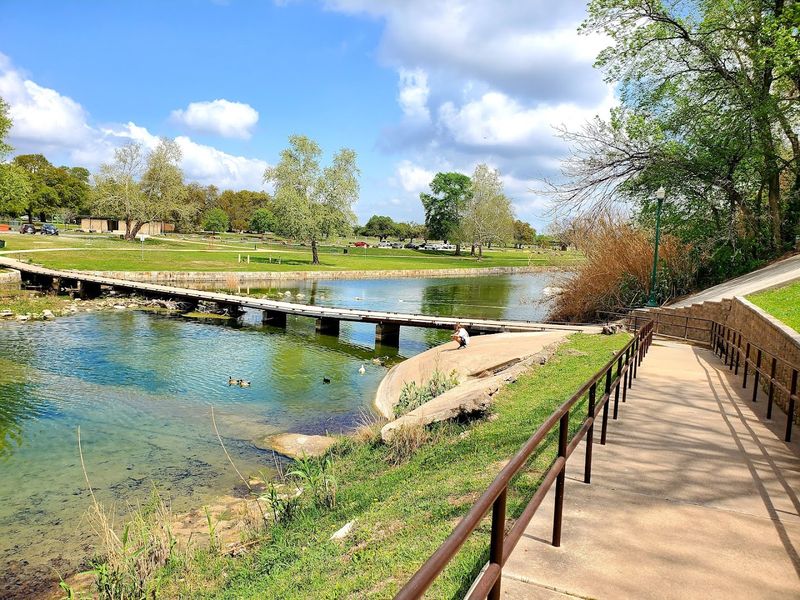
The courthouse square here looks like something from a movie set, except it’s all real and still buzzing with daily life. Victorian-era buildings circle the square, painted in colors that pop against the Texas sky. Coffee shops, restaurants, galleries, and boutiques fill these historic spaces, and you can loop the entire square in about ten minutes if you’re moving fast—but why would you?
San Gabriel River trails connect right to downtown, giving you miles of paved paths along the water. Ducks waddle around, turtles sun themselves on logs, and you’ll pass families on bikes and couples walking dogs. Blue Hole Park sits close enough to downtown that you can hike there, take a dip in the swimming hole, and still make it back for lunch without breaking a sweat.
Thursday evenings bring Market Days from April through September, when the square fills with vendors selling everything from fresh produce to handmade soap. Live music plays while you browse, and local restaurants set up outdoor seating so you can grab dinner and people-watch. The vibe feels small-town friendly but never boring or stuck in the past.
Southwestern University campus borders downtown, adding energy and keeping things fresh with student-run coffee shops and affordable eateries. The campus itself is gorgeous, with old oak trees and historic buildings you can wander through on public pathways. During the school year, you’ll catch impromptu performances and art shows that spill into the downtown area.
Inner Space Cavern sits just outside the walkable core, but the downtown area itself offers enough to fill a whole weekend. Bookstores with cozy reading nooks, ice cream parlors with flavors that change weekly, and bars with local craft beer on tap mean you’ll never run out of places to discover. Georgetown nails that balance between preserving history and staying relevant, making it a town that works for retirees and young families alike.
3. Granbury
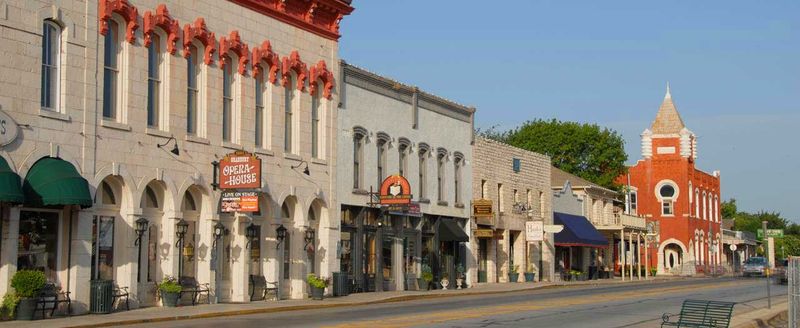
Granbury’s town square wraps around a stunning limestone courthouse that dates back to 1891, and the whole setup feels frozen in time in the best possible way. Brick streets, old-fashioned lampposts, and two-story buildings create a backdrop that’s straight out of the Old West. You can park once and spend an entire day circling the square, popping into shops that sell everything from cowboy boots to homemade fudge.
The Granbury Opera House still hosts live performances, and catching a show here feels special because the building itself is part of the entertainment. Musicals, comedies, and concerts pack the calendar year-round, and since it sits right on the square, you can grab dinner before the show and dessert after without ever needing your car keys. The whole experience feels like stepping back into an era when towns were built for people, not vehicles.
Lake Granbury sits close enough that you can walk to the waterfront from downtown if you don’t mind a slightly longer stroll. Sunset walks along the lake are popular with locals, and you’ll often see families fishing off the public docks or couples watching the sun dip below the horizon. The combination of water access and historic downtown gives Granbury a unique double appeal that’s hard to find elsewhere in Texas.
Weekends bring live music to the square, often country or folk acts that set up on outdoor stages. Local restaurants put out patio seating, wineries offer tastings in their storefronts, and the whole square turns into one big community gathering. Food trucks sometimes join the party, adding tacos or barbecue to the mix of options already available in the sit-down restaurants.
Bed and breakfasts fill the historic homes surrounding the square, many within a two-block walk of all the action. You can stay in a room with original hardwood floors and clawfoot tubs, then step outside for breakfast at a cafe where the waitress knows everyone’s name. Granbury doesn’t try to be trendy or modern—it just does classic small-town Texas perfectly.
4. Grapevine
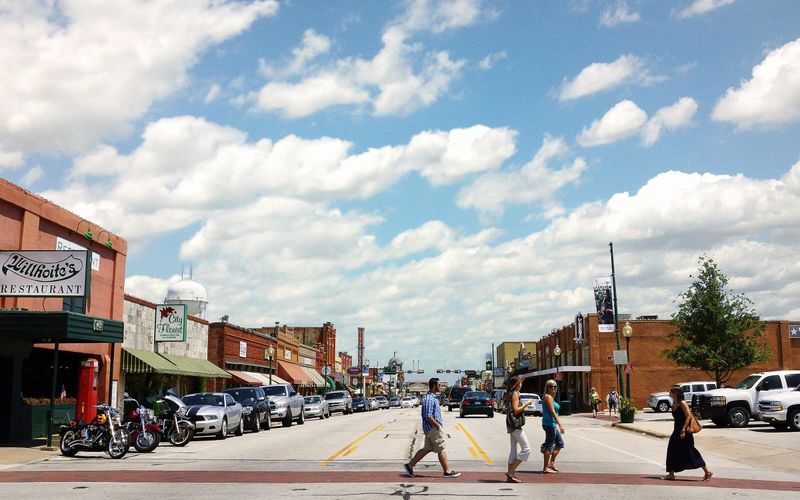
Wine flows like water here, which makes sense given the name and the 80-plus years of winemaking history. Downtown Grapevine packs more than a dozen tasting rooms into a few walkable blocks, letting you sip your way through Texas wines without worrying about driving. The Main Street area mixes old Western architecture with modern touches, creating a vibe that’s equal parts historic and hip.
Grapevine Vintage Railroad runs right through downtown, and you can actually hop on for scenic rides that depart from the historic depot. When you’re not riding trains, the depot area itself offers shops, restaurants, and a brewery in a converted cotton mill. Everything clusters together tight enough that you can bounce between activities without ever feeling like you’re hiking across town.
The town goes absolutely wild for Christmas, transforming into a winter wonderland that draws visitors from across the state. Ice skating, parades, lights, and special events take over downtown from November through January, and the whole area becomes pedestrian-friendly with street closures and extended hours. Even if you’re not into holidays, the energy during this season shows how seriously Grapevine takes its downtown experience.
Lake Grapevine borders the town, but you don’t need to leave the walkable core to enjoy outdoor time. Parks with playgrounds and green spaces dot the downtown area, giving families places to let kids run around between shopping stops. The Grapevine Botanical Gardens at Heritage Park sits within walking distance and offers a peaceful escape when you need a break from the crowds.
Food options here punch way above what you’d expect from a town this size. Farm-to-table restaurants, authentic Mexican spots, upscale steakhouses, and casual barbecue joints all operate within the downtown footprint. You could eat at a different place for every meal during a long weekend and still not hit everything.
Plus, the town hosts festivals nearly every month, from wine events to art shows, keeping Main Street lively year-round and giving you reasons to keep coming back.
5. McKinney
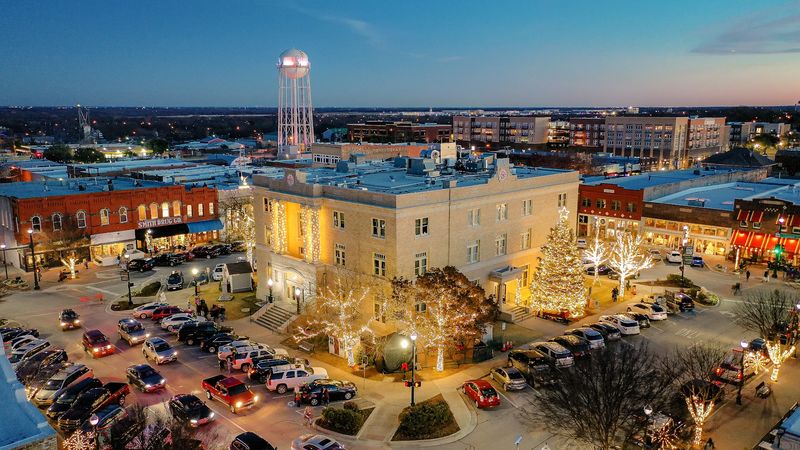
McKinney’s downtown square radiates outward from a gorgeous courthouse that anchors the whole district. Boutiques, restaurants, art galleries, and specialty shops fill renovated historic buildings, each one maintaining its original character while serving modern purposes. The square layout means you can start at any corner and naturally loop back to where you began, discovering new spots with every pass.
Chestnut Square Heritage Village sits adjacent to downtown, offering a glimpse into 1800s Texas life with preserved homes and buildings you can tour. The whole complex is walkable and connects to the main square via sidewalks lined with old trees. It’s a nice contrast—exploring pioneer history in the morning, then grabbing lunch at a trendy bistro ten minutes later on foot.
The food scene here rivals much bigger cities, with chef-driven restaurants that change menus seasonally and source ingredients locally. You’ll find everything from elevated Southern comfort food to authentic Italian, plus coffee shops that roast their own beans and bakeries that make everything from scratch. Sunday brunch on the square has become a local tradition, with most restaurants offering outdoor seating when the weather cooperates.
Art walks happen monthly, when galleries stay open late and wine flows freely while you browse local artwork. Musicians set up on street corners, and the whole downtown takes on a festive atmosphere that draws crowds from surrounding suburbs. Even without special events, the square maintains a lively energy thanks to the mix of locals running errands and visitors exploring for the first time.
Heard Natural Science Museum and Wildlife Sanctuary sits just outside the walkable core, but downtown itself offers enough to keep you busy for days. Vintage stores with carefully curated collections, bookshops with reading areas and author events, and home decor boutiques that make you want to redecorate your entire house—it’s all there within a compact, walkable area. McKinney has grown rapidly in recent years, but the downtown square still feels intimate and authentic, like a small town that just happens to have really good restaurants and shops.
6. New Braunfels / Gruene
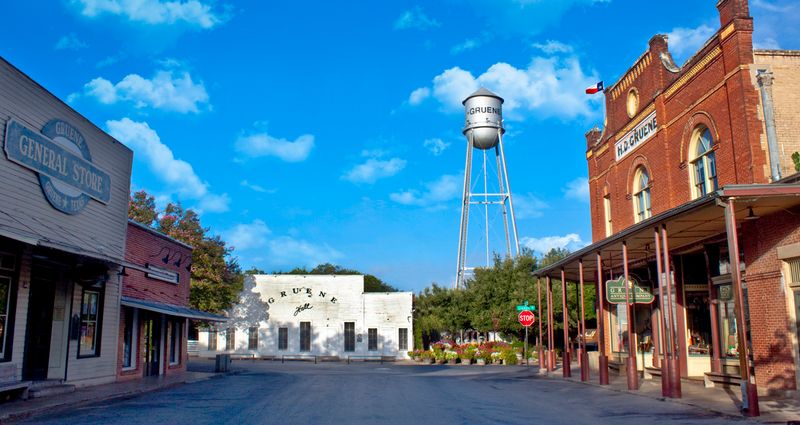
New Braunfels proper has a nice walkable downtown, but Gruene is where the magic really happens. This tiny historic district feels like it exists outside of time, with weathered buildings, a legendary dance hall, and the Guadalupe River flowing right alongside. You can park near Gruene Hall and spend hours exploring without ever feeling like you’ve missed something by not driving to the next spot.
Gruene Hall claims to be Texas’s oldest continually operating dance hall, and the place oozes character from every corner. Big-name country acts still play here, but even on quiet afternoons, you can grab a beer and soak up the atmosphere. The building sits right on the main strip, surrounded by shops selling antiques, local art, and handmade goods that actually feel authentic rather than touristy.
The Guadalupe River provides the soundtrack to any visit here, with its constant flow creating background noise that’s somehow both energizing and relaxing. River outfitters operate within walking distance, renting tubes and kayaks for float trips that end right back where you started. After a few hours on the water, you can walk to Gruene’s restaurants still in your swimsuit and nobody bats an eye—that’s just how it works here.
New Braunfels downtown connects to Gruene via the river trail system if you’re up for a longer walk. The main plaza in New Braunfels features German-influenced architecture, local breweries, and restaurants serving schnitzel alongside tacos. Landa Park sits close enough to downtown that families can easily walk there for swimming, paddleboating, or just lounging under massive trees that have shaded picnickers for generations.
Wurstfest takes over New Braunfels every November, turning the town into a ten-day celebration of German heritage with music, food, and enough sausage to feed an army. Even outside festival season, the German influence shapes the local food scene, with bakeries selling fresh strudel and restaurants pouring German beers on tap. The combination of river culture and European heritage gives this area a personality unlike anywhere else in Texas, and the walkability means you can experience it all without ever feeling rushed or exhausted.
7. Wimberley
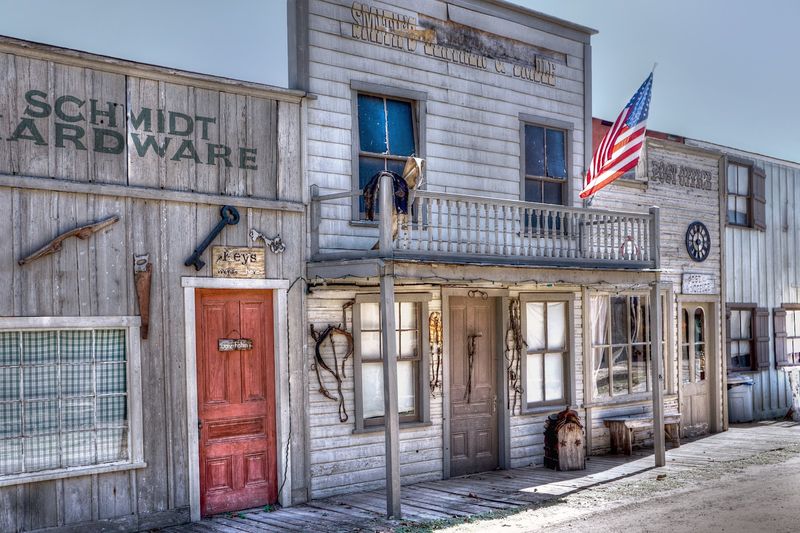
Cypress Creek runs right through town, and the sound of water flowing over rocks becomes the background music to your entire visit. The downtown area clusters around the square, where local artists sell paintings, pottery, and jewelry that reflects the natural beauty surrounding this Hill Country gem. Unlike some Texas towns that feel landlocked and dusty, Wimberley stays green and lush thanks to the creek and natural springs that feed it.
Blue Hole Regional Park sits close enough to downtown that you can walk there if you’re feeling ambitious, though most people drive the short distance. The swimming hole itself is worth the trip—clear, cold water surrounded by tall cypress trees creates a scene that belongs on a postcard. Back in the walkable downtown core, shops and galleries occupy old buildings with plenty of character, selling everything from handmade leather goods to organic soaps.
First Saturday brings Market Days, when hundreds of vendors set up along the shaded creek side selling antiques, art, food, and crafts. People come from Austin and San Antonio just for this monthly event, arriving early to snag the best finds before they disappear. Even on regular weekends, the downtown area maintains a creative, artsy vibe that attracts painters, sculptors, and musicians who’ve made Wimberley their home base.
Restaurants here lean heavily into local ingredients, with menus changing based on what’s fresh and available. You’ll find farm-to-table spots serving elevated comfort food alongside casual cafes where breakfast tacos reign supreme. The town’s small size means you’ll likely see the same faces multiple times during your visit, giving everything a friendly, neighborhood feel that’s increasingly rare in Texas.
Jacob’s Well Natural Area lies just outside town, but the downtown itself offers enough to fill a relaxed weekend. Coffee shops with outdoor seating let you watch the creek flow by while you sip your morning brew. Boutiques sell clothing and home goods you won’t find in chain stores.
And the overall pace of life here feels slower, more intentional, like everyone collectively agreed that rushing through town defeats the whole purpose of being in Wimberley in the first place.
8. Brenham
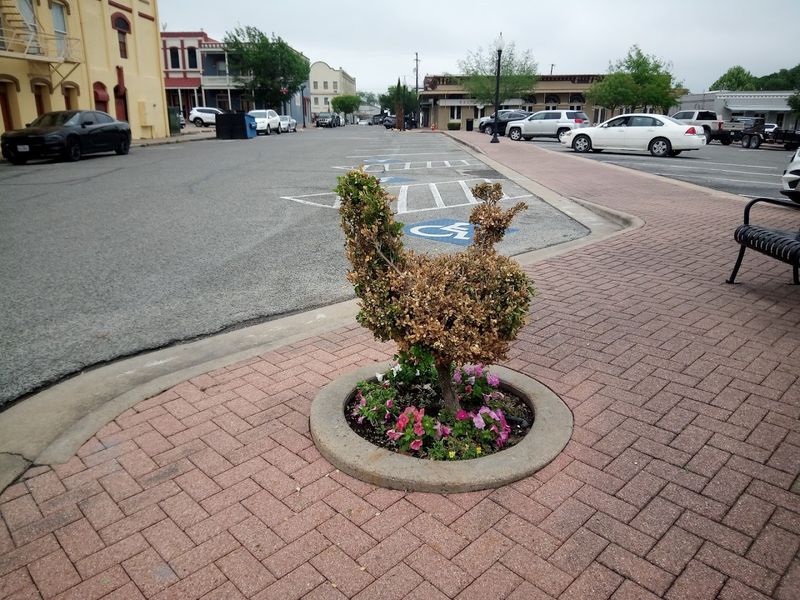
Blue Bell ice cream was born here, and that alone puts Brenham on the map for many Texans. But the downtown area offers way more than just frozen treats—though you’ll definitely want to tour the creamery and sample flavors you can’t find anywhere else. The historic downtown district spreads out from the town square, with buildings that date back to the 1800s now housing boutiques, antique stores, and restaurants that serve serious comfort food.
Washington County Courthouse dominates the square with its stunning architecture, and the surrounding streets offer enough shops and eateries to keep you busy for hours. Local bookstores with creaking wooden floors, vintage clothing shops with carefully selected pieces, and gift stores selling Texas-made products fill the historic storefronts. The whole area feels lived-in rather than preserved as a museum, with locals running errands alongside tourists snapping photos.
Bluebonnet season transforms Brenham into wildflower central, with fields surrounding town exploding in purple blooms every spring. The downtown area hosts festivals celebrating the flowers, with vendors, live music, and food booths taking over the streets. Even outside wildflower season, the town maintains a charming, relaxed atmosphere that makes it easy to spend a whole day just wandering from shop to shop.
Pleasant Hill Winery operates just outside the walkable core, but downtown Brenham itself has tasting rooms where you can sample local wines without leaving the square. Restaurants range from old-school diners serving chicken-fried steak to newer spots focusing on seasonal menus and craft cocktails. The variety surprises first-time visitors who expect a small town to have limited options.
Antique shopping here rivals Fredericksburg or Round Top, with multi-level stores packed with furniture, collectibles, and vintage treasures. You could easily spend half a day in a single shop, digging through inventory that spans decades. The town also hosts monthly events like farmers markets and art walks, keeping the downtown area active and giving locals reasons to gather regularly.
Brenham doesn’t get the same attention as some Hill Country towns, but that’s part of its appeal—it feels authentic and unhurried, like a place where people actually live rather than just visit.
9. Nacogdoches
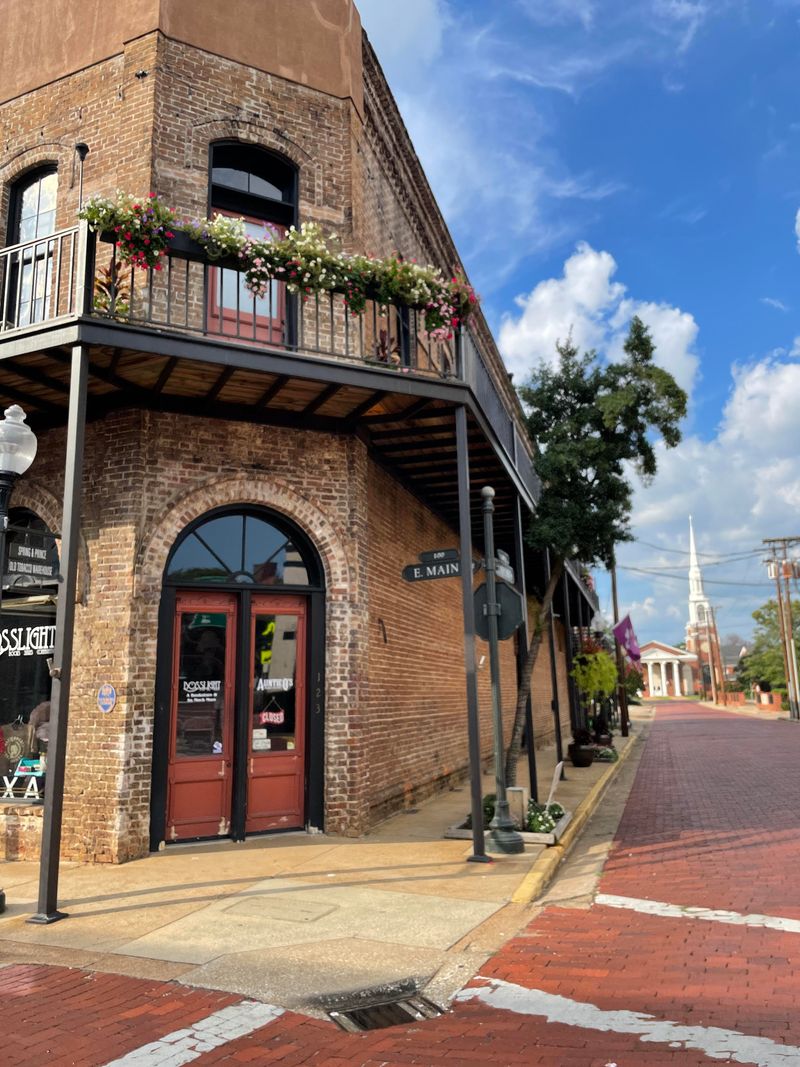
Calling itself the oldest town in Texas isn’t just marketing—Nacogdoches has the history to back it up, with roots stretching back to the 1700s. Red brick streets line the downtown area, where buildings that witnessed centuries of Texas history now house coffee shops, restaurants, and stores selling everything from outdoor gear to handmade jewelry. Walking here feels different than other Texas towns because you’re literally strolling through layers of history with every step.
Stephen F. Austin State University keeps the town young and energized, with students filling coffee shops and affordable eateries throughout the week. The campus itself is gorgeous and walkable, with trails through the Pineywoods that connect to the broader town trail system.
Unlike some college towns that feel divided between campus and downtown, Nacogdoches blends the two seamlessly, creating a walkable area that serves students and visitors equally well.
The Texas State Railroad Historic Site operates just outside town, but downtown Nacogdoches offers enough historic sites to satisfy any history buff. Old Stone Fort Museum, Sterne-Hoya House, and multiple historic churches sit within easy walking distance of each other. You can knock out a self-guided historic tour in a single morning, then spend the afternoon browsing shops and eating your way through the local restaurant scene.
Piney Woods forests surround Nacogdoches, giving the town a completely different feel than the Hill Country or West Texas destinations. Tall pines provide shade throughout downtown, and the overall landscape stays green year-round. Hiking trails, including portions of the Azalea Trail, start right in town and wind through residential areas where historic homes sit under massive trees that predate Texas independence.
Food here leans Southern, with barbecue joints, soul food restaurants, and diners serving biscuits and gravy that’ll stick to your ribs. But you’ll also find Thai, Mexican, and Italian spots that reflect the university’s diverse population. Downtown events happen regularly, from farmers markets to outdoor concerts, and the brick streets close to traffic for festivals that take over the entire district.
Nacogdoches might be the oldest town in Texas, but it doesn’t feel stuck in the past—it just knows how to honor its history while staying relevant today.
10. Bastrop
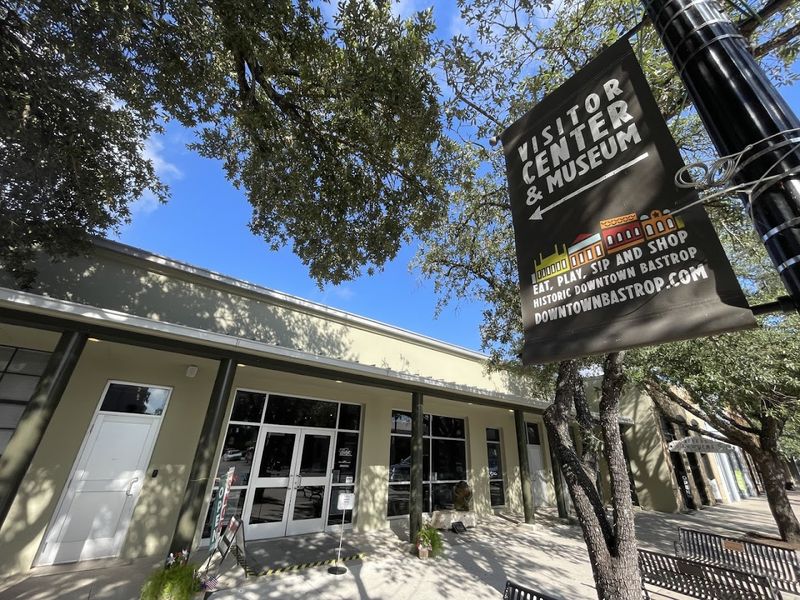
The Colorado River flows right through Bastrop, and the downtown area takes full advantage of that natural feature. Riverside parks connect to Main Street via walkable paths, letting you transition from shopping to nature without ever getting in your car. Historic buildings line the main drag, housing restaurants, breweries, and shops that maintain the town’s character while serving modern needs.
Bastrop State Park sits close enough that locals consider it part of town, though you’ll want to drive there for serious hiking. Downtown itself offers enough to fill a day, with antique stores that rival larger cities, art galleries showcasing local talent, and coffee shops where you can actually sit and read without feeling rushed. The pace here feels slower than nearby Austin, even though you’re only about 30 miles from the capital.
Lost Pines region surrounds Bastrop, creating a unique ecosystem where pine forests grow in an area typically dominated by oak and cedar. The trees provide shade throughout downtown, and the overall landscape gives Bastrop a different vibe than typical Central Texas towns. Walking here feels cooler and more forested, especially during summer when shade becomes a valuable commodity.
Food options range from classic Texas barbecue to farm-to-table restaurants that source ingredients from nearby ranches and farms. The breweries here have developed serious followings, with taprooms that stay busy on weekends and weeknights alike. Live music happens regularly, both in dedicated venues and restaurants that host local bands on their patios.
The 2011 wildfires devastated parts of Bastrop, but the town rebuilt with determination and community spirit that’s still evident today. New businesses opened alongside restored historic buildings, creating a downtown that honors the past while moving forward. Walking through town now, you’ll see evidence of both the destruction and the recovery, with young trees growing alongside survivors and new construction blending with century-old structures.
Bastrop’s story is one of resilience, and that spirit shows in how welcoming and tight-knit the community feels. You’re not just visiting a cute town—you’re experiencing a place that fought to preserve its character and won.
11. Alpine
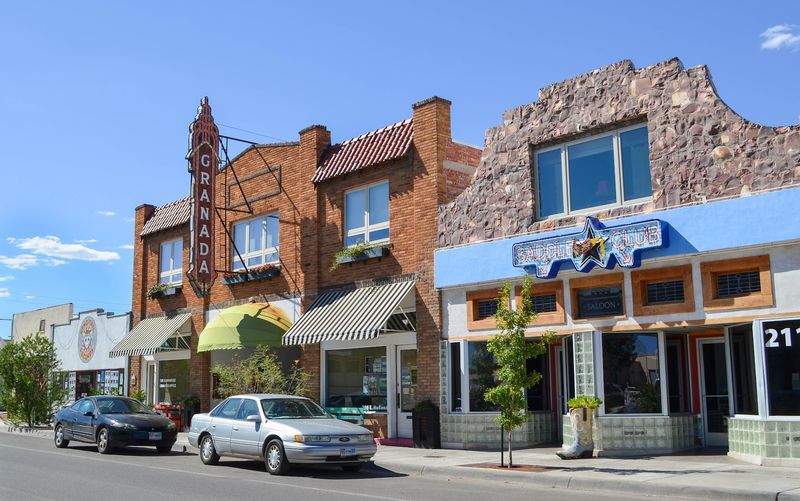
Mountains surround Alpine in every direction, creating a backdrop that’s unlike anywhere else in Texas. Downtown sits at over 4,000 feet elevation, giving the air a crispness you won’t find in Houston or Dallas. Historic buildings made from local stone and brick line the streets, housing galleries, outfitters, and restaurants that cater to both locals and visitors heading to Big Bend National Park.
Sul Ross State University adds energy and culture to what could otherwise be a remote outpost. The campus museum features excellent regional history and art exhibits, all within walking distance of downtown. Students and professors keep coffee shops and bookstores busy, creating an intellectual atmosphere that surprises people expecting just another dusty West Texas town.
Art galleries here showcase works inspired by the dramatic landscape surrounding Alpine. Painters, sculptors, and photographers have flocked to this area for decades, drawn by the light, colors, and stark beauty of the Chihuahuan Desert. You can walk from gallery to gallery, viewing everything from traditional Western art to contemporary pieces that challenge your perceptions of what West Texas art should look like.
Railroad history runs deep in Alpine, with the town originally serving as a watering stop for steam engines crossing the vast West Texas distances. The restored depot area now houses shops and restaurants, and you can still catch the sunset from the platform while imagining what this place looked like when trains were the only connection to the outside world. That sense of remoteness still exists, but it’s part of Alpine’s appeal rather than a drawback.
Outdoor outfitters dominate the retail scene, selling gear for hiking, camping, and exploring Big Bend. But you’ll also find bookstores with carefully selected titles about the region, gift shops selling locally made goods, and restaurants serving everything from authentic Mexican food to upscale steakhouse fare. The combination of university culture, outdoor recreation, and artistic community creates a unique vibe that sets Alpine apart from every other small Texas town.
Walking these streets at sunset, with mountains glowing pink and orange in every direction, you’ll understand why people make the long drive to experience this remote corner of the state.
Share this story