A pig in a tiny racing bib can stop a crowd faster than a boardwalk fireworks finale at the Burlington County Farm Fair. One minute, families are drifting past the dining pavilion with lemonade, fries, and paper plates balanced in both hands.
The next, everyone is pressed near the rail, cheering for a sprinting pig like county pride depends on it. That is the charm of this South Jersey summer classic.
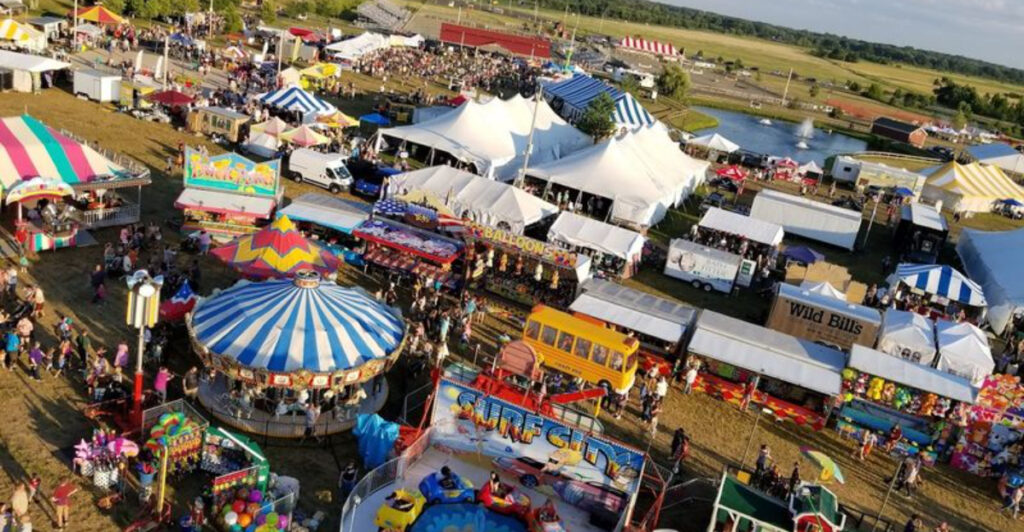
It is dusty, funny, loud, kid-friendly, and proudly local without trying too hard. Held at the Burlington County Fairgrounds in Columbus, the fair brings together livestock shows, carnival rides, tractor pulls, rodeo nights, fireworks, fair food, 4-H exhibits, and the kind of July traditions people remember years later.
It is not polished in the theme-park sense. It is better than that. It feels like real New Jersey, the rural kind that still knows how to put on a five-day party.
Why Burlington County Farm Fair Still Feels Like a True Jersey Summer Tradition
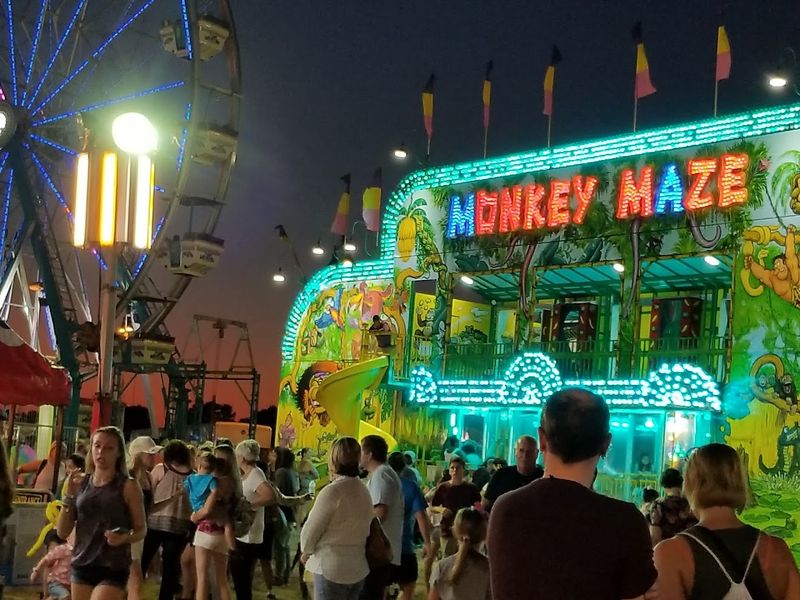
New Jersey summer usually makes people think of beach tags, shore traffic, boardwalk pizza, and someone arguing about where to park in Belmar. The Burlington County Farm Fair tells a different story.
It sits inland in Columbus, at the Burlington County Fairgrounds on Jacksonville Jobstown Road, in the part of South Jersey where open fields, horse farms, and local agricultural families still shape the calendar. That setting matters because the fair does not feel like a traveling carnival that happened to land on an empty lot.
It feels rooted. The 2026 fair marks its 80th year, which explains why so many families treat it less like a one-time outing and more like a tradition they inherited.
Grandparents come back with grandkids. Parents point out animals they remember seeing when they were young.
Kids who may only know cows and goats from picture books get to stand a few feet away from the real thing. The 4-H and FFA presence gives the fair its backbone.
These are not just cute exhibits tucked behind the rides. Local kids spend the year raising animals, preparing displays, practicing skills, and showing what they know in front of neighbors, judges, and families.
That is what keeps the fair from feeling generic. Yes, there are rides, snacks, music, games, and big evening events, but the heart of the place is still agricultural.
You see it in the livestock barns, the show rings, the antique tractors, the vegetable displays, and the way people casually explain things to children who ask questions. It is old-fashioned without feeling staged, and that is a tricky balance to pull off.
The fair has changed over the decades, but it has not traded its local soul for something shinier. It still feels like Burlington County showing up for itself, boots, strollers, wagons, lemonade cups, dusty shoes, and all.
How Free Admission Makes This Five Day Fair a Family Favorite
The first thing families love is simple: admission is free. Not “free until you realize every interesting thing costs extra just to walk near it” free, but free to enter the fairgrounds, wander the exhibits, visit animal areas, watch many scheduled events, browse the vendors, and take in the scene without buying a gate ticket.
In a New Jersey summer, that is no small thing. A family outing can turn expensive fast once admission, parking, food, rides, snacks, and a few kid-requested extras get added up.
The Burlington County Farm Fair keeps the barrier low, which is one reason it attracts such a loyal crowd every July. There are still costs to plan for, and locals know it is smarter to show up prepared.
Parking has been listed by the carload, which helps bigger families or groups riding together. Carnival rides cost extra, with Majestic Midway rides typically opening at 4 p.m.
The Redeye Rodeo is also separately ticketed, so it is worth knowing before everyone heads toward the arena assuming it is part of the free fair admission. Still, the free entry changes the whole feel of the day.
You do not have to rush around trying to squeeze every dollar of value out of the visit. You can stop by for a few hours after work, bring grandparents who mostly want to sit near the dining pavilion, or come back another evening if the kids missed the pig races the first time.
The 2026 schedule runs Tuesday through Saturday, July 21 through July 25, with afternoon-to-night hours on weekdays and a longer Saturday that starts at noon. That gives families room to choose their version of the fair.
Some come for dinner and fireworks. Some come for animals and rides.
Some come because it is just what they do every summer. Free admission makes it easy to say yes, and that matters when a good family day out usually comes with a price tag attached before anyone even buys fries.
The Red Eye Rodeo Brings Big Cowboy Energy to South Jersey
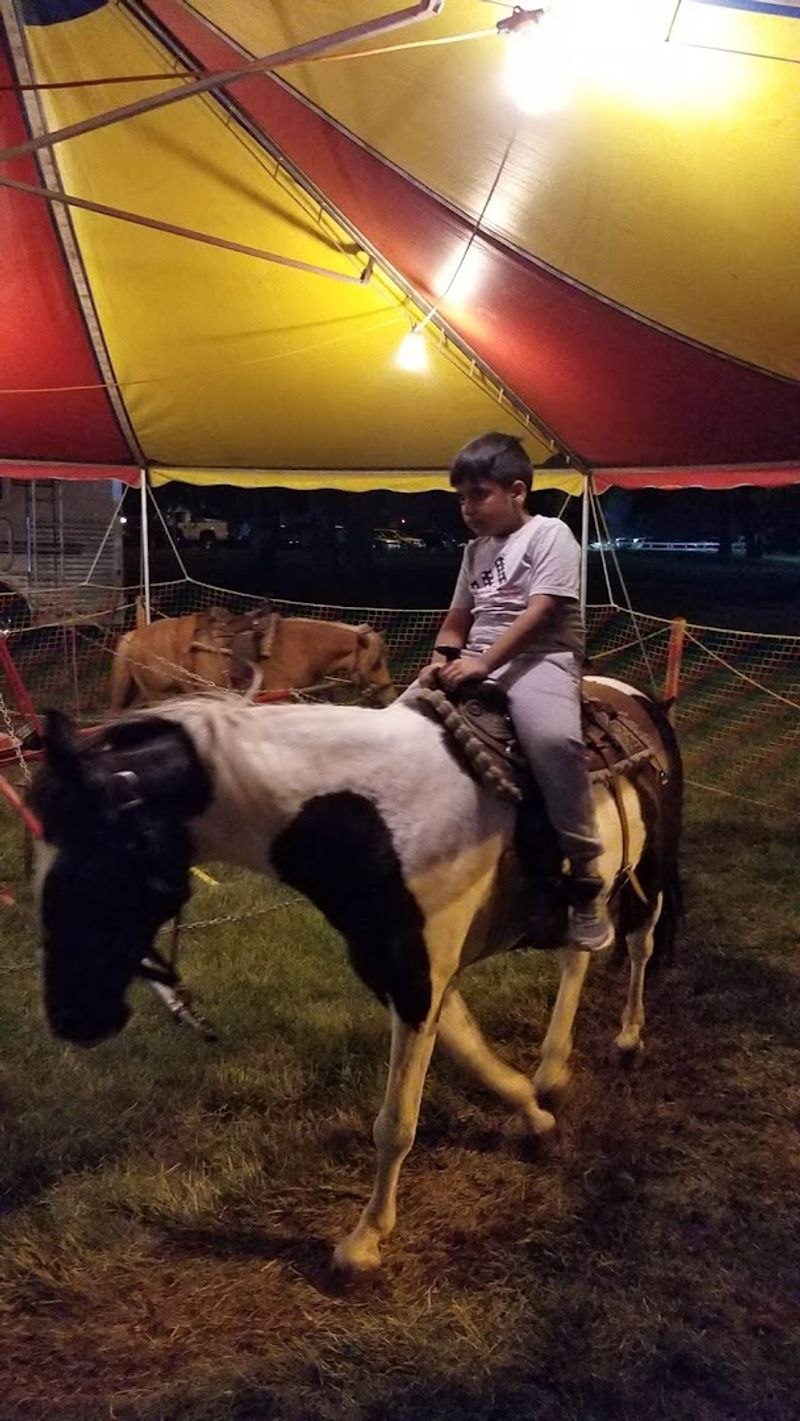
By the time Thursday and Friday night roll around, the fairgrounds start to shift. The sun drops lower, the arena gets busier, and the Redeye Rodeo brings a little cowboy drama to Columbus.
For 2026, the rodeo is scheduled for Thursday, July 24, and Friday, July 25, at 7 p.m., and it is one of the fair’s biggest evening draws.
For anyone who still thinks New Jersey is only diners, toll roads, malls, and beaches, rodeo night at the Burlington County Farm Fair is a useful reminder that South Jersey has always had another side.
Burlington County has deep agricultural roots, plenty of horse country, and families who know their way around barns, trailers, feed, fencing, and livestock. The rodeo fits that world more naturally than outsiders might expect.
It is louder and more dramatic than the daytime fair, but it does not feel tacked on. It feels like the nighttime version of the same rural culture that fills the barns and show rings earlier in the day.
Kids who spent the afternoon looking at rabbits and goats suddenly find themselves watching riders, horses, cattle, announcers, and arena crews keep everything moving. Parents check the time because rodeo seating and tickets matter, especially when the crowd thickens.
It is also worth noting the practical details. The rodeo is not included with general fair admission, and dogs are not allowed in the rodeo area except for service dogs, even though leashed dogs are permitted in other parts of the fairgrounds.
That makes sense once the action starts. There are animals, noise, movement, and a lot happening in a compact space.
What makes the Redeye Rodeo work is the way it adds spectacle without losing the fair’s local personality. It gives families something big to plan around, but it still belongs to the larger story of the week: animals, agriculture, competition, skill, and South Jersey showing off a side of itself that deserves more attention.
The Pig Races Are Ridiculous in the Best Possible Way
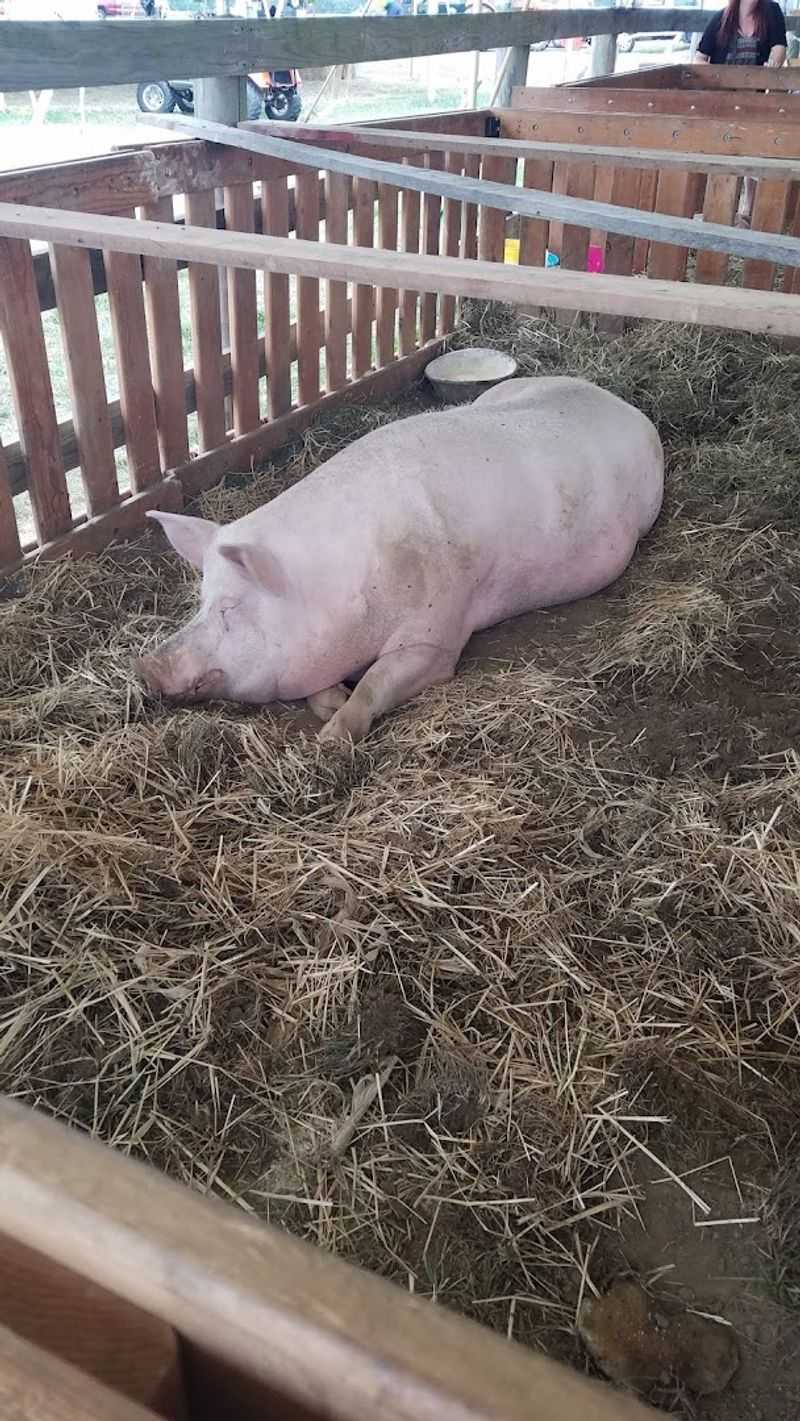
There is no elegant way to watch pig races, and that is the whole point. The Hot Dog and Pig Racing Show near the dining pavilion is one of those fair attractions that sounds silly until the first gate opens and the crowd immediately forgets how normal adults are supposed to behave.
Children pick favorites for reasons that make perfect sense only to them. Adults laugh before the race even starts.
Someone always acts like they have studied the field and know which pig has the right combination of speed, focus, and snack motivation. Then the pigs take off around the small track, ears bouncing, little legs moving at surprising speed, and the entire crowd erupts over a race that lasts less than a minute.
That quick burst of ridiculous fun is exactly why people remember it. The Burlington County Farm Fair has plenty of events with real skill and tradition behind them, but the pig races are pure joy.
They are easy for little kids to understand, funny enough for teenagers to pretend they are not enjoying them, and close enough to the dining pavilion that people often stumble onto the show while carrying dinner.
On opening day in 2026, the Hot Dog and Pig Racing Show is scheduled for 5 p.m., with additional fair programming often keeping the area lively throughout the week.
The location helps, too. Near food, seating, and steady foot traffic, the races become one of those spontaneous fair moments that pulls people in without much planning.
You might be heading for lemonade, hear the cheering, and suddenly find yourself rooting for a pig like it trained all year for this. That kind of memory is hard to manufacture.
Kids may forget which ride they went on first or where the family parked, but they remember the pig races. They remember the squealing, the names, the laughter, and the strange satisfaction of watching a tiny animal run with more determination than most people bring to a Monday morning.
Tractor Pulls Turn the Fairgrounds Into a Dusty Horsepower Showdown
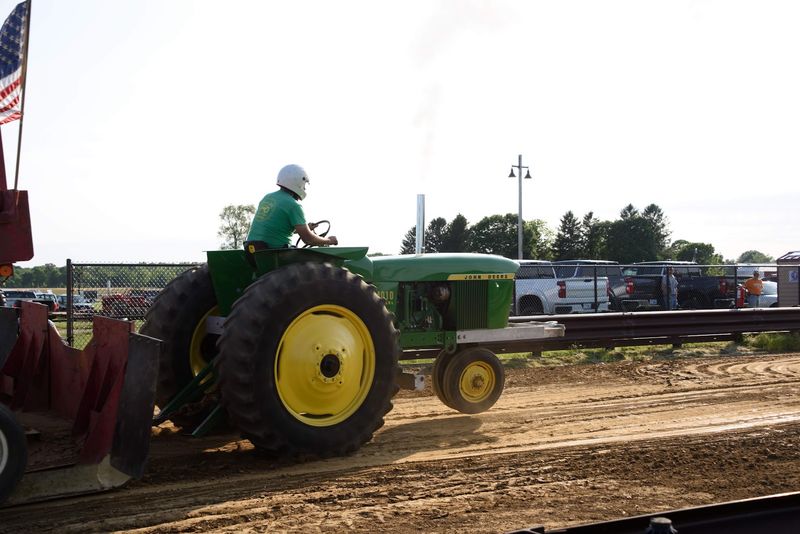
The tractor pull announces itself before you fully see it. There is a deep engine rumble, a stretch of dirt, a heavy sled, and a crowd that suddenly becomes very invested in distance.
For newcomers, the concept is simple enough. A tractor hooks to a weighted sled and tries to pull it as far as possible down the track.
The farther it goes, the harder the pull gets. Power matters, but so do traction, timing, setup, and the driver’s ability to read the machine and the ground beneath it.
For people who grew up around farm equipment, the appeal is obvious. For everyone else, it usually takes one pull to understand why people watch so closely.
At the Burlington County Farm Fair, tractor pulls are not just filler between bigger attractions. They are part of the fair’s agricultural personality.
The Central Jersey Tractor Pullers Association schedule for 2026 lists large tractors on Tuesday, July 21, at 6 p.m., garden tractors on Friday, July 24, at 6 p.m., and large tractors again on Saturday, July 25, at noon.
That gives visitors several chances to catch the action, whether they come on opening night, rodeo night, or during the longer Saturday schedule.
The best part is watching the crowd. Some people know exactly what they are looking at and can tell from the first few seconds whether a run has promise.
Others are clearly learning as they go, asking questions about the sled, the tires, the dirt, and why one tractor makes it farther than another. Kids point at the machines like they are oversized toys until the engines start and the whole thing feels much more serious.
Outside the pull arena, the antique tractor parade adds a slower, more nostalgic version of the same story. Those machines are not just decorations.
They are reminders that in Burlington County, tractors have worked fields, carried families through seasons, and earned their place in the spotlight. At this fair, when tractors roar, people stop and listen.
Animals, Rides, Fireworks and Fair Food Fill Out the Perfect July Day
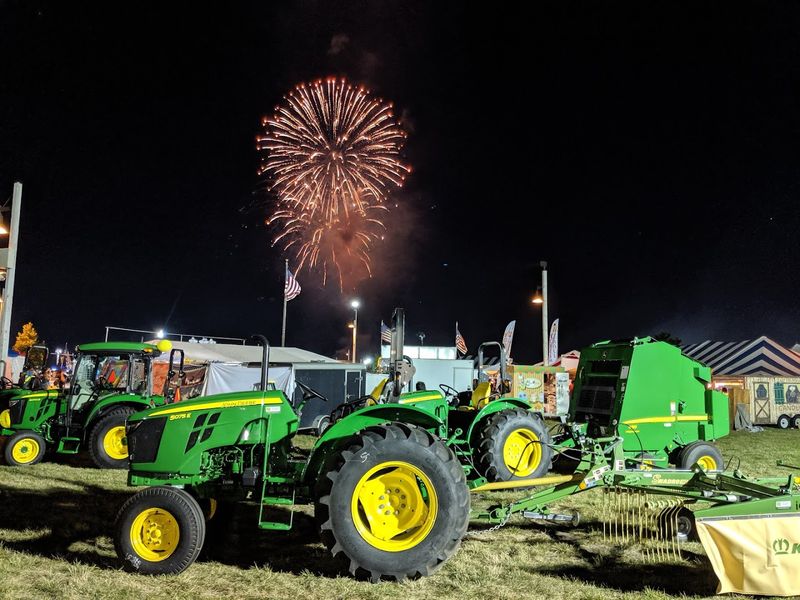
A good day at the Burlington County Farm Fair usually has its own rhythm. You arrive while the sun is still up, get through parking, and start with the animals before the midway lights steal everyone’s attention.
The livestock areas slow the day down in the best possible way. Cows, goats, rabbits, poultry, sheep, and horses each draw their own small crowds, and the young people showing them often look calmer and more prepared than the adults juggling drinks, bags, and tired children.
Animal schedules can shift with weather and show timing, which is normal for a July fair, but the barns and exhibits remain one of the best reasons to go. They give kids a close-up look at animals and give local 4-H and FFA members a place to show the work they have put in long before fair week.
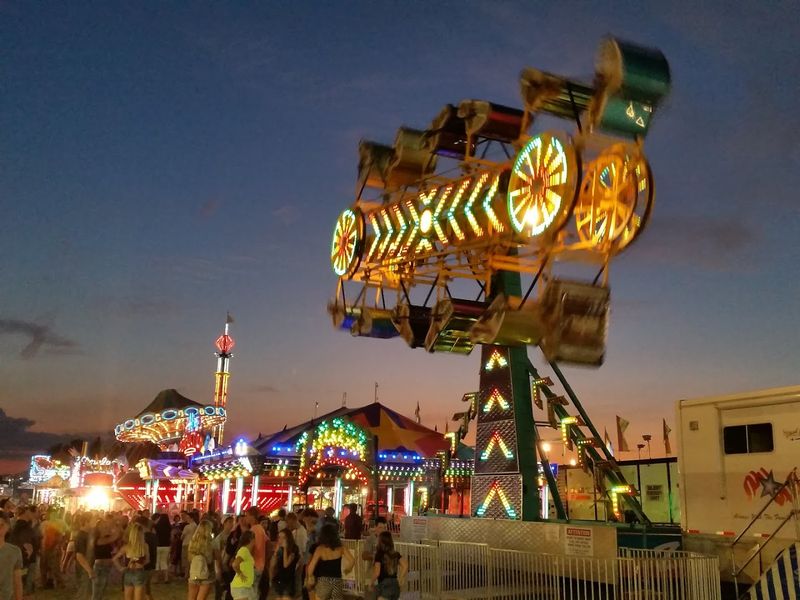
Then, as late afternoon arrives, the midway starts to pull everyone in. Rides are scheduled to open daily at 4 p.m., which is just about perfect.
By then, families have seen the animals, checked out exhibits, grabbed something cold, and reached the point where kids are ready for spinning lights, games, and negotiations over wristbands. Food fills in every gap.
This is the kind of fair where dinner does not need to be complicated. Fries, hot dogs, lemonade, ice cream, fried dough, and whatever smells best near the food court are all part of the plan.
Opening night adds one of the week’s biggest crowd-pleasers, with the Pyrotecnico fireworks show scheduled for 9:45 p.m. in 2026. By then, the fairgrounds have changed from hot afternoon bustle to full summer-night glow.
Ride lights blink, kids get sticky and sleepy, adults pretend they are not tired, and families gather in that familiar quiet before the first burst overhead.
That is the fair at its best: animals in the afternoon, rides at dusk, pig races near dinner, tractors in the dirt, fireworks above, and the soft exhaustion of a July night well spent.
Share this story