Texas has a reputation for doing things big, bold, and uniquely its own. What many people don’t realize is that some of the most beloved comfort foods and drinks across America actually got their start right here in the Lone Star State. From smoky barbecue staples to fizzy sodas and hearty breakfast favorites, Texas has quietly shaped the way the entire country eats and drinks.
1. Brisket
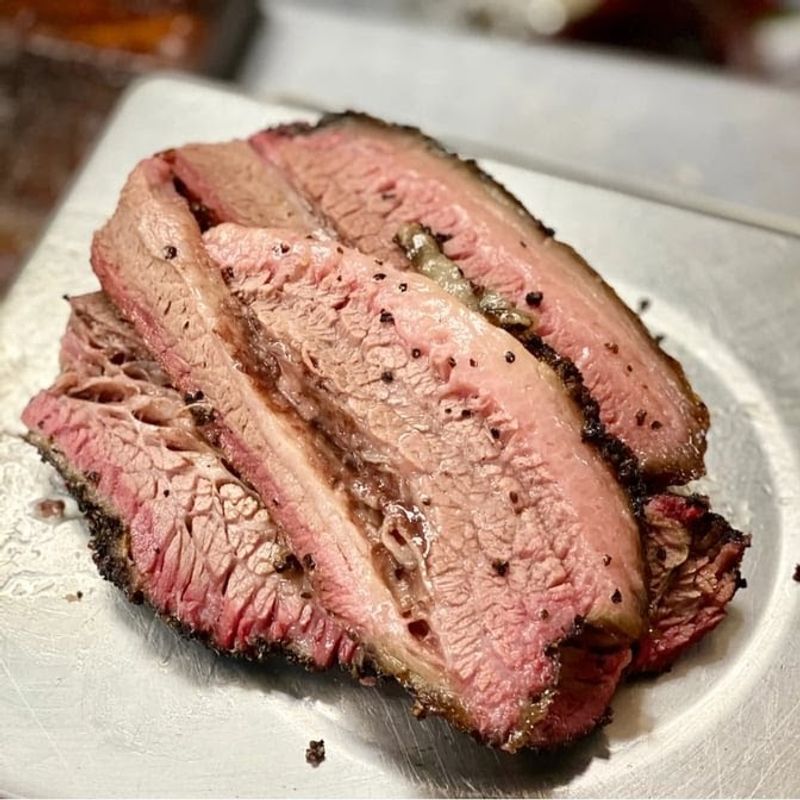
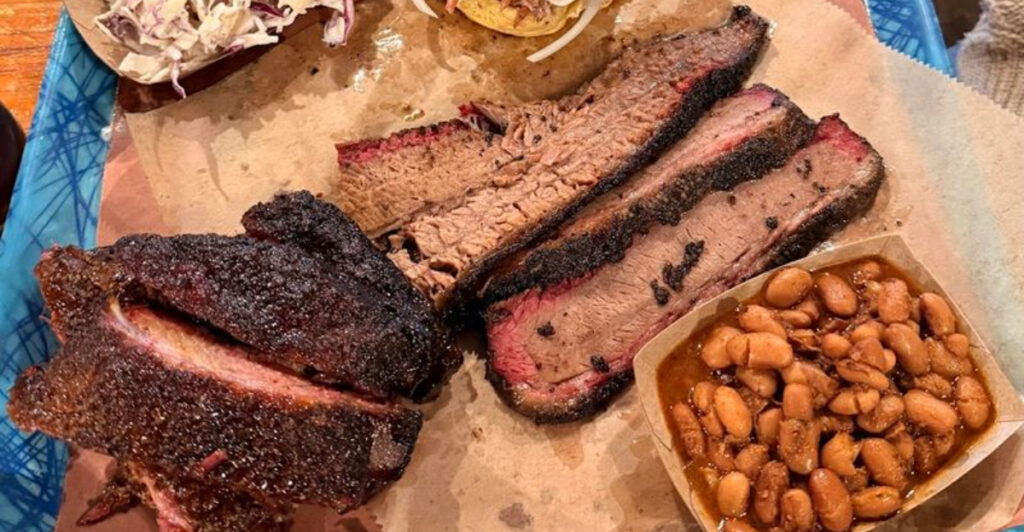
Smoked brisket didn’t originate in Texas, but Texans transformed it into something completely different from what anyone else was doing. When German and Czech immigrants settled in Central Texas during the 1800s, they brought their meat-smoking traditions with them. What started as a practical way to preserve tough cuts of beef became an art form that defines Texas culture today.
The key to Texas-style brisket lies in the slow-smoking process, usually taking 12 to 18 hours over oak or mesquite wood. Pitmasters season the meat with just salt and pepper, letting the quality of the beef and the smoke do all the talking. This simple approach creates a dark, crispy bark on the outside while keeping the inside incredibly tender and juicy.
Before Texas made it famous, brisket was considered a throwaway cut that most butchers struggled to sell. The meat comes from the chest area of the cow, which means it’s full of tough connective tissue that needs long, slow cooking to break down properly. Texas pitmasters figured out that low heat and patience could turn this cheap cut into something magical.
Central Texas towns like Lockhart, Taylor, and Luling became known as the barbecue capitals where this style was perfected. Each region of Texas eventually developed its own approach, but the Central Texas method of simple seasoning and post-oak smoke became the gold standard. Restaurants in these small towns still use the same techniques their founders established over a century ago.
Today, Texas-style brisket has spread across the entire country, with restaurants from New York to California trying to recreate that perfect smoke ring and tender texture. Competitions dedicated solely to brisket draw teams from around the world, all chasing that ideal balance of smoke, seasoning, and melt-in-your-mouth texture. What started as immigrant ingenuity in small Texas towns has become a culinary obsession that represents Texas pride and tradition.
When people think of Texas food, smoked brisket is usually the first thing that comes to mind, and for good reason.
2. Chicken Fried Steak
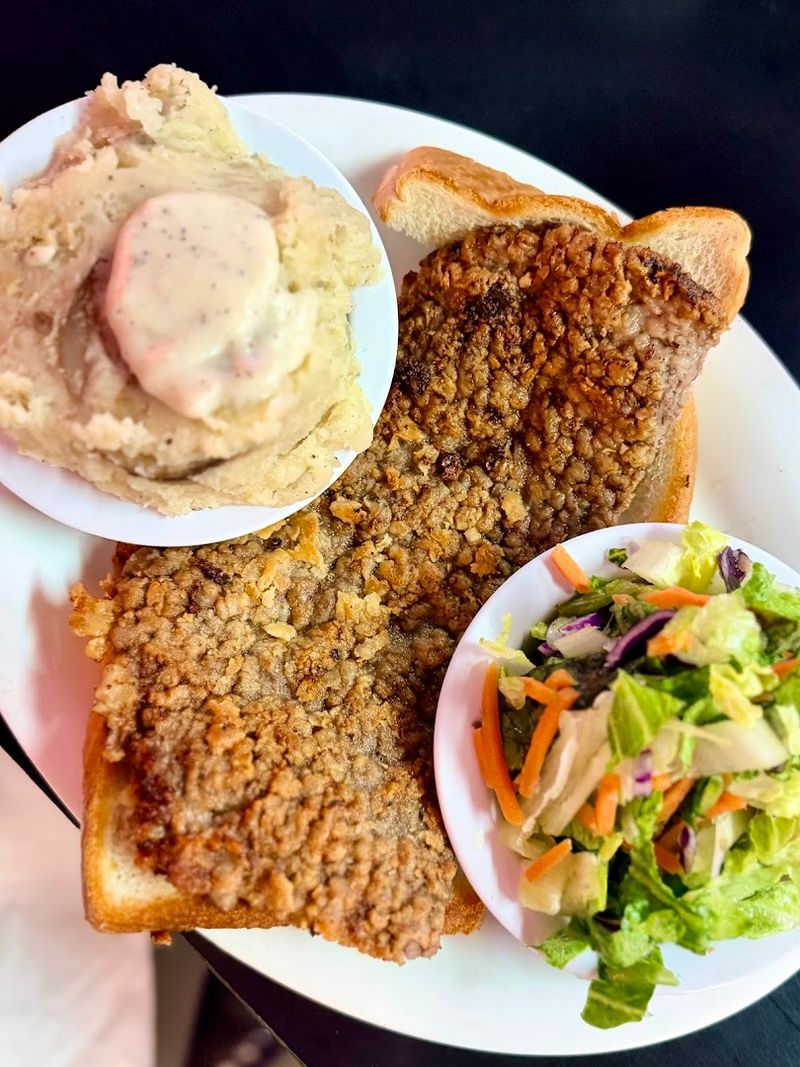
Walk into almost any diner in Texas and you’ll find chicken fried steak on the menu, often listed as the house specialty. This crispy, gravy-smothered dish combines the best of Southern frying techniques with the cattle-ranching culture that built Texas. The name confuses some people since there’s no chicken involved, but it refers to the method of breading and frying the steak just like you would fried chicken.
The dish likely emerged in the late 1800s when German immigrants adapted their traditional wiener schnitzel recipe to use the abundant beef available in Texas instead of veal. They tenderized tough cuts of steak by pounding them thin, then coated them in seasoned flour and fried them until golden and crispy. The addition of cream gravy came later, probably influenced by Southern cooking traditions that were already popular in East Texas.
Making a proper chicken fried steak requires tenderizing a tough cut like cube steak or round steak until it’s thin enough to cook quickly. The meat gets dredged in seasoned flour, dipped in buttermilk or egg wash, then coated in flour again for extra crunch. When fried in hot oil or lard, the coating becomes incredibly crispy while the meat stays tender inside.
The cream gravy that blankets the top is just as important as the steak itself. Cooks make it by using the leftover frying oil, adding flour to create a roux, then slowly stirring in milk until it reaches the perfect thick consistency. Black pepper is essential, giving the gravy a slight kick that balances the richness.
Some restaurants serve it with the gravy on the side, but traditional Texas style means drowning the whole plate in it.
Lamesa, a small town in West Texas, officially claims to be the birthplace of chicken fried steak and even holds an annual festival celebrating it. Whether that claim is completely accurate doesn’t really matter because Texas has adopted this dish as its own. You’ll find variations across the state, from tiny roadside cafes to upscale restaurants putting gourmet spins on the classic.
It remains the ultimate Texas comfort food that turns an inexpensive cut of beef into something crave-worthy.
3. Breakfast Tacos
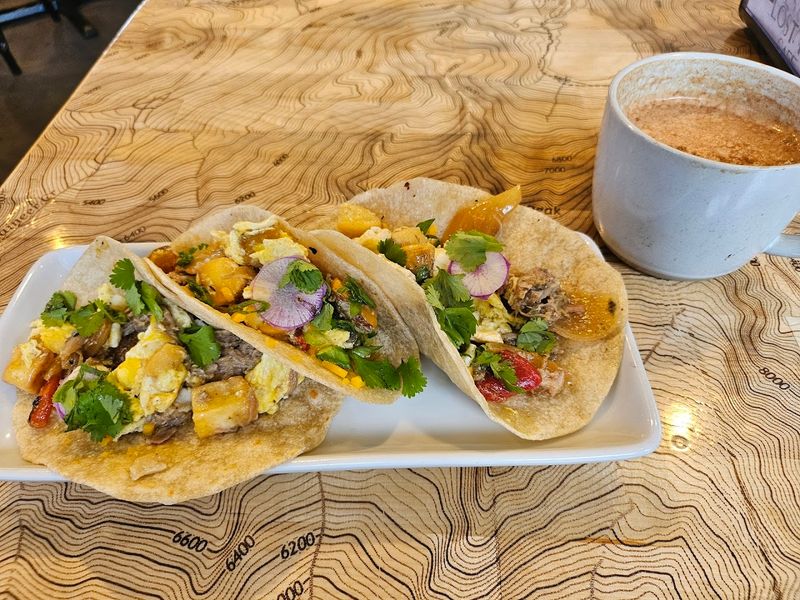
Before breakfast tacos became trendy in cities across America, they were already a morning ritual for Texans, especially in Austin and San Antonio. These simple handheld meals combine scrambled eggs with various fillings, all wrapped in a warm flour tortilla that’s easy to eat on the go. Unlike breakfast burritos that get stuffed and sealed, breakfast tacos stay open and manageable, usually requiring just two or three tortillas per meal.
The exact origin is hard to pin down, but breakfast tacos emerged from the Mexican-American communities in South and Central Texas during the early 1900s. Families would use leftover tortillas from dinner to wrap up eggs and whatever else was available for a quick, filling breakfast. This practical approach to using simple ingredients created something that perfectly fit the Texas lifestyle of getting up early and getting to work.
Austin claims to be the breakfast taco capital, with hundreds of taquerias and food trucks specializing in morning tacos. The classic combination includes scrambled eggs with bacon, potatoes, and cheese, but the possibilities are endless. Some people prefer chorizo and egg, others want migas (eggs scrambled with tortilla chips), and plenty of folks add beans, avocado, or salsa to customize their perfect taco.
What makes Texas breakfast tacos different from similar foods in other places comes down to the tortilla and the simplicity. Flour tortillas are the standard choice, warmed until they’re soft and pliable but not crispy. The fillings stay straightforward rather than overloaded, letting each ingredient shine instead of creating a messy pile.
Fresh salsa, whether red or green, adds the finishing touch that brings everything together.
Gas stations, drive-throughs, and corner stores across Texas sell breakfast tacos every morning, making them accessible to everyone regardless of budget. This democratic approach to breakfast means construction workers, office employees, and students all start their day the same way. The tradition has spread beyond Texas borders in recent years, but it still feels most authentic when you’re ordering at a small taqueria where they’ve been making them the same way for decades.
It’s the kind of food that seems simple until you try to recreate it somewhere else and realize Texas has perfected something special.
4. Chili
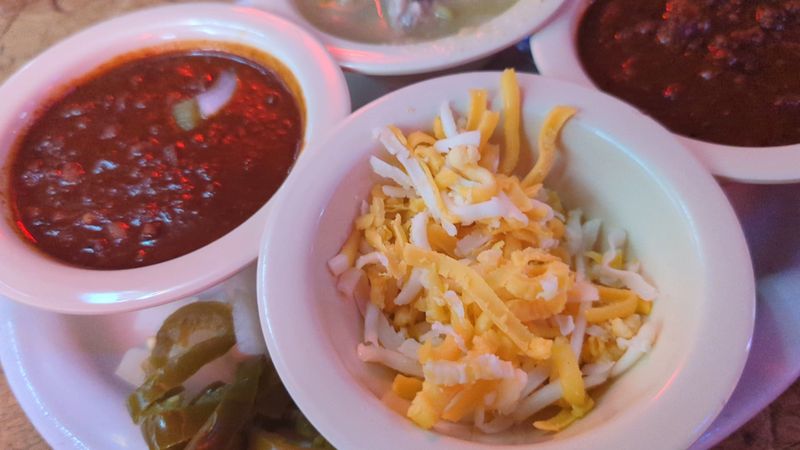
Arguments about chili can get heated in Texas, where the dish holds almost sacred status. Texas-style chili, often called chili con carne, features chunks of beef simmered in a thick, spicy sauce made from dried chili peppers. The most important rule?
No beans allowed. Adding beans to Texas chili is considered an insult by purists who believe the dish should focus entirely on meat and chilies.
Chili likely developed along the Texas-Mexico border in the 1800s, combining Mexican chili pepper traditions with the abundant beef from Texas ranches. San Antonio became famous for its “chili queens,” women who sold bowls of chili from outdoor stands in the city’s plazas during the late 1800s and early 1900s. These vendors would simmer huge pots of chili all day, serving it with bread or crackers to workers, travelers, and anyone looking for a cheap, filling meal.
Traditional Texas chili starts with beef chuck cut into cubes rather than ground, giving it a heartier texture. The meat gets browned and then simmered for hours with a blend of dried chilies like ancho, pasilla, and New Mexico varieties. Garlic, cumin, and oregano add depth, while some recipes include a touch of masa harina to thicken the sauce.
The long cooking time allows the tough beef to become tender while the flavors meld into something complex and satisfying.
The bean controversy stems from the idea that beans were added as a cheap filler to stretch the meat during hard times. Real Texas chili, according to traditionalists, should be rich enough in meat that beans aren’t necessary. Some competitions and cook-offs will disqualify entries that contain beans, taking the rule very seriously.
Of course, plenty of Texans enjoy beans in their chili at home, but they usually won’t admit it in public.
Chili cook-offs have become huge events across Texas, with teams competing for bragging rights and prizes. The Terlingua International Chili Championship, held in a tiny ghost town in West Texas, attracts thousands of chili enthusiasts every year. Whether you like it mild or fire-breathing hot, with beans or without, chili remains a point of pride for Texas.
It represents the state’s ability to take simple ingredients and turn them into something people will argue about for generations.
5. Kolaches
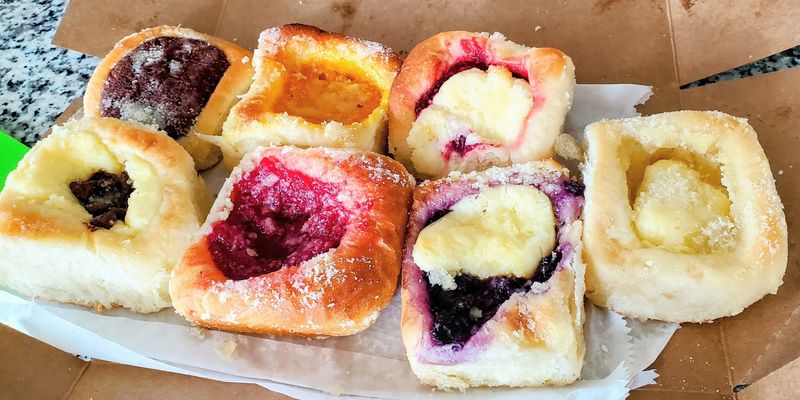
Soft, pillowy pastries filled with fruit or savory ingredients might not sound particularly Texan, but kolaches have been a Central Texas staple for over 150 years. Czech immigrants brought these traditional pastries with them when they settled in areas around Houston, Austin, and the Brazos Valley during the mid-1800s. What started as a taste of home for these settlers became a beloved Texas tradition that spread far beyond the Czech communities.
Traditional kolaches feature a sweet yeast dough that’s rolled out, cut into circles, and topped with fruit fillings like apricot, prune, poppy seed, or cream cheese. The dough puffs up around the filling during baking, creating a soft roll with a sweet center that’s perfect for breakfast or an afternoon snack. Czech grandmothers guarded their dough recipes carefully, with each family claiming their version was the best in town.
Central Texas towns like West, Caldwell, and Hallettsville became famous for their kolache bakeries, many of which still operate using recipes passed down through generations. These small-town bakeries open early in the morning, with locals lining up before dawn to grab fresh kolaches still warm from the oven. The smell of baking bread and sweet fruit filling draws people from miles away, making these bakeries destination stops for travelers.
Somewhere along the way, Texas added its own twist by creating savory kolaches filled with sausage, ham, cheese, or jalapenos. Technically, these meat-filled versions should be called klobasniky, but most Texans just call everything a kolache regardless of the filling. This Texan adaptation makes sense given the state’s love of breakfast tacos and portable morning foods.
Gas stations and donut shops across Texas now sell these savory kolaches alongside the traditional sweet versions.
The kolache has become so associated with Texas that many people don’t realize it came from Czech immigrants originally. Annual kolache festivals in towns like Caldwell celebrate this heritage with baking competitions, polka dancing, and of course, plenty of kolaches to sample. Whether you prefer the traditional fruit-filled version or the Texas-style sausage kolache, these pastries represent how immigrant food traditions can become completely woven into a state’s identity.
They’re proof that Texas culture is built on many different influences coming together to create something uniquely Texan.
6. Queso
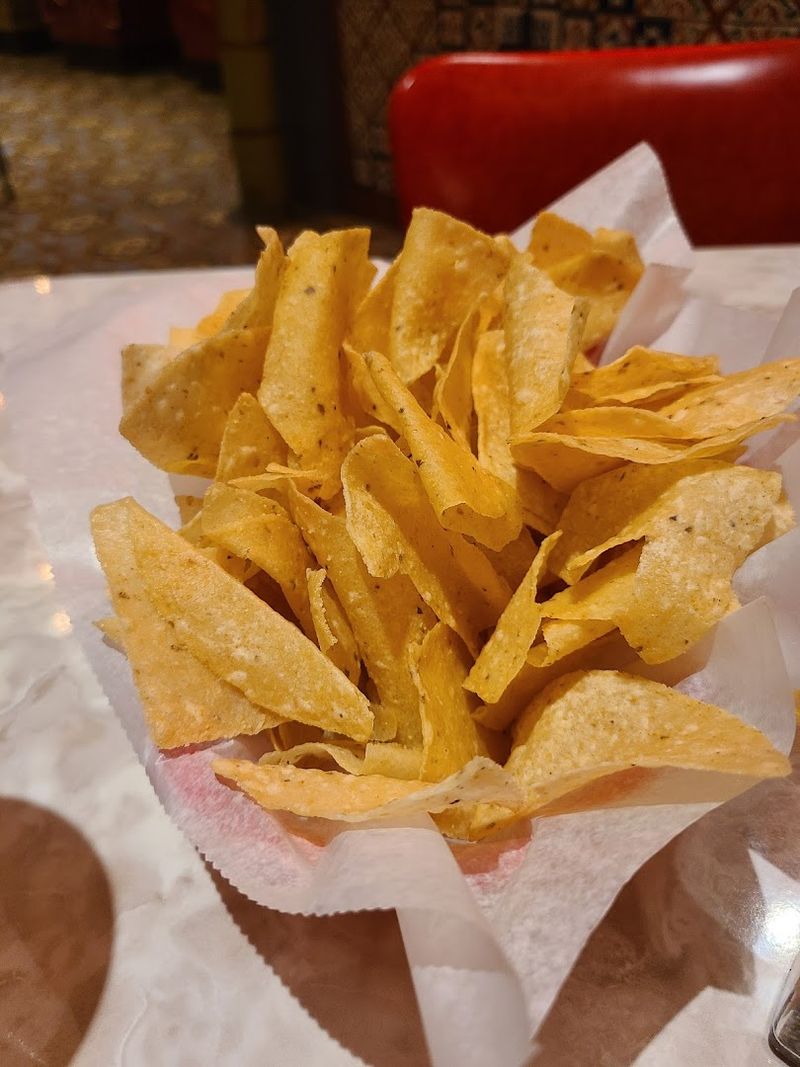
Melted cheese dip might exist in other places, but Texas elevated it to an art form that’s now served in restaurants across the country. Queso, short for chile con queso, combines melted cheese with tomatoes, peppers, and spices to create a smooth, creamy dip that’s become essential to Tex-Mex dining. Every Tex-Mex restaurant has its own recipe, and debates about which place makes the best queso can get surprisingly passionate.
The dish emerged in Texas during the early 1900s as Mexican cooking techniques blended with American ingredients and tastes. Traditional Mexican cuisine didn’t really feature melted cheese dips, but Texas cooks created something new by combining processed cheese with canned tomatoes and green chilies. This adaptation made sense in a state where both Mexican flavors and American convenience foods were readily available and popular.
Classic Texas queso starts with processed cheese like Velveeta because it melts smoothly without separating or becoming grainy. Diced tomatoes with green chilies (usually Rotel brand) get stirred in, along with sometimes ground beef, chorizo, or extra peppers depending on the recipe. The result is a warm, gooey dip that stays smooth and creamy even as it cools slightly.
Purists argue about whether adding extra ingredients makes it better or ruins the simple perfection of cheese and Rotel.
Restaurants compete to create signature queso recipes that keep customers coming back. Some add poblano peppers for smokiness, others mix in different cheese varieties for more complex flavor, and plenty experiment with toppings like guacamole, pico de gallo, or seasoned ground beef. Queso blanco, made with white American cheese instead of yellow, has become popular as a lighter-looking alternative, though it’s just as rich and indulgent.
When Texans move away from the state, queso is often one of the foods they miss most. Restaurants outside Texas that try to serve queso often don’t quite get it right, either making it too thick, too thin, or using the wrong type of cheese. Grocery stores in Texas sell queso-making kits and premade versions because demand is so high.
It’s become such a symbol of Texas food culture that some people joke about measuring how Texan a restaurant is by the quality of its queso. What started as a simple cheese dip has become a non-negotiable part of the Texas dining experience.
7. Pecan Pie
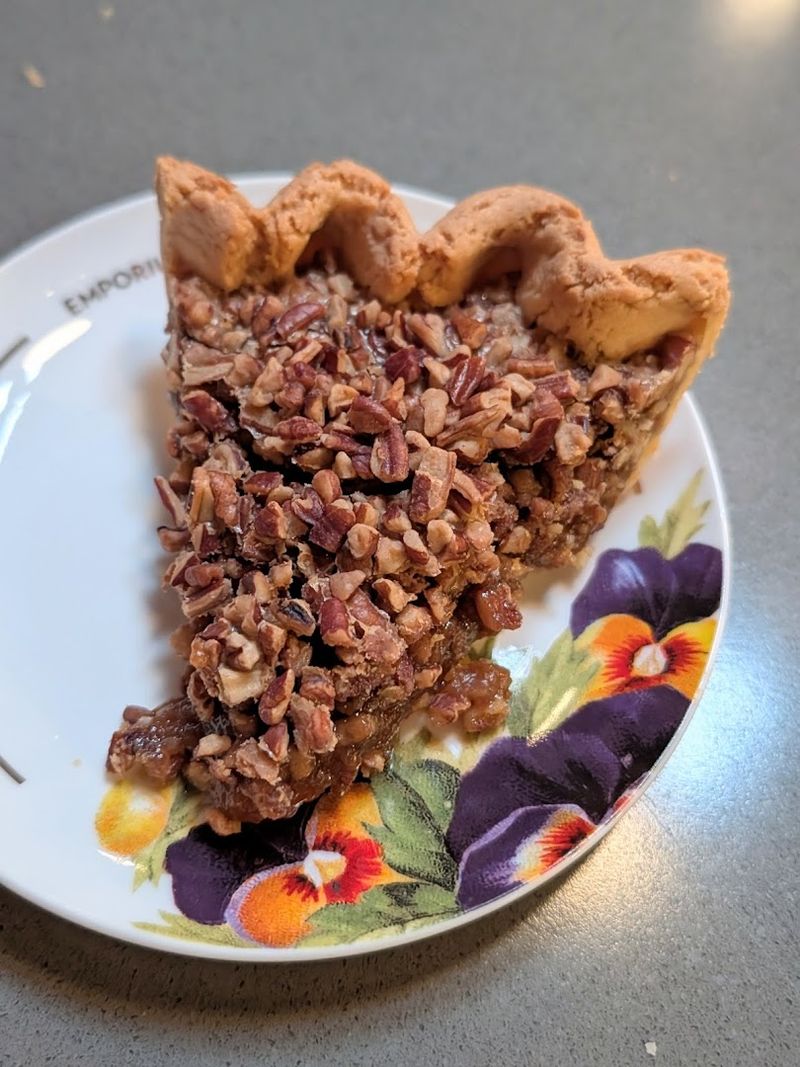
Pecans grow abundantly across Texas, especially in Central and East Texas where the native pecan trees thrive in the climate. It makes perfect sense that Texas would create the definitive recipe for pecan pie, turning these local nuts into one of America’s favorite desserts. The combination of buttery crust, sweet filling, and crunchy pecans has become a staple at holiday tables and barbecue restaurants throughout the state.
The first pecan pie recipes appeared in Texas cookbooks during the late 1800s, though similar nut pies existed before then. What made the Texas version special was the abundance of fresh pecans and the development of corn syrup as a sweetener, which created that signature gooey texture. The Karo syrup company, based in Texas, helped popularize pecan pie by printing recipes on their bottles starting in the 1930s, spreading the dessert across America.
Making pecan pie starts with a flaky pie crust that gets filled with a mixture of eggs, butter, sugar, and corn syrup or sometimes pure cane syrup. Pecans get arranged on top, either in neat rows or scattered across the surface, before the pie bakes until the filling sets but still has a slight jiggle in the center. Some recipes add vanilla, bourbon, or chocolate chips for variation, but traditional Texas pecan pie keeps things simple and lets the pecans shine.
Texas produces more pecans than any other state, with commercial orchards and wild trees providing millions of pounds every year. The town of Seguin claims to be the home of the world’s largest pecan, a roadside attraction that celebrates the nut’s importance to the area. Pecan harvesting happens in the fall, which is why pecan pie became associated with Thanksgiving and Christmas celebrations when fresh pecans were most available.
The debate between pecan pie purists and those who add extra flavors continues in Texas kitchens and bakeries. Some people insist that adding chocolate or bourbon masks the natural pecan flavor, while others argue these additions create interesting complexity. Regardless of the recipe variations, pecan pie remains deeply connected to Texas identity and agriculture.
When you bite into a slice of pecan pie, you’re tasting a dessert that grew directly out of Texas soil and ingenuity, turning a native nut into something sweet enough to end any meal perfectly.
8. Dr Pepper
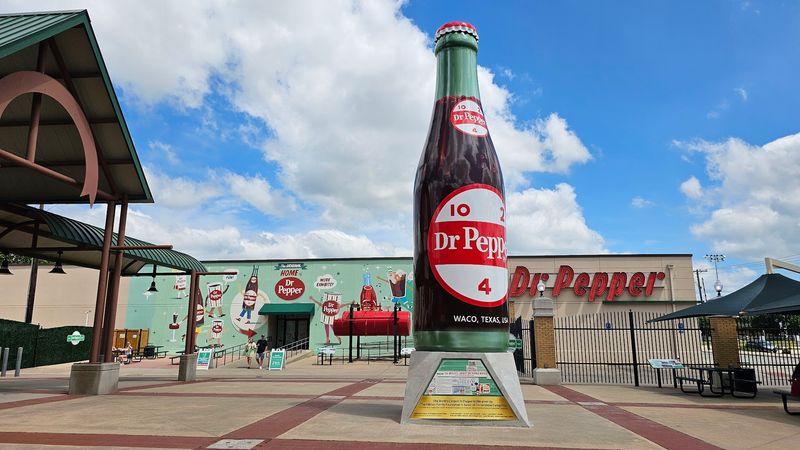
Long before energy drinks and craft sodas filled store shelves, a pharmacist in Waco created a unique soft drink that would become one of America’s oldest and most beloved sodas. Dr Pepper was invented in 1885 by Charles Alderton at Morrison’s Old Corner Drug Store, making it older than Coca-Cola by one year. Alderton worked at the soda fountain and experimented with different flavor combinations until he created something that customers couldn’t stop ordering.
The drink’s unusual name has sparked many theories over the years. Some say it was named after Dr. Charles Pepper, the father of a girl that Morrison (the store owner) had feelings for. Others claim different origins, but the company has never confirmed any single story as definitive truth.
What matters more is that the flavor combination of 23 different ingredients created something completely unique that didn’t taste like other colas on the market.
Dr Pepper’s flavor is hard to describe, which became part of its appeal. It’s not quite cola, not quite root beer, and not quite cherry, but somehow combines elements that create its own category. The recipe remains a closely guarded secret, known only to a few people within the company.
This mystery adds to the drink’s appeal and keeps people guessing about what exactly makes it taste the way it does.
The soda stayed regional to Texas for many years before expanding nationally in the 1920s and beyond. Waco remains proud of its connection to Dr Pepper, with the Dr Pepper Museum located in the original bottling plant building downtown. The museum showcases the history of the drink and the development of the soft drink industry in America, attracting visitors who want to learn about this Texas creation.
Dr Pepper developed a fiercely loyal following, especially in Texas where it’s often the preferred soda over Coke or Pepsi. The company marketed it as a drink for any time of day, not just as a dessert or afternoon refreshment like other sodas. Slogans like “10, 2, and 4” suggested drinking it at those times for an energy boost, though that campaign eventually faded away.
Today, Dr Pepper ranks as one of the top-selling sodas in America, but it still holds special significance in Texas where it all began. The fact that a Waco pharmacist’s experiment became a national brand shows how Texas innovation can start small and grow into something that touches millions of people daily.
9. Tex-Mex Enchiladas
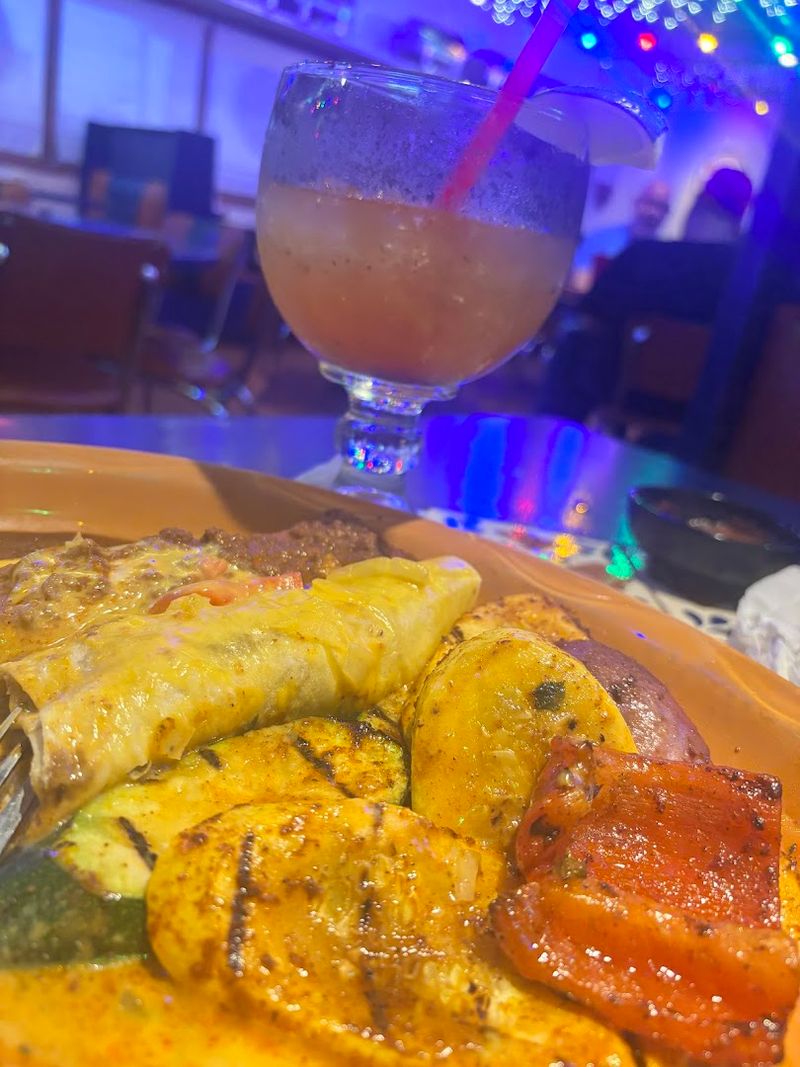
Enchiladas existed in Mexico long before Texas became its own republic, but Texans transformed them into something distinctly different from traditional Mexican versions. Tex-Mex enchiladas feature corn tortillas filled with cheese, beef, or chicken, then smothered in chili gravy and topped with more cheese before being baked until bubbly. This style emphasizes rich, hearty flavors and generous portions rather than the lighter, more subtle approach of authentic Mexican enchiladas.
The development of Tex-Mex cuisine happened gradually as Mexican cooking techniques merged with American tastes and available ingredients throughout the 1900s. Restaurants in San Antonio and Houston pioneered this fusion, creating dishes that appealed to both Mexican-American communities and Anglo customers who wanted familiar flavors. Enchiladas became one of the cornerstone dishes of Tex-Mex menus, often served as combination plates with rice, beans, and other items.
What makes Tex-Mex enchiladas different starts with the sauce, which is usually a rich chili gravy made from dried chili peppers, beef stock, and spices rather than the tomato-based or green sauces common in Mexico. The gravy gets ladled generously over the rolled tortillas, then everything gets covered in shredded cheddar or American cheese before baking. This creates a comfort-food quality that feels more like casserole than traditional Mexican fare, but that’s exactly what makes it appealing to so many people.
Cheese enchiladas became the most popular variety in Texas, often served as a simple, vegetarian-friendly option that lets the chili gravy shine. Beef enchiladas filled with seasoned ground beef offer a heartier choice, while chicken enchiladas provide a lighter alternative. Some restaurants offer sour cream enchiladas with a creamy white sauce instead of red chili gravy, adding even more variety to the Tex-Mex enchilada family.
The combination plate, featuring enchiladas alongside tacos, tamales, or other items, became the standard way to serve Tex-Mex food in restaurants across Texas. This approach lets diners sample multiple dishes in one meal, creating the abundant, satisfying experience that Tex-Mex is known for. While food purists sometimes criticize Tex-Mex for not being authentic Mexican cuisine, that misses the point entirely.
Tex-Mex represents its own legitimate culinary tradition that emerged from the unique cultural blend found in Texas. Enchiladas served Tex-Mex style might not match what you’d find in Mexico City, but they’re absolutely authentic to the Texas experience and the way generations of Texans have enjoyed this adapted cuisine.
Share this story