Texas is famous for its sprawling cities like Houston, Dallas, and Austin, but some of the state’s most breathtaking scenery hides away in its quieter corners. State parks across Texas offer dramatic canyons, crystal-clear lakes, ancient rock formations, and wildlife-filled wetlands that rival any urban attraction. Whether you’re craving adventure, solitude, or just a break from the concrete jungle, these natural gems deliver unforgettable experiences without the crowds.
1. Palo Duro Canyon State Park (Canyon)
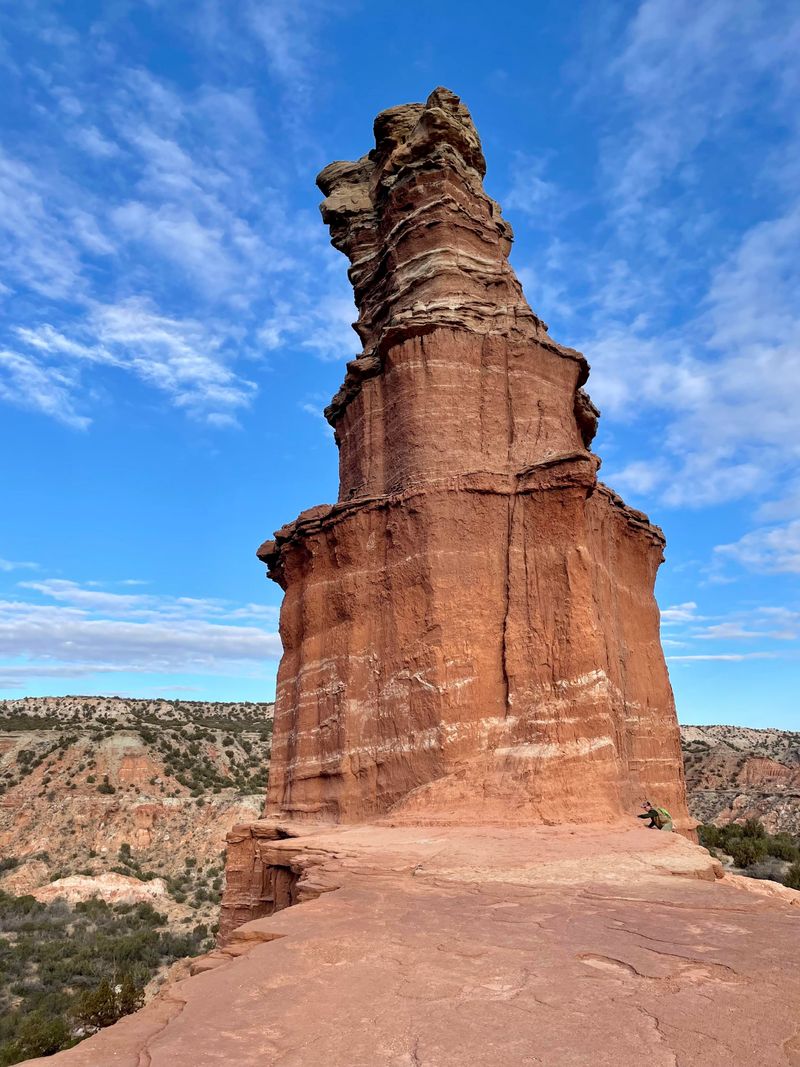
Often called the “Grand Canyon of Texas,” Palo Duro Canyon sprawls across 120 miles of the Texas Panhandle and plunges over 800 feet deep in places. The second-largest canyon system in the United States doesn’t get nearly the attention it deserves, which means you can hike, bike, or horseback ride through layers of red, orange, and yellow rock without fighting tourist crowds. Early morning light paints the canyon walls in shades that look almost unreal.
The park offers over 30 miles of trails ranging from easy walks to challenging climbs. Lighthouse Trail, the most popular route, leads to a striking rock formation that towers above the canyon floor after a moderately tough 6-mile round trip. If you prefer wheels to boots, the park’s paved road winds through the canyon with pullouts perfect for photos and wildlife spotting.
Camping here feels like stepping back in time. Several campgrounds offer both primitive and RV sites, and waking up to sunrise over those ancient cliffs is worth the early alarm. During summer evenings, the outdoor musical drama “TEXAS” performs in the canyon’s natural amphitheater, combining history and entertainment under the stars.
Wildlife thrives in this rugged landscape. Keep your eyes peeled for roadrunners darting across paths, mule deer grazing near campsites, and hawks circling overhead. The park stays open year-round, though summer temperatures can soar above 100 degrees, making spring and fall the sweet spots for comfortable exploration.
Pack plenty of water and sun protection regardless of season. The canyon’s beauty is matched only by its harsh climate when the sun climbs high. Cell service gets spotty once you descend into the canyon, so download maps beforehand and let someone know your hiking plans.
This natural wonder proves Texas has geological drama to match any state.
2. Inks Lake State Park (Burnet)
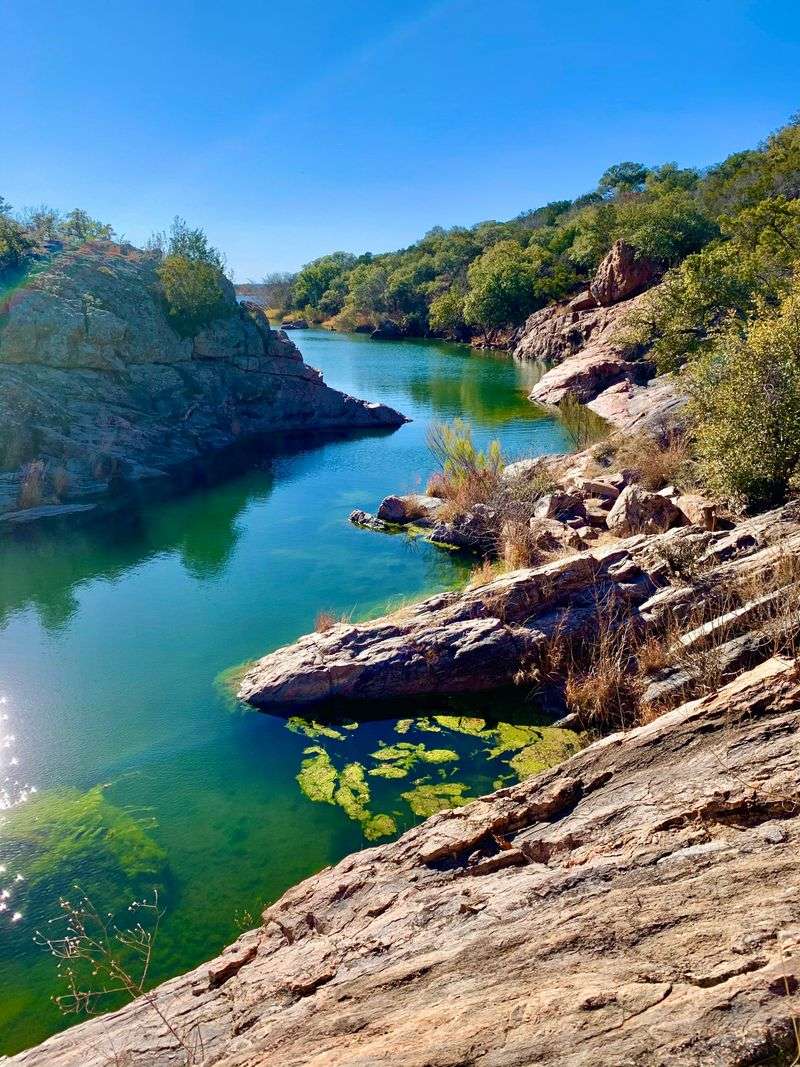
Inks Lake never disappoints water lovers because it maintains consistent levels year-round, unlike many Texas reservoirs that fluctuate wildly. This Highland Lakes gem sits in the Hill Country near Burnet, where pink granite boulders line shores that stay swimmable even during drought years. The lake’s constant water level makes it a reliable destination for kayaking, paddleboarding, fishing, and cliff jumping from Devil’s Waterhole, a popular swimming spot with natural rock ledges.
Nine miles of hiking trails crisscross the park, including the challenging Valley Spring Trail that rewards sweaty climbers with panoramic views of the lake and surrounding hills. The trail winds through oak and juniper forests before opening onto granite outcroppings perfect for picnicking or just catching your breath. Easier paths like the Pecan Flats Trail follow the shoreline, ideal for families with young kids or anyone wanting a leisurely stroll.
Camping options range from lakeside RV hookups to walk-in tent sites tucked among the trees. Several cabins with air conditioning and screened porches offer a middle ground between roughing it and hotel comfort. Reservations fill up fast for summer weekends, so book well ahead if you’re planning a warm-weather visit.
Fishing enthusiasts cast lines for largemouth bass, catfish, and white bass from the shore, fishing pier, or boats. The park rents canoes, kayaks, and paddleboards if you don’t have your own watercraft. Boat ramps provide easy lake access for those towing their own vessels.
Spring wildflowers transform the landscape into a colorful spectacle, with bluebonnets carpeting open areas in March and April. Fall brings cooler temperatures perfect for hiking without the summer heat. Winter stays mild enough for year-round camping, though you might want extra blankets for chilly nights.
The park’s proximity to Burnet and other Hill Country towns makes resupplying easy without sacrificing that away-from-it-all feeling once you return to your campsite.
3. Dinosaur Valley State Park (Glen Rose)
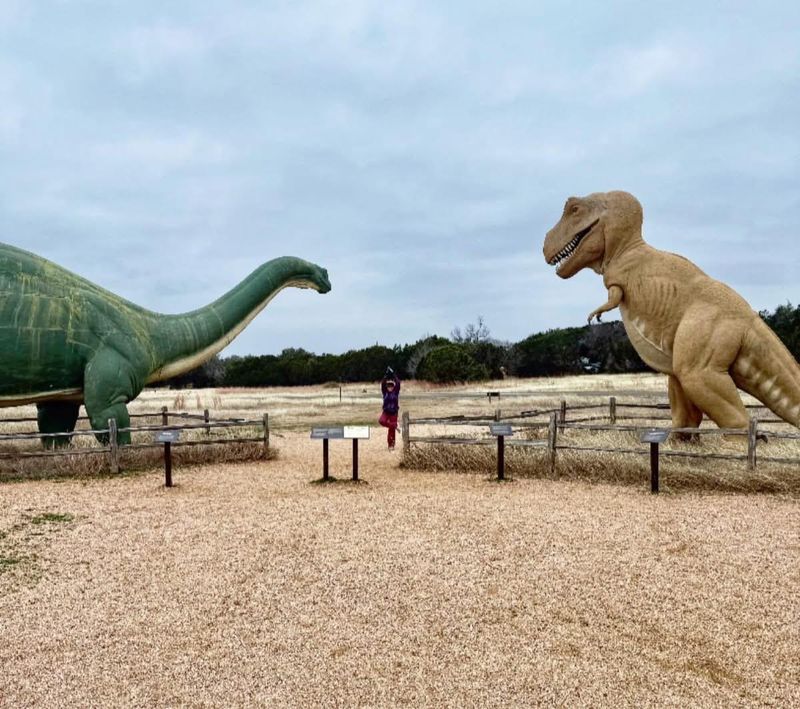
Walking where dinosaurs once roamed sounds like fantasy, but Dinosaur Valley State Park makes it reality. The Paluxy River cuts through limestone bedrock here, exposing tracks left by massive sauropods and three-toed theropods over 113 million years ago. During dry periods when the river runs low, these ancient footprints emerge clearly enough to touch, creating an unforgettable connection to creatures that dominated Earth long before humans existed.
The park doesn’t stop at fossil tracks. Life-sized dinosaur models greet visitors near the entrance, giving kids and adults alike a sense of scale for the beasts that created those riverbed impressions. Two main track sites sit within easy walking distance of parking areas, making them accessible even for families with small children or mobility limitations.
Beyond prehistoric wonders, the park offers excellent hiking through Texas Hill Country terrain. Over 20 miles of trails wind through cedar and oak forests, along limestone bluffs, and down to the river. The Blue Hole swimming area provides relief on scorching summer days, with cool water deep enough for actual swimming rather than just wading.
Camping facilities include both primitive sites and ones with water and electricity. Several screened shelters offer protection from bugs while keeping you close to nature. The park stays busy on weekends, especially when school’s out, so weekday visits provide more solitude for exploring.
River levels determine track visibility, so check conditions before visiting if seeing footprints tops your priority list. Late summer and fall typically offer the best viewing when water runs lowest. Even when tracks hide underwater, the park’s natural beauty and recreational opportunities make the trip worthwhile.
Glen Rose, just minutes away, features quirky attractions and local restaurants for extending your dinosaur-themed adventure. The town embraces its prehistoric heritage with murals and shops that complement the park experience. Pack water shoes for exploring the riverbed safely, and bring a camera because those dinosaur tracks photograph better than you’d expect.
4. Lost Maples State Natural Area (Vanderpool)
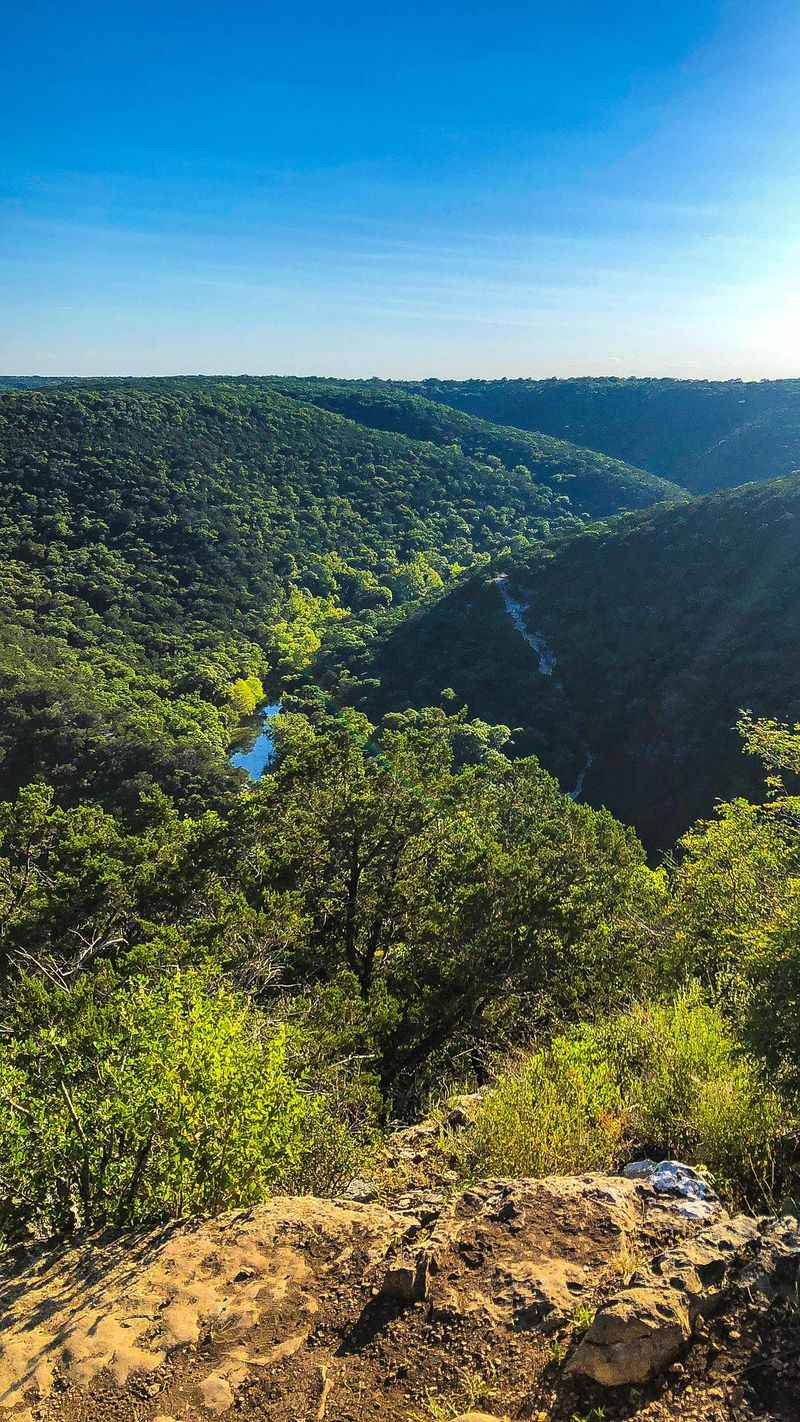
Autumn in Texas rarely delivers the explosive color found in New England, except at Lost Maples. This Hill Country sanctuary protects a rare stand of bigtooth maples that transform into a blazing display of red, orange, and gold each fall. The show typically peaks in late October or early November, though exact timing depends on weather patterns that vary year to year.
Even outside fall foliage season, Lost Maples captivates with its rugged beauty. Steep limestone canyons shelter the Sabinal River and its tributaries, creating microclimates where unusual plants thrive. Over 10 miles of trails range from easy riverside walks to strenuous climbs up canyon walls that test your endurance and reward it with sweeping views.
The East Trail challenges hikers with a steep ascent to a scenic overlook where you can see for miles across the Edwards Plateau. The West Trail offers a gentler option that still showcases the park’s signature maples and follows Can Creek through shaded canyons. Spring brings wildflowers and flowing water, while summer heat empties the trails of all but the most determined visitors.
Primitive camping is the only overnight option here, with sites scattered along the river and in upland areas. No RV hookups or screened shelters exist, keeping the experience rustic and low-impact. The park limits daily visitors during peak fall weekends to prevent overcrowding, so arrive early or risk being turned away when capacity fills.
Bird watchers flock here year-round because the varied habitat attracts over 200 species. Golden-cheeked warblers nest in the area during spring and summer, while winter brings different migrants seeking refuge in the protected canyons. Bring binoculars and patience for the best viewing opportunities.
Cell service is nonexistent throughout most of the park, so download maps and information before arrival. The nearest town, Vanderpool, is tiny with limited services, meaning you should fuel up and stock supplies in Bandera or Kerrville beforehand. Water availability varies seasonally, so carry plenty regardless of trail length.
Lost Maples demands more preparation than many state parks but delivers experiences that justify the extra effort.
5. Caddo Lake State Park (Karnack)
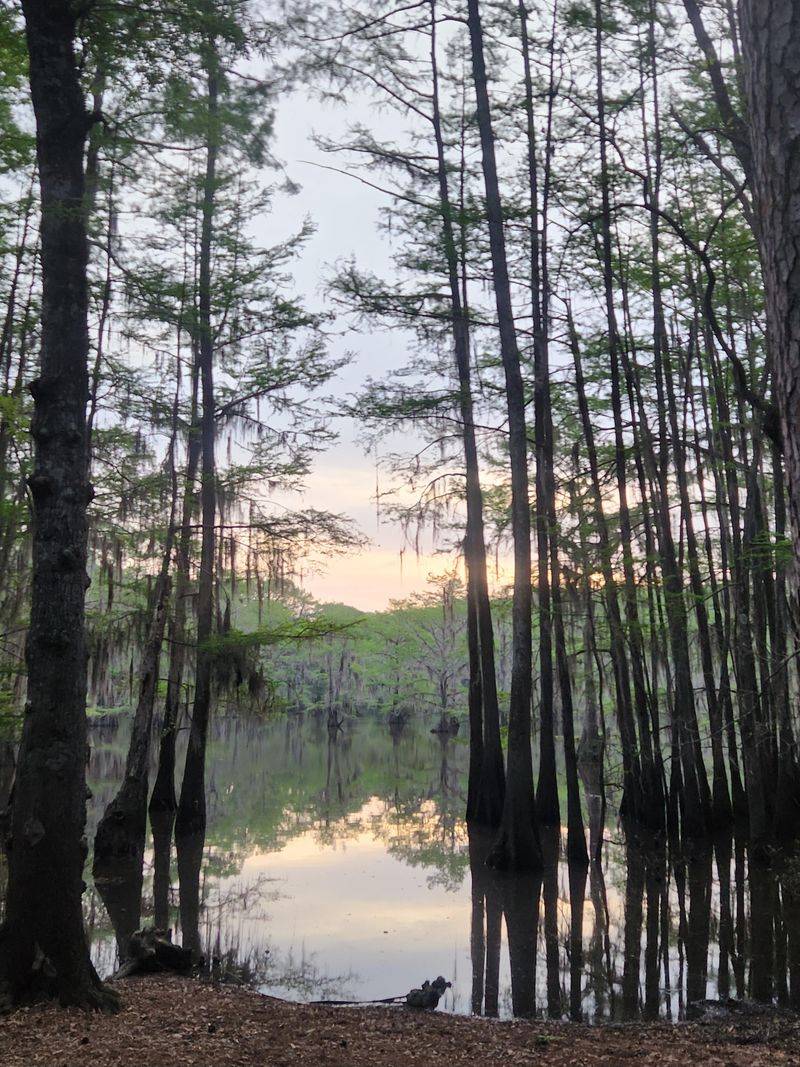
Caddo Lake feels like Louisiana wandered into Texas and decided to stay. Bald cypress trees draped in Spanish moss rise from dark water, creating a mysterious landscape that seems worlds away from stereotypical Texas imagery. This is the only natural lake in Texas, formed by a massive logjam on the Red River centuries ago, though a dam now maintains water levels.
Paddling through the maze of bayous and channels offers the best way to experience Caddo’s otherworldly beauty. Rental canoes and kayaks are available if you don’t have your own, and marked paddling trails help prevent getting lost in the labyrinth of waterways. Early morning mist rising from the water creates an almost magical atmosphere, especially when sunlight filters through the cypress canopy.
The park’s 50-acre lake section connects to the much larger Caddo Lake, which sprawls across the Texas-Louisiana border. Fishing for crappie, catfish, and largemouth bass draws anglers year-round, though navigating the stumps and cypress knees requires careful boat handling. Alligators inhabit these waters, so keep a respectful distance if you spot one sunning on a log.
Hiking trails wind through bottomland hardwood forest where armadillos rustle through leaf litter and woodpeckers hammer on dead trees. The terrain stays relatively flat compared to Hill Country parks, making trails accessible for most fitness levels. Screened shelters and campsites with water and electricity provide comfortable base camps for exploring.
Spring and fall offer the most pleasant weather, though summer’s heat and humidity can feel oppressive. Winter visits have their own appeal when cooler temperatures make hiking comfortable and wildlife viewing easier through bare branches. The park stays relatively uncrowded except during peak fall color season when cypress needles turn russet before dropping.
Bug spray is essential here regardless of season. Mosquitoes thrive in the wetland environment, and ticks wait in vegetation along trails. Long sleeves and pants help, even when temperatures tempt you toward shorts and t-shirts.
The unique ecosystem makes minor discomforts worthwhile for anyone seeking a Texas landscape that defies expectations.
6. Garner State Park (Concan)
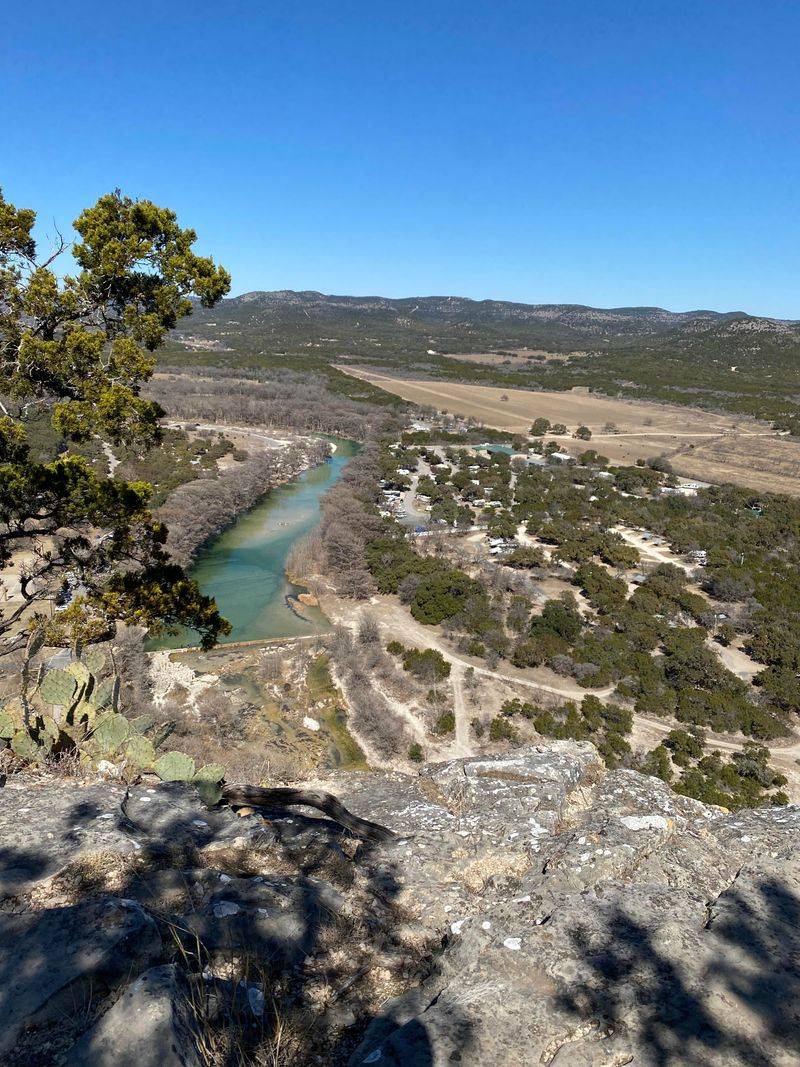
The Frio River’s crystal-clear water makes Garner State Park a Texas summer institution. Families have been escaping heat here for generations, floating on inner tubes, splashing in swimming holes, and camping under massive pecan trees. The river maintains refreshing temperatures even during August scorchers, fed by springs that keep it cool and clean enough to see straight to the rocky bottom.
Old Baldy, a limestone hill rising 1,100 feet above the Frio, challenges hikers with a steep climb that pays off in panoramic views. The trail gains elevation quickly, so pace yourself and bring water for the ascent. Sunrise or sunset hikes offer the best light and cooler temperatures than midday treks.
Summer weekends transform the park into a bustling scene with hundreds of visitors claiming riverside spots early in the morning. During July and August, the park often reaches capacity and closes its gates to new arrivals, so weekday visits or shoulder seasons provide more elbow room. Despite crowds, the park maintains a friendly atmosphere where families spread blankets, grill burgers, and let kids play in shallow river sections.
Evening dances at the pavilion have been a Garner tradition since the 1940s. Live music draws campers from their sites for jitterbugging and socializing under the stars. The nostalgic tradition continues through summer, adding a unique social element missing from most state parks.
Over 400 campsites range from primitive tent spots to full hookup RV sites, plus screened shelters and cabins for those wanting walls and beds. Reservations are absolutely essential for summer stays, often booking months in advance. Spring and fall offer beautiful weather with far fewer crowds and easier reservation availability.
Miniature golf, paddleboat rentals, and a camp store selling ice cream and firewood add convenience without feeling overly commercial. The park balances accessibility with natural beauty, making it perfect for first-time campers or families with young children. Tubing the Frio remains the main attraction, with multiple entry and exit points for varying float lengths.
Concan Outfitters just outside the park rents tubes if you don’t own any, though many regulars bring their own to avoid rental lines.
7. Bastrop State Park (Bastrop)
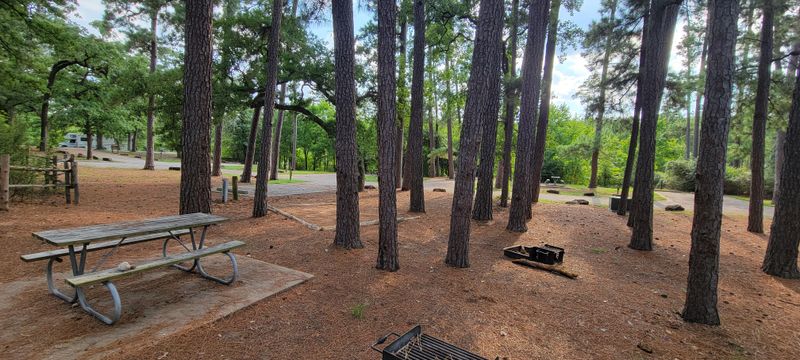
Loblolly pines tower overhead at Bastrop State Park, creating an environment that feels more like East Texas or even the Deep South than Central Texas. This isolated forest, known as the “Lost Pines,” sits separated from the main pine belt by over 100 miles of prairie and oak woodland. Scientists still debate how these pines ended up here, adding mystery to the park’s already unique character.
The 2011 Bastrop County Complex Fire devastated much of the park, burning over 96 percent of it in a catastrophic wildfire. Walking through recovering areas today reveals nature’s resilience as young pines push skyward and understory plants reclaim burned ground. Some trails now offer stark contrasts between mature forest that survived and regenerating sections where fire swept through.
Eight miles of hiking trails wind through varied terrain, from dense pine stands to more open areas. Park Road 1C scenic drive provides an easy way to see the forest without breaking a sweat, with pullouts for photos and short walks. The road’s gentle curves and towering trees make it popular with cyclists looking for a shaded ride.
Bastrop’s proximity to Austin, just 30 miles away, makes it a convenient escape from city life. Despite easy access, the park maintains a peaceful atmosphere, especially on weekdays. Campsites nestle among the pines, offering shade that’s precious during Texas summers.
Several cabins built by the Civilian Conservation Corps in the 1930s provide historic lodging with modern comforts like air conditioning.
A nine-acre swimming pool, spring-fed and unheated, offers relief during hot months. The pool’s size and natural setting distinguish it from typical municipal pools, and lifeguards keep watch during operating season. Nearby Lake Bastrop provides fishing and boating opportunities, though it sits outside the state park proper.
Fall brings cooler temperatures perfect for hiking, while spring wildflowers add color beneath the pine canopy. Summer heat can be intense, but the forest shade moderates temperatures compared to more exposed landscapes. Winter stays mild enough for year-round camping, with occasional cold fronts bringing brief chilly spells.
The park’s recovery from fire damage continues to unfold, making each visit a chance to witness ecological succession in action.
8. Big Bend Ranch State Park (Big Bend)
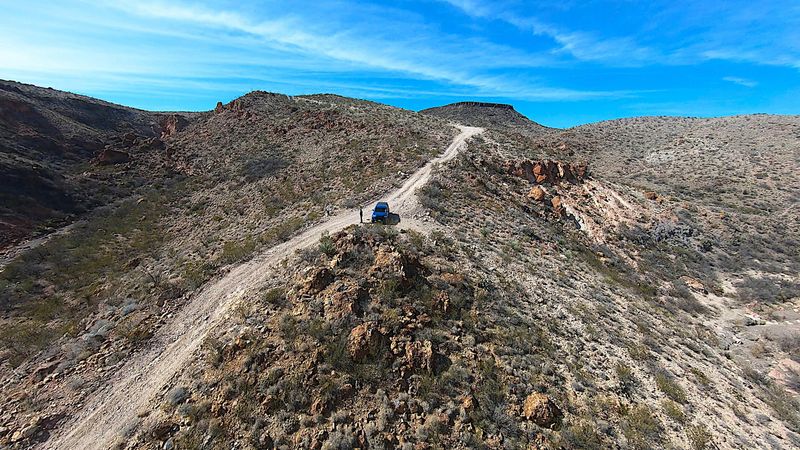
Big Bend Ranch sprawls across nearly 320,000 acres of Chihuahuan Desert wilderness, making it Texas’s largest state park by a huge margin. This is serious backcountry where cell service doesn’t exist, towns are hours away, and self-sufficiency isn’t optional. The reward for accepting these challenges is some of the most dramatic and untouched landscape in the entire state.
The park flanks the Rio Grande for 60 miles, with rugged mountains, volcanic formations, and desert canyons creating terrain that looks otherworldly. Colorado Canyon and Closed Canyon offer accessible hikes through narrow rock passages where walls tower overhead and light filters down in dramatic shafts. These slot canyons require only short walks from parking areas, making them achievable for most visitors despite the park’s overall remoteness.
Serious adventurers tackle multi-day backpacking trips into the park’s interior, following primitive trails to remote campsites where darkness brings star displays impossible to see near cities. Water sources are scarce and unreliable, so carrying adequate supplies is literally a life-or-death matter. Summer temperatures regularly exceed 100 degrees, making spring and fall the safest seasons for extended trips.
The Contrabando Movie Set, remains of a fake Mexican village built for several films, sits along FM 170 within park boundaries. The weathered buildings make for interesting photos and a glimpse into Hollywood’s use of this authentic desert landscape as a filming location.
River access points allow launching rafts or canoes for Rio Grande float trips, though permits and careful planning are required. The international border runs down the river’s center, making it illegal to step onto the Mexican bank without proper documentation. Rapids range from gentle to challenging depending on water levels and specific sections.
Mountain biking opportunities abound on old ranch roads that crisscross the property. The terrain’s difficulty and remoteness mean only experienced riders with solid navigation skills should attempt longer routes. Shorter rides near developed areas offer tastes of the landscape without requiring expedition-level preparation.
Park headquarters in Presidio provides information, permits, and last-chance supplies before venturing into the backcountry. The drive along FM 170 through the park ranks among Texas’s most scenic, with pullouts revealing stunning vistas around nearly every curve.
9. Pedernales Falls State Park (Johnson City)
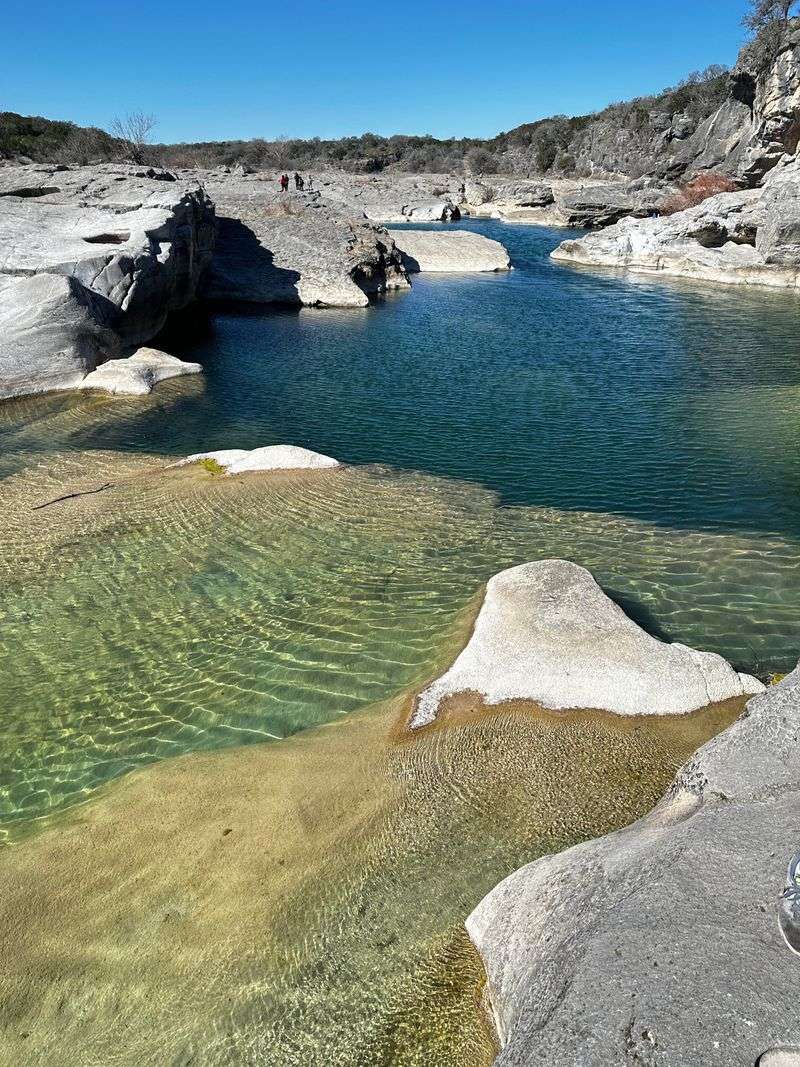
The Pedernales River tumbles over layered limestone shelves at this Hill Country park, creating a series of cascades and pools that give the park its name. During normal flows, the “falls” are more like rapids, but after heavy rains upstream, water transforms the usually gentle river into a roaring torrent that demonstrates nature’s power. Watching from overlook platforms as floodwaters surge through the channel is both thrilling and humbling.
Seven miles of river frontage provide plenty of spots for wading, swimming, and exploring when water levels permit. The wide, flat limestone riverbed exposed during low flows creates a natural playground where kids can splash in shallow pools and examine fossils embedded in ancient rock. Swimming is only allowed in designated areas, and flash flood danger means paying attention to weather conditions both at the park and upstream.
Nearly 20 miles of trails accommodate hikers and mountain bikers, with routes ranging from easy riverside strolls to challenging hill climbs. The Wolf Mountain Trail loop offers a strenuous workout with elevation changes that reward effort with views across the Hill Country. Easier options like the Pedernales Falls Trail lead to overlooks of the main cascade without requiring serious exertion.
Primitive equestrian camping and miles of horse trails make this a popular destination for riders. The park’s size and varied terrain provide enough riding options to keep horses and humans busy for days. Even non-riders often enjoy watching trail rides pass through scenic areas.
Bird watching draws enthusiasts year-round, with the Edwards Plateau habitat supporting diverse species. Golden-cheeked warblers nest here during breeding season, and the park participates in monitoring efforts for this endangered species. Patient observers with binoculars can spot numerous other birds from trails and overlooks.
Campsites range from walk-in primitive spots to full hookup RV sites, with several group camping areas for larger parties. The park stays busy on weekends, especially during spring and fall when weather is most pleasant. Summer heat can be intense, but the river provides cooling relief for those willing to brave the sun.
Johnson City, boyhood home of President Lyndon B. Johnson, sits just minutes away and offers dining, supplies, and historical attractions. Combining a park visit with LBJ Ranch tours or downtown exploration makes for a full Hill Country experience.
10. Enchanted Rock State Natural Area (Fredericksburg)
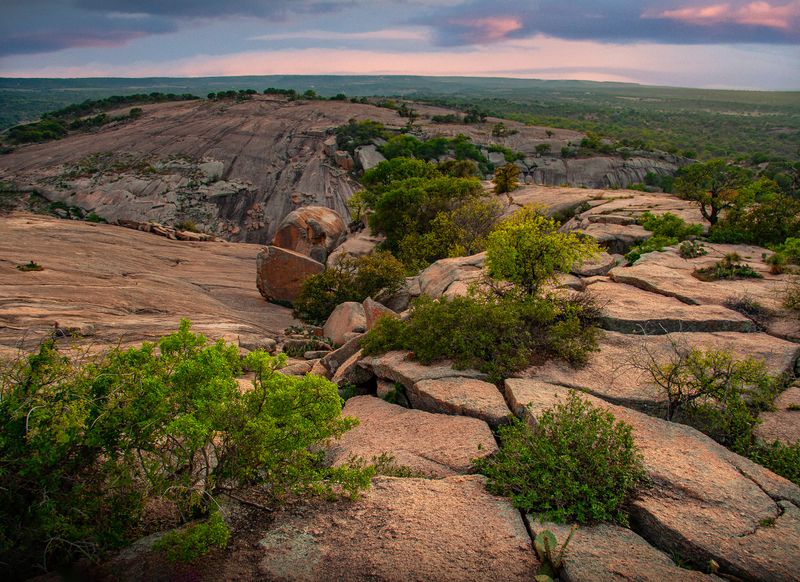
A massive pink granite dome rises 425 feet above the surrounding Hill Country, visible for miles and drawing rock climbers, hikers, and geology enthusiasts to Enchanted Rock. The formation is actually a batholith, a huge underground rock formation exposed by erosion over millions of years. On quiet nights, the rock sometimes makes creaking and groaning sounds as it cools and contracts, giving rise to Native American legends about spirits inhabiting the stone.
The Summit Trail climbs straight up the dome’s face, gaining elevation quickly on a route that’s more strenuous than the relatively short distance suggests. The bare rock surface offers no shade, so early morning or late afternoon hikes avoid the worst heat and provide better light for photos from the top. Views from the summit stretch for miles across the Hill Country, making the sweaty climb worthwhile.
Rock climbing routes of various difficulties attract technical climbers, though most require advance reservations and specific permits. Bouldering opportunities on smaller formations don’t require the same permits, making them accessible for casual climbers. The park’s rock exfoliation creates smooth surfaces and interesting features that challenge climbers while providing solid granite for anchors and holds.
Loop trails around the base offer easier alternatives to summiting, passing through oak woodland and across smaller granite outcrops. Wildflowers bloom in pockets of soil collected in rock depressions, creating unexpected gardens in seemingly barren stone. Fall through spring provides the best hiking weather, while summer heat makes the shadeless summit trail genuinely dangerous during midday hours.
The park limits daily visitors to prevent overcrowding and protect the fragile ecosystem. Arriving early, especially on weekends, is essential to avoid being turned away at the gate when capacity is reached. Weekday visits or reserving camping spots guarantees entry regardless of day visitor numbers.
Primitive camping only, with sites scattered around the park’s perimeter. No RV hookups or facilities exist beyond basic restrooms and water sources. The rustic camping experience matches the park’s wild character, and clear dark skies make stargazing spectacular.
Fredericksburg, a charming German-heritage town, sits just 18 miles away with excellent restaurants, shops, and wineries. Many visitors combine a day at Enchanted Rock with Fredericksburg dining and lodging, enjoying both natural and cultural attractions in one trip.
Share this story