A room full of chocolate sounds like the kind of thing you’d find in a children’s book, not behind a pet grooming business off Route 73.
Yet that is part of the fun at Chocolatrium by Michel Cluizel in West Berlin, where a French chocolate maker with Normandy roots has quietly turned a South Jersey storefront into a bean-to-bar classroom, tasting room, and very dangerous place to visit before lunch.
This is not a giant theme-park attraction with chocolate fountains and cartoon mascots. It is smaller, smarter, and much more delicious.
You learn where cocoa comes from, how it becomes the glossy bars and bonbons we know, and why good chocolate deserves the same slow attention people usually reserve for wine. Then, just when you’re feeling wonderfully educated, someone puts truffles, hot chocolate, macarons, or pastries in front of you.
That’s when the “museum” part becomes a full-blown sweet tooth situation.
A Sweet Surprise Tucked Away In South Jersey
South Jersey is full of places that don’t announce themselves loudly. The best hoagie shop might sit in a plain strip mall.
A favorite bakery could be squeezed between a nail salon and a dry cleaner. Chocolatrium by Michel Cluizel fits right into that proud New Jersey tradition of “wait, this is here?” discoveries.
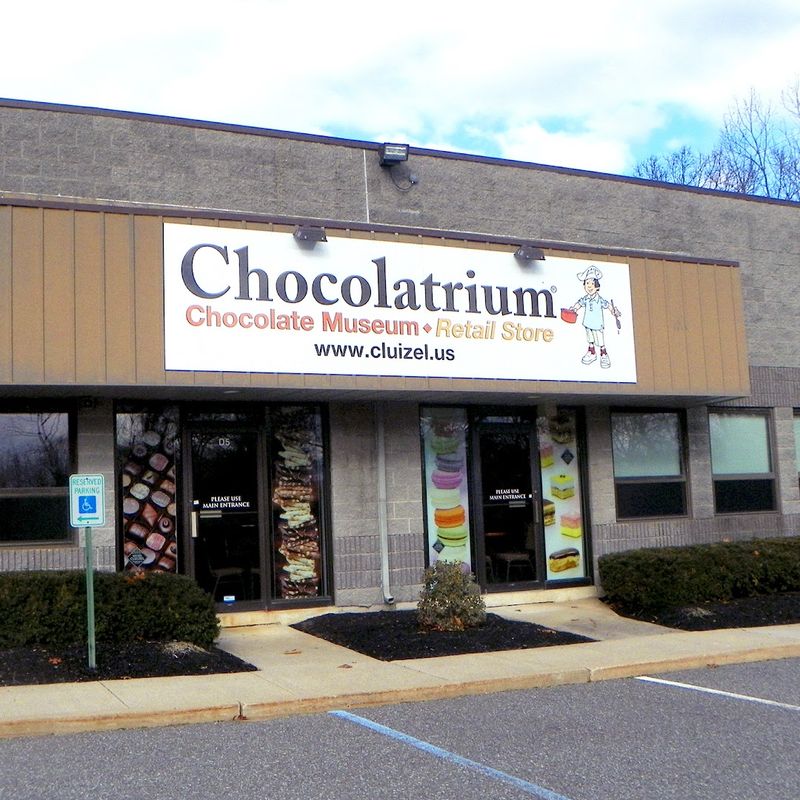
You’ll find it in West Berlin, just off Route 73 North in Building D, Suite 5, the kind of address you could drive past a dozen times without realizing there is a full chocolate experience tucked inside. That low-key setting is what makes the place so charming.
You’re not arriving at a sprawling museum campus. You’re pulling into a familiar South Jersey commercial pocket and stepping into something that feels surprisingly European once the chocolate takes over.
Michel Cluizel is not a novelty candy brand, either. The company began in Damville, Normandy, in 1948, and the Cluizel family has built its reputation on careful chocolate making rather than flashy gimmicks.
The New Jersey location became the company’s U.S. headquarters and chocolate shop in 2007, which means this is not just a random outpost with a few imported sweets on a shelf. It has a real connection to the brand’s larger story, from cocoa growers to finished French chocolates.
The public shop keeps weekday hours, usually Monday through Friday from 9 a.m. to 5 p.m., while the tours are their own thing entirely. Those are by appointment, with a minimum of 10 guests, and they typically run one to two hours.
In other words, this is more of a plan-ahead outing than a spontaneous “we’re bored, let’s wander in” stop. That actually works in its favor.
It feels personal, guided, and a little more special than the average afternoon errand.
Step Inside The Chocolatrium At Michel Cluizel
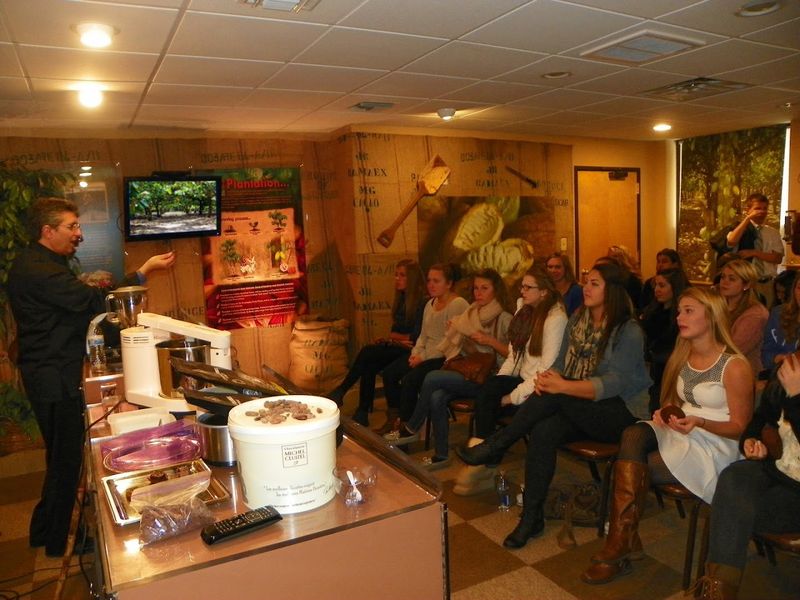
Walk in expecting a candy store and you’ll undersell the experience before it even begins. The Chocolatrium is part museum, part tasting room, and part behind-the-scenes lesson in why chocolate is far more complicated than most of us admit while eating it straight from the pantry.
The guided tour is built around the idea that chocolate has a long, global story before it ever becomes a truffle in New Jersey. Michel Cluizel’s background gives the place a seriousness that never feels stiff.
The company describes itself as one of the few chocolate makers that masters the process from cocoa bean to chocolate, which is a major distinction in an industry where many brands begin with already-processed chocolate. That difference matters on the tour because you’re not just hearing a cute dessert story.
You’re learning how cocoa pods, beans, fermentation, drying, roasting, and craftsmanship all shape the final flavor. The space is especially good for people who like food more when they understand it.
A chocolate bar stops being just “dark” or “milk” once you start thinking about where the cocoa was grown, how it was handled, and why one piece can taste fruity while another leans earthy or nutty.
It’s a little like realizing tomatoes from a backyard garden and tomatoes from a January supermarket bin are technically the same food, but emotionally not even close.
Tours can also be held in English, French, or Spanish, which is a neat detail and very on-brand for a French chocolatier operating out of Camden County. The whole thing feels polished but approachable.
Nobody is going to scold you for loving milk chocolate, and nobody expects you to walk in speaking fluent pastry chef. You just need curiosity, a little time, and preferably an appetite that hasn’t been ruined by a giant Wawa run twenty minutes earlier.
The Tour Walks You Through Chocolate’s Story From Bean To Bar
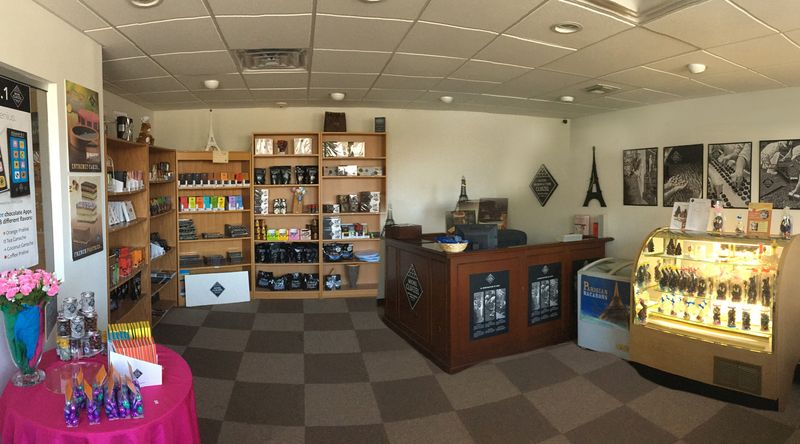
The most interesting part of the tour is how quickly it pulls chocolate out of the candy aisle and drops it into a much bigger story. Before chocolate becomes glossy, wrapped, boxed, and ready for gifting, it starts as cocoa growing in places far warmer than New Jersey.
Michel Cluizel works with seven single-estate cocoa plantations in Brazil, Santo Domingo, Mexico, São Tomé, Madagascar, Colombia, and Guatemala, and that range gives the tour plenty to talk about. This is where the bean-to-bar explanation earns its keep.
Cocoa trees produce pods, the pods hold beans, and the beans have to be fermented and dried before they are ready for the next stage. From there, roasting becomes a turning point.
Too little care and the flavor stays flat. Too much heat and you can lose the delicate notes that make high-quality chocolate interesting in the first place.
At Cluizel, the cocoa is transformed in Normandy into nibs, paste, and eventually finished chocolate. That might sound technical, but the tour keeps it digestible, no pun apology offered.
The point is not to turn visitors into chocolate engineers. It is to show why a handmade, hand-decorated bonbon has more behind it than a pretty shell.
The same idea applies to the company’s use of natural ingredients. The New Jersey shop notes that its chocolates contain no preservatives, no soy, and no added flavors, and even some colors come from sources like carrots and beets.
For anyone who has only thought of chocolate in terms of Halloween candy, baking chips, and emergency desk snacks, this section of the visit can be a genuine reset. Suddenly, chocolate has geography.
It has technique. It has growers, roasting decisions, and tasting notes.
And yes, it still has the power to make everyone in the room perk up the second samples appear.
The Tastings Are Where This Museum Really Shines
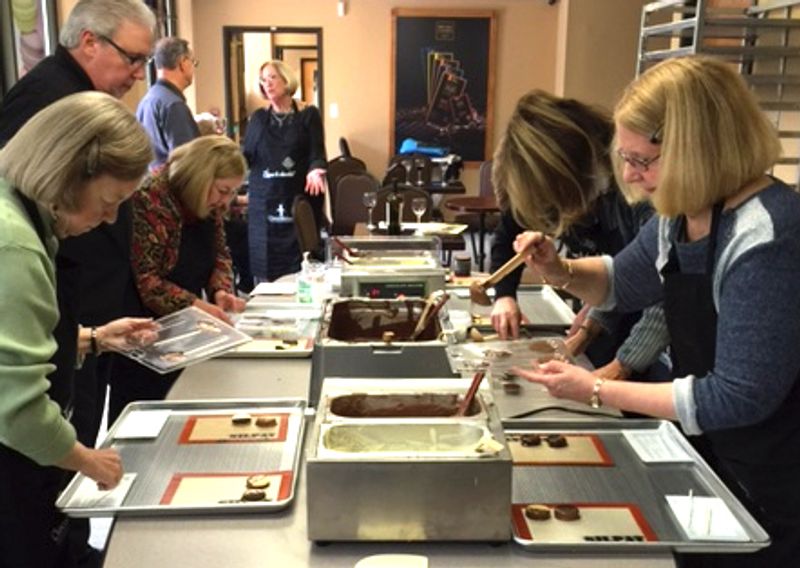
Let’s be honest: learning about chocolate is lovely, but tasting it is where people stop pretending they came only for the educational value. The Chocolatrium understands this perfectly.
Its tour packages are built so the information and the sweets work together, which means you don’t just hear about single-estate cocoa and then leave with a pamphlet. You actually get to taste the difference.
The standard Chocolate Lover tour is $29 per guest, plus tax, and includes the full guided tour with chocolate history, the bean-to-bar process, and tastings.
The tasting portion includes hot chocolate, two chocolate truffles, and a French macaron, which is a very respectable lineup for anyone who believes “just one bite” is a lie we tell ourselves in public.
There are larger experiences, too. The Chocolate Lover with Lunch package is $44 per guest, plus tax, and adds a light lunch of quiche, salad, and bottled water before the sweets take over.
For adults planning a group outing, the Chocopairing option is $34 per guest, plus tax, with dark, milk, and white chocolate, truffles, a macaron, and a bring-your-own-wine setup. The Choconight Dinner BYOB option goes bigger, with a 6:30 p.m. to 9 p.m. format, dinner service, plated desserts, macarons, and truffles.
The clever thing about these tastings is that they nudge you to slow down. Most of us eat chocolate too fast to notice anything beyond “good” or “gone.” Here, you start paying attention to texture, aroma, bitterness, sweetness, and the way one bite can linger differently from another.
It’s still fun, not fussy. But by the end, you may find yourself describing a piece of chocolate with the seriousness of someone discussing coffee beans or a favorite bottle of red.
It’s A Perfect Stop For Families, Foodies, And Curious Day Trippers
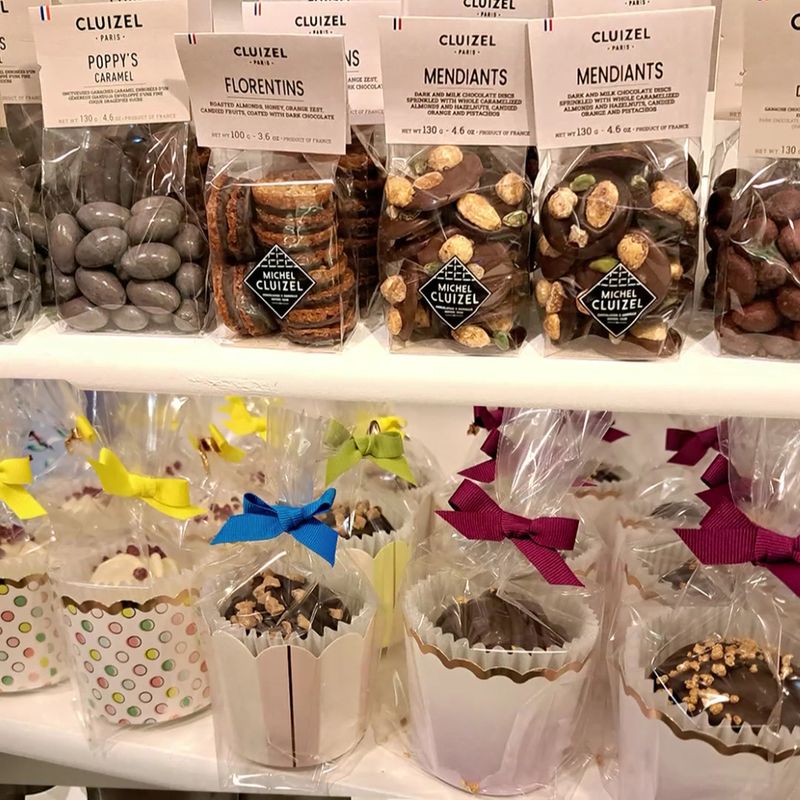
Not every New Jersey outing needs to involve a boardwalk, a mall, or a two-hour argument about Parkway traffic. The Chocolatrium works because it hits a rare middle ground: it is interesting enough for adults, sweet enough for kids, and structured enough that nobody wanders around wondering what they’re supposed to be looking at.
Since tours are private and guided, the experience feels more like a shared event than a walk-through exhibit. Families will appreciate that it is fully indoors, which automatically makes it useful during South Jersey’s most dramatic weather moods.
Too hot, too rainy, too cold, too muddy for the playground? Chocolate does not care.
School groups and social groups are an especially natural fit because the tour has a clear educational angle without feeling like homework. Kids get the big-picture story of cocoa and chocolate making, while adults get enough detail to stay engaged.
Foodies get something different out of it. This is a chance to taste chocolate from a brand that treats cocoa origin seriously, with single-estate sourcing and direct relationships with growers.
Anyone who already pays attention to where coffee, wine, olive oil, or cheese comes from will understand the appeal immediately. The flavors are not presented as random sweetness.
They are tied to soil, climate, cultivation, fermentation, and roasting. For day trippers, the West Berlin location is convenient in a very Jersey way.
It’s along the Route 73 corridor, close enough to Cherry Hill, Voorhees, Berlin, Marlton, and surrounding Camden County towns to make it an easy afternoon plan. It also pairs well with a casual lunch nearby, a stop in Haddonfield, or a family outing elsewhere in the area.
The only real catch is that you cannot treat the tour like a walk-in attraction. Gather your people first, book ahead, and let the chocolate handle the rest.
The Gift Shop Makes Leaving Empty Handed Almost Impossible
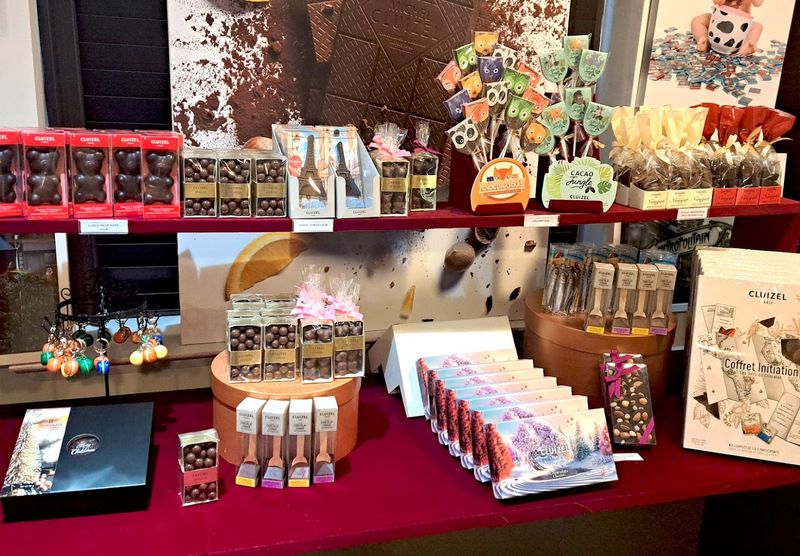
The shop is where self-control goes to negotiate and usually loses. After hearing about cocoa growers, roasting, truffles, macarons, and single-estate chocolate, walking past shelves of finished sweets feels less like browsing and more like continuing the lesson.
Except now the lesson comes in boxes, bars, bags, and the occasional “I’ll save this for later” purchase that will absolutely be opened in the car.
The public store carries a wide range of Michel Cluizel products, including gourmet chocolate bars, chocolate gift boxes, baking chocolate, praline lollipops, brownies, cookies, vegan chocolate, gluten-free options, and non-dairy chocolate.
That variety matters because not everyone shops for chocolate the same way. Some people want a polished gift box that looks like they planned ahead.
Some want a serious dark chocolate bar with high cocoa content. Others are just trying to find something dairy-free that still feels like a treat instead of a compromise.
The location’s French roots show up nicely here. Macarons and pastries sit alongside the chocolate, giving the shop more personality than a standard candy counter.
It feels like the kind of place where you can buy a host gift, a birthday treat, something for a teacher, and a secret little bar for yourself without making four stops. There is also something satisfying about buying chocolate after you understand more about it.
A truffle becomes less of an impulse purchase when you know how much work went into the shell, the filling, and the cocoa behind it. A single-estate bar feels more like something to taste slowly than something to snap in half while answering emails.
That is the best trick the Chocolatrium pulls off. It sends you home with chocolate, yes, but also with a better reason to pay attention when you eat it.
Share this story