Texas river towns have a special kind of magic. Once sleepy spots along winding waterways, many have blossomed into vibrant destinations where history meets modern energy. From reimagined riverfronts to revitalized downtowns, these communities prove that transformation can honor the past while embracing an exciting future.
1. San Antonio
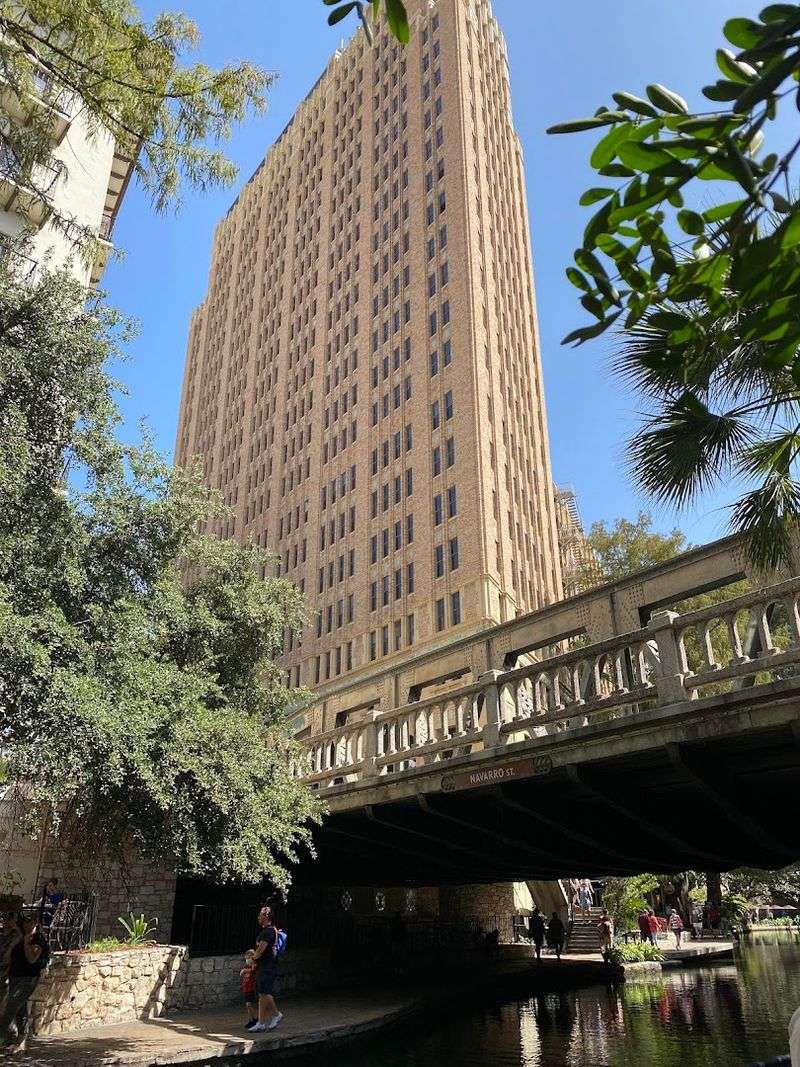
Walk along the San Antonio River Walk today and you’ll find it hard to believe this wasn’t always the city’s crown jewel. Decades ago, city leaders actually considered paving over the river entirely. Instead, they chose preservation and creativity, turning forgotten bends and neglected banks into one of America’s most beloved urban waterways.
The transformation started small but grew into something extraordinary. Stone pathways now wind beneath cypress trees, connecting restaurants, shops, and hotels in a pedestrian paradise. What was once flood-prone and ignored became a model for how cities can reclaim their rivers as community gathering spaces.
Beyond the famous downtown stretch, newer extensions have brought the River Walk experience to different neighborhoods. Museum Reach connects cultural attractions upstream, while Mission Reach restored natural habitat and created miles of trails. Each section tells a different story about how San Antonio reinvented itself around its river.
Local businesses thrived as the River Walk grew. Family-owned Tex-Mex spots sit alongside upscale dining, mariachi music floats over the water, and river barges carry tourists through the heart of the city. The economic impact rippled outward, revitalizing entire districts that had fallen into decline.
Special events transformed the River Walk into a year-round destination. Fiesta decorations turn the waterway into a ribbon of color each spring. During the holidays, thousands of lights reflect off the water, creating a magical atmosphere that draws visitors from across the globe.
The river itself became cleaner and healthier through ongoing restoration efforts. Native plants replaced concrete in many areas, fish returned to cleaner waters, and birds found new habitat along naturalized banks. Environmental improvement went hand-in-hand with economic development.
San Antonio proved that respecting a river’s natural character while making it accessible to people creates lasting value. The transformation didn’t happen overnight, but patient investment and community vision turned a near-disaster into a triumph. Today’s River Walk stands as a testament to what’s possible when cities choose rivers over pavement.
2. Waco
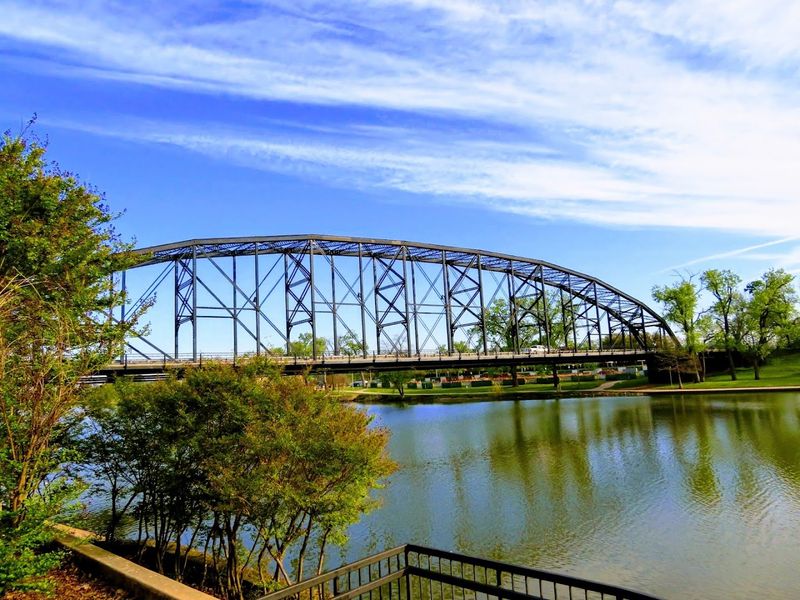
Waco’s comeback story reads like something out of a feel-good movie. Just fifteen years ago, this Central Texas city struggled with a fading downtown and an underutilized riverfront. The Brazos River flowed through town mostly unnoticed, bordered by empty lots and abandoned buildings that told a story of better days long past.
Then something shifted. A combination of local investment, entrepreneurial energy, and yes, a certain famous couple’s home improvement empire, sparked renewed interest in Waco’s potential. Suddenly people started seeing possibilities where others had seen only problems.
The riverfront became the focal point of transformation. Cameron Park, already one of the largest municipal parks in Texas, got connected to downtown through new trails and improved access. Paddlers discovered the Brazos offered excellent kayaking and stand-up paddleboarding right through the heart of the city.
Magnolia Market’s arrival accelerated changes already underway. Historic buildings downtown found new life as boutiques, restaurants, and breweries. The Silos became a destination, but they were part of a larger story about a community reclaiming its identity and riverfront heritage.
Local developers renovated century-old structures that had sat empty for decades. Brick warehouses became trendy lofts, old storefronts housed craft coffee shops, and forgotten spaces transformed into gathering spots for a new generation of Waco residents and visitors alike.
The Brazos Riverwalk project connected different parts of downtown with pedestrian-friendly paths along the water. Suspension Bridge, a historic landmark, became a symbol of connection between Waco’s past and its revitalized present. People actually wanted to spend time by the river again.
Tourism numbers told the transformation tale in hard data. Hotel occupancy rates climbed, new restaurants opened to serve growing crowds, and the local economy strengthened as visitors discovered Waco offered more than just a pit stop between Dallas and Austin.
What makes Waco’s transformation special is how it maintained authenticity while modernizing. The city didn’t try to become something it wasn’t—it simply became the best version of itself, river and all.
3. Fort Worth
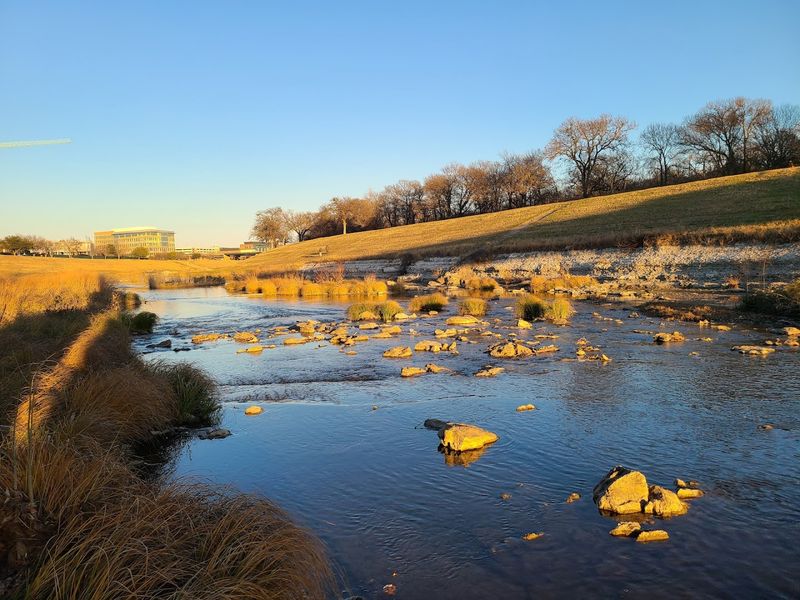
The Trinity River has long been part of Fort Worth’s story, but the city’s cowboy grit once outshined its neglected waterfront. For generations, the river functioned more as a boundary than an asset. Concrete channels and industrial uses kept people away from the water that originally drew settlers to this location.
City leaders eventually recognized that Fort Worth’s three river forks—West, Clear, and main Trinity—represented untapped potential for recreation and economic growth. Planning began for a transformation that would reconnect neighborhoods to waterways and create a new identity for a city known more for stockyards than scenic rivers.
Trinity Trails became the cornerstone of change. Miles of paved paths now follow the river through Fort Worth, linking parks, nature areas, and neighborhoods in a network that’s grown to over 70 miles. Cyclists, runners, and walkers discovered their city from entirely new perspectives.
Panther Island project aims to complete the transformation by creating an actual island in downtown Fort Worth through improved flood control channels. When finished, it’ll add waterfront real estate, parks, and recreational opportunities right in the urban core. The vision is bold—turning flood control infrastructure into community amenity.
Meanwhile, existing riverfront areas got attention too. Parks along the Trinity received upgrades, kayak launches appeared at strategic points, and natural areas were preserved as the city grew. Fort Worth learned it could develop and protect simultaneously.
Local paddling culture exploded as access improved. The Trinity isn’t the most dramatic river in Texas, but it offers peaceful escapes just minutes from downtown high-rises. Beginners find calm stretches perfect for learning, while more adventurous paddlers explore longer sections through surprisingly wild corridors.
Environmental restoration accompanied recreational development. Native plants replaced invasive species, fish habitat improved, and wildlife returned to cleaner waters. Fort Worth discovered that a healthier river meant a more attractive city.
The transformation continues today, with new sections of trail opening regularly and additional riverfront development in planning stages. Fort Worth’s river story shows how patient, consistent investment in natural assets pays dividends across decades, creating value that compounds over time.
4. Brownsville
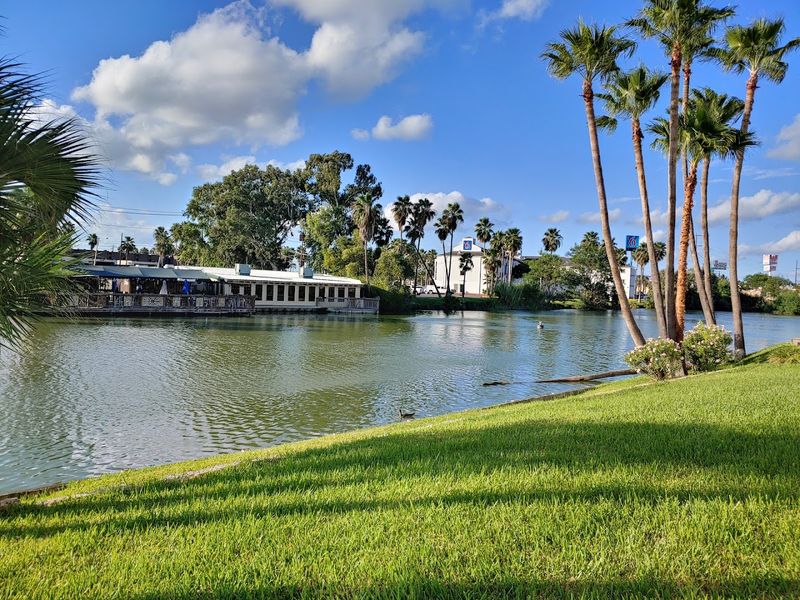
Sitting at the very tip of Texas where the Rio Grande meets the Gulf of Mexico, Brownsville spent decades with its back turned to its greatest asset. The international river that defines the city’s existence flowed largely ignored, bordered by industrial zones and inaccessible banks that kept residents away from the water.
Change came through recognizing that the Rio Grande represented more than just a border. It’s a living ecosystem, a historical corridor, and a potential gathering place for a community that deserves beautiful public spaces. Brownsville began reimagining its riverfront as a destination rather than a dividing line.
Linear Park emerged as the centerpiece of transformation. This multi-mile greenway along the Rio Grande converted forgotten spaces into trails, playgrounds, and gathering areas where families could finally enjoy their river. Palm trees and native plants created shade and beauty where concrete and chain-link once dominated.
Historic downtown Brownsville benefited from the renewed riverfront focus. Buildings dating to the city’s founding received restoration attention, new businesses opened to serve both locals and visitors, and the area developed an identity as a walkable district with genuine character and cross-border charm.
The Brownsville Museum of Fine Art and other cultural institutions became anchors for a revitalized urban core. Art installations appeared along the riverfront, connecting creativity with nature and giving people reasons to linger rather than simply pass through.
Ecotourism potential grew as Brownsville marketed its unique position at the convergence of different ecosystems. Birders discovered world-class species diversity, nature photographers found endless subjects, and the city developed infrastructure to support visitors drawn by natural rather than manufactured attractions.
Resaca de la Palma State Park and nearby wildlife refuges complemented urban riverfront improvements. Brownsville could offer both city amenities and wild spaces, all connected by the Rio Grande’s presence and the wetlands it creates in this subtropical corner of Texas.
International cooperation with Mexican sister city Matamoros opened possibilities for shared riverfront development and binational park concepts. The river that divides also connects, and Brownsville’s transformation acknowledges both realities while building bridges—literal and figurative—across the water.
5. Bastrop
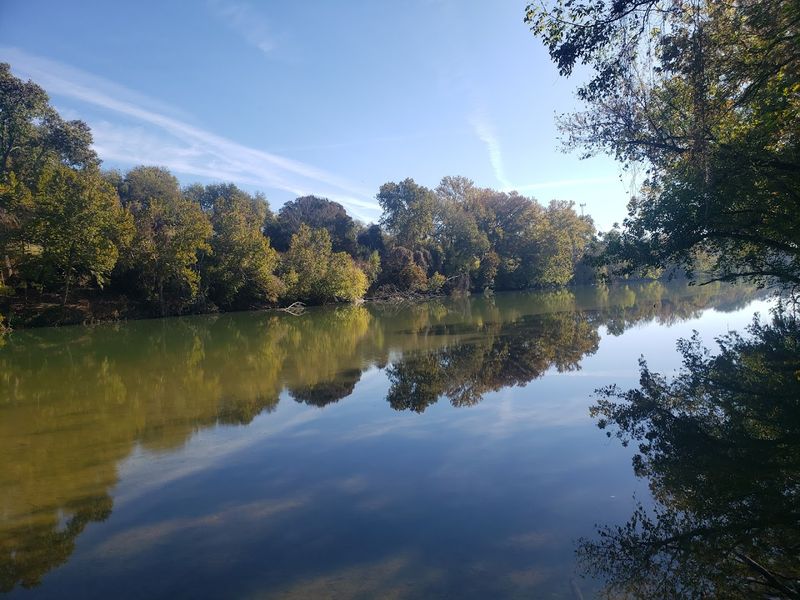
Bastrop’s story involves both triumph and tragedy. This Colorado River town has always possessed natural beauty—towering pines, rolling terrain, and a river that carves through the landscape. But a devastating wildfire in 2011 destroyed thousands of acres and challenged the community’s spirit in ways few could have imagined.
Recovery became transformation. Rather than simply rebuilding what was lost, Bastrop used the crisis as an opportunity to reimagine its relationship with the river and its historic downtown. The town that emerged from the ashes showed remarkable resilience and creativity.
Downtown Bastrop’s historic buildings received renewed attention and investment. Main Street filled with locally-owned shops, restaurants, and galleries that gave the town authentic character. Visitors discovered a place that felt genuinely old-Texas without being manufactured or touristy.
The Colorado River became more central to Bastrop’s identity. River access improved, outfitters offered kayak and canoe trips through scenic stretches, and the waterway transformed from scenic backdrop to active attraction. People came specifically to experience the river, not just admire it from a distance.
Bastrop State Park and nearby natural areas drew outdoor enthusiasts year-round. Even as the forest slowly recovered from fire damage, visitors appreciated the area’s unique Lost Pines ecosystem—the westernmost stand of loblolly pines in the United States, found nowhere else at this longitude.
Fishing culture thrived along this stretch of the Colorado. Bass, catfish, and other species attracted anglers to public access points and riverside parks. Bastrop developed a reputation among those who prefer smaller towns with big fishing opportunities.
Arts and culture flourished in the transformed downtown. The Opera House hosts performances, galleries showcase local and regional artists, and festivals bring the community together along Main Street and riverfront areas throughout the year.
Perhaps most importantly, Bastrop maintained its small-town authenticity while modernizing. Growth happened thoughtfully, new businesses complemented rather than displaced existing ones, and the town preserved the qualities that made it special in the first place. Transformation didn’t mean losing identity—it meant strengthening what was already there.
6. Georgetown
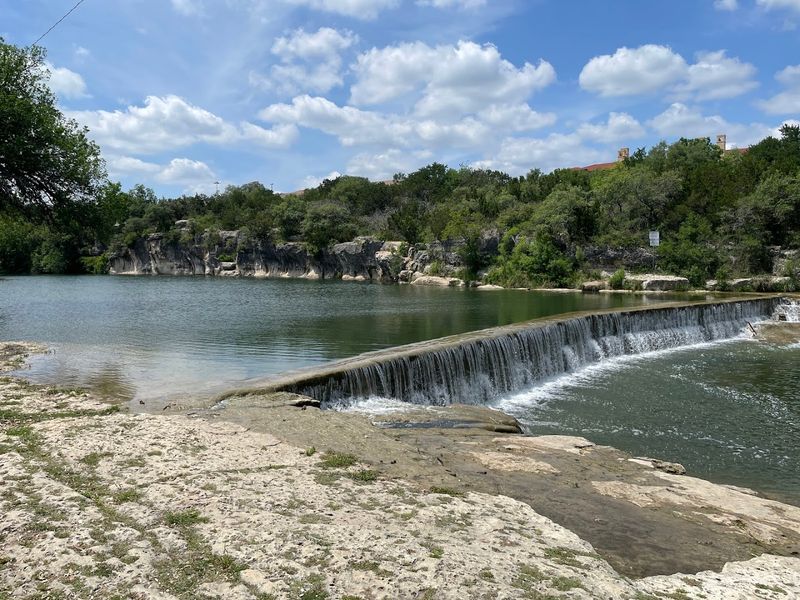
Where the North and South Forks of the San Gabriel River meet, Georgetown had a natural landmark that once felt more like a background detail than a defining feature. The county seat focused on its beautiful Victorian courthouse square and historic homes while the rivers flowed largely unnoticed through rocky terrain at the edge of town.
Everything changed when Georgetown recognized its rivers as recreational goldmines. Blue Hole, a natural swimming area on the South Fork, transformed from local secret to regional destination. On hot Texas days, families pack the limestone-edged pool where spring-fed water stays refreshingly cool year-round.
The San Gabriel River Trail system expanded dramatically, giving residents and visitors access to miles of scenic paths along both river forks. Hikers and mountain bikers discovered challenging terrain and beautiful Hill Country scenery just minutes from downtown. Georgetown became an outdoor recreation hub without losing its historic charm.
Downtown Georgetown itself underwent remarkable revitalization. The courthouse square, always beautiful, became surrounded by thriving businesses—restaurants, boutiques, galleries, and coffee shops that created genuine vitality. First Fridays and other events brought crowds to a walkable district that mixed preservation with contemporary energy.
Lake Georgetown, created by damming the North Fork, added another dimension to the town’s water-based transformation. The reservoir offers boating, fishing, and camping while also securing the region’s water supply. Recreation and utility combined in one project that changed Georgetown’s relationship with its river.
Higher education arrived when Southwestern University expanded and new institutions opened campuses. College energy mixed with retiree sophistication as Georgetown attracted diverse demographics drawn by quality of life factors—including those rivers and the outdoor lifestyle they enable.
The town managed growth carefully, maintaining historic character while accommodating new residents fleeing Austin’s higher costs and congestion. Georgetown proved that small cities could grow without losing the qualities that made them attractive in the first place.
Environmental consciousness shaped development decisions. The city invested in green infrastructure, protected sensitive lands along the rivers, and promoted conservation even as population increased. Georgetown’s transformation included recognition that natural assets require protection, not just exploitation, to maintain their value across generations.
7. New Braunfels
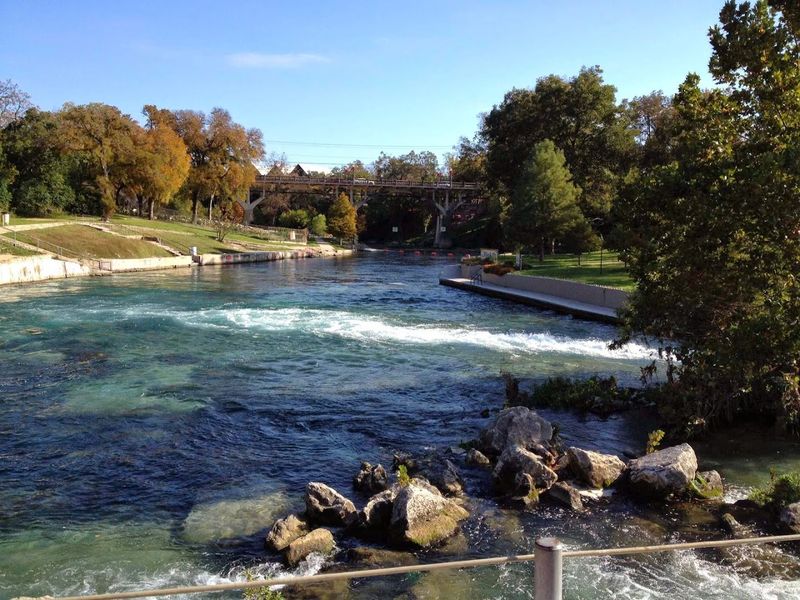
German settlers chose this spot where the Guadalupe and Comal Rivers meet back in the 1840s, and their descendants eventually turned those waterways into Texas’s summer playground. What started as a sleepy German heritage town became a tubing mecca that attracts millions annually.
The Comal River, shortest in Texas but also one of the most beautiful, became the centerpiece of transformation. Crystal-clear spring water flows through town in a channel that’s perfect for leisurely floats. Tube chutes, rope swings, and riverside parks turned the Comal into a natural water park that requires no admission fee.
Schlitterbahn arrived in the 1970s and accelerated New Braunfels’s evolution into a water-recreation destination. The resort grew from modest beginnings into one of America’s top-rated water parks, drawing visitors who then discovered the town’s natural rivers and historic charm. Commercial and natural attractions reinforced each other.
Downtown New Braunfels maintained its German character while modernizing to serve growing crowds. Historic buildings along the plaza house restaurants serving schnitzel and strudel, shops selling European imports, and breweries crafting German-style lagers. The town preserved authenticity while embracing tourism.
Gruene, technically part of New Braunfels, underwent its own transformation from ghost town to destination. Gruene Hall, Texas’s oldest dance hall, became legendary for live music. The historic district filled with shops and restaurants that attracted visitors seeking Hill Country charm without artificiality.
The Guadalupe River below Canyon Dam became a world-class trout fishery—the only significant trout water in Central Texas. Anglers discovered year-round fishing for rainbow trout in a state better known for bass and catfish. Fly shops and guide services built businesses around this unique resource.
Landa Park, encompassing springs, swimming areas, and the Comal’s headwaters, received continuous improvements that made it a destination within the destination. Families discovered they could spend entire days in this urban park enjoying natural springs and river features.
New Braunfels proved that transformation doesn’t require abandoning heritage. The town became Texas’s premier river destination while maintaining the German character that made it distinctive. Growth was managed, natural resources were protected, and the result is a community that works for both residents and the millions who visit annually.
8. San Marcos
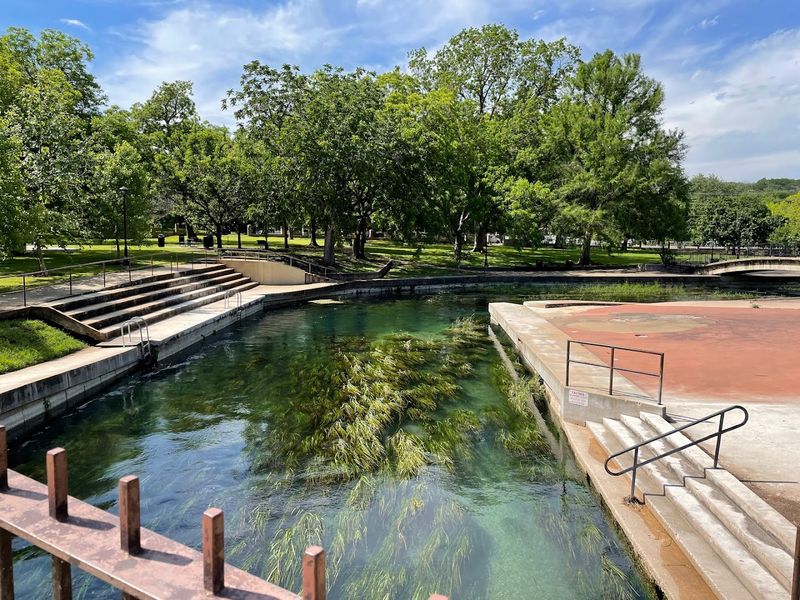
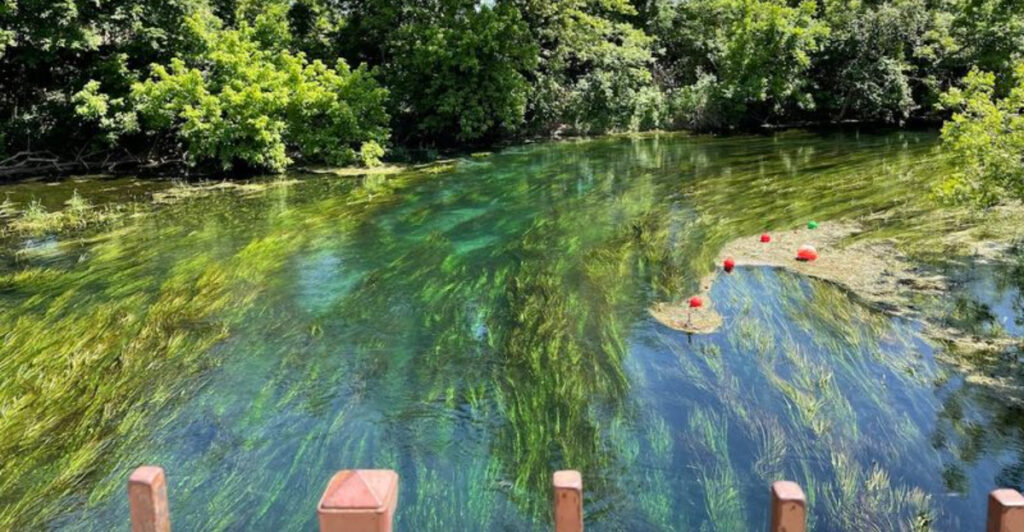
San Marcos owns some of the clearest water in Texas, and that fact shapes everything about its transformation story. The San Marcos River emerges from massive springs at a constant 72 degrees, creating an aquatic ecosystem so unique that endangered species live here and nowhere else on Earth.
Spring Lake and the river headwaters became the focus of conservation and recreation efforts that had to balance competing interests. Glass-bottom boat tours let visitors see into the springs without disturbing sensitive habitat. Swimming areas provide access while protecting endangered fountain darters and Texas wild rice.
San Marcos learned to share its water wealth carefully.
Texas State University expanded dramatically, and the growing student population brought energy and economic impact to downtown San Marcos. The town transformed from sleepy to vibrant, with restaurants, bars, and shops catering to younger crowds while maintaining appeal for families and outdoor enthusiasts.
The San Marcos River Trail extended recreational access downstream from the springs. Paddlers discovered miles of scenic floating through town and beyond, with tube and kayak rentals making river access easy for everyone. The river became San Marcos’s defining feature and primary attraction.
Rio Vista Park and other riverside green spaces received improvements that made them regional destinations. Rope swings, swimming holes, and picnic areas drew crowds on summer weekends. San Marcos proved that free, natural recreation areas could compete with expensive commercial attractions.
Downtown San Marcos underwent significant revitalization as the university grew and tourism increased. Historic buildings found new purposes, local businesses thrived, and the area developed genuine walkable urbanism rare in Texas cities of this size. The courthouse square became a gathering place rather than just a traffic circle.
Environmental protection became central to San Marcos’s identity. The Edwards Aquifer, source of the springs, faces threats from development and drought. Local activists, scientists, and officials worked to protect water quality and quantity, recognizing that the springs themselves were non-negotiable—lose them and San Marcos loses its soul.
The town’s transformation continues today, with ongoing debates about growth, water use, and preservation. San Marcos walks a tightrope between development and conservation, between welcoming visitors and protecting fragile resources. So far, the river still runs clear, and the springs still flow strong.
9. Seguin
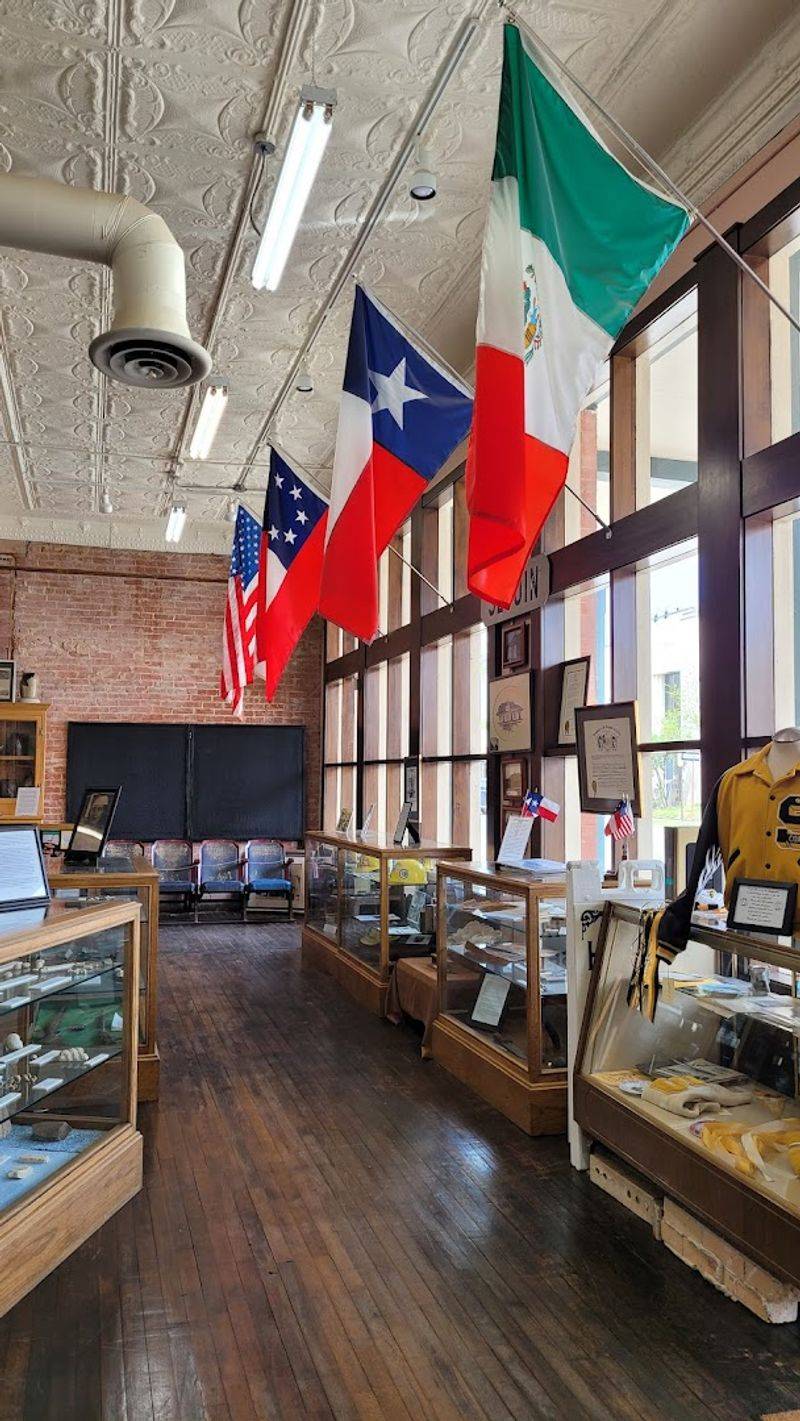
Along the Guadalupe River, Seguin has been quietly reshaping itself into one of those Texas towns that deserves a closer look. Located downstream from the Hill Country hot spots, Seguin offers similar river recreation without the crowds and prices that come with being trendy.
The Guadalupe flows broad and relatively calm through Seguin, creating excellent conditions for kayaking, canoeing, and lazy river floats. Local outfitters provide rentals and shuttles, but the scene remains low-key compared to upstream madness. You can actually find parking and enjoy the river without feeling like you’re at a water park.
Max Starcke Park became central to Seguin’s riverfront transformation. This large municipal park along the Guadalupe offers swimming, fishing, camping, and golf in a setting that feels more like a natural area than a city park. Improvements over the years enhanced amenities while maintaining the relaxed atmosphere that defines Seguin’s approach to recreation.
Downtown Seguin preserved its historic character while attracting new businesses that serve both locals and visitors. The town’s famous courthouse, antique shops, and local restaurants create an authentic small-town experience. Seguin doesn’t try to be cute or quaint—it just is, and that authenticity appeals to people tired of manufactured charm.
Pecan trees define Seguin’s landscape and identity. The town claims to be the world’s largest pecan producer, and massive trees line streets and riverbanks throughout the area. Fall brings harvest season and festivals celebrating the nut that shaped local agriculture and culture for generations.
ZDT’s Amusement Park added a modern attraction that complements rather than overwhelms Seguin’s small-town character. The locally-owned park offers rides and entertainment that draw families from across the region, boosting the local economy without changing the town’s fundamental nature.
Lake Placid and Lake Dunlap, created by dams on the Guadalupe, provide additional water recreation close to town. These reservoirs offer fishing and boating opportunities that supplement river-based activities. Seguin became a multi-faceted water destination without massive investment or marketing campaigns.
What makes Seguin’s transformation noteworthy is its modesty and authenticity. The town improved steadily without dramatic reinvention or identity crisis. It remains a real place where real people live, that also happens to offer excellent river access and small-town hospitality to visitors smart enough to discover it.
Share this story