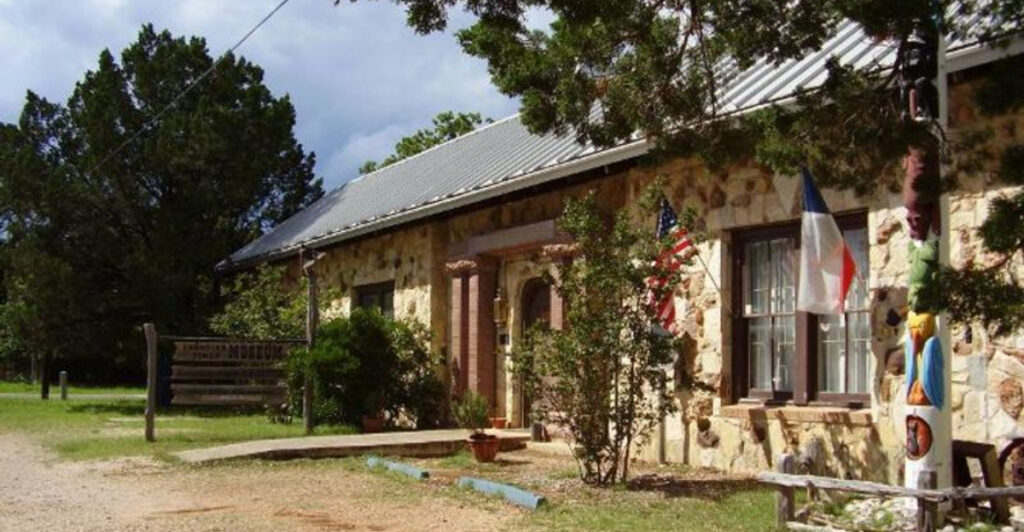
In the heart of Bandera, there’s a hidden gem many travelers pass without realizing it’s packed with local character, unique finds, and small-town charm. The Frontier Times Museum packs more than 40,000 artifacts into its cozy space on 13th Street, creating one of the most surprising collections you’ll find anywhere in Texas. From shrunken heads to two-headed goats, cowboy saddles to ancient coins, this quirky museum proves that sometimes the best adventures happen in the most unexpected places.
1. Cowboy Heritage Collection That Brings the Old West to Life
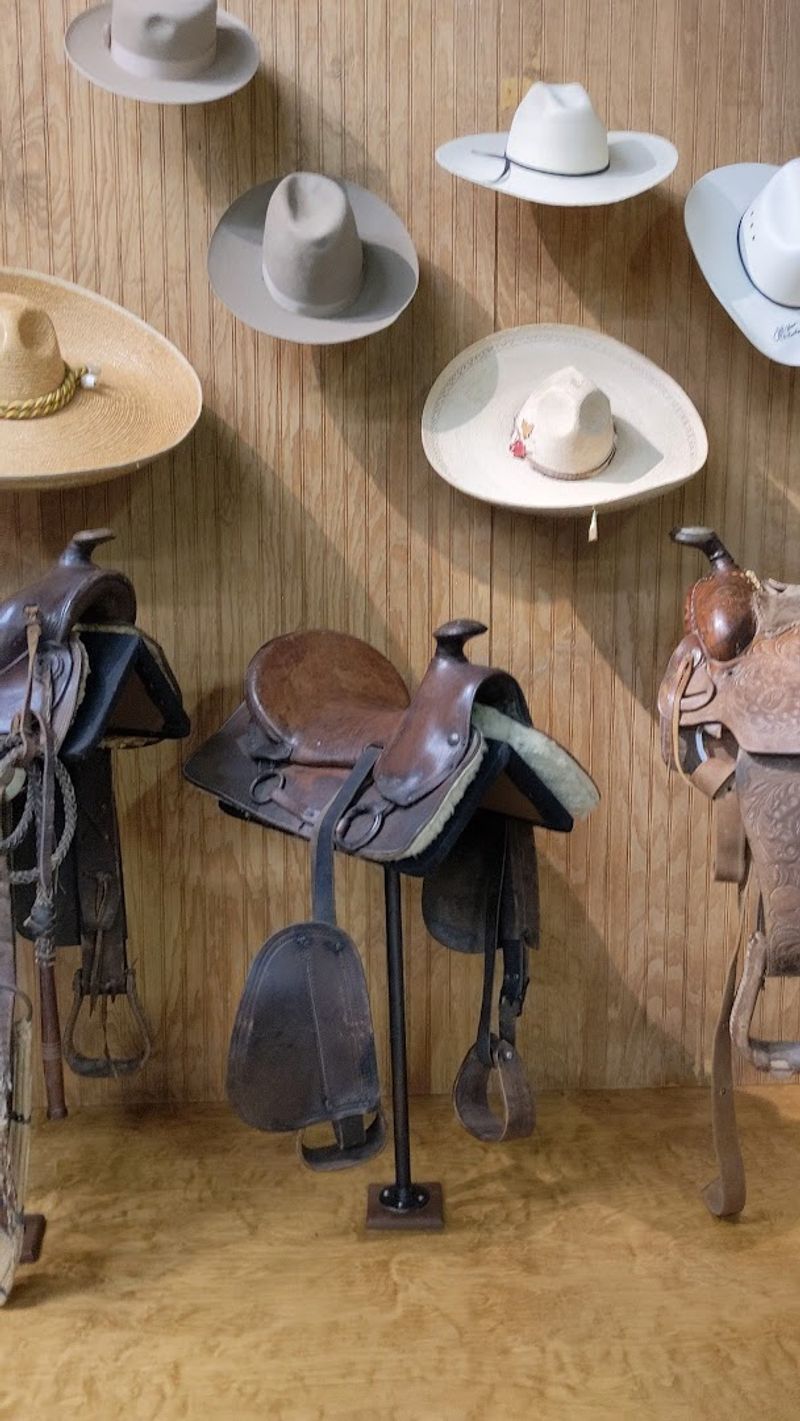
Walking into the cowboy room feels like stepping onto a working ranch from 150 years ago. Saddles worn smooth by countless trail rides line the walls, each one telling stories of long cattle drives and dusty days under the Texas sun. The leather still holds the shape of riders who pushed herds north through Indian Territory, and you can almost smell the campfire smoke.
What makes this collection special isn’t just the gear itself. Every piece connects to real ranching families who built Bandera into the Cowboy Capital of the World. Spurs, chaps, and branding irons show how ranchers actually worked, not some Hollywood version of the West.
Kids love checking out the different saddle styles and guessing which ones looked most comfortable. Spoiler alert: none of them seem very cushioned after a twelve-hour ride. The museum staff knows tons of stories about the families who donated these pieces, so don’t be shy about asking questions.
You’ll also find lassos, bits, and other equipment that modern cowboys still recognize. Some techniques haven’t changed much in over a century. The collection proves that Texas ranching culture wasn’t just about looking tough in a hat—it required serious skill, endurance, and craftsmanship that deserves respect even today.
2. Oddities Cabinet Featuring Taxidermy Rarities and Curiosities
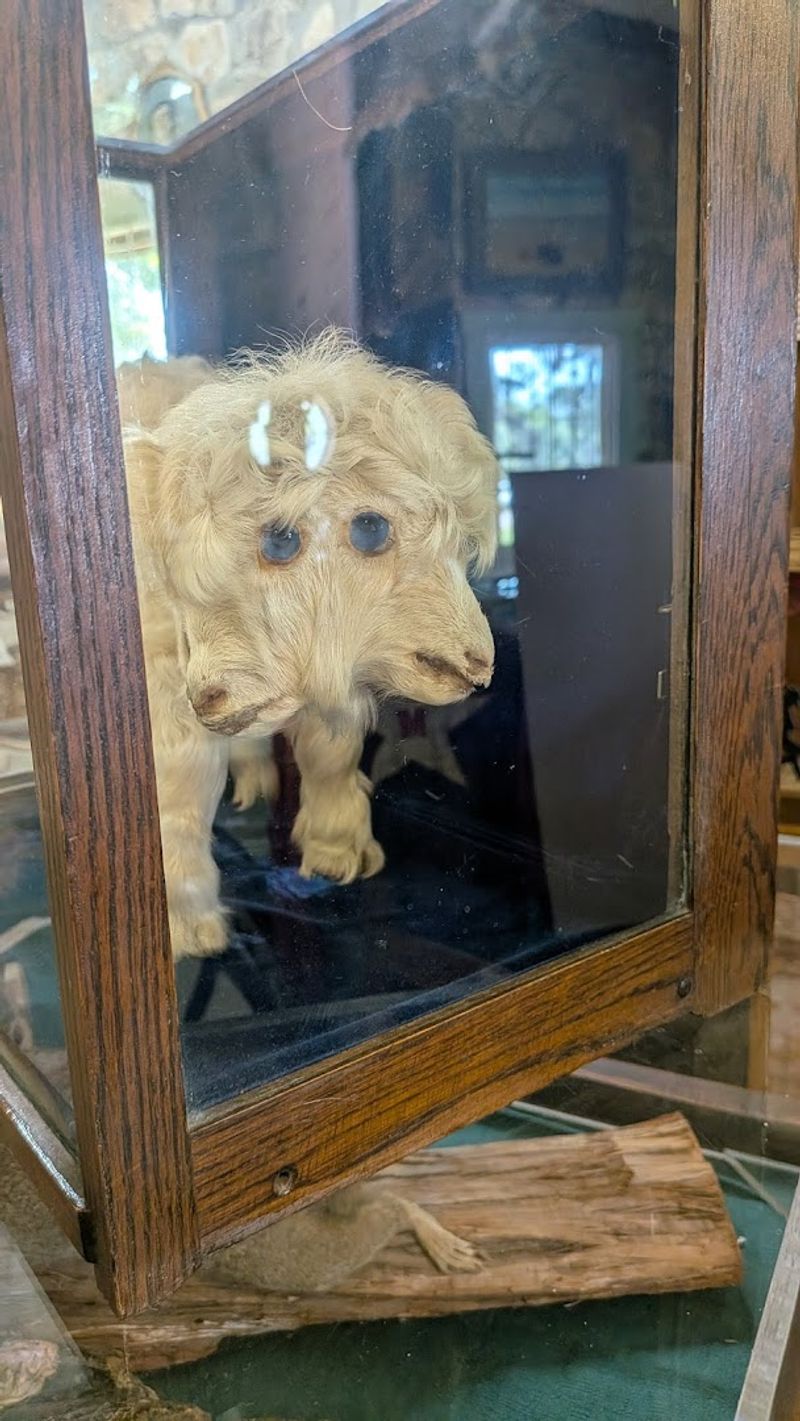
The two-headed goat stops every single visitor in their tracks. Born on a local ranch decades ago, this little guy became the museum’s most photographed resident, staring out from his glass case with four eyes that seem to follow you around the room. Right next to him sits a two-headed lamb, because apparently Texas ranches sometimes produce nature’s strangest experiments.
But the oddities don’t stop there. A shrunken head from South America raises eyebrows and questions about how it ended up in Bandera of all places. The Komodo dragon taxidermy looks so bizarre that people debate whether it’s real or some kind of jackalope-style joke.
These curiosities represent the Victorian-era tradition of wonder cabinets, where collectors displayed the unusual and unexplained. The museum embraces this old-school approach to education, mixing legitimate scientific specimens with items that simply make you say “what in the world?”
Kids especially get a kick out of the scavenger hunt game that challenges them to find specific oddities throughout the museum. Parents appreciate that the displays spark genuine curiosity instead of just passive looking. Sure, some items might give younger children brief nightmares, but most families agree the educational value outweighs any temporary spookiness.
The collection reminds us that nature creates plenty of mysteries without any help from Hollywood special effects teams.
3. Military Memorabilia Spanning Multiple American Conflicts
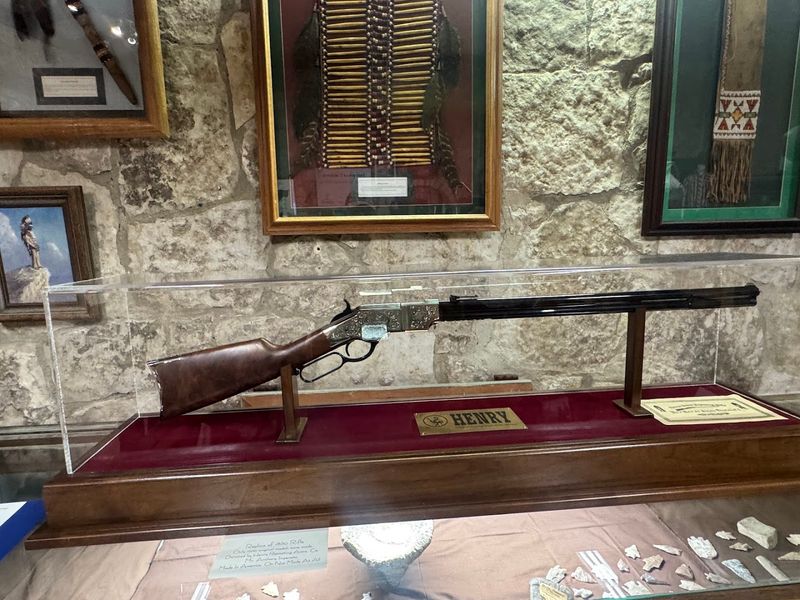
Grandparents light up when they reach the military section, often recognizing equipment their own relatives used during wartime. Uniforms from both World Wars hang alongside medals, letters from the front, and personal items soldiers carried into battle. One display features a soldier’s mess kit still dented from years of use, making history feel incredibly personal and real.
The collection doesn’t glorify war so much as honor the regular Texans who served. You’ll find items from local families who sent sons and daughters to conflicts from the Spanish-American War through Vietnam. Dog tags, helmets, and field gear show what daily military life actually involved beyond the dramatic moments we see in movies.
What really gets people talking are the handwritten letters home. Reading a young soldier’s words to his mother back in Bandera creates an emotional connection that textbooks can’t match. The museum rotates these letters periodically, so repeat visitors discover new stories each time.
Veterans often spend extra time in this section, sometimes sharing their own service stories with younger visitors. The staff encourages these conversations because they bring the displays to life in ways no placard ever could. Several visitors have mentioned in reviews that this section alone justified their admission price, especially around Veterans Day and Memorial Day when the sacrifices feel particularly meaningful to remember and discuss with family members.
4. International Artifact Collection From Distant Lands
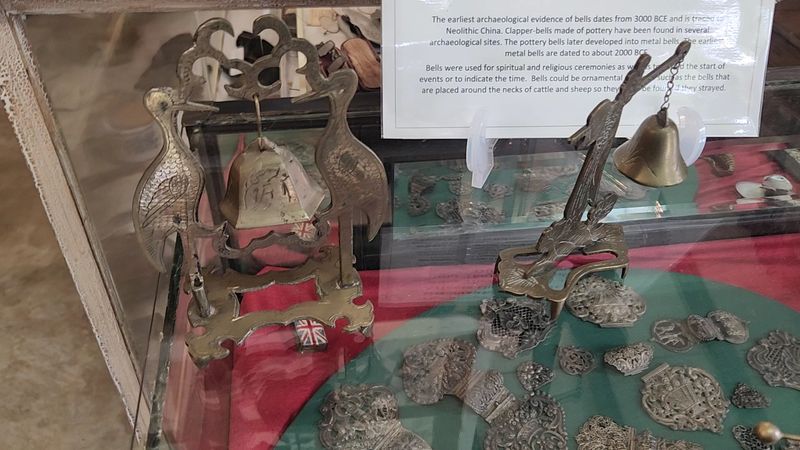
Nobody expects a small-town Texas museum to showcase treasures from ancient Rome, but that’s exactly what makes this place so delightfully unpredictable. Currency from dozens of countries fills display cases, including coins so old they were minted before Columbus sailed. How these items ended up in Bandera involves decades of donations from world travelers and collectors who wanted their treasures preserved locally.
Pottery shards from archaeological digs sit near intricate carvings from Asia. Each piece represents someone’s journey beyond Texas borders, then a decision to share those discoveries with their hometown community. The museum doesn’t pretend to be the Smithsonian, but it offers something equally valuable—proof that curiosity and adventure can thrive anywhere.
One fascinating aspect is how the international items contrast with the frontier displays. Walking from ancient Egyptian artifacts to cowboy spurs in thirty seconds creates a weird time-travel effect that somehow works. Kids doing the scavenger hunt love trying to guess which items came from which countries.
The collection reminds visitors that even in the 1800s, Bandera residents weren’t isolated yokels. They traveled, traded, and collected items from across the globe. That cosmopolitan spirit challenges stereotypes about small-town Texas life.
Several archaeology enthusiasts have praised the museum for maintaining proper documentation about where items originated, showing respect for the cultures represented instead of treating everything like generic exotic decorations.
5. Western Art Gallery Showcasing Frontier Painters
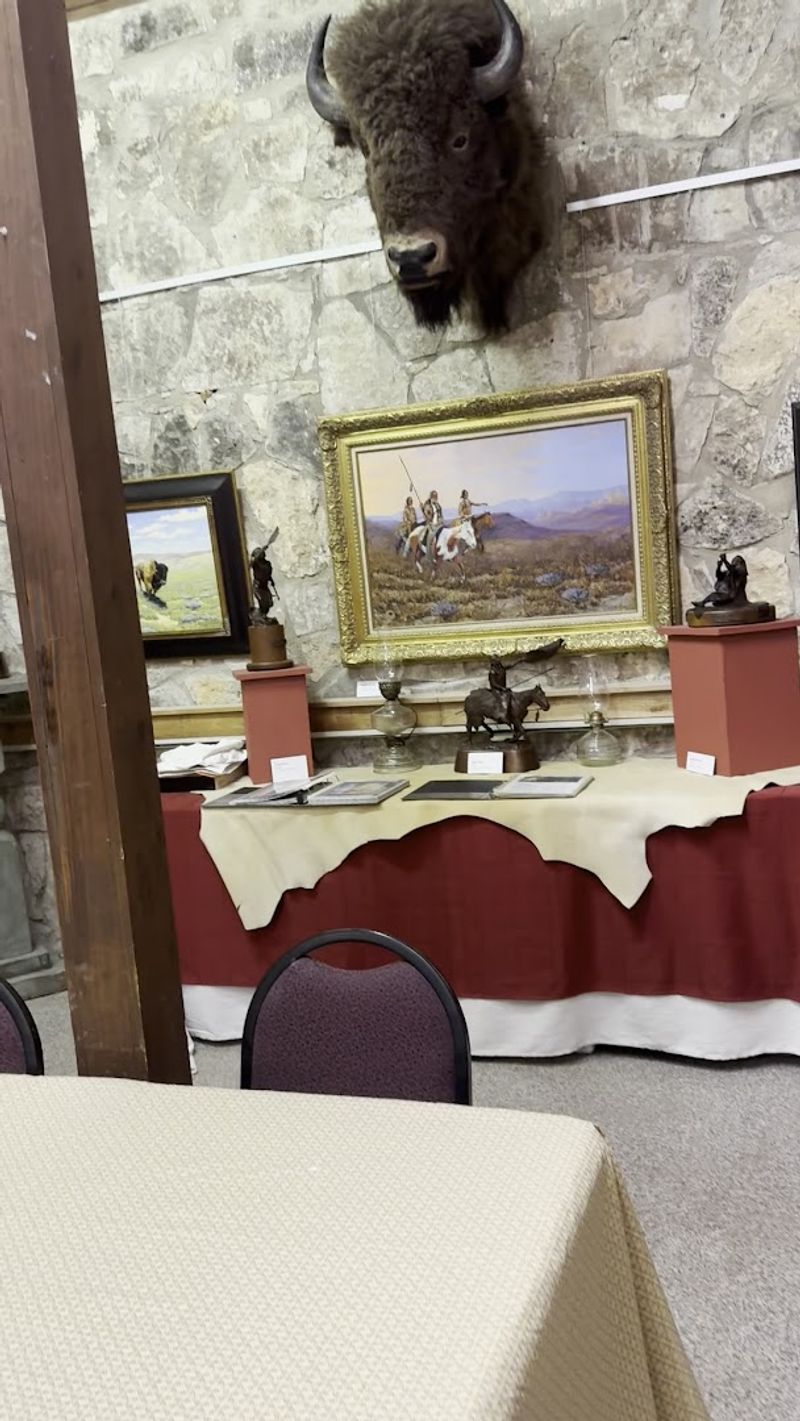
Paintings of cattle drives and sunset vistas cover entire walls, transporting visitors to an era when Bandera’s streets were dirt and horses outnumbered cars by hundreds. Local and regional artists captured the Hill Country landscape with brushstrokes that feel both romantic and authentic. These aren’t prints or reproductions—they’re original oils and watercolors donated by families or purchased when the museum had fundraising success.
The artistic styles range from realistic portraits of ranchers to more impressionistic takes on Texas sunsets. Some pieces date back over a century, while others come from contemporary artists keeping Western traditions alive. What ties them together is genuine affection for the landscape and lifestyle that defined frontier Texas.
Art critics might not consider these masterpieces on par with major museum holdings, but they offer something equally important. They show how regular people saw and celebrated their world. A painting of a cowboy mending fence might not hang in the Met, but it honors real work that built communities.
Visitors who initially came for the oddities often find themselves lingering in the art section longer than expected. The paintings provide peaceful moments between the more intense displays. Several pieces feature locations around Bandera that still exist today, creating fun opportunities to compare how the landscape has changed or stayed remarkably similar over the decades since artists first set up their easels.
6. Native American Artifacts and Regional Archaeology
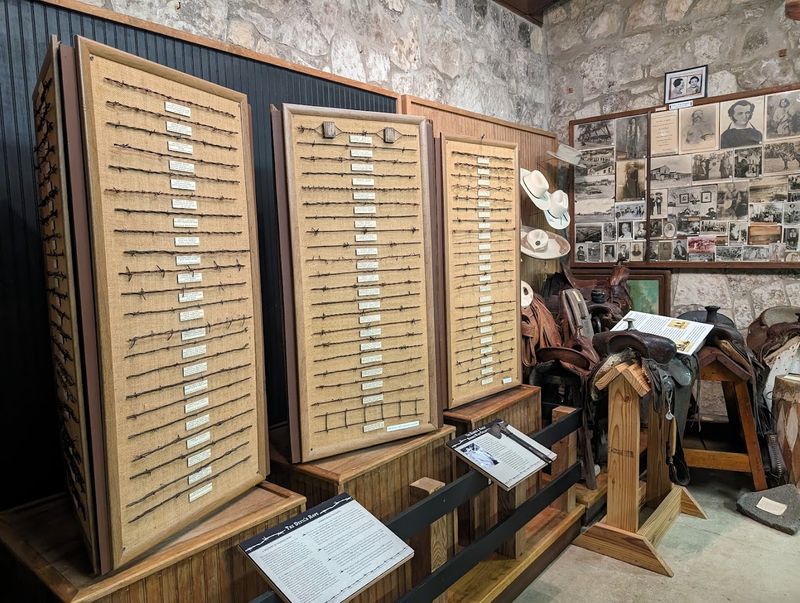
Arrowheads found in creek beds around Bandera County fill cases with hundreds of examples, each one shaped by hands that lived on this land long before European settlers arrived. The points vary in size from delicate bird-hunting tips to larger spearheads designed for deer or larger game. Holding your face close to the glass, you can see the careful flaking technique that turned raw stone into functional tools.
Pottery fragments and grinding stones show the daily life aspects that arrowheads alone can’t convey. These items represent cooking, food preparation, and domestic routines that sustained families for generations. The museum doesn’t romanticize or oversimplify Native American culture—it presents artifacts as evidence of sophisticated societies with their own technologies and traditions.
What makes this collection particularly valuable is its local focus. These items came from the actual ground visitors walk on when exploring the Hill Country. That geographical connection helps both kids and adults understand that history didn’t just happen in faraway places—it unfolded right here.
Some artifacts include information about which tribes likely created them, though the museum acknowledges that attribution isn’t always certain. The Comanche, Apache, and other groups moved through this region, each leaving traces. Recent visitors have appreciated the respectful presentation that treats these items as cultural treasures rather than just old stuff someone dug up, showing how museums can honor indigenous heritage even in small-town settings.
7. Hands-On Interactive Exhibits for Young Explorers
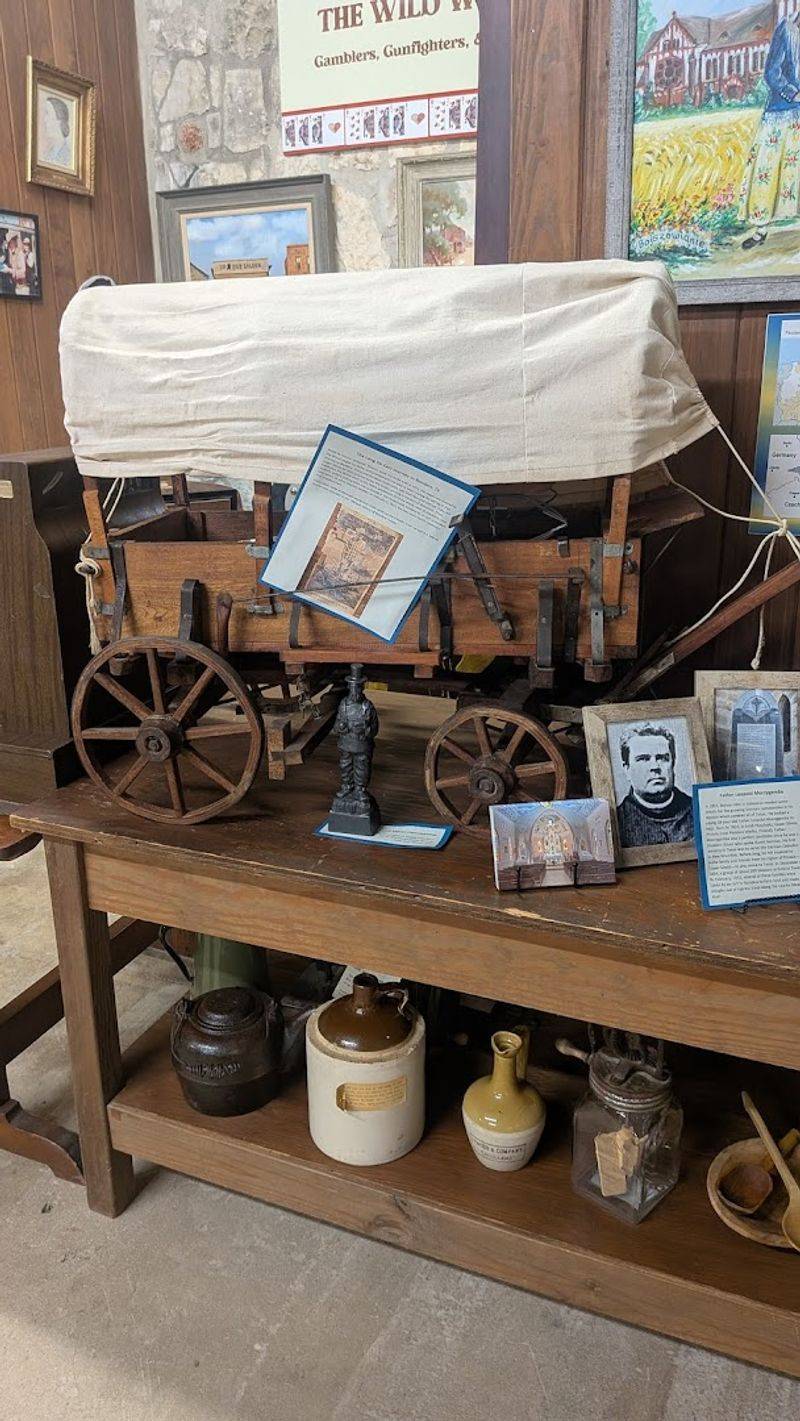
Most museums make kids crazy with all the “don’t touch” rules, but this place gets that young visitors learn better when they can actually interact with history. Replica items let children hold tools, try on certain pieces, and experience what frontier life felt like instead of just reading about it. A wagon outside offers rides that turn a museum visit into an adventure worth bragging about at school.
The scavenger hunt game transforms potentially bored kids into enthusiastic detectives searching every corner for specific items. Parents love this because it keeps children engaged for the full visit instead of whining to leave after ten minutes. The bingo-style card lists quirky objects that could be anywhere in the collection, making even the smallest visitors feel accomplished when they spot everything.
Staff members clearly enjoy working with families, often dropping hints when kids get stuck on their hunt. That welcoming attitude makes parents feel relaxed instead of stressed about keeping children perfectly behaved. Several reviews specifically praise how patient and kind the employees are with young visitors.
Hands-on exhibits aren’t just gimmicks here—they’re educational tools that create lasting memories. Kids who touch a branding iron or sit in a saddle understand frontier life differently than those who only see pictures. The museum recognizes that future history lovers are created through positive experiences, not just passive observation.
Many families report that their children still talk about the museum weeks later, which any parent knows is the ultimate measure of a successful outing.
8. Welcoming Staff Who Make Every Visit Personal
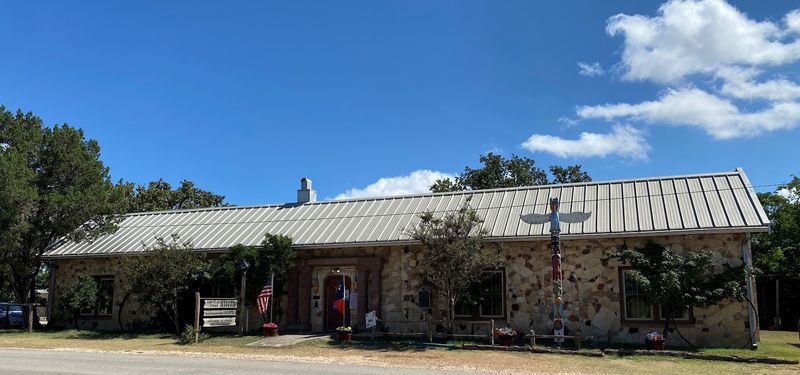
Reviews mention the front desk ladies so often they deserve their own exhibit. These aren’t bored employees watching the clock—they’re genuine ambassadors who remember repeat visitors and make newcomers feel like honored guests. Their encyclopedic knowledge about the collection means they can answer almost any question or point you toward the perfect display based on your interests.
What really stands out is how they tailor recommendations to different visitors. Families with young kids get steered toward the interactive elements and oddities that will captivate short attention spans. History buffs receive insider tips about lesser-known items that casual visitors might overlook.
Veterans often find themselves in deep conversations about the military collection with staff who truly care about those stories.
The personal touch extends beyond just being friendly. Staff members often share backstories about how specific items arrived at the museum, connecting visitors to the donors and families who made the collection possible. These human connections transform random objects into meaningful pieces of community heritage.
In an era of automated ticket kiosks and impersonal museum experiences, this old-fashioned hospitality feels refreshingly authentic. The staff’s warmth appears in review after review, with visitors specifically noting how welcome they felt. Several people mentioned returning specifically because they enjoyed talking with the employees so much during their first visit.
That kind of repeat business doesn’t come from artifacts alone—it comes from people who genuinely love what they do and want every visitor to share their enthusiasm.
Share this story