Texas has a culture all its own, built on pride, history, and traditions that run deeper than oil wells. Locals take their state seriously, from the food they eat to the land they call home. If you want to clear a room faster than a tumbleweed in a windstorm, just say one of these phrases out loud.
You’ll see smiles fade and conversations stop as every Texan within earshot gives you a look that could melt steel.
1. “Texas BBQ Isn’t as Good as [Insert Other State]”
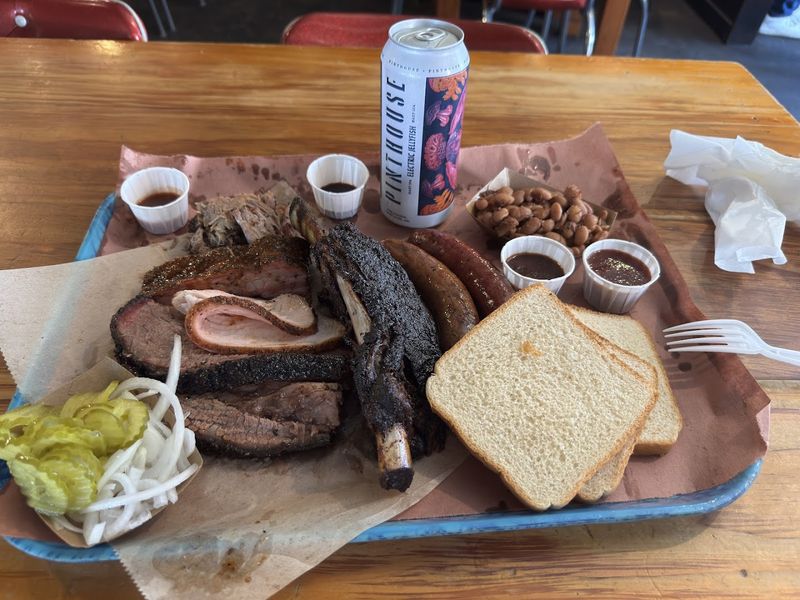
Walking into a Texas BBQ joint and claiming another state does it better is like showing up to a rodeo and saying horses are overrated. Barbecue here isn’t just food. It’s a way of life, passed down through generations with secret rubs and smoking techniques that take years to master.
Texans spend entire weekends perfecting their brisket, waking up before dawn to tend smokers that run for twelve hours or more. The meat falls apart with the gentlest touch of a fork. That pink smoke ring around the edge tells a story of patience and skill that can’t be rushed or faked.
When someone insults Texas BBQ, they’re not just criticizing dinner. They’re dismissing countless Saturday mornings, family recipes, and the art form that defines communities across the state. Every pitmaster has their own style, whether it’s the peppery bark of Central Texas or the sweeter touches found closer to the Gulf.
Comparing it to Kansas City or Carolina styles might seem innocent enough to outsiders. But Texans know their BBQ stands alone, built on beef rather than pork, with mesquite and oak smoke creating flavors that can’t be replicated anywhere else. The tradition runs so deep that entire towns plan their weekends around which BBQ spot to visit.
Making this statement at a backyard cookout or local smokehouse will earn you nothing but side-eye and awkward silence. People might smile politely, but inside they’re already writing you off as someone who just doesn’t understand. Texas BBQ isn’t a competition to locals.
It’s an identity, and questioning it questions everything they hold dear about their home.
Save yourself the trouble and keep BBQ comparisons to yourself. Even if you genuinely prefer another style, this isn’t the hill worth dying on when you’re surrounded by proud Texans who’ve been smoking meat since they could walk.
2. “Everything’s Bigger in Texas? I Don’t See It.”
Challenging the most famous saying about Texas is basically asking for a history lesson you didn’t sign up for. This phrase gets thrown around constantly, and locals believe it with every fiber of their being. When you question it, you’re not just doubting a slogan.
You’re doubting their entire worldview.
Texas covers more than 268,000 square miles, making it the second-largest state in the nation. You could fit multiple European countries inside its borders and still have room left over. The ranches alone stretch for hundreds of thousands of acres, with some single properties larger than entire states back East.
But size isn’t just about land. Texans take pride in their oversized portions at restaurants, their massive pickup trucks, and their larger-than-life personalities that fill every room they enter. The state fair features a Ferris wheel that towers over Dallas, and high school football stadiums seat more people than some professional venues in other states.
Saying you don’t see the bigness feels like a personal attack to folks who grew up measuring distance in hours rather than miles. They’ve driven across their state for eight hours straight without leaving its borders. They’ve seen ranches where you can’t see the property line from the front gate.
Even the culture feels bigger here, with festivals that draw hundreds of thousands, rodeos that last weeks, and celebrations that shut down entire cities. The pride Texans carry isn’t quiet or modest. It’s bold, loud, and impossible to miss if you’re paying attention.
When you claim not to see what makes Texas bigger, you’re essentially telling locals they’re exaggerating or lying about their own lived experience. They know what they see every day, and your skepticism won’t change the reality they’ve known their whole lives. This comment lands about as well as a snowstorm in July.
3. “Tex-Mex Isn’t Real Mexican Food”
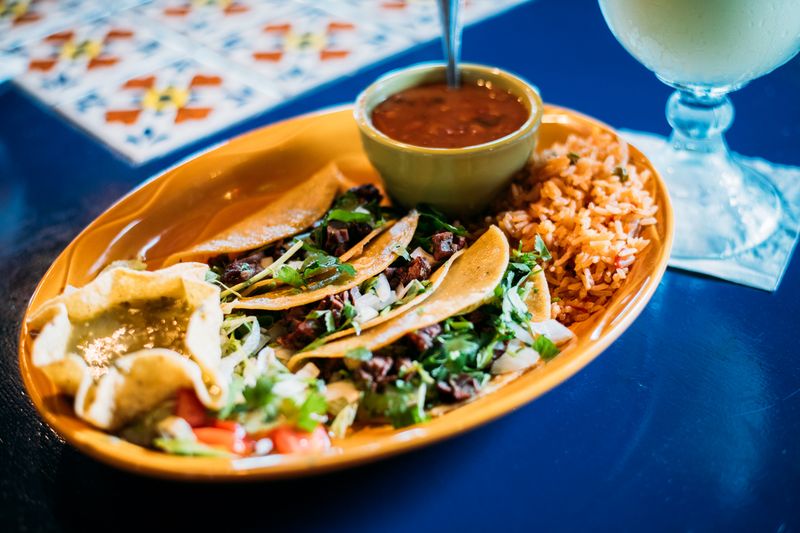
Food debates get heated anywhere, but in Texas, criticizing Tex-Mex crosses a line that shouldn’t be crossed. Nobody here claims it’s authentic Mexican cuisine from Mexico City or Oaxaca. They know exactly what it is, and they love it fiercely anyway.
Tex-Mex developed over generations as Mexican immigrants and Texan communities blended their culinary traditions along the border. What emerged was something entirely new, with its own rules, flavors, and beloved dishes that can’t be found anywhere else. The cheese-heavy enchiladas, crispy tacos, and sizzling fajitas represent a unique cultural fusion.
Telling a Texan that their favorite comfort food isn’t “real” suggests they’re somehow confused or settling for less. But they’re not trying to recreate Mexico City street tacos. They’re celebrating a cuisine born right here, shaped by their own history and communities.
The yellow cheese, flour tortillas, and chili con queso might not appear on menus in Guadalajara, and that’s completely fine with everyone who grew up eating Sunday breakfast tacos. Tex-Mex restaurants have been family gathering spots for decades, places where birthdays get celebrated and deals get made over plates of sizzling fajitas.
When you dismiss Tex-Mex as inauthentic, you’re dismissing the cultural evolution that happened in Texas border towns. You’re ignoring the Mexican-American families who created these recipes and built these restaurants. The food tells a story of immigration, adaptation, and community that matters deeply to the people who live here.
Authentic Mexican food is incredible, and Texas has plenty of that too. But Tex-Mex stands on its own merits, not as a poor imitation but as a legitimate regional cuisine with its own proud history. Locals don’t need food snobs explaining what they should or shouldn’t enjoy at their favorite neighborhood spot where they’ve been eating since childhood.
4. “You Don’t Sound/Look/Act Like a Real Texan”
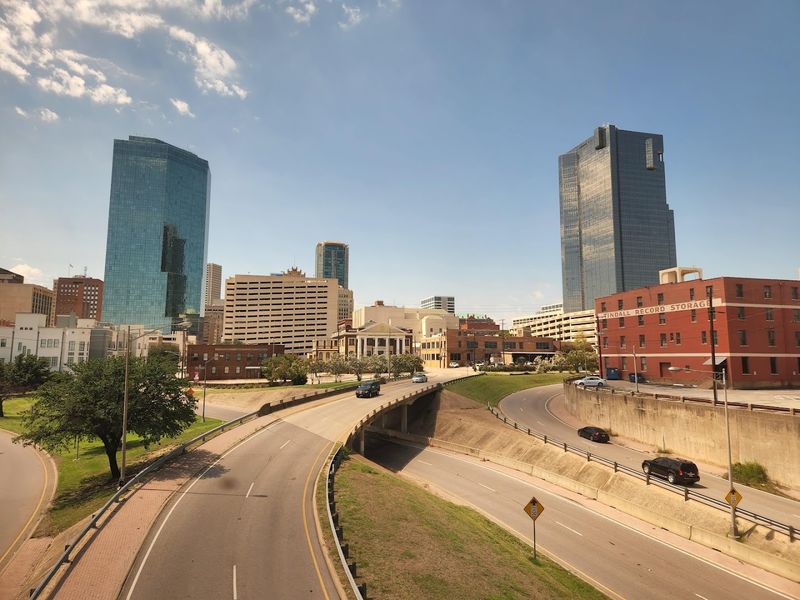
Nothing irritates Texans faster than outsiders deciding who qualifies as a “real” Texan based on stereotypes from old movies. The assumption that everyone here wears cowboy boots, says “howdy,” and works on a ranch ignores the reality of the fourth-largest state by population. Texas cities are diverse, modern, and full of people who’ve never ridden a horse.
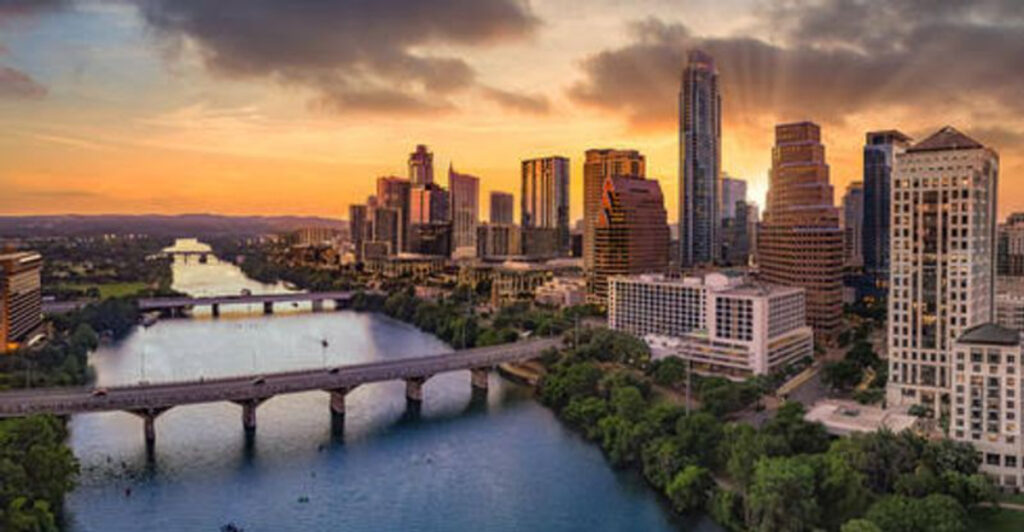
Houston is one of the most diverse cities in America, with residents from every corner of the globe. Austin’s tech industry draws people from California and beyond. Dallas has a thriving arts scene and international business community that looks nothing like a Western film set.
Someone born and raised in El Paso has just as much claim to being Texan as a fifth-generation rancher in the Panhandle. Their experiences differ wildly, but both are authentically Texan. The state is too large and varied for any single stereotype to capture everyone who calls it home.
When you tell someone they don’t seem like a “real” Texan, you’re essentially saying their lived experience doesn’t match your preconceived notions. You’re reducing an entire state’s population to a handful of clichés while ignoring the actual people standing right in front of you. It’s dismissive and insulting in ways that might not even register with whoever said it.
Plenty of Texans do wear boots and work in agriculture, and they’re proud of that lifestyle. But plenty of others work in hospitals, teach in schools, code software, create art, and live lives that don’t fit the narrow definition visitors sometimes bring with them. All of them are equally Texan.
The state’s identity includes rodeo champions and NASA engineers, country musicians and hip-hop artists, ranchers and professors. Trying to gatekeep who counts as a real Texan based on appearance or accent shows a fundamental misunderstanding of what makes Texas special. The diversity is part of the pride, not something that diminishes it.
5. “Why Would You Be Proud of Being From Texas?”

Questioning why Texans feel proud of their state is like asking why someone loves their family. The connection runs deeper than logic or outside opinions can touch. It’s woven into childhood memories, shared history, and a sense of belonging that doesn’t need defending to people who won’t understand anyway.
Texas fought for independence and stood as its own nation before joining the United States. That unique history creates a bond unlike what you’ll find in other states. The stories of the Alamo, the Republic of Texas, and the struggle for independence get passed down through generations, creating a shared narrative that binds people together.
Beyond history, Texans take pride in their state’s natural beauty, from Big Bend’s mountains to the Gulf Coast beaches. They’re proud of the industries built here, the innovations created here, and the communities that support each other through hurricanes, droughts, and whatever else comes their way. The pride isn’t baseless bragging.
It comes from genuine love for home.
When someone questions why this pride exists, they’re suggesting Texans are foolish or misguided for feeling connected to their roots. They’re implying that Texas doesn’t deserve the loyalty its residents give it. That kind of dismissiveness never goes over well, especially in a place where state pride is practically a religion.
Other states have their own identities and sources of pride, but few express it as openly and consistently as Texas. The flag flies everywhere, not out of arrogance but from genuine affection. People who move here often adopt that same pride within years because they feel the community and culture that created it.
Asking this question suggests the person doesn’t understand what it means to feel deeply rooted somewhere. They’re treating pride as something that needs justification rather than recognizing it as a natural human emotion tied to place and belonging. Texans don’t feel the need to explain themselves to skeptics who wouldn’t get it anyway.
6. “Texas Is Just Desert/All Flat/Has No [Geographic Feature]”
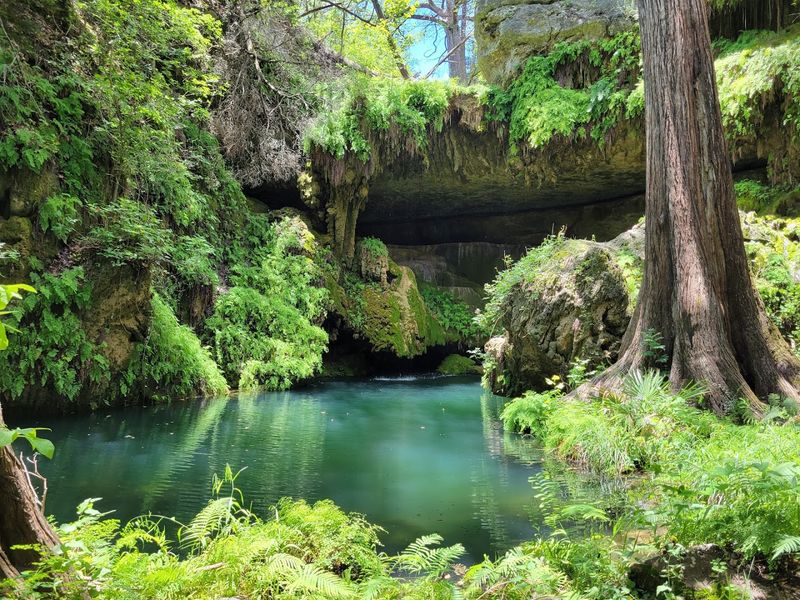
Assuming Texas is nothing but flat desert reveals ignorance so profound that locals hardly know where to start correcting it. The state contains ten different climate zones and ecosystems ranging from swamps to mountains. Anyone who’s actually explored Texas knows the landscape changes dramatically depending on where you are.
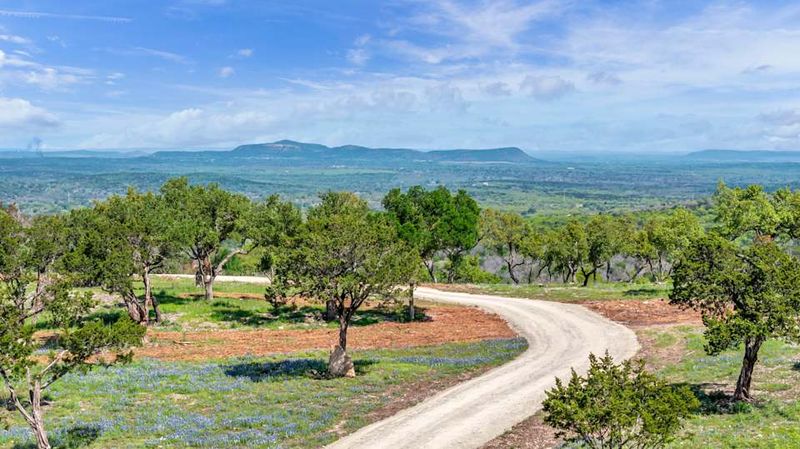
East Texas features pine forests so thick they look like Louisiana bayous, with humidity that rivals the Deep South. The Hill Country around Austin and Fredericksburg rolls with limestone cliffs, spring-fed rivers, and wildflower meadows that bloom every spring. West Texas does have desert, but it also has mountains in Big Bend National Park that reach over 7,000 feet.
The Gulf Coast stretches for hundreds of miles with beaches, marshlands, and barrier islands that attract millions of visitors annually. The Panhandle has its own unique landscape with canyons and prairie that stretches to the horizon. Central Texas sits on the Balcones Escarpment, where the geography literally changes from one side to the other.
When someone claims Texas lacks geographic diversity, they’re usually thinking of West Texas desert scenes from movies and assuming that represents the entire state. They haven’t driven through the Piney Woods, hiked Guadalupe Peak, or floated the Frio River on a hot summer day. Their mental image is incomplete but confidently stated as fact.
Texans who’ve explored their own state know better. They’ve seen snow in the Panhandle, surfed on Padre Island, and camped in forests where you can’t see the sky through the canopy. The variety is part of what makes Texas special, offering different experiences without ever leaving state lines.
Correcting this misconception requires either a geography lesson or a road trip, and most Texans don’t have the patience for either when dealing with someone who made assumptions without doing basic research. The statement reveals laziness and stereotyping that immediately puts locals on the defensive.
Share this story