Nestled in the rugged beauty of the Texas Hill Country, Bandera stands as a living testament to the Old West, where cowboy culture isn’t just preserved—it’s alive and kicking. This small town, founded by Polish Catholic settlers in the 1850s, has earned its reputation as the Cowboy Capital of the World, complete with the oldest continuously operating honky-tonk in the entire state. With its authentic ranch heritage, boot-scootin’ dance halls, and genuine Western hospitality, Bandera offers visitors a chance to experience Texas as it was meant to be—full of character, history, and honest-to-goodness cowboy soul.
1. Arkey Blue’s Silver Dollar Saloon: The Oldest Honky-Tonk in Texas
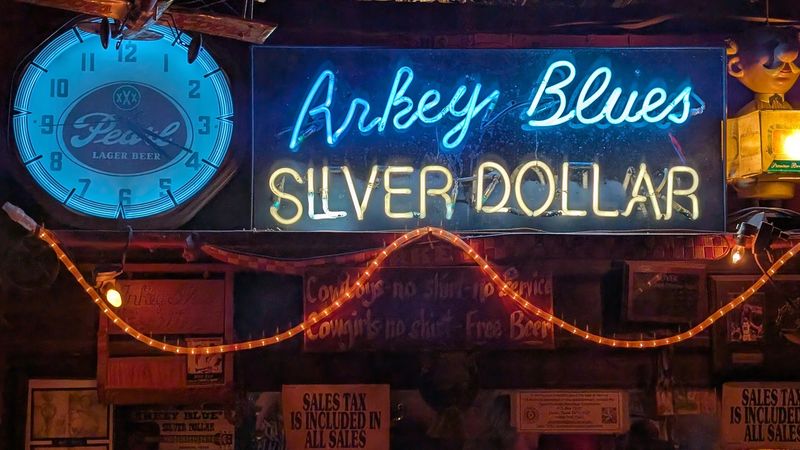
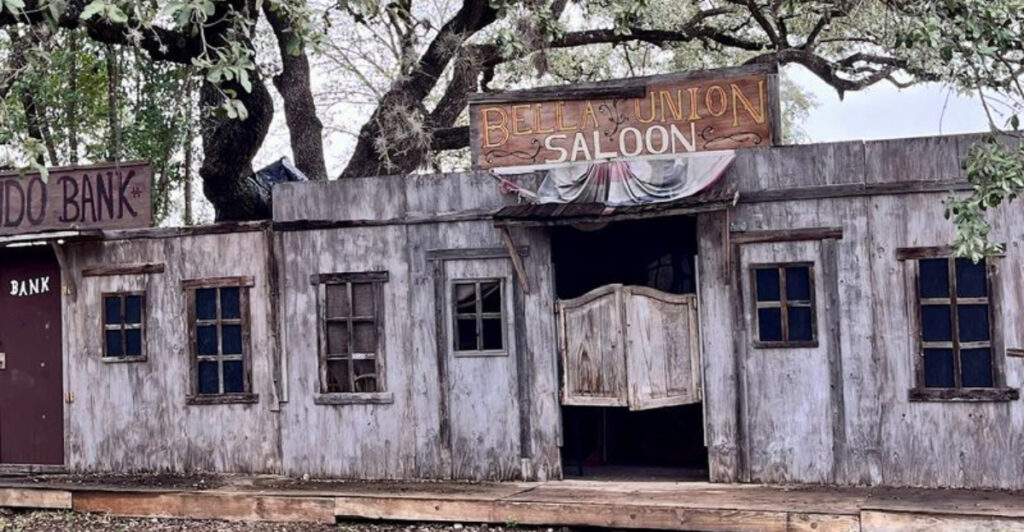
Step through the swinging doors of Arkey Blue’s Silver Dollar Saloon and you’re stepping into Texas music history. Established in 1933, this legendary watering hole has been serving up cold beer and hot country music for nearly a century. The walls are covered with photographs, saddles, and memorabilia that tell stories of cowboys, musicians, and dancers who’ve two-stepped across its worn wooden floors.
Arkey Blue himself became a local legend, playing his fiddle and welcoming guests until his passing in 2019. The honky-tonk he built remains a shrine to traditional country music, hosting live performances nearly every night. You’ll find locals and tourists alike crowding the dance floor, practicing their Texas two-step and cotton-eyed joe under dim lights and spinning fans.
What makes this place special isn’t just its age—it’s the authenticity. There’s no pretense here, no manufactured nostalgia. The beer is cheap, the music is real, and the dancers range from seasoned ranch hands to first-timers learning the steps.
The Silver Dollar doesn’t try to recreate the Old West; it simply never left it.
On weekends, the place gets packed shoulder-to-shoulder with folks who appreciate genuine Texas culture. The bartenders know their regulars by name, and newcomers are welcomed with the kind of friendliness that makes you feel like you’ve found a second home. It’s the kind of place where memories are made and traditions continue.
2. Frontier Times Museum: A Quirky Collection of Western History
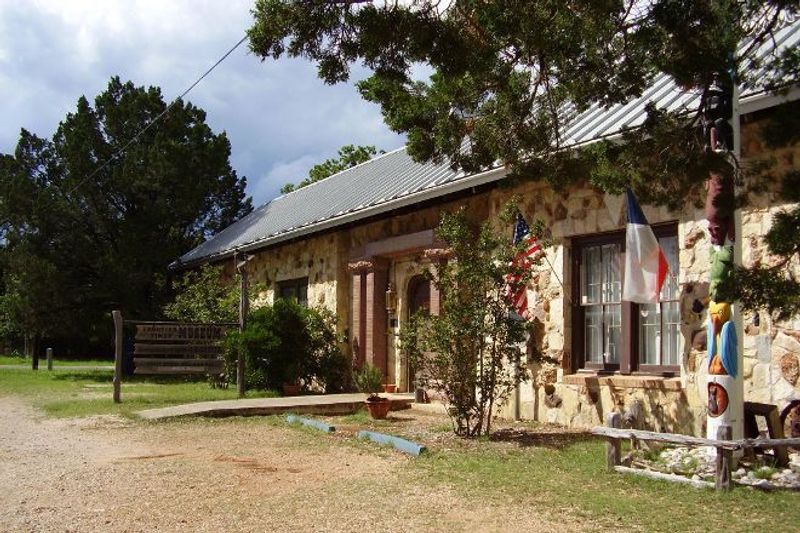
Housed in a building that looks like it wandered out of a Western movie set, the Frontier Times Museum offers one of the most eclectic collections you’ll find anywhere in Texas. Founded in 1933 by journalist J. Marvin Hunter, this place goes way beyond your typical historical displays.
Sure, there are arrowheads and pioneer tools, but there’s also a shrunken head, a two-headed calf, and enough oddities to keep you fascinated for hours.
The museum sprawls across multiple rooms, each packed with artifacts that range from the profound to the downright bizarre. You’ll see genuine cowboy gear, Native American artifacts, and displays about Bandera’s Polish settler roots. Then you’ll turn a corner and find yourself face-to-face with taxidermied animals or vintage medical equipment that’ll make you grateful for modern healthcare.
What really sets this museum apart is its unfiltered approach to history. There’s no corporate polish or fancy interactive displays—just case after case of real objects with handwritten labels. It’s like exploring your eccentric great-uncle’s attic, if your great-uncle happened to be obsessed with frontier history and had a penchant for collecting unusual items.
Kids love the museum’s randomness, and adults appreciate the genuine historical treasures hidden among the curiosities. The admission price is remarkably reasonable, and the volunteer staff members are full of stories about the exhibits and the town itself. It’s a perfect rainy-day activity or a fascinating stop between ranch adventures.
3. Dude Ranch Capital: Where City Slickers Become Cowboys
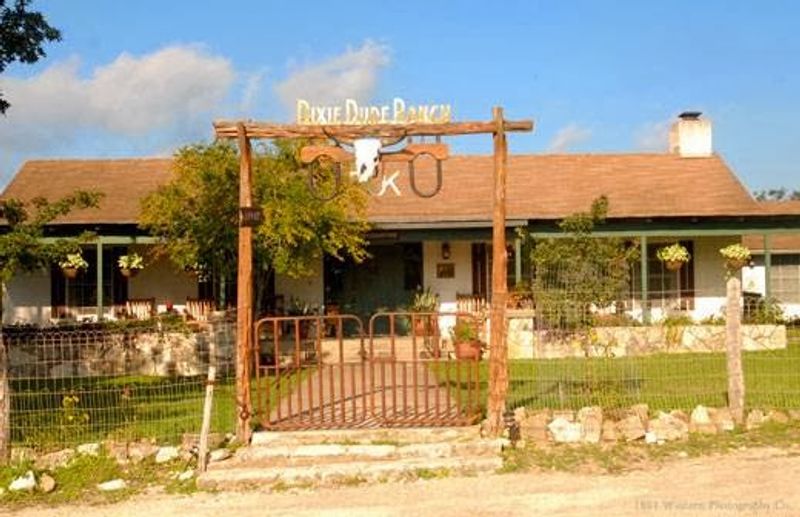
Bandera earned its title as the Cowboy Capital of the World partly because it hosts more guest ranches than just about anywhere else in Texas. These aren’t fancy resorts pretending to be ranches—they’re working cattle operations that welcome visitors to experience authentic ranch life. You’ll wake up to roosters crowing, eat breakfast cooked over real campfires, and spend your days doing actual ranch work alongside seasoned cowboys.
The dude ranch tradition here dates back to the 1950s when ranchers started inviting city folks to experience country living. Today, ranches like the Mayan Dude Ranch, Dixie Dude Ranch, and Flying L Guest Ranch continue this heritage. Guests stay in rustic cabins, participate in cattle drives, and learn skills like roping, riding, and even branding during certain seasons.
What surprised many first-time visitors is how genuinely hands-on the experience becomes. You’re not just watching cowboys work—you’re helping move cattle, mending fences, and getting saddle-sore from hours in the saddle. The ranches cater to all skill levels, so complete beginners receive patient instruction while experienced riders can tackle more challenging trails through the Hill Country.
Evenings typically feature campfire cookouts, hayrides, and Western entertainment. Kids especially thrive in this environment, feeding chickens, collecting eggs, and making friends with ranch dogs and barn cats. Families often return year after year, building relationships with ranch staff and falling deeper in love with the cowboy lifestyle that Bandera preserves so well.
4. Main Street: Small-Town Texas at Its Finest
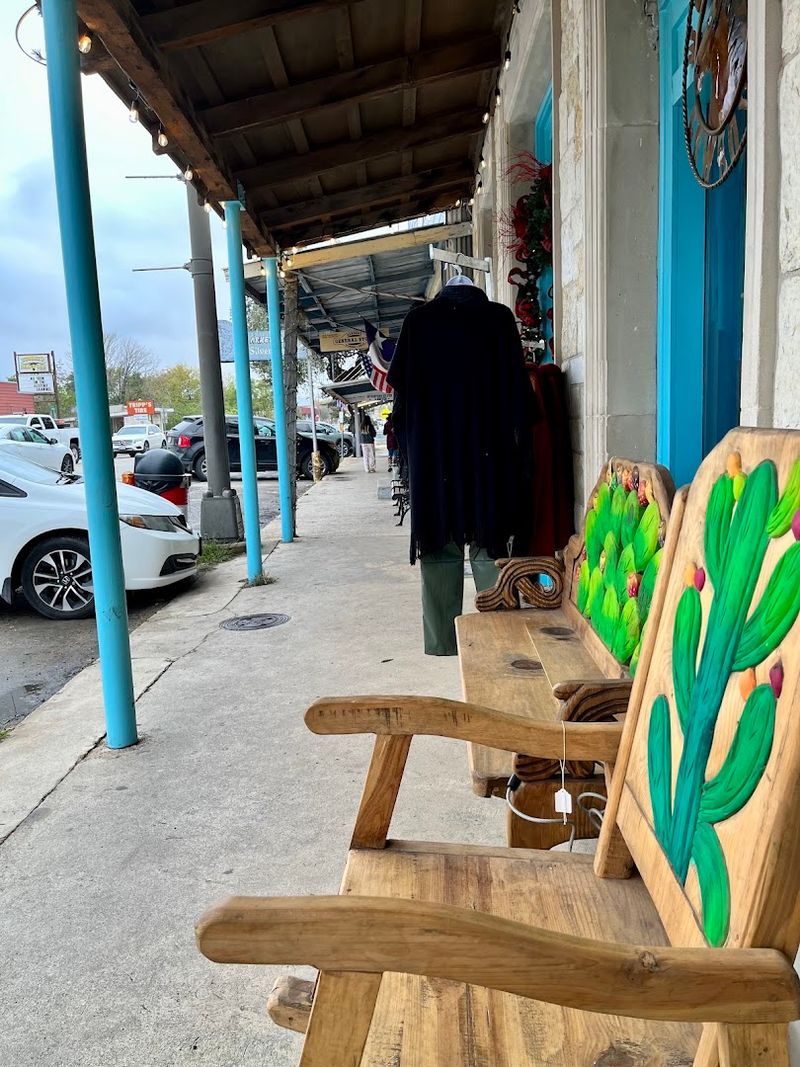
Walking down Bandera’s Main Street feels like stepping onto a movie set, except everything here is wonderfully real. The street is lined with historic limestone buildings, many dating back to the late 1800s, housing everything from saddle shops to antique stores. There are no chain restaurants or corporate franchises cluttering the view—just locally owned businesses that have served this community for generations.
The Old Spanish Trail runs right through downtown, reminding visitors that this route once connected San Antonio to California. Today, you can browse through the Old Town Emporium for Western wear, stop by the Bandera General Store for supplies, or grab a meal at one of several family-owned restaurants serving everything from Texas barbecue to Polish sausage, honoring the town’s heritage.
On weekends, Main Street comes alive with locals running errands, tourists exploring shops, and cowboys riding horses right down the middle of the road. Yes, you read that correctly—horseback riding is still a legitimate form of transportation here. Hitching posts stand outside several businesses, and it’s not unusual to see horses tied up while their riders grab lunch or do some shopping.
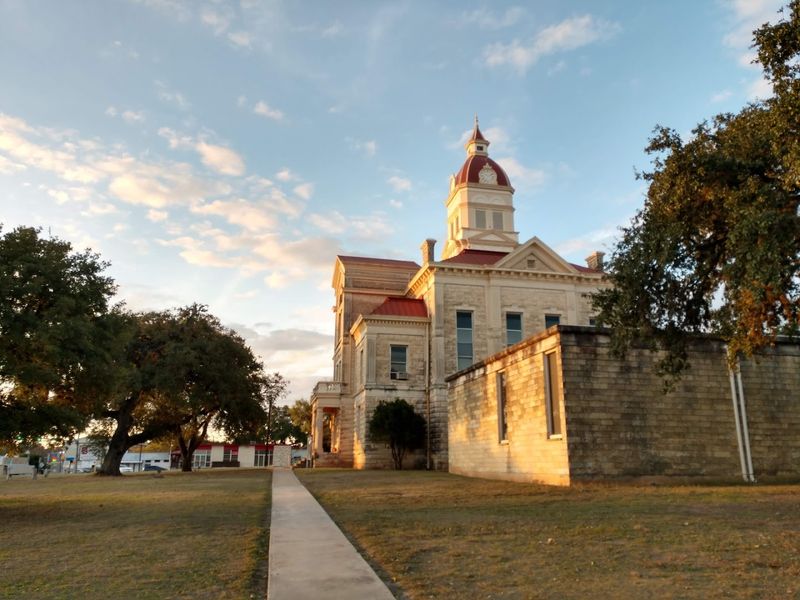
The Bandera County Courthouse, built in 1890, anchors the downtown area with its distinctive architecture. Nearby, small parks offer shaded benches perfect for people-watching. The pace here is deliberately slow, encouraging visitors to relax, chat with shopkeepers, and soak in the atmosphere of a town that refuses to sacrifice its character for modern convenience.
5. Medina River: Natural Beauty and Outdoor Adventure
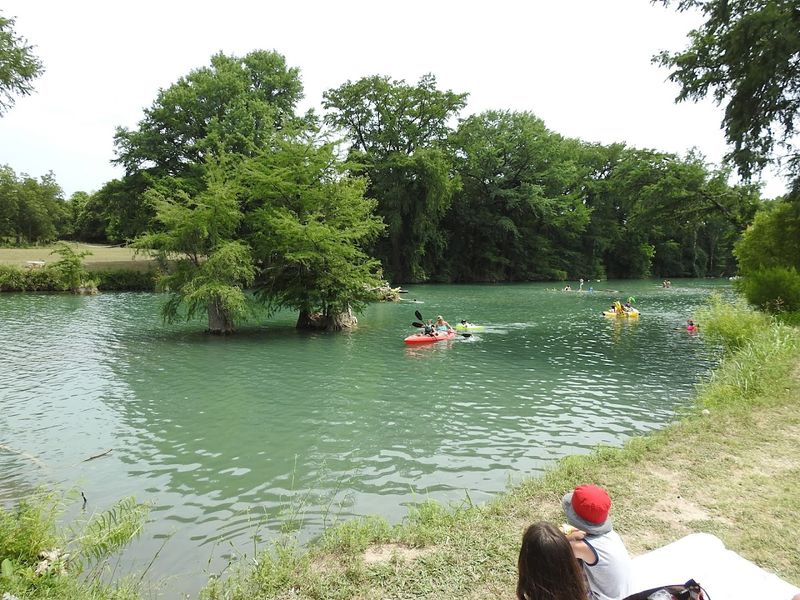
Flowing right through Bandera, the Medina River provides a refreshing contrast to the dusty ranch lands and offers some of the best outdoor recreation in the Hill Country. The river’s cool, spring-fed waters stay relatively clear year-round, making it perfect for swimming, tubing, kayaking, and fishing. Massive bald cypress trees line the banks, their roots creating natural sculptures in and around the water.
Several river access points within town limits make it easy to enjoy the water without traveling far. Bandera City Park offers a popular swimming hole where families gather on hot summer days. The shallow areas are safe for young children, while deeper pools attract teenagers practicing their diving skills from overhanging tree branches and rope swings.
For those seeking more adventure, tubing down the Medina has become a beloved tradition. The river’s gentle current makes for a relaxing float, though occasional rapids provide just enough excitement to keep things interesting. Local outfitters rent tubes and provide shuttle services, making the logistics simple for visitors who didn’t bring their own equipment.
Fishing enthusiasts cast lines for bass, catfish, and perch from the riverbanks or while wading in shallow sections. The river also attracts birdwatchers, as the riparian habitat supports diverse wildlife including great blue herons, kingfishers, and occasionally even river otters. Early morning or late evening visits often reward patient observers with glimpses of deer coming down to drink at the water’s edge.
6. Hill Country State Natural Area: Wilderness Just Minutes Away
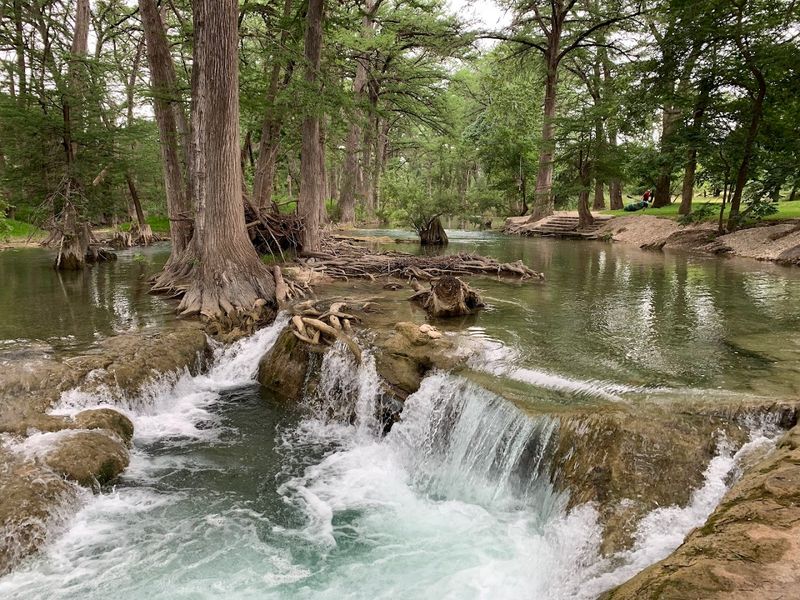
Just ten miles southwest of Bandera, the Hill Country State Natural Area preserves over 5,300 acres of rugged Texas wilderness in its most primitive state. Unlike many state parks with paved roads and modern facilities, this natural area deliberately maintains a backcountry character. There’s no electricity, no water hookups, and limited amenities—exactly what draws people seeking genuine outdoor experiences away from crowds and civilization.
The park’s trail system spans more than 40 miles, open to hikers, mountain bikers, and equestrians. These aren’t manicured paths—they’re rocky, challenging routes that wind through limestone hills, creek valleys, and stands of juniper and oak. Spring wildflowers transform the landscape into a colorful tapestry, while fall brings comfortable temperatures perfect for all-day adventures.
Horseback riders especially appreciate this park, as it’s one of the few places in Texas where you can ride for miles through pristine Hill Country without crossing roads or encountering development. Equestrian campsites accommodate riders and their horses, complete with corrals and hitching posts. Many Bandera ranch guests make day trips here to explore trails beyond their ranch boundaries.
Backpackers find solitude along remote trails leading to primitive campsites scattered throughout the property. Night skies here are spectacular, far from town lights that diminish star visibility. Wildlife sightings are common—white-tailed deer, armadillos, wild turkeys, and various hawk species make their homes in this protected habitat.
It’s the perfect complement to Bandera’s cowboy culture, offering untamed nature just minutes from town.
7. Bandera’s Rodeo Tradition: Where Cowboys Prove Their Skills
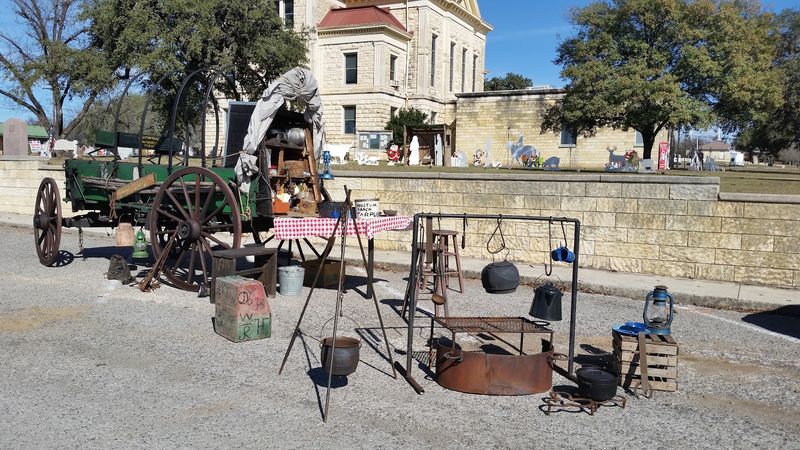
Every summer weekend from Memorial Day through Labor Day, Bandera’s rodeo grounds come alive with the thunder of hooves, the bellow of bulls, and the cheers of crowds watching real cowboys compete. This isn’t some tourist show with actors—these are working ranch hands and professional rodeo competitors testing their skills in bull riding, barrel racing, calf roping, and bronc riding. The competition is fierce, the falls are real, and the atmosphere is electric.
Bandera’s rodeo tradition stretches back decades, deeply rooted in the town’s ranching heritage. Many competitors grew up on local ranches, learning to ride before they could walk. Others travel from across Texas and beyond, drawn by the rodeo’s reputation for fair competition and genuine Western hospitality.
The prize money might not match big-city events, but the pride and bragging rights mean everything.
Families fill the bleachers, with kids sitting on parents’ shoulders to get better views of the action. Between events, rodeo clowns entertain the crowd while crews reset equipment. The announcer knows many competitors personally, adding local color and backstories that make each ride more meaningful.
You’ll learn about the cowboy whose family has ranched in Bandera for five generations or the barrel racer who trains horses on a nearby spread.
The rodeo grounds also host special events throughout the year, including team roping competitions and youth rodeos where the next generation of cowboys and cowgirls develop their skills. Attending a Bandera rodeo isn’t just entertainment—it’s witnessing a living tradition that defines this town’s identity and keeps cowboy culture thriving in modern Texas.
8. Polish Heritage: An Unexpected Cultural Layer
While Bandera celebrates its cowboy identity, there’s another fascinating cultural thread woven into the town’s history—its Polish Catholic roots. In the 1850s, Polish immigrants from Silesia arrived in this remote Hill Country valley, drawn by promises of land and religious freedom. They built St. Stanislaus Catholic Church in 1876, which still stands today as a beautiful reminder of their enduring influence on the community.
These Polish settlers weren’t just farmers—they became skilled ranchers and craftsmen who adapted European traditions to Texas realities. They brought recipes that still appear on local menus, including Polish sausage that’s become a Hill Country staple. Family names like Moczygmeba, Kuykendall, and Urbanczyk appear on businesses and mailboxes throughout Bandera County, testament to descendants who never left.
St. Stanislaus Church remains an architectural gem, its Gothic Revival style standing in beautiful contrast to the rough-hewn Western buildings surrounding it. The church’s stained glass windows, imported from Europe, cast colorful light across pews where Polish descendants still worship alongside cowboys and newcomers. The cemetery behind the church tells stories of pioneers who carved lives from this challenging landscape.
This cultural blend—Polish Catholic settlers meeting Texas cowboy culture—created something unique to Bandera. You can eat Polish sausage at breakfast, spend the day working cattle, and dance to country music at night. It’s a reminder that Texas history is more complex and interesting than simple cowboy mythology, with immigrant stories enriching every corner of the state in unexpected ways.
Share this story