Texas has always been big, but lately it’s getting a whole lot bigger in some unexpected places. While Houston, Dallas, and Austin grab most of the headlines, a collection of smaller towns scattered across the state are experiencing explosive growth that’s literally redrawing the population map. These aren’t your typical boomtowns—they’re vibrant communities where families are planting roots, businesses are flourishing, and entire neighborhoods are springing up seemingly overnight.
1. Prosper (Collin/Denton County)
North of Dallas sits a town that’s living up to its name in every possible way. Prosper has transformed from a quiet farming community into one of the fastest-growing municipalities in the entire United States. The population surge here isn’t just impressive—it’s record-breaking, with thousands of new residents arriving each year seeking the perfect blend of small-town charm and big-city convenience.
What makes this community so magnetic? Top-rated schools consistently rank among the best in Texas, drawing families who prioritize education. The town has managed to maintain its welcoming atmosphere even as construction crews work overtime building new subdivisions.
Tree-lined streets, well-maintained parks, and a genuine sense of community create an environment where neighbors actually know each other’s names.
The location proves ideal for commuters working in the Dallas-Fort Worth metroplex. Major employers are within reasonable driving distance, yet residents escape the traffic congestion and urban stress that plague larger cities. Shopping centers, restaurants, and entertainment venues have followed the population boom, meaning you don’t need to venture far for daily necessities or weekend fun.
Real estate development here moves at lightning speed. What was an empty field last year might be a thriving neighborhood today, complete with playgrounds, walking trails, and community pools. Home builders can barely keep up with demand as buyers compete for properties in desirable subdivisions.
Sports facilities and youth programs have expanded dramatically to serve the growing number of families. Friday night football games pack the stadium, while youth leagues offer everything from soccer to baseball. The town invests heavily in recreational amenities, understanding that quality of life extends beyond just housing.
Local government has worked hard to manage this explosive growth responsibly. Infrastructure improvements, road expansions, and utility upgrades happen continuously to support the expanding population. Despite the rapid changes, longtime residents and newcomers alike appreciate the forward-thinking planning that keeps Prosper functioning smoothly while preserving the community spirit that makes it special.
2. Kyle (Hays County)
Positioned perfectly between Austin and San Antonio, this Hays County community has become a hotspot for people seeking affordability without sacrificing accessibility. Kyle represents something increasingly rare in Central Texas—a place where you can actually find reasonably priced housing while staying connected to major employment centers. The I-35 corridor placement means you’re never too far from either metropolitan area, making it a strategic choice for commuters.
The town’s personality reflects a fascinating mix of old Texas roots and contemporary growth. Historic downtown areas preserve the character of the original settlement, while brand-new neighborhoods sprawl across former ranch land. This contrast creates a unique identity where tradition and progress coexist comfortably.
Entertainment options have multiplied as the population swells. Local restaurants serve everything from authentic Tex-Mex to trendy fusion cuisine, while shopping centers offer major retail chains alongside homegrown boutiques. Weekend farmers markets draw crowds looking for fresh produce and handmade goods, maintaining that connection to the agricultural heritage even as subdivisions replace pastures.
Schools in the area have expanded rapidly, with new campuses opening to accommodate the influx of families. Parents appreciate the investment in education infrastructure, though the pace of growth sometimes challenges district resources. Still, the commitment to quality education remains a priority that attracts young families.
Outdoor recreation opportunities abound thanks to the proximity to natural areas and parks. Hiking trails, sports complexes, and green spaces provide outlets for active lifestyles. The Texas Hill Country landscape surrounding the town offers beautiful scenery that residents never take for granted.
Business development has followed residential growth, bringing employment opportunities closer to home. Distribution centers, retail establishments, and service industries have established operations here, reducing the need for long commutes. The economic diversification strengthens the community’s foundation and provides local job opportunities that keep money circulating within the town, creating a sustainable growth cycle that benefits everyone.
3. Fulshear (Fort Bend County)
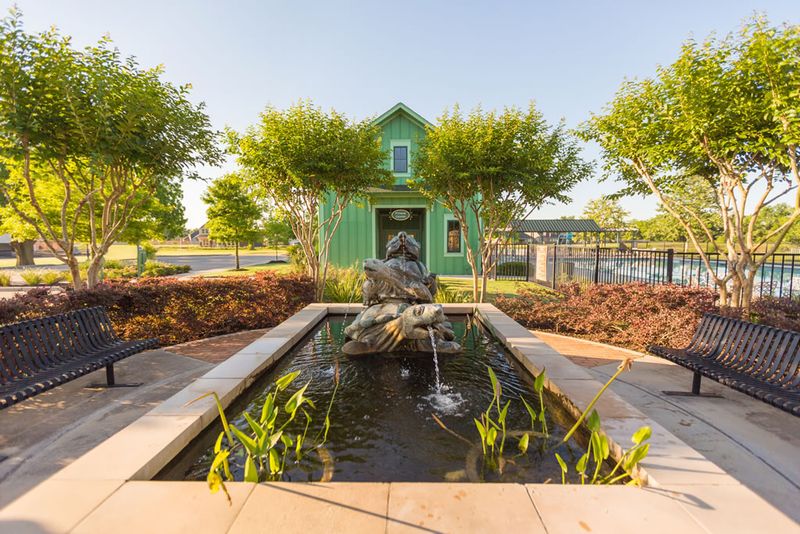
West of Houston, a transformation is underway that’s turning ranch land into one of Texas’s most desirable addresses. Fulshear has evolved from a tiny railroad town into a master-planned community paradise that attracts families from across the Houston metropolitan area. The growth here isn’t accidental—it’s the result of carefully designed developments that prioritize quality of life alongside rapid expansion.
Master-planned communities dominate the landscape, offering amenities that rival resort destinations. Residents enjoy access to multiple pools, fitness centers, tennis courts, and miles of walking trails without leaving their neighborhoods. These thoughtfully designed communities create instant social connections, with planned events and gathering spaces that foster genuine friendships among neighbors.
The school situation represents a major draw for families. Highly rated campuses serve students from elementary through high school, with state-of-the-art facilities and strong academic programs. Parents often cite education quality as the primary reason for choosing Fulshear over other Houston suburbs.
Shopping and dining options have exploded in recent years. What once required a drive into Houston can now be found locally, with grocery stores, restaurants, and retail shops opening regularly. The commercial development follows the residential boom, ensuring conveniences keep pace with population growth.
Commute times to Houston’s Energy Corridor and downtown areas remain manageable, especially compared to other suburban options. Major roadways provide multiple routes into the city, and future infrastructure projects promise to improve access further. Remote workers particularly appreciate the peaceful environment that offers escape from urban chaos while maintaining connectivity.
Real estate values have climbed steadily as demand outpaces supply. Buyers compete for homes in popular subdivisions, often making offers above asking price. The investment potential attracts both families planning to stay long-term and those viewing property as wealth-building opportunity.
Parks and recreational facilities continue expanding to serve the growing population. Sports leagues, community events, and seasonal festivals create a vibrant social calendar. The town maintains a family-friendly atmosphere where kids can ride bikes safely and parents feel confident about their choice to call Fulshear home.
4. Celina (Collin/Denton County)
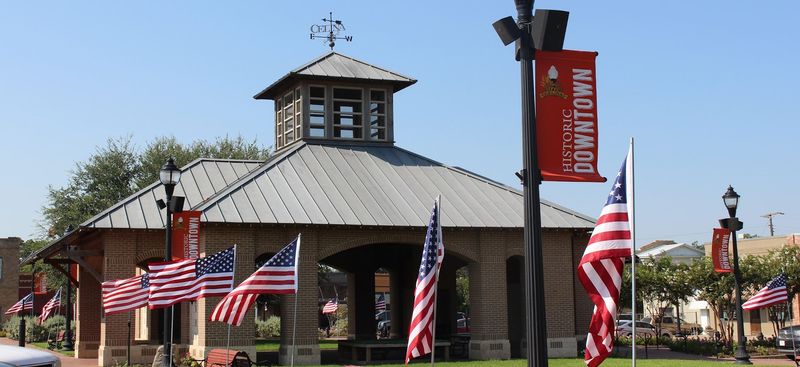
Once a sleepy farming town where everybody knew everybody, Celina now finds itself at the epicenter of North Texas’s suburban explosion. The population has multiplied dramatically over the past decade, transforming pastures and cotton fields into thriving residential communities. Despite the rapid changes, the town works hard to preserve the small-town feel that originally defined its character.
Historic downtown Celina still features charming buildings that harken back to simpler times. Local businesses operate alongside newer establishments, creating an interesting blend of old and new. Community events centered around the historic square bring residents together, maintaining traditions even as the population diversifies and expands.
New neighborhoods seem to appear almost monthly, with builders racing to meet insatiable demand. Families flock here for the combination of excellent schools, affordable housing compared to nearby areas, and that elusive sense of community that’s harder to find in larger suburbs. The town’s location provides easy access to employment centers while offering breathing room that’s increasingly precious in the Dallas-Fort Worth metroplex.
School facilities have undergone massive expansion to accommodate the student population boom. New campuses feature modern technology and resources, while established schools receive upgrades and additions. The district’s commitment to maintaining quality despite rapid growth reassures parents who prioritize education.
Parks and recreational amenities have multiplied to serve the influx of families. Playgrounds, sports fields, and community centers provide outlets for kids and adults alike. Youth sports programs thrive, with leagues expanding annually to accommodate more participants.
The agricultural heritage hasn’t completely disappeared—you can still find working farms on the outskirts, creating an interesting juxtaposition with suburban development. This connection to rural roots gives Celina a unique identity that differentiates it from other fast-growing suburbs.
Local government faces the ongoing challenge of managing infrastructure needs while preserving community character. Roads, utilities, and public services require constant attention and investment. Town leaders balance growth with sustainability, trying to avoid the pitfalls that have plagued other rapidly expanding communities.
The result is a town in transition, working to honor its past while embracing an undeniably different future.
5. Georgetown (Williamson County)
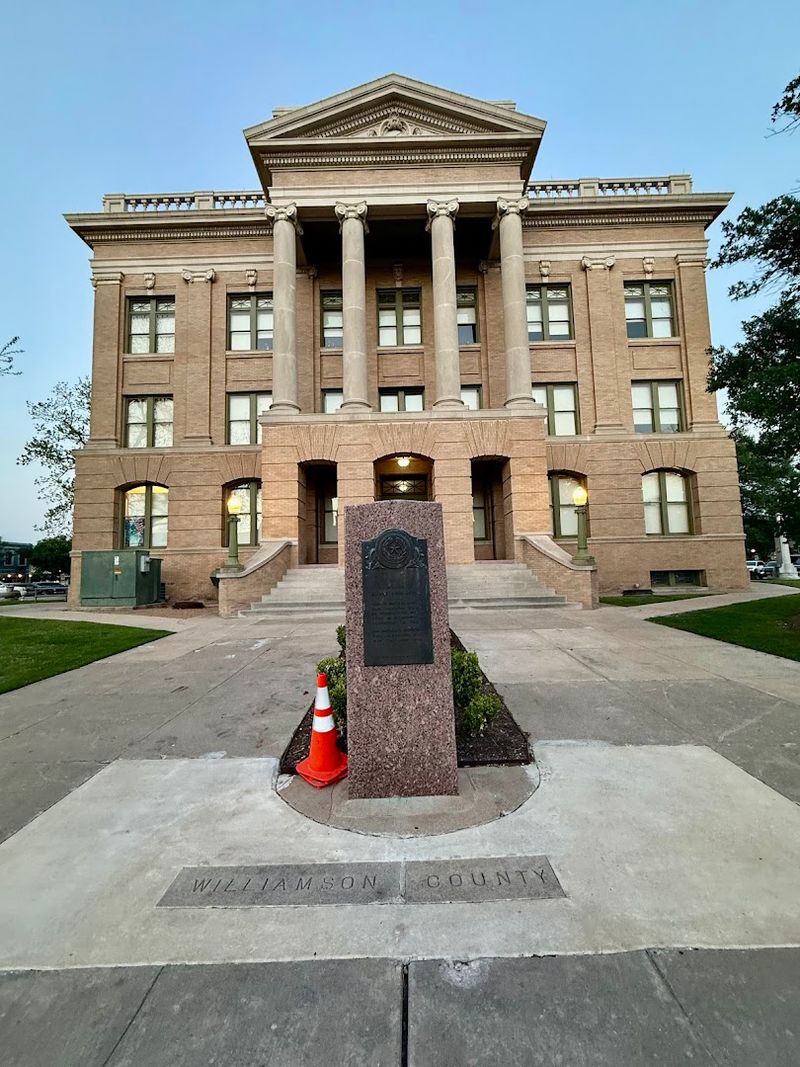
North of Austin, this Williamson County gem has discovered the perfect formula for growth that respects heritage while embracing progress. Georgetown’s Victorian-era courthouse square remains the heart of the community, surrounded by antique shops, locally-owned restaurants, and charming boutiques. Yet beyond this historic core, modern development spreads across rolling hills, creating neighborhoods that attract retirees and young families in equal measure.
The town has become particularly popular with active adults seeking an engaging retirement destination. Sun City Texas, a massive age-restricted community, draws thousands of retirees who want mild weather, excellent amenities, and a vibrant social scene. Golf courses, recreation centers, and organized activities keep residents busy and connected.
Meanwhile, young families discover Georgetown offers outstanding schools and a family-friendly environment. The blend of generations creates a dynamic community where different age groups interact and contribute to civic life. This demographic diversity strengthens the social fabric in ways that single-generation communities can’t replicate.
Outdoor enthusiasts love the access to natural beauty. Blue Hole Park’s swimming area provides relief from Texas heat, while miles of trails attract hikers and bikers. Lake Georgetown offers boating, fishing, and waterfront recreation just minutes from town.
The emphasis on preserving green spaces and natural areas sets Georgetown apart from development-focused suburbs.
The local economy has diversified beyond tourism and retirement services. Technology companies, healthcare facilities, and manufacturing operations have established presences here, creating employment opportunities that reduce dependence on Austin commuters. This economic foundation provides stability and attracts professionals seeking career opportunities close to home.
Downtown events draw crowds year-round, from the famous Red Poppy Festival to weekly farmers markets and live music series. These gatherings reinforce community bonds and showcase local culture. Small businesses thrive on the square, benefiting from both resident support and tourist traffic.
Real estate options range from historic homes near downtown to modern subdivisions on the outskirts. The variety accommodates different budgets and preferences, though prices have climbed as popularity increases. Despite growth pressures, Georgetown maintains its distinctive character through thoughtful planning and community engagement that prioritizes quality over quantity.
6. Little Elm (Denton County)
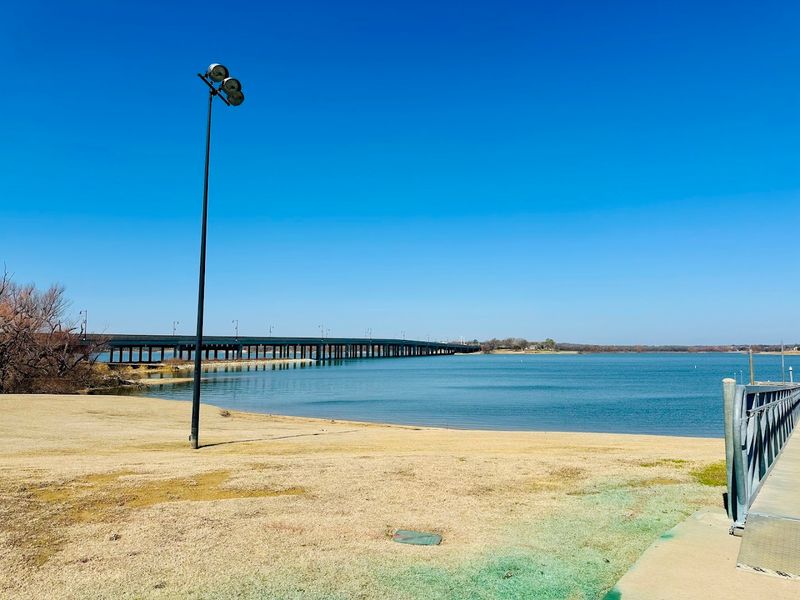
Wrapped around the shores of Lewisville Lake, this Denton County community offers something many North Texas towns can’t—actual waterfront living. Little Elm has leveraged its lakeside location into a major selling point, attracting residents who want water recreation literally in their backyard. The combination of affordable housing and lake access creates appeal that’s hard to resist for outdoor enthusiasts and families alike.
Boating, fishing, and water sports define summer weekends here. Marinas, public beaches, and waterfront parks provide access points for everyone, not just those fortunate enough to own lakefront property. The town has invested in recreational infrastructure that maximizes the lake’s potential as a community asset.
Beyond the water, Little Elm offers typical suburban amenities with a twist. Parks feature splash pads and playgrounds, while the library and community center host programs for all ages. The town maintains a casual, laid-back vibe that reflects its lakeside setting—nobody’s in too much of a hurry here.
Schools serve a rapidly growing student population, with new facilities opening to keep pace with residential development. The district faces typical growth challenges but remains committed to educational quality. Parents appreciate the smaller-town feel compared to larger Dallas suburbs, even as the population climbs.
Shopping and dining options have expanded significantly, though many residents still venture to nearby Frisco or Denton for certain needs. Local restaurants range from casual lakeside eateries to chain establishments, with new options appearing regularly as the commercial sector develops.
The real estate market stays active with steady demand from buyers seeking affordability within the Dallas-Fort Worth metroplex. Neighborhoods range from established subdivisions to brand-new developments, offering choices for different budgets and preferences. Property values have appreciated as the town’s popularity grows, rewarding early adopters who recognized the potential.
Commute times to major employment centers require consideration—Little Elm’s location means longer drives for those working in Dallas or Fort Worth. However, the trade-off brings lower housing costs and the unique lifestyle benefits that lakeside living provides. For many residents, the daily commute is a small price to pay for weekend mornings spent on the water and evenings enjoying spectacular sunsets over the lake.
7. Anna (Collin County)
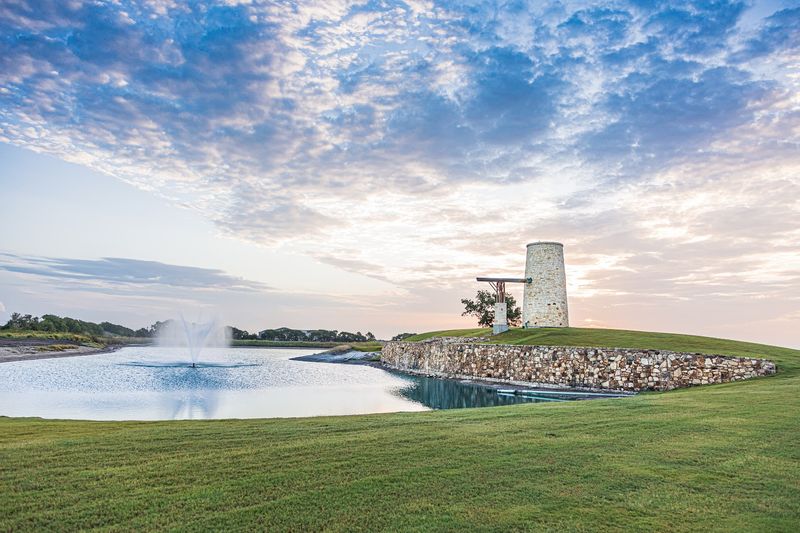
Drive northeast from Dallas and you’ll discover a town racing to keep up with its own success. Anna represents the outer edge of suburban expansion, where farmland meets subdivision at an accelerating pace. The transformation happens so quickly that longtime residents sometimes struggle to recognize their own hometown, yet the community works to maintain connections to its agricultural roots even as the landscape changes.
What attracts people to Anna? Affordability ranks high on the list. Housing costs remain lower than communities closer to Dallas, making homeownership achievable for families priced out of other areas.
The value proposition is simple—get more house for your money while still accessing quality schools and a safe environment.
New subdivisions sprout across former ranch land, each promising the good life with amenities like pools, parks, and community events. Builders market to young families seeking that classic suburban dream: good schools, safe streets, and friendly neighbors. The formula works, evidenced by the steady stream of moving trucks arriving weekly.
Schools have expanded rapidly, with new campuses opening to serve the growing student population. The district invests in facilities and programs, understanding that education quality drives residential decisions. Parents get involved, creating active PTAs and supporting extracurricular activities that enrich student experiences.
Downtown Anna retains some historic character, though the town center feels increasingly disconnected from the sprawling residential growth happening on the outskirts. Local leaders grapple with how to preserve identity while accommodating explosive expansion. It’s a balancing act with no perfect answers.
Commercial development lags behind residential growth, meaning many shopping and dining needs still require drives to nearby McKinney or other established communities. This gap frustrates some residents but also represents opportunity for entrepreneurs willing to serve the expanding population.
Commute times to Dallas employment centers push the limits of reasonable, making Anna better suited for remote workers or those with flexible schedules. Still, residents accept longer drives in exchange for the lifestyle benefits and housing affordability.
The sense of community remains strong despite rapid changes. Neighbors gather for block parties, kids play street hockey in cul-de-sacs, and youth sports leagues thrive. Anna may be growing up fast, but it’s working hard to maintain the small-town friendliness that makes it special.
8. New Braunfels (Comal/Guadalupe County)
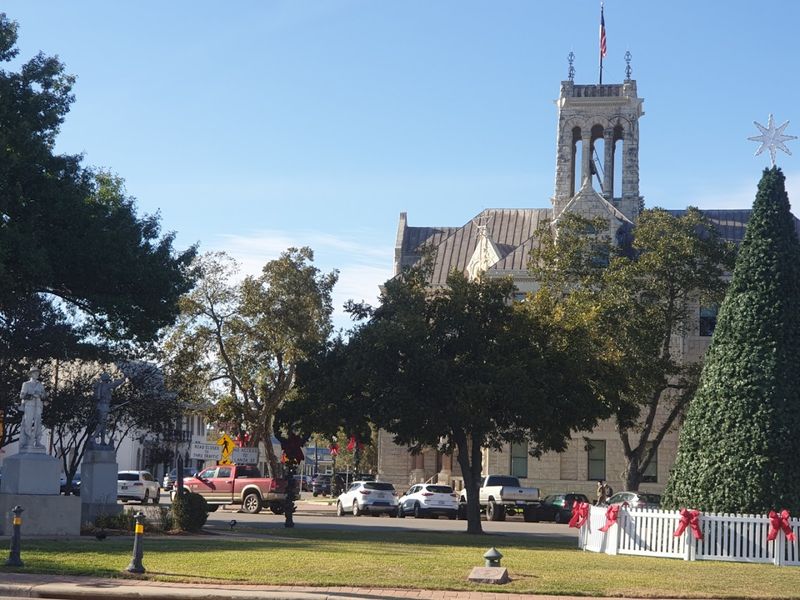
Straddling the Guadalupe River between Austin and San Antonio, New Braunfels combines German heritage, natural beauty, and explosive growth into a uniquely Texas package. This isn’t a sleepy small town anymore—it’s a full-fledged city that’s managed to preserve its character while accommodating thousands of new residents. The river running through town provides more than scenic beauty; it’s the centerpiece of a recreation-based lifestyle that attracts people seeking adventure alongside suburban comfort.
Summer weekends transform the Guadalupe into a floating party as tubers drift downstream, coolers in tow. Schlitterbahn Waterpark draws visitors from across the state, while local outfitters rent tubes, kayaks, and rafts to anyone wanting to experience the river. This water-focused culture defines the town’s identity and drives tourism that supports the local economy.
German heritage remains visible in architecture, festivals, and local cuisine. Wurstfest celebrates sausage and German culture each November, drawing massive crowds. Historic buildings downtown house restaurants serving schnitzel and sauerkraut alongside Texas barbecue, creating a culinary fusion that’s distinctly New Braunfels.
The real estate market has heated up considerably as Austin’s growth pushes outward. New subdivisions sprawl across the Hill Country landscape, offering homes at prices lower than Austin proper but higher than they were just years ago. The location appeals to commuters willing to drive for affordability and quality of life.
Schools serve a diverse population that includes longtime residents, Austin commuters, and San Antonio transplants. The district has grown substantially, adding facilities and programs to accommodate increasing enrollment. Academic performance remains solid, though rapid growth presents ongoing challenges.
Shopping and dining options have multiplied beyond the tourist-focused downtown area. Major retailers have opened locations along I-35, while local restaurants and breweries create a vibrant food scene. The mix of chain establishments and independent businesses provides variety that serves both residents and visitors.
Natural beauty surrounds the town, with Hill Country scenery providing a stunning backdrop to daily life. Parks, hiking trails, and natural areas offer escape from suburban development. Residents appreciate living somewhere that balances growth with environmental preservation, even as the tension between development and conservation intensifies with each new subdivision approved.
9. Princeton (Collin County)
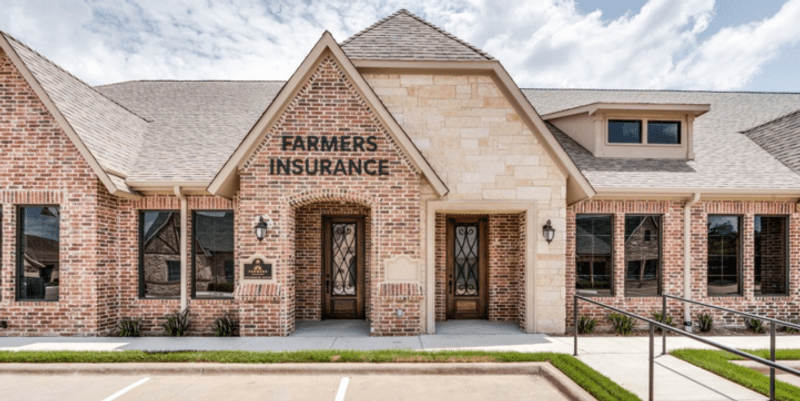
East of McKinney, a farming community is experiencing a growth spurt that’s reshaping its entire identity. Princeton spent decades as a quiet agricultural town where farming families had lived for generations. Now, suburban development spreads across those same fields, bringing thousands of new residents who’ve never driven a tractor or harvested a crop.
The culture clash is real, but so are the opportunities this transformation presents.
Affordability drives much of Princeton’s appeal. Compared to nearby McKinney or Frisco, housing costs remain lower, attracting first-time buyers and families seeking more space for their money. The value proposition works for people willing to sacrifice some convenience for better housing deals and lower property taxes.
New neighborhoods feature modern amenities and contemporary designs that appeal to young families. Community pools, playgrounds, and walking trails create instant social infrastructure where neighbors meet and kids make friends. These master-planned sections contrast sharply with older parts of town, where ranch houses sit on larger lots and longtime residents maintain their established routines.
Schools face the challenge of rapid enrollment growth while maintaining quality. New facilities open to accommodate students, but the pace of expansion strains resources and planning. Parents get involved, advocating for their children’s needs and supporting programs that enhance education despite growing pains.
The town’s location requires consideration for commuters. Drives to Dallas employment centers take significant time, making Princeton better suited for those with flexible work arrangements or jobs in nearby cities. Still, residents accept longer commutes in exchange for the lifestyle and affordability benefits.
Commercial development trails residential growth, leaving gaps in shopping and dining options. Many needs require trips to McKinney or Allen, though new businesses open regularly as the population justifies investment. Local entrepreneurs see opportunity in serving the expanding community.
Agricultural heritage lingers on the outskirts, where working farms still operate alongside new subdivisions. This juxtaposition creates an interesting visual reminder of the town’s evolution. Some longtime residents lament the loss of rural character, while newcomers appreciate the small-town feel that remains despite rapid changes.
Community events bring together old-timers and new arrivals, fostering connections across different backgrounds. The town works to build unity amid transformation, recognizing that success requires integrating diverse perspectives and creating shared identity that honors the past while embracing the future.
10. Leander (Williamson/Travis County)
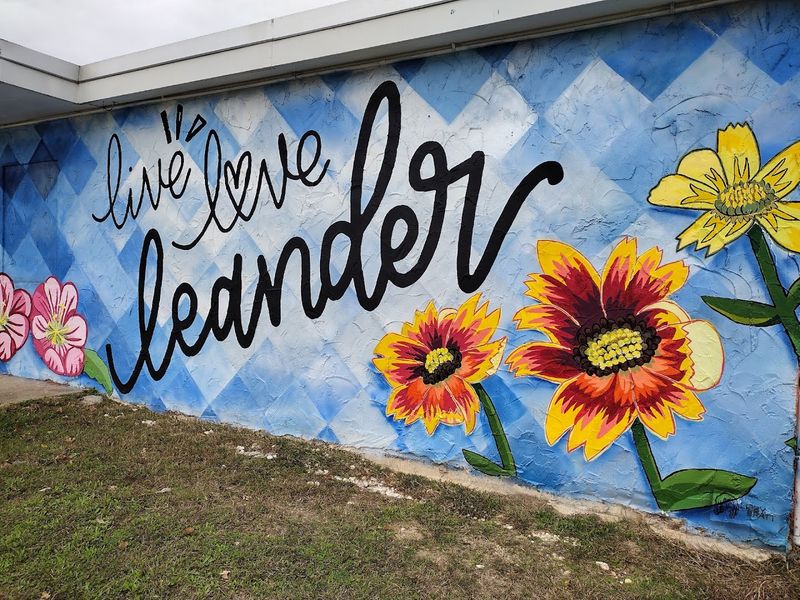
Northwest of Austin, Leander has evolved from a railroad stop into a thriving suburb that attracts families seeking escape from urban intensity without sacrificing access to city amenities. The town sits at the intersection of affordability and quality of life, offering housing options that don’t require selling a kidney while providing excellent schools and a family-friendly environment. This combination proves irresistible to young families and professionals who want Austin proximity without Austin prices.
The MetroRail connection to downtown Austin changes the commuting equation significantly. Residents can board a train and reach the city center without battling I-35 traffic, making Leander viable for downtown workers who once considered it too far out. This transit link has accelerated growth and increased property values near station areas.
Neighborhoods range from established subdivisions to brand-new developments, offering choices for different budgets and preferences. Master-planned communities provide resort-style amenities, while older sections offer larger lots and mature trees. The variety accommodates diverse needs and lifestyles.
Schools consistently rank among the area’s best, drawing families who prioritize education. New campuses open regularly to keep pace with enrollment growth, though the district faces ongoing challenges managing expansion while maintaining quality. Parent involvement runs high, with active PTAs and strong community support for educational programs.
Old Town Leander preserves historic character with antique shops, local restaurants, and community events that celebrate the town’s heritage. This downtown area provides a gathering place that contrasts with the sprawling suburban development surrounding it. Farmers markets, festivals, and seasonal celebrations bring residents together and reinforce community bonds.
Parks and recreational facilities have expanded dramatically to serve the growing population. Sports complexes, hiking trails, and community centers provide outlets for active lifestyles. The town invests heavily in recreational amenities, understanding that quality of life extends beyond housing and schools.
Commercial development has accelerated, bringing shopping and dining options closer to home. Major retailers and restaurant chains have opened locations, reducing the need to venture into Austin for everyday needs. Local businesses thrive alongside national chains, creating a diverse commercial landscape.
Hill Country scenery surrounds Leander, offering natural beauty and outdoor recreation opportunities. Residents appreciate living somewhere that balances suburban convenience with environmental assets, even as development pressures threaten the very landscapes that make the area attractive.
11. Melissa (Collin County)
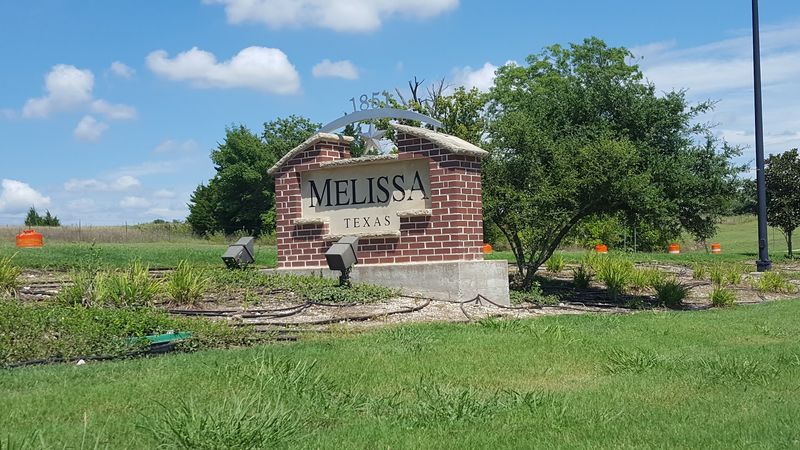
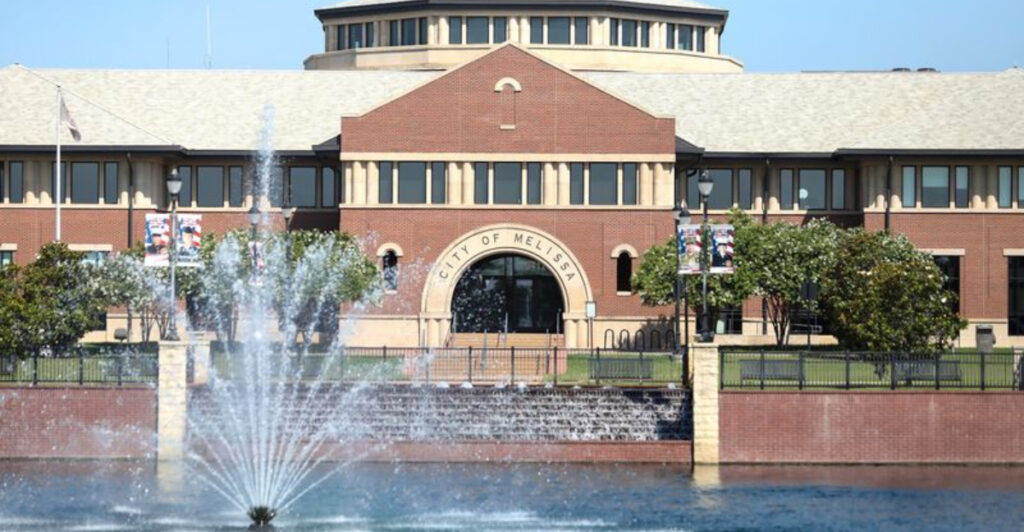
Just when you thought Collin County couldn’t possibly grow any more, Melissa proves there’s still room for expansion. This small town northeast of McKinney has become the latest target for suburban development, with new neighborhoods replacing farmland at a pace that startles even longtime North Texas residents. The growth feels inevitable given the location and market forces, yet Melissa strives to manage the transformation while preserving the tight-knit community feel that longtime residents cherish.
Housing affordability attracts buyers priced out of nearby communities like McKinney or Frisco. Families can still find new construction at reasonable prices, making homeownership achievable for middle-class buyers. The value proposition is straightforward—get more house for less money while accessing quality schools and a safe environment for raising kids.
New subdivisions spring up continuously, each marketed to young families seeking that suburban dream. Community amenities like pools, parks, and playgrounds come standard, creating instant infrastructure for social connections. Builders understand what buyers want and deliver cookie-cutter neighborhoods that check all the boxes for modern suburban living.
Schools expand to accommodate the student population boom, with new facilities opening and existing campuses receiving additions. The district works hard to maintain quality despite rapid growth, though resources sometimes struggle to keep pace with needs. Parents stay involved, supporting programs and advocating for their children’s educational experiences.
The original town center maintains some historic character, though it feels increasingly disconnected from the sprawling residential development happening on the outskirts. Local businesses serve longtime residents while new commercial areas cater to subdivision dwellers. This dual identity creates interesting dynamics as old Melissa and new Melissa coexist somewhat awkwardly.
Commercial development lags behind residential growth, meaning many shopping and dining needs still require drives to McKinney or Allen. The gap frustrates residents who want more local options, but it also represents opportunity for businesses willing to serve the expanding population.
Commute times to Dallas employment centers test patience, making Melissa better suited for remote workers or those with flexible schedules. The distance keeps some potential buyers away but attracts others who prioritize housing value over commute convenience.
Community spirit remains surprisingly strong despite rapid changes. Neighbors connect through block parties, youth sports leagues, and school events. Melissa may be growing up fast and losing its small-town status, but residents work hard to maintain the friendliness and sense of belonging that make it feel like home.
Share this story