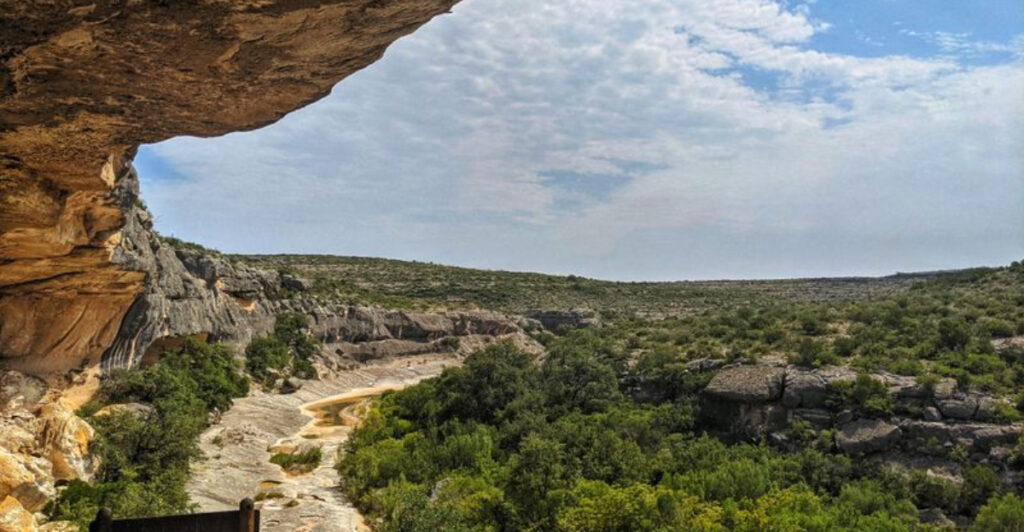
Out in the rugged West Texas desert near Comstock, ancient rock art waits in shadowy canyon shelters, hidden from most travelers speeding along Highway 90. Seminole Canyon State Park protects some of the oldest and most spectacular Native American pictographs in North America, painted thousands of years ago by people who called these limestone cliffs home. Most Texans have never heard of this place, but those who venture into its remote canyons discover a connection to the distant past that few other sites can match.
1. Ancient Pictographs Dating Back 4,000 Years
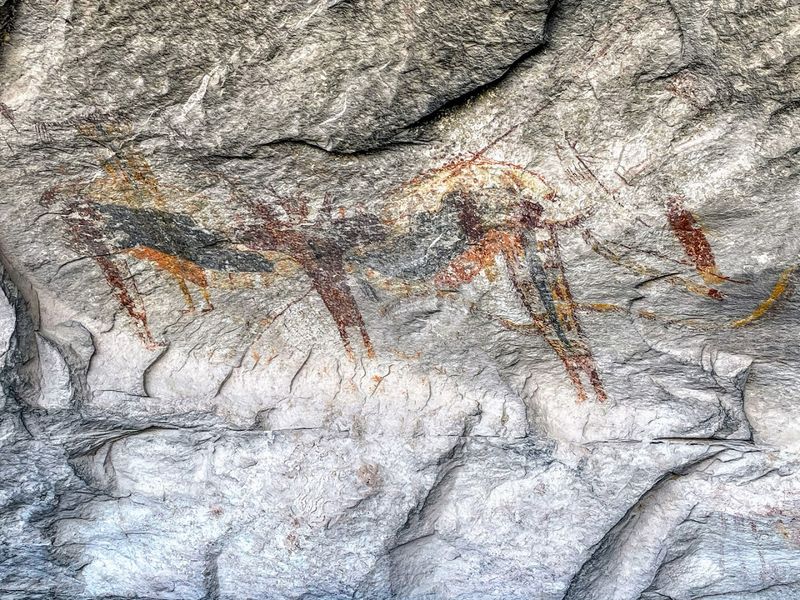
Walking into Fate Bell Shelter feels like stepping through a doorway in time. The rock overhang stretches wide above you, and there on the walls are paintings created by people who lived here millennia before the pyramids rose in Egypt. These aren’t simple stick figures scratched into stone.
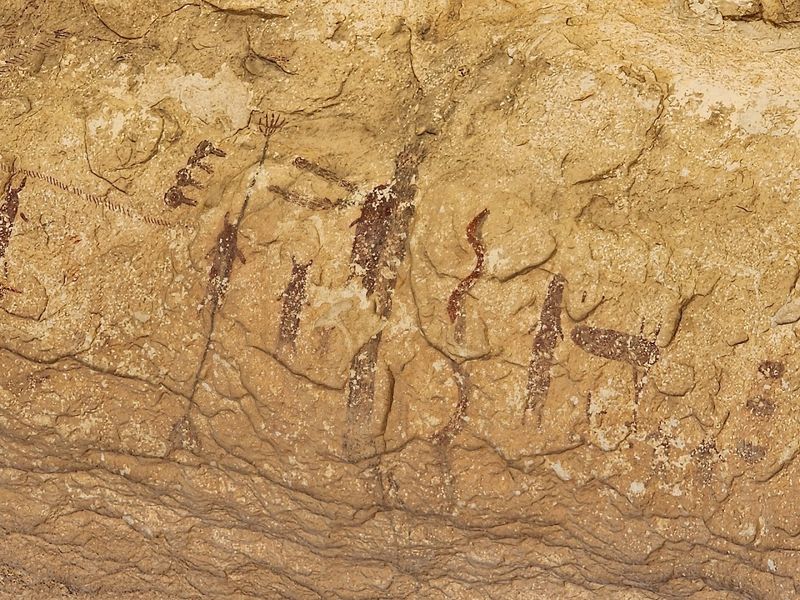
The pictographs show elaborate scenes with human figures, animals, and mysterious symbols rendered in vivid reds, blacks, and yellows made from natural pigments.
What makes these paintings so remarkable is their age and preservation. Some date back roughly 4,000 years, created by peoples archaeologists call the Lower Pecos culture. They ground minerals and plants into paint, then applied it to the shelter walls where the limestone overhang protected their work from rain and direct sunlight.
The dry desert climate did the rest, preserving colors that still pop against the pale rock.
You can’t just wander up to see them on your own, though. The park requires visitors to join guided tours to protect these irreplaceable artworks from damage. Rangers lead small groups down into the canyon, sharing stories about the ancient artists and what their paintings might have meant.
Standing before these images, you realize you’re looking at one of the oldest art galleries in Texas, created by skilled hands that disappeared centuries ago but left behind a voice that still speaks across the ages.
2. Guided Tours Into Fate Bell Shelter
Getting to the pictographs requires booking one of the park’s guided tours, and trust me, you want to make that reservation early. The Fate Bell Shelter tour runs Wednesday through Sunday at 10 AM, taking you on a moderate hike down into the canyon and back up again. It’s roughly 1.5 miles round trip with some steep sections, but the pace stays relaxed enough for most fitness levels.
Rangers who lead these tours know their stuff. They’ll point out details you’d never notice on your own, like tiny painted figures tucked into crevices or the way certain images overlap, showing different time periods. They explain how archaeologists dated the paintings and what daily life might have looked like for the people who created them.
The tours last about 90 minutes total, giving you plenty of time to absorb the experience.
For serious adventurers, the park also offers a longer Presa Canyon tour that requires advance reservation and takes most of the day. This challenging seven-hour trek ventures deeper into the canyon system to see even more rock art sites. You’ll scramble over rocks, push through brush, and climb back out via a seemingly endless stairway, but reviewers consistently say the spectacular pictographs and scenery make every step worthwhile.
Just wear long pants and sleeves because the desert plants don’t care about your Instagram photos.
3. Canyon Rim Trail With Spectacular Desert Views
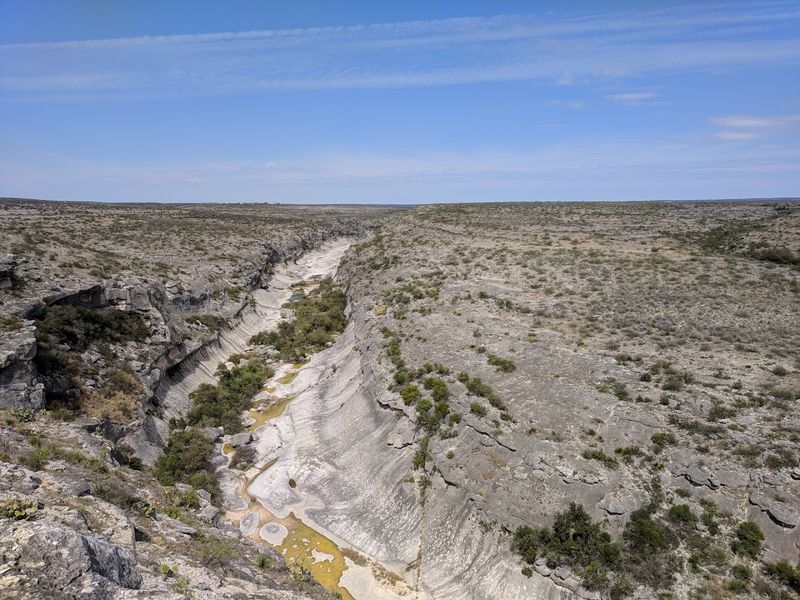
If you prefer exploring on your own schedule, the Canyon Rim Trail delivers some of the most stunning views in West Texas. This six-mile loop follows the edge of the canyon, giving you bird’s-eye perspectives of the rugged landscape stretching toward the Rio Grande. The trail isn’t paved or manicured, so expect rocky, uneven terrain that keeps things interesting.
Sunrise and sunset transform this hike into something magical. Early morning light spills across the canyon walls, painting them in shades of gold and orange while the desert comes alive with birdsong. Evening brings equally dramatic colors as the sun drops toward the horizon, and if you time it right, you might spot deer emerging from the shadows to graze.
One visitor captured lightning storms in the distance, creating photography opportunities you won’t find in the city.
The trail works for both hikers and mountain bikers, though cyclists should know the path gets technical in spots with loose rocks and narrow sections. One reviewer got a flat tire on their e-bike and had to walk it out, learning the hard way that this isn’t your typical rail trail. The cacti and thorny brush crowd close to the path in places, so long pants make sense even when it’s hot.
Despite the challenges, most people say the Rim Trail is the prettiest hike in the park and worth every careful step.
4. Spacious Campsites Under Dark Desert Skies
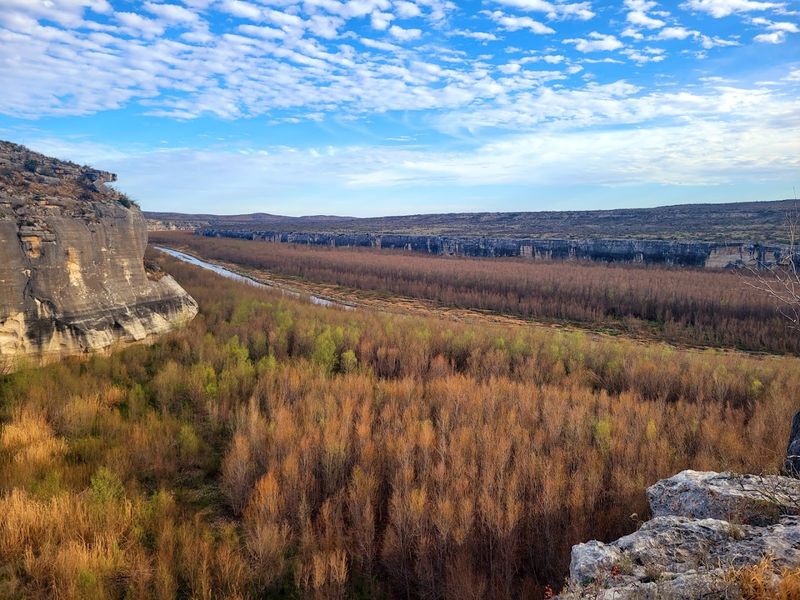
Camping at Seminole Canyon puts you in the middle of genuine desert solitude. The campsites spread out with good spacing between them, especially the ones on the outer rim that offer real privacy. Most sites are large enough for big rigs, though be prepared for some unlevel spots that might test your leveling blocks.
The park provides water and electric hookups, plus clean restrooms with hot showers that get consistently high marks from campers.
What really sets this campground apart is the night sky. Out here, far from city lights, the Milky Way stretches overhead like a river of stars. You can see planets, satellites, and meteor showers without straining your eyes.
Campers who love stargazing say this ranks among the darkest skies they’ve experienced in a Texas state park. Lying back in your camp chair after dark, watching the universe reveal itself, makes you understand why ancient people painted their stories on these canyon walls.
The campground stays surprisingly busy even on weeknights, so don’t assume you can just roll in without a reservation. Many RV sites require parking your truck alongside your trailer rather than behind it, which takes some maneuvering. Tent sites see less traffic, which seems odd given the mild weather much of the year.
Some campers stay a week or more, using the park as a base camp for exploring nearby Amistad National Recreation Area and the Pecos River High Bridge.
5. Wildlife Watching in the Chihuahuan Desert
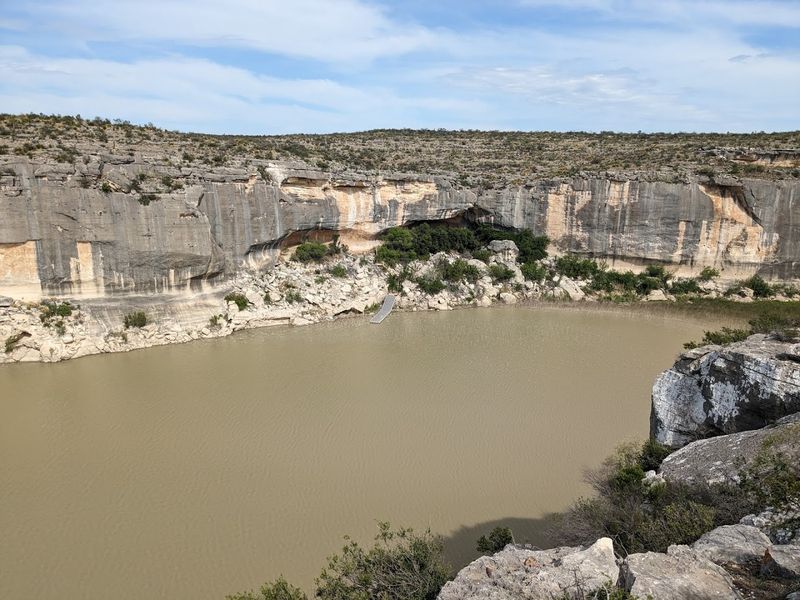
The desert around Seminole Canyon teems with more life than you’d expect from such a harsh landscape. Mule deer appear regularly, especially near dawn and dusk when they venture out to browse. Visitors report seeing way more deer than they anticipated, sometimes whole groups moving through the campsites.
Their huge ears swivel constantly, listening for threats in the quiet desert air.
Black-tailed jackrabbits provide endless entertainment with their comically oversized ears and explosive bursts of speed. These aren’t your typical cottontails. Jackrabbits can leap fifteen feet in a single bound and hit speeds of 40 miles per hour when spooked.
Watching them bounce across the desert like furry pogo sticks never gets old. Their enormous ears aren’t just for hearing, they help regulate body temperature in the intense desert heat.
Birdwatchers should bring binoculars because the park sits in a migration corridor. You might spot golden eagles soaring on thermals, roadrunners sprinting through the brush, or colorful painted buntings during migration seasons. Reptiles sun themselves on rocks along the trails, including various lizard species and the occasional snake.
Most critters avoid people, but staying alert adds another dimension to your hikes. The best wildlife viewing happens during the cooler hours when animals are most active and you’re not melting into a puddle yourself.
6. Visitor Center With Educational Displays and Canyon Views
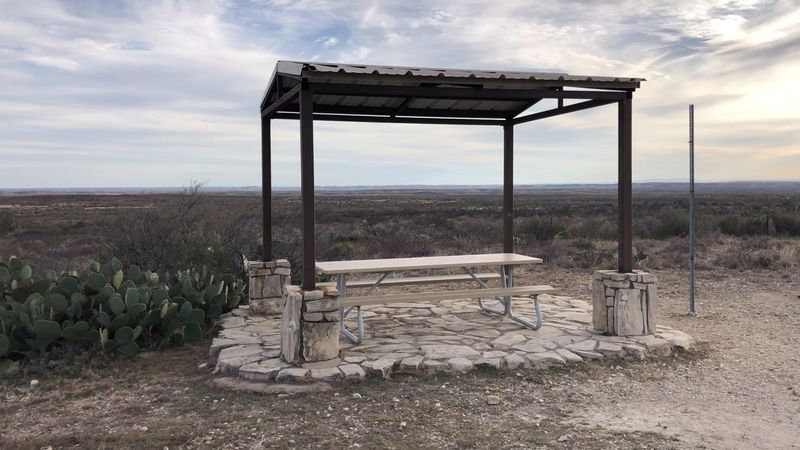
Before heading into the canyon, spend time at the visitor center soaking up context that makes the pictographs more meaningful. The building houses educational displays explaining the geology of the area, the plants and animals that live here, and the cultures that painted the rock art. You’ll learn about the different pigments ancient artists used and how archaeologists piece together clues about their lives from artifacts found in the shelters.
The back of the visitor center features an observation deck with sweeping views across the canyon. It’s a perfect spot to get your bearings before hiking or to watch the sun set if you’re camping overnight. Staff members working the desk are knowledgeable about the park’s history and natural features, though experiences vary.
Most visitors praise the rangers’ expertise and helpfulness, while a few mention encountering less friendly personnel. Overall, the staff clearly cares about protecting this special place and sharing its stories.
If you’re planning to take the guided pictograph tour, arrive at the visitor center with time to spare. Tour groups depart from here, and you’ll want to use the restrooms and fill your water bottles before descending into the canyon. The center also sells books about rock art and regional history if you want to dive deeper into the subject.
Even if you’re just passing through on Highway 90, stopping at the visitor center gives you a taste of what makes Seminole Canyon worth a longer visit.
7. Day Trips to Amistad Reservoir and Pecos River High Bridge
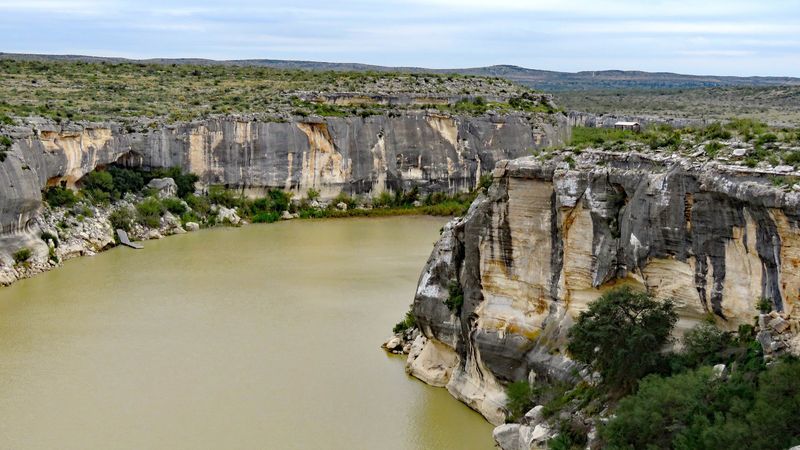
Seminole Canyon’s location makes it an ideal base for exploring other West Texas attractions. Amistad National Recreation Area sits just minutes away, offering a complete contrast to the desert landscape. The massive reservoir created by damming the Rio Grande provides opportunities for boating, fishing, and water sports.
You can launch a kayak, try your luck catching bass, or just enjoy views of blue water stretching to the horizon.
The Pecos River High Bridge ranks as one of those engineering marvels you have to see in person. This railroad trestle soars 321 feet above the Pecos River canyon, making it one of the highest bridges in the United States when it was completed in 1892. The current bridge, rebuilt in 1944, still carries trains across the gorge.
You can pull off Highway 90 at a rest area to walk out and peer over the edge, feeling your stomach drop as you contemplate the sheer drop to the river below.
Del Rio, about 45 minutes southeast, offers more civilization when you need it. The town features impressive murals, street art, and galleries worth exploring. The Gin House Jazz Club provides live music and nightlife, while Marcos Mares Gallery showcases regional artists.
For meals, several reviewers recommend J and P Bar n Grill in Comstock, just eight miles from the park. These day trip options mean you can enjoy remote desert camping while still having access to activities and amenities when canyon solitude starts feeling a bit too quiet.
8. Mountain Biking Trails Through Desert Terrain
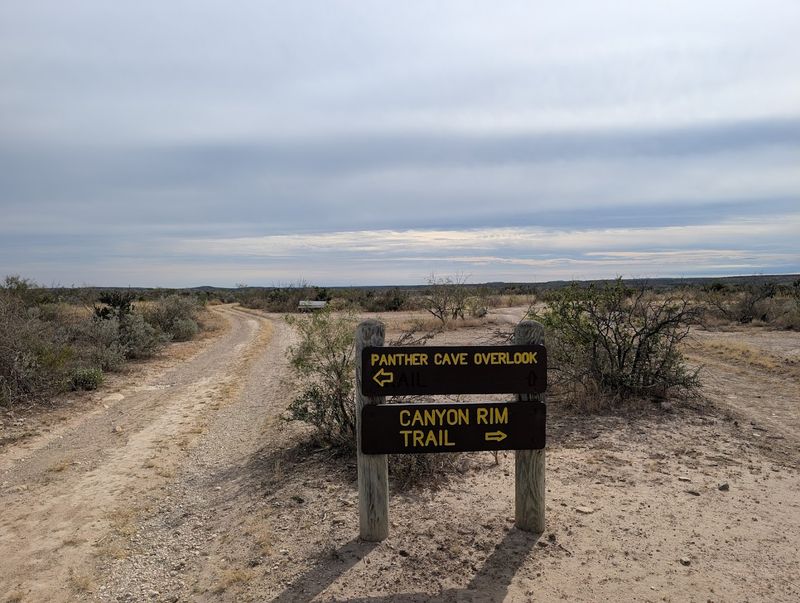
Mountain bikers find plenty of challenging terrain at Seminole Canyon, though this definitely isn’t beginner territory. The trails wind through rocky desert landscape studded with cacti, requiring technical skills and constant attention. Loose rocks, sudden drops, and narrow passages between thorny plants keep you focused.
The Middle Fork Trail gets mentioned as the easiest biking option, while the Rim Trail earns respect as seriously demanding.
E-bikes make the hills more manageable, but don’t eliminate the challenges. The terrain stays rough regardless of whether you’re pedaling or getting electric assist. One visitor’s flat tire experience on the Rim Trail serves as a reminder to carry repair supplies and be prepared to walk your bike out if things go wrong.
The combination of sharp rocks and thorny vegetation creates plenty of opportunities for punctures.
Despite the difficulty, cyclists who embrace the challenge rave about the experience. The trails offer incredible views you can’t get any other way, and the sense of accomplishment after completing a technical section feels great. Just dress appropriately with long pants and sleeves to protect against inevitable encounters with cacti and brush.
Bring more water than you think you’ll need because the desert sun is no joke. Early morning or late afternoon rides avoid the worst heat and offer the best light for enjoying the scenery. The park’s trail system provides enough variety to keep you busy for several days if you’re a dedicated rider looking for desert adventure.
Share this story