Texas owns 367 miles of Gulf Coast shoreline, but most visitors pile into the same handful of crowded spots year after year. Meanwhile, some of the state’s most stunning stretches of sand sit quietly just down the road, offering the same sun, surf, and salty air without the elbow-to-elbow beach towels. These nine underrated beaches prove you don’t need to fight for parking or wade through crowds to experience the Texas coast at its finest.
1. Surfside Beach
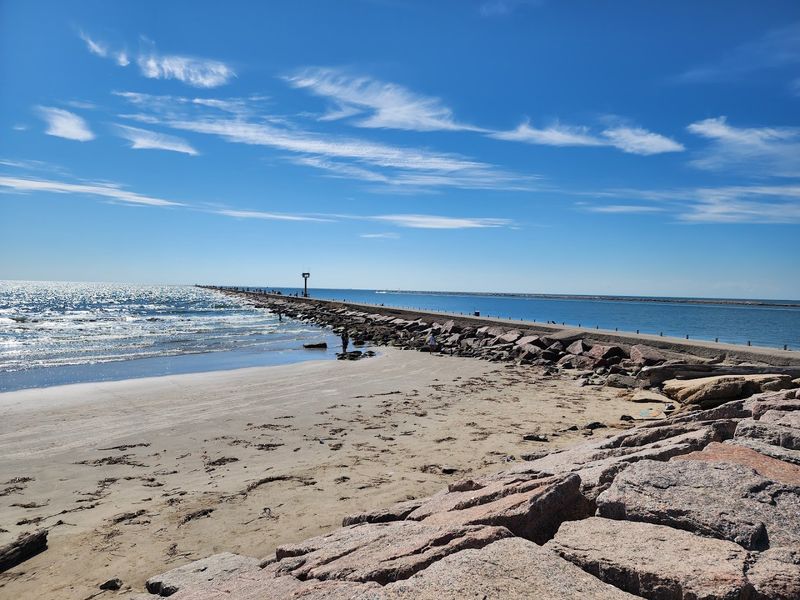
Just an hour south of Houston, this laid-back beach town feels like stepping back into the Texas coast of decades past. The sand stretches wide and welcoming, the kind of place where you can actually hear the waves instead of competing boom boxes. Families spread out with plenty of room to breathe, and the vibe stays refreshingly low-key even during peak summer weekends.
Fishing culture runs deep here. The granite jetties jutting into the Gulf create prime spots for anglers chasing redfish, speckled trout, and flounder. You’ll see locals setting up before dawn with coolers and tackle boxes, casting lines while pelicans circle overhead.
Even if you’re not into fishing yourself, watching the rhythm of it all adds to the authentic coastal atmosphere.
The beach access points are plentiful and easy to navigate, with several free parking areas along Bluewater Highway. Unlike some Texas beaches where you need four-wheel drive to reach the good spots, regular cars handle Surfside just fine. The hard-packed sand near the waterline makes for excellent beach walking, and the gentle slope into the water works perfectly for kids learning to swim in the Gulf.
Surfside Jetty Park deserves special mention. This well-maintained area offers covered pavilions, clean restrooms, and a playground that keeps younger children entertained when they need a break from the waves. The jetty itself provides a different perspective, letting you walk out over the water and watch boats navigating the channel while shorebirds hunt for breakfast in the rocks below.
Beachcombing here turns up more than just shells. The Gulf currents deposit interesting finds along the tideline—sand dollars, driftwood sculptures shaped by salt and time, occasional sea glass smoothed to perfection. Early morning walks after a storm produce the best treasures, when the waves have rearranged everything overnight and left new discoveries waiting in the sand.
2. Boca Chica Beach
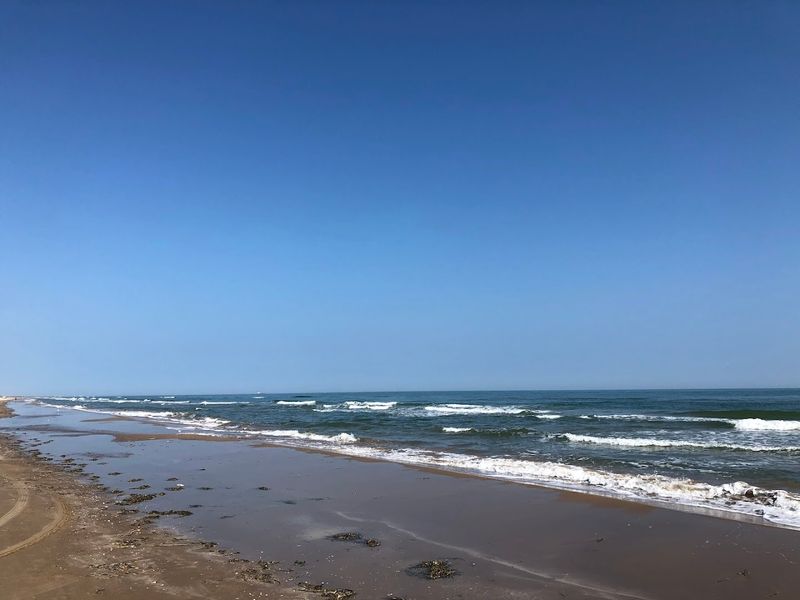
Way down at the southernmost tip of Texas, where the Rio Grande meets the Gulf, Boca Chica Beach exists in its own world. Getting there requires commitment—a 20-mile drive down Highway 4 through flat coastal prairie where the landscape feels more like the edge of nowhere than a beach destination. That isolation is exactly what makes it special for people seeking genuine solitude by the water.
This beach remains completely undeveloped. No hotels, no restaurants, no souvenir shops selling inflatable dolphins. What you get instead is miles of natural coastline where the primary sounds come from wind, waves, and seabirds.
The sand dunes rise and fall in their ancient patterns, held together by tough coastal grasses that bend but never break in the constant Gulf breeze.
Wildlife watching here rivals any nature preserve. Kemp’s ridley sea turtles nest along this stretch during summer months, and if you’re lucky enough to witness a hatching, you’ll understand why some people drive hours just for the possibility. Dolphins patrol the nearshore waters hunting for fish, often close enough that you can hear them surfacing to breathe.
Shore birds work the tideline in organized chaos, running from incoming waves and probing the wet sand for tiny crustaceans.
The beach driving culture thrives at Boca Chica. Four-wheel drive vehicles cruise the hard-packed sand, and many visitors set up elaborate camp-style beach setups—canopies, chairs, coolers, fishing rods—planning to spend the entire day. Some people even camp overnight in designated areas, falling asleep to the sound of waves and waking up to Gulf sunrises that paint the sky in shades of orange and pink.
Fair warning: services are nonexistent once you leave the main road. Bring everything you need, including plenty of water, sunscreen, and a full tank of gas. Cell service gets spotty, and the nearest convenience store sits 20 miles back toward Brownsville.
But for beach lovers who value wild, untouched coastline over convenience, Boca Chica delivers an experience increasingly rare on the Texas coast.
3. Jamaica Beach
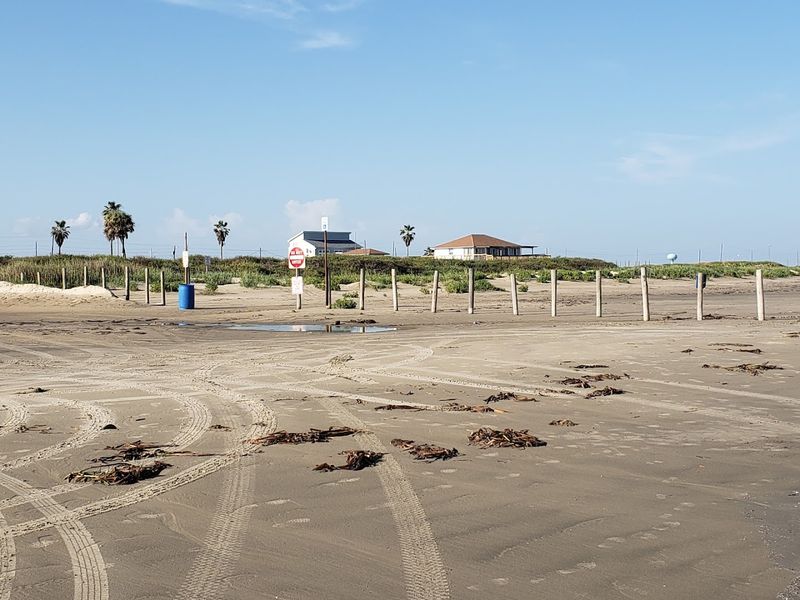
Tucked on the west end of Galveston Island, Jamaica Beach operates under most tourists’ radar despite being surprisingly accessible. The community maintains a residential feel that keeps the spring break crowds heading elsewhere, while families and couples discover a quieter alternative to the busier Galveston beaches just miles away. The pace here moves slower, more intentional, like everyone agreed to leave the chaos at the city limits.
Pirates Beach and Jamaica Beach neighborhoods blend together along this stretch, offering multiple public access points that rarely see the parking nightmares common at Stewart Beach or East Beach. The sand quality matches anywhere else on the island, and the water stays just as swimmable, but somehow the atmosphere feels completely different. You can actually find a spot to claim without playing beach towel Tetris with strangers.
Kayaking and paddleboarding work beautifully in the calmer waters near the neighborhoods. The bay side of the island sits just across the street, giving water enthusiasts two completely different environments within walking distance. Morning paddle sessions in the bay often include dolphin sightings, with these intelligent mammals seeming genuinely curious about the humans gliding across their territory on colorful boards.
The local vibe skews toward people who live here or visit regularly enough to feel like locals. You’ll notice folks greeting each other by name, sharing fishing reports, and offering friendly advice about where the best shells are washing up this week. Beach vendors and crowds of solicitors?
Not here. The commercial development stays minimal, which means planning ahead for food and supplies, but most visitors consider that a fair trade for the peaceful environment.
Sunset watching becomes a legitimate evening activity at Jamaica Beach. Without the high-rise hotels blocking the view, the sky opens up in every direction, creating those picture-perfect moments where the sun melts into the Gulf horizon. Families gather with blankets and snacks, couples walk hand-in-hand along the waterline, and everyone seems to slow down enough to actually appreciate the natural show playing out in real time above the waves.
4. Padre Island National Seashore
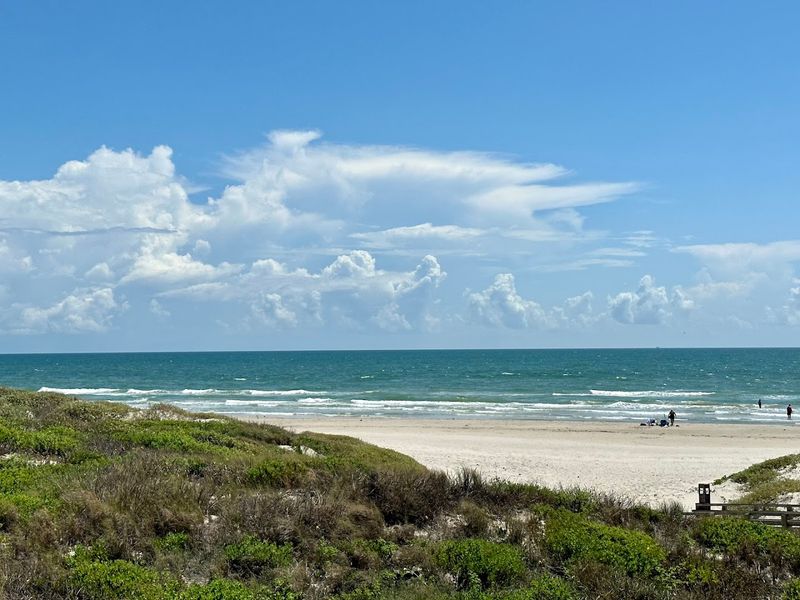
Stretching for 70 miles along the longest remaining undeveloped barrier island in the world, this protected seashore represents what the Texas coast looked like before humans showed up with bulldozers and blueprints. The National Park Service manages these pristine miles with conservation as the priority, creating a beach experience that feels genuinely wild and wonderfully untamed. Commercial development?
Not happening here, not ever.
Most visitors stick to Malaquite Beach near the visitor center, where facilities include restrooms, showers, and a pavilion. But the real magic happens when you venture beyond this accessible area into the primitive stretches of beach that require four-wheel drive to explore. Sixty miles of coastline await adventurous souls willing to air down their tires and navigate soft sand, rewarding them with beaches so empty you might go hours without seeing another person.
Sea turtle conservation programs here are world-renowned. Kemp’s ridley turtles, the most endangered sea turtle species, nest along this protected shoreline from April through July. Park rangers conduct regular patrols, and visitors who encounter nesting turtles or hatchlings are asked to keep their distance and report sightings immediately.
Participating in a public turtle release, when available, creates memories that last long after your tan fades.
Bird watching reaches exceptional levels throughout the year. Over 380 bird species have been documented within park boundaries, from tiny sandpipers to massive pelicans. Spring and fall migrations bring spectacular variety, with warblers, hawks, and shorebirds using the island as a rest stop during their long journeys.
Even casual observers find themselves captivated by the diversity of feathered life working the beach and dunes.
Camping options range from developed sites with water hookups to completely primitive beach camping where your closest neighbor might be a coyote checking out your cooler. The primitive camping experience—falling asleep in a tent with nothing but canvas between you and the stars, waking to dolphins feeding just offshore—appeals to people seeking genuine connection with the natural world. Just remember that primitive means primitive: pack out everything you pack in, and prepare for limited facilities and no cell service.
5. Sea Rim State Park
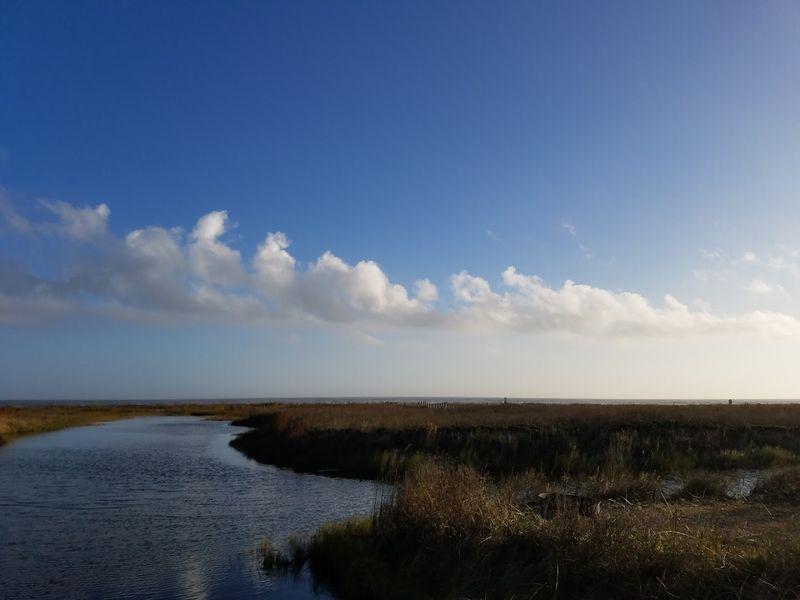
Where the Cajun coast of Louisiana bleeds into Texas, Sea Rim State Park protects a unique ecosystem where beach, marsh, and coastal prairie converge in fascinating ways. This isn’t your typical sand-and-surf destination—it’s a place where the real attraction is watching how different natural communities interact along the Gulf’s edge. Beachcombers share the shoreline with bird watchers, and both groups leave satisfied.
The Gambusia Nature Trail offers an elevated boardwalk experience through coastal marshlands that most people never see. Alligators sun themselves on mudbanks below the wooden walkway, seeming completely unbothered by humans passing overhead with cameras. Roseate spoonbills—those improbably pink wading birds—probe the shallow water for food, their distinctive spatulate bills swinging side to side like metal detectors searching for treasure.
Beach access here comes with a wild, untamed quality. The sand meets the marsh in places, creating unusual landscapes where you might spot a great blue heron hunting just yards from the Gulf surf. Driftwood collects in artistic piles, salt-bleached and weathered into sculptures that no human could improve upon.
The beach driving permits let you explore miles of coastline, though the soft sand demands respect and proper technique.
Kayaking through the marsh channels provides an entirely different perspective on the coastal ecosystem. Paddling quietly through narrow waterways, you’ll encounter a surprising diversity of life—fish jumping, terrapins sunning on logs, marsh rabbits hopping through the vegetation. The stillness of the marsh contrasts sharply with the constant motion of the nearby Gulf, creating a sense of peaceful isolation even when other paddlers share the water.
Fishing opportunities abound both in the surf and from the marsh. Redfish cruise the shallow flats, flounder bury themselves in sandy bottoms waiting to ambush prey, and speckled trout work the deeper channels. Local anglers guard their favorite spots jealously, but newcomers willing to experiment and explore can find productive water without much trouble.
The fish don’t care if you’re an expert or a beginner—they’ll bite if you put the right bait in the right place at the right time.
6. San José Island
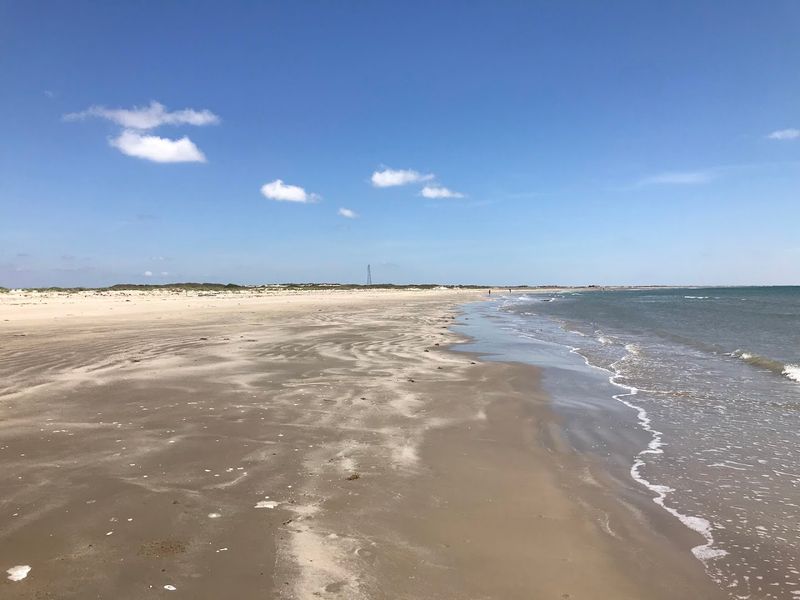
Accessible only by private boat or ferry service, San José Island maintains its pristine character through the simple fact that getting there requires effort. No bridge connects this 21-mile barrier island to the mainland, which means no day-trippers making quick stops between shopping and dinner. The people who show up here came specifically for this island, this beach, this particular slice of unspoiled Texas coast.
The island remains almost entirely undeveloped. A few private hunting camps occupy the interior, but the beaches stretch wild and natural, looking much as they did when Karankawa Indians walked these same sands centuries ago. Shells accumulate in impressive windows along the high-tide line, and sand dollars wash up in numbers that seem almost impossible until you see the evidence with your own eyes.
Jetty boats from Port Aransas make regular runs to the island, dropping passengers for day trips or longer stays. The boat captains know these waters intimately, navigating channels and watching for dolphins that often ride the bow wake. Once the boat pulls away and you’re standing on the beach with the Gulf stretching endlessly before you, the sense of isolation and freedom becomes almost overwhelming in the best possible way.
Fishing from San José’s beaches produces impressive results. The lack of fishing pressure compared to more accessible beaches means the fish population stays healthy and relatively naive. Surf fishing for whiting, pompano, and bull reds keeps rods bent, while wade fishing the grass flats on the bay side offers excellent opportunities for redfish and trout.
Some anglers make the boat trip specifically for the fishing, knowing they’ll encounter far fewer competitors than at mainland hotspots.
Overnight camping on the island requires preparation and self-sufficiency. You pack in everything you need and pack out everything you bring, leaving no trace of your presence except footprints in the sand. Nights on the island reveal star fields that urban dwellers forget exist, with the Milky Way stretching across the sky in a luminous band.
Morning comes with the sun rising over the Gulf, painting the water in shades of gold and rose while ghost crabs emerge from their burrows to begin another day of scavenging along the tideline.
7. Mustang Island State Park
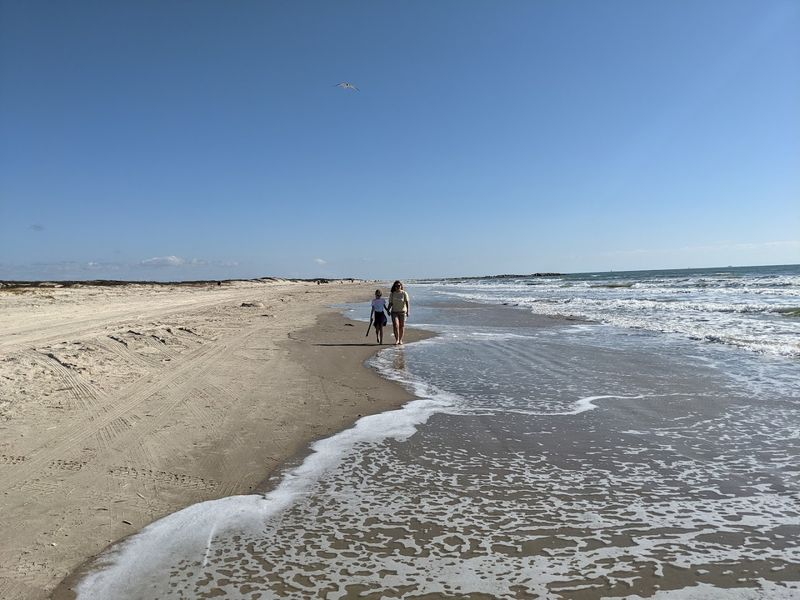
Between the tourist bustle of Port Aransas and the spring break madness of Corpus Christi, this state park protects five miles of coastline that maintains a refreshingly natural character. The park’s location might seem like it would attract overwhelming crowds, but something about the state park atmosphere—the entrance fee, the rules, the emphasis on conservation—filters out the party crowd and attracts visitors who actually want to experience the beach rather than just Instagram it.
The beach here showcases the Texas coast at its natural best. Dunes rise behind the beach, stabilized by sea oats and other native vegetation that the park actively protects. Educational signs explain the important role these dunes play in protecting the island from storm surge, turning a simple beach walk into an informal ecology lesson.
The sand stays clean thanks to regular park maintenance and visitors who actually use the trash cans provided.
Camping options include sites with water and electricity hookups, primitive beach camping areas, and even screened shelters that protect from mosquitoes while keeping you close to the outdoor experience. Waking up in a tent with the Gulf breeze flowing through the screen and waves providing the soundtrack beats any hotel alarm clock. The campground fills up on holiday weekends, but weekday visits often feel surprisingly uncrowded.
Paddling trails wind through the back bay areas behind the beach, offering protected water perfect for kayaking and stand-up paddleboarding. These calm bays provide habitat for juvenile fish, shrimp, and crabs—the nursery grounds that keep the Gulf ecosystem productive. Paddling quietly through these areas, you’ll spot feeding birds, jumping mullet, and occasionally dolphins that wander into the shallows chasing prey.
The park’s location makes it ideal for combining beach time with exploring nearby attractions. Port Aransas sits just minutes north, offering restaurants, fishing charters, and the University of Texas Marine Science Institute’s aquarium. Corpus Christi’s attractions—the Texas State Aquarium, the USS Lexington Museum—lie just 15 miles south.
But honestly, once you settle into the rhythm of park life—beach walks, bird watching, fishing, reading in a beach chair—leaving often feels like more effort than it’s worth.
8. Crystal Beach
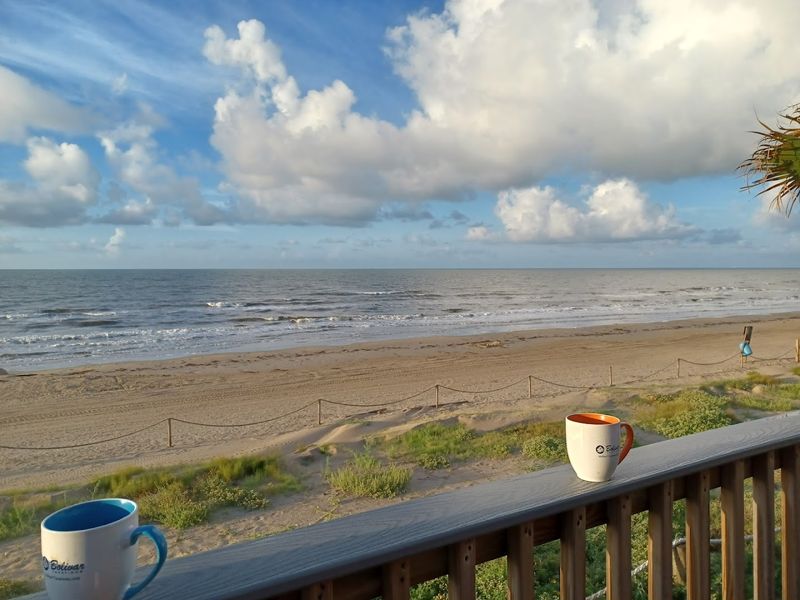
Bolivar Peninsula’s crown jewel operates on a completely different frequency than its famous neighbor across the channel. While Galveston Island attracts the lion’s share of tourists, Crystal Beach maintains a locals-know-best vibe that rewards visitors willing to take the free ferry ride from Galveston. The community spreads along Highway 87, with beach houses on stilts facing the Gulf and a laid-back atmosphere that feels like stepping into a Jimmy Buffett song.
Beach driving is not just allowed here—it’s part of the culture. Trucks and SUVs cruise the hard-packed sand, and families set up elaborate beach camps complete with canopies, grills, and enough coolers to stock a small convenience store. The vehicle-on-beach approach isn’t for everyone, but it enables a style of beach going that’s distinctly Texan: drive up, unload everything including the kitchen sink, and spend the entire day without hiking supplies across burning sand.
The beach itself stretches wide and accommodating, with plenty of room for everyone despite the vehicles sharing the space. Sandcastles rise and fall with the tides, kids splash in the gentle surf, and anglers cast lines into the Gulf hoping for a dinner’s worth of whiting or pompano. The democratic nature of the beach—no fancy resorts, no roped-off sections, no velvet ropes—creates an egalitarian atmosphere where everyone’s welcome regardless of their tax bracket.
Bolivar Peninsula survived Hurricane Ike in 2008, though the storm devastated much of the community. The rebuilding process brought newer, stronger structures built to modern hurricane codes, but the essential character of Crystal Beach remained intact. The people who returned did so because they couldn’t imagine living anywhere else, and that commitment to place shows in how they’ve recreated their beach community.
Local restaurants and convenience stores provide the basics, but this isn’t a place for fancy dining or boutique shopping. You come to Crystal Beach for the beach itself, for the sunset views across the water toward Galveston, for the unpretentious pleasure of sand between your toes and salt air in your lungs. The free ferry ride becomes part of the adventure, with dolphins often playing in the ship channel and brown pelicans perched on the pilings watching the boats pass with ancient, knowing eyes.
9. Matagorda Beach
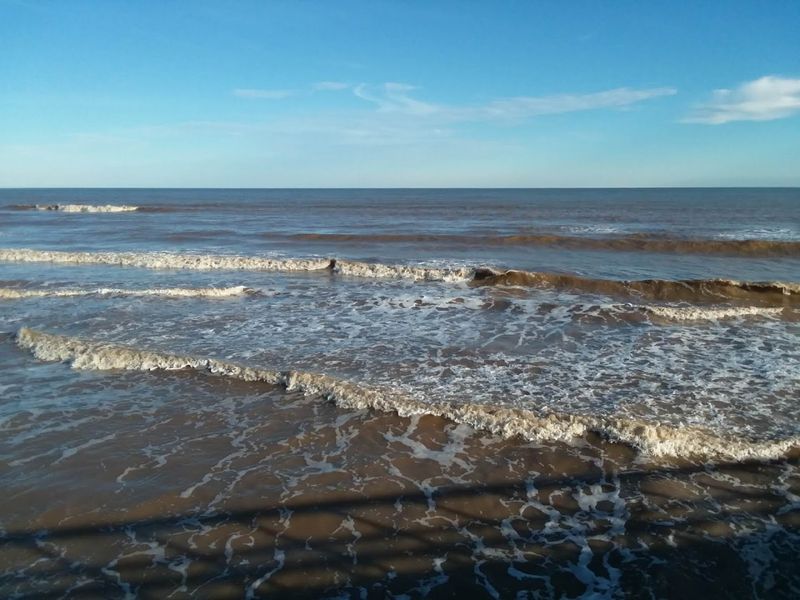
This small coastal community sits at the end of Highway 60, about as far from the interstate as you can get while still reaching the Gulf. That distance keeps the crowds away, creating a beach destination that locals from Houston and Austin discovered long ago but never publicized too loudly. The town itself barely qualifies as a town—a handful of streets, some beach houses, a few essential businesses—but the beach stretches for miles in both directions, offering plenty of room to spread out.
Matagorda Bay lies just behind the beach, separated by a narrow strip of land that creates unique opportunities for anglers and paddlers. You can fish the surf in the morning, then move to the bay in the afternoon when the wind picks up, all without driving more than a few minutes. The bay’s calm waters nurture juvenile fish and shrimp, while the Gulf side offers bigger game and stronger currents.
Having both environments so close together multiplies the possibilities for outdoor recreation.
The beach access points remain refreshingly simple and uncomplicated. No toll booths, no parking meters, no attendants directing traffic into numbered spaces. You drive up, find a spot that looks good, and that’s your beach for the day.
The informal system works because the visitor numbers stay manageable, and people generally respect each other’s space and the natural environment.
Matagorda’s history as a fishing community shows in the number of serious anglers working the surf and jetties. These aren’t tourists casting randomly and hoping for luck—they’re people who understand tides, bait, and fish behavior, who check the solunar tables and plan their trips accordingly. Watching them work can teach beginners more than any YouTube video, and most are happy to share advice if you ask respectfully and show genuine interest.
The lighthouse and nature park add dimension to a beach visit. The restored Matagorda Island Lighthouse stands as a reminder of the area’s maritime history, while the trails through coastal prairie and wetlands reveal the diverse ecosystems that exist beyond the beach. Bird watching here ranks among the best on the Texas coast, with the varied habitats attracting an impressive diversity of species throughout the year.
Roseate spoonbills, reddish egrets, and countless other species work the marshes and mudflats, providing entertainment for anyone patient enough to sit quietly and observe.
Share this story