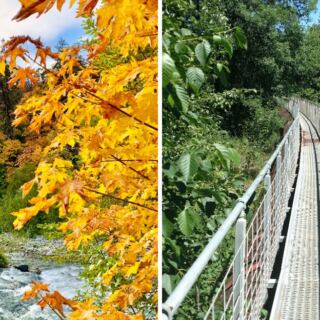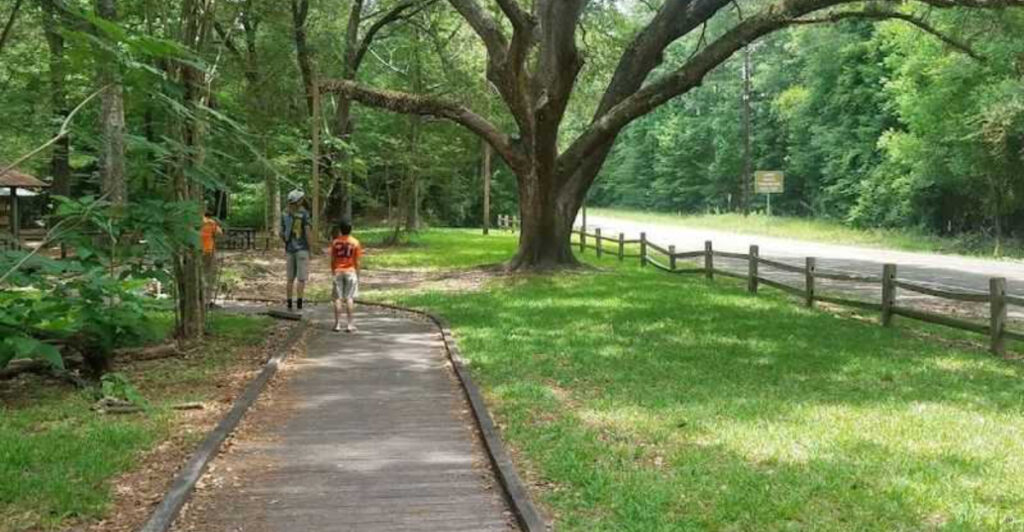
Just outside Kountze, the Kirby Nature Trail winds through the Big Thicket National Preserve and offers one of Southeast Texas’s most rewarding escapes into nature. This accessible trail system weaves through ancient cypress swamps, towering pine forests, and peaceful wetlands on well-maintained boardwalks and paths. Whether you’re looking for a quick morning walk or an afternoon adventure, this hidden gem delivers stunning scenery, diverse wildlife, and a chance to disconnect from the everyday hustle without driving hours from home.
1. Ancient Cypress Trees Rise From the Slough
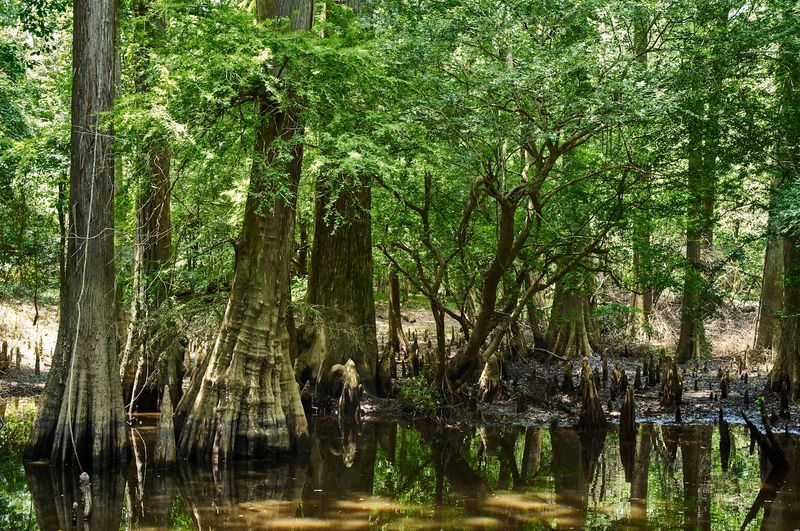
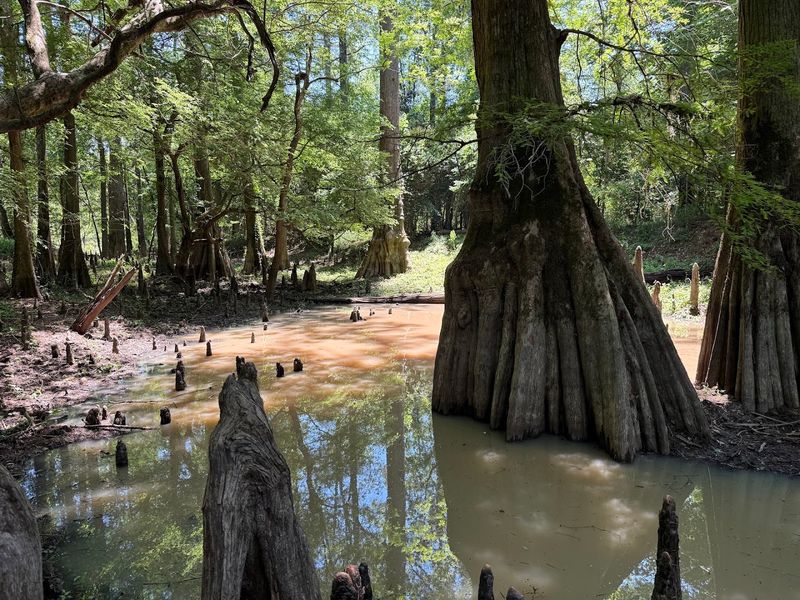
Walking through the Cypress Slough feels like stepping back in time. Massive bald cypress trees, some estimated to be 150 years old or more, tower overhead with their distinctive flared trunks anchored in dark water. Their enormous cypress knees jut up from the swamp floor like natural sculptures, some reaching waist-high or taller.
This section of the trail is an absolute must-see and sits roughly halfway through the outer loop. The wooden boardwalk keeps your feet dry while giving you front-row access to one of the most photogenic spots in the entire preserve. Early morning light filtering through the canopy creates an almost mystical atmosphere.
Bird watchers flock here for good reason. The slough provides critical habitat for wading birds, woodpeckers, and seasonal migrants. You might spot a great blue heron standing perfectly still among the cypress knees or hear the distinct call of a pileated woodpecker echoing through the trees.
Photographers love this spot year-round, but fall and winter offer cooler temperatures and fewer mosquitoes. The reflections in the still water create mirror images of the towering trees. Spring brings fresh green growth and wildflowers along the edges.
Take your time here and really soak it in. This ancient ecosystem represents what much of Southeast Texas looked like centuries ago. The cypress slough reminds us why protecting these wild spaces matters for future generations to experience and enjoy.
2. Village Creek Bridge Offers Peaceful Water Views
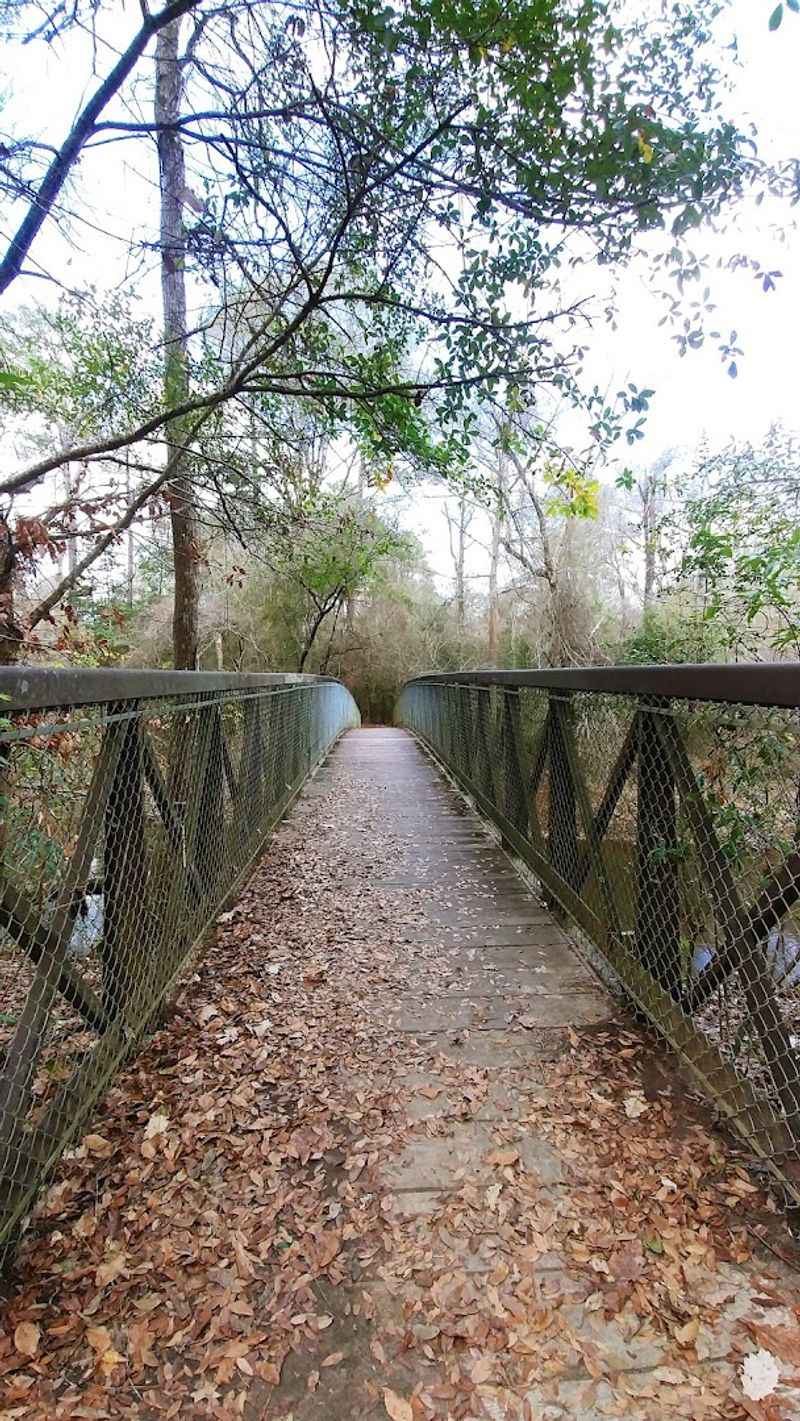
About midway through your hike, you’ll cross a sturdy wooden bridge spanning Village Creek. This spot practically demands that you stop, lean against the railing, and just breathe. The gentle flow of the creek below, framed by overhanging branches and dense vegetation, creates one of those moments that makes you remember why you came.
Village Creek itself is a blackwater stream, stained dark by tannins from decomposing vegetation. Don’t let the color fool you though—the water is clean and supports a thriving aquatic ecosystem. Turtles sun themselves on fallen logs, and if you’re patient and quiet, you might catch sight of fish moving through the shadows.
Here’s something important to know: this bridge connects to the much longer Turkey Creek Trail, which stretches for 17 miles through the preserve. Unless you’ve packed for a serious backcountry adventure, stay on the Kirby Loop when you reach the other side. Several hikers have accidentally wandered onto the longer trail thinking it was part of the short loop.
The bridge area also serves as a natural gathering spot where you’ll often encounter other hikers taking photos or simply enjoying the view. It’s wide enough that you won’t feel crowded, even on busier weekend mornings.
Sunset hikers report that the light hitting the creek from this vantage point is absolutely gorgeous. Just make sure you have enough daylight left to complete your loop safely before darkness settles over the forest.
3. Multiple Loop Options Fit Any Schedule
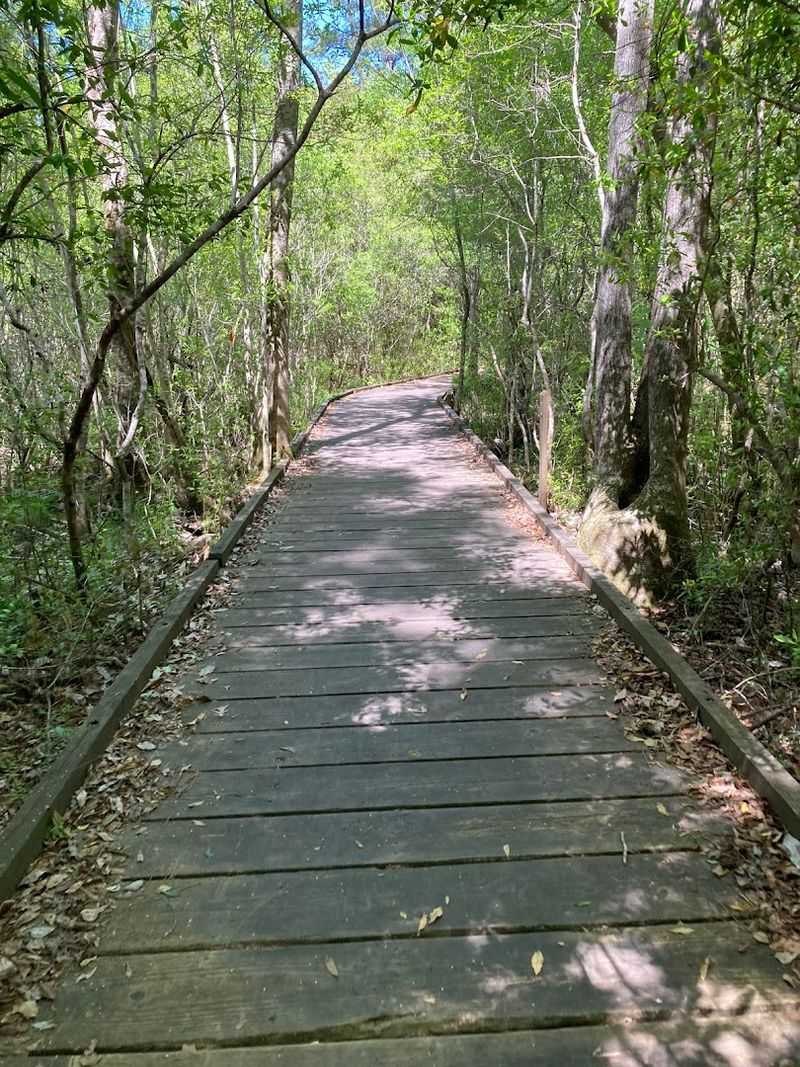
One of the best things about Kirby Nature Trail is its flexibility. You’re not locked into one distance or time commitment. The trail system offers an inner loop that takes about an hour, an outer loop that runs roughly 90 minutes, and the extended Sandhill Loop that pushes your total time to 2-3 hours depending on your pace.
The inner loop works perfectly for families with small children or anyone wanting a quick nature fix during lunch break. It still gives you a solid taste of what makes this area special without requiring serious endurance. The outer loop is the most popular choice, covering approximately 2.5 miles of varied terrain.
Adding the Sandhill Loop tacks on another 3 miles or so, creating a more substantial workout while exposing you to different forest ecosystems. This extension sees fewer hikers, so you’ll likely have more solitude and better wildlife viewing opportunities.
Trail markers with green ribbons and occasional signage help keep you oriented, though the markers don’t always indicate distances. Smart move? Stop by the visitor center on FM 420 before you start and grab a detailed trail map.
Having that paper backup prevents any confusion when loops intersect.
The well-marked junctions make it easy to adjust your route mid-hike. Feeling energetic? Extend your walk.
Running short on time or energy? Cut back to a shorter loop. This adaptability makes the trail system accessible for everyone from casual walkers to serious hikers looking for mileage.
4. Diverse Forest Types Create Changing Scenery
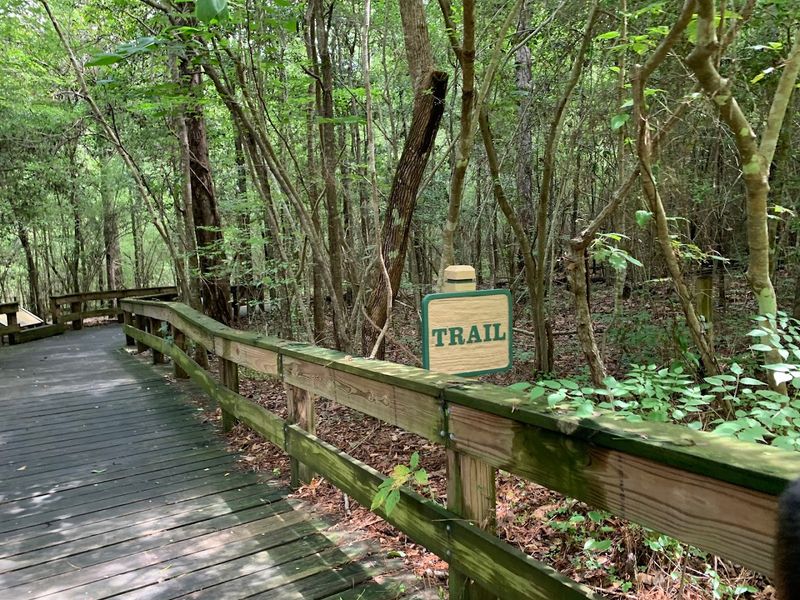
What makes this trail system genuinely interesting is the constantly shifting landscape. You’ll walk through distinct forest communities within a single hike, each with its own character and plant life. Longleaf pine stands give way to mixed hardwood forests, which then transition into wetland areas and back again.
The longleaf pine sections feel open and airy, with tall straight trunks reaching skyward and a carpet of rust-colored needles cushioning your steps. These areas tend to be drier and slightly elevated. Then you’ll descend into bottomland hardwood forests where massive oaks, sweetgums, and magnolias create a dense canopy overhead.
Southern magnolias along the trail produce those gorgeous white blooms in late spring and early summer. Their waxy leaves and distinctive seed pods make them easy to identify year-round. The various oak species provide crucial habitat and food sources for countless wildlife species.
Loblolly pines mix with the longleaf in certain sections, and if you know your trees, you’ll notice the differences in bark texture and needle bundles. Natural tree identification markers appear along portions of the path, offering educational opportunities without feeling like a classroom.
This biodiversity explains why the Big Thicket earned its designation as America’s first national preserve. The convergence of multiple ecosystems in one relatively small area creates exceptional biological richness. You’re essentially hiking through several different natural worlds in a couple of hours.
5. Well-Maintained Boardwalks Keep You Above the Mud
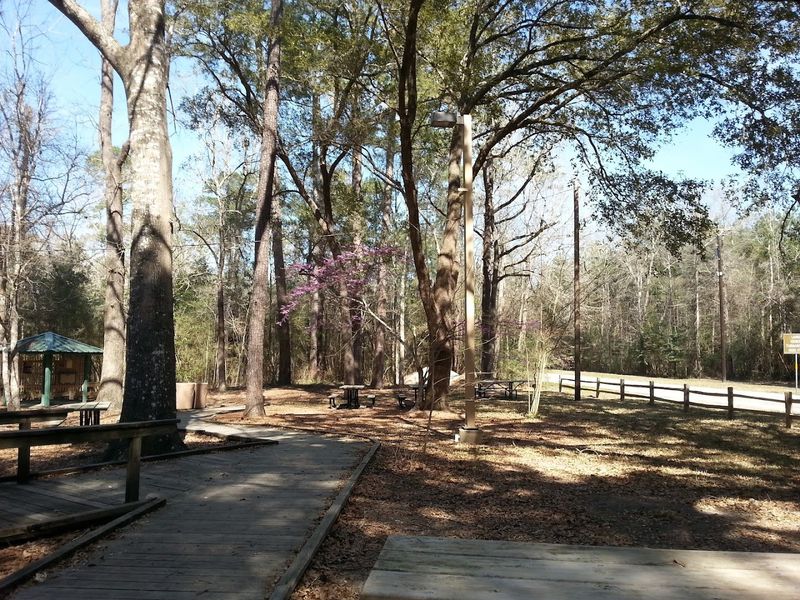
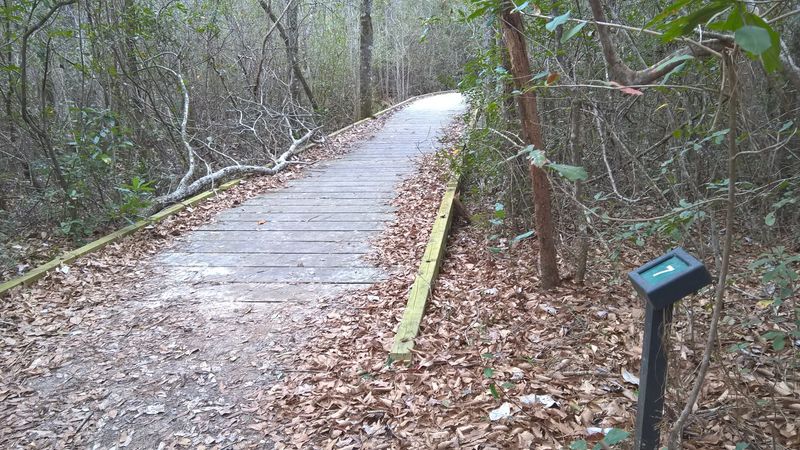
Southeast Texas gets plenty of rain, which means trails can turn into muddy messes pretty quickly. Kirby Nature Trail solves this problem beautifully with extensive boardwalk sections and well-engineered drainage. The sturdy wooden walkways carry you over the wettest areas, keeping your boots clean while protecting the delicate wetland ecosystems.
These aren’t flimsy planks either—they’re solid, well-built structures designed to handle heavy foot traffic and harsh weather. Railings appear where needed, making the trail accessible for a wider range of abilities. The boardwalks also provide excellent viewing platforms for spotting wildlife in the wetlands below.
Even in sections without boardwalks, the trail surface stays remarkably manageable. Pine needles and crushed stone help control mud in the upland areas. After moderate rainfall, you’ll find the trail still quite hikeable, though waterproof boots never hurt during wetter seasons.
The bridges crossing drainage areas and small creeks are equally well-constructed. They’re wide enough for comfortable two-way traffic and built to last. This level of maintenance doesn’t happen by accident—it reflects ongoing care by the National Park Service and volunteer groups.
That said, thousands of exposed tree roots crisscross the trail, especially in the forested sections. These roots create natural obstacles that demand attention. Watch your footing constantly to avoid tripping, particularly if you’re looking up at the canopy or trying to spot birds.
The roots add character and a genuine hiking feel but definitely require some focus.
6. Convenient Trailhead Amenities Make Visiting Easy
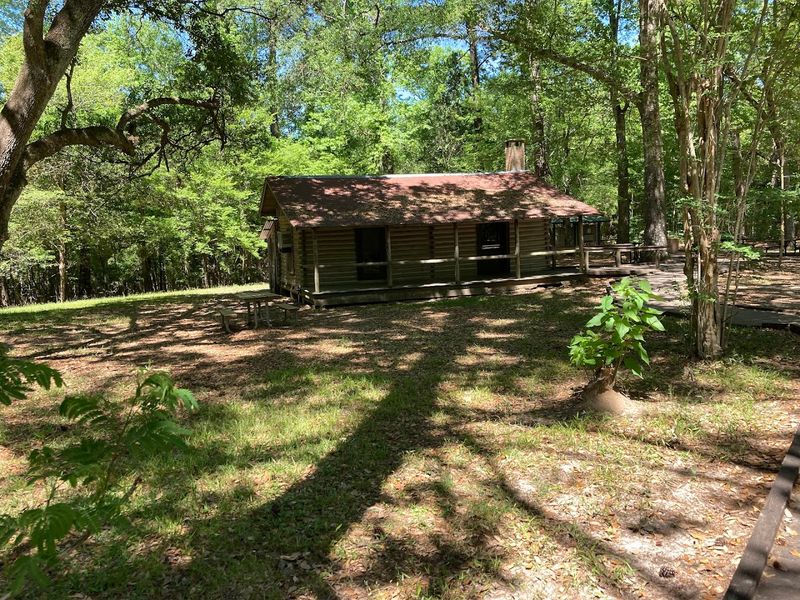
Before you even hit the trail, you’ll appreciate the thoughtful amenities at the trailhead parking area. Clean restrooms with handicap accessibility sit right where you park, eliminating one of the common concerns about remote hiking spots. Drinking fountains let you top off water bottles before heading out.
The parking lot itself provides ample space for multiple vehicles without feeling crowded. You’ll find it directly off FM 420, clearly marked and easy to locate. A large, beautiful live oak tree greets you near the trailhead, setting the tone for the natural beauty ahead.
Information kiosks at the trailhead typically stock free trail maps when supplies last. These maps prove invaluable for understanding the loop options and planning your route. Even if you’ve hiked here before, grabbing a fresh map helps refresh your memory about trail junctions.
Picnic tables and benches scatter throughout the trail system, not just at the trailhead. These rest areas provide perfect spots for snacks, water breaks, or simply sitting quietly and observing the forest. Some overlook particularly scenic areas, making them ideal for extended stops.
The trailhead’s location makes it incredibly convenient for Southeast Texas residents. It’s close enough to Beaumont, Port Arthur, and surrounding communities for easy day trips or after-work hikes. The 24-hour access means early birds can catch sunrise on the trail, and night owls can enjoy evening walks when temperatures cool.
7. Wildlife Watching Opportunities Abound Year-Round
Bring your binoculars and keep your eyes open, because Kirby Nature Trail delivers consistent wildlife sightings. White-tailed deer frequently browse along the trail edges, especially during early morning and late afternoon hours. Squirrels chatter overhead, and you’ll likely spot both gray and fox squirrels going about their business.
Bird enthusiasts consider this trail a hotspot. The diverse habitats attract an impressive variety of species throughout the year. Woodpeckers of multiple species work the trees, including the spectacular pileated woodpecker with its distinctive red crest.
Wading birds hunt the wetlands, while songbirds flit through the understory.
Seasonal migrations bring even more diversity. Spring and fall see waves of neotropical migrants passing through, making those periods particularly exciting for birders. Winter residents arrive when northern temperatures drop, and summer brings breeding species raising their young.
Reptiles and amphibians thrive here too. Turtles sun on logs in the creek and slough areas. Various frog species create a chorus during breeding season, and you might encounter harmless snakes going about their business.
Remember that all wildlife in the preserve is protected—observe from a respectful distance.
The key to good wildlife watching is moving slowly and quietly. Rushed hikers focused only on fitness miss much of what makes this place special. Stop frequently, listen carefully, and let the forest reveal its inhabitants.
Early morning typically offers the best viewing opportunities before trails get busy and temperatures rise.
8. Seasonal Timing Matters for Comfort and Experience
Let’s talk honestly about timing your visit, because when you go dramatically affects your experience. Fall through early spring represents prime hiking season at Kirby Nature Trail. Temperatures stay comfortable, humidity drops, and most importantly, mosquito populations crash to tolerable levels.
Summer hiking here is absolutely possible but comes with challenges. Heat and humidity can be oppressive, especially mid-day. Mosquitoes reach biblical proportions once temperatures warm up, and they’re aggressive.
We’re talking clouds of them in shaded, wet areas. Serious bug spray becomes non-negotiable, and some folks wear long sleeves despite the heat.
Winter offers arguably the best conditions overall. Cooler temperatures make extended hikes comfortable, and you can actually stop to enjoy views without getting devoured by insects. The forest takes on different character too, with deciduous trees losing leaves and opening up sight lines.
Wildlife viewing often improves when vegetation thins out.
Spring brings wildflowers and fresh green growth, creating beautiful photographic opportunities. The forest comes alive with breeding birds and emerging insects. Just be prepared for increasing mosquito activity as temperatures rise, and pack rain gear since spring storms pop up regularly.
Regardless of season, starting your hike early in the morning beats the heat and crowds. Sunrise walks offer magical lighting and increased wildlife activity. If you must visit during summer, go as early as possible or wait until evening when temperatures moderate slightly.
Always check weather forecasts and bring more water than you think you’ll need.
Share this story