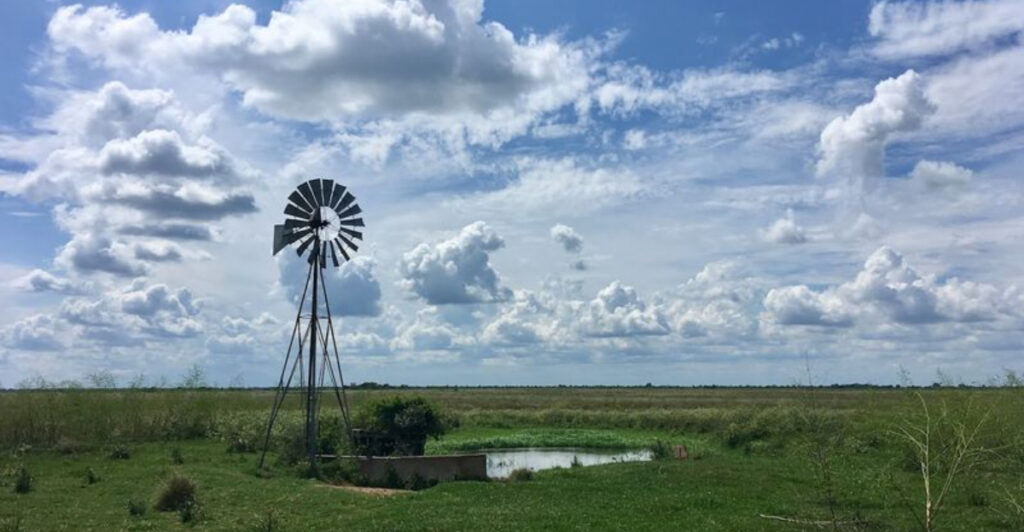
Just an hour west of Houston lies a hidden slice of authentic Texas prairie that most folks drive right past without a second glance. Attwater Prairie Chicken National Wildlife Refuge near Eagle Lake protects over 10,000 acres of coastal grasslands where endangered prairie chickens still strut their stuff and wildflowers blanket the ground in spring. Whether you’re chasing rare birds, hunting for the perfect wildflower photo, or simply craving wide-open sky and fresh air, this refuge offers a refreshing escape from city life that feels worlds away from the hustle.
1. The Famous Prairie Chicken Spring Festival
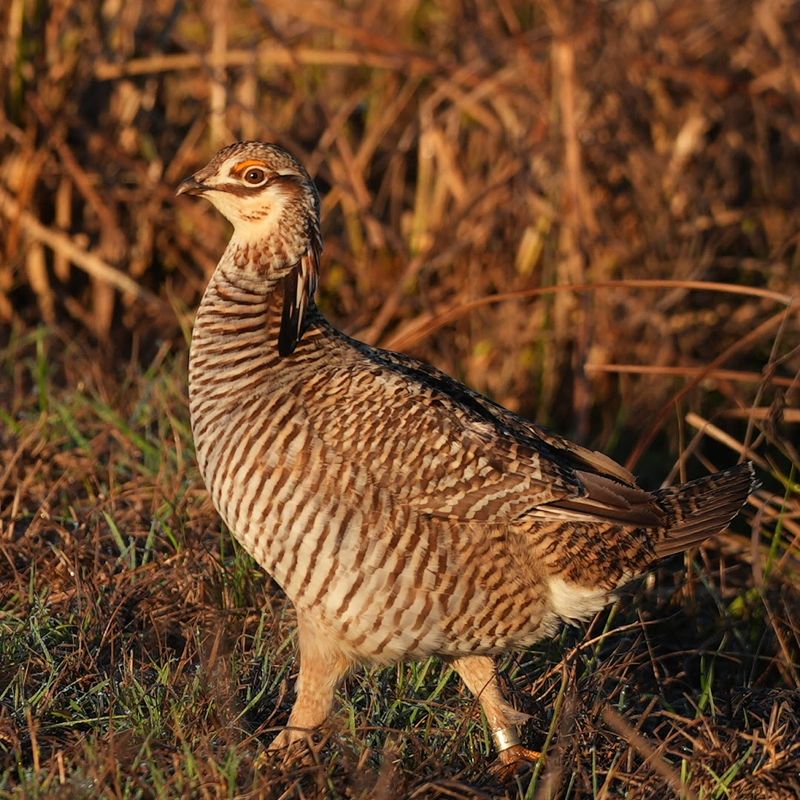
Every April, birders and nature lovers descend on this refuge for one of the most spectacular wildlife shows in Texas. The endangered Attwater’s greater prairie chicken performs its ancient mating dance on special grounds called leks, where males puff up bright orange air sacs on their necks, stomp their feet, and make bizarre booming sounds that carry across the prairie. It’s part courtship ritual, part comedy show, and entirely unforgettable.
The refuge offers guided van tours during festival weekends that take you to viewing areas you can’t access on your own. You’ll need to arrive before dawn because prairie chickens are early risers, but watching the sunrise over the grasslands while these birds perform is worth dragging yourself out of bed. Tour guides like Jaide share fascinating details about conservation efforts and help spot the birds through scopes.
Fewer than 100 of these birds remain in the wild, making this one of the rarest wildlife experiences in North America. The refuge staff works year-round raising chicks and managing habitat to bring this species back from the brink. Seeing them in person connects you to a conservation story that’s still being written, and you’ll leave with a new appreciation for the fragile prairie ecosystem these quirky birds call home.
2. Five-Mile Auto Tour Loop Through Native Grasslands
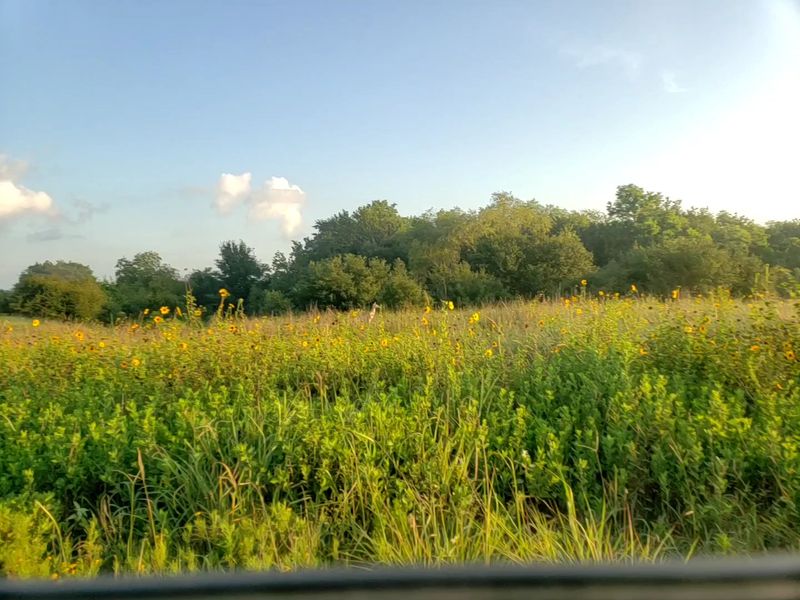
Not everyone wants to hike in the Texas heat, and the refuge gets that. The auto tour lets you explore over five miles of prairie habitat from the comfort of your air-conditioned car, with plenty of pullouts where you can stop, scan for wildlife, and snap photos. It’s perfect for families with little kids, folks with mobility challenges, or anyone who just prefers four wheels to two feet.
The loop winds through different habitat types, from open grasslands where hawks soar overhead to wetland areas where herons stalk the shallows. Visitors regularly spot white-tailed deer by the dozens, especially during early morning or late afternoon drives. One reviewer counted hundreds of deer during a single visit, along with impressive numbers of raptors including white-tailed hawks, northern harriers, and red-tailed hawks cruising for prey.
Bring binoculars and drive slowly because wildlife can pop up anywhere along the route. Eastern meadowlarks perch on fence posts singing their hearts out, loggerhead shrikes scan for insects from high perches, and if you’re lucky, you might catch sandhill cranes foraging in the fields. The roads are well-maintained gravel that any vehicle can handle, and you can take as long as you want, making this an easygoing way to experience authentic prairie without breaking a sweat.
3. Spectacular Spring Wildflower Displays
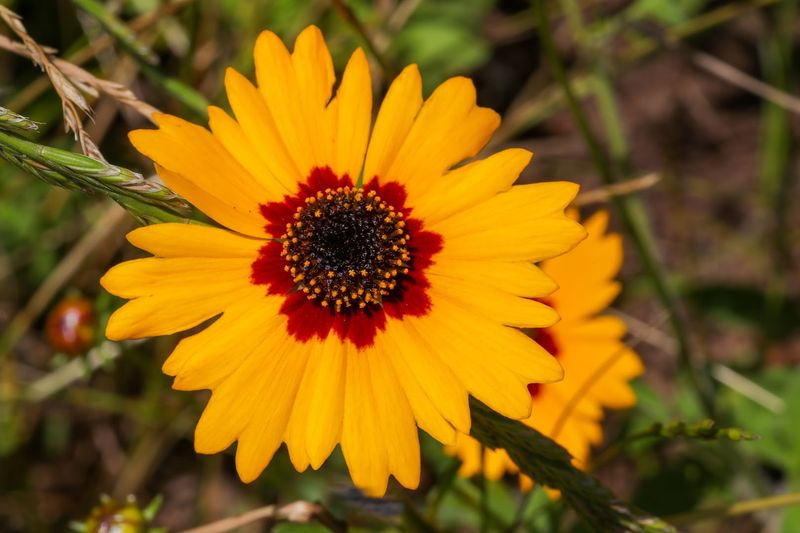
Forget the Hill Country crowds—this refuge puts on a wildflower show that rivals anything near Austin, and you’ll have it mostly to yourself. When spring rains cooperate, the prairie explodes with color as native wildflowers carpet the ground in waves of purple, yellow, orange, and red. Walking the trails during peak bloom feels like stepping into a living painting that stretches to the horizon.
The coastal prairie ecosystem supports different wildflower species than you’ll find in other parts of Texas, giving you a unique botanical experience. Bluebonnets still make an appearance, but they share the stage with Indian paintbrush, prairie verbena, coreopsis, and dozens of other native species that have adapted to this specific environment. The best viewing typically runs from late March through early May, depending on rainfall patterns.
One visitor described the wildflowers during a breezy spring day as “stupendous,” and that’s not hyperbole. The mowed trails through the tall prairie grass give you up-close access to the blooms while the unmowed sections provide context for how the prairie looked before European settlement. Photographers love the combination of colorful flowers in the foreground with endless sky and grasslands behind.
Just remember that picking flowers is prohibited because this is a protected refuge, so bring your camera instead of a basket.
4. Sycamore and Horseshoe Walking Trails
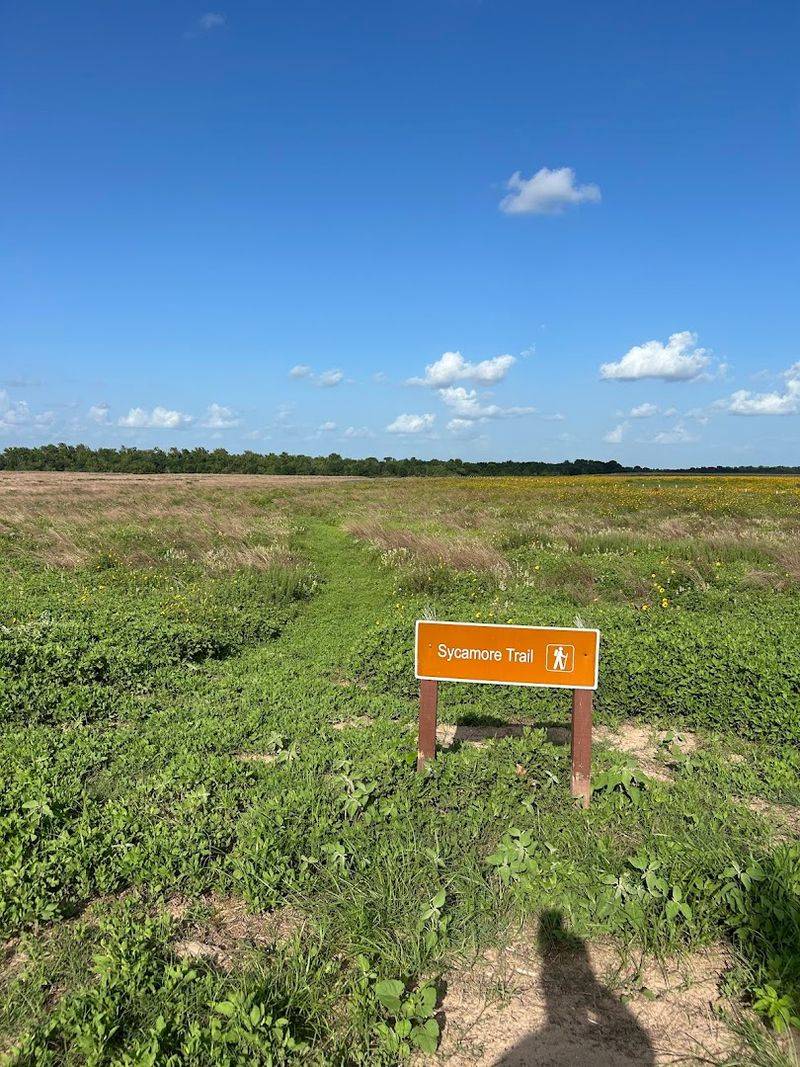
Two maintained trails let you stretch your legs and experience the prairie up close at your own pace. The Sycamore Trail meanders through a mix of shaded woodland along Coushatta Creek and open grassland, offering variety and some relief from the sun. The Horseshoe Trail takes you deeper into open prairie where you’re surrounded by nothing but grass, sky, and birdsong—exactly what you came for.
Both trails feature mowed paths through the tall prairie grass that make for easy walking, though you’ll want to wear a hat on the Horseshoe Trail since shade is scarce out on the open prairie. The trails connect to viewing platforms and a bird blind overlooking wetland areas where you can settle in and watch waterfowl, wading birds, and whatever else shows up. One dedicated birder spent an hour and a half in the blind watching ducks, baby alligators, and deer without seeing another person.
Trail conditions stay pretty good year-round since the refuge staff keeps them mowed, though spring offers the best wildflower viewing and fall provides cooler temperatures. Summer walks are possible if you go early morning before the heat sets in. Just be aware that cockleBurs can be an issue in late summer and fall—they’ll stick to your clothes, your dog, and anything else they touch, so plan accordingly or stick to the auto tour during those months.
5. Year-Round Raptor and Hawk Watching
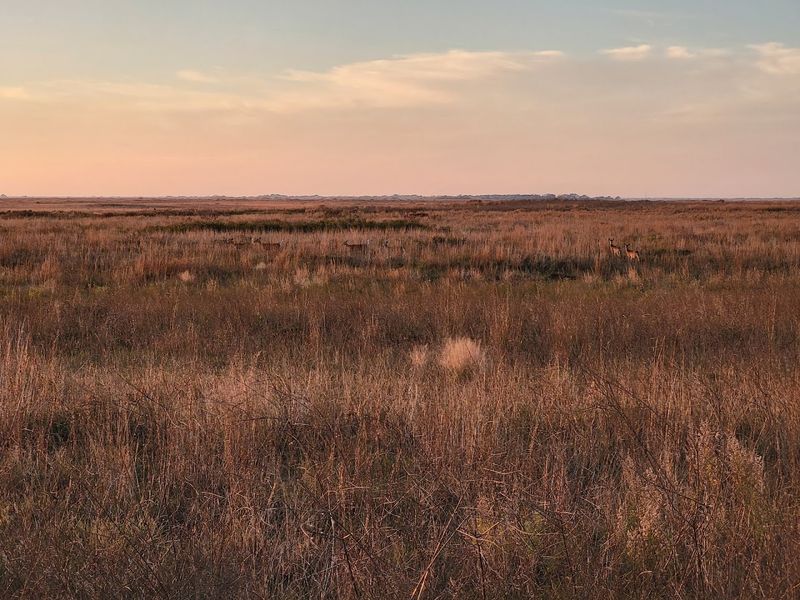
While prairie chickens get top billing, the refuge serves as a raptor paradise that delivers impressive hawk action any time of year. The open grasslands create perfect hunting habitat for multiple hawk species, and you don’t need to be an expert birder to spot them. They perch on fence posts, soar on thermals, and dive for prey right alongside the roads and trails.
Winter brings particularly high raptor numbers as northern harriers and other species migrate south to spend the cold months in Texas. Visitors regularly report seeing white-tailed hawks, red-tailed hawks, and northern harriers all during a single visit, sometimes with multiple individuals of each species visible at once. The white-tailed hawk is a Texas specialty that draws birders from across the country, and this refuge offers reliable viewing opportunities.
The raptors come for the abundant prey—the grasslands support healthy populations of rodents, rabbits, and other small mammals that hawks depend on. Watch for harriers flying low over the grass with their distinctive tilting flight style, or scan fence posts and utility poles for perched hawks surveying their territory. Even if you came for wildflowers or prairie chickens, the hawk watching will likely steal part of the show.
Bring binoculars or a spotting scope to get better looks at these magnificent predators doing what they do best.
6. New Visitor Center with Educational Exhibits
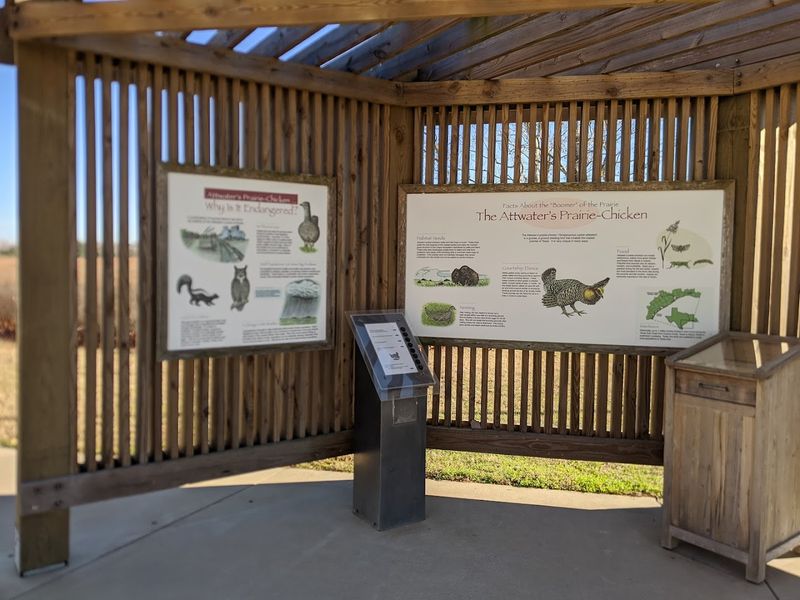
The refuge recently opened a brand-new visitor center that replaces the old facility with a modern space full of well-designed educational displays. Even if you’re not usually a museum person, the exhibits here tell the compelling story of coastal prairie ecology and the fight to save the Attwater’s prairie chicken from extinction. It’s a great first stop to orient yourself before heading out on the trails or auto tour.
The displays cover everything from prairie plant communities to predator management to the captive breeding program that’s keeping the prairie chicken population alive. You’ll learn why this ecosystem matters, what threats it faces, and what conservation work happens behind the scenes. The staff members are genuinely passionate about their mission and happy to answer questions or offer tips for what to look for during your visit.
One downside: the visitor center is closed on weekends, which is when most people visit. The refuge is open daily from 6 AM to 6 PM, but if you want to explore the exhibits, you’ll need to come on a weekday. The bathrooms stay open even when the center is closed, and they’re surprisingly well-maintained for a remote wildlife refuge.
If you can swing a weekday visit, chatting with the staff adds a personal dimension to the experience that makes the refuge feel less like a tourist attraction and more like a conservation project you’re supporting with your visit.
7. Abundant Wildlife Beyond the Birds
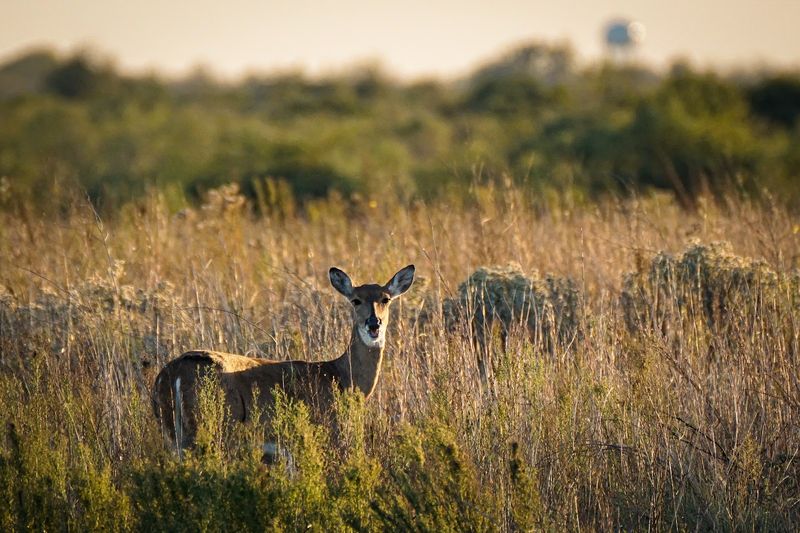
Prairie chickens and hawks get most of the attention, but the refuge supports a surprising diversity of wildlife that keeps every visit interesting. White-tailed deer are practically guaranteed—you’ll see them grazing in the grasslands, bedded down in the shade, or bounding across the auto loop with their tails flagged high. Some visitors report seeing literally hundreds of deer during a single morning visit.
The wetland areas harbor alligators, turtles, various fish species, and wading birds like herons and egrets. One reviewer warned about alligators in the water with no warning signs, so keep your distance from pond edges and don’t let dogs or kids get too close. Bobwhite quail explode from the grass when startled, their sudden flight guaranteed to make your heart skip.
Eastern meadowlarks seem to be everywhere, their bright yellow breasts and melodious songs adding soundtrack to your exploration.
Less common but still regularly spotted are sandhill cranes, especially during migration seasons when flocks of 30 to 40 birds gather in the fields making their distinctive rattling calls. Lucky visitors might glimpse coyotes, bobcats, or other predators, though these tend to be more secretive. The diversity of wildlife reflects the health of the prairie ecosystem, and spotting different species throughout your visit reminds you that conservation isn’t about saving just one bird—it’s about protecting an entire web of life that depends on these grasslands.
8. Free Admission and Easy Access from Houston
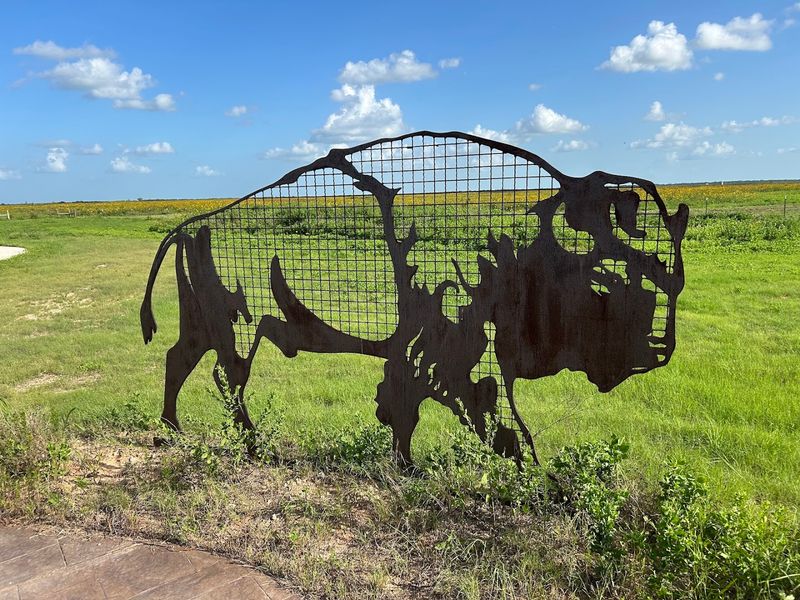
In a world where everything costs money, the refuge offers completely free admission—no entrance fees, no parking charges, no hidden costs. You just show up during open hours, and you’re welcome to explore as much or as little as you want. It’s refreshing to find a quality nature experience that doesn’t require opening your wallet, making this an excellent option for families on a budget or anyone who appreciates good value.
The location about an hour west of Houston makes it an easy day trip from the city without requiring a major time commitment. You can leave Houston after breakfast, spend a few hours exploring the refuge, and be back home by dinner. The drive itself is pleasant, taking you through small Texas towns and agricultural country that feels authentically rural.
It’s close enough to be convenient but far enough to feel like a genuine escape from urban life.
The refuge is open daily from 6 AM to 6 PM, giving you flexibility to visit whenever works for your schedule. Early morning offers the best wildlife viewing when animals are most active and temperatures are coolest. Late afternoon can be equally productive as deer emerge to feed and birds become active again after the midday heat.
Some visitors spend eight hours exploring every trail and driving the loop multiple times, while others pop in for a quick hour-long visit. However long you stay, you’ll leave feeling like you discovered a Texas treasure that deserves to be better known.
Share this story