The smell of smoked kielbasa has a funny way of finding you in Wallington before you even know where lunch is coming from.
One minute you are driving through a tight Bergen County borough of tidy homes, corner delis, church steeples, and quick turns; the next, you are standing near a butcher counter where the conversation slips from English to Polish like it is the most normal thing in the world.
That is the charm here. Wallington is not trying to dress itself up as a cultural attraction.
It is only about one square mile, tucked near Garfield, Passaic, East Rutherford, and the Passaic River, yet it carries generations of Polish history in its storefronts, school halls, parish calendars, and weekend food runs. You do not come here for a polished brochure version of heritage.
You come because the pierogi are still part of regular life.
How Wallington Became One Of New Jersey’s Most Polish Towns
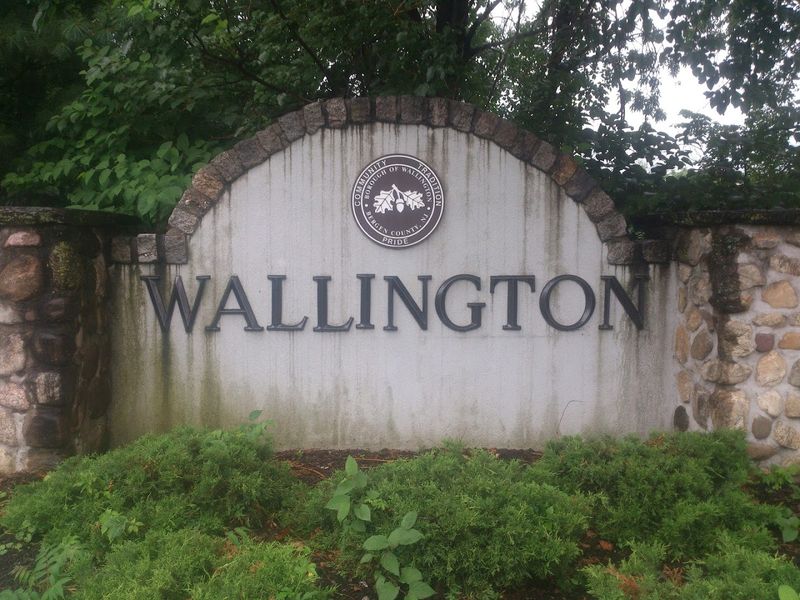
By the numbers, Wallington has always punched far above its size. The borough has around 12,000 residents in a little more than one square mile, which already gives it that everybody-knows-somebody feeling.
Add in a Polish American history that stretches back more than a century, and the town starts to make a lot more sense. The story picked up after World War I, when Polish immigrants came to this part of Bergen County looking for steady work.
Wallington had textile mills, manufacturing jobs, and the kind of industrial backbone that drew families who were ready to build something permanent. People did not just pass through.
They rented rooms, bought homes, opened businesses, joined churches, and slowly turned a work town into a community with a very specific accent. By the 1920s, Polish Americans had become a major part of Wallington’s civic life.
Leo Strzelecki, the borough’s first Polish American mayor, was elected in 1929, which says a lot about how quickly the community moved from new arrival status to local leadership. Older accounts of Wallington’s Polish community describe churches, restaurants, groceries, clubs, bakeries, and taverns as the backbone of daily life.
That still tracks when you drive around town now. Main Avenue, Maple Avenue, Wallington Avenue, and Paterson Avenue are not museum exhibits, but the Polish presence is easy to spot in deli signs, church bulletins, family names, and Saturday routines.
Wallington’s nickname, “Little Warsaw,” can sound cute from the outside. Locally, it feels less like a slogan and more like shorthand.
It explains why Polish food is not limited to one restaurant, why families still send kids to Polish school on weekends, and why this small Bergen County borough remains tied to a much bigger story.
The Bakeries And Delis Keeping Old World Flavors Alive
Step into Adam’s Food Market on Maple Avenue and the first thing to know is that this is not a grab-a-random-sandwich-and-go kind of stop. This is the kind of place where smoked meats matter, recipes have roots, and “family owned since 1946” actually means something.
The market is known for homemade Polish meats, including kielbasa smoked the old-fashioned way, and that detail matters because Polish food in Wallington is not only about what lands on a restaurant plate. It is about shopping habits.
It is the person picking up sausage for Sunday dinner, the customer asking for cold cuts sliced a certain way, the holiday run for babka, sauerkraut, pickles, rye bread, and something sweet because showing up empty-handed would be suspicious behavior. Super Kiszka Deli on Wallington Avenue keeps that same deli rhythm going.
It opens early, the kind of early that makes sense for people buying breakfast, lunch, or ingredients before the day gets away from them. Places like this are not precious about tradition.
They keep it useful. You can get deli meats, prepared foods, and the Polish staples that turn an ordinary kitchen into a weekend family table.
Wallington also benefits from sitting right next to Garfield and Passaic, two nearby communities with their own strong Polish and Eastern European food scenes. That means the town is not some lonely cultural outpost.
It is part of a tight northern New Jersey food corridor where a good kielbasa recommendation can cross municipal lines in about three minutes. The best thing about these delis is how normal they feel.
Nobody needs to explain why smoked sausage is important. Nobody needs to turn paczki into a trend. The food has already earned its place.
Where Pierogi Kielbasa And Paczki Still Feel Homemade
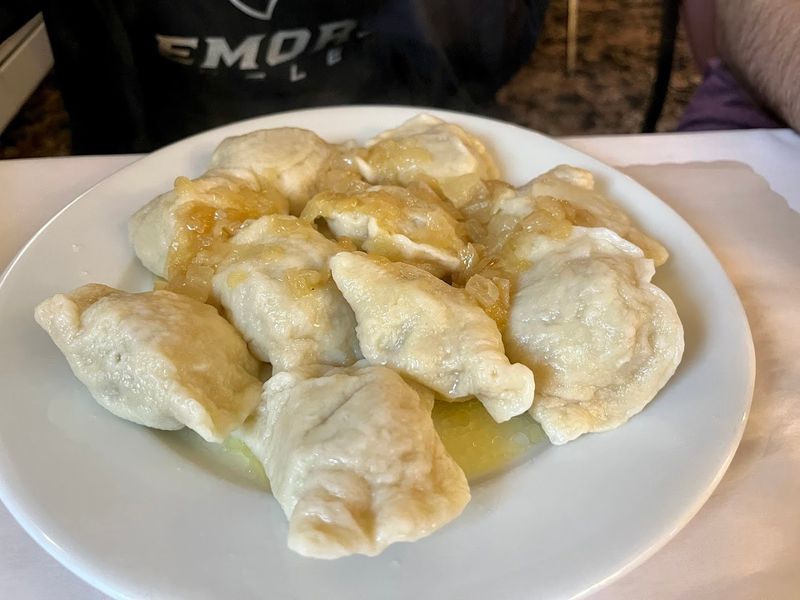
There is a particular kind of happiness that comes from ordering a Polish platter and realizing it was built by someone who understands appetite as a serious matter.
At Krakus Restaurant on Main Avenue, that can mean pierogi, kielbasa, sauerkraut, stuffed cabbage, potato pancakes, beet soup, or a plate that makes you quietly reconsider every snack you ate earlier in the day.
This is not delicate food, and it is not trying to be. It is comfort with structure, the kind that comes from dough pinched around potato and cheese, cabbage rolled around seasoned meat, and sausage that tastes like smoke did some of the work.
A little farther along Main Avenue, Chefski Dymski brings another version of that same comfort with pierogies, potato pancakes, stuffed cabbage, chicken cutlets, soups, and sampler-style plates for people who cannot pick just one thing and should not have to.
Tatra Haus, also on Main Avenue, stretches the Polish restaurant experience into even heartier territory with meat pierogi, pork cutlet, pork knuckle, potato pancakes, and other dishes that remind visitors Polish food is broader than the few menu items outsiders usually know by name.
Yes, pierogi matter. So does a proper cutlet.
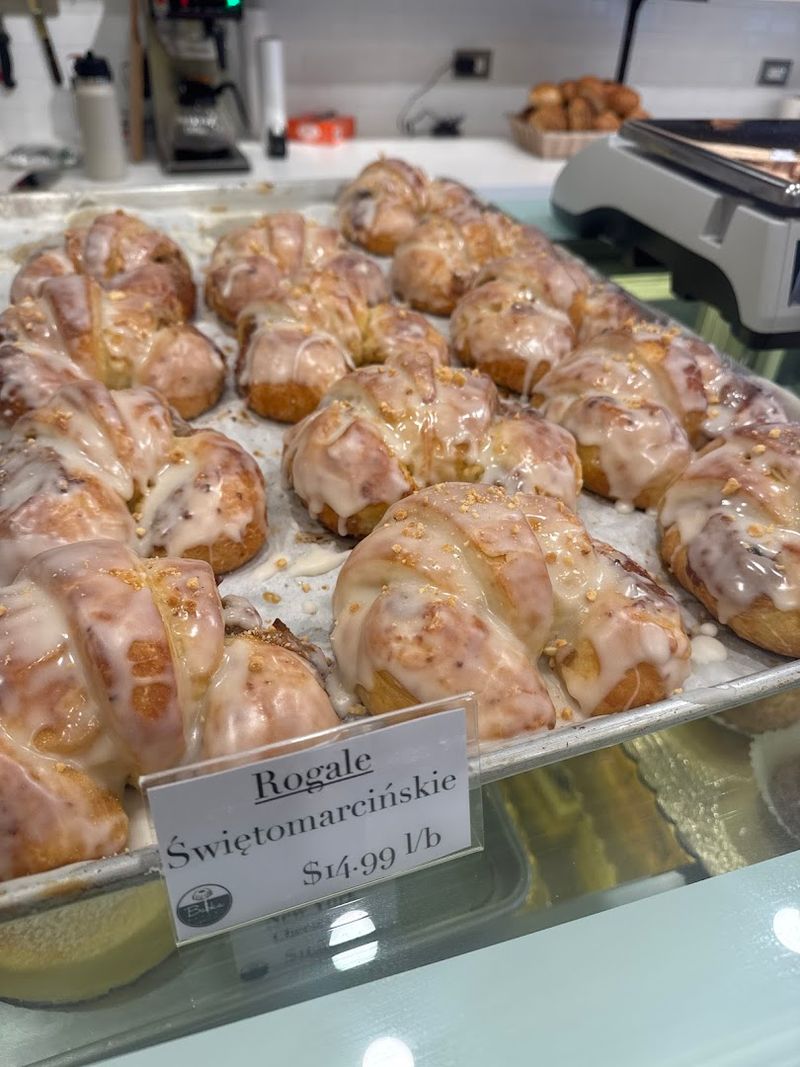
So does soup, cabbage, mushroom, dill, sour cream, and the quiet confidence of a kitchen that is not trying to reinvent dinner. And then there are paczki, the pillowy Polish doughnuts that tend to get the spotlight around Fat Tuesday but never really disappear from local cravings.
Around Wallington, they are not treated like a once-a-year novelty. They belong in bakery boxes, office break rooms, holiday spreads, and family kitchens.
Polish food still feels homemade here because it is woven into ordinary errands. Dinner, groceries, holidays, and family visits all pull from the same pantry.
How Polish Traditions Live On Beyond The Dinner Table
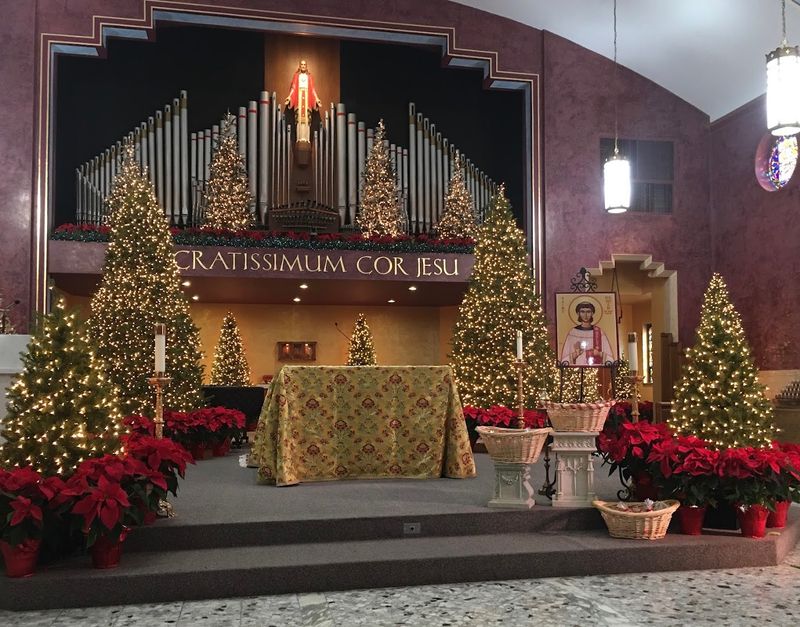
Food gets the attention first because food is loud in the best possible way. It smells like smoke, butter, onion, yeast, and frying oil.
It photographs well. It makes people emotional. But in Wallington, Polish culture has never depended on the dinner table alone. You see it in the calendar.
Polish Constitution Day, Pulaski Day, parish feasts, Christmas traditions, Easter baskets, school programs, and community banquets all have a way of keeping heritage active instead of decorative. These are not once-a-decade nostalgia projects.
They are annual habits, repeated enough times that children understand them before they can fully explain them. The Pulaski connection is especially strong in Polish American communities across New Jersey and New York.
General Casimir Pulaski, the Polish-born Revolutionary War hero, has long been a symbol of pride, service, and sacrifice, and Wallington’s local identity fits neatly into that larger tradition.
Pulaski Avenue is one small reminder, but the bigger reminder is the way families, schools, churches, and organizations continue to treat Polish history as something worth showing up for.
Language is another piece of the story. You can hear Polish in shops, at church, outside community events, and between older residents who still move comfortably between two worlds.
That is harder to preserve than a recipe. A dish can survive as long as someone keeps cooking it. A language needs repetition, patience, and a reason to use it outside the house. That is why Wallington’s traditions feel sturdy.
They are not floating around as symbols. They have jobs to do. They feed people, teach kids, organize families, mark holidays, honor ancestors, and give new generations a way to understand where their last names, family stories, and Sunday dinners came from.
The Churches, Schools, And Community Halls Preserving The Culture
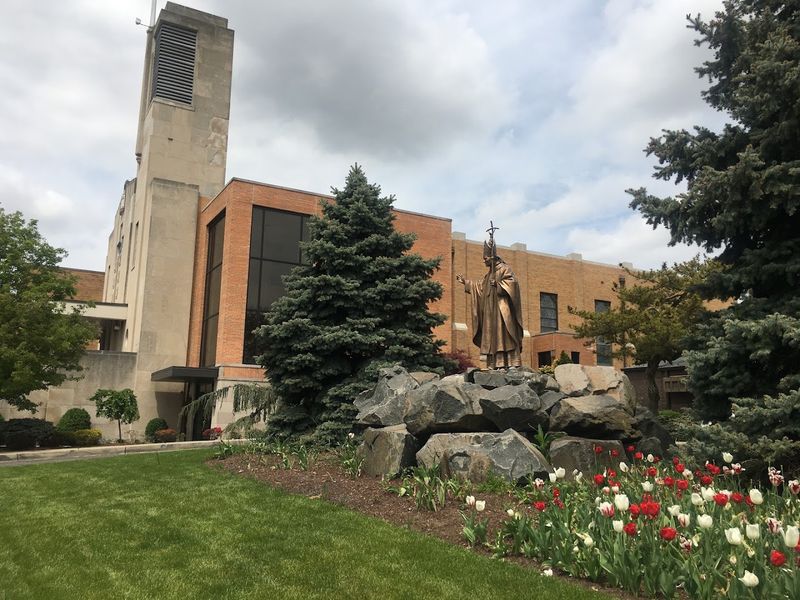
On Saturday mornings, when plenty of kids would happily choose sleep, cartoons, or anything involving a screen, the Polish School of St. Stanisław Kostka gives Wallington a different kind of weekend routine.
The school operates at Most Sacred Heart of Jesus Parish on Paterson Avenue and offers classes from preschool through ninth grade.
Its Saturday schedule runs from 9 a.m. to 12:30 p.m., which is a real commitment for families already juggling sports, errands, homework, and everything else that fills a New Jersey weekend. The point is not only vocabulary drills.
The school teaches Polish language, history, geography, traditions, and customs, which means students are not just memorizing words. They are learning why Wigilia matters, why certain songs show up at Christmas, why Easter baskets are blessed, and why grandparents talk about Poland with a mix of pride, humor, and ache.
Churches have carried a huge part of that cultural weight, too. Transfiguration of Our Lord Polish National Catholic Church on Hathaway Street offers Mass in both English and Polish, a bilingual rhythm that says a lot about Wallington itself.
The community is American, rooted in Bergen County, surrounded by the usual rush of highways and errands, but still connected to the language and rituals that helped build it. Then there is Cracovia Manor, established in 1935 to serve the Polish community and the wider public.
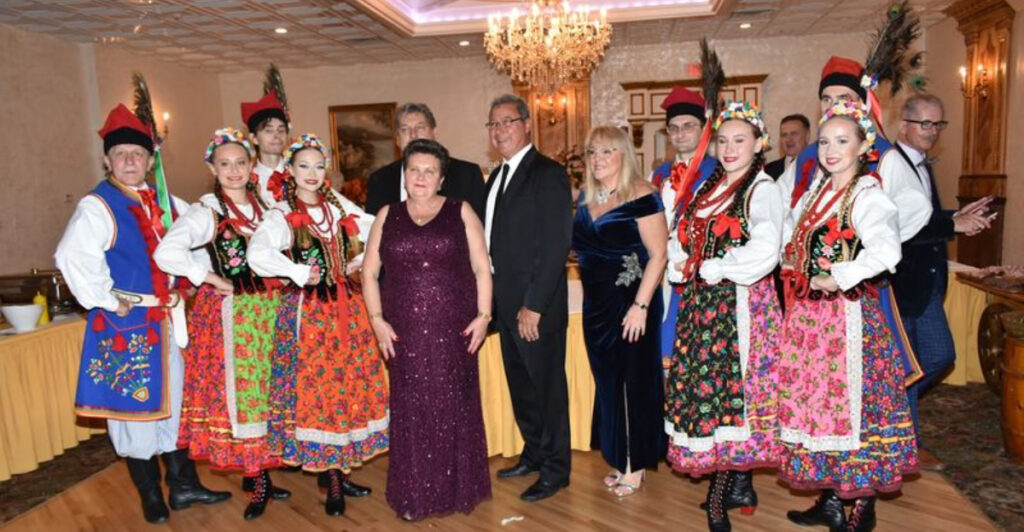
Calling it an event venue is accurate, but a little too plain. Places like Cracovia Manor hold weddings, banquets, performances, fundraisers, and milestone nights where culture shows up in the music, food, speeches, dancing, and the way people greet each other like cousins even when they technically are not.
Restaurants can feed a craving. Churches, schools, and halls build continuity. They make sure the culture has somewhere to go after dinner.
Why Wallington Still Feels Like A Little Piece Of Poland
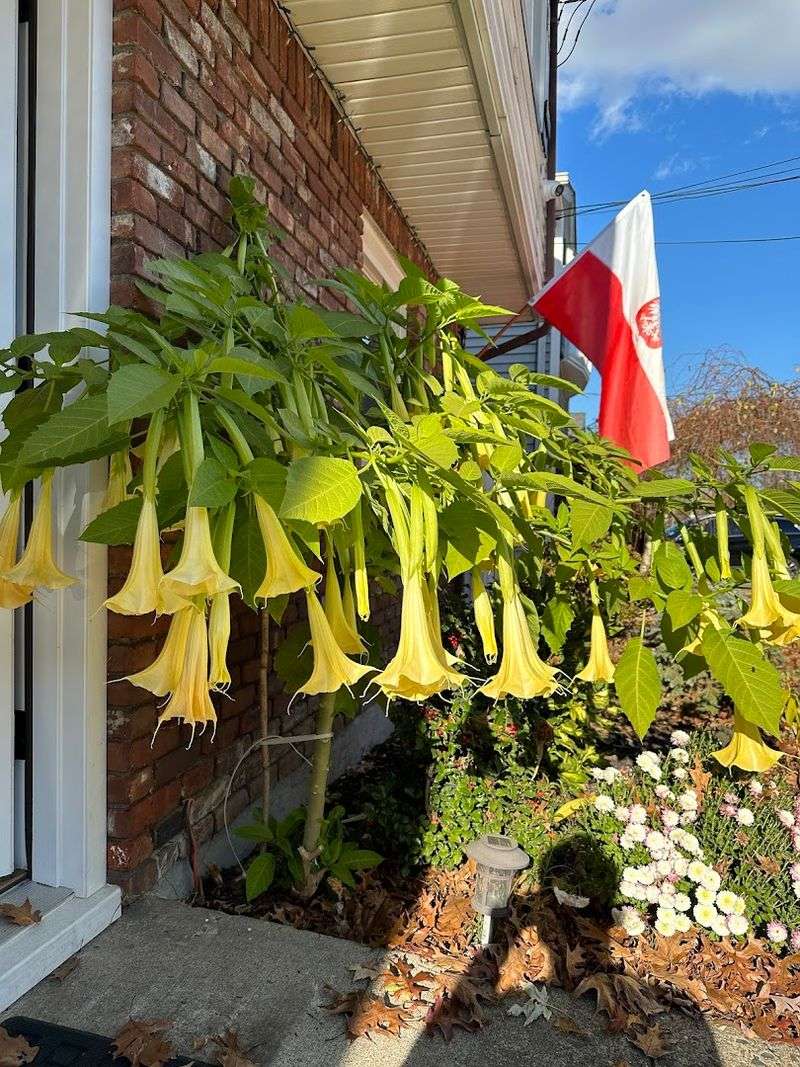
A town does not keep its identity by accident. It keeps it because enough people decide, over and over again, that certain things are worth carrying forward.
In Wallington, that decision shows up in small ways: a parent driving a child to Polish school on Saturday, a butcher smoking meat the old way, a church keeping Polish Mass on the schedule, a banquet hall hosting another community celebration, a family ordering pierogi because that is simply what this weekend calls for.
That is what makes Wallington different from places that only remember their immigrant history when a festival banner goes up.
Here, the culture still has a weekday life. It is in the deli line before work.
It is in the freezer stocked with pierogi. It is in the older man reading a Polish newspaper, the grandmother buying extra paczki, the church volunteer setting up tables, and the kid who may grumble about Saturday school now but will probably be grateful later.
The town has changed, of course. Every New Jersey town has.
Families move, businesses shift, rents rise, tastes broaden, and younger generations build lives that do not look exactly like their grandparents’ lives. Wallington is not frozen in the 1940s, and that is a good thing.
A living culture should bend a little. It should make room for new neighbors, new restaurants, new routines, and new versions of old traditions.
Still, Wallington has held onto something rare. In a state where small towns can blur together after enough strip malls, highways, and hurried commutes, this one still has a flavor that is unmistakably its own.
Polish food is the easiest way in, but it is not the whole story. The real story is a one-square-mile borough where heritage still gets cooked, taught, sung, prayed, celebrated, and passed across the counter with a brown paper package of kielbasa.
Share this story