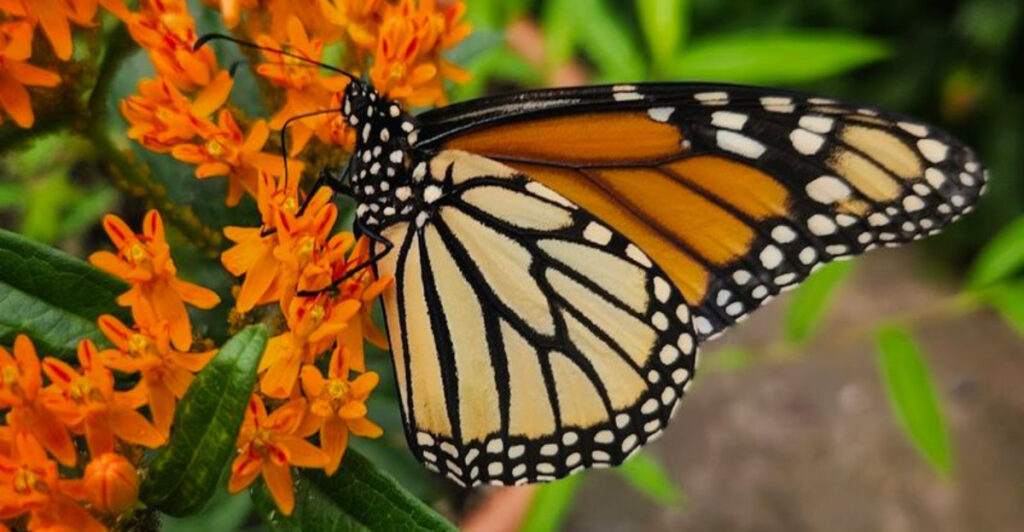
A monarch floating past your shoulder is not usually part of a New Jersey day trip, unless you know where to turn off Titus Mill Road. Tucked into The Watershed Institute in Hopewell Township, the Kate Gorrie Butterfly House feels almost too gentle to announce itself loudly.
One minute, you are near Pennington, not far from the regular rhythm of Mercer County traffic. The next, you are standing inside an outdoor enclosure where milkweed, wildflowers, and warm summer air do most of the talking.
Butterflies move at their own pace here, which is part of the charm. No blinking lights, no staged spectacle, no need to hurry through.
The real surprise is that this delicate little sanctuary sits inside a massive 950-acre reserve with forests, meadows, wetlands, farmland, trails, a pond, and a nature center that make the butterfly house feel like the beginning of the outing rather than the whole story.
A quiet Hopewell Township escape hiding in plain sight
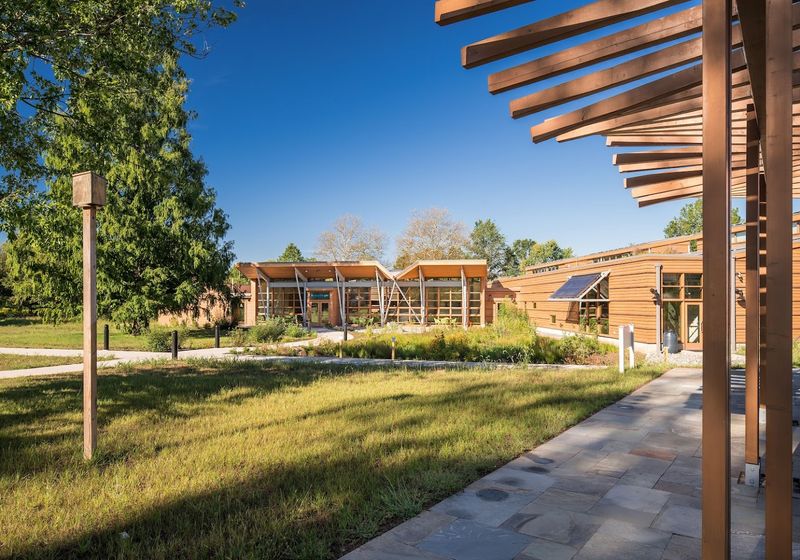
The Watershed Institute sits at 31 Titus Mill Road in Pennington, though the reserve spreads through Hopewell Township in Mercer County. That location is part of its appeal.
It feels tucked away, but it is not some complicated backroads mission that requires three snacks, two coffees, and a heroic sense of direction. It is about 20 minutes from Princeton, Trenton, and New Hope, making it one of those Central Jersey places that can turn an ordinary free afternoon into something much better.
The reserve covers about 950 acres, with woods, wetlands, open meadows, farmland, and pieces of Stony Brook woven through the landscape. It is big enough to feel like a true retreat, but not so intimidating that casual visitors need hiking boots and a survival plan.
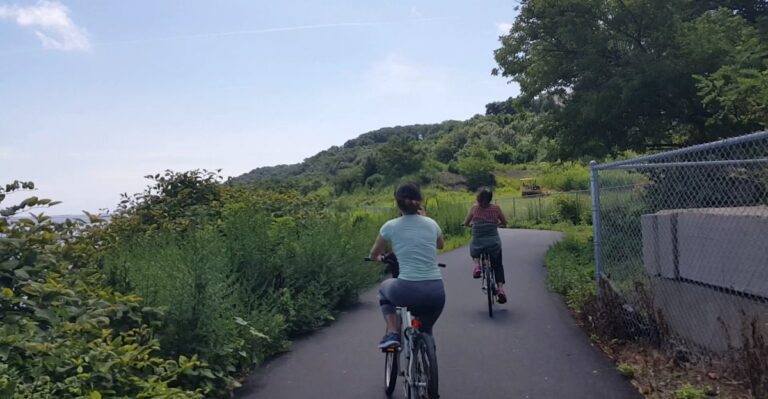
From the parking area near the Watershed Center, the property opens into more than 10 miles of trails, so the butterfly house is not sitting beside a token patch of grass. It is part of a full nature reserve, and that changes the whole mood.
You can come for butterflies and end up wandering past a pond, crossing a boardwalk, watching birds in the trees, or letting kids burn off steam on a trail built with them in mind. Locals know this as the kind of place that works for different versions of the same day.
A short walk is fine. A longer hike is easy to build in. A quiet bench moment near Wargo Pond makes sense, too. Trails are open daily from dawn to dusk, access is free, and the overall feeling is pleasantly unfussy.
It is peaceful without being precious, educational without feeling like homework, and just hidden enough to feel like you were clever for finding it.
Inside the Kate Gorrie Butterfly House where native butterflies take center stage
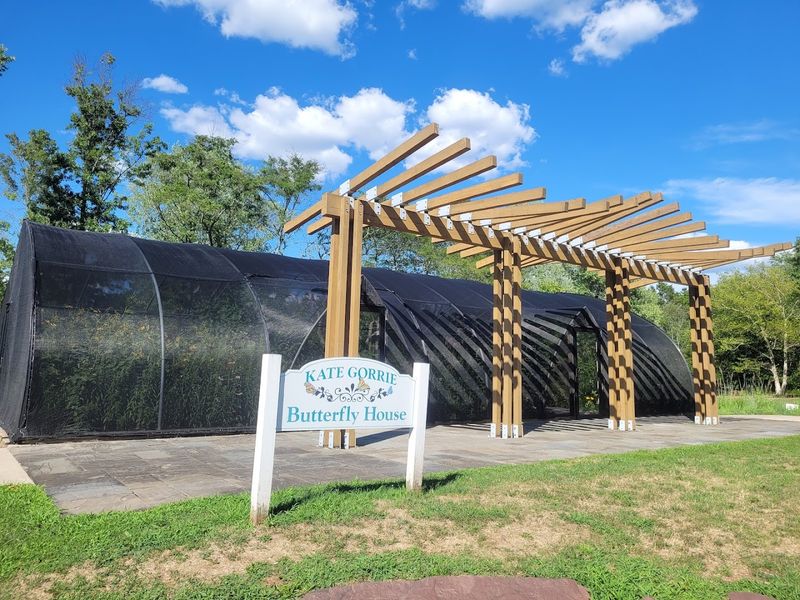
The Kate Gorrie Butterfly House opened in 2000, and its story gives the place a little extra weight. It was created in memory of Kate Gorrie, the daughter of Meg and Tom Gorrie of Pennington, longtime supporters of The Watershed Institute.
Kate loved nature, and the butterfly house honors that love in a way that feels quiet, useful, and genuinely beautiful. This is not a tropical conservatory packed with imported butterflies for dramatic effect.
It is an outdoor, seasonal sanctuary focused on native butterflies and the native plants that support them. That difference matters the moment you step inside.
The space is not trying to overwhelm you with color. It asks you to slow down, look closely, and notice what is happening on the leaves, stems, flowers, and sunny patches around you.
The plantings are designed to reflect central New Jersey habitats, including field, wetland, wet meadow, and forest. Monarchs usually get the biggest reaction, especially when one drifts close enough to make everyone nearby suddenly whisper.
Black swallowtails are another favorite, with their bold markings and elegant movement. But the smaller species can be just as rewarding once your eyes adjust to the activity around the plants.
The house is generally open from mid-June into early October, depending on the season, and it is free to visit from dawn to dusk unless a scheduled program or private tour is taking place. That makes the whole experience wonderfully low-pressure.
You can step in for a few minutes after a trail walk or linger long enough to watch a butterfly move from flower to flower. Kids tend to enter with loud excitement and then, almost magically, quiet down.
Adults do the same thing, though we usually pretend we are simply being observant.
Why this sanctuary feels more like a living habitat than an exhibit
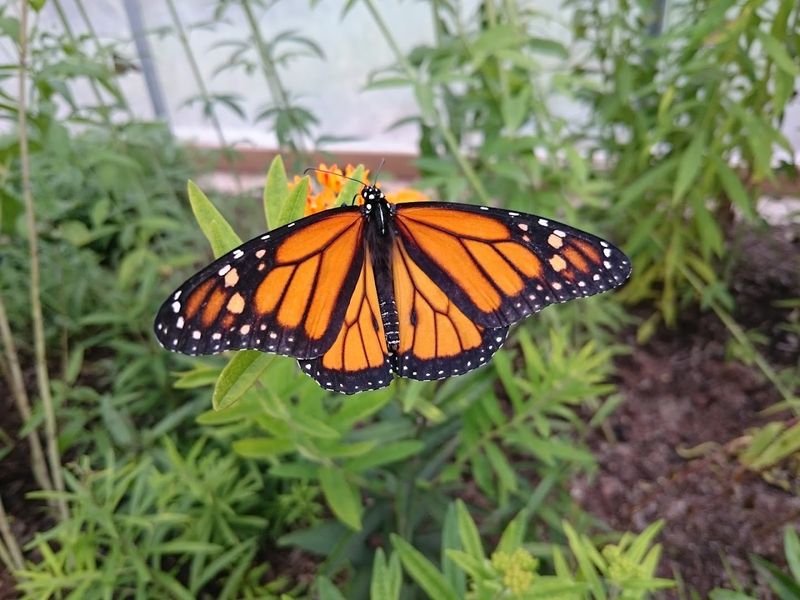
Here is what makes the butterfly house special: it is not built around butterflies as decorations. The space is built around relationships.
Plants feed caterpillars. Flowers feed adult butterflies. Weather shapes what appears from week to week. The surrounding reserve supports the native insects that make their way into the sanctuary.
It is all connected, which is why the Kate Gorrie Butterfly House feels more like a living habitat than an exhibit. Native plants are the real backbone here.
Milkweed matters because monarch caterpillars depend on it. Plants like parsley, dill, fennel, golden alexander, and Queen Anne’s lace matter because black swallowtail caterpillars use plants in that family as hosts.
Nectar plants help feed adult butterflies throughout the season. Those details might sound small until you are standing inside the enclosure and realizing that almost every leaf has a purpose.
The Watershed Institute has also worked with Monarch Watch, a national monarch research and education program, and monarchs raised in the butterfly house may be tagged and released during the fall generation to help contribute migration data.
That gives the sanctuary a quiet scientific side, tucked behind the beauty of wings and wildflowers.
It is also refreshingly honest about nature. Caterpillars chew through leaves. Some plants look better one week than another. A cloudy day can mean fewer fluttering moments.
A hot, sunny day can suddenly make the space feel busy. The experience depends on real seasonal rhythms, not a perfectly controlled performance.
That unpredictability is part of the charm. One visit might be all monarchs and milkweed.
Another might reward patient eyes with tiny butterflies most people would miss in a backyard. The butterfly house teaches you to look more carefully, which is a useful skill in New Jersey, where some of the best places do not make a lot of noise about themselves.
The trails, pond, and forest paths that make this more than a butterfly stop
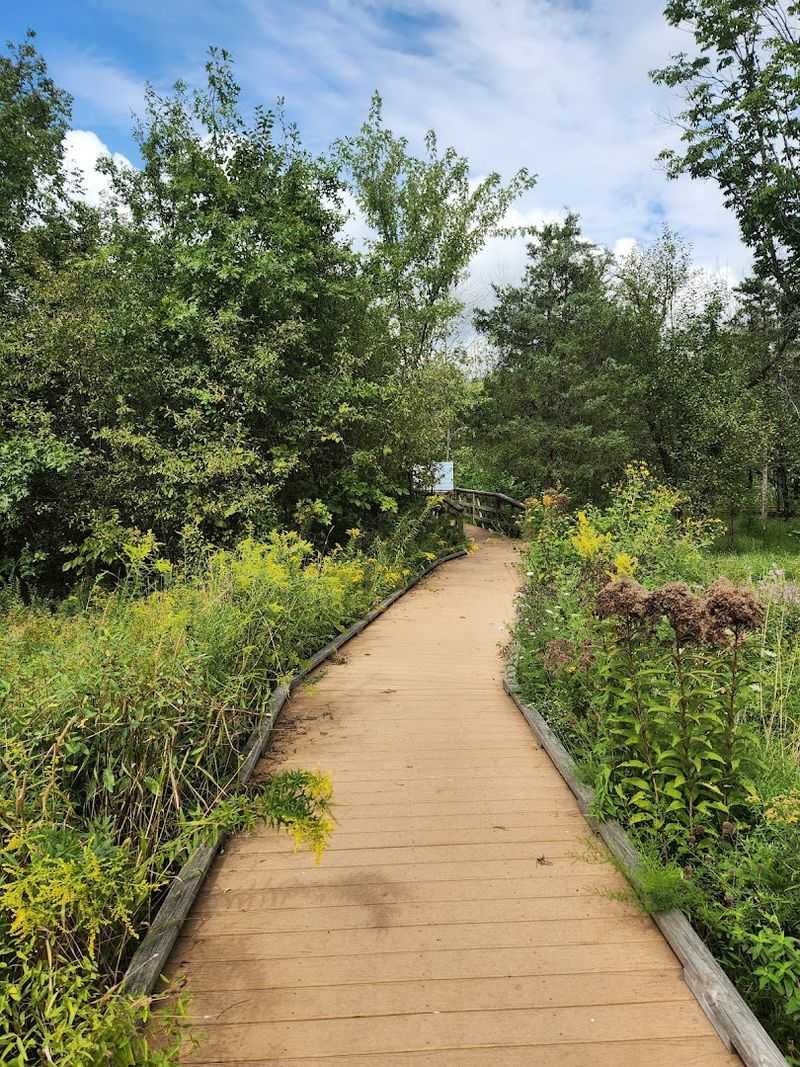
The butterfly house may be the hook, but the trails are what can turn a quick visit into a full afternoon. The Watershed Reserve has more than 10 miles of trails moving through forest, wetlands, meadows, farmland, streams, and the four-acre Wargo Pond.
That variety keeps the place from feeling like one short loop with a few trees pretending to be an adventure. You can build the visit around whatever energy level the day allows.
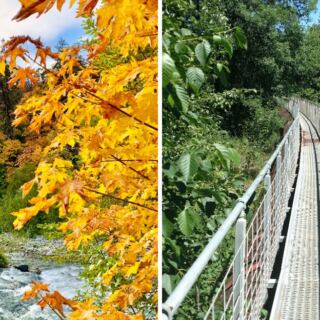
One of the easiest places to start is the Hickory Loop Boardwalk, a 0.7-mile raised boardwalk that is fully accessible. It passes through hickory, maple, and oak trees and gives visitors a real taste of the reserve without demanding a long hike.
It is especially useful for families because it sits close to both the Butterfly House and Tree Frog Trail. Wargo Pond brings a slower rhythm.
This is where you pause, look across the water, and check the edges for turtles, birds, frogs, or whatever else decides to make an appearance.
Catch-and-release fishing is allowed from the dock and shoreline with the proper license, which gives the pond a practical, local feel rather than making it seem like scenery you are supposed to admire from a distance.
The trails also give visitors a chance to spot wildlife throughout the reserve. Birds such as osprey, bobolink, Cooper’s hawk, red-shouldered hawk, and owls have all been associated with the property, along with mammals like fox, coyote, weasel, and flying squirrel.
You are not guaranteed a dramatic wildlife encounter, and honestly, that is part of the deal. This is not a theme park version of nature.
It is a working landscape, and the reward goes to people willing to slow their pace. Leashed dogs are welcome on the trails, and picnicking is allowed as long as visitors carry out their trash.
What families will love beyond the butterflies
Parents can spot the difference between a place that merely allows children and a place that actually works for them. The Watershed Institute lands firmly in the second category because there are enough options to pivot when the day starts changing shape.
A butterfly house for the curious kid. A boardwalk for the stroller. A pond for the child who wants to look for frogs. A nature center for the one who needs a reset.
A play trail for the kid who has been told “don’t run” one too many times. Tree Frog Trail is especially helpful because it sits near the Kate Gorrie Butterfly House and Hickory Loop Boardwalk, making it easy to string together a visit without constantly moving the car or negotiating the next big transition.
It is a children’s play area built into the reserve, so kids can climb, imagine, explore, and move while still feeling connected to the outdoors. The Watershed Center is another strong family feature.
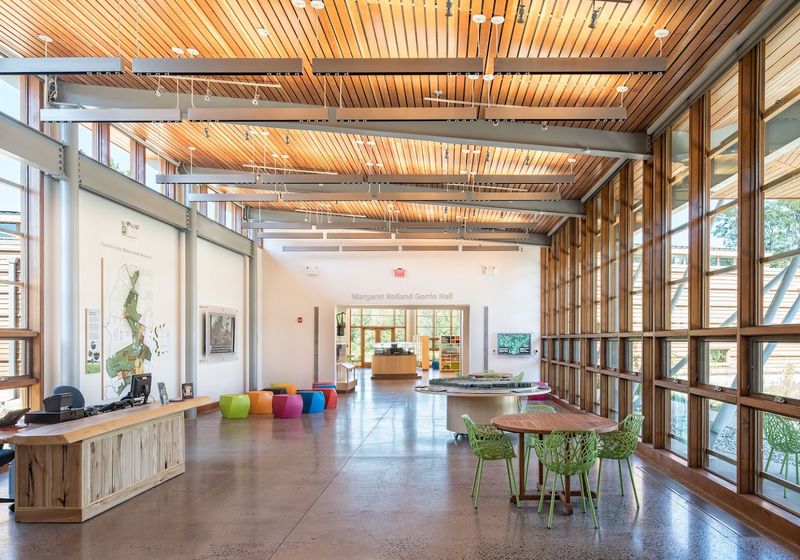
It is open free to the public and includes exhibits, live animal displays, classrooms, a gift shop, and environmental features built into the building itself.
The center is LEED-Platinum certified, with sustainability elements such as solar energy, geothermal systems, rainwater harvesting, rain gardens, and wetlands-based wastewater treatment.
Adults may appreciate those details, but kids usually care more about the live animals and the chance to ask questions about what they just saw outside. Regular center hours are weekdays from 9 a.m. to 5 p.m. and weekends from 10 a.m. to 4 p.m., while the trails remain open daily from dawn to dusk.
That gives families useful flexibility. You can start inside, head out to the butterfly house, walk the boardwalk, stop near the pond, and still keep the outing manageable.
The annual Butterfly Festival adds another layer, with butterfly house tours, crafts, science activities, live music, and animal programs that bring just the right amount of cheerful bug-themed chaos.
When to visit for the best chance of seeing the sanctuary in full flutter
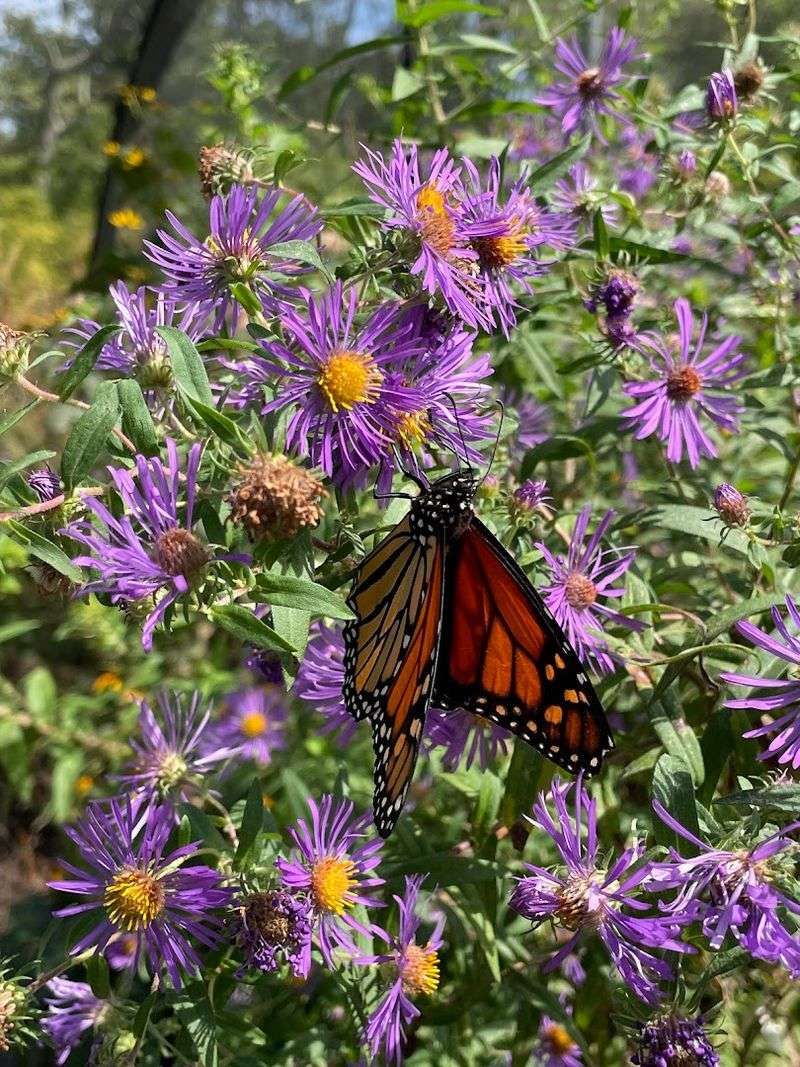
Butterflies are not on payroll, which is both inconvenient and charming. They do not appear on command, pose politely, or guarantee equal excitement every hour of the day.
That means timing your visit to the Kate Gorrie Butterfly House can make a real difference. The sanctuary is generally open from mid-June into early October, and the most active visits usually happen on warm, sunny days when butterflies are more likely to move, feed, and bask.
A cool, damp morning can still be peaceful, but it may not deliver the full fluttering effect people imagine. Late morning into early afternoon is often a smart window because the day has warmed up, the light is good, and the butterflies tend to be more active.
Mid-to-late summer is also a strong time to go because the plants inside the house have filled in and the seasonal life cycle is easier to notice. Monarchs become especially meaningful later in the season, when migration starts to enter the picture and the fall generation prepares for its much longer journey.
Since the Butterfly House is free and open from dawn to dusk during the season, you do not need to build the day around a timed ticket. That freedom is part of what makes the place feel so easygoing.
You can pair the butterfly house with a walk on the Hickory Loop Boardwalk, a slow stop at Wargo Pond, or a longer route through the reserve’s trails. The one practical detail worth checking before you go is whether a scheduled program or private tour is taking place, since the house may be reserved during those times.
Otherwise, the rhythm is simple: arrive during the season, walk softly, look closely, and let the smallest residents of this 950-acre reserve set the pace.
Share this story