On Secaucus Road, the buildings do not exactly scream “future of civilization.” They look more like the kind of places you pass while arguing with your GPS, trying to figure out whether you missed the Turnpike ramp or whether Route 3 is simply doing Route 3 things again.
There are low-slung industrial buildings, warehouse-style walls, security fencing, and the usual North Jersey mix of trucks, diners, rail lines, and impatient commuters.
But behind some of those plain walls, an enormous amount of modern life is humming. Secaucus, the Hudson County town many people know only as a train transfer, outlet stop, or Meadowlands-adjacent blur, has quietly become one of New Jersey’s most important data center hubs.
Your streaming, banking, cloud storage, online shopping, and AI searches may not start here, but there is a very real chance some part of that digital journey passes through this surprisingly powerful little town.
The New Jersey Town Most People Drive Past Without Noticing
Ask a North Jersey driver what Secaucus is, and you will probably get a practical answer before a poetic one. It is where you transfer trains at Secaucus Junction.
It is where you cut through traffic near the Meadowlands. It is where you find Harmon Meadow, big-box stores, hotels, office parks, and that strange feeling that Manhattan is both right there and somehow a whole different planet.
That is exactly what makes the town so easy to underestimate. Secaucus does not announce itself with a boardwalk, a college-town main street, or a postcard skyline.
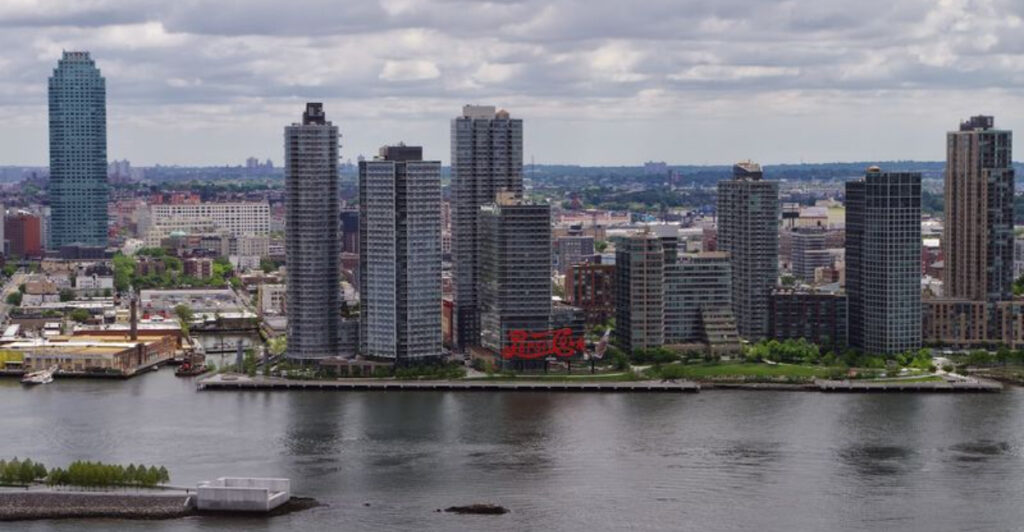
It sits in the thick of the region’s machinery, wedged between highways, rail lines, wetlands, and the nonstop movement of the New York metro area. With a population of a little more than 21,000, it is not huge by New Jersey standards, especially compared with neighboring Jersey City or Newark.
But it has always been more important than it looks from a car window. This is the Meadowlands, after all, where New Jersey has spent generations turning awkward geography into useful infrastructure.
Secaucus has rail access, highway access, warehouse space, and a location that makes logistics people practically tap dance. It is minutes from Manhattan by train, close to the Lincoln Tunnel, close to the New Jersey Turnpike, and surrounded by the kind of commercial land that big, quiet, power-hungry facilities need.
That combination does not make for a charming travel brochure, but it makes for something much rarer: a place where the physical internet can actually live. The next time you roll past Secaucus thinking it is just another exit, remember that some of the most valuable real estate in town is not scenic.
It is secure, connected, cooled, and packed with servers.
How Secaucus Became A Quiet Powerhouse For Data Centers
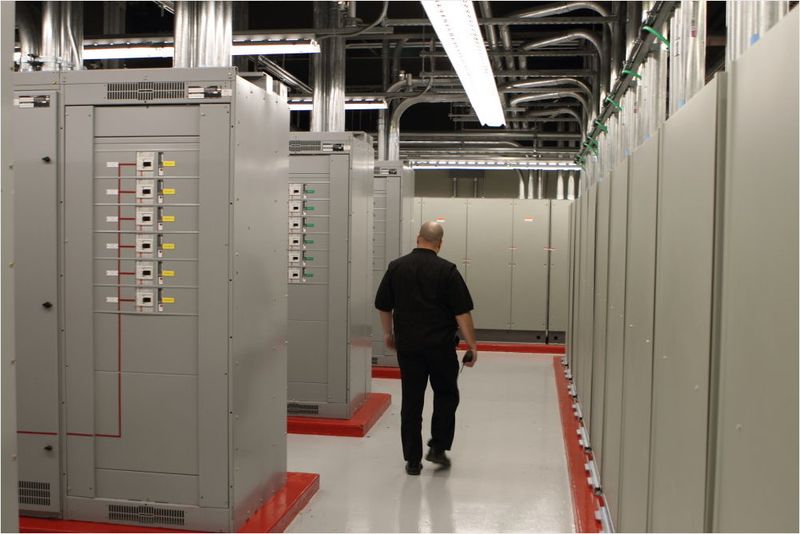
The funny thing about the internet is that everyone talks about “the cloud” as if your photos and passwords are floating somewhere above the Hudson River in a polite little mist. In reality, the cloud needs buildings.
Big ones. Strong ones.
Buildings with backup power, cooling systems, security checkpoints, fiber routes, and enough electrical capacity to keep thousands of servers running at once. Secaucus had exactly the kind of bones the industry wanted.
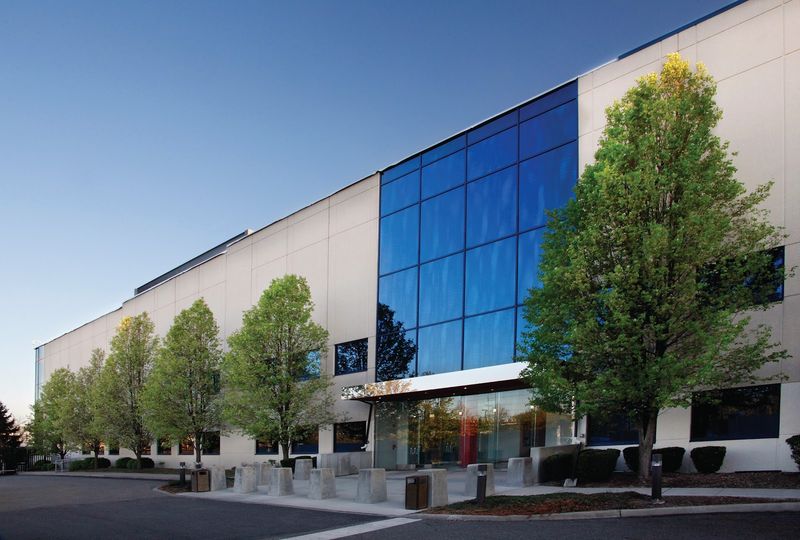
Equinix, one of the biggest names in global digital infrastructure, operates a major Secaucus campus that includes several New York metro data centers, including facilities known by names like NY2, NY3, NY4, NY5, and NY6. That “NY” label is a little funny, because yes, much of the action is physically in New Jersey.
But that is also the point. For companies that need to serve New York City’s financial firms, media companies, cloud platforms, and enterprise networks, Secaucus offers New York access without trying to squeeze everything into Manhattan.
One especially well-known facility, Equinix NY4, sits at 755 Secaucus Road and serves customers that care deeply about speed, reliability, and interconnection. Those are not flashy words for most people, but in the data center world, they are everything.
Being connected to the right networks in the right place can shave tiny fractions of time off digital transactions. That matters for banking, trading, streaming, gaming, advertising, and the countless invisible systems businesses use all day.
CoreSite has also expanded in Secaucus, with its NY2 and newer NY3 facilities at 2 Emerson Lane. NY3 alone adds more than 138,000 square feet of data center capacity to the New York metro footprint.
That is how Secaucus became powerful: not with one big splash, but by stacking one critical facility next to another until the town became a quiet backbone for the region’s digital life.
Why Location Made This Small Town So Valuable
Five miles can change everything. Secaucus Junction is only a short train ride from New York Penn Station, but the town sits on the New Jersey side of the river, where land patterns, industrial zoning, highway access, and utility planning look very different from Manhattan.
That tiny bit of separation is a major advantage. Data centers need to be close to customers, carriers, and financial markets, but they also need room.
They need space for equipment. They need places where trucks can reach loading docks without treating every delivery like a Broadway production.
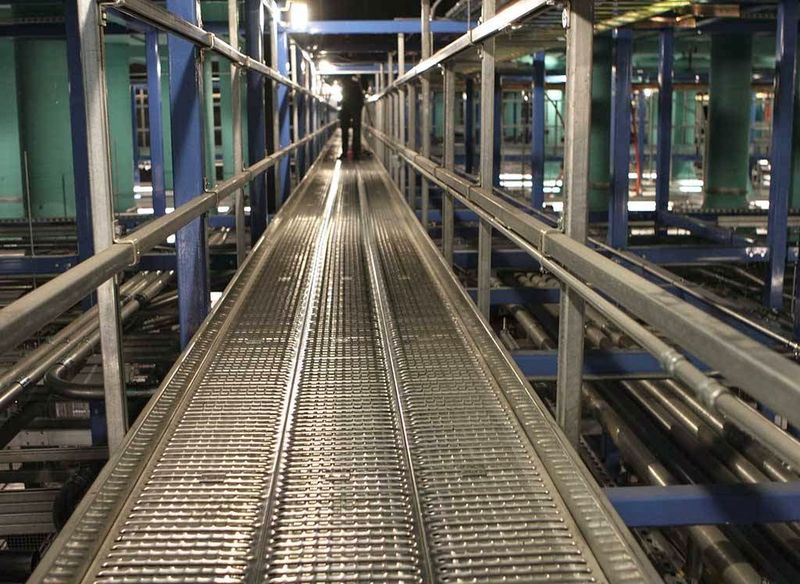
They need routes for fiber, power, cooling systems, and redundant infrastructure. Secaucus checks a lot of those boxes.
Route 3, Route 495, the New Jersey Turnpike, and nearby rail connections put the town in the middle of one of the busiest corridors in the country. This is not “middle of nowhere” infrastructure.
It is “middle of everything” infrastructure, just tucked behind buildings most commuters never look at twice. The Meadowlands location also matters because Secaucus has long been a place for unglamorous but essential operations.
Warehouses, distribution centers, hotels, offices, and transportation facilities all fit the local pattern. A data center is different from a warehouse, of course, but from the outside it can blend into the same landscape of practical North Jersey commerce.
The value is not curb appeal. The value is latency, access, resilience, and proximity.
Put plainly, Secaucus is close enough to Manhattan for companies that need New York speed, but spacious enough to host the heavy-duty systems Manhattan cannot easily absorb. That is the sweet spot.
It is why a town best known to many people as a train transfer has become a serious player in the digital economy. Secaucus did not have to reinvent itself as a tech hub with rooftop lounges and startup murals.
It just had to be exactly where it already was.
The Big Tech Infrastructure Hiding In Plain Sight
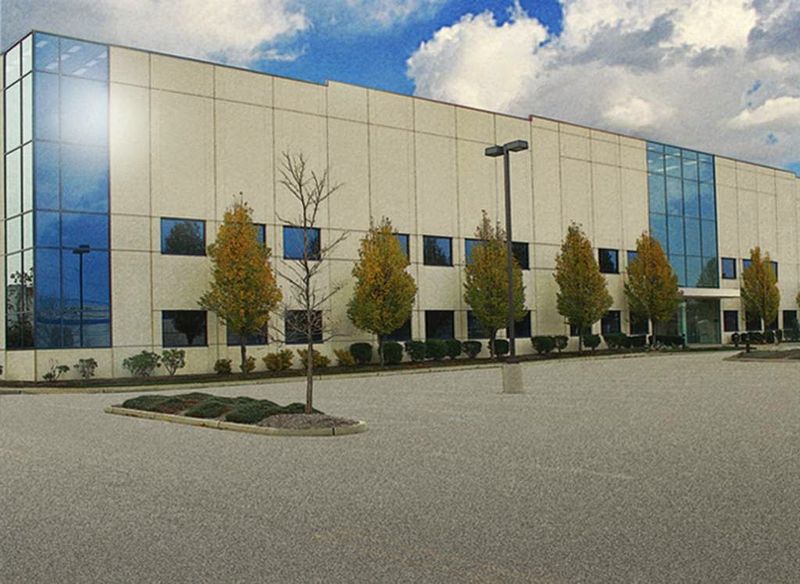
From the sidewalk, a major data center can be almost comically boring. You are not supposed to wander in, peek around, and say, “Wow, nice internet you have here.” These buildings are designed to be secure, controlled, and forgettable from the outside.
That is part of the magic. Inside, though, the work is anything but ordinary.
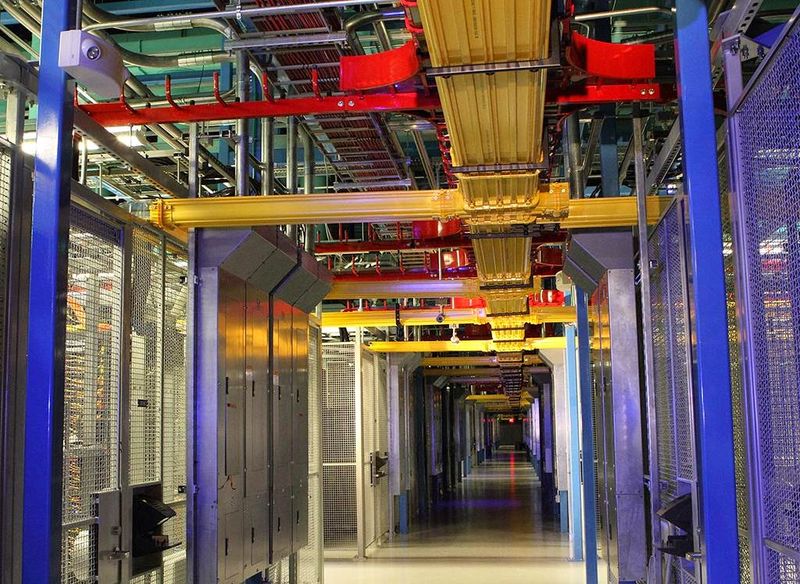
Rows of servers process, store, and move data. Cooling systems keep machines from overheating.
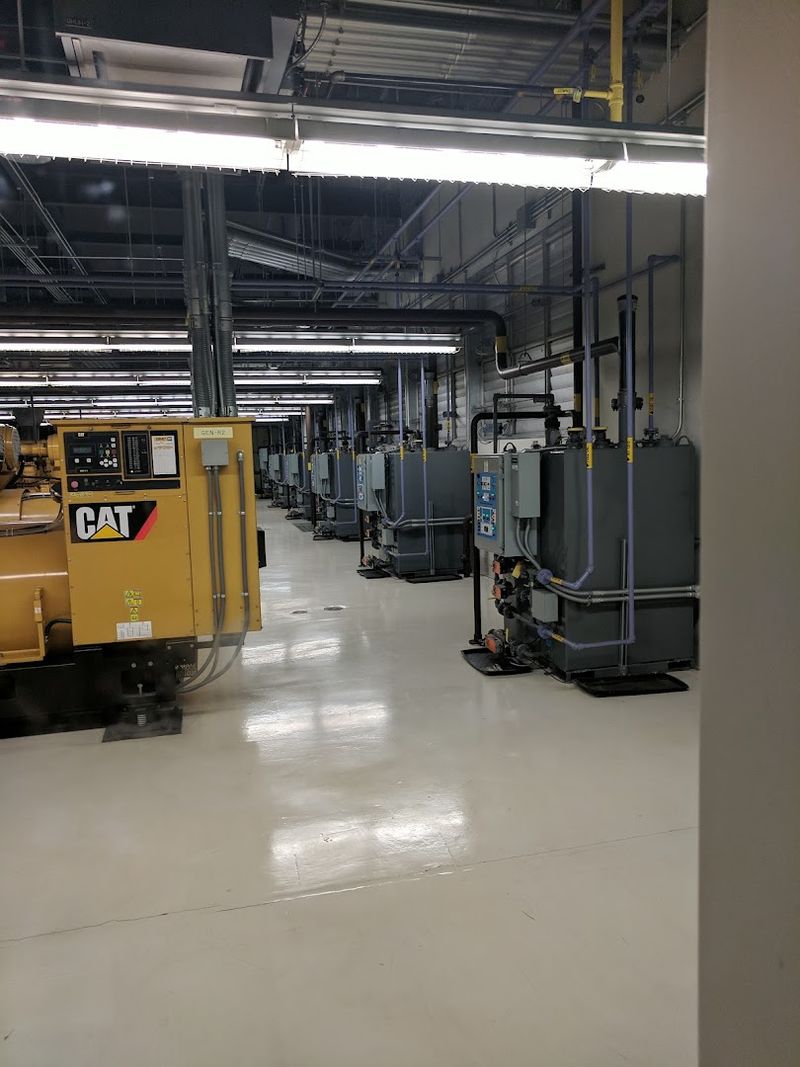
Backup generators and battery systems stand ready in case power gets interrupted. Fiber connections link customers to carriers, cloud platforms, exchanges, and other facilities across the region.
It is less like a single building and more like a highly guarded digital train station, where information arrives, switches tracks, and races off again. In Secaucus, that hidden network includes big industry names and dense connectivity.
Equinix’s Secaucus campus connects into New York carrier hotel ecosystems, the old-school but still vital buildings where telecom networks meet and exchange traffic. CoreSite’s local campus offers access to dozens of networks and cloud connections, including infrastructure designed for high-performance workloads.
For regular people, this may sound abstract until you think about what “regular life” now requires.
A card tap at a checkout counter, a doctor pulling up a digital record, a small business backing up files, a sports fan streaming a game, a parent uploading photos, a trader watching market data, a teenager asking an AI chatbot for homework help — all of it depends on physical systems somewhere.
Some of those systems are in giant, quiet buildings in towns like Secaucus. That is the part people miss.
The internet feels weightless because the heavy stuff is hidden so well. In Secaucus, it is hidden behind fences, concrete, badge readers, and building names that sound more like airport gates than local landmarks.
NY4. NY5. NY3. Not exactly romantic, but very New Jersey in its own way: practical, connected, and doing more work than it gets credit for.
What All These Data Centers Mean For The Community
Locals do not need a lecture about growth. They can see it from the road.
Secaucus has spent years balancing its small-town government identity with the very big regional forces pressing in from every direction.
There are residents going to town events, kids playing sports, commuters racing to trains, shoppers heading to Harmon Meadow, and visitors using the town as a base for MetLife Stadium or New York City.
Then there are the facilities most people never enter but everyone increasingly depends on. Data centers can bring serious benefits to a town.
They turn commercial properties into high-value infrastructure. They support construction jobs, technical jobs, security work, maintenance, electrical contracting, engineering, and a long chain of vendors.
They can strengthen the tax base without creating the kind of daily foot traffic that a mall, apartment complex, or entertainment venue might bring. For a place already built around highways and commercial corridors, that can sound like a pretty neat fit.
But there is another side, and it is not small. Data centers use a lot of electricity.
Some also require major cooling systems, water planning, grid upgrades, and backup power arrangements. As AI grows, those demands are getting more attention across New Jersey, especially as residents worry about electric bills and whether infrastructure costs will get pushed onto ordinary households.
Secaucus is not some isolated test case; it is part of a statewide conversation about how much digital infrastructure communities should host, who pays for the power upgrades, and how transparent companies should be about energy and water use. That makes the town a useful example of the modern tradeoff.
Everyone wants fast apps, reliable banking, smooth streaming, and smarter technology. Nobody wants higher bills, stressed utilities, or development that ignores local concerns.
Secaucus sits right at that intersection, trying to be both a real community and a piece of the internet’s engine room.
Why Secaucus Could Become Even More Important In The AI Boom
AI has made data centers a dinner-table topic in a way cloud storage never quite did. For years, people used the internet constantly without thinking too hard about where the computing happened.
Now, every new AI tool seems to arrive with a bigger appetite for chips, power, cooling, and space. That puts towns like Secaucus in a fascinating position.
The town already has the connectivity that companies want. It already sits beside New York City’s financial, media, healthcare, university, and enterprise markets.
It already has established campuses from major data center operators. And it already understands what it means to host infrastructure that is essential but not especially glamorous.
That does not mean Secaucus will simply keep absorbing endless growth without questions. In fact, the questions are probably going to get sharper.
How much power should new facilities be allowed to draw? Should data center companies pay directly for grid upgrades tied to their demand?
How should towns measure noise, water use, emergency planning, and long-term community impact? These are not anti-technology questions.
They are grown-up infrastructure questions. New Jersey has always been good at hosting the things the region needs but does not always want to look at too closely: ports, rail yards, warehouses, highways, substations, refineries, distribution centers.
Data centers are the latest version of that story, only now the cargo is information. Secaucus may never look like Silicon Valley, and honestly, that is part of its charm.
It looks like North Jersey: useful, crowded, strategic, and a little underestimated. But as AI makes computing infrastructure more valuable and more controversial, this small Hudson County town could become even more important than most people realize.
The internet may feel invisible, but in Secaucus, it has an address, a power bill, and a very busy future.
Share this story