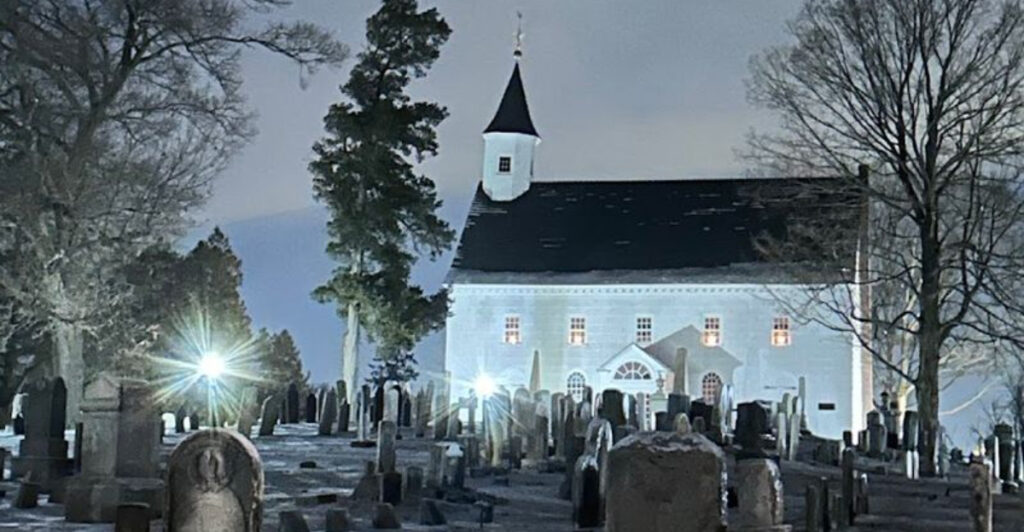
The thing about an old churchyard at dusk is that it changes faster than you expect. One minute, you are admiring hand-carved stones, weathered clapboard, and the kind of quiet history New Jersey keeps tucked beside busy roads.
The next, the trees go still, the shadows stretch across the graves, and every cracked step or leaning marker suddenly looks like it knows something you do not. These churches are not just old buildings.
They are battle hospitals, Quaker meetinghouses, forgotten cemeteries, stone ruins, and small-town landmarks with stories that have outlived the people who first told them. By daylight, many are beautiful places to appreciate history, architecture, and local roots.
After dark, though, they hit differently. Visit respectfully, stick to public hours, never trespass, and maybe save the wandering for when the sun is still doing its job.
1. Old Tennent Church
A Revolutionary War battlefield has a particular kind of silence, and Old Tennent Church wears it well.
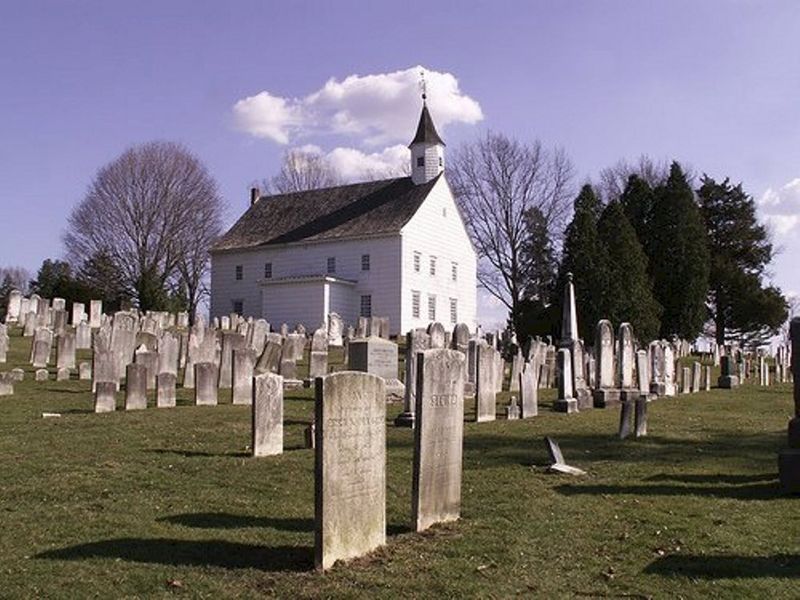
Sitting in Manalapan with its cemetery spread around it, this Presbyterian landmark looks calm enough in daylight: white walls, colonial lines, old stones, and rolling Monmouth County grounds that feel more historic than haunted at first glance.
Then you remember the Battle of Monmouth happened close by, and the church was used as a field hospital for wounded Continental soldiers. That detail changes everything.
Suddenly the old building is not just picturesque; it is a place where fear, heat, blood, prayer, and cannon fire once crowded the same summer air.
The graveyard adds another layer, with names connected to early American history and markers that have been standing through more New Jersey winters than most towns have had traffic lights.
This is the kind of place to visit slowly during the day. Walk the grounds respectfully, look at the old stones, and take in how much history is packed into one quiet corner of Manalapan.
At night, though, the open cemetery, dark tree line, and battlefield memory give it a very different personality. Even skeptics may find themselves walking a little faster back to the car.
2. St. James Episcopal Church and Piscatawaytown Burial Ground
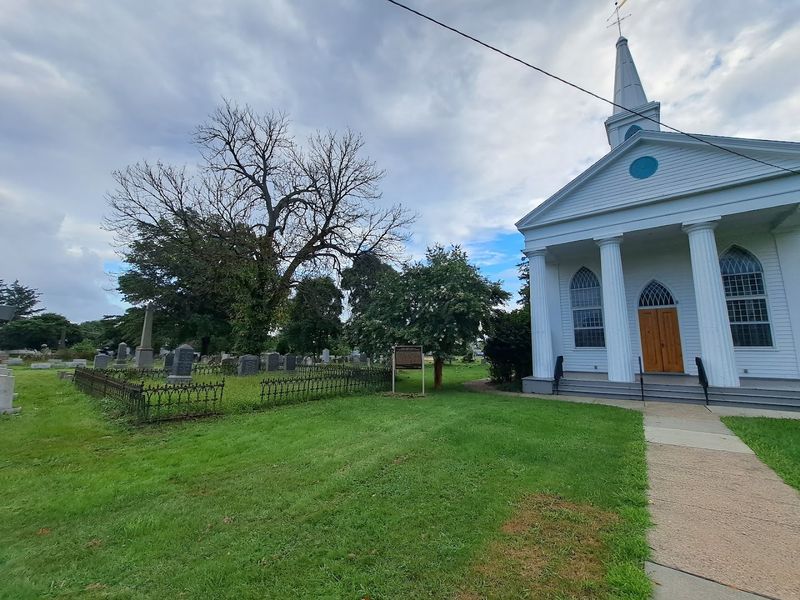
There is something especially eerie about a burial ground that predates so much of the modern world around it. St. James Episcopal Church and the Piscatawaytown Burial Ground sit in Edison, surrounded by the ordinary movement of Central Jersey life, but the site itself feels like a preserved pocket from another century.
The church’s roots go back to the early 1700s, and the burial ground is one of the oldest in Middlesex County, with stones that reach back to the colonial period. The stories attached to the cemetery are part of what gives it such a strong after-dark reputation.
Old graves, Revolutionary War connections, and local whispers about unusual burials have turned this into the kind of place people mention in lowered voices. By daylight, it is fascinating.
The stonework, the age of the markers, and the connection to Piscatawaytown’s early settlement make it a worthwhile stop for anyone who likes New Jersey history with texture. After sunset, the charm gets sharper around the edges.
The old burial ground sits close enough to the present to remind you how much has changed, but it still carries the weight of everything that came before. Go in daylight, be respectful, and let the old stones do the storytelling.
3. Berry’s Chapel Ruins
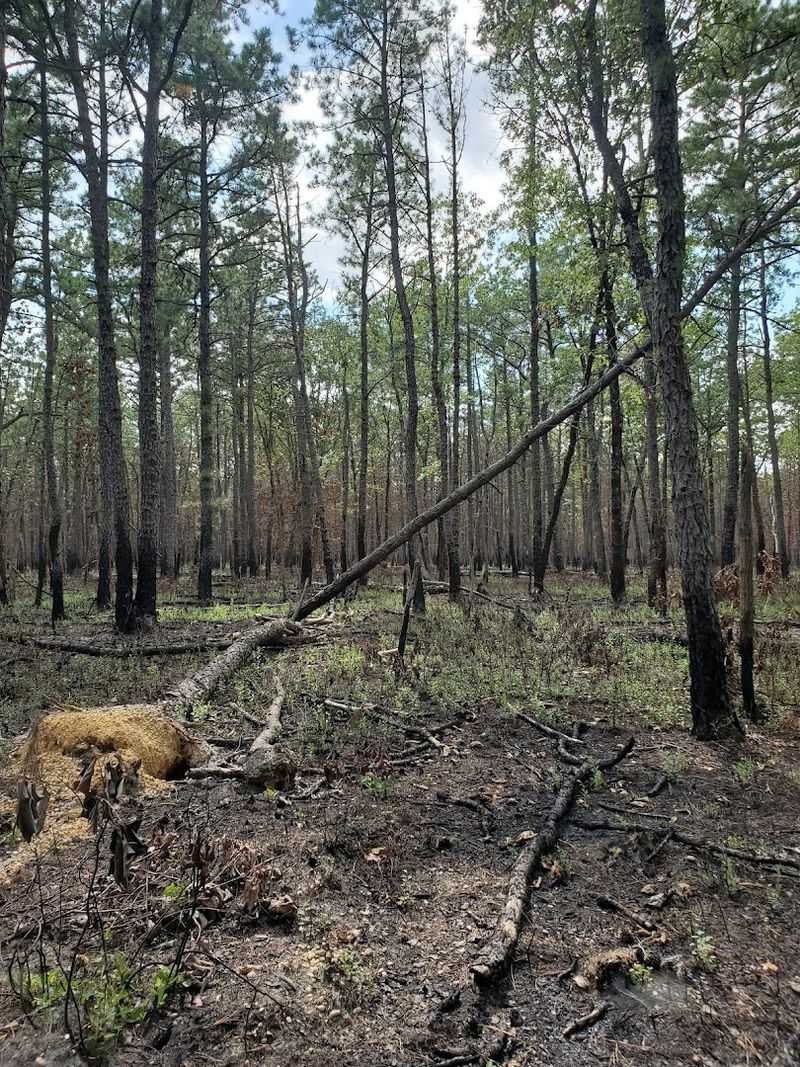
Some places do not need a steeple to feel like a church. Berry’s Chapel Ruins, hidden in the Salem County area, have long been tied to stories of an old African American religious community, a burial ground, and a chapel that eventually disappeared into ruin and local legend.
What remains is less polished historic site and more cautionary whisper: overgrowth, scattered graves, and a reputation that has only grown because so much about the place feels unfinished. This is not the cheerful kind of spooky.
The legends connected to Berry’s Chapel often involve tragedy, desecrated graves, strange sounds, and sightings that sound like they were made to be told around a Pine Barrens campfire. Just as important, the site has been described as difficult or restricted to access, so this is not a place for sneaking around with flashlights.
Respecting boundaries matters here, especially because the ground is connected to real people and a real community history. What makes Berry’s Chapel so memorable is the sense that the landscape swallowed the building but not the story.
It belongs on this list because it feels less like a stop and more like a warning. If you want to appreciate it, learn the history first. Do not treat it like a dare.
4. Burlington Quaker Meeting House
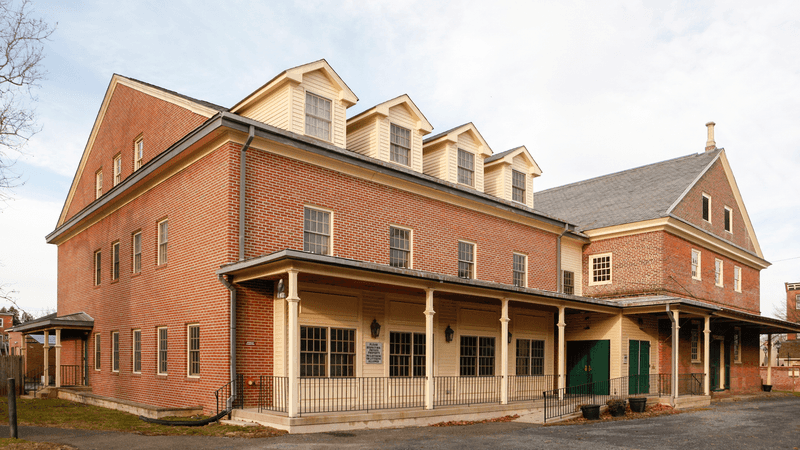
The Burlington Quaker Meeting House does not have to shout to make an impression. That is actually the point.
Its quiet, plainspoken presence fits the Quaker tradition beautifully, and the surrounding burial ground gives the whole property a deep, steady sense of age. Burlington itself is packed with colonial history, but this meeting house feels especially rooted, as if it has watched the city change one careful generation at a time.
During the day, this is a place for paying attention to small things. The simple architecture, the old burial ground, and the calm setting reward visitors who are not rushing.
You are not coming for spectacle. You are coming for that rare New Jersey moment when the noise drops away and the past gets very close.
After dark, that same simplicity becomes unnerving. Plain windows, still grounds, and weathered markers do not need dramatic lighting to feel strange.
The lack of ornament almost makes the imagination work harder. There are no grand Gothic shadows here, no over-the-top haunted-house theatrics.
Just quiet, history, and enough old graves to make you suddenly aware of every sound behind you. Visit respectfully when public access allows, especially if you enjoy colonial history.
But save the moody wandering for daylight. Burlington has plenty of nighttime charm elsewhere.
5. Newton Friends Meetinghouse
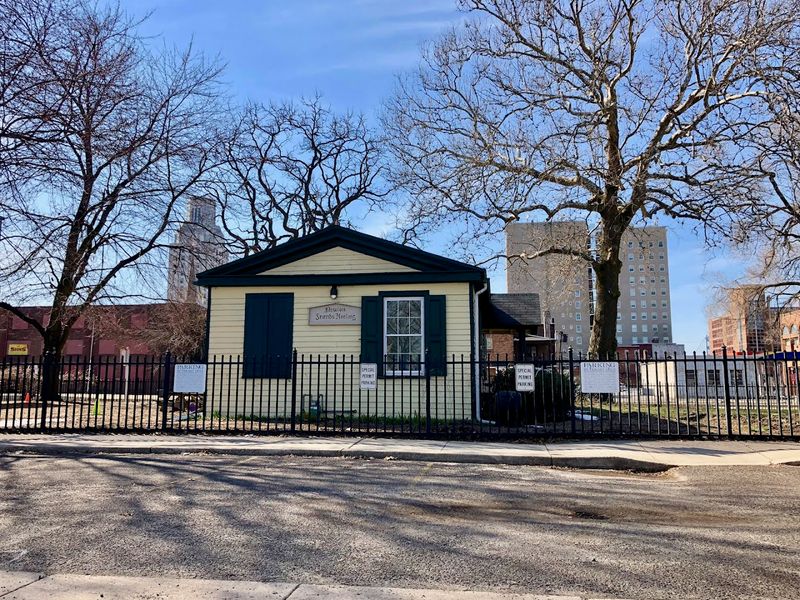
In Camden, Newton Friends Meetinghouse proves that a building can be modest and still stop you in your tracks. Built in the 19th century and tied to the city’s Quaker history, it has the clean, restrained look you expect from a Friends meetinghouse.
No dramatic spires. No theatrical gloom. Just a simple structure with a long memory, which can be more unsettling than anything designed to scare you. Part of its pull comes from the contrast around it.
Camden is a city with movement, traffic, grit, and layers of change, while the meetinghouse feels like a quieter survivor from an earlier map. That contrast makes it a strong entry for anyone writing about New Jersey places that shift after sunset.
By day, it is a historic religious building with architectural and cultural value. By night, that plainness can feel watchful.
Local ghost lore has attached itself to the site over time, the way it often does with old meetinghouses and cemeteries. Whether you believe any of it or not, the setting has the right ingredients: age, silence, spare design, and stories that have had plenty of years to grow.
This is a daylight-history stop, not a midnight adventure. Appreciate the building, understand its role, and leave the late-night investigating to your imagination.
6. Old Swack Church
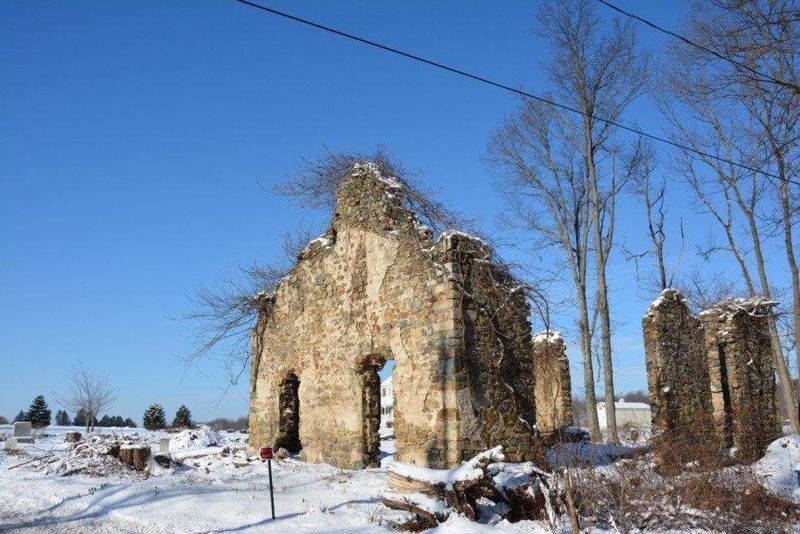
Old Swack Church feels like the beginning of a story you probably should not finish alone. Located in Lebanon Township, the ruined church is officially tied to Mount Bethel Evangelical Lutheran Church and Cemetery, but locals know it by the shorter, stranger name.
The church was built in the 1840s and eventually abandoned, leaving behind the kind of stone remains that make people slow down, stare, and wonder how much of the past is still hanging around. The setting is a major part of the appeal.
This is not a polished church tour with neat signage and a gift shop glow. It is a ruin, a cemetery, and a historical puzzle with old ownership questions and preservation efforts woven into the story.
The burial ground includes stones from the 1800s, some displaced or difficult to read, which adds to the feeling that time did not simply pass here; it scattered things. By daylight, Old Swack is compelling because it is raw.
You can imagine the congregation arriving, the building in use, and then the slow retreat of people, roof, order, and certainty. After dark, those same crumbling walls and old graves become something else entirely.
This is a place to respect from a safe, legal distance and not treat like a ghost-hunting playground.
7. Fairfield Presbyterian Old Stone Church
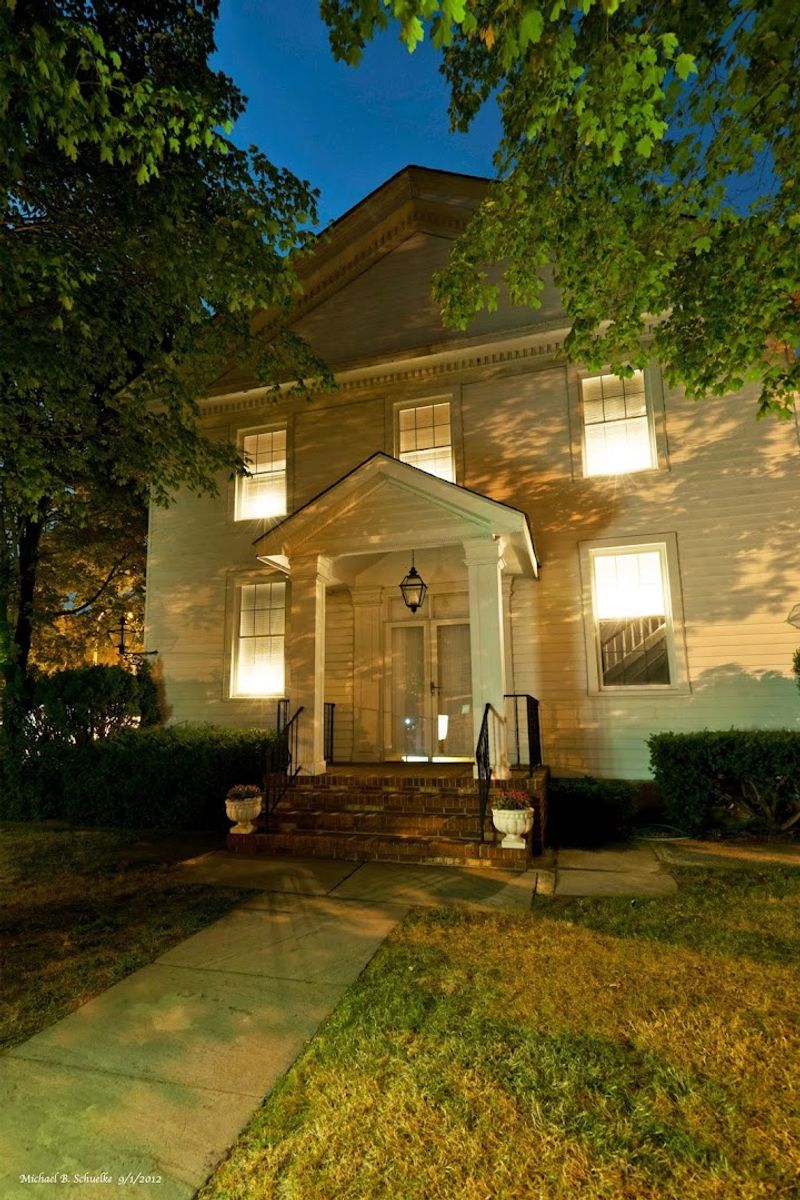
The Fairfield Presbyterian Old Stone Church looks like it was built to outlast gossip, storms, and anyone foolish enough to underestimate it. Constructed in 1780, this Cumberland County church has the sturdy dignity of a place that has seen centuries pass without needing to dress itself up.
Its stone walls, simple form, and preserved interior make it one of those historic churches that feels almost stubbornly present. What earns it a spot here is not just age, but atmosphere.
The church stands apart from the busier rhythm of modern life, and that separation gives it a powerful stillness. During the day, it is easy to admire the craftsmanship and the survival of an early meetinghouse tied to one of the region’s oldest Presbyterian congregations.
The site feels serious, quiet, and deeply South Jersey. Once evening settles in, the mood changes.
The stone exterior darkens, the rural setting gets quieter, and the building can start to look less like a historic landmark and more like something keeping watch. It does not need a dramatic ghost story to feel unnerving.
Sometimes an old locked church with no bright modern clutter around it is enough. For history lovers, this is a strong daylight visit.
Go for architecture, early New Jersey religious history, and that rare feeling of stepping into a place that has barely blinked since the 18th century.
8. St. Peter’s Episcopal Church
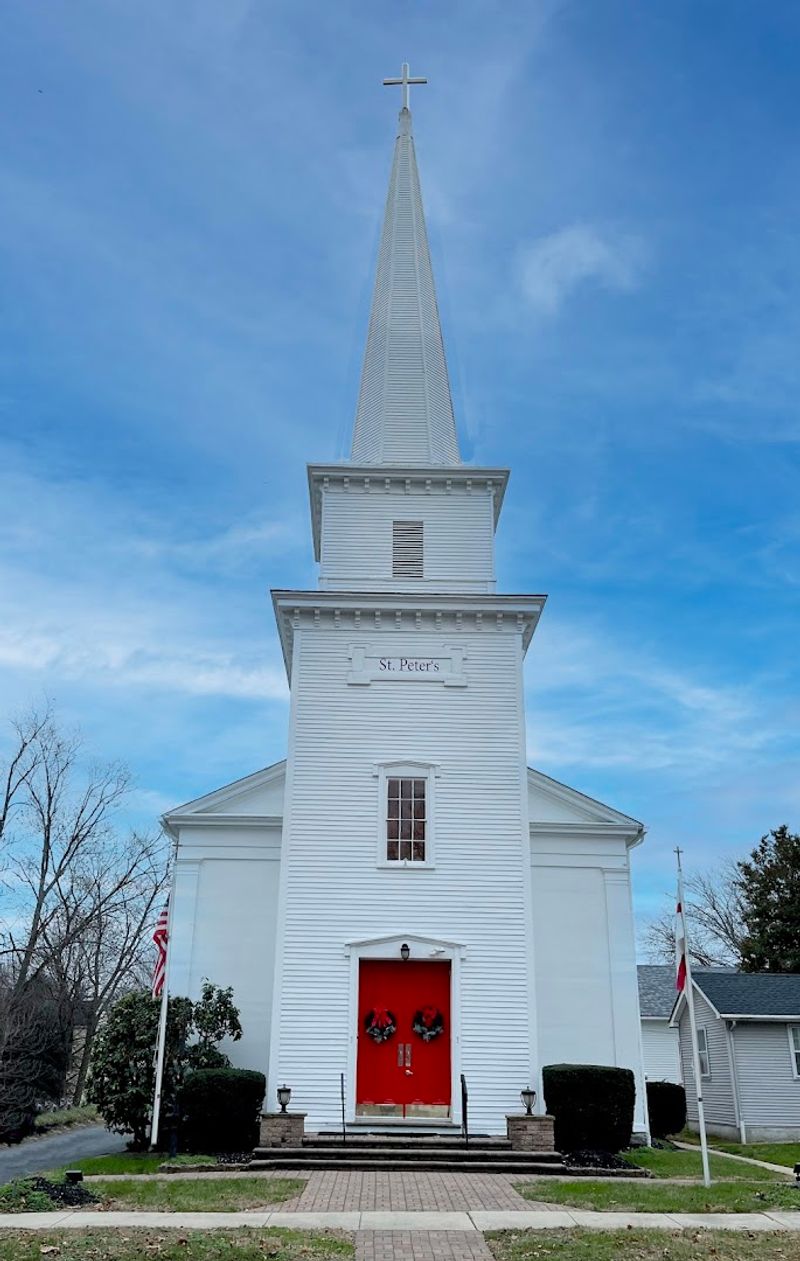
Perth Amboy’s St. Peter’s Episcopal Church has the kind of résumé that makes history buffs immediately lean in. It is connected to one of New Jersey’s oldest Episcopal congregations, with roots reaching back to the 1600s, and its churchyard contains some of the oldest burial history in the state.
That alone would make it notable. Add Gothic Revival architecture, old stones, and a city setting full of colonial echoes, and you have a place that feels layered before you even reach the gate.
By daylight, the church is beautiful in a restrained, serious way. It is not trying to be cute.
It has the look of a place that has hosted generations of baptisms, funerals, services, public moments, and private grief. The graveyard is the part that tends to stay with visitors.
Old cemeteries in cities are always a little startling because the modern world presses right up against them, but the dead keep their own schedule. After dark, that contrast becomes sharper.
Perth Amboy keeps moving, but the churchyard seems to settle into itself. The stones, the Gothic lines, and the age of the place make it easy to understand why locals would rather admire it under the sun.
Go respectfully during appropriate hours, especially if you like colonial New Jersey history. At night, admire the silhouette and keep walking.
9. Old Stone Church, Upper Saddle River
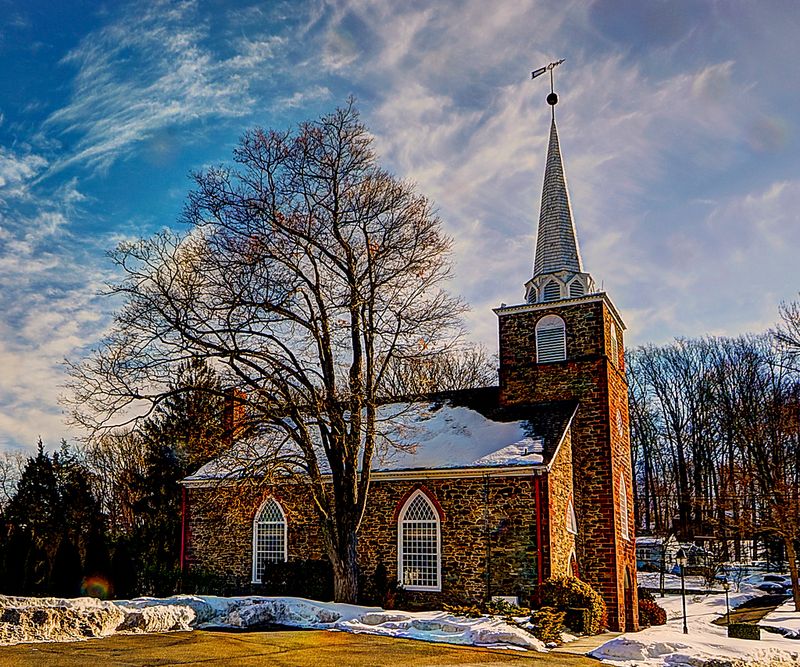
There is a polished quiet to Upper Saddle River that makes its Old Stone Church feel even more mysterious. Known as Saddle River Reformed Church, the site has served the valley since the late 1700s, while the current native-stone building dates to the early 1800s.
It has the classic North Jersey historic-church look: strong stone walls, a cemetery nearby, mature trees, and the feeling that every road around it used to be much darker. This is a lovely place to appreciate in daylight.
The church and cemetery sit in a part of Bergen County where history can feel hidden behind well-kept lawns and commuter-town calm. Walk by respectfully, look at the stonework, and you can see why the building has lasted as a local landmark.
It is not flashy. It does not need to be.
After dark, though, the setting works on the nerves. The old cemetery, the stone church, and the quiet roads create the kind of scene where headlights feel too bright and footsteps feel too loud.
It is not hard to imagine why people would tell you not to linger there once the evening gets deep. The appeal here is subtle, which is exactly why it works.
Some haunted-feeling places announce themselves. This one simply waits.
10. Little Egg Harbor Friends Meeting House
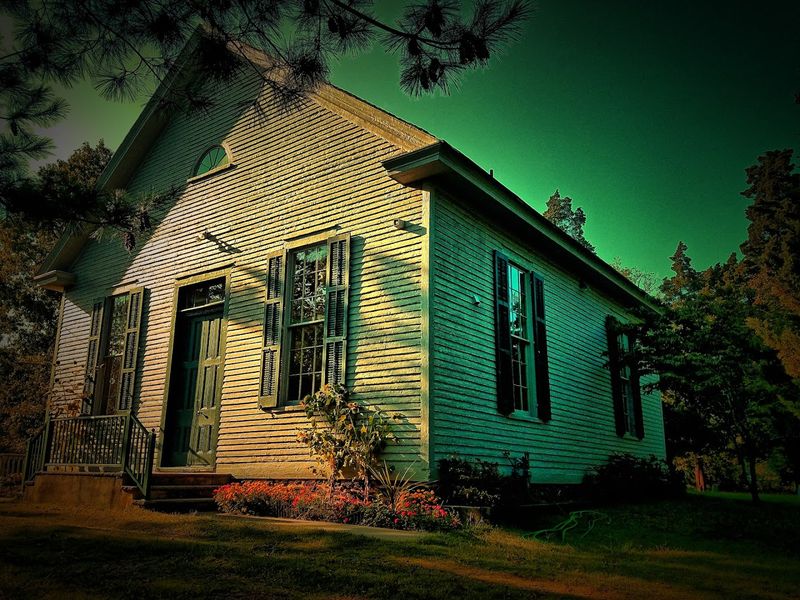
Near Tuckerton, the Little Egg Harbor Friends Meeting House carries the hush of old South Jersey.
The meetinghouse dates to the 1860s, but the burial ground connected with the site reaches much deeper into local history, with ties to early Quaker settlement and families who shaped the area long before shore traffic became part of the landscape.
It is easy to pass near places like this without realizing how much memory is sitting just behind the everyday view. By daylight, the site is most rewarding for people who like quiet history.
The Friends tradition gives the building a modest, grounded presence, while the burial ground adds a more solemn note. This is not a place that overwhelms you with decoration.
It asks you to slow down and notice age, names, and silence. At night, the Pine Barrens-adjacent mood starts to creep in.
Tuckerton and Little Egg Harbor history already have their share of Revolutionary-era tension, coastal isolation, and old-family stories. Put a meetinghouse and an ancient burial ground into that setting after sunset, and even a practical person can start inventing noises.
Visit during the day, especially if you are already exploring Tuckerton history. After dark, let this one stay quiet.
11. Pinelands United Methodist Church / Batsto-Pleasant Mills Church
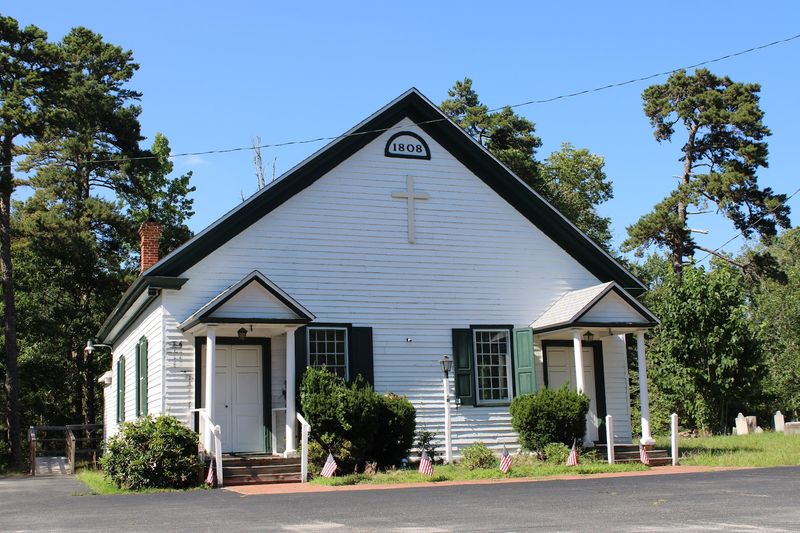
The road into Batsto already feels like New Jersey is changing the subject. Pines close in, the modern world thins out, and suddenly the Batsto-Pleasant Mills Church appears with the kind of quiet authority only an old Pinelands church can have.
Built in the early 1800s on a site with even older religious roots, the church served Batsto workers, local families, weddings, funerals, and generations of people tied to the village. This one belongs on the list because the setting does half the work.
Batsto Village is fascinating in daylight, with its preserved buildings, iron history, trails, and that unmistakable Pine Barrens stillness. The church and cemetery add the human side of the story.
These were not just industries and roads; these were families, services, burials, and Sunday mornings in a remote community. After dark, the Pinelands has a way of making distance feel bigger.
The church cemetery, the nearby woods, and the old village surroundings can make even a calm evening feel loaded. It is the kind of place where you suddenly understand why South Jersey has so many legends.
Go during open hours, pair it with a Batsto Village visit, and give yourself time to walk the area respectfully. Once the sun drops, the pines can keep their secrets.
12. First Presbyterian Church of Rockaway
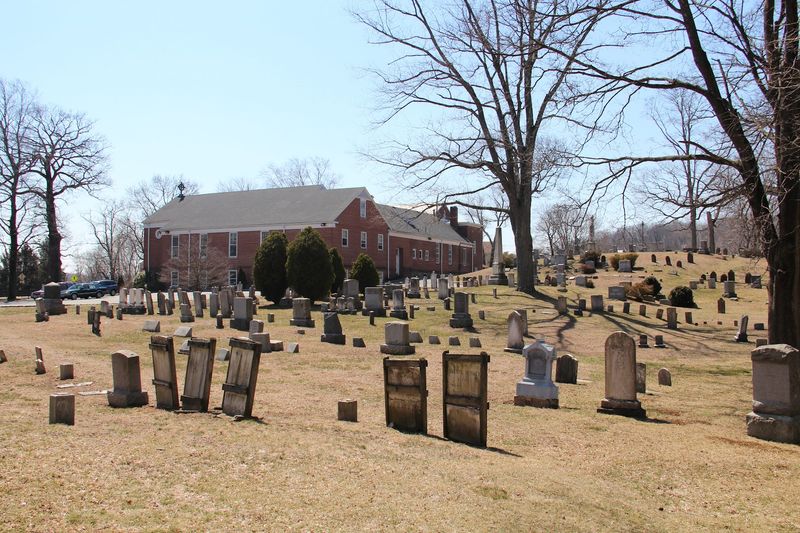
Rockaway’s First Presbyterian Church sits in the heart of Morris County, but its cemetery reaches into a much older version of the town. Church Street today feels familiar and lived-in, yet the burial ground beside the church gives the area a deeper pull.
Old New Jersey towns often hide their most interesting history in plain sight, and this is one of those places where you can be near traffic, houses, and daily errands while standing next to generations of local memory. The cemetery is the real reason it earns a place here.
It is historic, still connected to the church, and tied to Rockaway’s early settlement story. Walk through in daylight and you get a strong sense of how the town grew around faith, industry, families, and loss.
The stones are not props. They are the town’s old ledger, written in names and dates.
After dark, that same central location can feel oddly more unsettling, not less. A cemetery in the middle of town has a way of reminding you that history is not always somewhere remote.
Sometimes it is right beside the road you use all the time. This is a respectful daylight stop for local-history fans.
At night, let the old stones rest and grab your chills from a safe distance.
Share this story