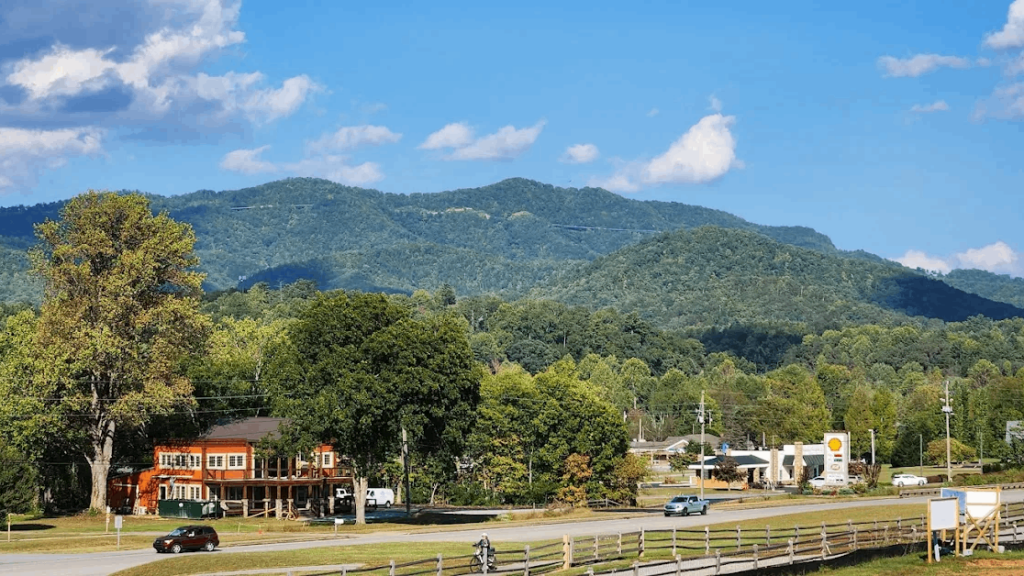
Tennessee’s mountains and valleys once drew thousands of visitors to elegant mineral-spring resorts, summer retreats, and quiet getaway towns that promised rest and cool mountain air. Many of these places faded when travel changed, leaving behind grand old hotels, historic bathhouses, and tree-lined streets that few people remember.
Today, a handful of these forgotten resort towns are finding new life—not as crowded tourist traps, but as peaceful escapes where you can still feel the charm of a slower, simpler time.
1. Red Boiling Springs
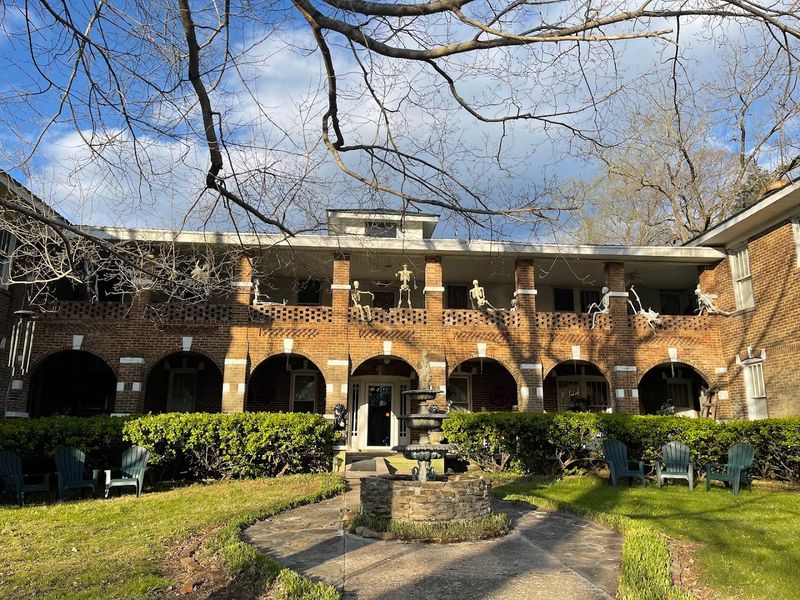
Red Boiling Springs became famous in the late 1800s when travelers flocked to its mineral waters, believing the springs could cure everything from arthritis to exhaustion. Grand hotels rose up around the springs, and the town became a bustling health resort. When modern medicine took over and highways bypassed the area, the crowds disappeared.
Today, three of those historic resort hotels still stand and welcome guests who want a taste of old-fashioned hospitality. You can book a room with creaky wooden floors, eat home-cooked meals in a dining room that hasn’t changed in decades, and soak in mineral baths that still bubble up from the ground. The pace here is slow on purpose.
The town itself feels like it stopped somewhere around 1950. Main Street has a few antique shops, a diner, and not much else. There are no chain stores, no traffic lights, and no hurry.
People sit on porch swings and wave at strangers.
If you want to explore, the surrounding countryside offers quiet backroads, rolling pastures, and small farms. The Salt Lick Creek Covered Bridge sits just outside town, and it’s one of the most photographed spots in the area. Hiking trails wind through nearby woods, though most visitors prefer to simply relax.
Red Boiling Springs isn’t trying to be trendy or attract crowds. It’s just quietly doing what it’s always done—offering a place to slow down, unplug, and remember what vacation felt like before everything got so busy. If you’re looking for peace, this is where you’ll find it.
2. Beersheba Springs
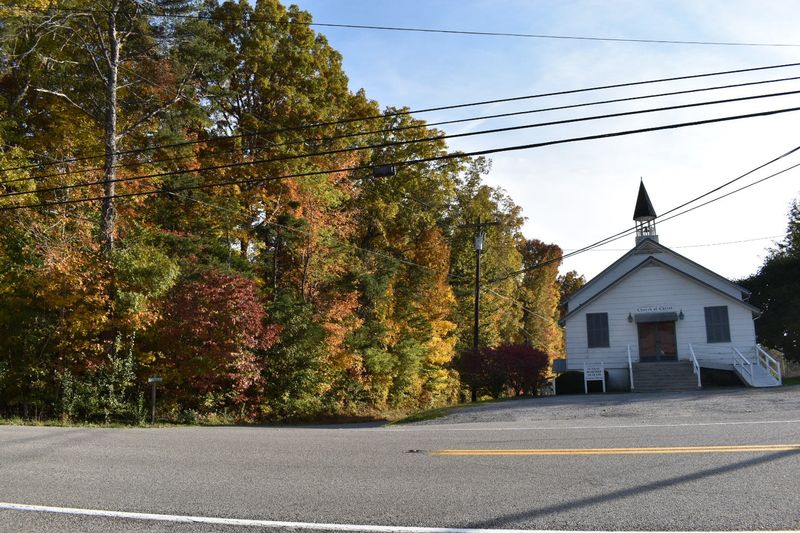
Perched on the edge of the Cumberland Plateau, Beersheba Springs started as a 19th-century summer escape for wealthy families seeking cool mountain air and mineral waters. A grand hotel once stood here, drawing visitors who arrived by stagecoach and later by rail. The resort era ended long ago, but the village itself never quite disappeared.
What remains is a quiet collection of historic homes, a charming inn, and some of the most beautiful views in Tennessee. The bluffs overlook the Collins River Valley, and on clear mornings, the mist rolls through the trees like something out of a painting. Walking the old streets feels like stepping into a different century.
The Beersheba Springs Historic District preserves much of the town’s original character. Victorian-era cottages line shaded lanes, and the sense of isolation adds to the charm. There’s no commercial strip, no tourist shops—just a few residents and the occasional visitor who stumbled onto something special.
Nearby, Stone Door at South Cumberland State Park offers one of the region’s most dramatic natural features: a massive rock crevice that opens onto a cliffside overlook. Hiking trails here range from easy walks to challenging scrambles, all surrounded by thick forest and waterfalls. The area feels wild and untouched.
Beersheba Springs isn’t a destination you’ll find on most travel lists, and that’s exactly why it works. There’s no agenda here, no schedule to keep. You can sit on a porch, read a book, and listen to the wind move through the trees.
It’s the kind of place that reminds you what quiet actually sounds like.
3. Monteagle
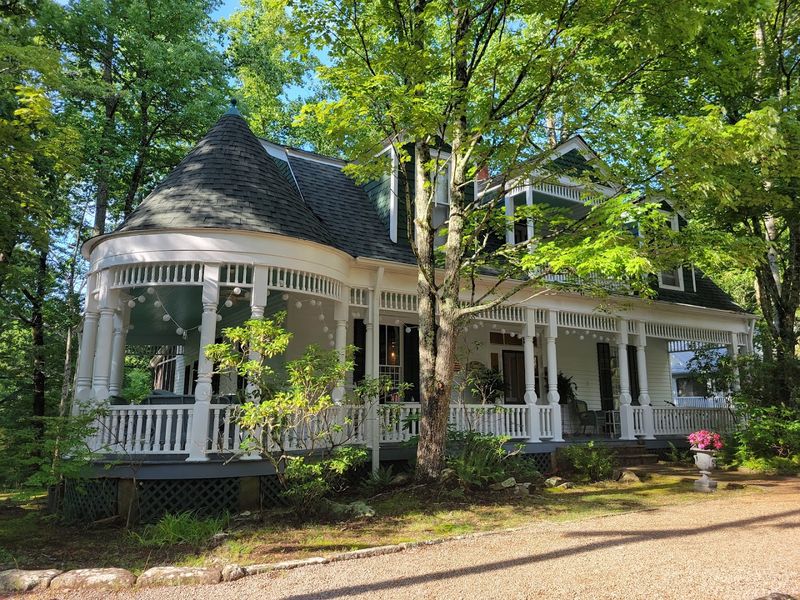
Monteagle grew up as a retreat for church groups, families, and anyone looking to escape the summer heat down in the valleys. The Monteagle Sunday School Assembly, founded in 1882, still operates today as one of the oldest educational and cultural retreat centers in the South. Gingerbread cottages and open-air pavilions fill the grounds, creating a scene that feels frozen in time.
The town sits high on the Cumberland Plateau, where the air stays cooler even in July and August. That elevation made it a natural choice for summer getaways back when air conditioning didn’t exist. People would rent cabins for the entire season, and children would spend their days exploring the woods and swimming in nearby creeks.
These days, Monteagle is quieter but no less charming. The assembly still hosts concerts, lectures, and workshops throughout the summer, drawing a mix of locals and visitors who appreciate the slower pace. Outside the gates, the town has a few antique shops, cafes, and a general store that’s been around for generations.
Hiking opportunities abound in the surrounding area. Fiery Gizzard Trail, one of Tennessee’s most celebrated hikes, starts nearby and offers waterfalls, rock formations, and views that rival anything in the state. The trail is challenging but worth every step, especially in the fall when the leaves turn.
Monteagle doesn’t shout for attention. It doesn’t need to. The town has always been about retreat, reflection, and the simple pleasure of being somewhere that feels separate from the rest of the world.
If you’re tired of crowded tourist towns, this is the antidote—a place where history, nature, and quiet hospitality still matter.
4. Estill Springs
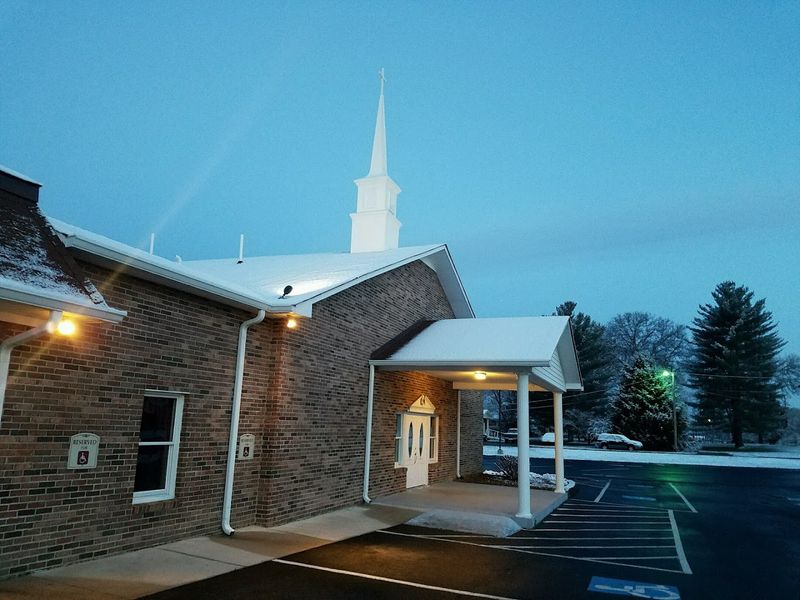
Estill Springs earned its name from the mineral springs that once drew health-seekers and resort-goers in the late 1800s. Hotels and bathhouses lined the streets, and the arrival of the railroad made the town a convenient stop for travelers heading through middle Tennessee. When the resort era faded, Estill Springs could have disappeared entirely, but instead it reinvented itself.
Today, the town’s charm comes from its location near Tims Ford Lake, one of the clearest and most scenic lakes in the state. Boaters, anglers, and kayakers flock to the water, and the surrounding hills offer plenty of places to camp, hike, or just sit and watch the sunset. The old resort identity is gone, but the sense of escape remains.
Downtown Estill Springs is small and unpretentious. There’s a diner where locals gather for breakfast, a few shops, and not much else. The pace is slow, the people are friendly, and nobody’s in a rush.
It’s the kind of place where you can park your car and walk everywhere you need to go.
Tims Ford State Park sits just a short drive away, offering trails, picnic areas, and some of the best lake views in the region. The park’s cabins and campgrounds stay busy on summer weekends, but there’s always a quiet spot if you’re willing to explore a little. The water is clean, the air is fresh, and the scenery is exactly what you hope for in rural Tennessee.
Estill Springs doesn’t try to be anything it’s not. It’s a small town that found a new purpose without losing its soul. If you’re looking for a low-key lakeside getaway with a touch of history, this is a place that delivers without the hype.
5. Oliver Springs
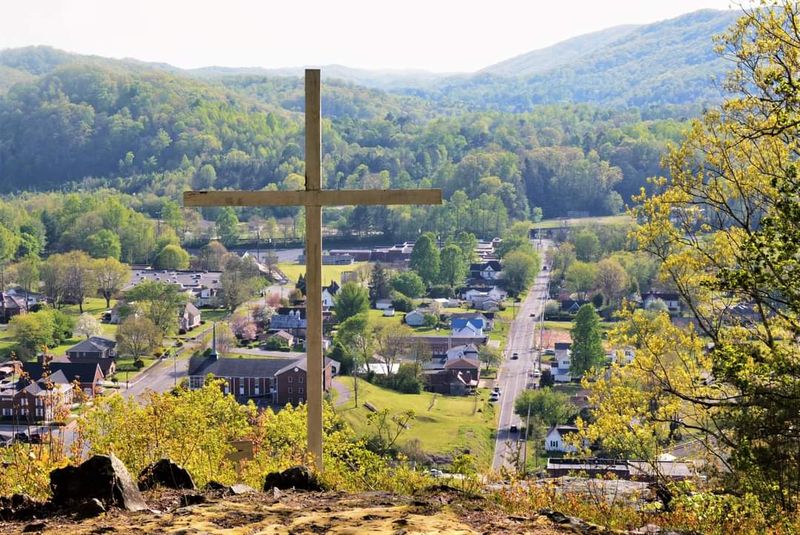
Oliver Springs once thrived as a mineral-spring resort town in the late 1800s, complete with a grand hotel that attracted visitors from across the region. The railroad brought guests looking for healing waters and mountain air, and for a time, the town was a fashionable destination. That era ended when tastes changed and the hotel eventually closed, leaving Oliver Springs to find a new identity.
What emerged is a small, rugged town that sits at the edge of the Cumberland Mountains, with Windrock Park just up the road. Windrock is one of the largest off-road vehicle parks in the country, drawing ATV and dirt bike enthusiasts from all over. The old resort elegance is long gone, but the sense of adventure remains—just in a different form.
The town itself is quiet and unpolished. There’s a main street with a few shops, a couple of restaurants, and not much tourist infrastructure. Most people pass through on their way to Windrock or the nearby trails, but if you stop and look around, there’s a certain charm in the simplicity.
The buildings are old, the pace is slow, and the mountains loom in every direction.
Hiking and exploring the surrounding foothills offer plenty of ways to spend a day. Frozen Head State Park is close by, with trails that climb to ridge-top views and waterfalls tucked into hollows. The area feels wild and untamed, a far cry from the manicured resort town it once was.
Oliver Springs isn’t trying to reclaim its resort past. Instead, it’s embraced a new kind of visitor—one who prefers mud, mountains, and adventure over mineral baths and formal dining. If you like your getaways a little rough around the edges, this town fits the bill perfectly.
6. Bean Station / Tate Springs
Tate Springs, near the small town of Bean Station, was once one of East Tennessee’s most luxurious mineral-water resorts. In its heyday, the resort attracted wealthy guests from across the South, including politicians and celebrities who came to soak in the famous springs. A grand hotel complex stood here, complete with formal gardens, bathhouses, and even a bottling operation that shipped Tate Spring water nationwide.
When the resort closed in the early 20th century, the buildings eventually fell into ruin.
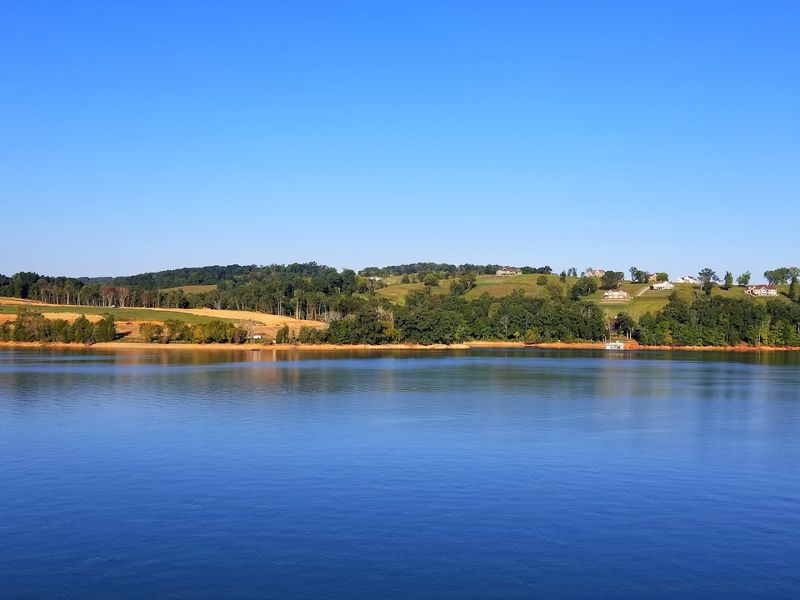
Today, little remains of the original resort except for a few stone foundations and historical markers. But the area around Bean Station and Tate Springs has found new beauty in its natural surroundings. Clinch Mountain rises to the south, Cherokee Lake spreads out to the north, and the whole region feels peaceful and unspoiled.
Bean Station itself is a quiet crossroads community with a few antique shops, a country store, and a strong sense of history. The town sits along an old Native American trail that later became a pioneer route, and you can still sense that legacy in the way the land unfolds—rolling, open, and timeless.
Cherokee Lake offers excellent fishing, boating, and camping opportunities. The shoreline is dotted with quiet coves and wooded peninsulas, and the water stays calm enough for kayaking or paddleboarding. It’s the kind of place where you can spend a whole day on the water and never see a crowd.
The combination of mountain views, lakeside calm, and historic intrigue makes this area quietly beautiful again. It’s not the glamorous resort destination it once was, but in many ways, that makes it better—real, accessible, and still full of stories waiting to be discovered.
7. Townsend
Townsend started as a logging town in the early 1900s, when timber companies harvested the forests that would later become part of Great Smoky Mountains National Park. The railroad brought workers, mills sprang up, and the town hummed with industry. When the logging era ended and the national park was established, Townsend could have faded away—but instead, it became something better.
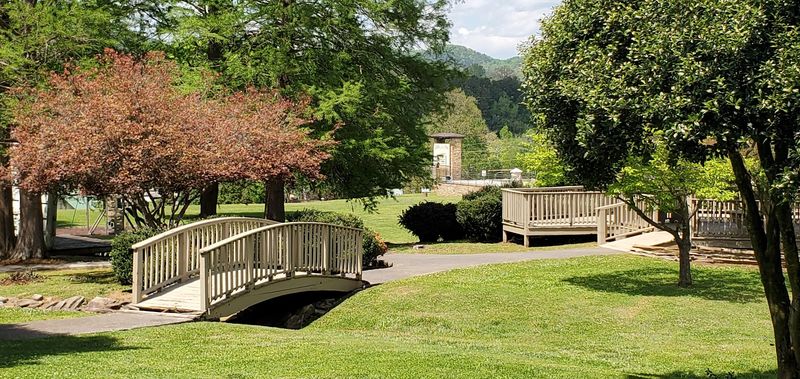
Today, Townsend calls itself the “Peaceful Side of the Smokies,” and the name fits. While Gatlinburg and Pigeon Forge exploded into crowded tourist hubs, Townsend stayed small, quiet, and focused on nature. The Little River runs right through town, offering some of the best trout fishing in the state.
Tubing, wading, and picnicking along the riverbanks are summer traditions here.
The town has a handful of restaurants, cabin rentals, and shops, but nothing feels overdone. There are no neon lights, no traffic jams, and no theme parks. What you get instead is easy access to the national park, miles of scenic backroads, and a community that values simplicity over spectacle.
Cades Cove, one of the most popular destinations in the Smokies, is just a short drive from Townsend. The loop road offers wildlife viewing, historic cabins, and mountain views that draw photographers from all over. But because Townsend is quieter than Gatlinburg, you can often beat the crowds if you start early.
Townsend isn’t flashy, and it doesn’t try to be. It’s the kind of place where you come to unwind, not to be entertained. If you want a Smoky Mountain experience without the chaos, this is the town that delivers—authentic, beautiful, and still rooted in the landscape that made it special in the first place.
8. Rugby
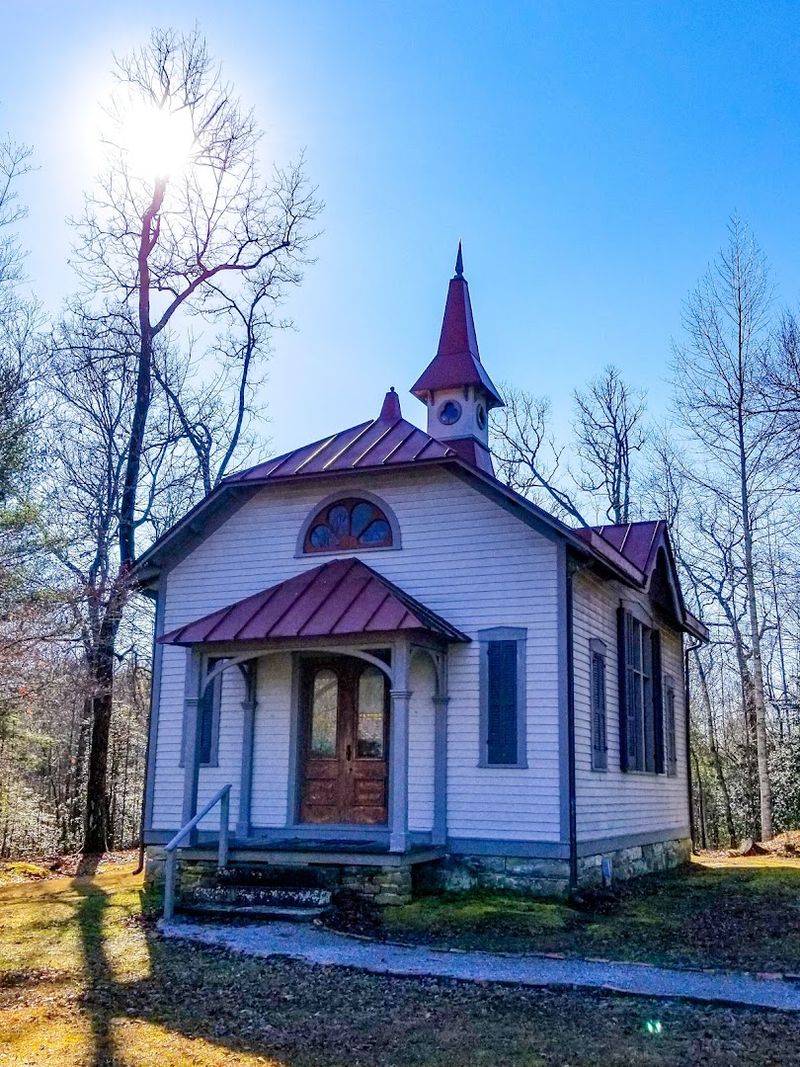
Rugby was founded in 1880 by Thomas Hughes, an English author and social reformer who envisioned a utopian community on the Cumberland Plateau. He brought English settlers to Tennessee, built Victorian cottages and public buildings, and created a village that looked like it belonged in the English countryside.
The experiment didn’t last—harsh winters, poor farming conditions, and financial troubles caused the colony to decline—but the village itself never completely disappeared.
Today, Rugby is one of Tennessee’s most unique historic sites. More than 20 original buildings have been preserved, including the Thomas Hughes Free Public Library, which still holds its original collection of Victorian-era books. Walking through the village feels like stepping into another time and place, with narrow lanes, board-and-batten cottages, and gardens that bloom with English flowers.
The surrounding forest adds to the sense of retreat. Rugby sits on a plateau surrounded by deep woods, clear streams, and quiet trails. The Big South Fork National River and Recreation Area is nearby, offering some of the best hiking, horseback riding, and whitewater rafting in the region.
The combination of history and wilderness makes Rugby feel like a secret worth keeping.
Guided tours of the village run regularly, and visitors can stay overnight in historic cottages that have been converted into guesthouses. The experience is immersive—no TVs, no modern distractions, just the creak of old floors and the sound of wind in the trees. It’s not for everyone, but for those who appreciate history and solitude, it’s perfect.
Rugby isn’t a resort town in the traditional sense, but it was always meant to be a retreat—a place where people could escape the pressures of industrial life and live simply. That vision may have failed in the 1880s, but it’s alive and well today, quietly beautiful again.
9. Elkmont
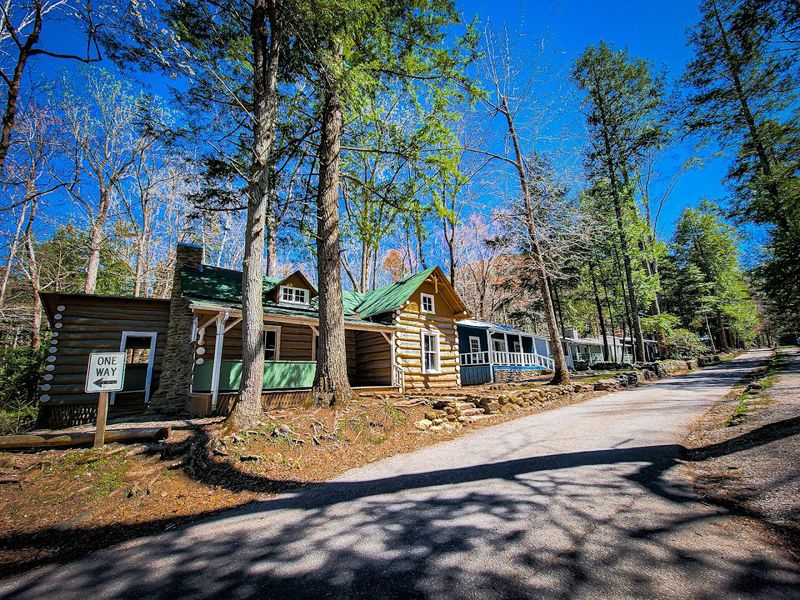
Elkmont began as a logging camp in the early 1900s, but it quickly transformed into a private mountain resort community. Wealthy families from Knoxville and beyond built summer cabins along the Little River, creating a retreat where they could escape the heat and enjoy the cool mountain air. The Wonderland Hotel served as the social center, hosting dances, dinners, and gatherings that made Elkmont one of the most exclusive getaways in the Smokies.
When Great Smoky Mountains National Park was established in the 1930s, Elkmont found itself inside the new park boundaries. The National Park Service eventually took control of the area, and for decades, the cabins and hotel sat abandoned, slowly decaying in the forest. It seemed like Elkmont would be lost to time.
In recent years, preservation efforts have brought new life to the area. Several of the historic cabins have been restored, and the Wonderland Hotel, though still in ruins, stands as a haunting reminder of the resort’s past. Visitors can walk through the old community, explore the cabins, and imagine what life was like when Elkmont was a thriving summer retreat.
The surrounding forest is stunning. Trails wind through old-growth trees, past streams and waterfalls, and the sense of solitude is profound. Elkmont is also one of the best places in the park to see synchronous fireflies, a natural phenomenon that draws thousands of visitors each June.
The combination of history, nature, and mystery makes Elkmont unlike anywhere else in Tennessee.
Elkmont isn’t a town you can move to or a resort you can book. It’s a place frozen between past and present, beautiful in its decay and restoration. If you’re looking for a forgotten resort story with real depth, this is the one that will stay with you long after you leave.
10. Granville
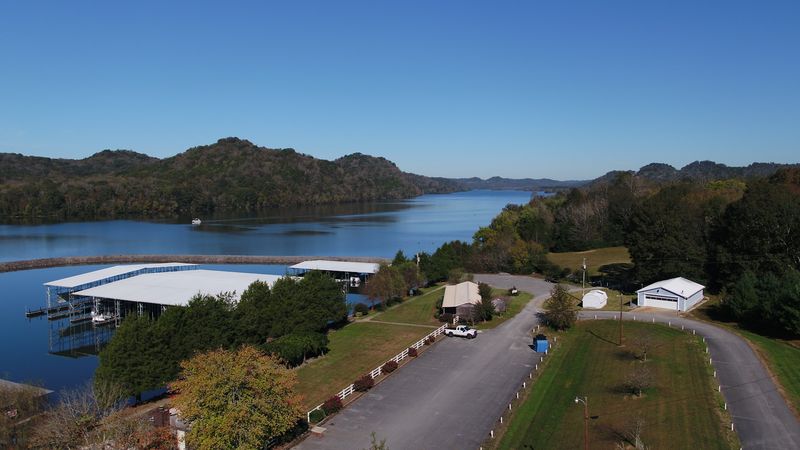
Granville sits on the banks of the Cumberland River, where Cordell Hull Lake now spreads out in wide, calm waters. The town dates back to the early 1800s, and for much of its history, it served as a river port and trading center. Steamboats once stopped here, and the town bustled with commerce.
When the river was dammed and the lake formed, Granville’s role changed, but the town adapted and found a new identity as a quiet lakeside retreat.
Today, Granville is small, sleepy, and undeniably charming. Historic buildings line the main street, including the old Van Buren County Jail, which now serves as a museum. The town has a handful of antique shops, a few places to eat, and not much else—but that’s exactly the point.
People come here to slow down, not to check off a list of attractions.
Cordell Hull Lake is the main draw. The water is clean, the scenery is beautiful, and the fishing is excellent. Houseboats, pontoons, and kayaks dot the lake on weekends, but it never feels crowded.
The surrounding hills are green and rolling, and the pace of life matches the gentle current of the river.
Granville hosts a small fall festival each year, and it’s the kind of event where everyone knows everyone. There’s live music, homemade food, and a sense of community that’s hard to find in bigger towns. It’s not flashy, but it’s real, and that authenticity is what makes Granville special.
This isn’t a resort town in the grand hotel sense, but it has that old-fashioned vacation feel—lazy afternoons, quiet evenings, and a place where you can breathe a little easier. If you’re looking for a forgotten corner of Tennessee that’s quietly beautiful again, Granville delivers in all the right ways.