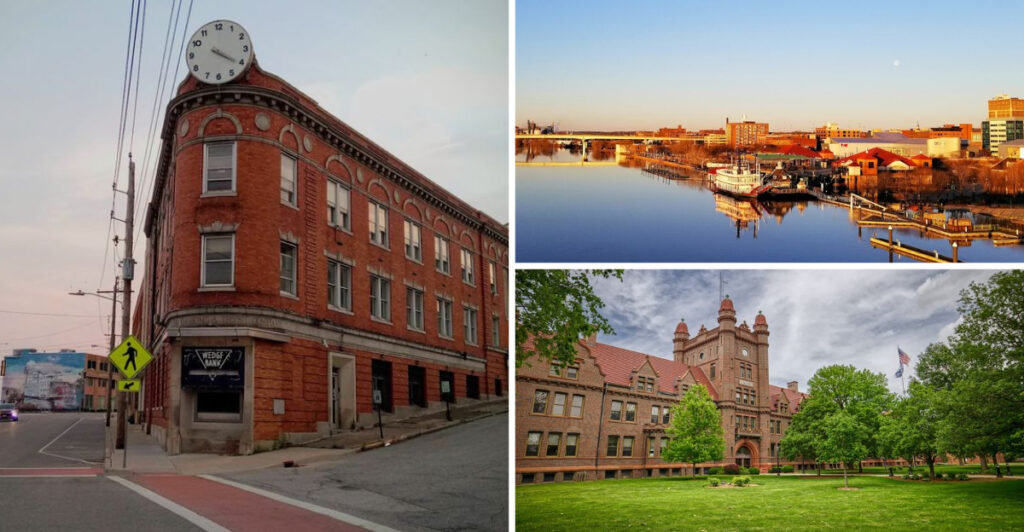
Illinois still has small towns where Social Security income can support a comfortable retirement without sacrificing community, convenience, or quality of life. Lower housing costs, affordable everyday expenses, nearby healthcare, and welcoming downtowns make these destinations attractive for retirees looking to make their monthly benefits go further.
While every budget is different, these communities continue to stand out for offering a practical balance of affordability and local charm. Whether you’re planning your next chapter or simply exploring retirement options, these 9 charming Illinois towns show that comfortable living doesn’t always come with a high price tag.
1. Galesburg
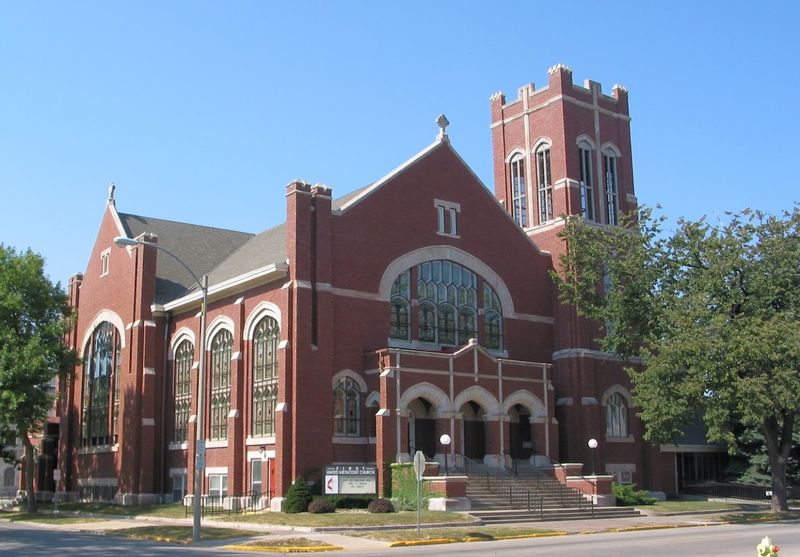
Galesburg makes a strong first impression by keeping the big expenses from running wild. Housing is often the headline here, but the real win is how many everyday costs stay within reach once you settle in.
For anyone watching monthly income closely, that balance can make a Social Security check cover more than just the basics. Downtown adds another layer of practicality.
You can picture easy errands, local restaurants, and a historic core that invites a slower pace without feeling sleepy. The walkable streets give the area some personality, and having places to browse, eat, and meet friends nearby helps cut down on driving and extra spending.
Then there is the cultural side of town, which keeps Galesburg from reading like a budget-only choice. The Orpheum Theatre and the presence of Knox College bring activity, visual charm, and a steady sense that things are happening around you.
That matters in retirement because affordable living works best when your days still have options built into them. Another advantage is how easy Galesburg can be to settle into.
Everyday necessities are spread throughout town, and the manageable pace makes errands feel less like a chore. Reaching healthcare, grocery stores, restaurants, and other routine stops without battling heavy traffic adds another practical benefit to living here.
Galesburg also has the kind of steady atmosphere many retirees appreciate. Tree-lined neighborhoods, local gathering places, and community events keep life engaging without feeling busy or expensive.
You are not paying for constant excitement, but you are also not giving it up entirely. Altogether, Galesburg offers an appealing mix of affordability, convenience, and everyday livability, making retirement on a fixed income feel both practical and rewarding.
2. Freeport

Freeport has the kind of numbers retirees like to see. Costs tend to stay lower than in many northern Illinois communities, and that matters long after the moving boxes are gone.
When housing, groceries, and routine expenses remain manageable, your monthly income has more room for actual living instead of constant catch-up.
The city also works well on a day-to-day level. Local healthcare services, grocery stores, and practical amenities are close enough to keep life simple, which is exactly what many people want in retirement.
You are not paying a premium just to have the essentials nearby, and that alone makes Freeport easy to take seriously.
Outside the practical side, Freeport has enough local character to keep the place from feeling purely functional. Historic neighborhoods add visual interest, parks create easy options for fresh air, and a community calendar with events gives the city some welcome rhythm.
That blend helps make ordinary weeks more enjoyable without demanding a bigger budget. There is also something appealing about how grounded Freeport seems. It is not trying to sell a flashy version of retirement, and that restraint is part of the charm.
You get a small-town setting, room for everyday routines, and enough local activity to avoid boredom while keeping overall expenses in check. For someone who wants affordability without giving up convenience, Freeport lands in a comfortable middle lane.
It offers a practical setup, a pleasant environment, and the kind of steady value that can make a fixed income go noticeably further month after month. With dependable services, welcoming neighborhoods, and a pace that encourages simpler living, it is easy to see why retirees continue to find Freeport an appealing place to call home.
3. Belleville

Belleville pulls off a tricky balance that retirees often look for but do not always find. It keeps living costs more approachable than many larger metro areas while placing you close to the major services and entertainment of St. Louis.
That setup can be especially appealing when you want value at home without cutting yourself off from big-city options.
Housing is a major part of the equation here. Lower home costs can leave more breathing room in the monthly budget, and that matters when income is fixed and every recurring bill counts.
Saving on the home base makes it easier to enjoy the rest of what Belleville offers without second-guessing every outing or errand.
The city itself brings more than convenience. A historic downtown, year-round festivals, and public parks give Belleville an active local identity that goes beyond simple affordability.
There is enough going on to keep the calendar from looking empty, and enough variety that retirement life can stay social, active, and interesting.
Its location does a lot of heavy lifting too. Easy access to medical care, shopping, restaurants, and entertainment across the river adds flexibility without requiring the higher everyday prices that often come with living in a larger metro core.
That means you can enjoy the benefits of proximity while returning home to a more budget-friendly setting. Belleville works well for retirees who want both practicality and options, with a downtown that still has character and a cost profile that does not punish you for wanting convenience.
In a state where affordability can be uneven, Belleville stands out by giving you more than one good reason to stay.
4. Danville
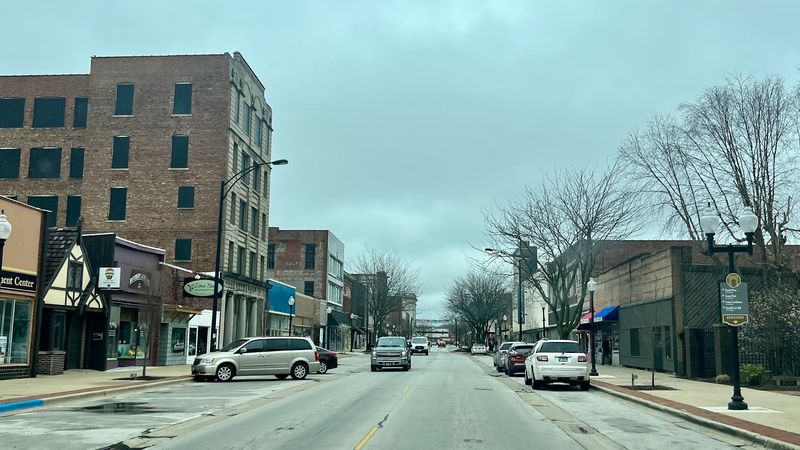
Danville earns attention quickly because affordability is not a side note here. Lower home prices and modest overall expenses can make retirement budgeting less stressful, especially if you are trying to keep more of your Social Security income available for daily life.
Instead of constantly trimming spending, you may have a little room to enjoy where you live. The city offers practical support for that kind of lifestyle.
Healthcare facilities, local shopping, and routine services help keep things convenient, which is important when ease matters as much as cost.
Danville is the sort of place where the essentials can stay close without carrying the higher price tag often attached to bigger Illinois communities.
Its outdoor appeal adds another advantage. Scenic parks along the Vermilion River give the city some breathing space, and those natural areas can make inexpensive recreation part of your normal week.
A walk by the river or time in a park may not cost much, but it can do a lot for quality of life.
Danville also avoids being one-dimensional. Museums, golf courses, and a revitalized downtown create more texture than some budget-friendly towns manage, which makes the city easier to picture as a full-time home rather than just a cheap address.
That broader mix matters when retirement is not only about lowering bills but also about finding a place that stays engaging. If your goal is to stretch each monthly deposit without settling for very little around you, Danville presents a practical, grounded case.
It gives you affordability up front, useful amenities in reach, and enough local interest to make the savings feel like a bonus instead of a compromise.
5. Peoria

Peoria is the biggest place on this list, and that is exactly why it deserves a closer look. Even with its larger footprint, it can still deliver a level of affordability that surprises people who assume more amenities always mean much higher costs.
For retirees on Social Security, that combination can be unusually useful. This is a city where convenience has range. Major healthcare providers, shopping, restaurants, and essential services are built into the landscape, so daily life can run smoothly without long drives or constant planning.
That level of access matters, particularly when dependable care and practical errands need to fit comfortably into a fixed-income routine.
Peoria also gives you more ways to spend time without repeating the same few outings. Riverfront attractions, museums, and recreational options help keep the week varied, whether you prefer a casual walk, lunch out, or something a little more cultural.
Variety counts, especially in retirement, when your town becomes the backdrop for most of your schedule. The medical community is another major plus.
Strong healthcare access can bring peace of mind, and in Peoria it comes packaged with the broader advantages of a full-service city rather than a stripped-down small town.
Still, the value story remains central. Living costs can stay below what many retirees expect from a place with this many resources, which gives Peoria a practical edge over pricier alternatives.
If you want affordable living but do not want to feel limited by your location, Peoria makes a strong case. It offers the comfort of options, the convenience of established services, and enough entertainment and activity to keep retirement life feeling open instead of boxed in.
6. Decatur
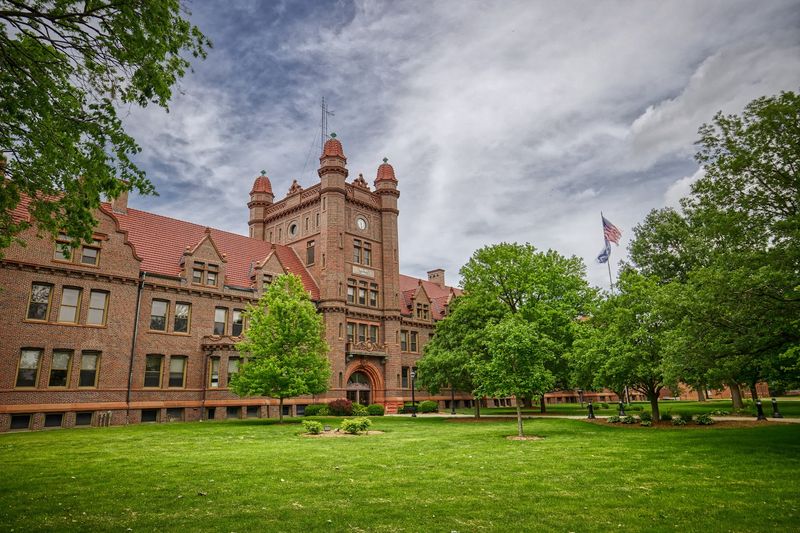
Decatur gets straight to the point for retirees who care about numbers first. It is often mentioned for its low overall cost of living, and that kind of reputation does not happen by accident.
When housing and everyday expenses stay on the friendlier side, Social Security income can cover more of real life and less of financial stress.
That affordability would not mean much if the city lacked useful services, but Decatur brings the basics you want close by. Healthcare, shopping, dining, and routine conveniences all contribute to a setup that works well for people who prefer practical living over unnecessary hassle.
The result is a town where budgeting can feel more controlled without turning daily routines into a chore. Outdoor access helps keep things balanced.
Lake Decatur gives the city a scenic anchor, along with opportunities to get outside, enjoy a change of pace, and avoid spending money every time you want to do something pleasant.
That kind of low-cost leisure can be especially valuable in retirement, when flexibility matters as much as savings.
There is a no-nonsense appeal to Decatur that works in its favor. It offers the conveniences of a full-service community while keeping the cost structure more forgiving than many Illinois alternatives.
For retirees, that can translate into more room for maintenance, healthcare, hobbies, and small pleasures that make the month go better. Decatur is not trying to distract you with inflated promises.
Instead, it makes a clear case through affordability, usability, and a solid everyday rhythm. If the goal is to maximize monthly benefits without dropping the comforts that make retirement enjoyable, Decatur deserves a serious look from anyone comparing value across the state.
7. Alton
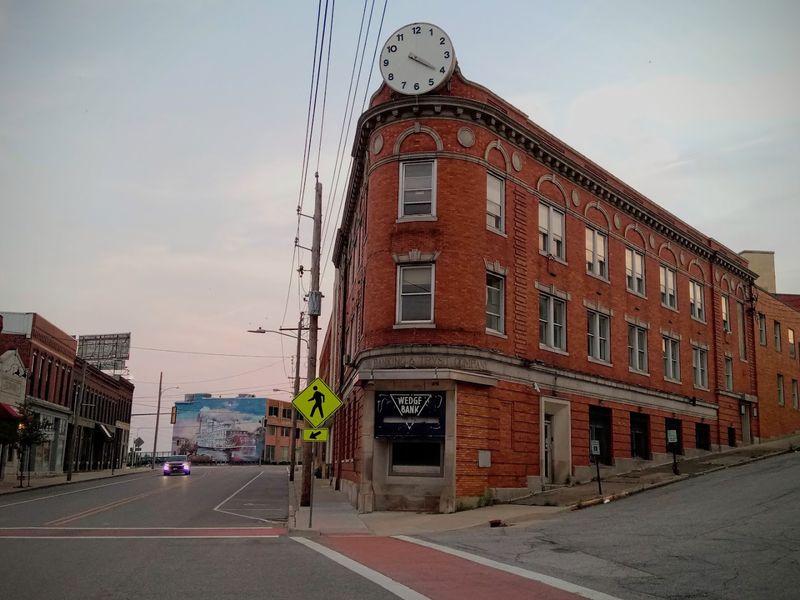
Alton brings scenery into the affordability conversation, which gives it an edge right away. Set along the Mississippi River, the town offers views and waterfront spaces that can make ordinary routines look a little better without demanding a luxury budget.
For retirees trying to stretch Social Security income, that mix of value and visual appeal is hard to ignore. Housing costs are a big part of the story.
When home prices stay below many Illinois averages, your monthly budget has more flexibility for everything else, from healthcare to dinners out to fuel.
Lower overhead can make a major difference over time, especially when income is steady but not unlimited. The town itself supplies enough character to keep retirement life interesting.
Historic architecture, local restaurants, waterfront parks, and community events give Alton an active, lived-in quality rather than a bare-bones budget feel.
You can enjoy the local setting without needing expensive entertainment to fill the calendar. Another advantage is proximity to St. Louis. That nearby access expands your options for medical care, shopping, and bigger outings while letting you keep your home base in a more affordable town.
It is a useful arrangement if you want occasional metro-level convenience without paying metro-level everyday costs. Alton works well for retirees who like the idea of a scenic setting but still need financial practicality to come first.
The river adds charm, the historic streets add texture, and the lower cost profile helps the numbers make sense month after month. In a retirement search, that can be a powerful combination.
Alton offers a pleasant backdrop, useful amenities, and enough location flexibility to make living on a fixed income feel more comfortable and less restrictive.
8. Streator
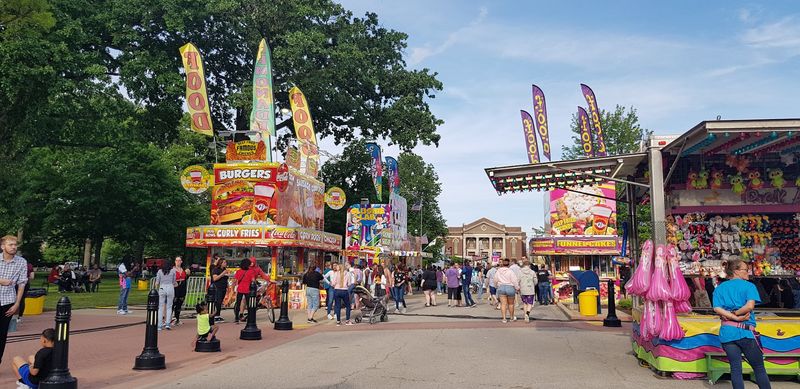
Streator is the kind of place that retirees often appreciate more the longer they look at it. Reasonable housing prices and manageable day-to-day expenses create a solid foundation for anyone living on Social Security.
That financial breathing room can make retirement decisions less tense and ordinary months easier to navigate. The pace here is another selling point.
Streator tends to suit people who want calm without giving up convenience, and that balance matters when you are building a life around routine errands, simple pleasures, and careful budgeting.
Neighborhood parks, local restaurants, and a straightforward layout give the city an approachable, low-pressure rhythm.
Location helps too. Being within reach of Starved Rock Country adds extra appeal, especially if you enjoy scenic drives, outdoor time, or occasional day trips that do not require a big travel budget.
Having that regional draw nearby means a quieter hometown does not have to translate into a limited lifestyle. There is also something refreshing about Streator’s practicality. It does not rely on flashy selling points or expensive amenities to make its case.
Instead, it offers a comfortable cost structure, enough local services to support daily life, and a setting that can help fixed-income retirees stay in control of their spending. That combination may not grab headlines, but it can make a real difference where it counts most: month after month, bill after bill.
If your priority is stretching each benefit payment while still having parks, meals out, and easy access to regional recreation, Streator fits the assignment well. It is affordable, steady, and relaxed in a way that many retirees find attractive once the numbers are on paper.
9. Monmouth
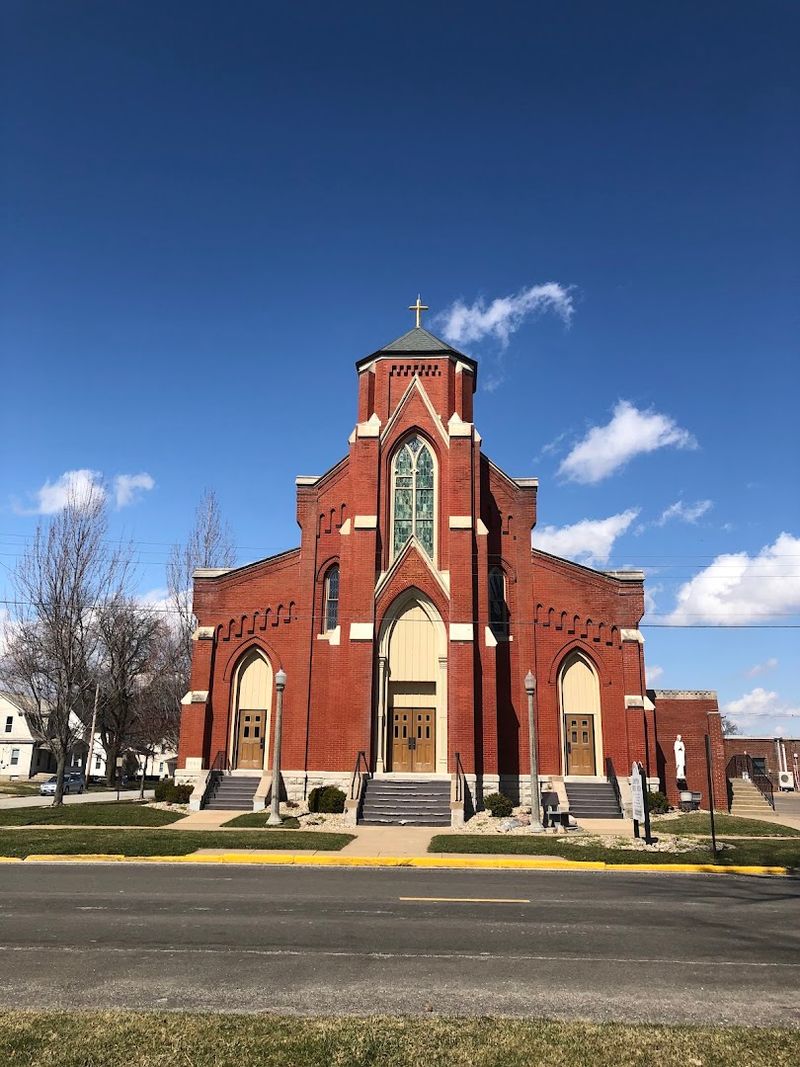
Monmouth rounds out this list with a setup that makes a lot of practical sense. Low housing costs are a major draw, especially for retirees who want to keep monthly expenses from swallowing too much of their Social Security income.
In a state where affordability can change quickly from one community to the next, Monmouth stands out for staying approachable.
The town also benefits from having enough local life to avoid dullness. A lively downtown, everyday conveniences, and community events give residents regular reasons to get out without needing a packed wallet.
That kind of easy activity can be a real advantage when you want retirement to stay engaging but not expensive. Monmouth College adds another useful layer to the mix.
College towns often carry a bit more energy than similarly sized places, and here that can translate into a stronger sense of activity, interesting architecture, and a more dynamic local rhythm.
You still get a small-town atmosphere, just with a little extra spark built in. Practicality remains the main reason Monmouth works so well for this list.
Local healthcare, shops, and basic services help create a comfortable daily routine, while the lower cost structure gives retirees more flexibility to handle bills, hobbies, and occasional extras.
It is the sort of town where financial caution does not automatically mean giving up convenience or local character. For anyone trying to make every retirement dollar count, Monmouth offers a very readable equation: affordable home base, useful amenities, and enough downtown life to keep the week from becoming repetitive.
It may not shout for attention, but it quietly checks a lot of the right boxes for retirees who want comfort, value, and a place that stays easy to live in over time.