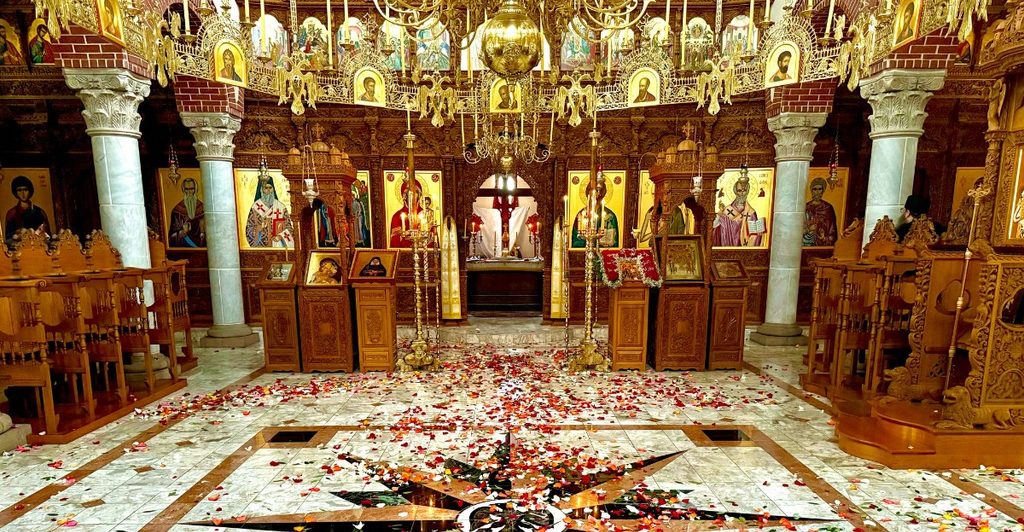
Set in the Texas Hill Country near Spring Branch, Holy Archangels Greek Orthodox Monastery feels like a peaceful escape, with striking Byzantine architecture and a serene atmosphere far removed from everyday life. This authentic monastery, complete with resident monks who follow ancient traditions, offers visitors a chance to step completely outside their daily routines and experience something truly extraordinary. Whether you’re seeking spiritual renewal, architectural beauty, or simply a break from the modern world, this remarkable place delivers an experience that feels worlds away from typical Texas attractions.
1. Byzantine Architecture That Transports You Across Continents
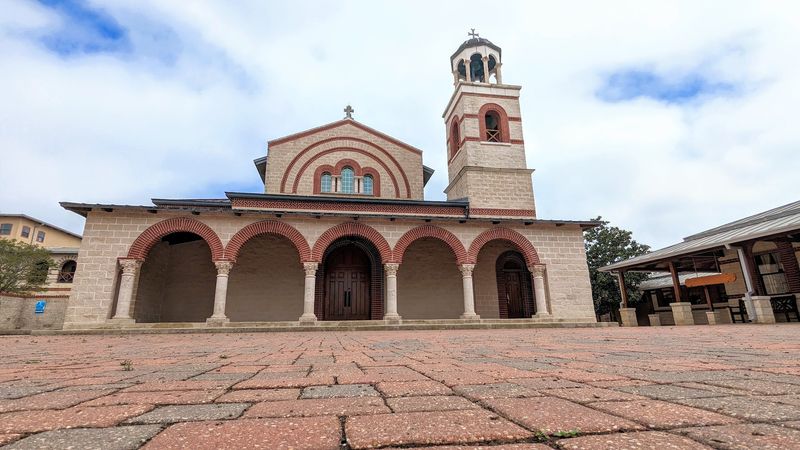
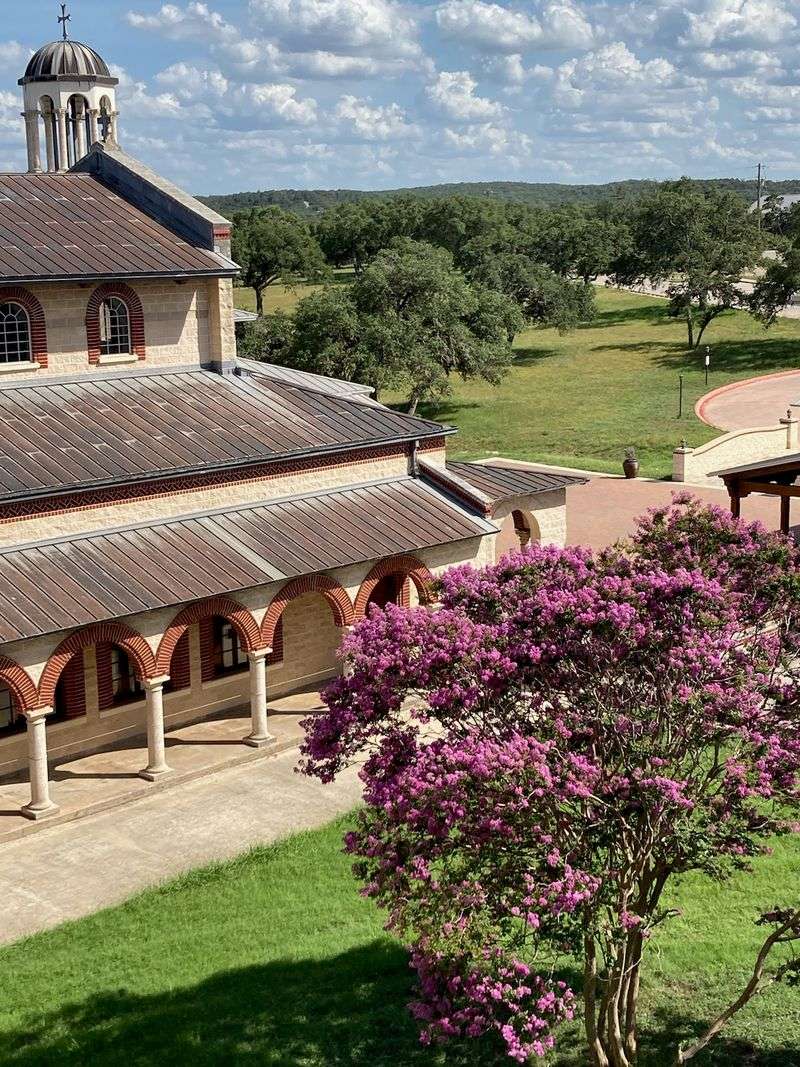
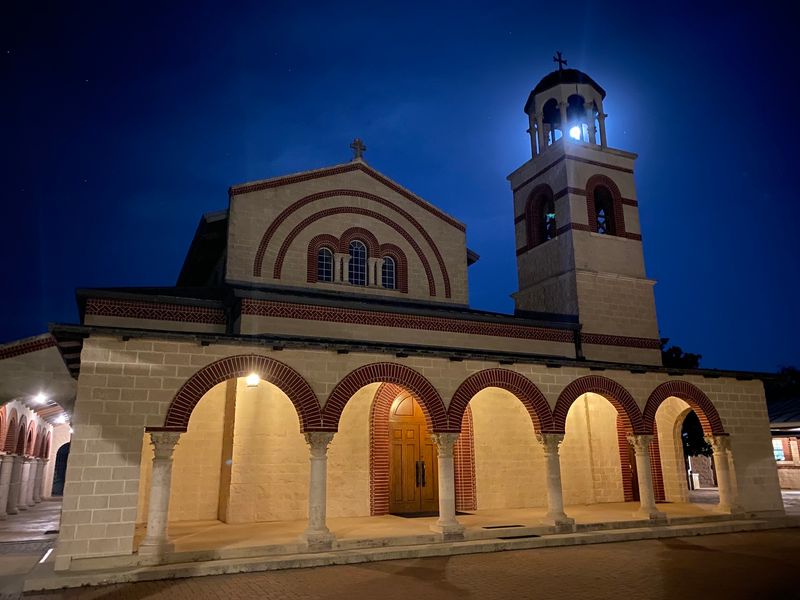
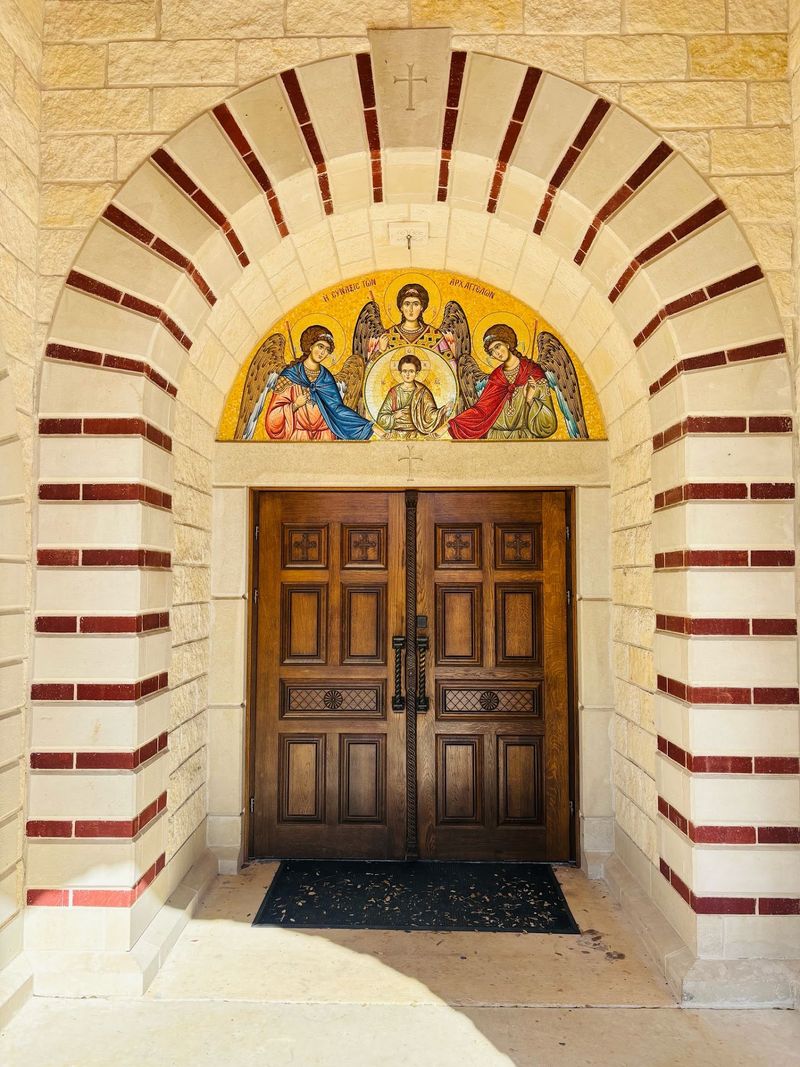
Walking onto the monastery grounds feels like stepping through a portal to Mount Athos in Greece. The architecture here isn’t some watered-down imitation but authentic Byzantine design that honors centuries of Orthodox tradition. Golden crosses crown the domes, while intricate details in the stonework and archways showcase the care put into every element of construction.
The main chapel features an iconostasis, the traditional icon wall that separates the nave from the sanctuary, which visitors consistently mention as breathtaking. Rich colors, detailed religious artwork, and carefully crafted woodwork create an atmosphere unlike anything else you’ll find in Central Texas. One visitor noted it rivals five-star hotels in cleanliness and maintenance, though calling it merely clean undersells its spiritual grandeur.
What makes this architecture particularly special is its setting among rolling hills and native Texas vegetation. The contrast between Byzantine domes and Hill Country cedar creates a visual experience that’s both jarring and beautiful. You’re definitely still in Texas, but the monastery’s design successfully creates that sense of being far removed from everyday American life.
The fathers welcome visitors to explore the grounds and often open the chapel for tours during non-service hours. Taking time to appreciate the architectural details, from the smallest carved element to the sweeping rooflines, helps you understand the dedication required to build something this authentic so far from Orthodoxy’s traditional heartlands.
2. Monks Following Ancient Athonite Traditions
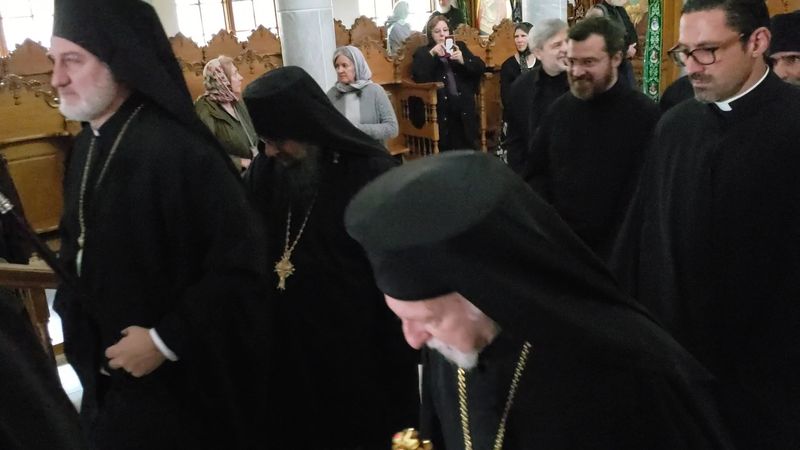
Real monks live and pray here, following the Athonite tradition that originated on Mount Athos in Greece. These aren’t actors in costumes but genuine monastics who’ve dedicated their lives to prayer, work, and spiritual discipline. Their daily rhythm includes attending services, working on monastery grounds, making wine, and spending nights in prayer, a schedule that’s remained largely unchanged for over a thousand years.
Visitors consistently praise the monks’ warmth and hospitality. Father John and the other fathers take time from their structured days to have meaningful conversations with guests, answering questions about faith and offering spiritual guidance. One Catholic visitor exploring Orthodoxy mentioned how helpful these conversations were for their faith journey, showing the monks’ openness to people from all backgrounds.
The community’s dedication shows in everything from how they maintain the grounds to how they conduct liturgy. Nothing feels rushed or commercialized. Instead, you encounter men who genuinely believe in what they’re doing and want to share that peace with others.
What’s remarkable is how accessible these monks are despite their contemplative calling. They’re described as kind, well-spoken, brave, strong, and gentle, a combination that reflects the spiritual maturity required for monastic life. Their presence transforms the monastery from merely a beautiful building into a living spiritual community that actually practices what it preaches about finding peace in a chaotic world.
3. Sunday Divine Liturgy That Feels Heavenly
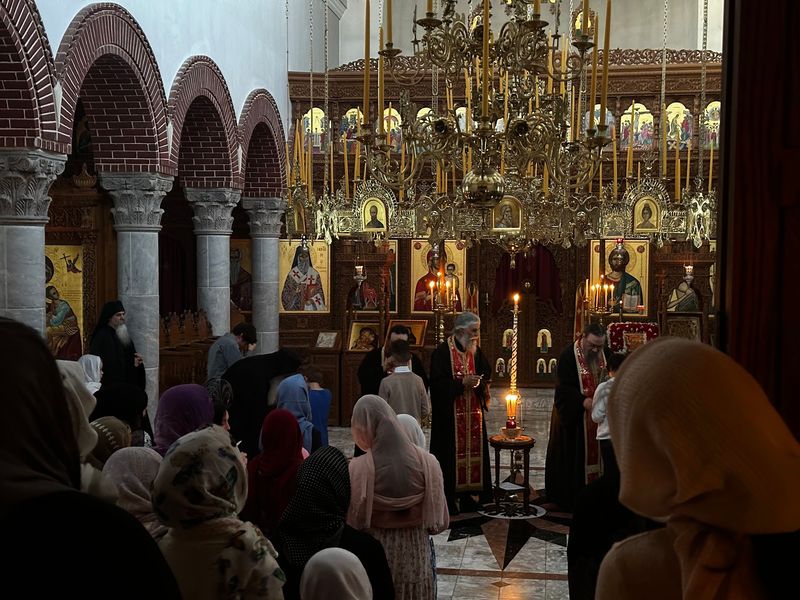
The monastery opens only on Sunday mornings from 7:30 AM to 12:30 PM, making the Divine Liturgy a once-weekly opportunity that shouldn’t be missed. Visitors describe the liturgy as absolutely heavenly and an absolute must for in-person attendance. The combination of chanting, incense, candlelight, and reverent atmosphere creates something you simply can’t experience through videos or descriptions.
Orthodox liturgy differs significantly from most Western Christian services. It’s longer, more formal, and steeped in ritual that dates back to the early church. Expect to stand for much of the service, though seating is available for those who need it.
The chanting is in English and Greek, creating a multilayered sonic experience that many find deeply moving.
First-timers shouldn’t worry about knowing every response or movement. The monks and regular attendees are welcoming to newcomers, and simply observing respectfully is perfectly acceptable. One visitor noted the solemn, reverent beauty beyond description, capturing how the liturgy engages all your senses in worship.
Because the monastery is only open Sundays, planning ahead is essential. Arrive early to find parking and get situated before the service begins. The experience runs several hours, so come prepared with appropriate clothing (modest dress is expected) and an open heart.
Many visitors report that attending liturgy here provides spiritual nourishment that lasts long after they return to their everyday routines.
4. A Bookstore With Better Prices Than Online Retailers
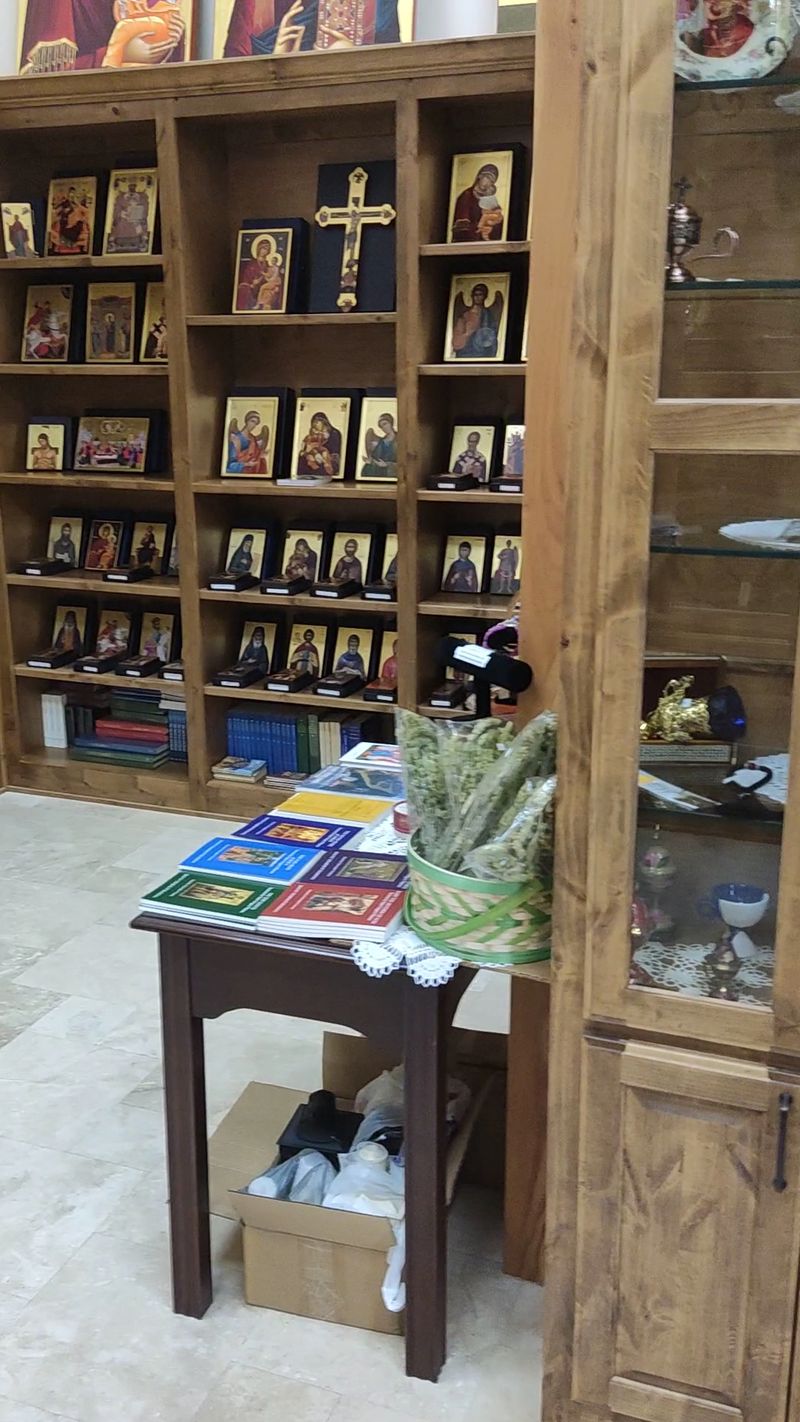
Forget Amazon for your Orthodox Christian items. The monastery’s bookstore stocks icons, books, prayer ropes, crosses, and various Orthodox supplies at prices that actually beat online retailers. One visitor specifically mentioned buying several icons and books while discovering the prices were better than what they’d found searching the internet, which is rare for any physical retail location these days.
The selection focuses on quality Orthodox materials rather than generic Christian merchandise. You’ll find traditional icons painted in the Byzantine style, theological books ranging from beginner-friendly to scholarly, beautifully crafted prayer ropes in various materials and colors, and other items that reflect authentic Orthodox spirituality. Everything is carefully curated to support genuine spiritual practice rather than just sell religious-themed products.
Shopping here also supports the monastery directly. Your purchases help maintain the buildings, support the monastic community, and fund their various ministries. That makes each icon or book more meaningful than simply ordering from an impersonal warehouse somewhere.
The monks running the bookstore are knowledgeable and helpful without being pushy. They can explain the significance of different icons, recommend books based on your spiritual questions, or help you choose an appropriate prayer rope. Whether you’re deeply Orthodox or simply curious about the tradition, you’ll find the bookstore a welcoming space that encourages questions and exploration rather than making assumptions about your knowledge level.
5. Monastery-Made Wine Worth the Visit Alone
The monks produce their own wine right on the monastery grounds, continuing a tradition that goes back to the earliest Christian monasteries. Multiple visitors rave about the quality, calling it amazing and excellent, high praise considering Texas’s growing reputation for quality wines. This isn’t communion wine in tiny sips but actual bottles you can purchase and enjoy.
Monastic wine-making carries special significance in Orthodox tradition. Monks view their labor, whether making wine, tending gardens, or maintaining buildings, as a form of prayer. That spiritual dimension somehow seems to translate into the final product, or maybe it’s just that people dedicated to excellence in their spiritual lives bring that same excellence to their craft work.
The wine is available for purchase when the monastery is open on Sundays. Selection varies based on what the monks have produced, and quantities can be limited since this is a small-batch operation. Visitors often buy several bottles, both to enjoy at home and to give as unique gifts that carry a story.
Sampling the wine provides another way to connect with monastic life. These aren’t professional vintners who happen to be religious but monks who make wine as part of their spiritual discipline and practical needs. That distinction matters, giving the wine a character and purpose beyond simple commercial production.
Whether you’re a wine enthusiast or just curious, tasting what these dedicated men have created adds another dimension to your monastery visit.
6. Hill Country Setting That Amplifies the Peace
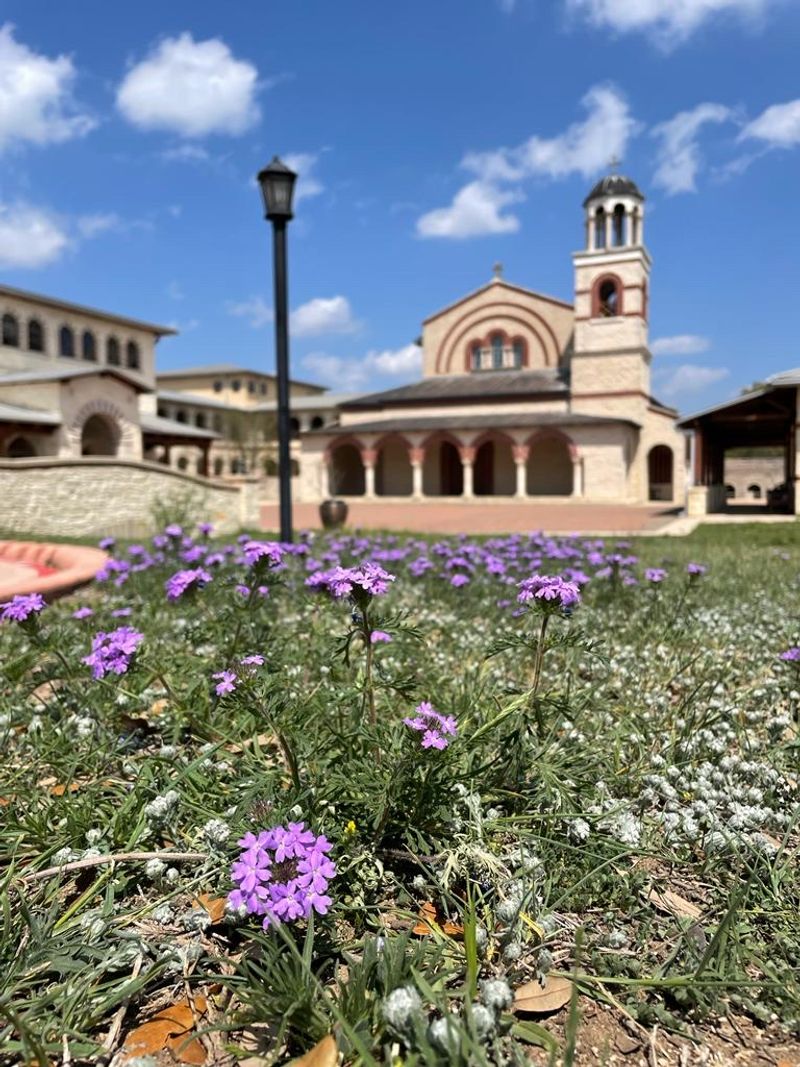
Location matters tremendously for a monastery, and Holy Archangels sits in some of the prettiest Hill Country terrain near Spring Branch. The natural beauty surrounding the monastery, with its rolling hills, native vegetation, and big Texas sky, creates the perfect backdrop for spiritual contemplation. Visitors consistently mention the amazing nature that surrounds the buildings as part of what makes this place special.
The monastery grounds themselves are impeccably maintained without looking overly manicured. Pathways wind through the property, inviting quiet walks and reflection. Gardens provide color and life while maintaining a sense of order and peace.
Everything feels intentional yet natural, cultivated yet not controlled.
This rural setting, about an hour from San Antonio, provides genuine separation from urban noise and distraction. You won’t hear highway traffic or see strip malls from the monastery grounds. That physical distance from everyday commercial America helps create the psychological and spiritual distance that makes this place feel so removed from ordinary life.
The Hill Country’s natural beauty changes with seasons, offering different experiences throughout the year. Spring brings wildflowers and fresh green growth. Summer provides deep shade under mature trees.
Fall offers cooler temperatures and changing leaves. Winter reveals the landscape’s bones and creates its own stark beauty. Whenever you visit, the natural setting works with the architecture and spiritual atmosphere to create something greater than the sum of its parts, a true refuge from the modern world’s relentless pace.
7. A Harbor of Peace in Life’s Storms
One visitor’s review perfectly captures what many experience here, describing the monastery as a harbor when tossed on the waves of the sea of life’s cares. That metaphor resonates because modern life genuinely feels overwhelming and chaotic for most people. Finding genuine peace, not just distraction or temporary relief, has become increasingly rare and precious.
The peace people describe isn’t just about quiet surroundings, though that certainly helps. It’s something deeper, what Orthodox Christians call hesychia, inner stillness of the soul. Visitors report feeling this peace wash over them the moment they enter the monastery grounds, before they’ve attended a service or spoken with a monk.
The place itself, shaped by years of prayer and spiritual discipline, seems to radiate tranquility.
Multiple reviews mention this being the most holy place in Texas or a piece of heaven, language that might sound exaggerated until you experience it yourself. People describe finding God’s help here, experiencing spiritual renewal, and feeling their hearts filled with peace and love. These aren’t vague spiritual platitudes but genuine experiences that bring people back repeatedly.
What’s particularly moving is how the monastery serves people from all backgrounds. Orthodox Christians find their spiritual home. Catholics exploring Eastern tradition find welcoming guidance.
People with no religious affiliation find beauty and peace that speaks to universal human needs. The monks don’t require you to believe anything specific to be welcomed, only that you come with respect and openness to whatever you might encounter in this remarkable place.
8. Hospitality That Reflects Ancient Christian Values
Hospitality isn’t just politeness at Holy Archangels but a core spiritual practice rooted in ancient Christian tradition. The Rule of St. Benedict, which influences Orthodox monasticism, instructs monks to receive all guests as Christ himself. That theological foundation translates into genuine warmth that visitors immediately notice and frequently mention in their reviews.
The monks take time to show people around, explain the iconography, discuss theology, and simply be present with visitors. Father John gets specific mentions for having in-depth conversations about faith despite his busy monastic schedule. This isn’t obligatory friendliness but authentic interest in each person who comes through the gates.
Visitors describe being invited in, hosted pleasantly, and made to feel welcome whether they’re Orthodox or exploring from other traditions. The hospitality extends to practical matters too, with monks providing information about service times, explaining what to expect, and answering questions that help first-time visitors feel comfortable rather than confused.
This welcoming spirit creates a virtuous cycle. People feel genuinely received rather than tolerated, so they return and bring others. The monastery becomes a living community rather than just a tourist destination.
Those who experience this hospitality often comment that it changed their expectations of what religious communities can be, showing that ancient values of welcoming the stranger still work powerfully in our modern, often isolated world.