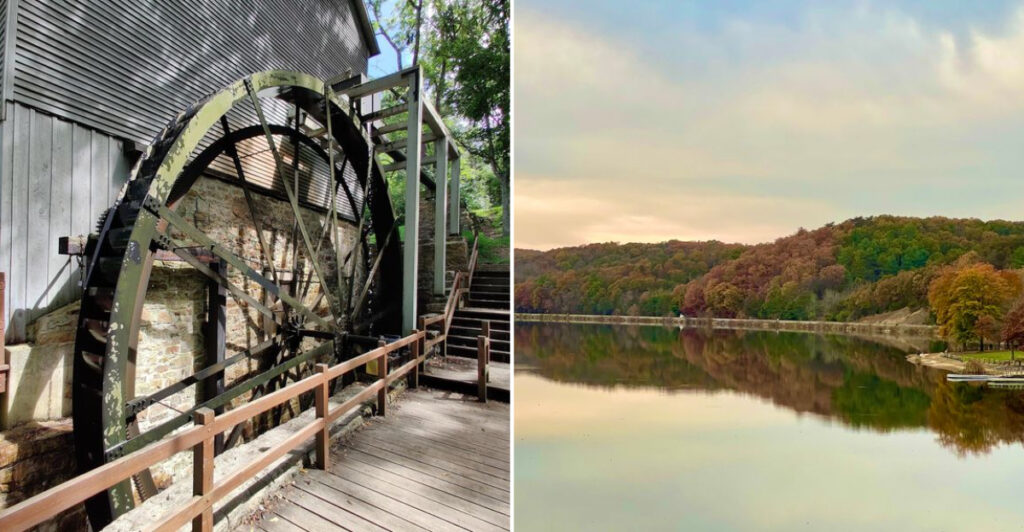
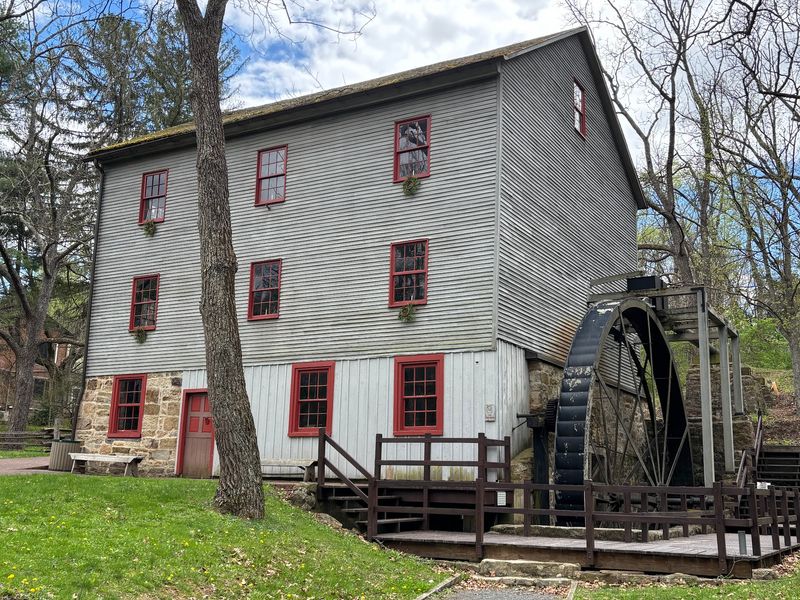
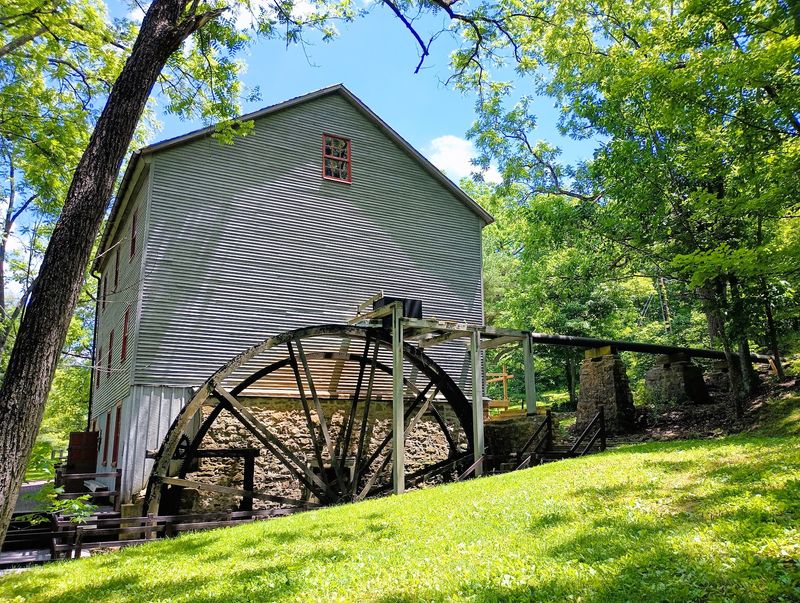
Little Buffalo State Park in Newport, Pennsylvania, feels like a place where history still has a job to do. Spread across 923 acres, this peaceful park combines the simple pleasures of the outdoors with a glimpse into the way people lived and worked generations ago. One of its most memorable features is the old grist mill, where visitors can still see how a giant waterwheel once powered the machinery used to grind corn into meal. Families come for the lake, scenic trails, camping, picnic areas, and swimming pool, making it an easy place to spend an entire day or weekend. But the historic mill gives the park a special character that goes beyond the usual outdoor getaway.
Seeing the waterwheel and learning how the mill worked makes the past feel surprisingly close and tangible. Whether you are looking for a relaxing day in nature, a family-friendly outing, or a place where Pennsylvania history comes to life, Little Buffalo State Park offers a little bit of everything. If you like simple outdoor fun mixed with real Pennsylvania history, this park is well worth your time.
1. Shoaff’s Mill Still Puts History In Motion
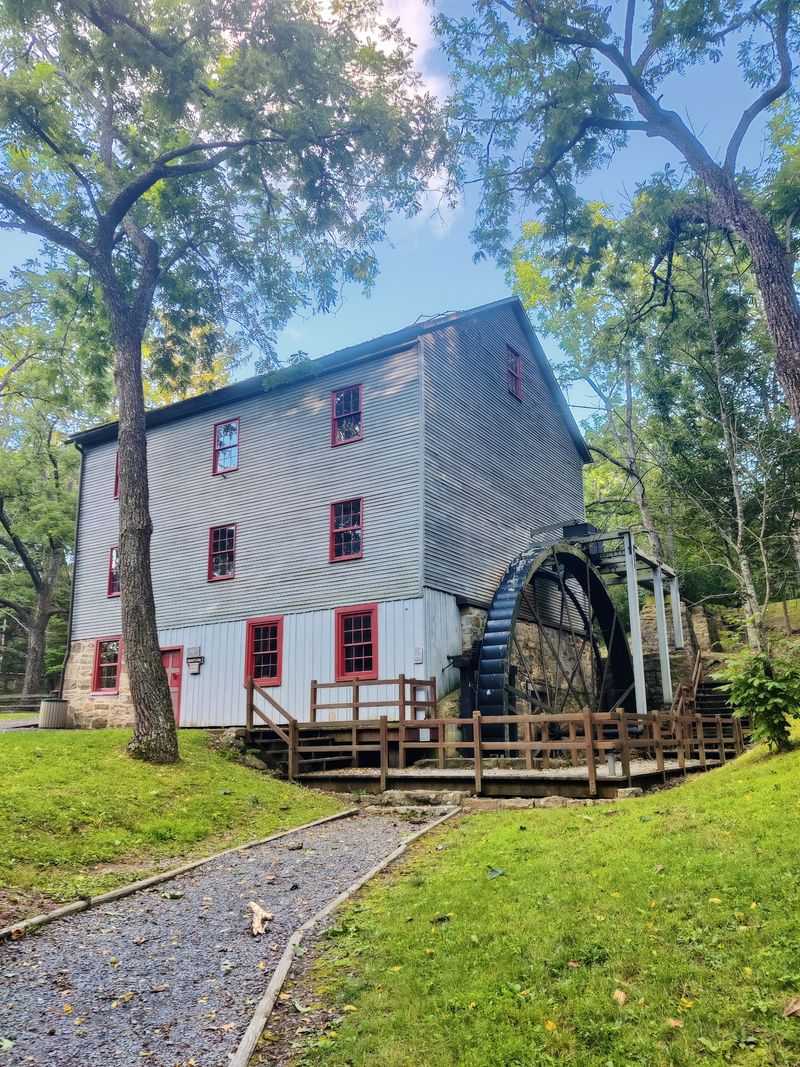
The first sound you may notice near Shoaff’s Mill is not a phone, motor, or speaker.
It is the steady rush of water and the old-time rhythm of a mill that once helped feed a local community.
At Little Buffalo State Park, this grist mill is more than a pretty building.
On tour days, visitors can see how moving water turns power into work, helping grind corn into fresh cornmeal right in front of them.
Families should check the park schedule before going, since mill tours are often offered on weekends or during special events.
Bring curious kids, ask questions, and take your time looking at the gears, stones, and wooden parts.
The best part is how simple it feels.
Water moves, the wheel turns, and history suddenly makes sense without needing a textbook.
2. The Waterwheel Makes A Big Lesson Feel Easy
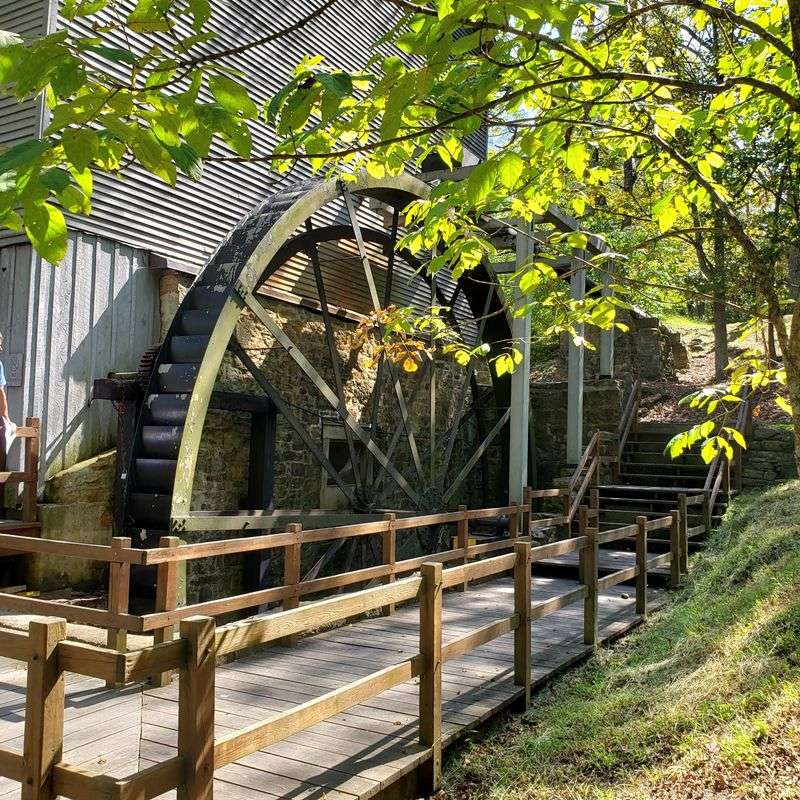
A giant waterwheel can make even quiet visitors stop and stare.
It looks simple at first, but every slow turn shows how people once used nature to do heavy work.
The wheel at the mill connects to a bigger story about early Pennsylvania life.
Before electric machines, mills like this helped farmers turn grain into food.
Cornmeal could become bread, mush, or other daily meals, so the mill was an important neighborhood stop.
When you visit, stand back for a full view before moving closer to study the details.
Notice how water, wood, stone, and careful design all work together.
For kids, it is a hands-on science and history lesson.
For adults, it is a reminder that smart ideas do not always need screens, wires, or buttons to be impressive.
3. Fresh Cornmeal Adds A Tasty Twist To The Visit
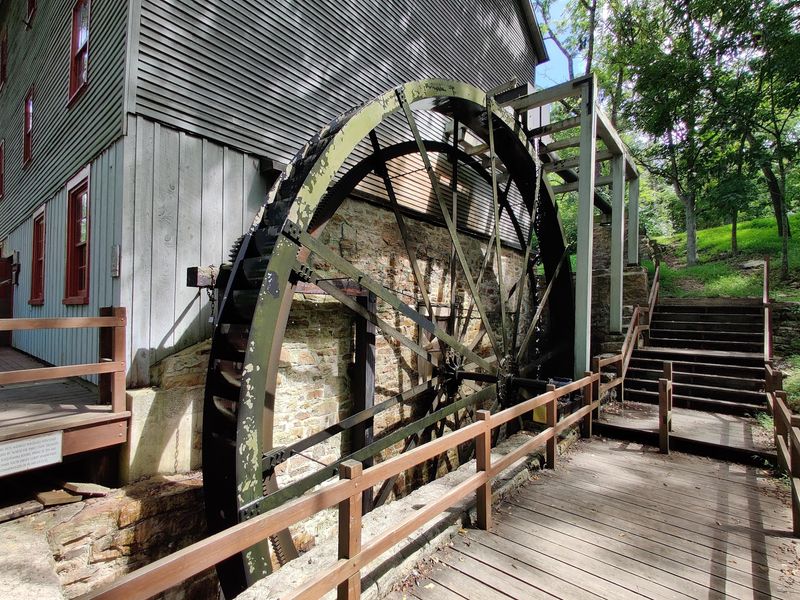
There is something fun about watching plain corn become something useful.
At the mill, fresh cornmeal is not just a bag on a store shelf, it is the result of motion, sound, and old machinery doing its job.
Seeing the grinding process helps visitors understand where food comes from.
The corn passes through the mill, the stones do their work, and the finished meal shows how early families prepared basic ingredients.
It is simple, but surprisingly memorable.
If cornmeal is available during your visit, ask staff or volunteers how people used it in the past.
You might leave thinking about cornbread, pancakes, or a warm kitchen at home.
Even if you do not cook often, the demonstration makes food history feel close, practical, and easy to picture.
4. Holman Lake Gives The Park Its Calm Center
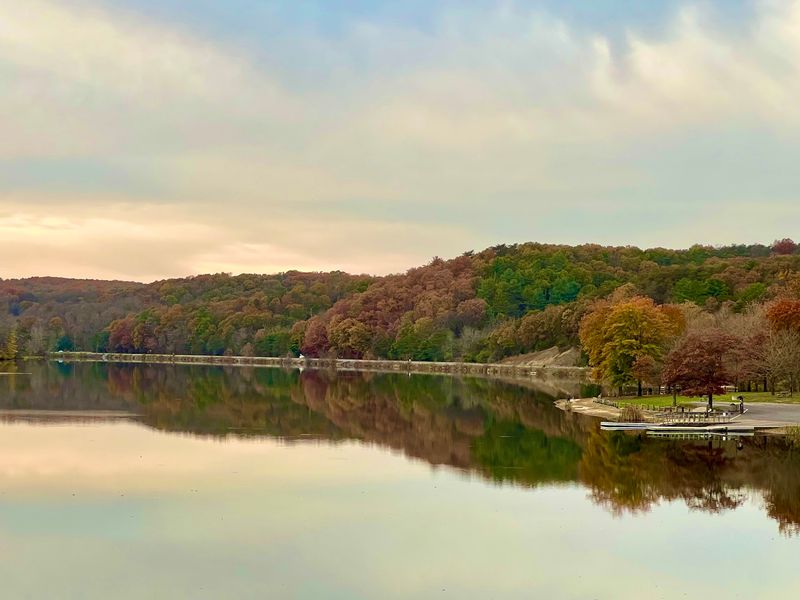
After the mill’s clatter, Holman Lake offers a slower kind of park moment.
The water sits at the heart of Little Buffalo State Park, giving visitors a place to fish, kayak, watch turtles, or simply breathe for a while.
Many guests mention the lake because it is useful for so many kinds of trips.
Anglers come for bass, trout, catfish, perch, muskellunge, and other fish.
Paddlers enjoy the quieter views from the water, while walkers can find easy scenery along nearby paths.
Before fishing or boating, check Pennsylvania rules for licenses, boat permits, and lake guidelines.
Pack sunscreen, water, and a light jacket if the weather shifts.
A morning near Holman Lake pairs well with a mill tour, giving you both peaceful nature and living history in one visit.
5. The Covered Bridge Feels Like A Photo Waiting To Happen
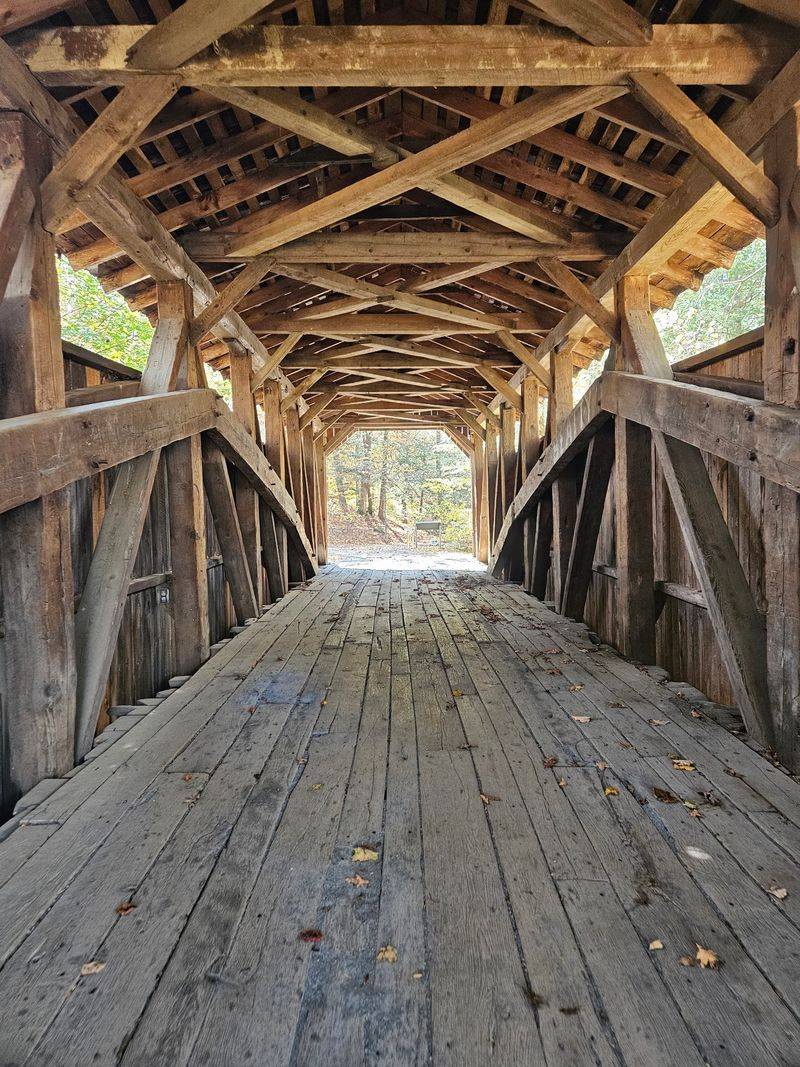
Some park landmarks seem made for slow walks and family photos.
The covered bridge at Little Buffalo State Park is one of those places, with its old-fashioned shape and cozy wooden frame.
The bridge adds to the historic feel around the mill area.
It reminds visitors that roads, streams, farms, and mills were once closely connected.
A bridge was not just charming, it helped people move goods, visit neighbors, and reach important places like the grist mill.
Take a few minutes to walk through it instead of only snapping a quick picture.
Look at the beams, listen to the sounds around the creek, and imagine wagons or early travelers passing through.
In fall, the colors can make the scene especially pretty.
It is a small stop, but it helps the whole park story feel complete.
6. Trails Lead From Mill Stories To Forest Views
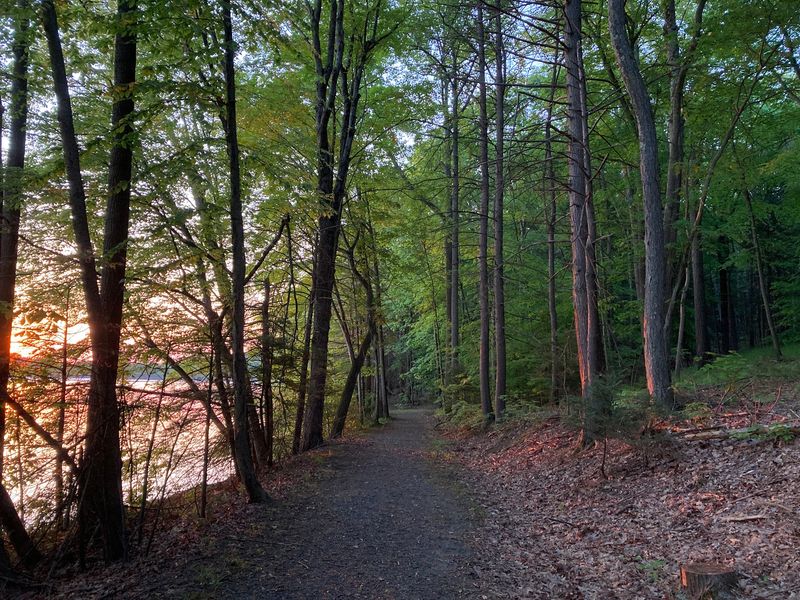
Muddy shoes can be a sign of a good day here.
Little Buffalo State Park has trails that move through woods, fields, hills, and lake views, so visitors can choose a walk that fits their energy.
Some routes are easy and quiet, while others add climbs or longer distances.
Reviewers often praise the scenery, though they also mention mud after rain and a few faded trail blazes in places.
That makes planning simple, wear sturdy shoes and keep a map handy.
A hike before or after visiting the mill helps connect the land to its history.
Forests, streams, and farms all shaped why mills mattered in this part of Pennsylvania.
Bring water, stay on marked paths, and give yourself time to pause.
The best views are not always at the end of the trail.
7. Camping Turns The Mill Visit Into A Weekend Trip
One afternoon at the mill is fun, but a whole weekend gives the park room to unfold.
Little Buffalo State Park offers camping options, including campsites and cabins, making it easier to enjoy the lake, trails, pool, and historic area without rushing.
The campground sits on a hillside, so RV travelers should look closely at site details before booking.
Some sites may be better for larger rigs, while cabin guests should expect a simple, rustic stay.
Fans, bedding, ice, and basic supplies can make the trip more comfortable.
Campers can plan a relaxed schedule around the park’s highlights.
Visit Shoaff’s Mill during posted tour times, fish at Holman Lake, then end the evening around a fire ring.
It feels like an old-school family getaway, with enough activity to keep everyone busy.
8. Planning Ahead Helps Everyone Enjoy The Historic Park
A smooth visit often starts before you leave home.
Little Buffalo State Park is open 24 hours, but buildings, tours, pool access, and special programs can follow separate schedules.
Call the park office at 717-567-9255 or check the official Pennsylvania DCNR page before planning around the grist mill.
This is especially helpful if you want to see cornmeal grinding, reserve a pavilion, camp, swim, or visit during a busy weekend.
The park’s address is 1579 State Park Road, Newport, PA 17074.
Visitors with mobility needs should research specific picnic areas and routes ahead of time, since some spots may be harder to reach than others.
Ask direct questions about drop-off options, restrooms, and accessible paths.
With a little planning, the mill, lake, bridge, and trails can become an easy, memorable day in Perry County.
Share this story