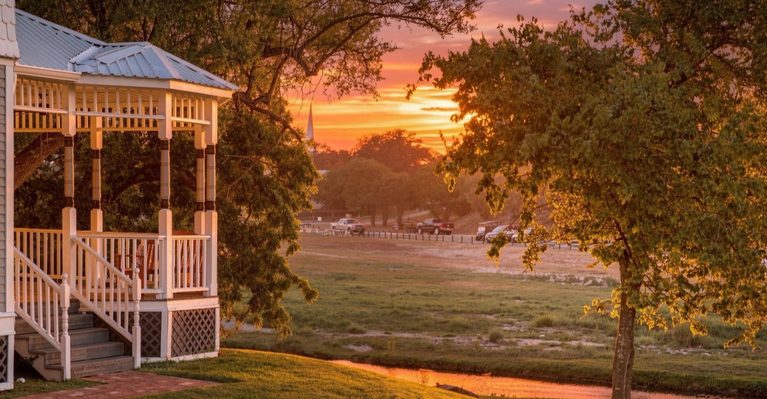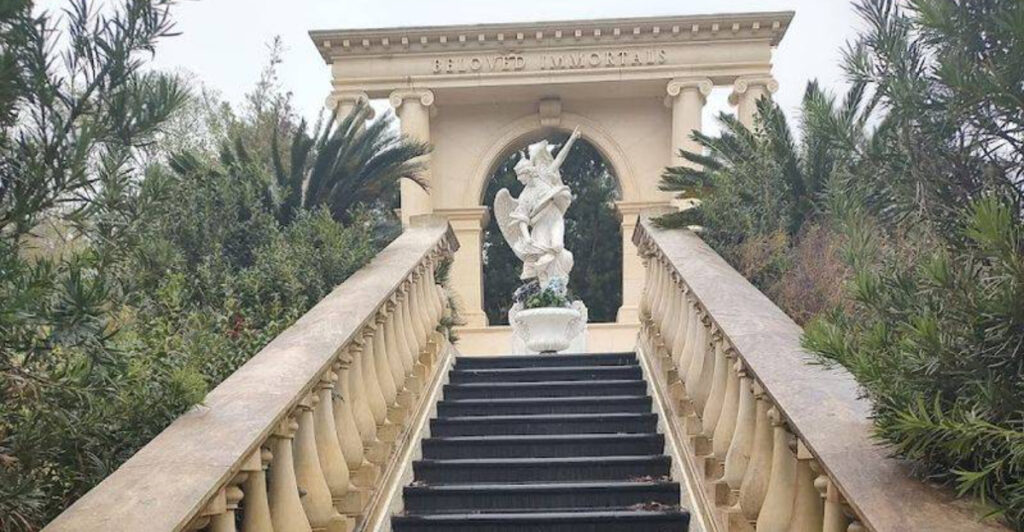
Tucked away on Washington Avenue in Houston sits a place where history whispers through towering trees and Victorian monuments stand guard over stories from the past. Glenwood Cemetery, founded in 1871, transforms what many expect from a final resting place into something almost enchanting with its landscaped gardens, architectural treasures, and peaceful atmosphere. Whether you’re a history buff, nature lover, or just someone looking for a quiet escape from the city buzz, this 84-acre gem offers a surprisingly magical experience that connects you to Houston’s remarkable heritage in ways you never imagined.
1. Houston’s Founding Families Rest Here
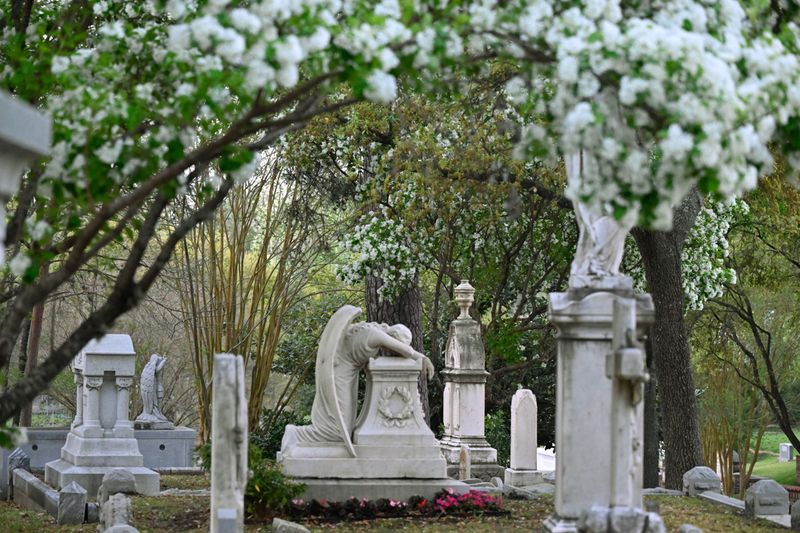
Walking through Glenwood feels like flipping through Houston’s family album, except the stories are carved in stone. The cemetery holds the final resting places of the city’s earliest pioneers, the folks who arrived when Houston was barely a dot on the map. You’ll find names that sound familiar because streets, neighborhoods, and buildings carry those same surnames today.
The grave markers tell stories of ambition, survival, and determination. Some monuments tower overhead with intricate carvings and family crests, while others sit modestly among the grass. Reading the dates reveals families who weathered yellow fever epidemics, economic booms and busts, and the transformation of a frontier town into a major American city.
What makes this especially cool is recognizing how these people shaped the Houston you know today. That street you drive down every day? Probably named after someone buried right here.
The historical markers scattered throughout explain who these pioneers were and what they contributed, turning a simple walk into an interactive history lesson that beats any textbook.
2. Howard Hughes’ Final Resting Spot
The billionaire aviator, filmmaker, and eccentric genius Howard Hughes calls Glenwood home, buried alongside his parents in the family plot. His grave attracts visitors from around the world who want to pay respects to one of the 20th century’s most fascinating figures. The site used to be accessible for close viewing, but nowadays it’s roped off because some visitors forgot their manners.
Hughes’ story reads like a Hollywood script he might have produced himself. Born into wealth from his father’s successful drill bit company, he conquered aviation records, produced hit films, dated movie stars, and eventually became a recluse whose odd behaviors became legendary. His connection to Houston runs deep since his family fortune originated here.
Standing near his grave, you can see it clearly even from the restricted distance. The cemetery staff made the difficult decision to limit access after repeated disrespectful behavior, which is unfortunate for genuine admirers. When you visit the office, they’ll happily share stories about Hughes and point out the best viewing spot.
His presence adds an undeniable celebrity sparkle to Glenwood’s already impressive historical roster.
3. Stunning Downtown Skyline Views
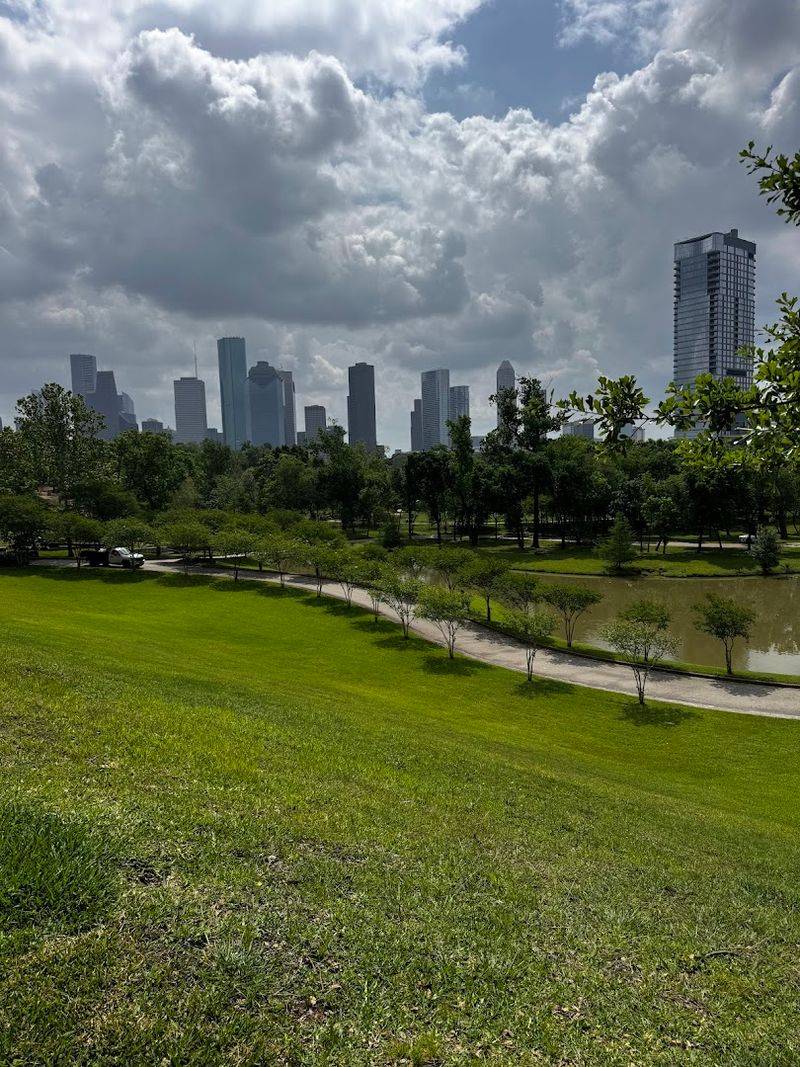
Here’s something you don’t expect from a cemetery visit: jaw-dropping views of Houston’s glittering skyline. Glenwood’s location creates this surreal contrast where Victorian monuments frame modern glass towers, old meeting new in the most photogenic way imaginable. Photographers absolutely love this spot, especially during golden hour when the light hits just right.
The best viewpoints sit toward the western edge of the grounds. From there, the entire downtown panorama spreads before you with skyscrapers reaching toward the clouds. It’s a powerful reminder of how far Houston has traveled from its humble beginnings, with the cemetery serving as a bridge between past and present.
Many visitors come specifically for photography, capturing that unique juxtaposition of historic gravestones against the modern cityscape. The contrast symbolizes Houston’s evolution perfectly. Bring your camera or phone because these views deserve documentation.
Just remember you’re in a cemetery, so keep the noise down and be mindful if funeral services are happening. The peaceful atmosphere combined with spectacular city views creates moments of reflection you won’t find anywhere else in Houston.
4. Magnificent Century Trees and Landscaping
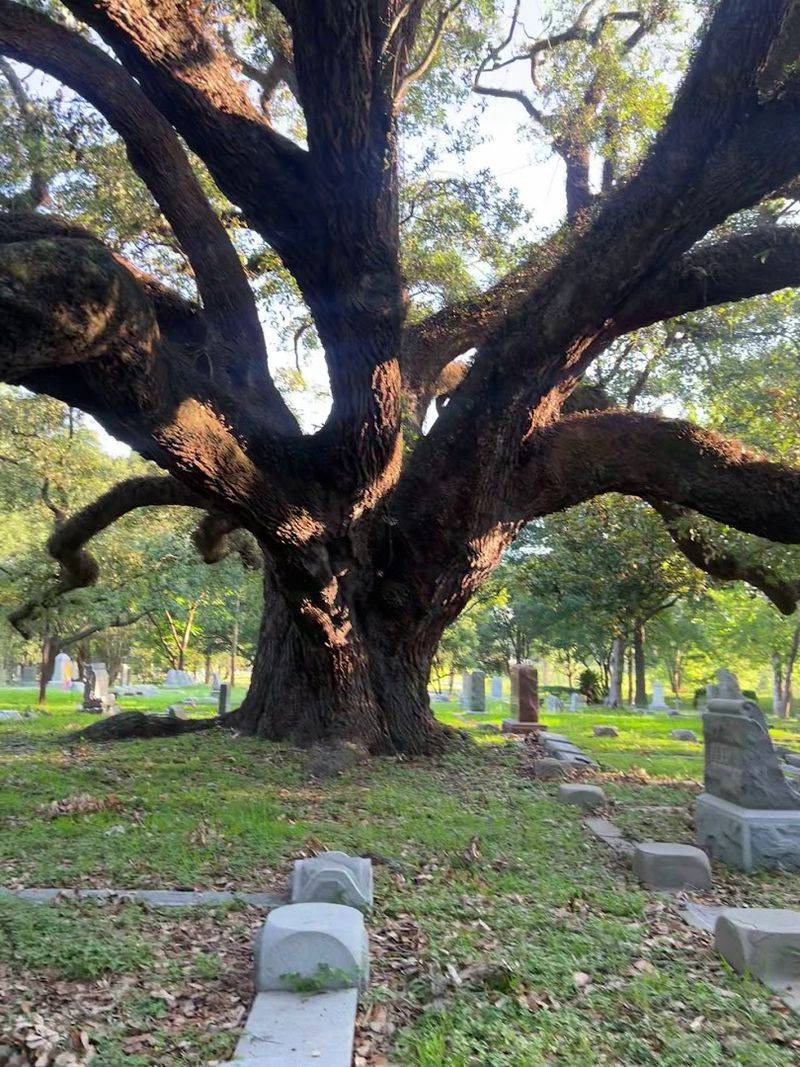
The trees at Glenwood deserve their own fan club. These aren’t your average neighborhood oaks—we’re talking about massive, centuries-old giants that have witnessed Houston’s entire modern history. Their branches spread like natural cathedrals overhead, creating cool shade even on the hottest Texas afternoons.
One particular specimen, known as the Century Tree, stands as a living monument itself.
Fall brings something truly special to Glenwood. While most of Houston stays stubbornly green year-round, this cemetery explodes with autumn colors that feel almost impossible in our subtropical climate. The vibrant reds, oranges, and yellows transform the grounds into something resembling New England, making it Houston’s secret spot for experiencing genuine fall foliage.
The landscaping goes way beyond just trees, though. Carefully tended gardens, flowering plants, and maintained pathways show the dedication of the groundskeeping staff. Visitors frequently mention how immaculate everything looks, which isn’t easy considering the cemetery spans 84 acres.
The combination of historic trees, seasonal flowers, and meticulous care creates an atmosphere that feels more like a botanical garden than a typical burial ground.
5. Notable Texans Including Governors and Presidents
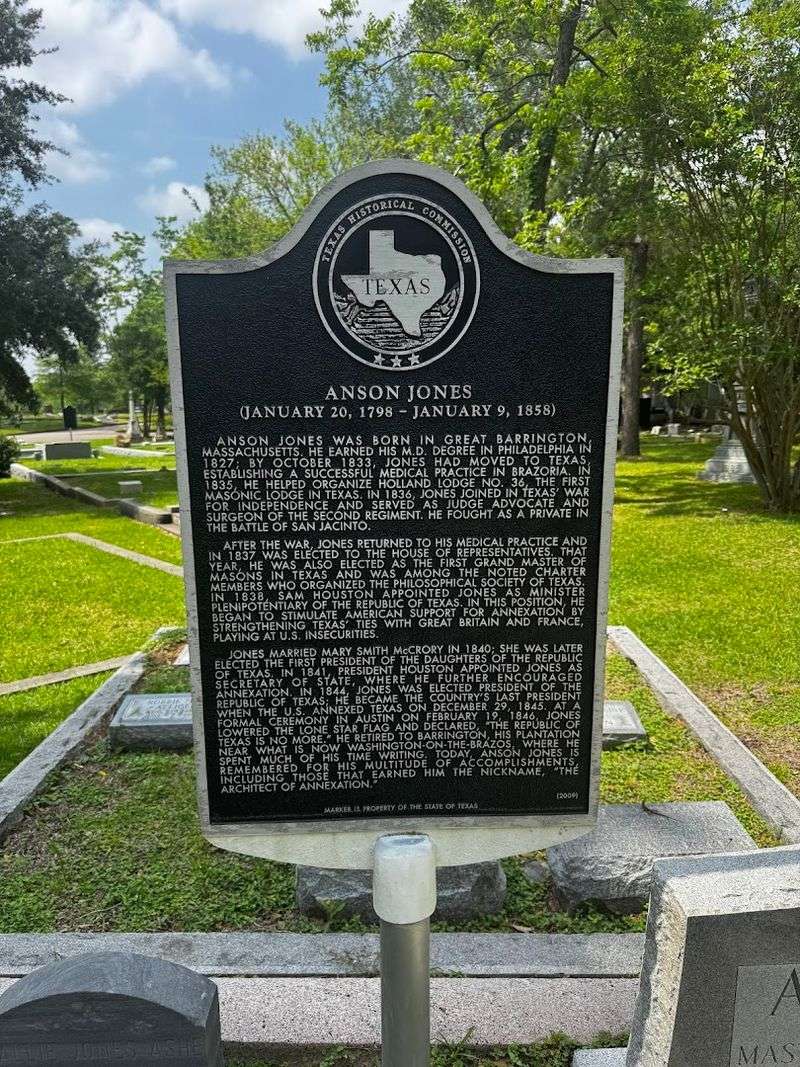
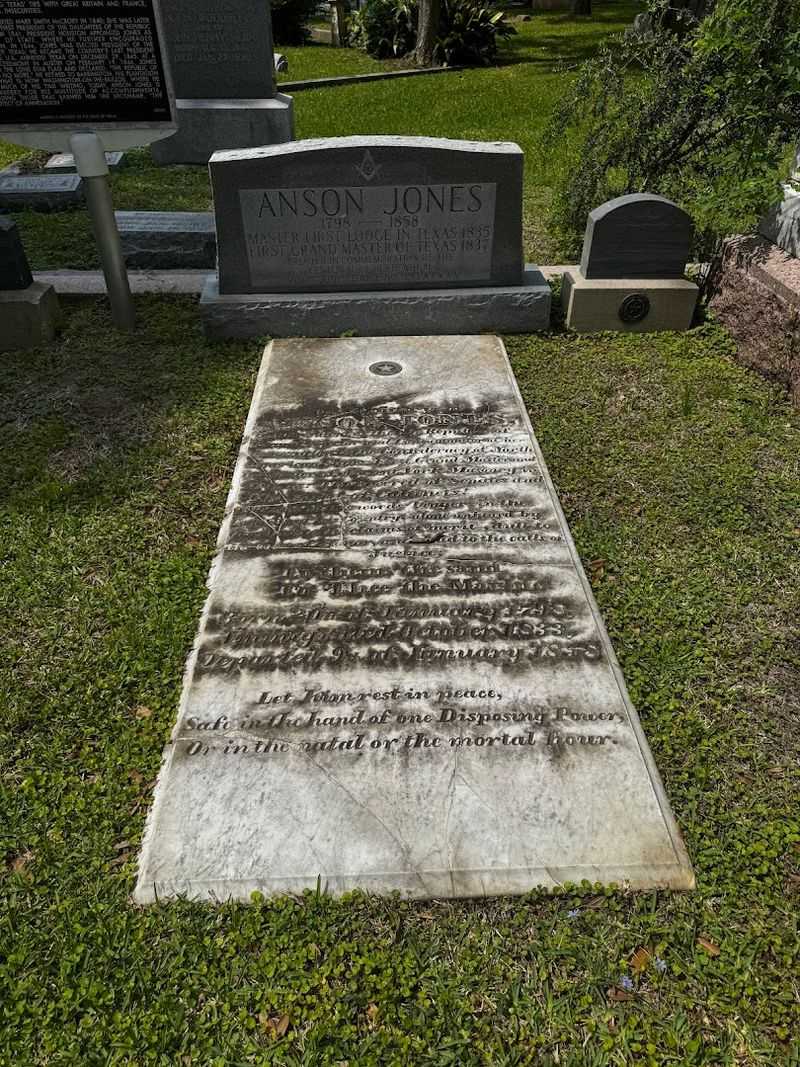
Forget boring history class—Glenwood puts you face-to-face with the actual people who built Texas. We’re talking Republic of Texas presidents, state governors, Houston mayors, and political figures whose decisions still affect life today. Anson Jones, the last president of the Republic of Texas before statehood, rests here among other political heavyweights.
Each grave tells a political story from a different era. Some leaders guided Texas through its independent days, others through Civil War turmoil, and more through the oil boom that transformed Houston into an energy capital. Reading their epitaphs and the historical markers nearby provides context that textbooks somehow never capture quite right.
The cemetery office keeps information about these notable burials and can direct you to specific graves if you’re hunting for someone particular. They’ve even got a beautiful book for sale detailing the cemetery’s famous residents, though at fifty bucks it’s definitely a splurge. Still, walking among these graves connects you to Texas history in a tangible way.
These weren’t just names in history books—they were real people who made real decisions that shaped the state we know today.
6. Hollywood Glamour With Gene Tierney
Old Hollywood glamour meets Houston history at Gene Tierney’s grave. The stunning actress, best known for her role in the 1944 film noir classic “Laura,” chose Glenwood as her final resting place. Her career spanned decades, and she worked alongside legends while becoming a legend herself.
Finding her grave feels like discovering a hidden piece of cinema history right here in Texas.
Tierney’s life story mixed triumph with tragedy in ways that rivaled her movie plots. She earned an Academy Award nomination, married wealth, struggled with mental health challenges, and eventually found peace in Houston. Her grave sits in a spot with convenient parking across the road, making it easy to visit and pay respects.
Film buffs and classic movie fans make pilgrimages here specifically to honor Tierney’s memory. Unlike some celebrity graves that feel forgotten, hers receives regular visitors who leave flowers and tokens of appreciation. The cemetery staff knows her story well and can share interesting details about her Houston connections.
Standing at her grave, you realize how Glenwood bridges not just Houston’s past but also connects to broader American cultural history through figures like Tierney.
7. Peaceful Escape From Urban Chaos
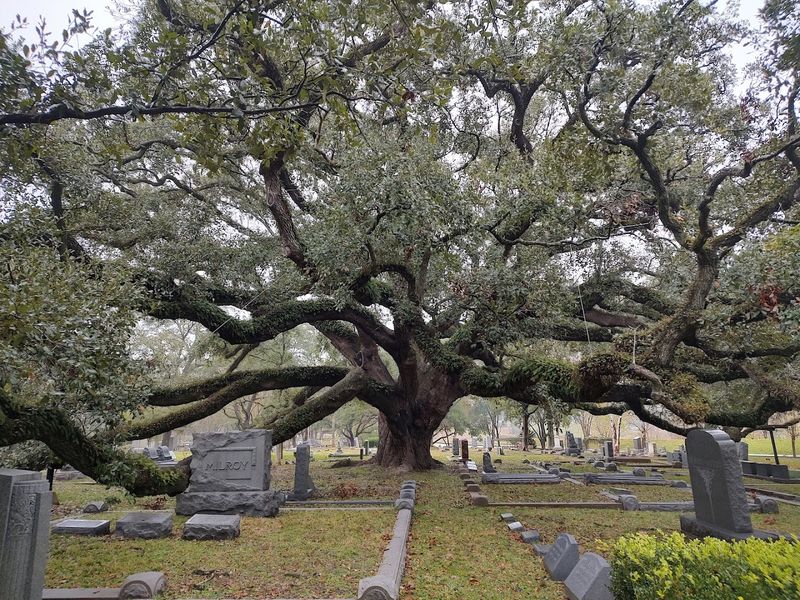
Sometimes you just need to breathe, and Glenwood delivers that opportunity despite sitting smack in the middle of bustling Houston. The moment you pass through the gates, city noise fades into background whispers. The thick canopy of ancient trees creates a natural sound barrier, while the sheer size of the property gives you room to roam without feeling crowded.
Visitors consistently describe the atmosphere as surprisingly serene. People walk their dogs here, jog the winding roads, and simply sit on benches soaking in the quiet. Yes, it’s a cemetery, but it functions equally as a park where Houstonians escape urban stress.
The well-maintained grounds and shade make it pleasant even during summer heat.
Just remember basic cemetery etiquette—keep voices down, stay on paths, and be extra respectful if funeral services are underway. Some folks debate whether jogging or dog-walking belongs in a cemetery, but Glenwood seems to embrace its dual role as both memorial ground and community green space. The peaceful vibe works because visitors generally treat the space with appropriate reverence while appreciating the rare tranquility it offers in our non-stop city.
8. Architectural Monuments and Victorian Art
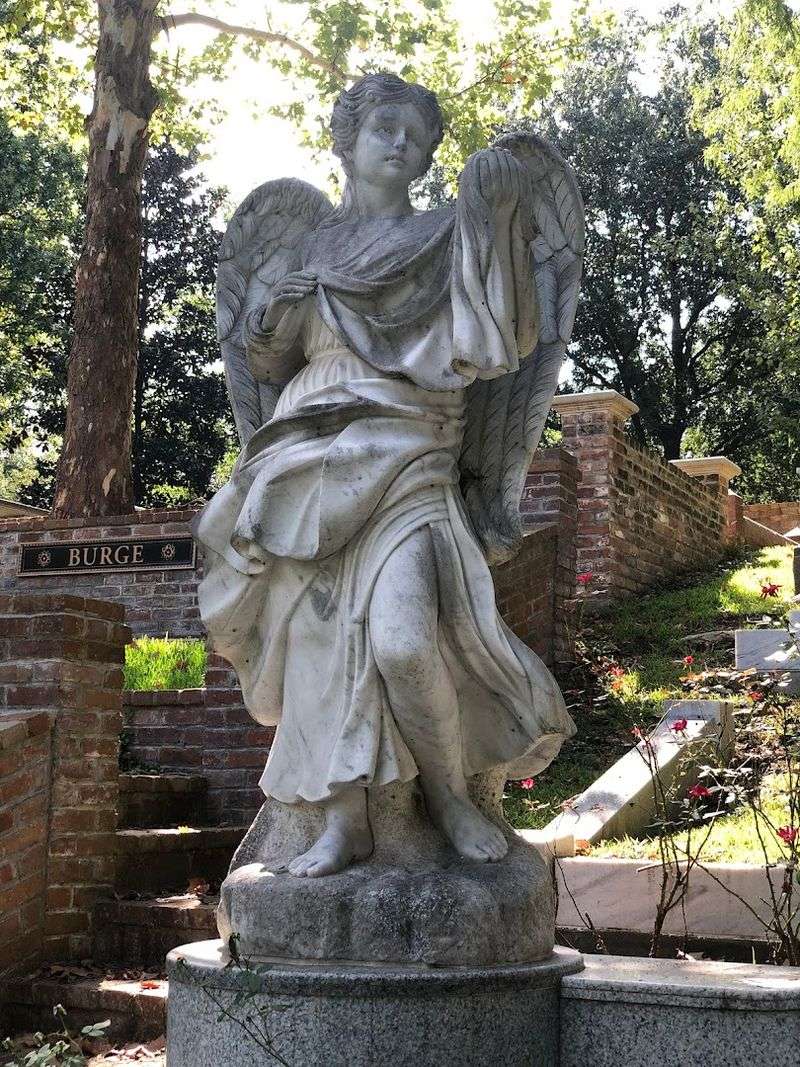
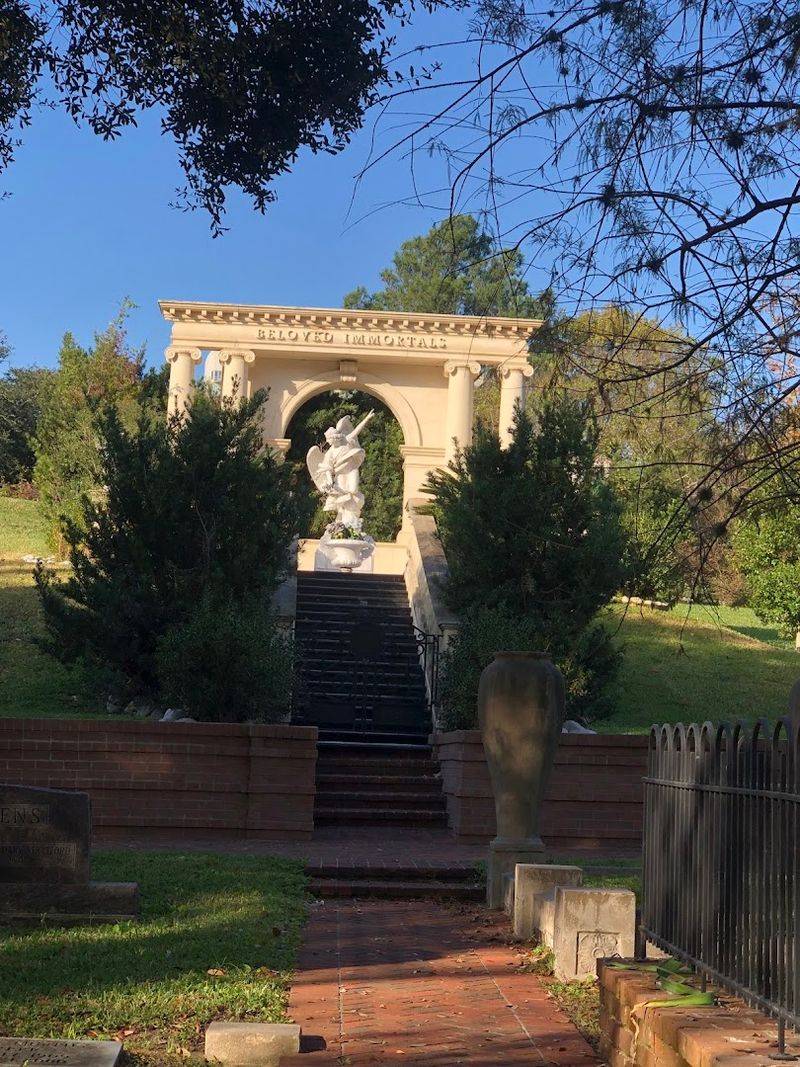
Art museums aren’t the only places to find stunning sculptures and architecture. Glenwood showcases incredible funerary art from the Victorian era and beyond, with monuments ranging from simple markers to elaborate family mausoleums that could double as small houses. The craftsmanship displayed in these structures reflects both the wealth and artistic sensibilities of Houston’s early elite.
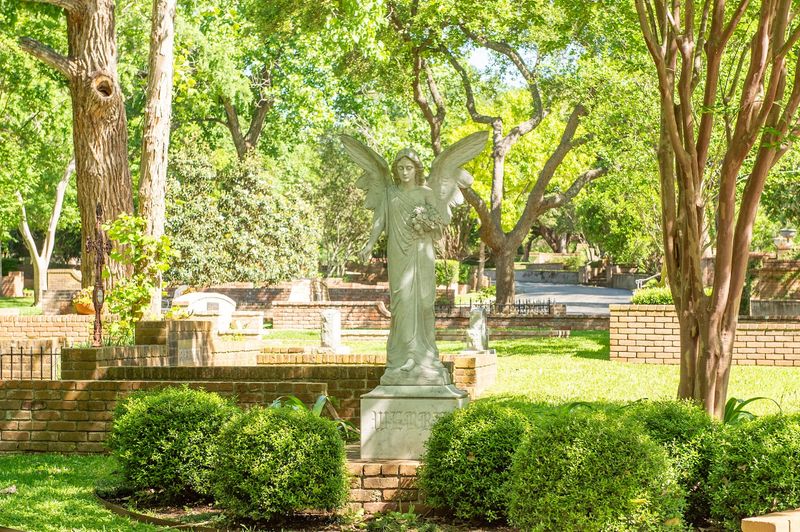
Angels carved from marble watch over graves with expressions that seem almost alive. Columns topped with urns, obelisks reaching skyward, and family crypts with intricate metalwork demonstrate skills that modern monument makers rarely employ anymore. Each piece tells a story not just about who’s buried there but about the era’s attitudes toward death, remembrance, and legacy.
Photography enthusiasts find endless subjects among these monuments. The interplay of light through tree branches onto weathered stone creates dramatic effects throughout the day. Historical architecture buffs can trace changing styles across decades by comparing older Victorian monuments with more modern markers.
The cemetery essentially functions as an outdoor sculpture garden where every piece carries deep personal meaning. Walking among these artistic tributes, you appreciate how our ancestors viewed memorial art as important as any painting or sculpture in a gallery.
9. Helpful Staff and Historical Resources
Getting lost in 84 acres of winding paths sounds frustrating, but Glenwood’s staff makes navigation surprisingly easy. The office, now conveniently located at the front entrance, serves as your headquarters for information, directions, and fascinating historical tidbits. The folks working there genuinely care about the cemetery’s history and love sharing stories with curious visitors.
Need to find a specific grave? They’ll help you locate it, often with interesting background about the person buried there. Wondering which monuments deserve special attention?
They’ll provide recommendations based on your interests, whether that’s architecture, famous figures, or Houston history. They’ve even got restroom facilities, which becomes important during longer visits.
The cemetery historian, mentioned in reviews as Bernice, has helped numerous families piece together genealogical mysteries spanning multiple generations. Her knowledge runs deep, and her genuine interest in family connections makes research feel personal rather than bureaucratic. That fifty-dollar book they sell contains gorgeous photography and detailed information about Glenwood’s notable residents.
While pricey, serious history buffs consider it worthwhile. The staff’s helpfulness transforms what could be a confusing solo exploration into an enriching guided experience, even without formal tours.
Share this story