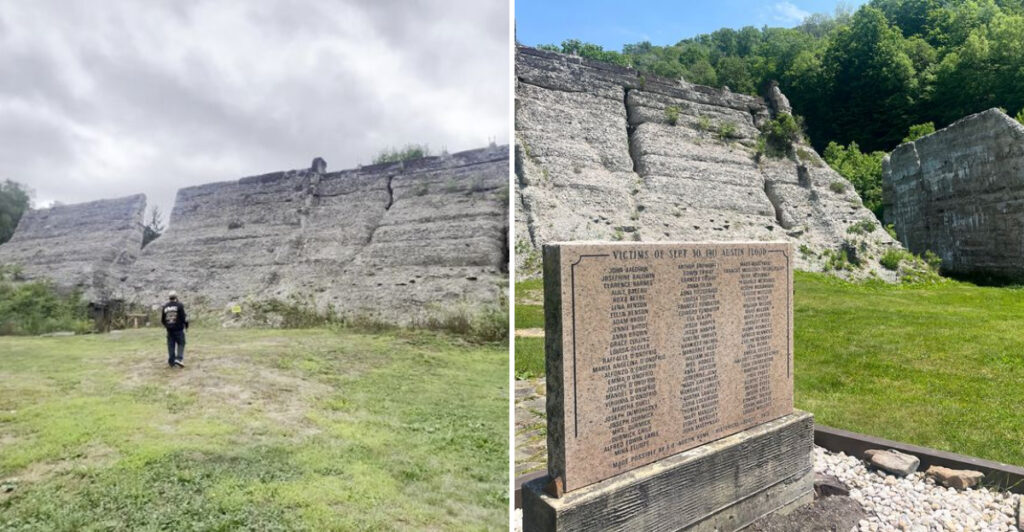
Deep in the hills near Austin, Pennsylvania, a broken dam stands as a powerful reminder of one of the most tragic days in state history. Austin Dam Memorial Park is both beautiful and somber, combining peaceful forest views with the haunting remains of a devastating disaster. The massive concrete ruins that remain today offer a glimpse into the past while serving as a lasting memorial to the people affected by the tragedy. Visitors come here to explore the impressive structure, walk through the surrounding landscape, learn what happened in 1911, and reflect on the lives that were lost.
The contrast between the quiet natural setting and the story behind the ruins creates an experience that is both moving and unforgettable. It is a place where history feels close, real, and impossible to ignore. Whether you are interested in Pennsylvania history, unique landmarks, or meaningful places that tell a deeper story, Austin Dam Memorial Park offers a powerful reminder of the events that shaped the region and the importance of remembering the past.
1. The Giant Concrete Ruin Still Stops Visitors in Their Tracks
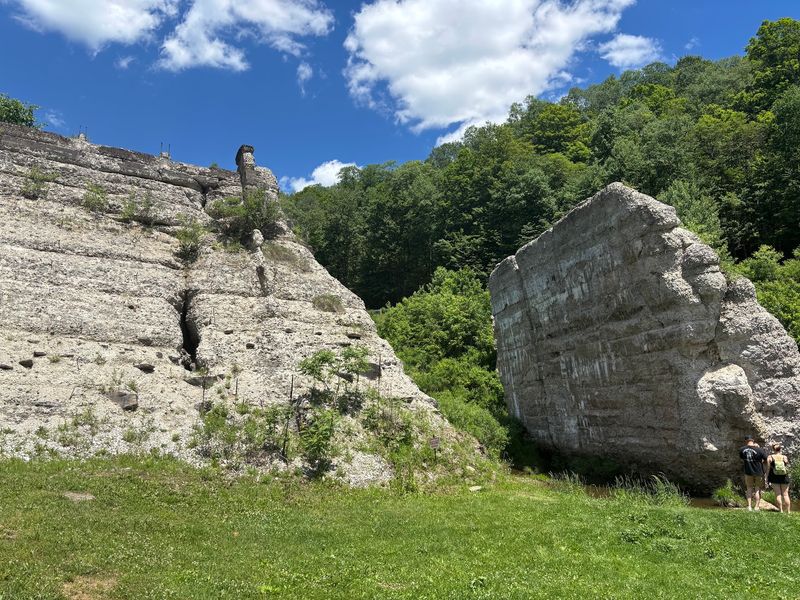
Nothing prepares you for the first look at Austin Dam.
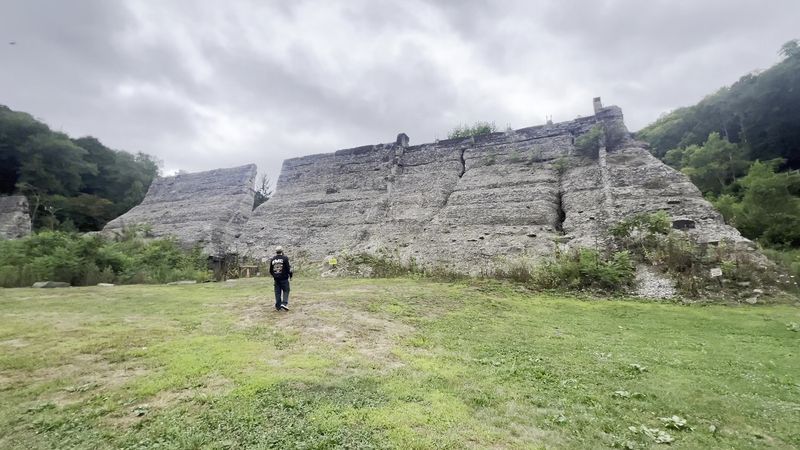
Giant broken walls of concrete rise from the valley like a movie set, yet the ruin is real and tied to heartbreaking history.
Seeing the size in person helps visitors understand why the site leaves such a strong impression on almost everyone who stops here.
Built across Freeman Run, the dam once held back water for a paper mill town.
After it failed in 1911, huge pieces stayed standing, creating the dramatic scene visitors see today.
The rough concrete, wide gaps, and tilted remains show both the power of water and the weakness of poor construction.
Bring sturdy shoes and take your time near the overlook and walking areas.
Read the signs before heading on, because the story makes the ruin more meaningful.
Photos are memorable here, but quiet moments looking up at the broken wall often say even more today.
2. A Remote Pennsylvania Wilds Setting Makes the Story Hit Harder
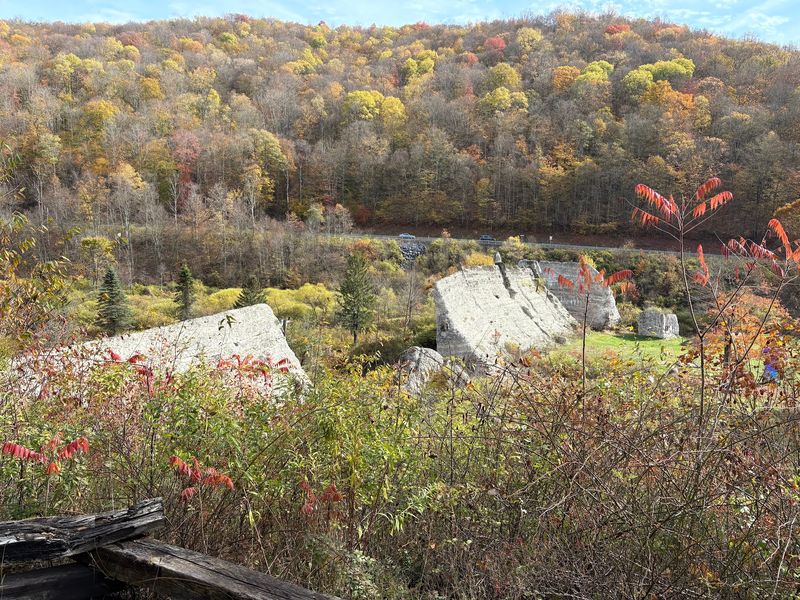
Far from busy city streets, the park feels tucked into the Pennsylvania Wilds.
Forested hills, winding road views, and the sound of water give the memorial a calm setting that sharply contrasts with the violence of the flood.
That mix of beauty and sadness is one reason the place stays with visitors long after they leave.
Driving to Austin Dam Memorial Park is part of the experience.
The route along PA-872 passes through quiet country, and several reviewers mention how remote the area feels.
Cell service can be weak, so save directions ahead of time, fuel up, and tell someone your plan if you are traveling alone.
Warmer months are usually the easiest time to explore the grounds and short trails.
In winter, roads can be icy and less forgiving.
Pack water, wear layers, and expect a peaceful visit where nature frames every lesson the broken dam still teaches today.
3. The 1911 Flood Turned a Small Town Into a Place of Mourning
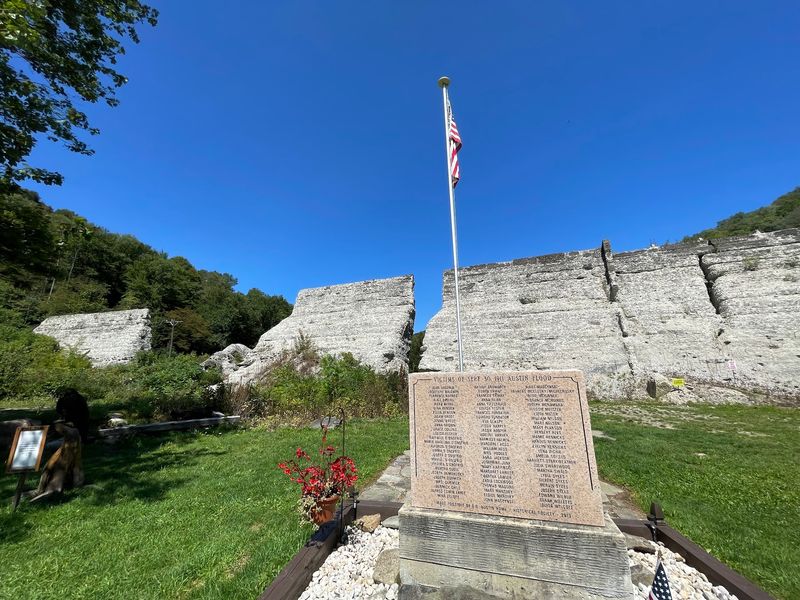
One December day changed Austin forever.
When the dam burst in 1911, a wall of water tore through the valley, destroying homes, workplaces, and lives in a matter of minutes.
Visiting the park turns a distant history lesson into something much more real and personal.
The disaster is counted among Pennsylvania’s worst industrial tragedies.
People connected to the paper mill community had little time to react, and many families were shattered.
Memorial spaces like this matter because they keep names, stories, and hard lessons from fading into the background of state history.
Give yourself a few extra minutes at the markers and displays instead of rushing to the ruins.
Younger visitors, especially, may understand the site better when adults explain what happened in simple terms.
A calm conversation about safety, community, and remembrance can make this stop meaningful for families, school groups, and curious travelers alike from near and far.
4. Broken Concrete Tells a Clear Lesson About Bad Engineering
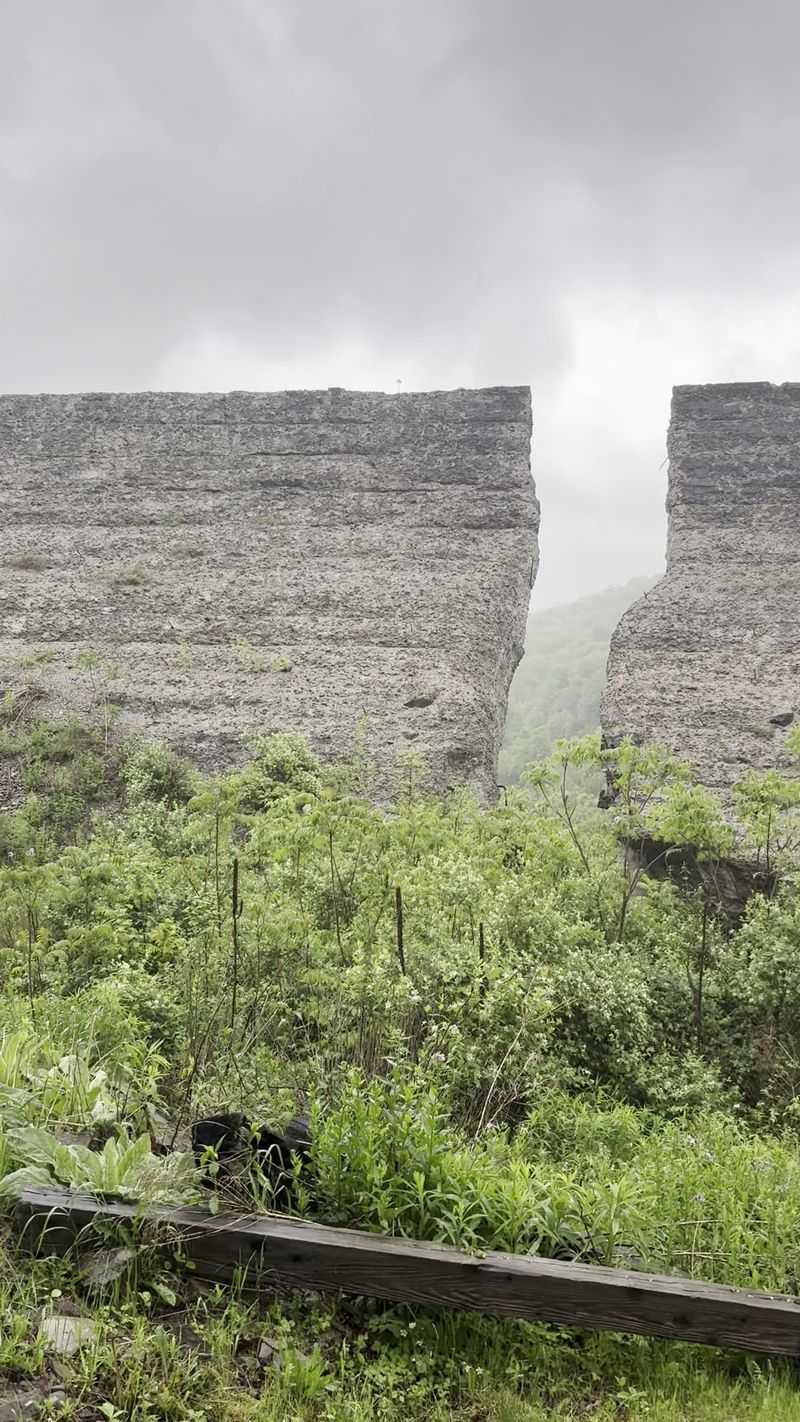
At first glance, the concrete looks almost impossible to break.
Then you learn the dam failed only months after being rebuilt taller, and the site becomes a lesson in how bad planning can lead to terrible loss.
Few classrooms can show engineering mistakes as clearly as these giant shattered remains.
Visitors often notice the coarse, chunky concrete and wonder how such a major structure was approved.
Historians and local information at the park point to design problems, weak construction choices, and warning signs that should have been taken more seriously.
The ruin is not just dramatic scenery.
It is evidence frozen in place.
Parents and teachers can use the park to talk about why strong rules, inspections, and honest decisions matter.
Even if you are not interested in engineering, the story is easy to grasp.
Shortcuts may save time at first, but they can place communities in danger later on.
5. Memorials and Human Stories Give the Site Its Heart
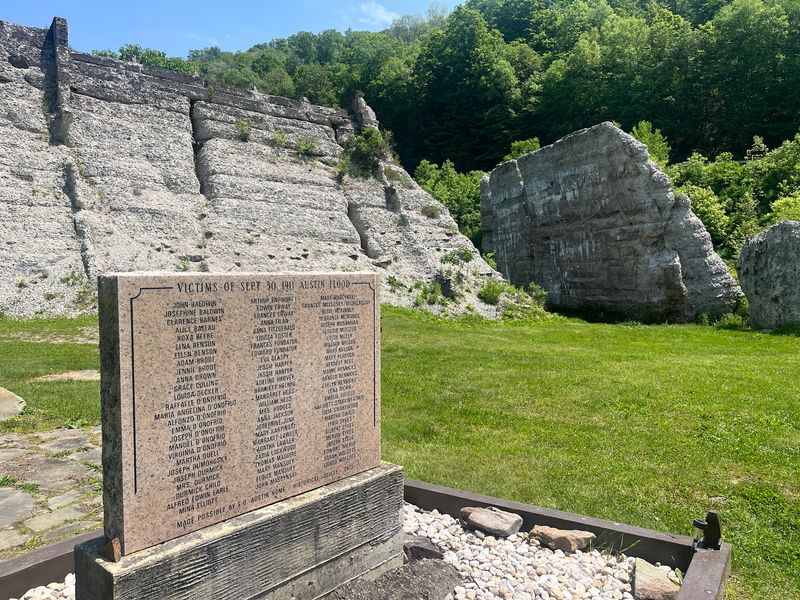
A park like this honors people, not only ruins.
While the broken dam grabs attention first, the memorial side of Austin Dam Memorial Park asks visitors to remember the men, women, and children whose lives were swept away.
That shift from sightseeing to reflection gives the visit its emotional weight.
Some guests mention reading about a woman who warned others and helped save lives.
Stories like hers show courage in the middle of chaos and help younger visitors connect with the past.
Old photos, signs, and memorial features turn names from long ago into neighbors you can almost picture.
Speak softly around the memorial areas and give children time to ask questions.
If you are visiting with family, invite everyone to share one thought before leaving.
A simple moment of respect can help the park feel less like a stop on the road and more like a place of memory.
6. A Straightforward Visit Works Well for Casual Travelers
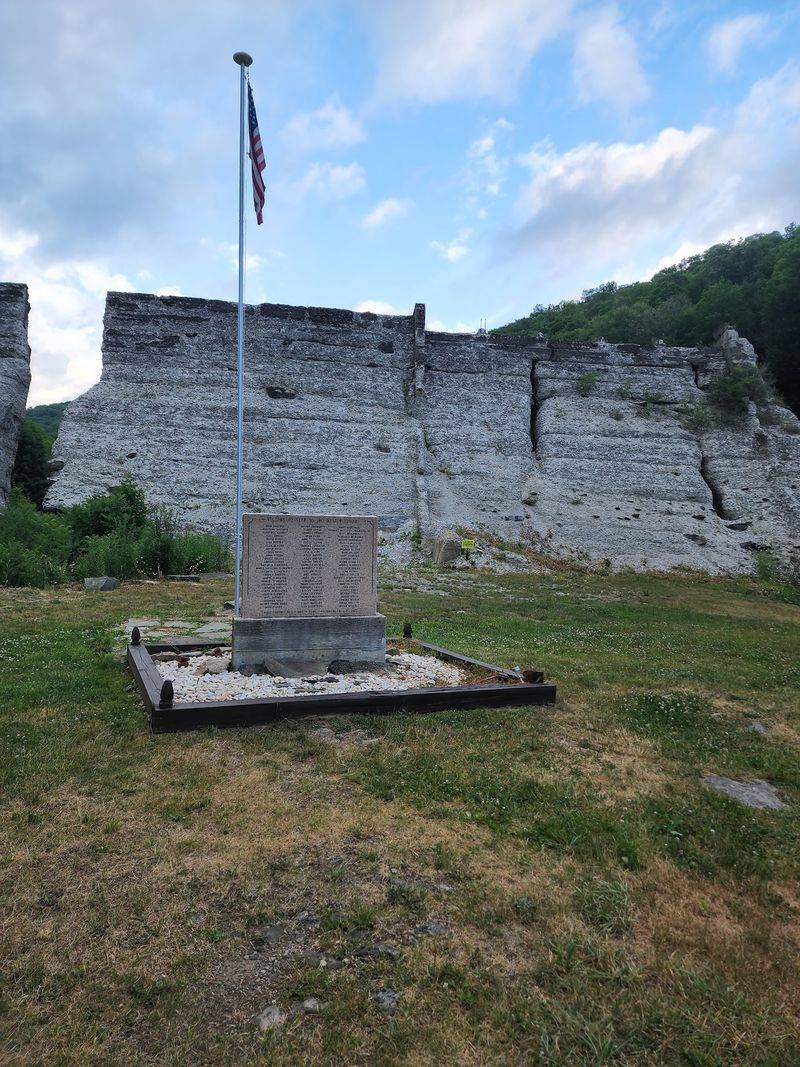
Plenty of history sites feel hard to approach, but this one is fairly easy for a casual stop.
Reviews describe a well-kept park with restrooms, information, and short walking paths that help visitors explore without needing a big hike.
For travelers passing through Potter County, that convenience makes a difference.
You do not need hours to appreciate Austin Dam Memorial Park, though many people end up staying longer than planned.
Some paths are more like walks than serious hikes, and overgrowth can happen in summer, so dress for brush and uneven ground.
Comfortable shoes, bug spray, and a printed map are smart choices.
If mobility is a concern, you can still see parts of the ruins from PA-872, but the lower view is more impressive.
Aim for daylight, check the 8 AM opening schedule, and keep expectations simple.
The site works best when you come ready to look, read, and think.
7. Signs, Photos, and a Documentary Help the Past Feel Real
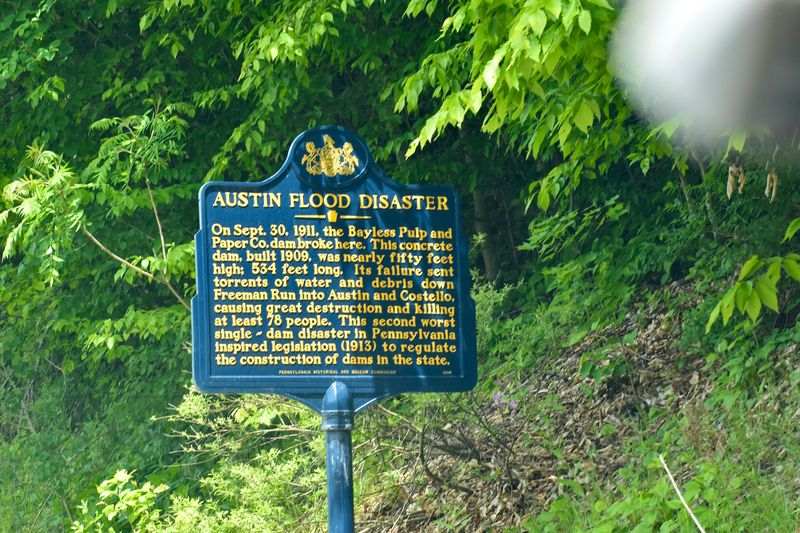
History sticks better when you can see it, walk it, and hear the story told well.
Visitors say Austin Dam Memorial Park offers exactly that kind of learning, with signs, photos, and even a documentary that helps explain what happened.
The result is a stop that feels educational without turning dry or heavy-handed.
Children, teens, and adults can all take something different from the visit.
One person may focus on the flood, another on the paper mill, and someone else on the brave local response after the collapse.
Because the remains are still standing, the lessons feel immediate instead of buried in a textbook page.
Before your trip, read a history of the 1911 disaster so the displays make more sense.
At the park, let kids lead with questions and observations.
That simple habit can turn a roadside stop into a field trip about Pennsylvania history, safety, and community memory.
8. A Hidden Gem Worth the Drive for Scenery, History, and Reflection
Some places surprise you simply because they are so far off the usual tourist path.
Austin Dam Memorial Park is one of those hidden finds, a place many visitors discover by chance and later talk about as the highlight of their drive.
The combination of scenery, history, and emotion makes the detour feel richly earned.
With a 4.6 rating from visitors, the park has built a strong reputation for being scenic, moving, and informative.
People praise the care given to the grounds and the chance to stand near a rare piece of Pennsylvania disaster history.
Even a quick stop can leave a lasting picture in your mind.
Plan your visit with realistic expectations.
This is not a amusement attraction, and that is part of its strength.
Come for the story, the memorial, and the eerie concrete remains, and you will likely leave feeling you found something unforgettable in the wilderness.
Share this story