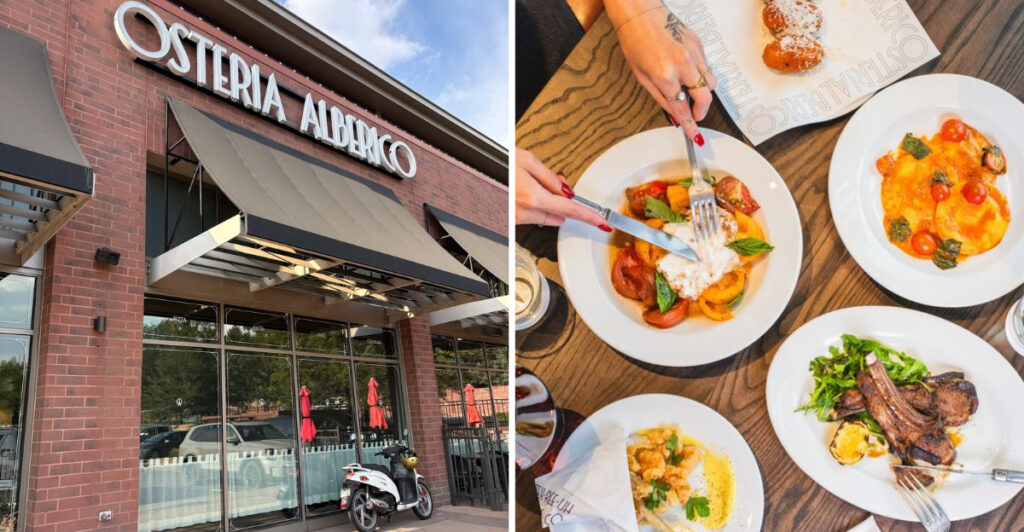
A neighborhood Italian dinner gets a serious culinary upgrade at Osteria Alberico in Englewood. The restaurant brings the talents of chef Russell Stippich, whose résumé includes the Michelin-starred Frasca Food and Wine, to a setting that feels polished without losing the warmth and ease that make a local Italian spot so inviting.
Thoughtful cooking takes center stage, with familiar flavors handled carefully enough to make dinner feel special without turning it into a stuffy occasion. That balance gives Osteria Alberico an appeal beyond the chef’s impressive résumé. For Colorado diners craving Italian food with fine-dining talent behind it, this Englewood restaurant makes a compelling case for booking a table.
Tucked Beside the Parking Lot
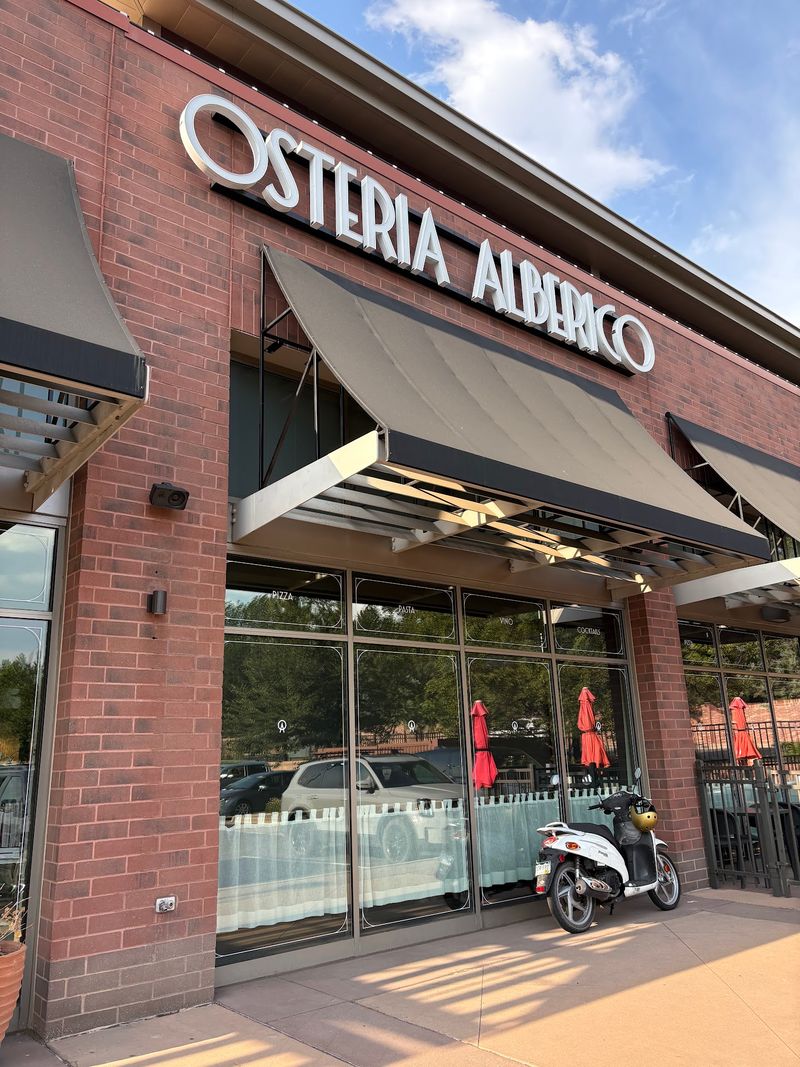
Plenty of restaurants announce themselves from half a block away. Osteria Alberico takes the opposite path, sitting in a more everyday stretch of Englewood where the surprise comes after arrival, not before.
That low-key placement gives the restaurant an unusual edge because dinner starts with a small reset, as if a regular errand zone suddenly opens into a polished night out.
Inside, the room shifts the mood fast. The design reads dressy without becoming stiff, and that balance matters in a place tied to a chef with serious fine-dining credentials.
Warm lighting, clean lines, and a snug layout push attention toward the table, which is exactly where an Italian restaurant should want it.
There is also a useful lesson here for anyone planning a first visit. Do not judge the stop by the outside approach alone, and do not expect a giant, flashy destination setup with a dramatic facade.
Osteria Alberico works more like a neighborhood restaurant with upscale instincts, which makes it easier to fit into a weeknight while still feeling occasion-worthy.
That contrast shapes the whole meal. One minute the setting is practical suburban Colorado, and the next minute the scene turns into cocktails, pasta, servers moving in sync, and plates arriving with care.
Even the slightly busy, sometimes lively volume reported by diners fits that energy, since the room seems built for movement rather than hushed ceremony.
For readers hunting for places that feel special without requiring a downtown trek, this address lands in a sweet spot. Osteria Alberico is charming partly because it does not perform charm in a loud way. The reveal is quiet, and that makes the elegant finish more interesting.
A Michelin-Starred Mind Behind the Menu
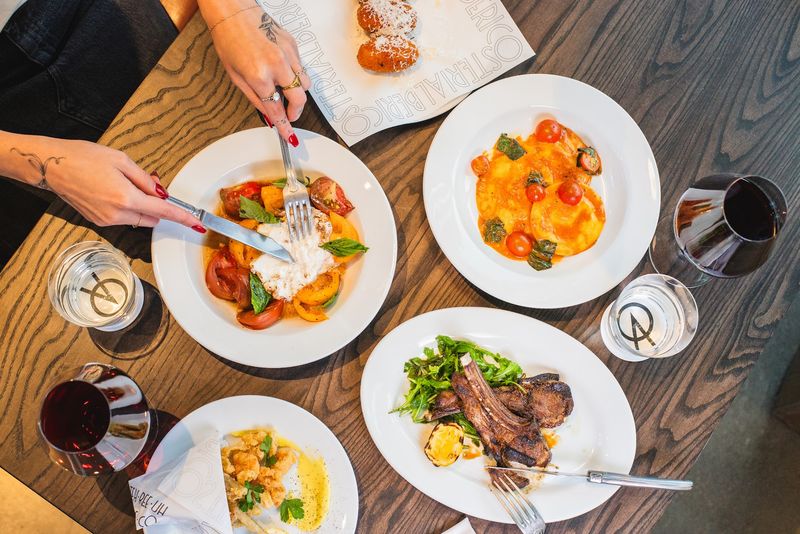
Big chef names can sometimes create distance. At Osteria Alberico, the more interesting story is how a Michelin-starred background appears to shape the restaurant without turning the room into a tense, showy stage.
The effect shows up in the details, especially in pacing, plate composition, and the way the menu leans classic while still looking sharply edited. That matters because Italian food is often misunderstood as simple in an easy sense. Real restraint is hard.
A focused pasta, a well-seasoned fish, or a piece of focaccia that arrives at the right moment depends on discipline behind the scenes, and the reports tied to this restaurant point again and again to that careful control.
There is also a practical reason the chef angle matters for diners. A Michelin-starred résumé raises expectations, so it helps explain why people arrive ready to notice service flow, ingredient handling, and whether each course feels considered. Osteria Alberico seems to invite that close attention instead of hiding from it.
At the same time, the restaurant does not read like a museum of technique. Popular dishes mentioned around the room, including cacio e pepe, mafaldine al ragu, crudo, branzino, and gnocchi, are familiar enough to welcome people who simply want a strong Italian dinner.
That is a smart move in Englewood, where neighborhood comfort and destination-level cooking need to meet in the middle. For readers, the best takeaway is simple. Go in expecting polish, not fuss.
The chef connection is meaningful not because it gives the restaurant bragging rights, but because it seems to sharpen the basics: timing, flavor, and the confidence to let Italian food speak clearly on the plate.
Focaccia, Pasta, and the Dishes That Set the Tone
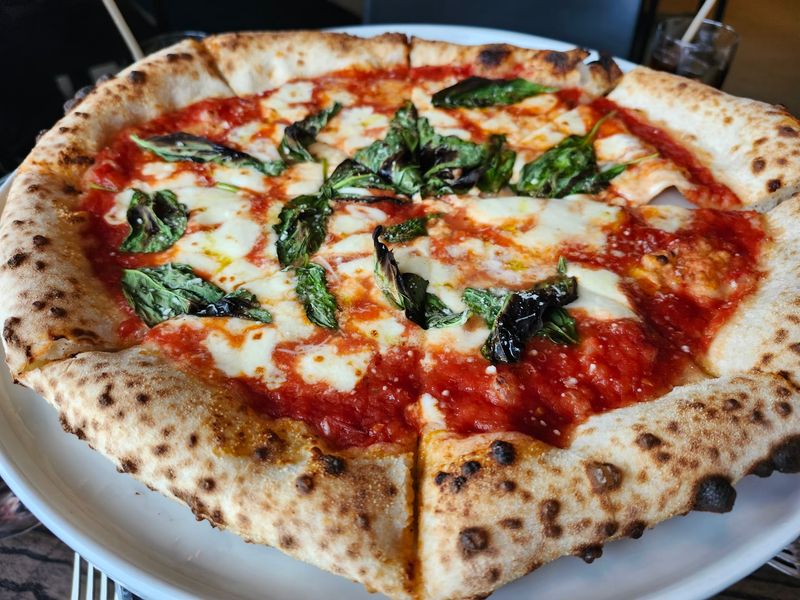
Every restaurant has a few plates that become the shorthand for the whole experience. At Osteria Alberico, the pattern points toward a lineup that sounds both comforting and carefully tuned: focaccia, cacio e pepe, mafaldine al ragu, crudo, branzino, gnocchi, and pizza.
None of those dishes need gimmicks, so execution carries the full load. Focaccia seems to be one of the early signals. Bread arrives before a meal has fully settled in, which means it often decides whether a table relaxes and leans forward or starts questioning the night.
Here, the bread comes up often enough to suggest it plays a central role in setting expectations, especially when paired with a house touch like balsamic or marmalade accents.
The pasta side is where many readers will want to focus. Cacio e pepe and mafaldine al ragu show two very different strengths, one built on simplicity and peppery balance, the other on deeper, slower richness.
Gnocchi and carbonara add more texture to the picture, giving diners a reason to think in categories rather than hunting for one single must-order dish.
Seafood also appears to matter more here than at a standard red-sauce spot. Branzino and crudo suggest a menu that reaches beyond predictable comfort food into lighter, cleaner plates that fit Colorado diners looking for variety.
Pizza rounds out the menu with an option that can make the restaurant more flexible for dates, group sharing, or a less expensive way to sample the kitchen.
The smartest strategy is to build a meal across styles. Start with bread or a small plate, add one pasta, then choose either fish or pizza depending on mood and budget. That approach gives the widest look at what Osteria Alberico is trying to do well.
Colorado Nights, Better with a Smart Reservation
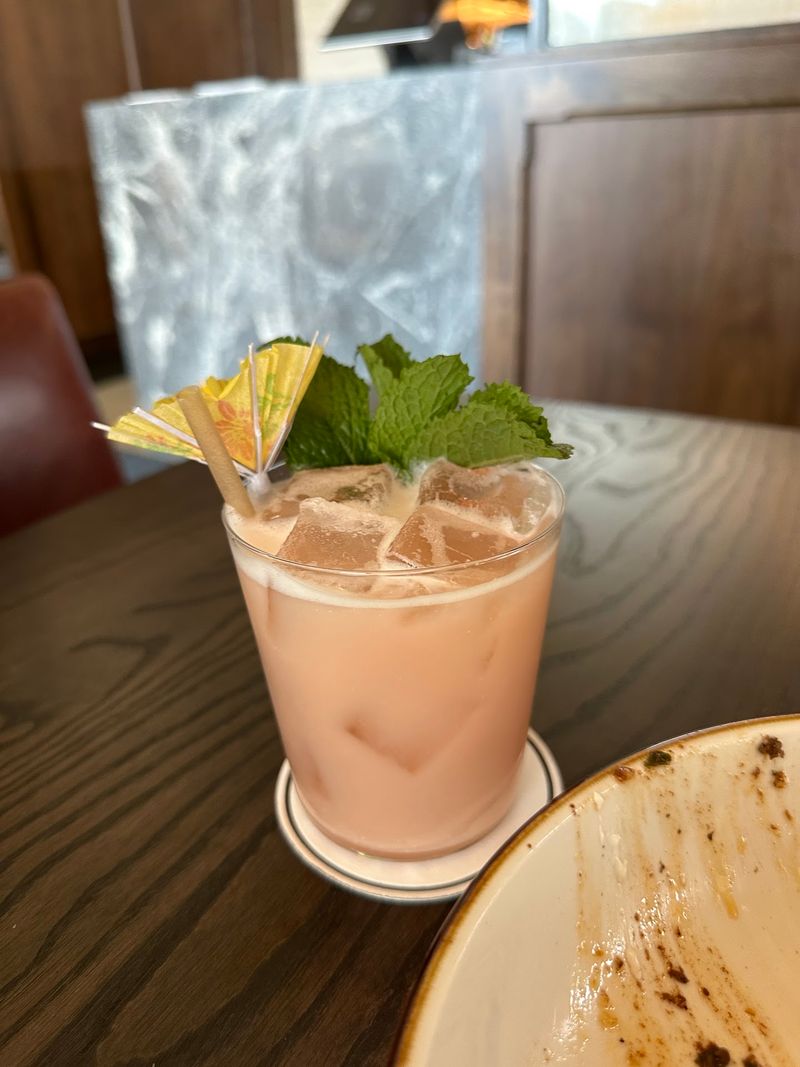
A little planning goes a long way here. Osteria Alberico keeps dinner hours that make it clearly an evening restaurant first, opening at 4 PM most days, 5 PM on Monday, and closing between 9 PM and 10 PM depending on the night.
That schedule shapes the best way to experience the place, especially for diners trying to avoid a rushed or crowded meal.
Friday and Saturday naturally read as the busiest windows, and the restaurant’s strong reputation makes reservations a smart move. Walk-ins may still work, especially for smaller parties or bar seats, but treating this like a guaranteed casual drop-in could lead to disappointment.
For a smoother visit, earlier seatings offer the best chance to settle in before the room hits peak volume. The aperitivo window also stands out as a practical angle.
An earlier visit can create a lighter, more flexible evening, especially for anyone curious about cocktails, a snack-style order, or splitting a pizza and one pasta instead of building a full, higher-cost dinner. That approach makes the restaurant easier to try without committing to the largest possible check.
There is another timing factor that matters more than it might seem: noise. A lively dining room can be fun, but it changes the experience depending on where and when a table lands.
Diners hoping for a quiet conversation may do better with earlier reservations, a weeknight visit, or the heated patio when weather allows and road sound is not a concern.
For Colorado readers balancing work, traffic, and date-night logistics, Osteria Alberico rewards a small amount of strategy. Pick the time with care, reserve ahead when possible, and decide before arriving whether the goal is a quick taste at the bar or a full dinner stretch. The restaurant seems to support both styles well.
Service That Moves Like a Team, Not a Script
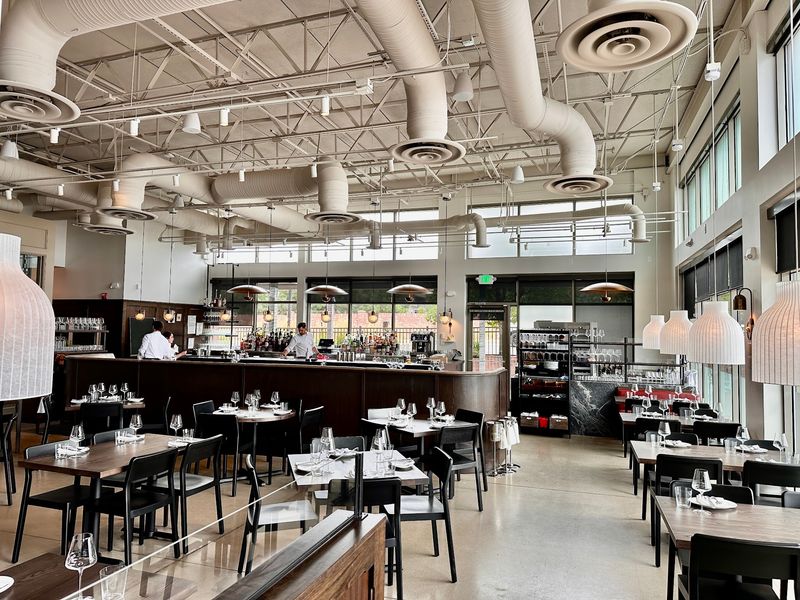
Sometimes the strongest part of a restaurant is not a single dish but the way the room functions. Osteria Alberico appears to shine in that category.
Again and again, the service picture points to a team-based style where multiple staff members help guide the meal, clear plates, refill water, explain menu items, and keep the pace from dragging.
That kind of coordination changes how a restaurant feels, especially when the menu includes Italian names or preparations that may not be obvious to every diner.
A knowledgeable server can make the whole experience less formal and more inviting by translating the menu into plain language without flattening its personality. At a place tied to serious culinary training, that bridge matters.
The wine side adds another layer. Mentions of a sommelier and wine-focused dinners suggest a program with more attention than the average neighborhood Italian stop.
For guests who enjoy pairing, that can turn dinner into a more guided experience. For everyone else, it simply means there may be thoughtful help available rather than a generic red-or-white suggestion.
There is a practical payoff to good service, too. When portion size and pricing become part of the conversation, sharp guidance can steer diners toward a better order.
A server who knows whether to suggest bread, an extra small plate, or a pizza for sharing can help a table build a meal that feels balanced instead of skimpy.
Readers looking at Osteria Alberico should think beyond the food list alone. The service seems to be part of the product, not just background labor.
Calm, informed, and attentive hospitality can make a polished restaurant feel welcoming instead of precious, and that is one of the clearest reasons this place stands out in Englewood.
The Fine Line Between Splurge and Smart Order
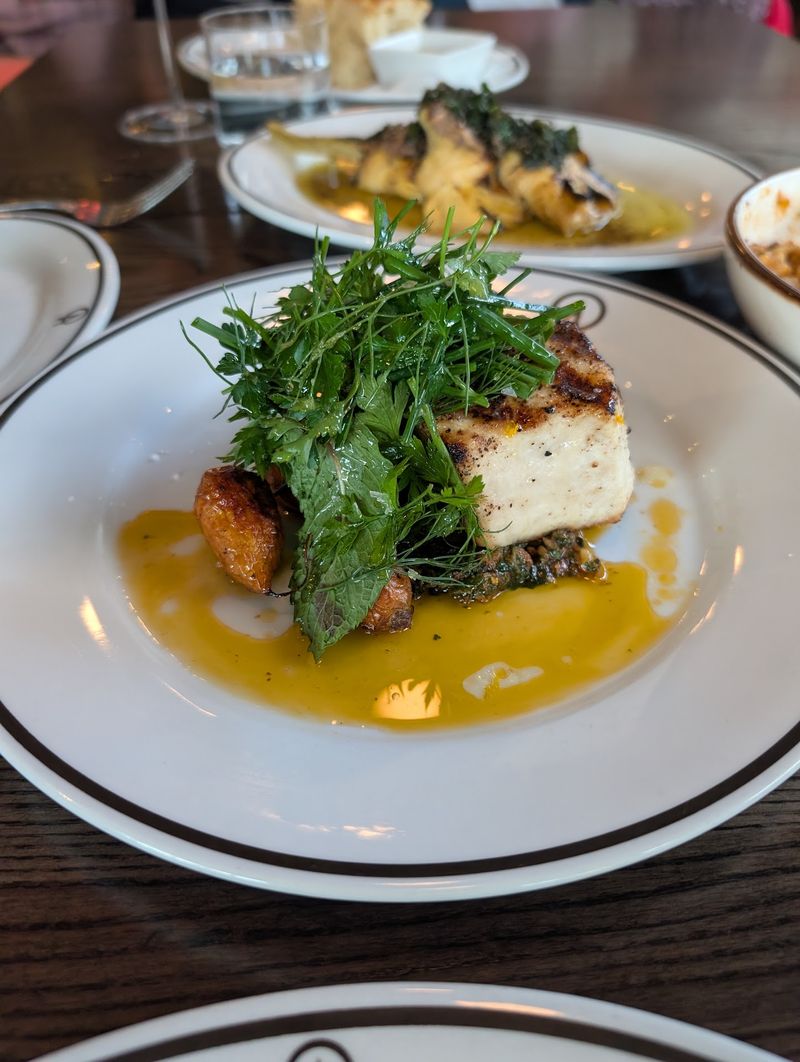
Not every good restaurant is built for the same kind of appetite or budget, and Osteria Alberico seems to make that clear. The food is often described as polished and flavorful, but some diners also flag smaller portions and prices that can climb quickly.
That does not cancel the appeal. It simply means the best visit may depend on ordering with intention. For many tables, the smartest route is to think like editors, not collectors.
Instead of stacking appetizers, pasta, entree, dessert, and drinks just because the menu looks tempting, choose a narrower path.
A shared starter, one pasta per person, and either a pizza or a main to split can create a fuller experience than chasing too many separate courses.
Date nights may benefit most from that strategy. The restaurant already leans polished, so a focused order keeps the meal feeling special without turning it into a budget shock.
Diners who want to splurge can still do so, especially with seafood, cocktails, or a wine event, but the menu also seems flexible enough for a more measured evening.
Portion awareness matters for another reason: expectations. Someone arriving for a heavy, old-school platter dinner might read the meal differently than someone expecting a more refined, course-driven setup.
Osteria Alberico appears closer to the second model, where composition and pacing count as much as volume on the plate.
That makes the restaurant a better fit for certain occasions than others. It looks ideal for anniversaries, birthdays, catch-up dinners, and nights when the room, service, and presentation are part of the fun.
For diners who want maximum quantity for minimum cost, another style of Italian restaurant may serve that goal better. Knowing that before booking can make the experience land much more smoothly.
Why Osteria Alberico Changes the Englewood Italian Conversation
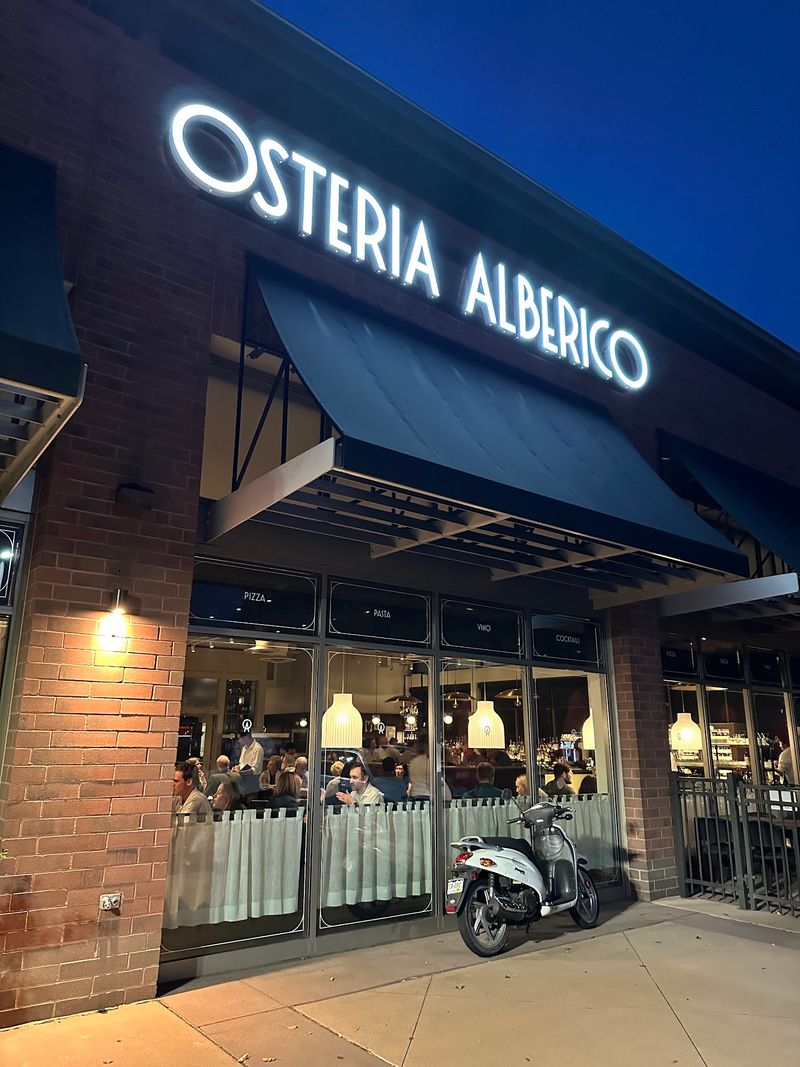
Englewood does not need another ordinary Italian restaurant, and Osteria Alberico does not seem interested in being one.
Its importance comes from the combination it offers: neighborhood placement, chef-driven credibility, carefully run service, and a menu that appears broad enough to attract both special-occasion diners and locals looking for a repeat spot.
That mix gives it a different role than a simple one-time destination. There is also a larger Colorado angle here. Restaurants tied to major culinary résumés can sometimes land with an exclusive tone that narrows the audience.
Osteria Alberico appears to take a more open route, bringing elevated technique into a setting that still supports weeknight meals, bar seating, patio dinners, and shareable orders like pizza or small plates.
That middle ground is hard to pull off. Go too formal, and the neighborhood connection weakens. Go too casual, and the fine-dining pedigree becomes a talking point with no clear purpose.
Here, the attraction seems to come from tension between those two identities, with the room, menu, and service all working to keep them in balance.
Readers deciding whether the title hype is justified should think in practical terms. The restaurant stands out not because every plate must be the single best thing in town, but because the whole operation appears to be trying for a higher standard than the address might first suggest.
That includes thoughtful staffing, a focused menu, and a polished sense of occasion. In the end, Osteria Alberico holds an appealing place on the local dining map.
It gives South University Boulevard a restaurant that invites curiosity, rewards planning, and makes Englewood part of a bigger food conversation. For a charming Colorado Italian joint backed by a Michelin-starred chef, that is a strong result.
Share this story