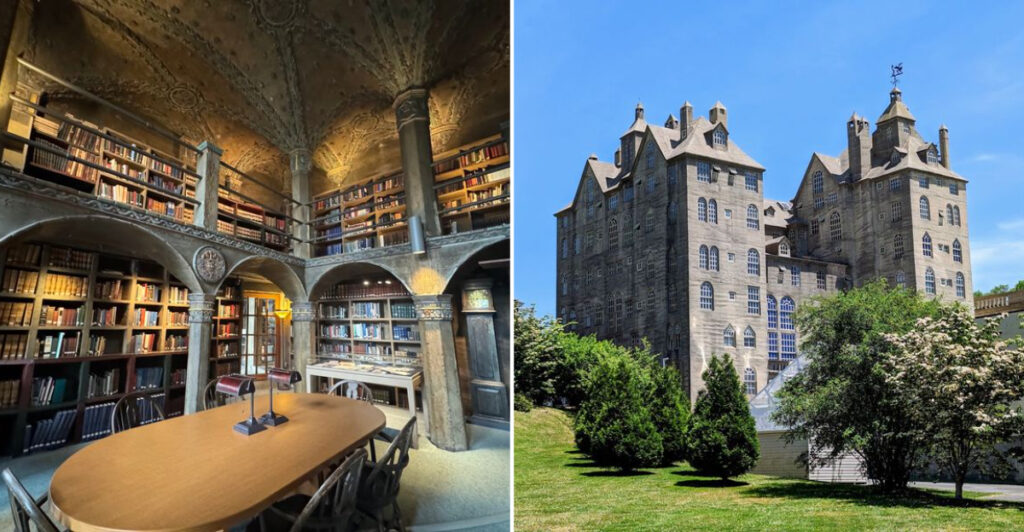
In Doylestown, Pennsylvania, the Mercer Museum looks like a castle from a storybook, but inside, its towering rooms are packed with real pieces of American history. Built from reinforced concrete and rising six stories high, the unusual building houses thousands of tools, vehicles, household items, and everyday objects that reveal how people lived and worked before modern machines transformed daily life.
Instead of displaying history in a distant or overly formal way, the museum surrounds visitors with the objects people actually used, creating the feeling of stepping into another era. Visitors come for the strange architecture, the enormous collection, and the sense that every room holds another unexpected discovery. From old farming equipment to household tools and transportation, the exhibits offer plenty to examine and imagine. If you enjoy history that feels close enough to touch, the Mercer Museum is a memorable Pennsylvania stop that is easy to remember long after you leave.
1. A Concrete Castle That Stops You Before You Enter
Before any artifact appears, the building itself steals the show.
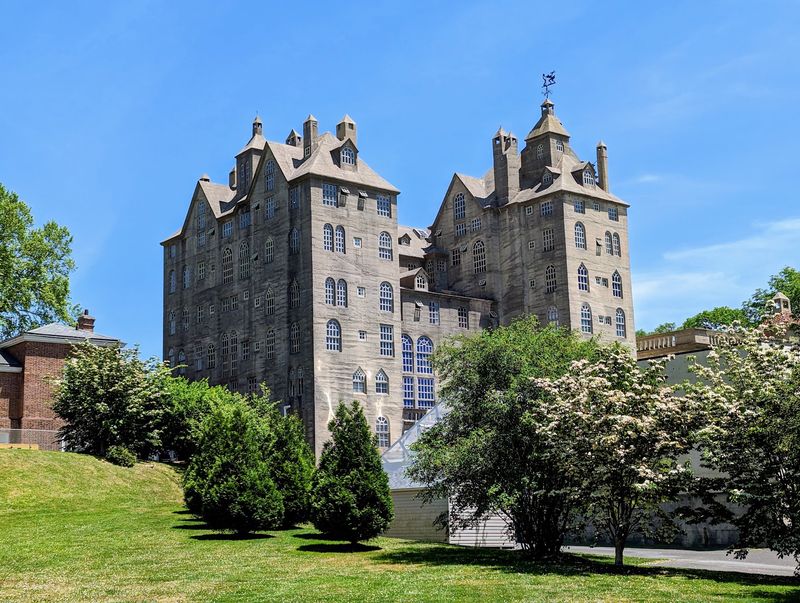
Mercer Museum rises over South Pine Street like a gray castle, with towers, arches, and thick concrete walls that feel both grand and unusual.
Henry Mercer designed the museum in the early 1900s to protect his growing collection from fire.
Concrete was a bold choice at the time, and it gave the museum its fortress-like look.
Today, that choice makes the place feel strong, strange, and unforgettable.
Plan to pause outside before heading in, because the shape of the building helps tell the story.
Bring a camera, look up at the windows, and notice how different it feels from a normal museum.
The outside prepares you for the surprise waiting inside, where history climbs above you in every direction.
2. The Great Hall Feels Like Walking Into a Time Machine
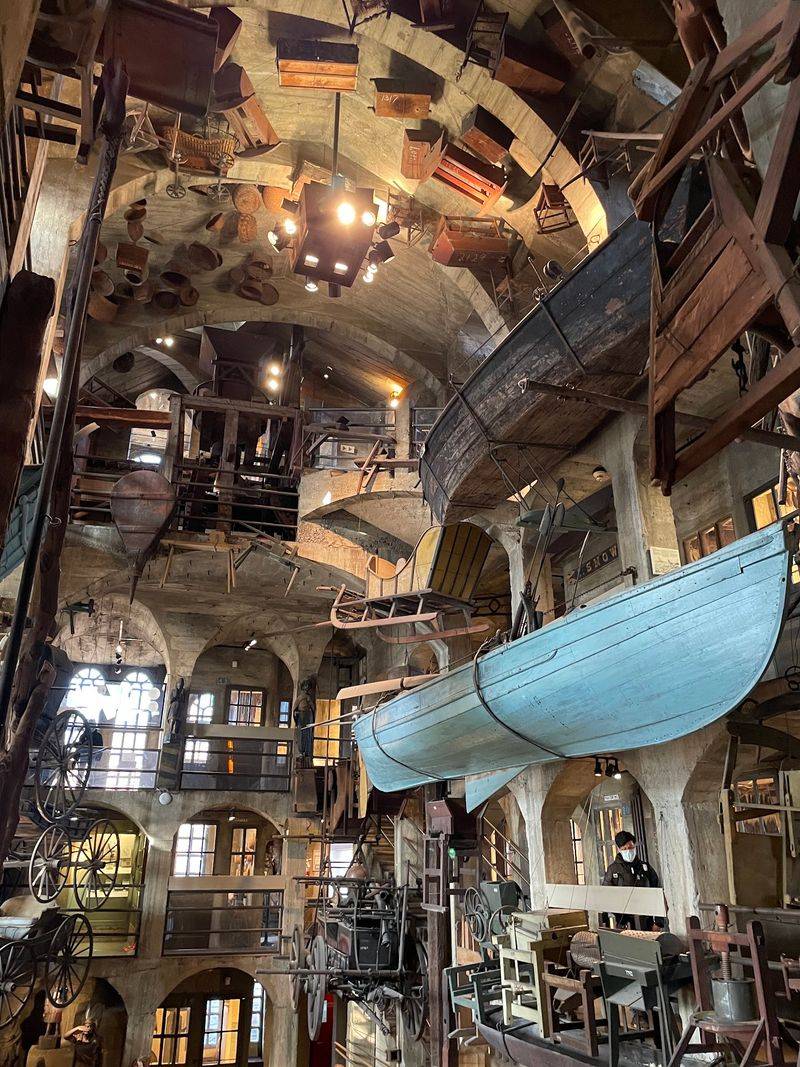
Step inside the Great Hall, and your eyes may not know where to land first.
Objects sit beside you, hang above you, and fill balconies that climb toward the ceiling.
The room was made to impress, but it also works like a giant classroom.
Instead of reading about old trades only from a book, visitors can see the tools, wagons, and household items people once used every day.
The height of the hall makes small objects feel part of a much bigger story.
Give yourself a few quiet minutes here before rushing to the next level.
Look high, low, and across the open space.
Many guests say this first view is breathtaking, and it is easy to understand why.
The museum does not simply display history.
It surrounds you with it.
3. Six Stories Packed With Everyday American Life
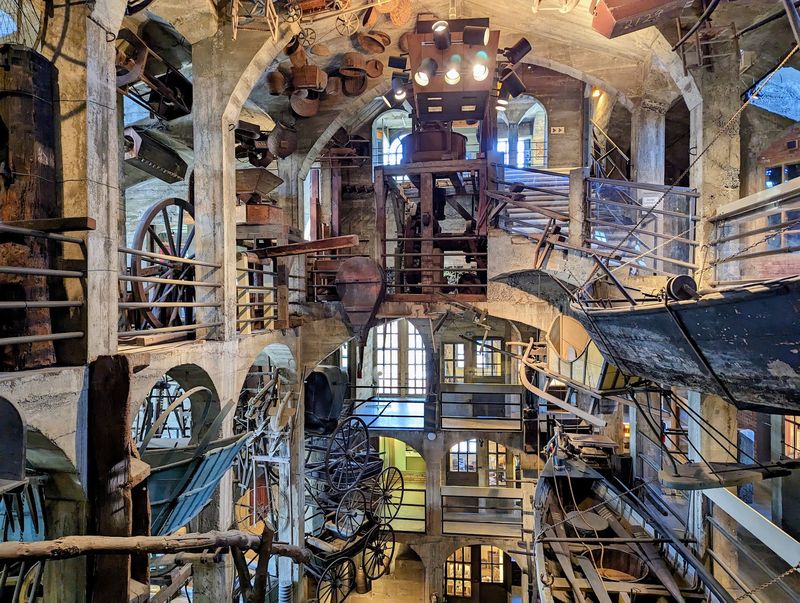
A visit here feels a little like exploring a giant attic owned by someone who saved everything for a reason.
Across the museum levels, visitors find items tied to farming, cooking, weaving, building, printing, and travel.
The collection focuses on life before factories changed how many things were made.
That means hand tools, household equipment, and trade objects get special attention.
A butter churn or washing tool may look simple, but it can show how much work daily life once required.
Wear comfortable shoes, because there is plenty to see from floor to floor.
Some visitors spend two hours, while others could happily stay longer.
The best trick is to slow down and pick a few areas that catch your interest.
Trying to see everything at once can feel like counting stars.
4. Henry Mercer Saved What Others Threw Away
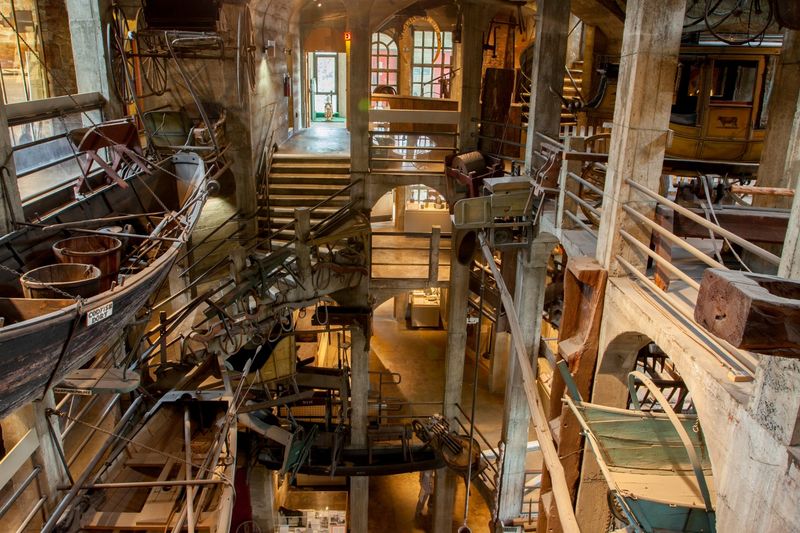
Henry Mercer had a collector’s eye long before many people understood what he was doing.
As machines became common, he worried that handmade tools and older ways of working would vanish.
Many objects he gathered may have looked like junk to others.
To Mercer, they were clues about how families, craftspeople, farmers, and shopkeepers built their lives.
His collecting turned ordinary things into a record of skill, labor, and change.
Knowing his purpose makes the museum easier to enjoy.
You are not just looking at old stuff.
You are seeing a rescue mission from the Industrial Age.
When you notice a worn handle or a repaired tool, imagine the hands that used it.
Mercer’s idea was simple but powerful: everyday objects deserve to be remembered.
5. Tools of Old Trades Tell Big Stories
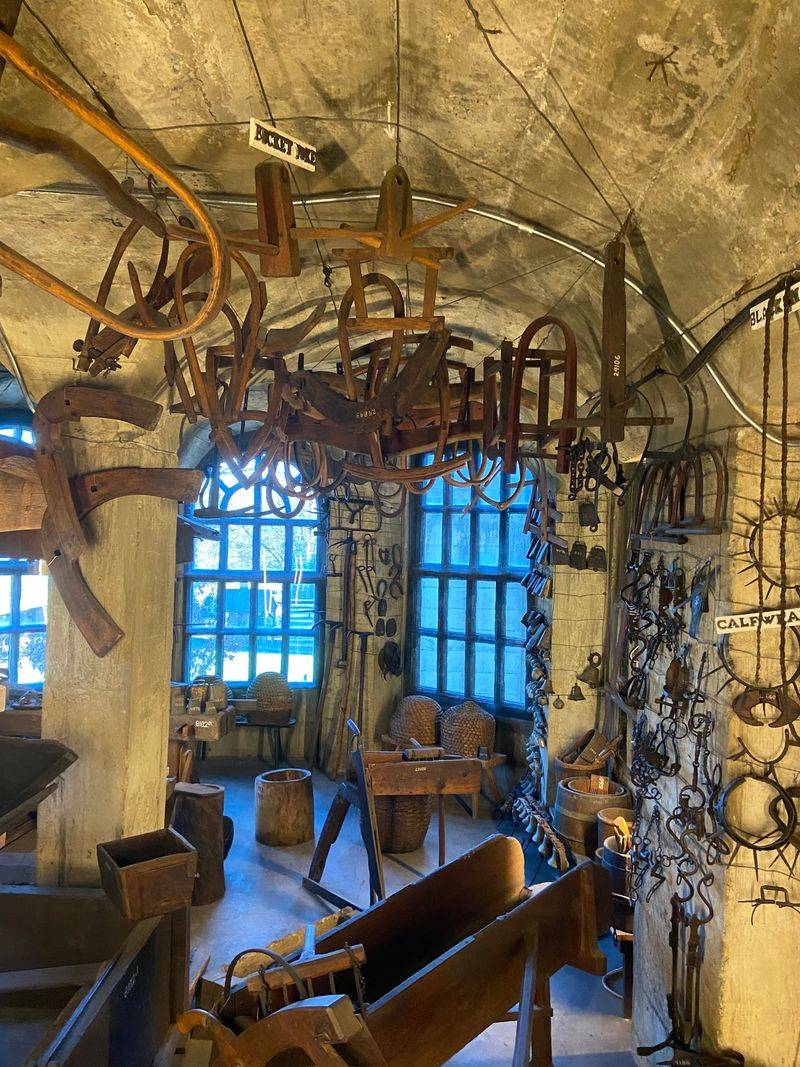
A saw, hammer, plane, or awl may seem ordinary, but at Mercer Museum these tools become storytellers.
Display after display shows how people made shoes, barrels, furniture, metal goods, and farm equipment by hand.
The museum groups many artifacts by trade, which helps visitors connect the dots.
You can compare tools used by different workers and see how each job needed patience and practice.
Signs explain many items, so even a visitor with no tool knowledge can follow along.
Parents can turn this section into a simple game for kids.
Ask them to guess what a tool did before reading the label.
Adults may enjoy spotting early versions of objects still used today.
By the end, modern convenience feels a bit more amazing, because these displays show how much effort once stood behind every finished item.
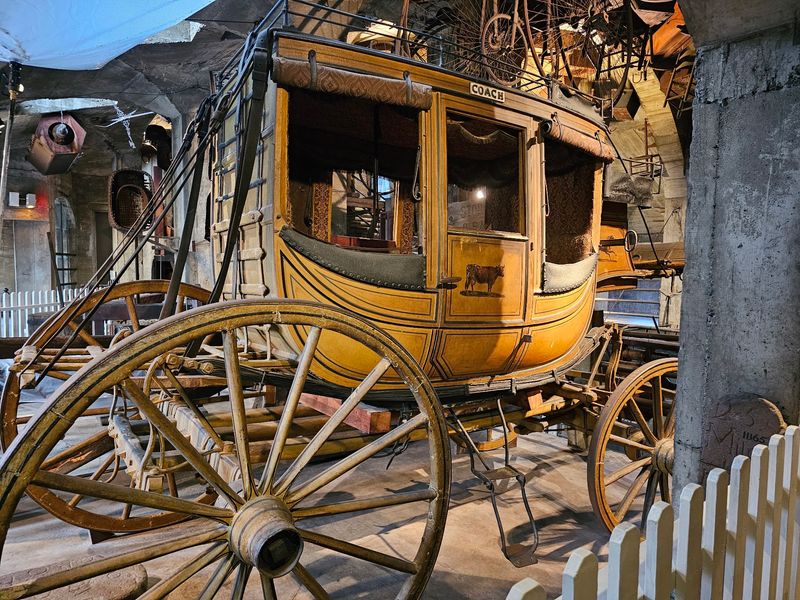
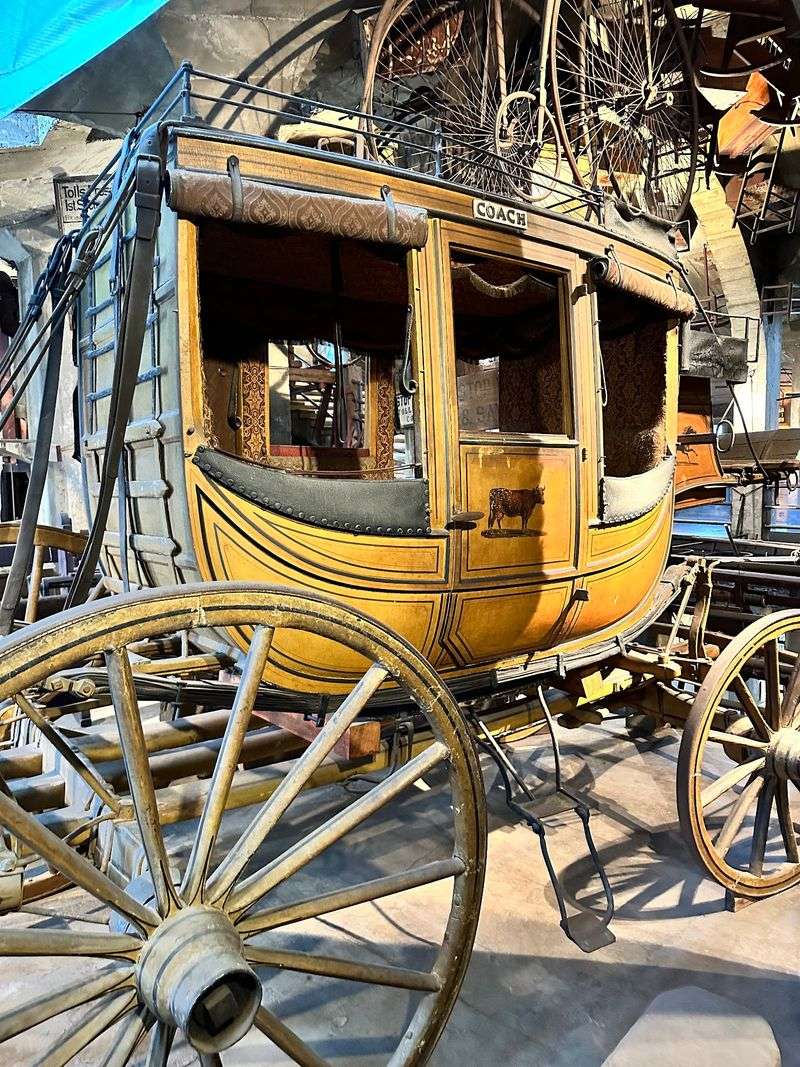
6. Wagons and Vehicles Hang Where You Least Expect Them
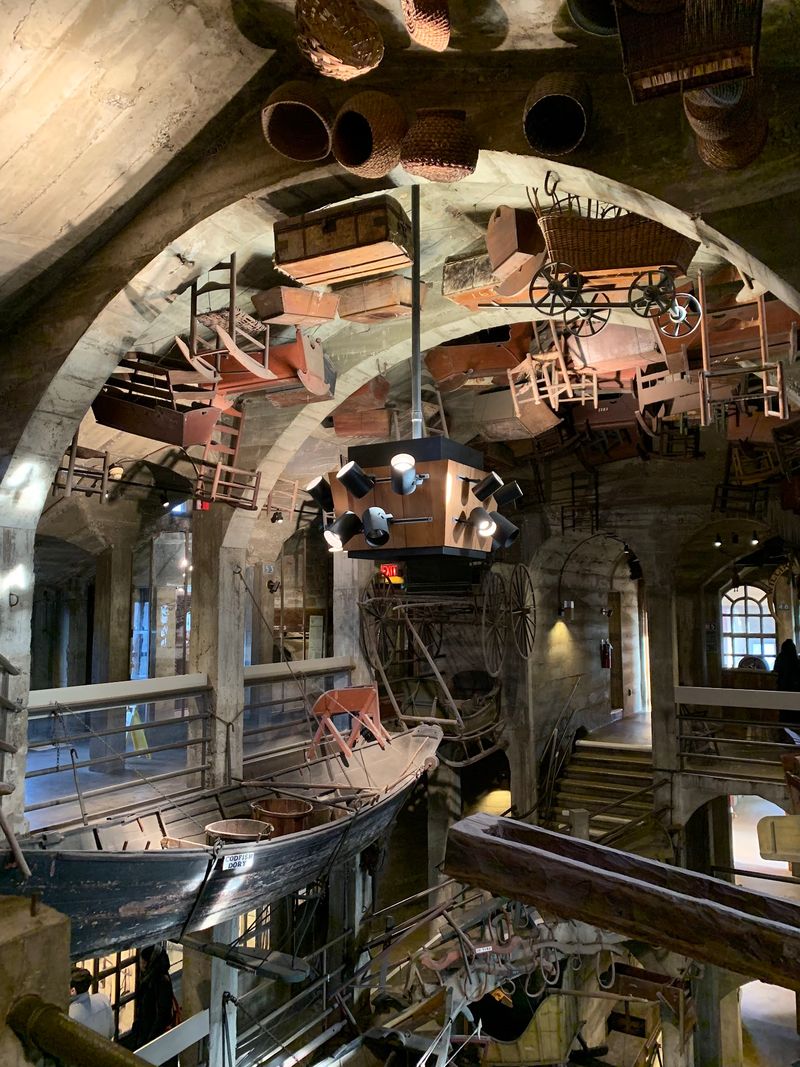
Few museums make visitors grin by placing large vehicles high above their heads.
At Mercer Museum, wagons, boats, and other big objects appear in surprising spots, adding drama to the already unusual space.
The placement feels playful, but it also shows how creative Mercer was as a museum builder.
He wanted the collection to fit inside a vertical concrete home, so large pieces became part of the building’s visual puzzle.
Looking upward is just as important as checking cases at eye level.
Take your time in open areas and scan the upper floors.
Kids often love hunting for the biggest objects, while adults wonder how everything was moved into place.
The displays remind visitors that transportation once depended on muscle, animals, wheels, and clever design rather than engines everywhere.
7. A Scavenger Hunt Makes the Castle More Playful
With so many things packed into one building, a scavenger hunt can turn the museum into a friendly challenge.
Instead of feeling overwhelmed, visitors get a reason to look carefully at corners, labels, and odd objects.
Families often find that children stay more engaged when they have something specific to search for.
A strange tool, an animal shape, a wagon, or a household item can become a prize in the hunt.
The museum’s busy layout makes the game feel natural, not forced.
If you are visiting with kids, ask at the welcome area about family activities or current hands-on options.
You can also create your own list before you go.
Include easy finds and a few tricky ones.
By the end, children may remember the museum not as a quiet building, but as a castle full of clues.
8. The Doan Gang Exhibit Adds Revolutionary Drama
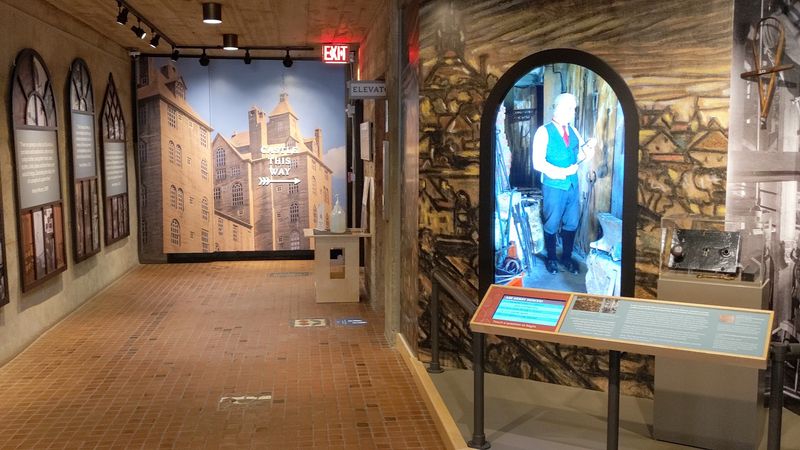
History gets a little wild when the Doan Gang enters the story.
This special exhibition explores Revolutionary-era outlaws from Bucks County, adding mystery, conflict, and local drama to a museum already full of surprises.
Visitors have praised the exhibit for its careful displays, lighting, music, and interactive details.
It shows that history is not only about famous leaders and big battles.
Local stories about loyalty, crime, fear, and survival can help explain how complicated the American Revolution felt to people living through it.
Check the museum’s website before your visit to see whether the exhibit is still on view or if another special show has opened.
Temporary exhibits can change the mood of a trip and give repeat visitors something new.
For history fans, these changing galleries are a strong reason to come back.
9. Kids Can Find Hands-On Fun Among the Old Stuff
Old tools may not sound exciting to every child at first, but Mercer Museum works hard to keep younger visitors curious.
Kid-focused spaces and interactive features give families a break from only looking and reading.
Hands-on areas help children connect with the past in a way that feels active.
They might pretend, match objects, explore animal themes, or notice how different daily chores used to be.
Even simple activities can make history feel less distant.
For the best visit, mix quiet looking with movement.
Climb a level, stop for an activity, then search for something funny or strange nearby.
Adults should not be afraid to act curious too.
When children see grown-ups wondering aloud about a tool or wagon, they often join in.
The museum becomes less like a lesson and more like shared discovery.
10. Practical Planning Helps You Enjoy Every Floor
A smooth trip starts with a few simple details.
Mercer Museum is located at 84 S Pine St in Doylestown, and it is usually open from 10 AM to 5 PM Tuesday through Sunday, with Monday closed.
Because hours, tickets, elevators, and special exhibits can change, check the official website before leaving home.
Buying tickets ahead can help on weekends, holidays, or busy event days.
Reviews also mention free parking, which makes the visit easier for families and day trippers.
The historic castle section may feel warm or cool depending on the weather, since older parts are not fully climate-controlled.
Dress in layers and wear shoes made for stairs and standing.
If accessibility is important, call ahead at +1 215-345-0210 for the latest elevator and route information.
11. Every Nook Rewards Slow Looking
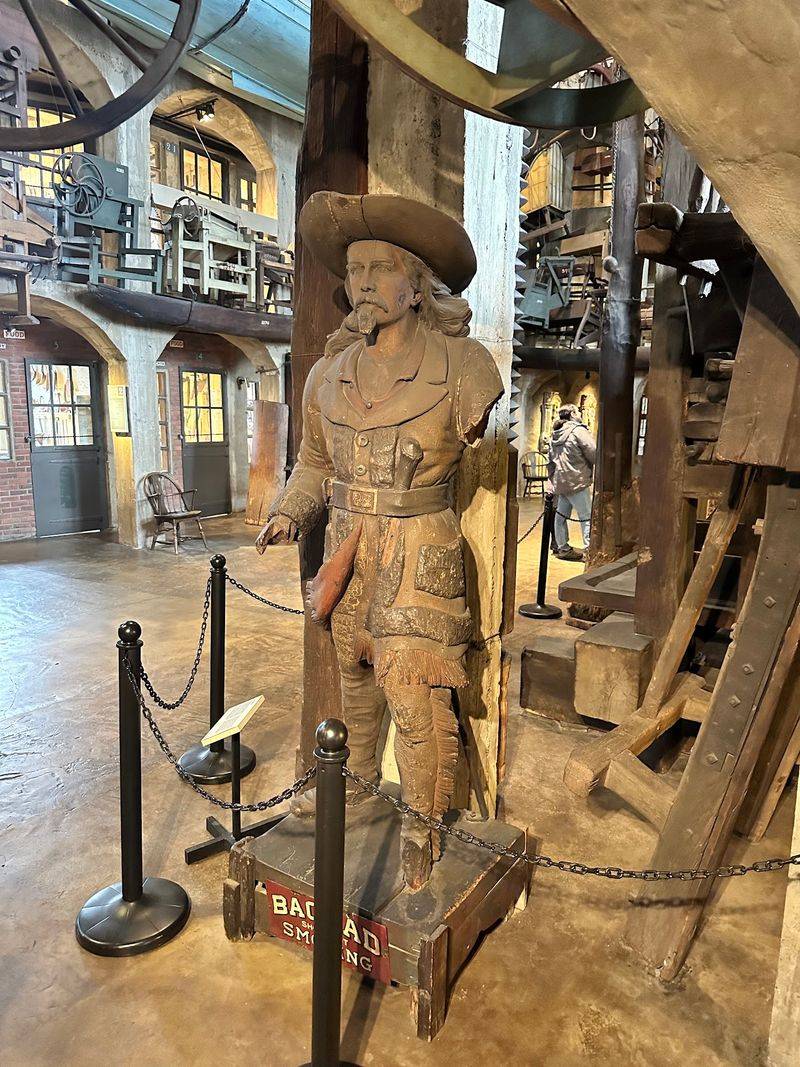
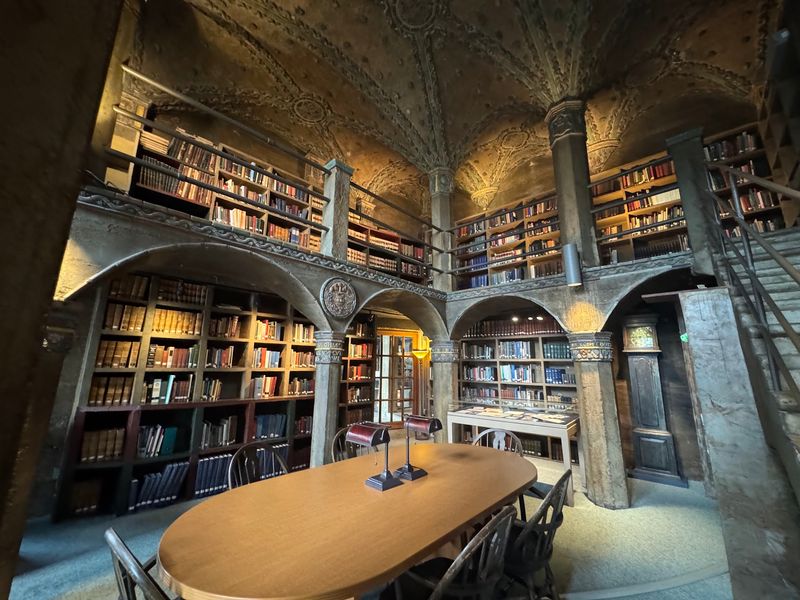
Some places are best seen quickly, but Mercer Museum rewards the person who lingers.
Around a stair turn or tucked beside a balcony, another case or odd object often appears.
The layout feels like a maze in the best way.
Floors connect through changing views, and the open central court lets you spot displays from different angles.
A tool you missed from below may suddenly stand out when seen from above.
Give yourself permission not to rush.
Read a few labels fully instead of skimming every sign.
Choose one object and ask what problem it solved, who used it, and why it mattered.
That simple habit turns a crowded museum into a set of small human stories.
You may leave tired, but it is the good kind of tired that comes from real exploring.
12. Doylestown Makes the Museum a Full Day Trip
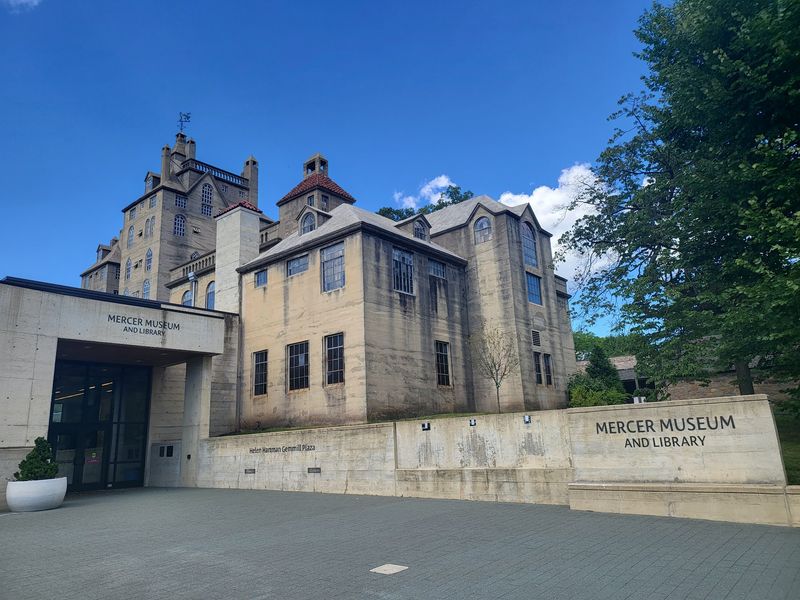
The museum is the main event, but Doylestown adds extra charm to the outing.
Its walkable streets, local shops, and historic feel make the area a pleasant place to spend more than just an hour.
Many visitors pair the museum with lunch nearby or other cultural stops in town.
Staying close to the museum keeps the day relaxed, especially if you are traveling with children or older family members.
After several floors of artifacts, a snack break can feel well earned.
Plan at least two hours for the museum itself, and more if you enjoy reading labels or visiting special exhibits.
Check ticket times, parking, and weather before you go.
With its castle shape, huge collection, and friendly Bucks County setting, Mercer Museum turns a simple Pennsylvania outing into a story you will likely retell.
Share this story