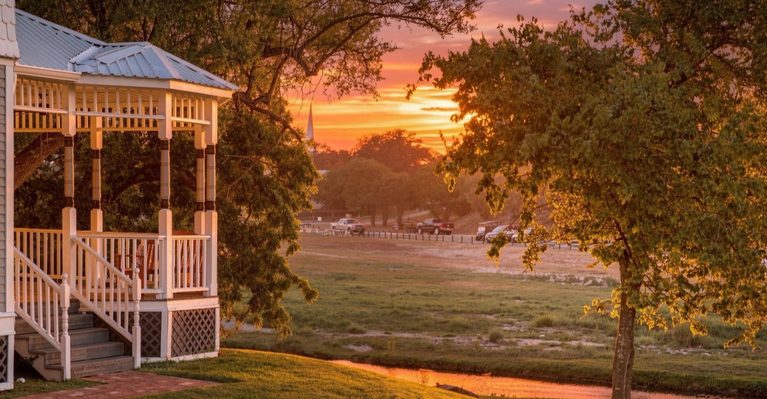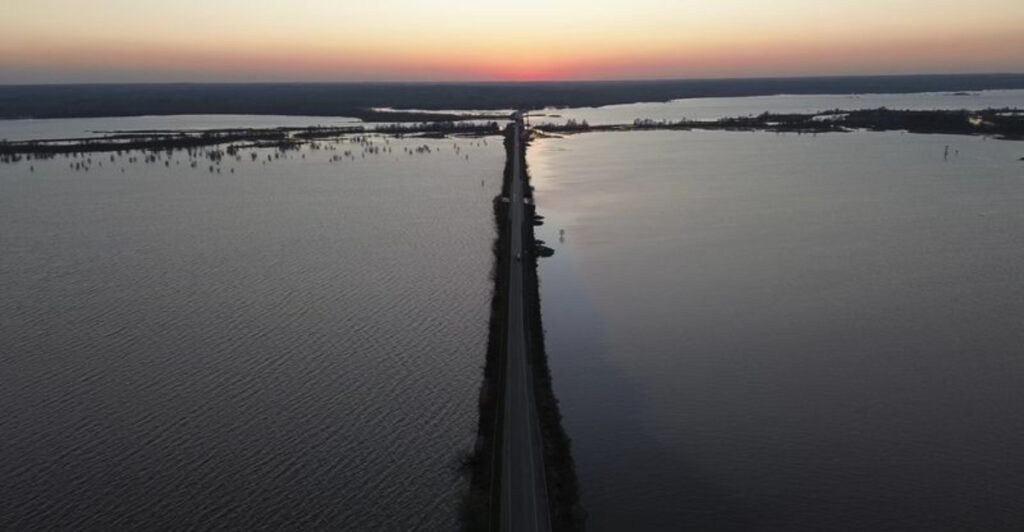
Nestled in the piney woods near Jasper, Martin Dies, Jr. State Park sits along the B.A. Steinhagen Lake like a secret waiting to be discovered. This 705-acre wonderland mixes cypress-studded bayous with thick pine forests, creating the kind of scenery that makes you want to grab a paddle and explore every winding channel.
Whether you’re threading through Spanish moss-draped waterways or hiking trails that wind past swampy sanctuaries, this East Texas gem delivers outdoor adventure without the crowds you’d find at bigger parks.
1. Kayaking Through Cypress-Lined Waterways
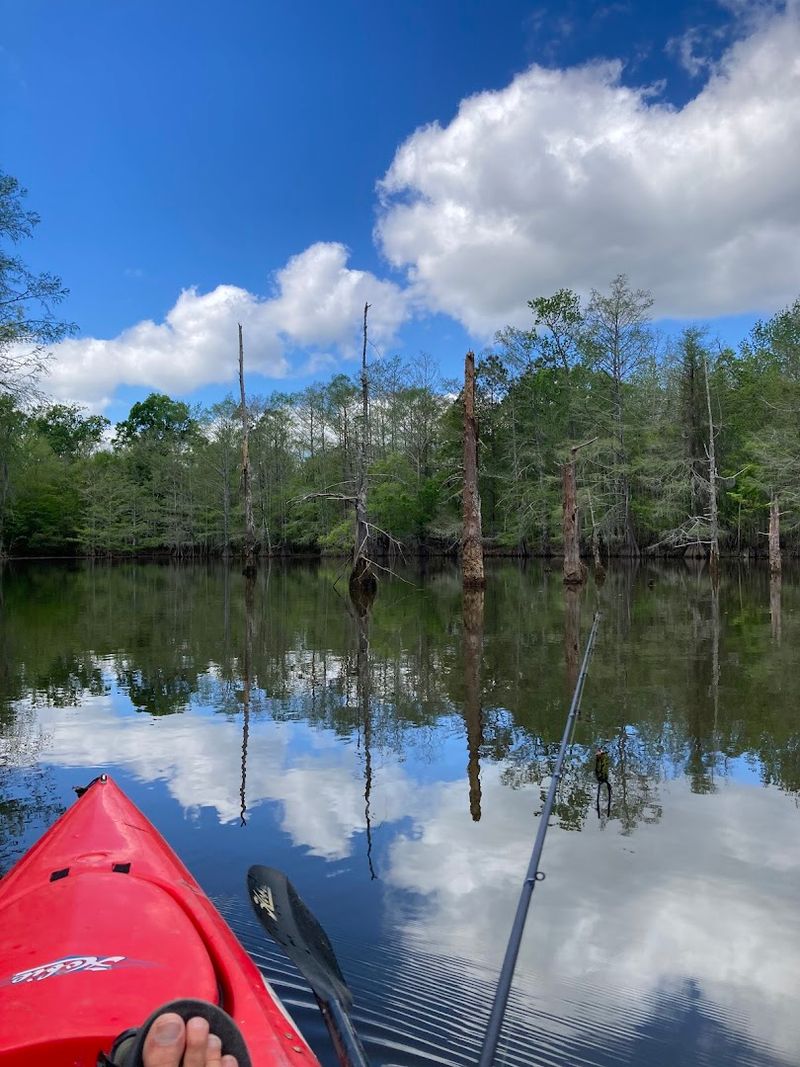
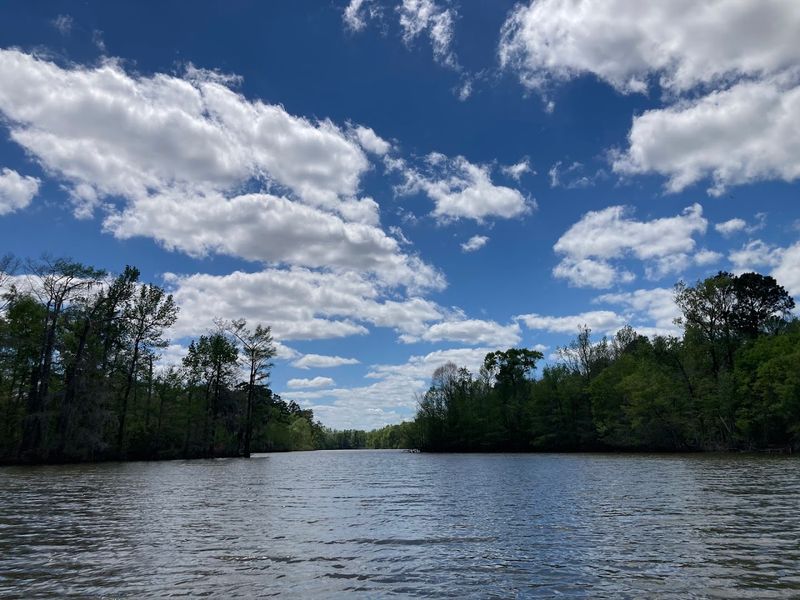
The waterways here aren’t your typical lake paddling experience. You’ll navigate through channels where ancient cypress trees rise from the water, their knobby knees creating a landscape that feels almost prehistoric. Spanish moss drapes from branches overhead, and the stillness gets broken only by bird calls and the occasional splash of a jumping fish.
Free monthly guided canoe tours happen regularly, led by park staff who know every twist and turn of these bayous. If you don’t own your own boat, rentals are available right at the park. Just remember to wear your life jacket—park police actually enforce this rule, and nobody wants a ticket to ruin their day on the water.
Alligators call these waters home, and you might spot some big ones exceeding ten feet in length. They generally keep to themselves, but staying alert adds a thrilling edge to your paddle. The unique swampy ecosystem creates countless photo opportunities, especially when morning light filters through the moss-covered canopy.
Water levels can fluctuate with rainfall, sometimes flooding lower trails but opening up new paddling routes. The park’s location on the Neches River system means current can vary, so check conditions before heading out for your aquatic adventure.
2. Fourteen Miles of Diverse Hiking Trails
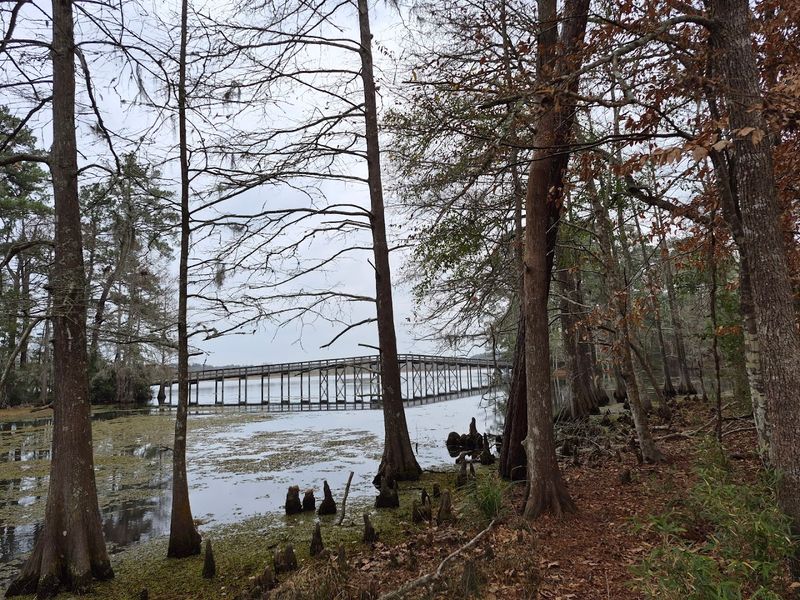
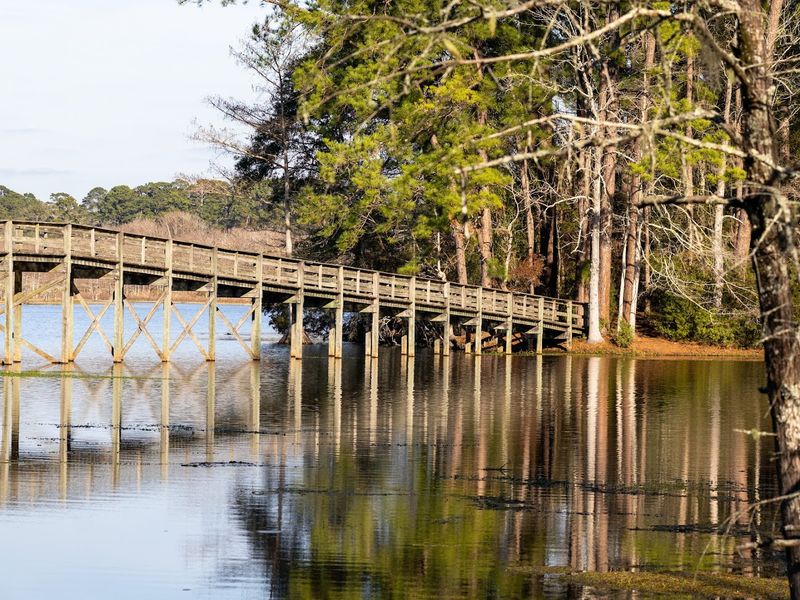
Trail networks crisscross both park units, offering everything from easy strolls to longer treks through varied terrain. Sandy Creek Trail, Slough Trail, and Forest Trail each showcase different ecosystems within the same park. You’ll move from thick pine forests into wetland areas where boardwalks (some recently replaced) keep your boots dry over swampy sections.
Some trails feature viewing decks overlooking the water, perfect spots to rest and watch for wildlife. Eagles have been spotted from these vantage points, along with countless bird species that make this area their home. The trails are generally well-maintained, though recent reviews mention ongoing improvements including bridge replacements.
Trail markers exist, though some hikers note they could be clearer in certain sections. Bring a park map from headquarters to avoid confusion at intersections. The terrain stays relatively flat, making most routes accessible for families, though roots and occasional muddy patches require watching your footing.
Bug spray isn’t optional here—it’s survival gear. Mosquitoes and tiny ticks thrive in the humid environment, especially during warmer months. Apply repellent liberally and check yourself (and your dog) thoroughly after hiking.
Despite the bugs, the shade from towering trees keeps temperatures bearable even on hot Texas days.
3. Spacious Campsites With Old-Growth Charm
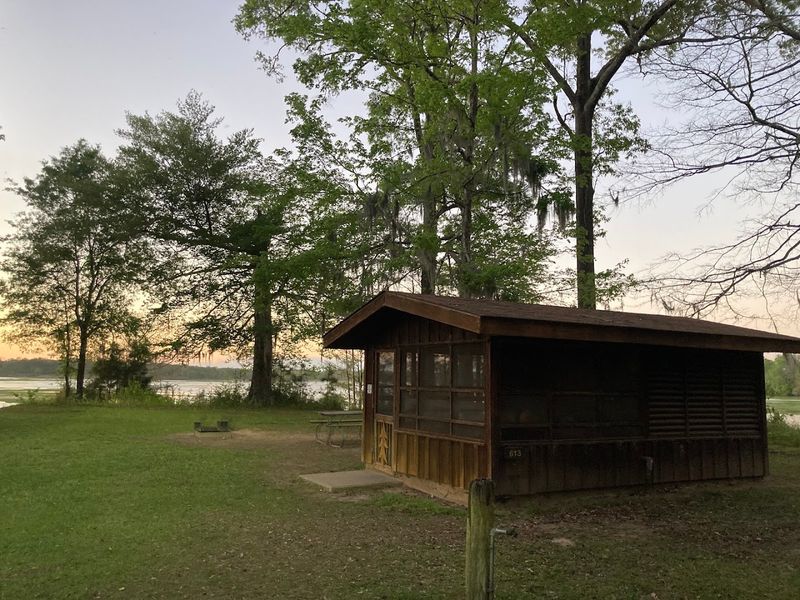
Campsites here feel genuinely separated from neighbors, with thick vegetation creating natural privacy screens between spots. Both tent and RV sites offer generous space, and many come with those quirky enclosed shelters—small brown buildings that provide rain protection for cooking or even sleeping if you prefer a roof overhead.
Electric and water hookups serve RV campers at designated sites, with 50, 30, and 20-amp service available. Water pressure runs a bit low according to some visitors, but it’s functional. Dump stations exist in both park units, though their placement means you might drive through loops twice depending on your site location.
The park doesn’t provide trash cans at individual sites. You’ll haul your garbage to centralized dumpsters, which could mean a half-mile drive from certain campsites. This setup keeps animals away from sleeping areas but requires planning.
Park hosts stay on-site and typically stock firewood for purchase.
Bathhouses show their age with older fixtures and somewhat cramped layouts, but most visitors report them as clean and adequately stocked. Hot showers are available, though some shower heads have pressure issues. Cell service through Verizon gets about four bars in most areas, keeping you connected if needed during your stay.
4. Abundant Wildlife Viewing Opportunities
Bird watchers pack their binoculars for good reason at this park. Bald eagles nest in the area, and lucky visitors spot them soaring overhead or perched on islands visible from hiking trails and campsites. The mix of wetlands and forest creates habitat for dozens of species, providing a constant soundtrack of chirps, calls, and wing beats.
Alligators represent the most dramatic wildlife encounters here. These prehistoric reptiles sun themselves along shorelines and glide through channels, sometimes approaching kayaks closely enough to make your heart race. They’re generally not aggressive toward humans, but respecting their space is non-negotiable.
Never feed them or let pets near the water’s edge.
White-tailed deer browse through campsites at dawn and dusk, barely bothered by human presence. Raccoons, armadillos, and various turtle species also call the park home. The sanctuary areas offer especially quiet spots for patient observers willing to sit still and watch nature unfold.
Fishing enthusiasts report good catches throughout the lake and bayou system, with bass being particularly popular targets. Alligators occasionally investigate fishing lines but rarely cause problems. A fish cleaning station near the boat ramp provides convenient processing space.
The diversity of ecosystems—from open water to dense swamp—supports an impressive variety of aquatic and terrestrial creatures.
5. Two-Lane Boat Ramp Access
Boaters appreciate the well-maintained two-lane ramp that provides easy access to B.A. Steinhagen Lake. The concrete ramp handles various vessel sizes, from small fishing boats to larger recreational craft.
Trailer parking sits adjacent to the launch area, though space can fill up on busy weekends during peak fishing seasons.
The lake itself stretches across thousands of acres, offering plenty of room for different activities. Anglers target bass, catfish, and crappie in waters that stay productive year-round. Water skiers and pleasure boaters share the main lake areas, while kayakers and canoeists prefer the quieter bayou channels branching off the main body.
A fish cleaning station near the ramp lets you process your catch before heading home. Running water and cleaning tables make the task easier, and proper disposal areas keep the site clean. Park rules prohibit certain activities, and park police patrol regularly to ensure compliance with regulations.
The road leading to canoe storage areas gets rough according to some reviews, so take it slow if you’re towing a trailer. Water levels can affect ramp usability during extreme drought or flood conditions. Check current lake levels before making a special trip if you’re bringing your own boat for a specific fishing or recreation plan.
6. Budget-Friendly Day Use Areas
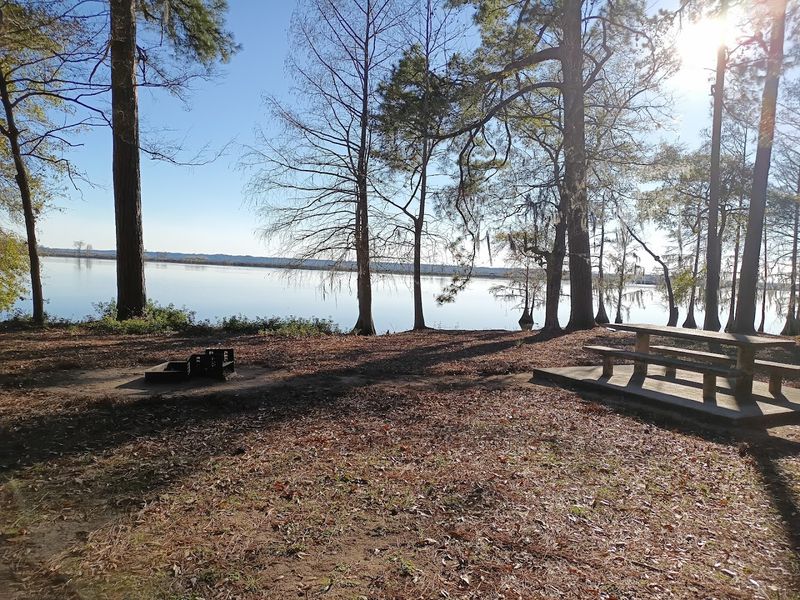
Entry fees stay remarkably affordable at just four dollars per person for day use. That price tag gets you access to trails, picnic areas, wildlife viewing spots, and lake access for an entire day. Multiple picnic areas exist in both the Walnut Ridge and Hen House units, many featuring tables, grills, and scenic water views.
Swings hang in several locations throughout the park, offering relaxing spots to enjoy the breeze and watch the water. These simple amenities prove surprisingly popular with families and couples looking for peaceful moments. The park provides numerous viewing platforms and observation points where you can scan for birds, gators, or just soak in the scenery.
A small nature center and gift shop operate at park headquarters, though hours can be limited. The gift shop carries basic supplies and souvenirs, but don’t count on it for camping essentials. Stock up in Jasper before arriving if you need specific items.
No entrance gates restrict access, making the park feel open and welcoming. Park rangers and police patrol regularly, maintaining a safe environment without creating a heavy security presence. The combination of low cost and high-quality natural features makes this an exceptional value for families seeking outdoor recreation without breaking the bank.
7. Scenic Drive Through Piney Woods
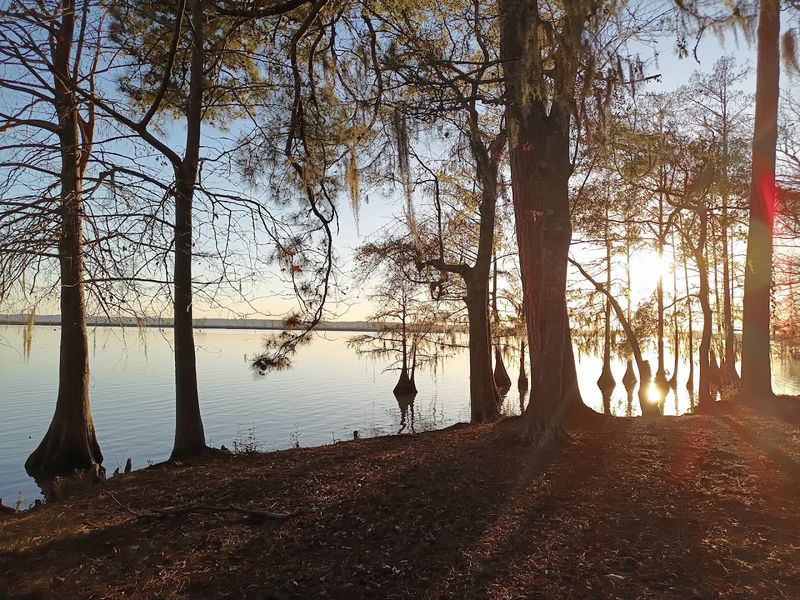
Getting to the park becomes part of the adventure, especially if you approach through New Waverly during spring. Wildflowers blanket the roadsides in brilliant colors, creating a Texas Hill Country-style display in East Texas. The drive through towering pines and past small towns gives you a taste of the region’s character before you even arrive.
Once inside the park, roads wind through 705 acres of mixed forest and wetland. Massive oak, cypress, and magnolia trees tower overhead, many draped with Spanish moss that sways in the breeze. The canopy provides welcome shade during summer months, keeping interior roads cooler than surrounding highways.
Highway 190 splits the park into two units—Walnut Ridge and Hen House—with headquarters located on the south side. First-time visitors sometimes get confused by this layout, so pay attention after checking in. Site numbers in the 500s sit on the opposite side from lower-numbered sites, potentially adding unexpected driving if you’re not prepared.
Bridge repairs and road maintenance occasionally create brief traffic delays. Recent reviews mention work being done to replace aging infrastructure, including hiking trail bridges. These improvements will enhance the park long-term, though they might cause minor inconveniences during construction.
The scenic beauty visible from park roads makes any short delays worthwhile.
8. Well-Maintained Facilities Despite Age
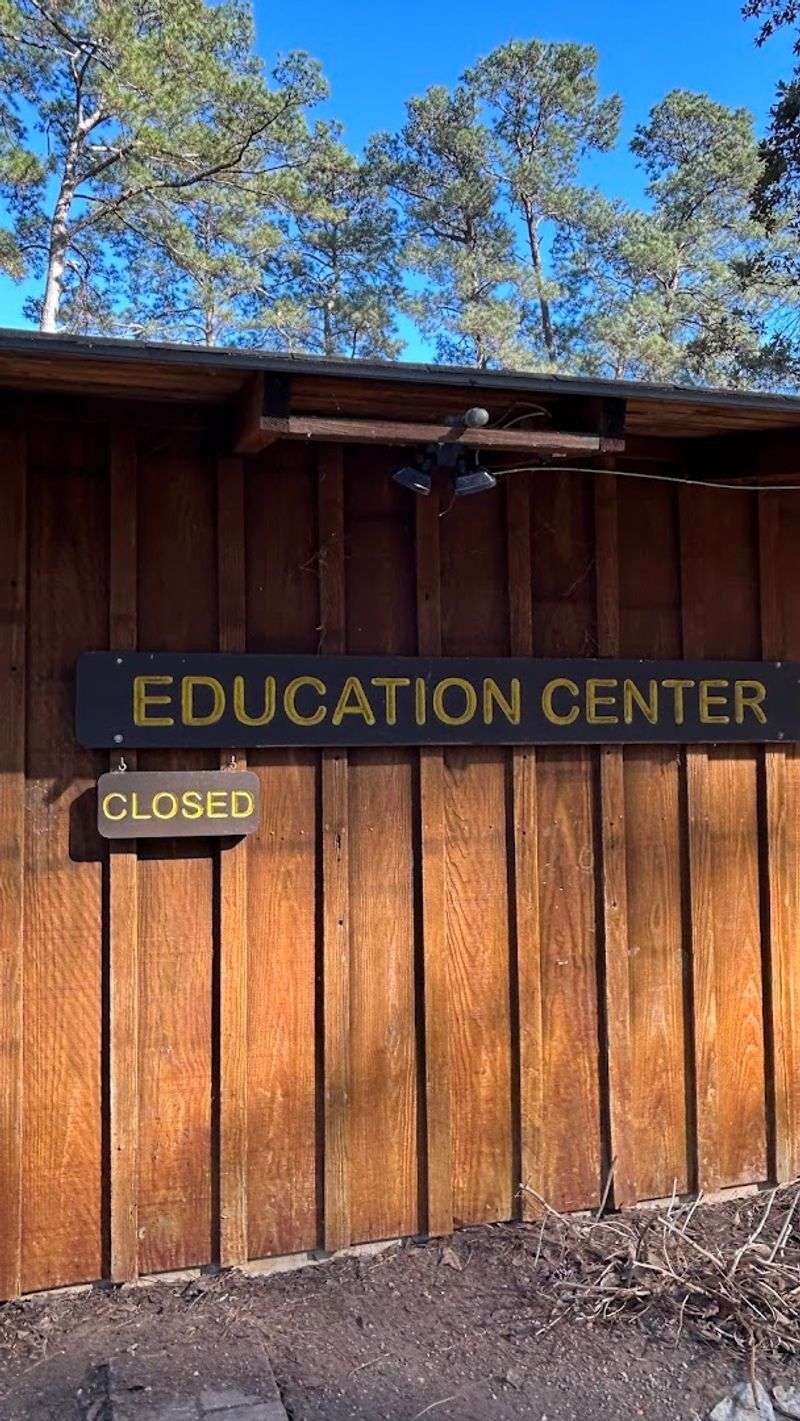
Honesty requires acknowledging that some facilities show their years. Bathhouses feature older fixtures and somewhat cramped layouts, with ventilation issues reported in certain buildings. Paint jobs appear recent in some areas, though execution isn’t always professional-grade.
Shower curtains provide privacy rather than doors, and benches sit outside the curtain area requiring some planning.
Despite cosmetic age, most visitors report bathrooms as clean and well-stocked with essentials. Hot water flows reliably for showers, even if some shower heads have clogged nozzles affecting pressure. Floor drains occasionally struggle with drainage, but staff works to address maintenance issues as they arise.
Park headquarters houses a small office and gift shop, both modest in size but functional. Staff members consistently receive praise for friendliness and helpfulness, making check-in smooth and answering questions thoroughly. Rangers make regular rounds, maintaining visible presence without being intrusive.
Ongoing renovations have closed portions of camping areas temporarily, but improvements will benefit future visitors. Bridge replacements on hiking trails, road repairs, and facility upgrades show investment in the park’s future. Some reviewers express concern about funding levels and management priorities, but the natural beauty remains the star attraction regardless of building age.
The park delivers where it matters most—providing access to gorgeous East Texas wilderness.
9. Perfect Escape From Houston
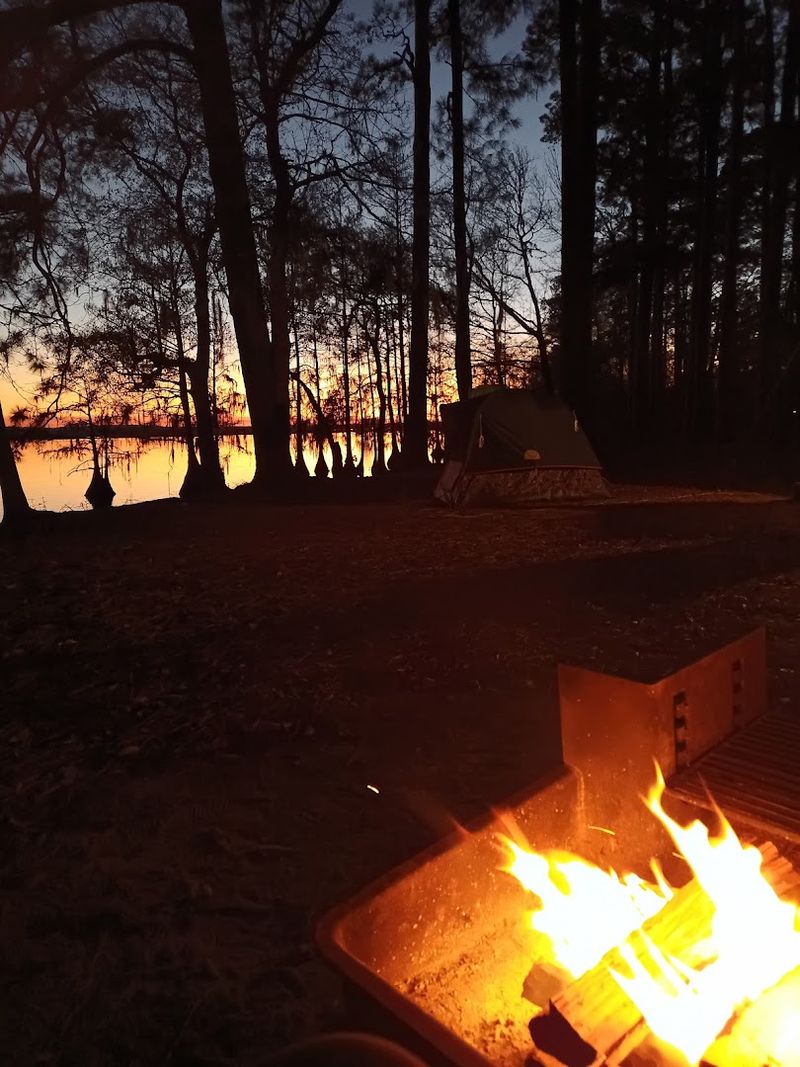
Houston residents looking for a weekend getaway find this park just far enough to feel remote but close enough for easy weekend trips. The drive takes a few hours, but the payoff comes in genuine solitude and natural beauty. Unlike more popular parks closer to major cities, Martin Dies rarely feels crowded even during peak seasons.
The park’s location near Jasper puts you in authentic East Texas territory. Towering pines replace coastal prairies, and humidity hangs thick in the air. The town itself is small and quiet, offering basic services like grocery stores and gas stations.
Expectations should match the rural setting—this isn’t a resort destination but a nature escape.
Cell service remains adequate for emergencies and basic connectivity, but over-the-air TV reception struggles in many camping areas. Trees block satellite signals at some sites while leaving others open. This digital disconnect becomes a feature rather than a bug for visitors seeking to unplug from daily routines.
Booking online through the Texas Parks and Wildlife website proves straightforward, and purchasing a Texas State Parks Pass at arrival can save money on entry fees. The park honors these passes for your stay, potentially offering discounts. Whether you’re paddling the bayous, hiking the trails, or simply relaxing under ancient trees, this tucked-away treasure delivers authentic Texas wilderness without requiring a long-distance road trip.
Share this story