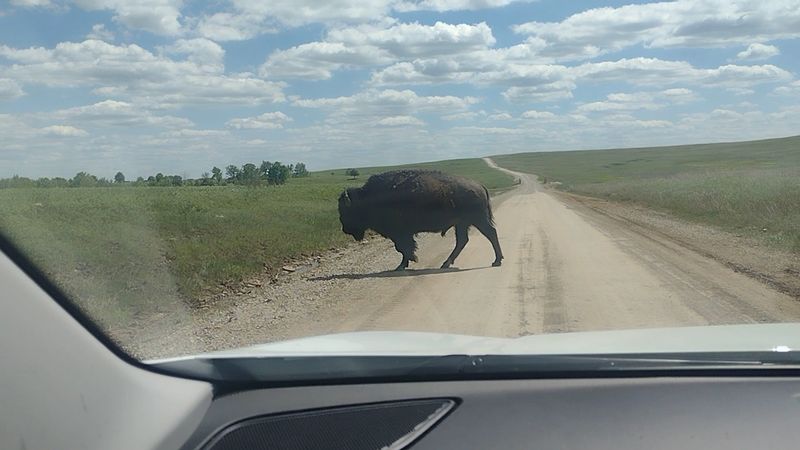
A two-ton animal is standing in the gravel road, and it has no plans to move for you. North of Pawhuska, that happens more often than you might expect.
Wild bison roam across a huge stretch of protected Oklahoma grassland, and you can watch them from the driver’s seat without paying a cent. The herd lives on land that looks much like it did before fences and highways cut up the plains.
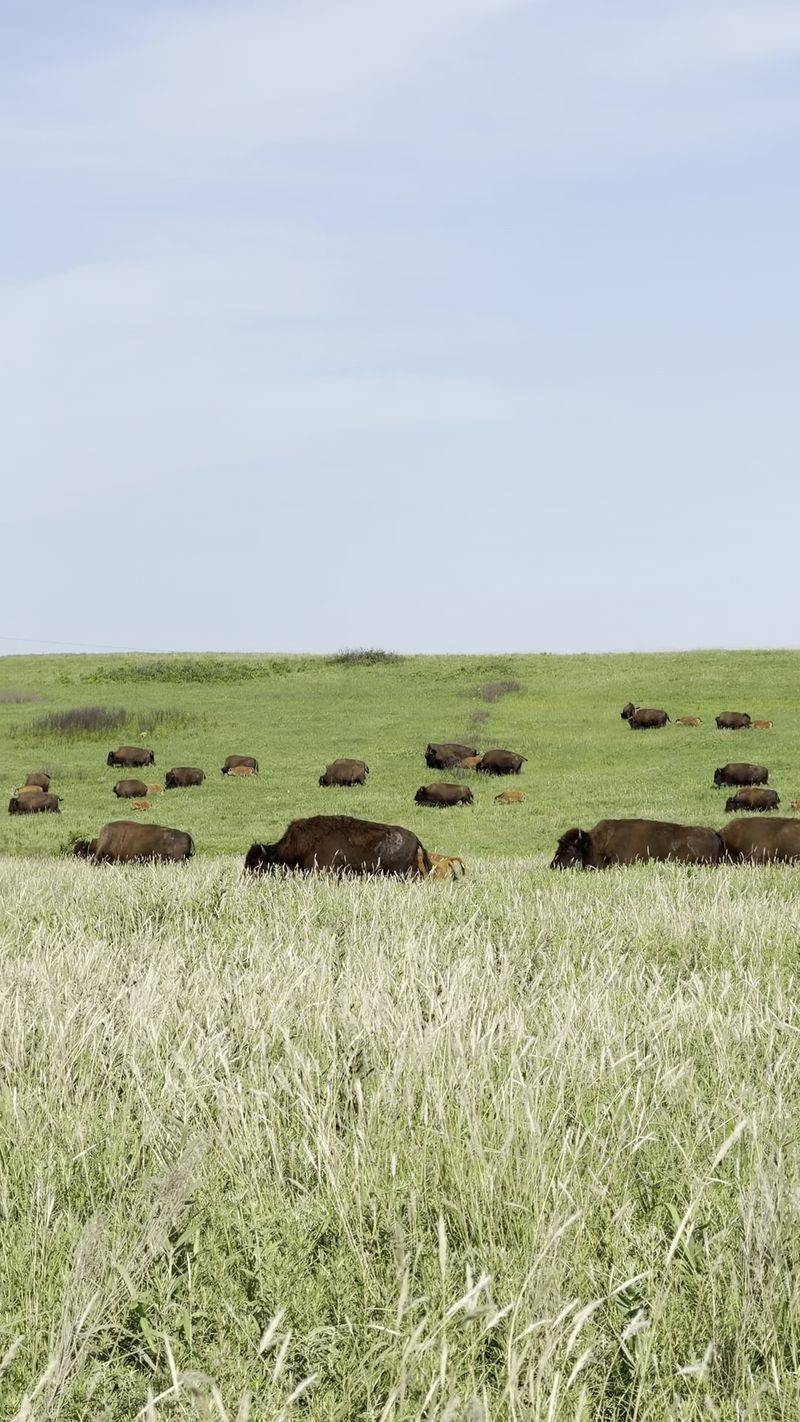
Calves wander near their mothers in spring, deer dart across the road, and hawks circle overhead. Some days the herd strolls right past your bumper, and other days it hides on a far hill.
Keep reading to learn where this place is, how long the drive takes, what to pack, and why your car will need a bath on the way home.
1. Where the Pavement Gives Up and the Prairie Takes Over
The destination is the Joseph H. Williams Tallgrass Prairie Preserve, found at 15316 Co Rd 4201, Pawhuska, OK 74056.
It sits in Osage County in northeastern Oklahoma, in the rolling country known as the Osage Hills.
The preserve is a protected grassland managed by The Nature Conservancy. It covers almost 40,000 acres, which makes it one of the largest open spaces you can reach on a day trip from Tulsa.
Getting there takes a little commitment. Tulsa sits about an hour and a half away by car, and Pawhuska serves as the last real town before the gravel begins.
Once the road turns to gravel, you are officially in bison country. The roads roll over hills with long views in every direction, and other cars can be scarce for long stretches.
Many families plan the whole day around the trip. A full roundtrip from Pawhuska, with stops for photos and the visitor center, can easily take around three hours.
So set the map, top off the tank, and get ready to swap city traffic for a herd that sets its own schedule.
2. A Landscape Saved From the Plow
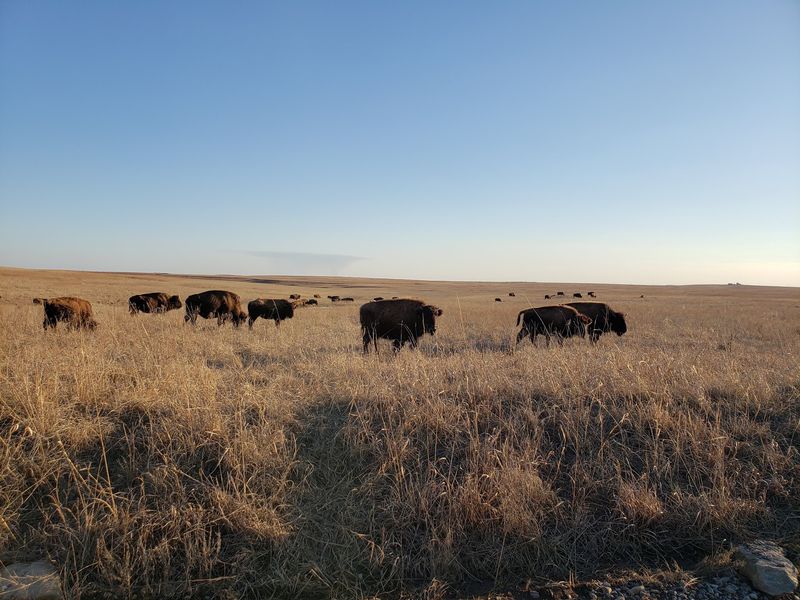
Tallgrass prairie once spread across a huge part of the middle of North America. Today only small pieces of it remain, and this preserve protects one of the biggest.
That is what makes a visit feel special. The land here gives a rare look at the kind of grassland settlers faced when they crossed the plains with only hope about what lay on the other side.
The Nature Conservancy runs the preserve with a focus on conservation. Bison help with that mission, since their grazing shapes the prairie in ways that support many other plants and animals.
The scale is hard to grasp from a map. Plenty of people only understand how big it is after driving across it on the rough roads for an hour or more.
Oklahoma pride runs deep in places like this. Anyone who claims the state is just flat farmland has clearly never crested a hill here and seen grass rolling out for miles.
It is history you can drive through, and the next stop explains how to start the journey the smart way.
3. The Visitor Center and Its Talkative Volunteers
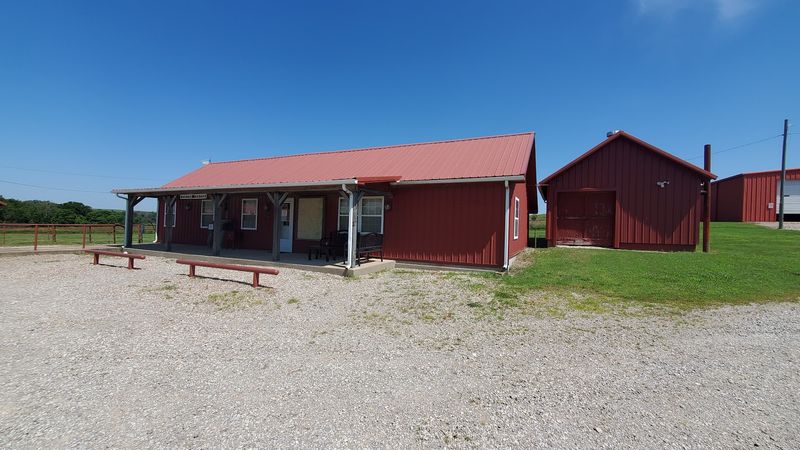
Here is a tip that pays off all day: head to the visitor center first. It sits near the heart of the preserve and serves as the main hub for information.
Volunteers and docents staff the building, and they are known for being friendly and full of facts. They love questions about the bison, the deer, and the rest of the wildlife that calls the prairie home.
These folks often know where the herd has been spotted lately. Some will even point families toward the best spot to find calves that day.
Early arrivals sometimes catch the volunteers just as they get settled. That makes for a relaxed chat before the crowds, though crowds are rarely an issue here anyway.
The center also offers clean restrooms, plus trees and shade that are hard to find elsewhere on the property. Note that the gift shop is no longer open, so don’t plan on souvenir shopping.
Treat this stop as your briefing room. A ten-minute conversation here can turn a long, empty drive into a day full of bison sightings.
4. Fifteen Miles of Bison Loop
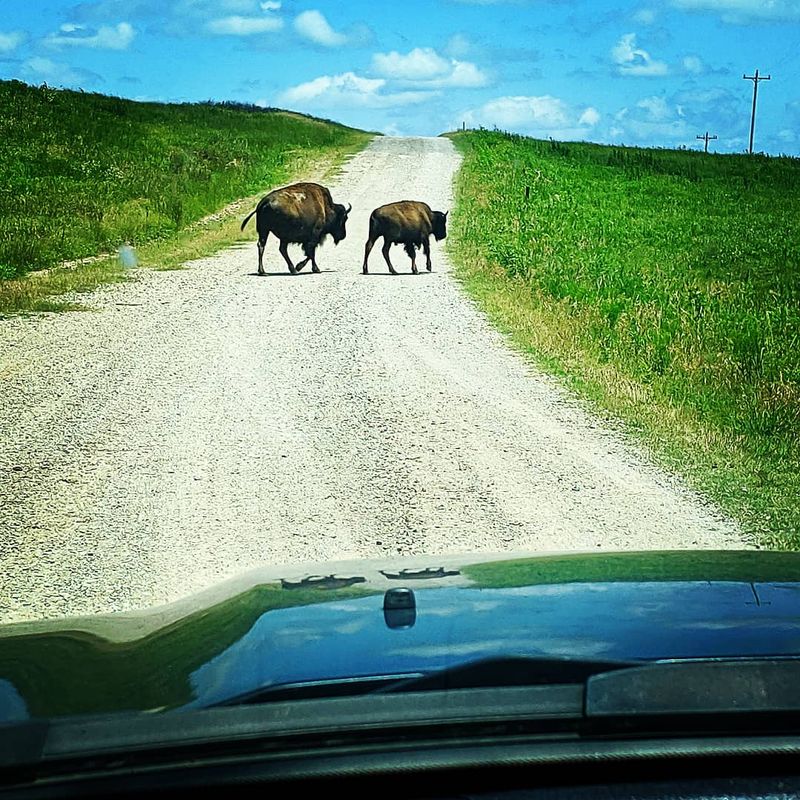
Ask anyone who has been, and the Bison Loop usually wins the prize for best part of the trip. It runs roughly 15 miles through prime grazing land.
The loop gives the best odds of spotting the herd. Bison often graze near the road, and sometimes they wander close enough to stare straight through the glass.
Plan for about an hour on the loop alone if you drive slowly and stop for pictures. Reaching the loop can take another hour if you linger at the views along the way.
Scenic pull-outs break up the drive. Signs at these spots explain some of what you are looking at, which helps kids stay interested between sightings.
Some groups enter from the south and leave through the north. That route turns the visit into a long, wandering tour of the whole property.
Keep the speed slow and the camera ready. Out here, the best moments tend to show up right after you think the road is empty.
5. Eye to Eye With the Herd
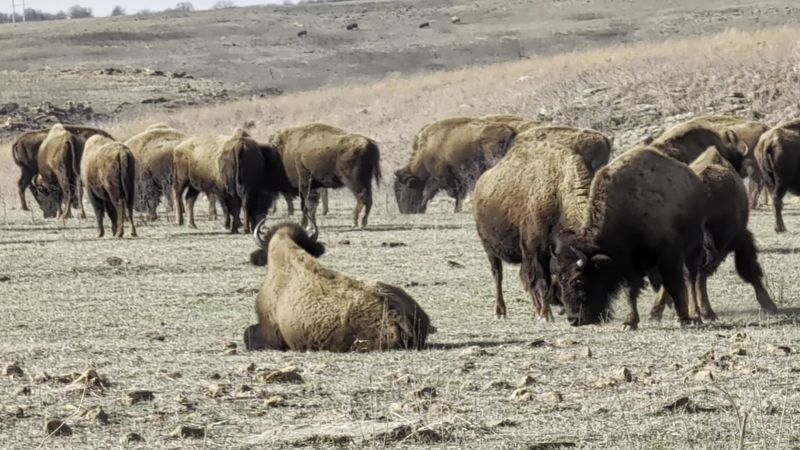
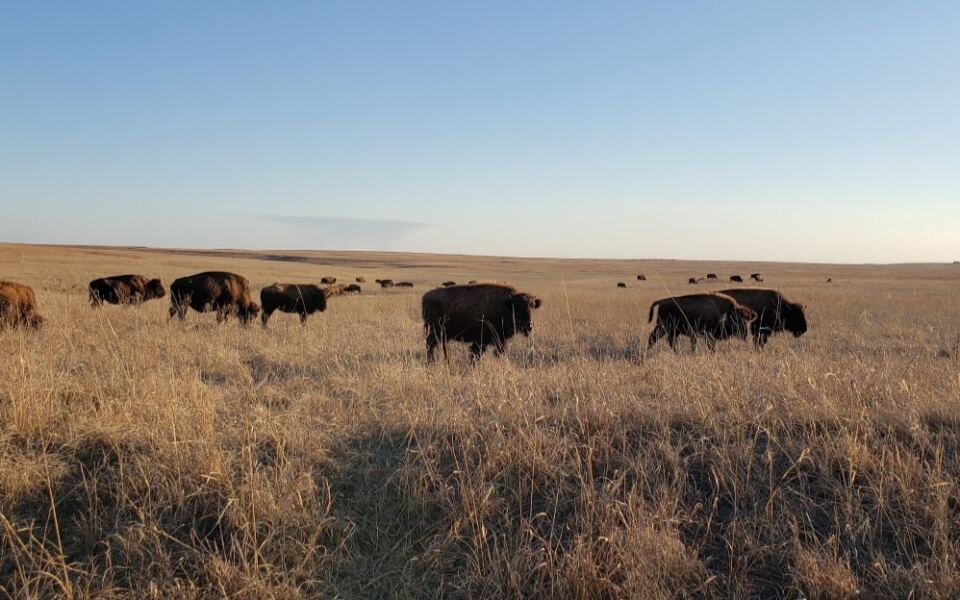
Big, shaggy, and completely unbothered by your schedule, the bison are the stars of the show. On a good day, people see hundreds of them roaming around their vehicles.
Some drivers report being within 20 feet of these giant animals. The herd crosses whenever it wants, so patience is part of the deal.
Luck plays a role too. Some trips end with bison only on a distant ridge, and a few groups leave without seeing any up close.
That is why binoculars earn a spot in the glove box. They turn faraway brown dots into animals you can actually study.
Visiting more than once raises your odds. Families who return often say they spotted the herd up close on each trip.
Wild animals keep things honest. The uncertainty is part of what makes that first close look feel like such a win.
6. Deer, Coyotes, and Other Surprise Guests
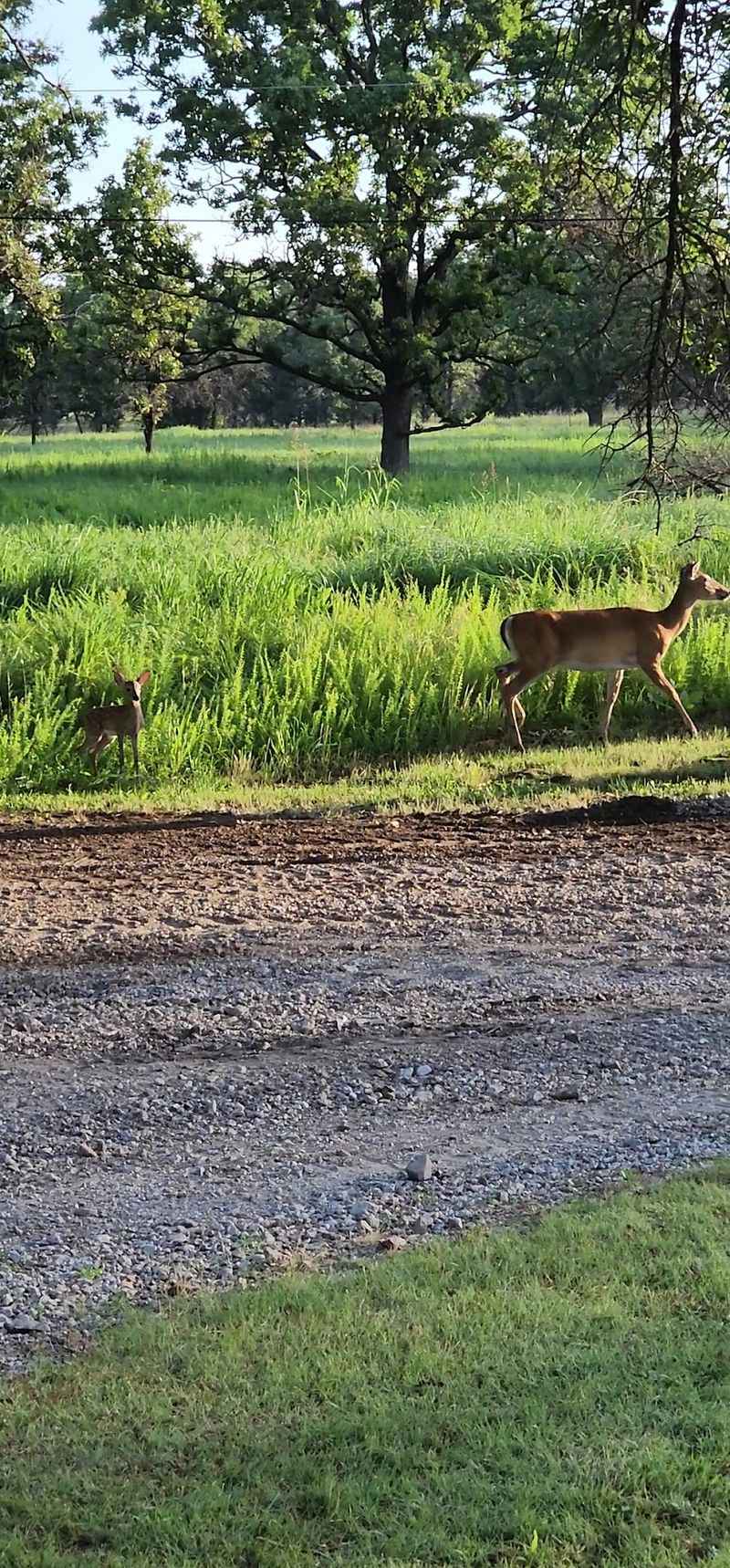
Bison may get top billing, but the supporting cast is busy too. White-tailed deer show up often, sometimes speeding across the road in front of cars.
Coyotes roam the preserve as well. Early morning drivers have spotted them trotting through the grass.
Bird lovers will want to scan the sky and fence lines. Many kinds of birds live here, and they make good photo subjects while you wait for the herd.
Butterflies of many types flutter around the trails in warm months. Wildflowers add color to the prairie during their season too.
Wild horses have also been seen near the preserve. It is a bonus sighting that adds to the frontier feel of the area.
So even if the bison play hard to get, the day is rarely a bust. The prairie has a way of filling the empty spaces with something worth a second look.
7. Mowed Paths for Stretching Your Legs
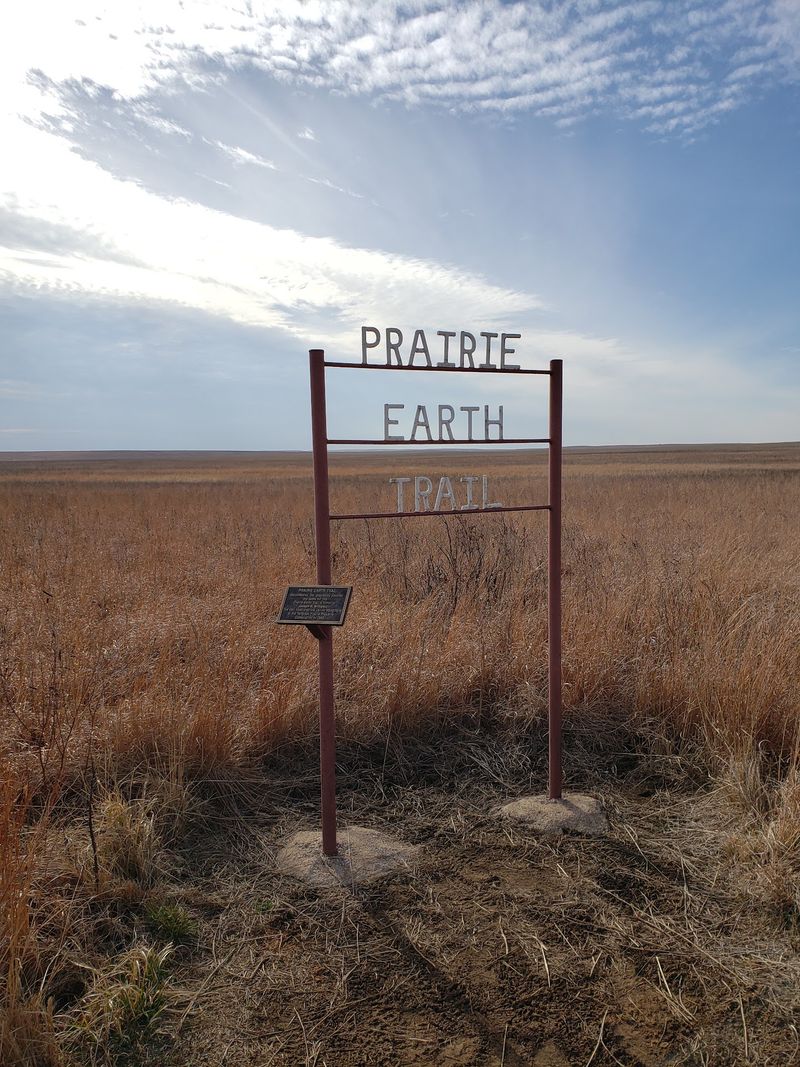
Sitting in the car for hours gets old, especially for kids. Thankfully, the preserve offers hiking trails that let everyone get out and move.
The paths are mowed and well kept. Most are not too hard, and they show off the different plants and wildlife of the prairie.
A longer trail is labeled as difficult, but many hikers find it manageable. Give it a couple of hours and take your time.
Benches dot the trails along the way. They make nice spots to rest, catch your breath, or watch for animals.
Some benches serve as memorials too. Families return to care for them and walk the trails in honor of loved ones.
Shorter hikes still deliver big views of the Osage Hills. Lace up your shoes, and the prairie becomes something you can explore one step at a time.
8. Gravel, Dust, and a Car Wash Waiting
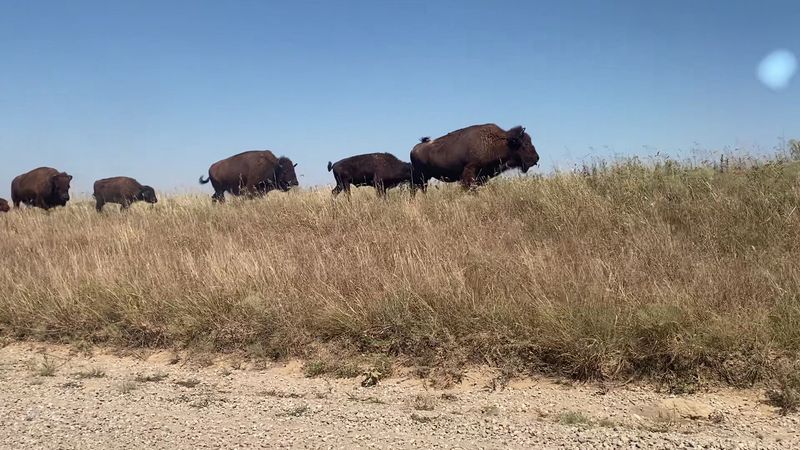
Fair warning: your vehicle will not look the same when you leave. Every road inside the preserve is gravel or dirt.
Dry weather coats cars in dust. After rain, expect mud instead, so plan a car wash for the drive home.
Speeds stay low out here, around 30 to 35 miles per hour at most. That slow pace actually helps you spot more wildlife.
An SUV or pickup handles the rough roads best. Smaller cars can make it, but higher clearance makes the trip easier.
There are no gas stations on the property. Fill your tank in Pawhuska before heading out, since the drive covers a lot of ground.
Some drivers even enjoy the bumpy ride. Think of the dirt as your proof that you went somewhere wild.
9. Rules of the Road Around a Wild Herd
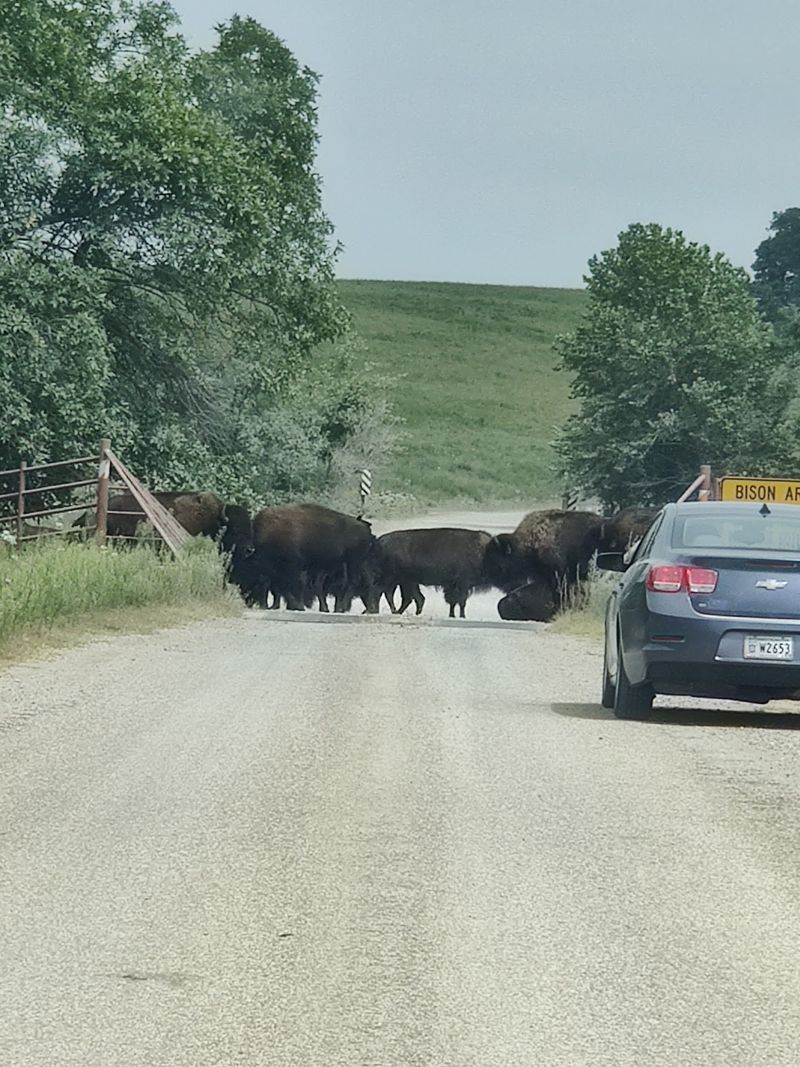
Bison look calm, but they are wild and can be very dangerous. The golden rule here is simple: stay in your car around them.
Do not walk up to the herd or try to pet them. Signs along the route remind everyone of this at several spots.
Vehicles have been charged by bison in the past. Giving the animals plenty of space keeps both people and the herd safe.
The preserve also has clear rules because it is protected land. Littering, weapons, and drugs are not allowed, and alcohol is not permitted either.
Common sense goes a long way. If an animal seems edgy or starts moving toward you, calmly drive on.
Respect turns a risky moment into a great memory. Follow the rules, and the herd will keep putting on its show for years to come.
10. Free Entry, Long Days, and What to Pack
Good news for budget-minded families: visiting the preserve is free. That makes it one of the best value outings in northeastern Oklahoma.
Listed hours run from 7 am to 7 pm every day of the week. Hours can change, and the visitor center has been closed on some days, so check the Nature Conservancy website before you drive.
Shade is scarce once you leave the visitor center area. Most trails sit in full sun, so pack sunscreen and plenty of water.
Insect repellent is a smart addition too. Ticks and other bugs can be a problem on the trails.
Bring snacks like granola bars, since there are no stores inside. Binoculars and a full gas tank round out the list.
Crowds are rarely an issue, which keeps things peaceful. Sunrise and sunset in summer are especially popular times for photos, and late nights can offer great star views for photographers.
11. Why the Osage Hills Keep Calling People Back
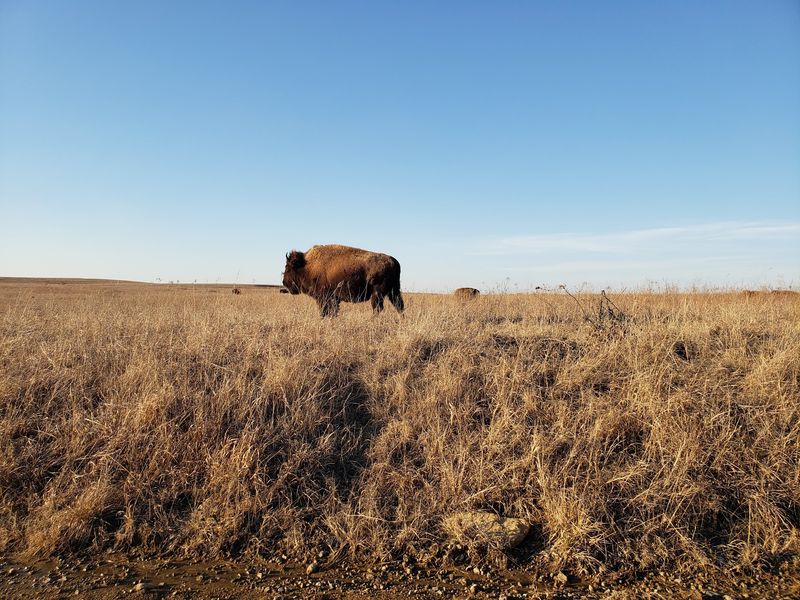
Few day trips in Oklahoma pack this much wild country into one free outing. A herd of bison, rolling hills, and quiet roads make for a day that feels far from everyday life.
The preserve suits families, photographers, and anyone curious about the state’s natural history. Kids get a living lesson in conservation, and adults get room to breathe.
Not every trip guarantees close bison sightings. Still, most people leave glad they made the drive, and many plan to return.
Seasons change the view, so a second visit can feel brand new. Spring calves, summer sunsets, and autumn grass each bring their own reasons to come back.
Pawhuska makes an easy home base for the rest of the day. A meal at the Mercantile in town pairs well with a morning on the prairie.
Pack the water, fill the tank, and head north. Somewhere out on that gravel, a bison may be waiting to look right back at you.
Share this story