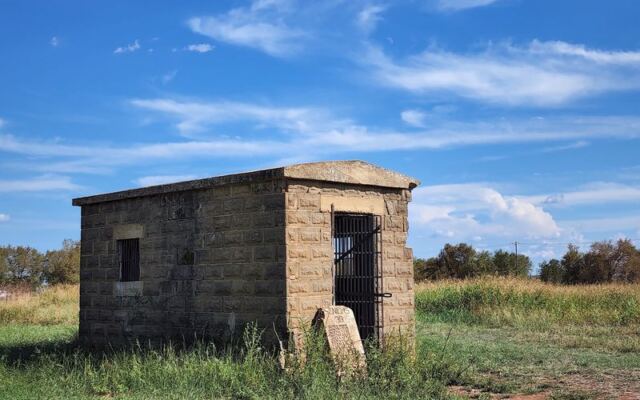
Out on the far western edge of Oklahoma, almost close enough to wave at Texas, sits a building so small it could be mistaken for a garden shed. Locals and road trippers know better.
Behind its open door is a real jail from the early 1900s, and nobody will stop you from walking right in. There is no ticket booth, no gift shop, and no closing time.
Inside, old photos, wall articles, and a few surviving objects tell the story of a time when frontier justice was quick and simple. The town around it is quiet, with empty buildings that make the whole stop feel like a step back in time.
Keep reading to learn where to find it, what waits inside, who will love it, and a few smart tips before you make the drive.
1. A Tiny Lockup on Main Avenue
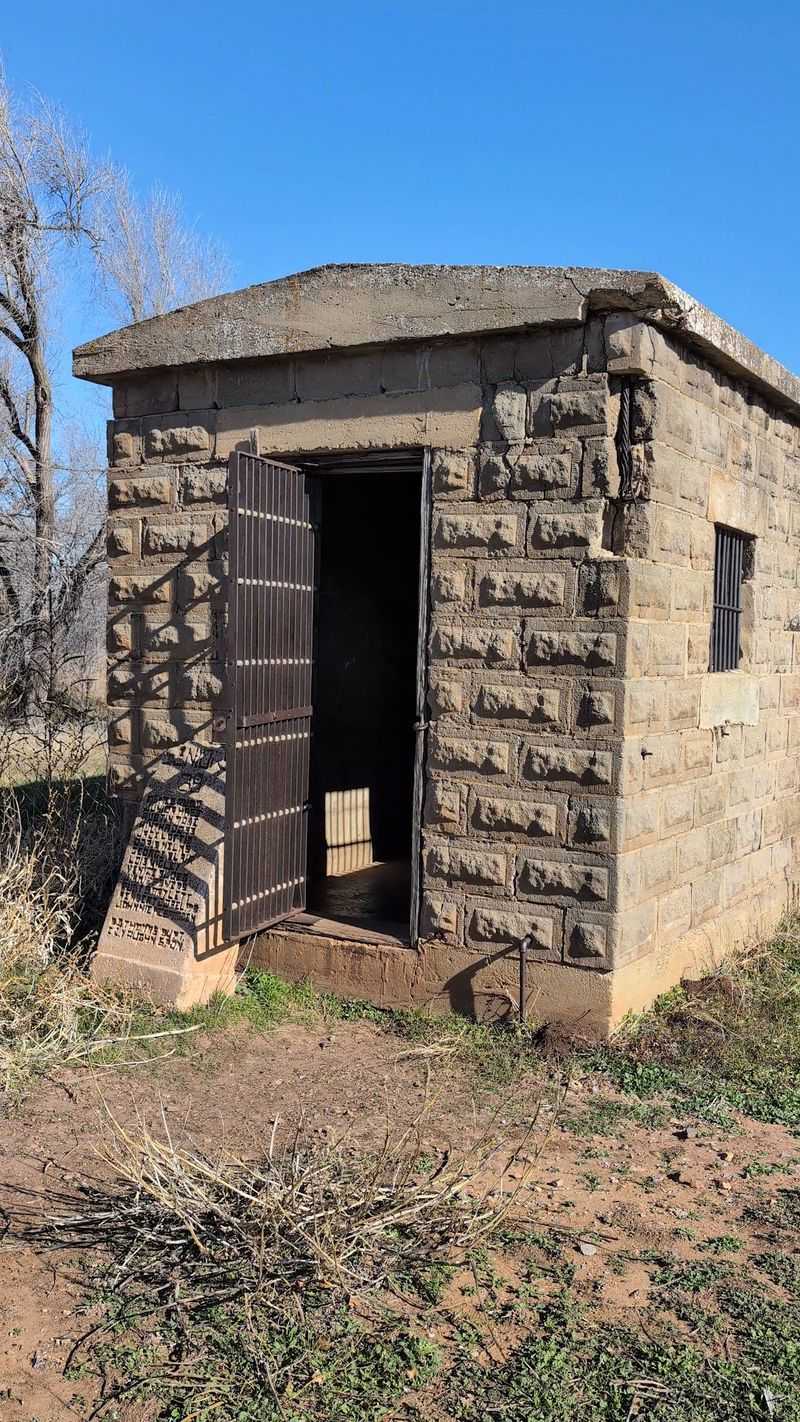
Some of the best Route 66 stops hide in plain sight, and this one barely takes up a corner of the map.
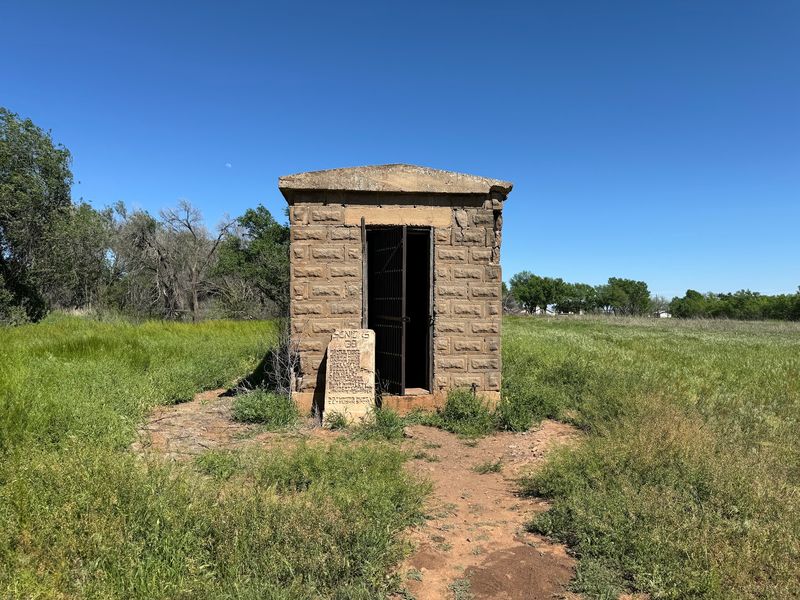
The One Room Jail sits on Main Ave, Texola, OK 73668, in the United States. Texola is one of the last towns in Oklahoma before the Texas line, tucked along the old Mother Road.
The building is listed as a historical place museum, but that label might make you expect something grand. It is not grand.
It is one room, and that is exactly the point.
Small structures like this once served tiny communities that did not need a full courthouse. A single cell was enough to hold someone until the law decided what came next.
Today, the jail stands mostly as it did, with its door open to anyone who wanders by. It sits about a block off Route 66, so the detour is short and easy.
Getting there takes little effort once you reach town. Many travelers note that it is simple to find, even without much signage.
That ease makes it a natural add-on for anyone driving the historic highway across western Oklahoma.
2. Built in 1910 and Still Standing
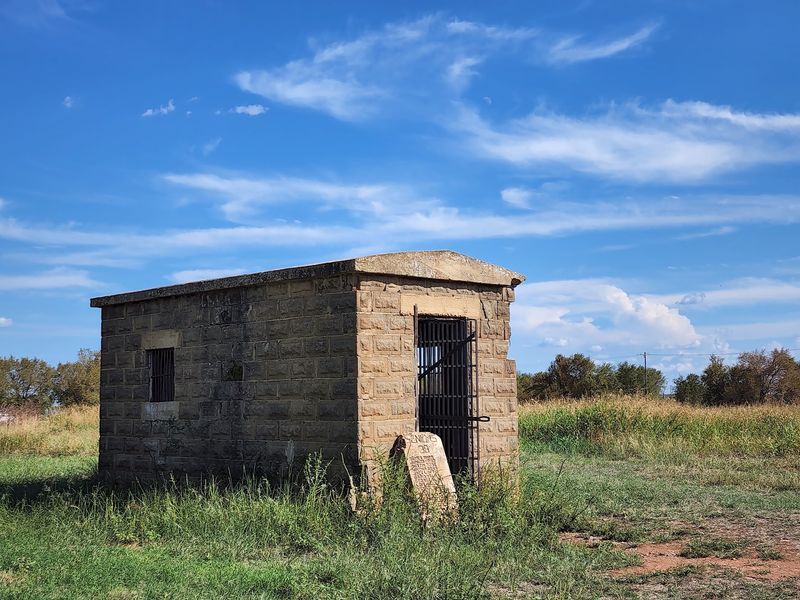
More than a century has passed since this jail first locked its door. The building dates to 1910, a time when Oklahoma had only recently become a state.
Back then, towns along the plains were growing fast. Railroads and farming brought new people, and with new people came the occasional troublemaker.
A one-room jail was a practical answer. It held a person for a short stretch, often overnight, until they sobered up, paid a fine, or waited for a judge.
What makes the Texola jail stand out is how much of it survives. Plenty of early lockups across the West were torn down or fell apart long ago.
This one kept its shape, its walls, and its sturdy look.
Many people who stop by describe it as nicely preserved. For a building that has watched decades of travelers pass on Route 66, that is no small feat.
A short visit here offers a real link to early statehood days, one that you can stand inside rather than just read about.
3. The Ghost Town Around It
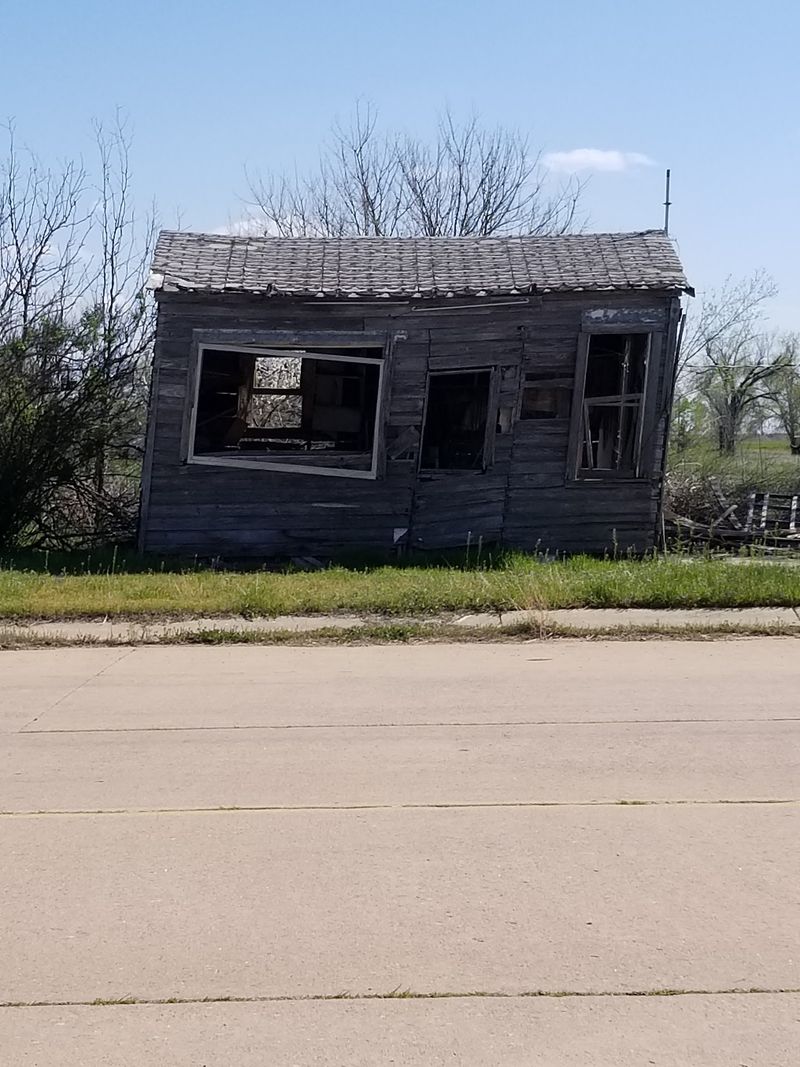
Texola has a way of making people slow down and look twice.
The town is very small, and many of its buildings sit empty. Some travelers say the streets around the exit look like a set from a zombie TV show.
That comparison comes up for a reason, since the quiet here is hard to miss.
Ghost town is one of the most common phrases tied to this stop. Texola once thrived as a Route 66 town, but when the interstate arrived, traffic moved on and much of the business went with it.
The jail now acts as a kind of anchor for the place. It gives people a reason to leave the highway and see what remains of the old community.
Across the street, a house covered in graffiti adds to the abandoned feel. It is not a polished attraction, and it does not pretend to be.
For history fans, the setting is part of the appeal. The jail tells one story, and the empty town around it tells another about how roads shape the fate of small places.
4. An Open Door Policy, Literally
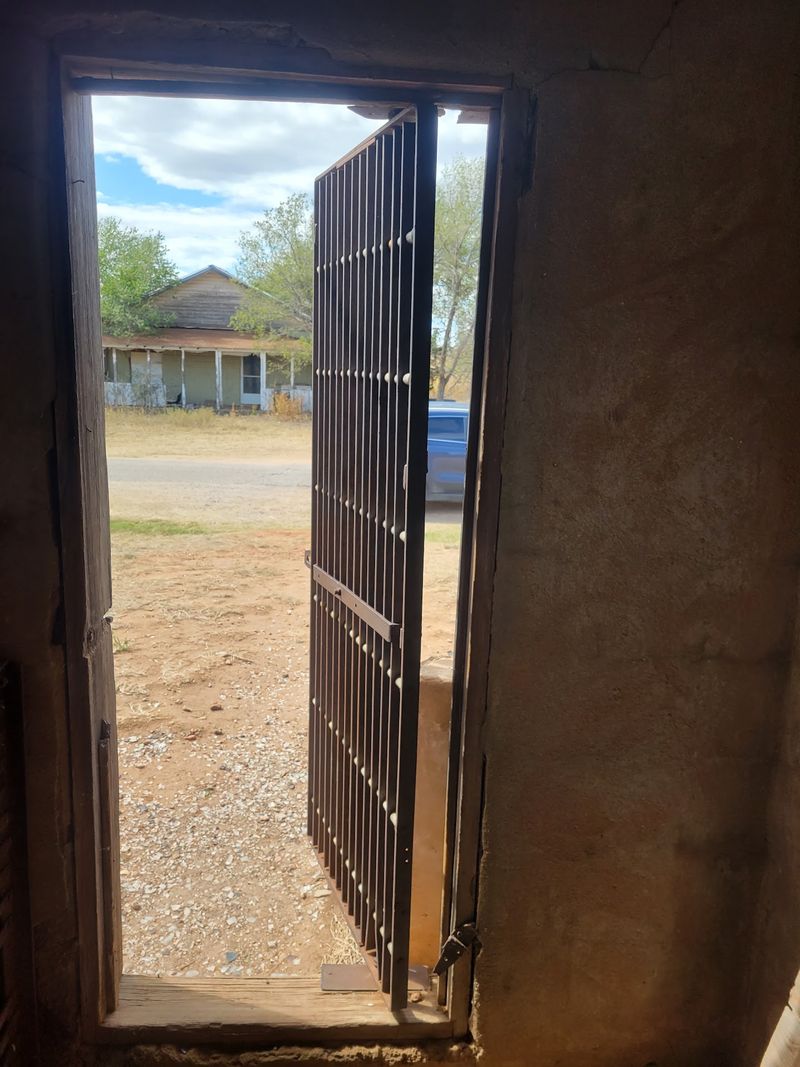
Most jails work hard to keep people in. This one practically invites them over.
The iron door stands open, and anyone can step inside. Some travelers have been surprised by this, assuming they would only get a peek through bars.
Finding out you can go in has turned many quick stops into memorable ones.
The jail is open 24 hours a day, seven days a week. There is no staff on site, no gate, and no schedule to plan around.
That freedom comes with a little responsibility. Broken glass has been spotted in and around the building, so watching your step is smart, especially with kids.
Being respectful matters too. With no one guarding the place, its condition depends on the people who walk through.
A quick tip: daylight makes the visit easier. Early morning stops still work well, and you will have the best view of the wall displays when the sun is up.
Hours are listed as round the clock, but conditions can change, so it never hurts to check before you go.
5. Outlaws on the Walls
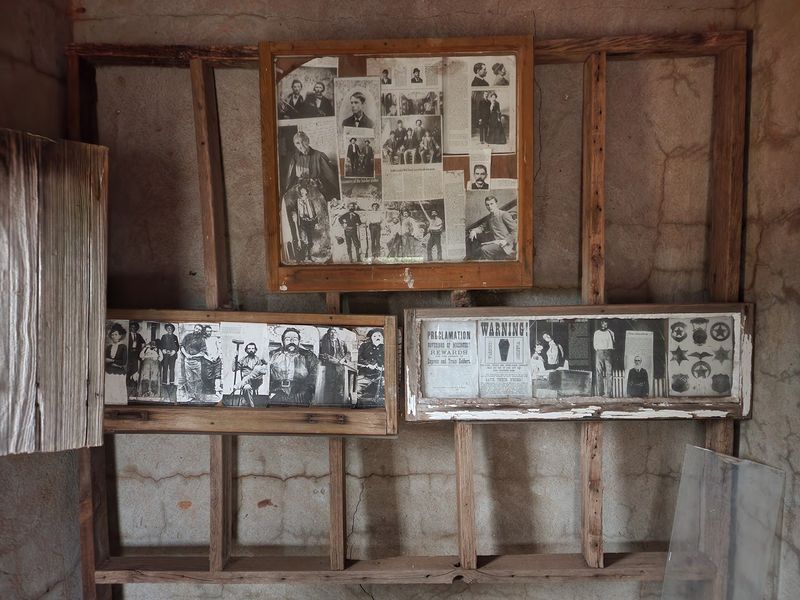
Billy the Kid and Butch Cassidy probably never slept in Texola, but their faces show up here anyway.
The inside walls hold old photos and printed articles about the Wild West era. Famous outlaws appear alongside material about the jail itself and frontier justice in general.
These displays turn a bare room into a small museum. Reading through them gives context about how lawbreakers were handled in the early 1900s.
Some of the pictures are pretty intense. They show the harsh side of frontier law, and a few are likely not right for young children.
Parents may want to scan the walls first before letting little ones explore.
Many people find this part of the stop the most interesting. The material shows that back in those days, the law did not mess around.
Sadly, some of the informational posters have been damaged or broken over time. What remains still offers plenty to read during a short visit.
Bring a curious mind and a few extra minutes, since the history lesson is packed into a very small space.
6. An Old Heater and a Sleeping Pallet
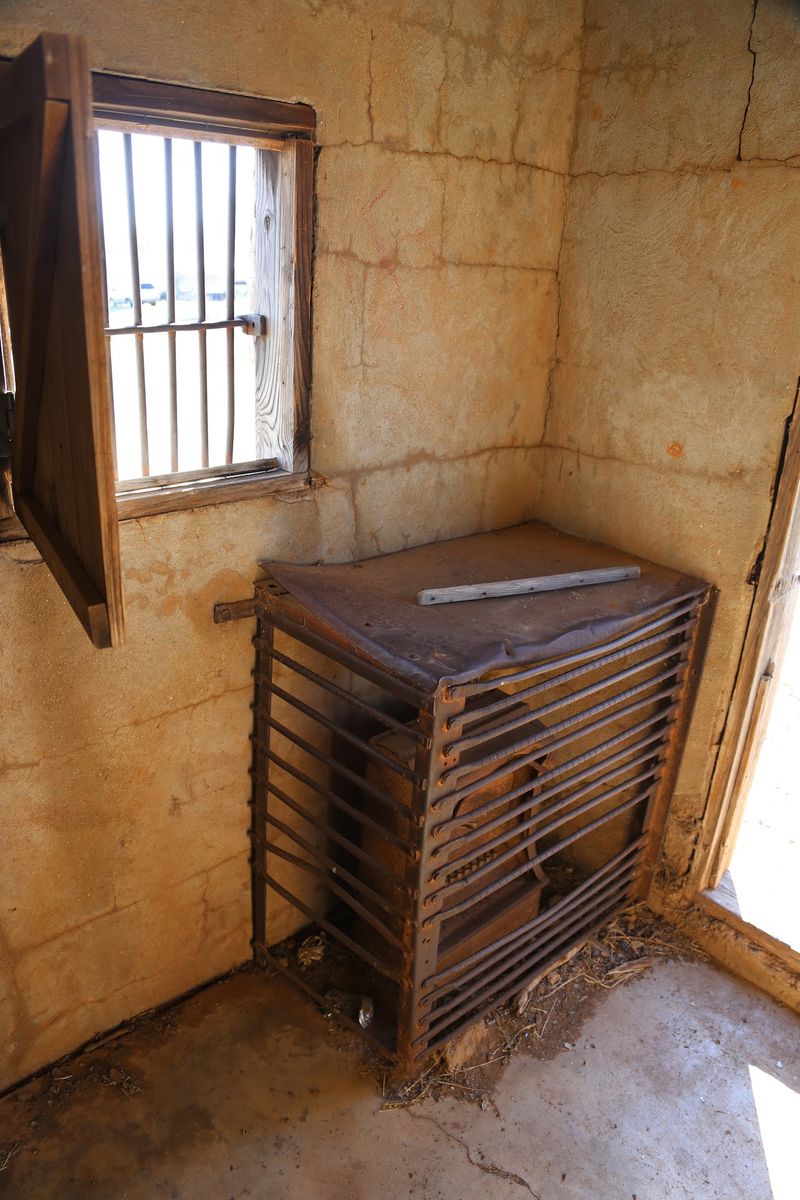
Comfort was clearly not part of the plan.
Among the few objects inside the jail are an old heater and a pallet that inmates once used for sleeping. These two items do a lot of work in telling the building’s story.
The heater hints at the cold western Oklahoma winters. Even a small lockup needed some way to keep its guests from freezing overnight.
The pallet speaks to the bare-bones nature of the place. There was no mattress, no extra furniture, and very little room to stretch out.
Seeing these pieces in person makes the past feel real. It is one thing to read about early jails, and another to stand next to the spot where someone spent a long night.
Kids who are old enough often find this part fascinating. It sparks good questions about how people lived and how rules were enforced long ago.
Small details like these are what separate a real historic site from a simple roadside sign, and they reward anyone who takes a moment to look closely.
7. Graffiti and the Question of Care
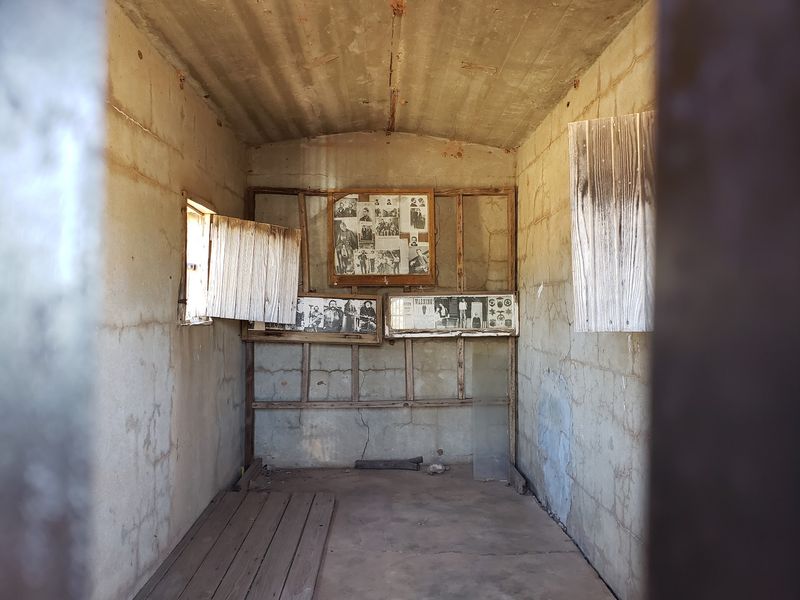
An unlocked historic site carries both a gift and a risk.
In recent years, the jail has seen a fair amount of vandalism. Graffiti now marks parts of the interior walls, and some of the posters have taken damage.
A few families have found the condition upsetting enough that children did not want to go inside.
Not long ago, the picture looked different. Earlier accounts described a jail in surprisingly good shape, with no graffiti and everything left alone.
That change is worth knowing before you drive out. The building still stands strong, but its interior is not as tidy as it once was.
Plenty of people still call the stop very interesting, while also wishing the graffiti were gone. Both feelings can be true at once.
The best thing travelers can do is simple. Leave the walls as you found them, pack out anything you bring, and treat the space like the piece of Oklahoma history it is.
Small places like this survive only when the people who love them help look after them.
8. Who Will Love This Stop
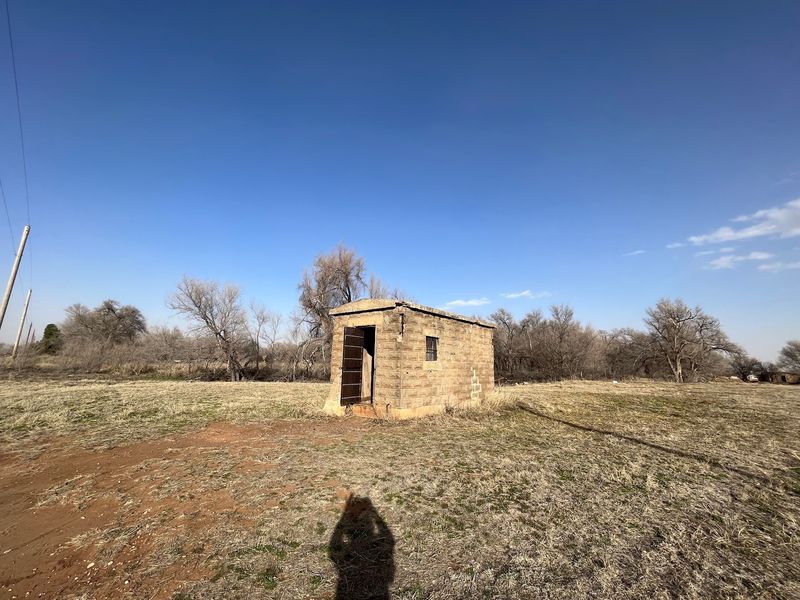
Route 66 collectors, meet your next checkmark.
The jail is a favorite for people working their way along the historic highway. Many treat visiting every roadside attraction as a personal goal, and this one fits neatly on that list.
History lovers get a real 1910 structure to explore. Fans of quirky stops get a building that some folks dismiss as just a shed, until they see the outlaw photos inside.
Photographers will find plenty to work with. The tiny building, the open door, and the empty town around it make for strong pictures, and photo opportunities come up often in talk about this place.
Families with teens or older kids usually have a good time. The slightly creepy mood inside can be a fun thrill for that age group.
Younger children may be a different story. Some of the images and the graffiti can feel scary, so parents should use their judgment.
Anyone who enjoys odd little corners of Oklahoma will likely leave glad they made the detour.
9. Planning the Detour
Good news for budget road trippers: this stop costs nothing.
There is no admission fee and no ticket to buy. The jail is open 24 hours a day, every day of the week, though conditions can change, so checking ahead is always a smart move.
Texola sits at the far western edge of Oklahoma, right near the Texas border along Route 66. From Oklahoma City, plan on a long day trip, since the town lies near the end of the state.
Once you arrive, the jail is about a block off the old highway. Most people find it easy to reach.
Expect to spend around 10 minutes here. That makes it a perfect leg-stretcher between bigger Route 66 attractions in western Oklahoma.
A few quick tips help:
Wear sturdy shoes because of broken glass. Bring your own water and snacks since the town has very little in the way of services.
Visit in daylight to read the wall displays.
Pair the stop with other Mother Road sights in the region for a full day of free fun.
10. Small Building, Big Story
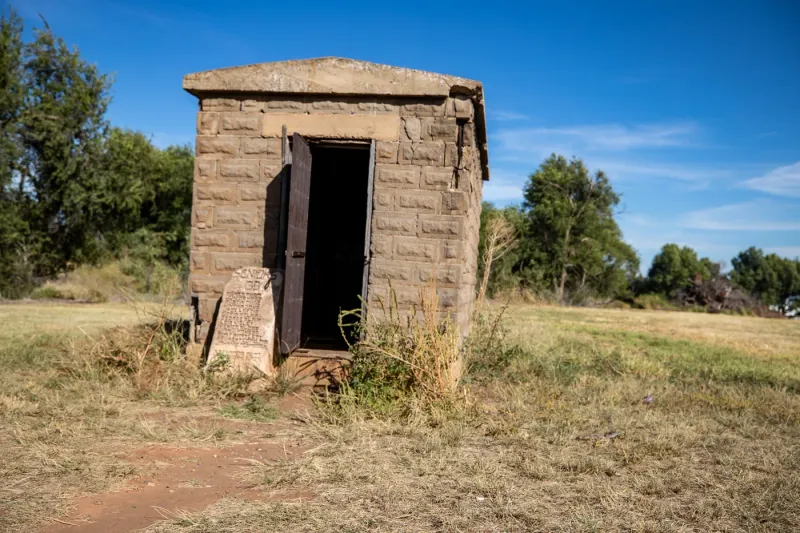
Some people drive past and see a shed. Others stop and find a century of frontier history packed into one room.
The One Room Jail is not a big museum, and it never tries to be one. It offers a few objects, a wall of outlaw photos, and an open door that lets you stand where lawbreakers once waited.
Its rough edges are real. The graffiti and damaged posters are a letdown, and families with small kids should plan carefully.
Still, the stop earns its strong reputation. Most travelers leave calling it cool, worth the detour, and a true Route 66 must-see.
It costs nothing, takes only a few minutes, and adds a quirky chapter to any western Oklahoma road trip. It also proves the state holds far more than open prairie.
So next time the Mother Road carries you toward Texas, take that short turn off the highway. The door will be open, and the story inside is waiting for whoever is curious enough to walk in.
Share this story