Just a short drive from downtown Houston sits one of Texas’ best-kept secrets: a sprawling nature preserve where bison roam, alligators sun themselves along quiet bayous, and miles of trails wind through untouched wilderness. Armand Bayou Nature Center offers an unexpected escape from city life without leaving the metro area. Whether you’re looking for a peaceful afternoon walk or an up-close wildlife encounter, this 2,500-acre sanctuary delivers an authentic taste of wild Texas that’ll make you forget you’re surrounded by suburbs.
1. Miles Of Easy Walking Trails Through Three Ecosystems
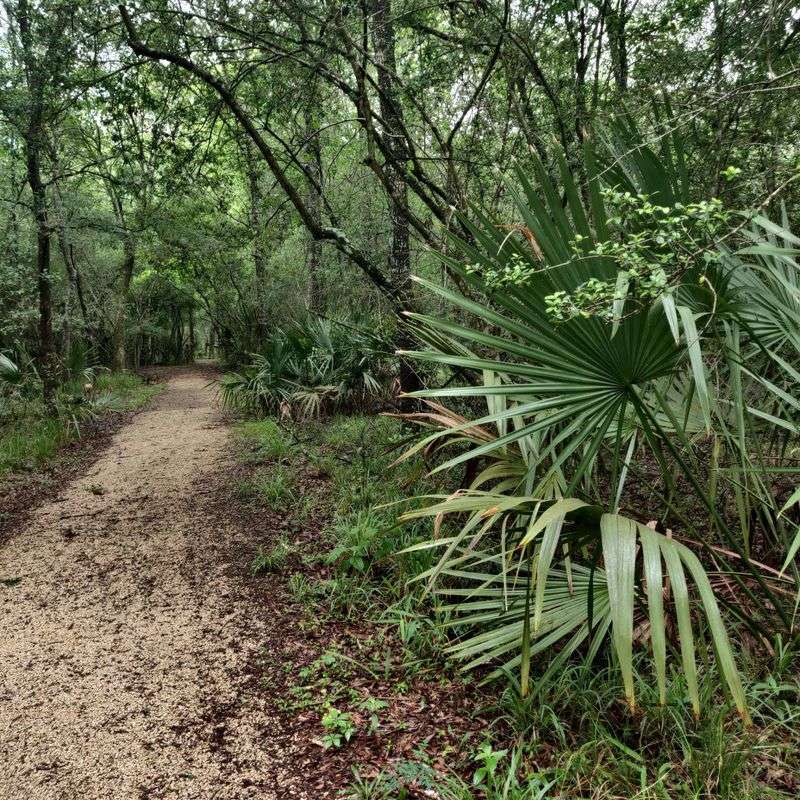
Armand Bayou Nature Center packs three distinct ecosystems into one preserve, giving you prairie, forest, and bayou views all in a single visit. The trail system stretches over five miles, but don’t worry about committing to the full distance. You can mix and match shorter loops depending on your energy level or how much time you’ve got.
The paths are well-maintained and mostly flat, making them perfect for families with young kids or anyone who prefers an easygoing walk over a challenging hike. Stroller-friendly sections mean even the littlest explorers can tag along. Most visitors find the trails peaceful and quiet, especially on weekday mornings.
Each ecosystem offers something different to discover. The forest trails provide plenty of shade and bird activity, while the prairie section opens up to wide skies and native grasses. The bayou boardwalks give you front-row seats to turtles, fish, and water birds going about their day.
Signage along the routes helps identify plants and animals, turning your walk into an informal nature lesson. Spring and fall bring the best weather for trail exploration, though early mornings work year-round if you want to beat the Texas heat. Arriving when the gates open at 9 AM gives you the trails practically to yourself and increases your chances of spotting active wildlife before midday temperatures slow everything down.
2. American Bison Living In A Texas Coastal Prairie
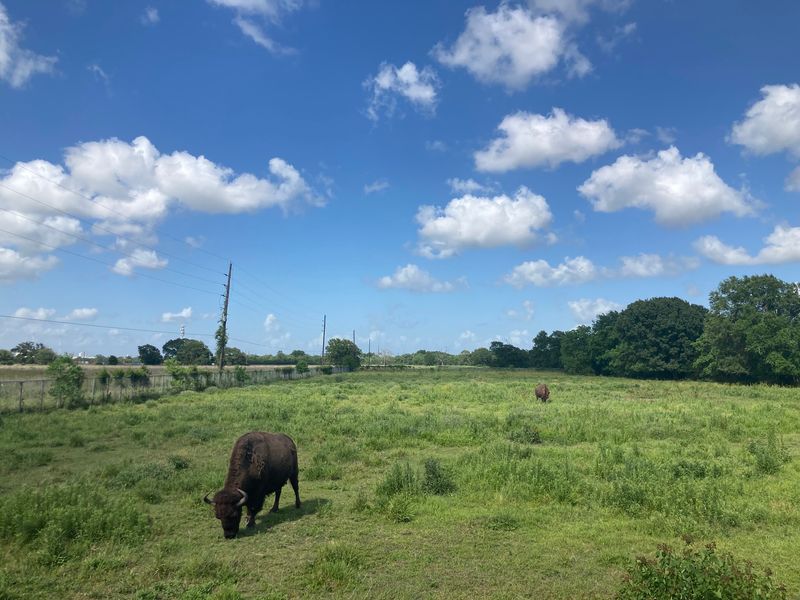
Seeing bison in Texas might seem odd at first, but these massive animals once roamed the coastal prairies in huge numbers before development wiped out their habitat. Armand Bayou keeps a small herd in a dedicated enclosure, offering visitors a glimpse of what this landscape looked like centuries ago. Watching these thousand-pound creatures move through the grass connects you to a wilder version of Texas history.
The bison live in a fenced area visible from the trail system. While they can’t roam completely free, the space gives them room to graze, rest, and behave naturally. Some days they’re active and close to the fence line.
Other times they’re napping in the shade or hanging out at the far end of their enclosure.
Early morning visits usually offer the best viewing opportunities since bison tend to be more active before temperatures climb. Bring binoculars if you want a closer look without disturbing them. The animals are beautiful but sometimes sleepy, so don’t expect constant action.
Educational signs near the viewing area explain the ecological role bison played in maintaining prairie health through their grazing patterns. Kids especially love seeing these iconic animals up close, and the preserve does a solid job explaining why conservation matters. Even if the bison are taking it easy during your visit, their presence adds something special to the experience.
3. Wild Alligators Basking Along The Bayou
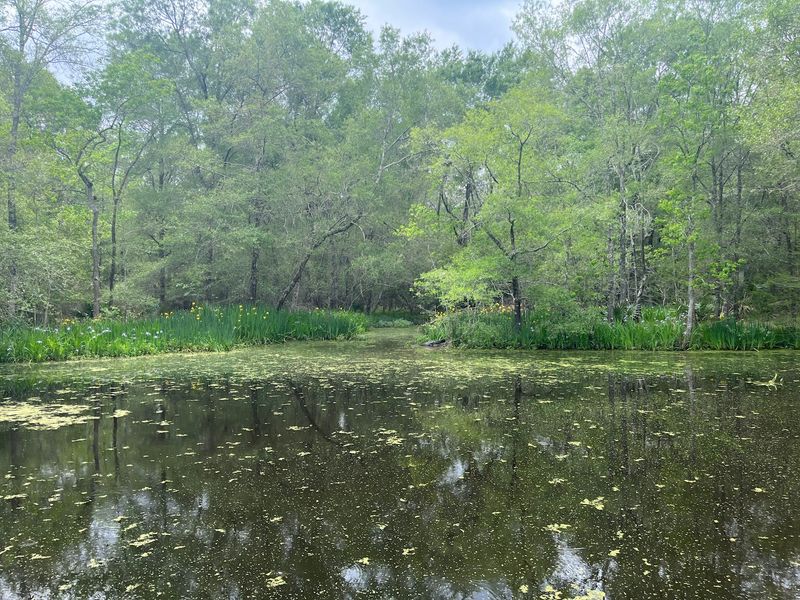
Alligator sightings rank among the top reasons people visit Armand Bayou, and the preserve rarely disappoints. These ancient reptiles thrive in the slow-moving waters and muddy banks throughout the property. You’ll often spot them sunning themselves near the water’s edge or floating motionless with just their eyes and nostrils visible above the surface.
The bayou trails and observation areas provide safe viewing spots where you can watch gators from a comfortable distance. Spring through early fall offers the most reliable sightings since warmer weather brings them out to regulate their body temperature. Cooler months make them less active, though patient visitors still catch glimpses.
Babies and juveniles appear frequently during summer, sometimes in groups with their mothers nearby. Adult alligators can reach impressive sizes, with some individuals stretching over ten feet long. Despite their prehistoric appearance, they’re generally unbothered by human observers as long as everyone keeps a respectful distance.
The preserve’s knowledgeable staff and volunteers can point you toward recent sighting locations and share fascinating details about alligator behavior. Bring a camera with decent zoom capabilities since you’ll want to capture these encounters without getting too close. Kids find the gators thrilling, and the experience teaches valuable lessons about respecting wildlife and understanding these misunderstood creatures’ important role in the ecosystem.
4. Pontoon Boat Tours Through Hidden Waterways
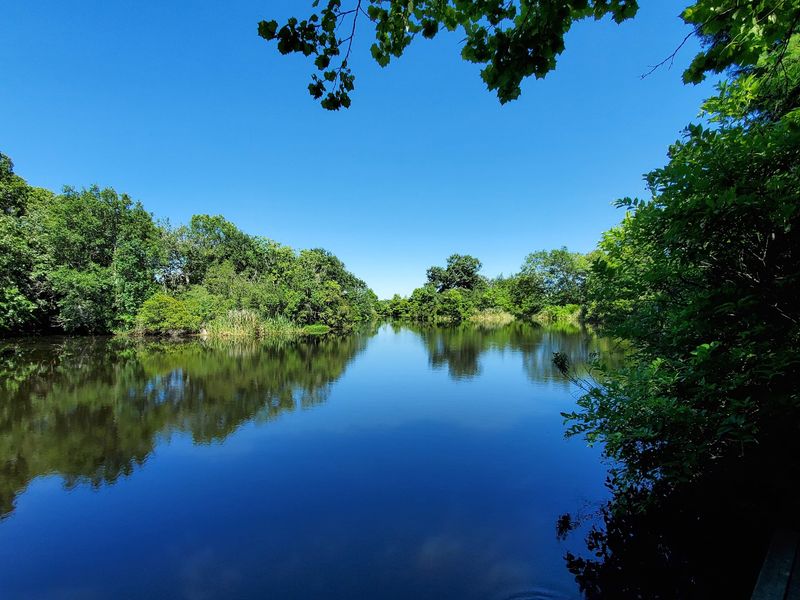
The pontoon boat tours offer a completely different perspective on Armand Bayou’s wildlife and landscapes. Captain Charlie and other experienced guides navigate the narrow waterways, taking you deep into areas unreachable by foot. These 90-minute excursions consistently earn rave reviews for the up-close wildlife encounters and peaceful atmosphere.
Tours cruise slowly through the bayou, allowing plenty of time to spot alligators, wading birds, turtles, and other aquatic life. The guides provide binoculars and share extensive knowledge about the ecosystem, pointing out species you’d probably miss on your own. Their enthusiasm and expertise turn the trip into an educational adventure rather than just a boat ride.
Bird activity peaks during migration seasons in spring and fall, when dozens of species pass through the area. Winter visitors might catch sight of the resident bald eagle pair. Summer brings baby alligators and increased reptile activity along the banks.
Sunset tours deliver especially beautiful experiences as the light softens and wildlife becomes more active in the cooler evening temperatures. The boats are comfortable and stable, suitable for all ages. Reservations are recommended since tours fill up quickly, especially on weekends.
At around $20 per person, the pontoon tours represent excellent value for a unique Houston-area experience. Many visitors call it the highlight of their visit, and the relaxed pace makes it accessible for anyone who can climb aboard the boat.
5. A Working Historic Farm From The 1890s
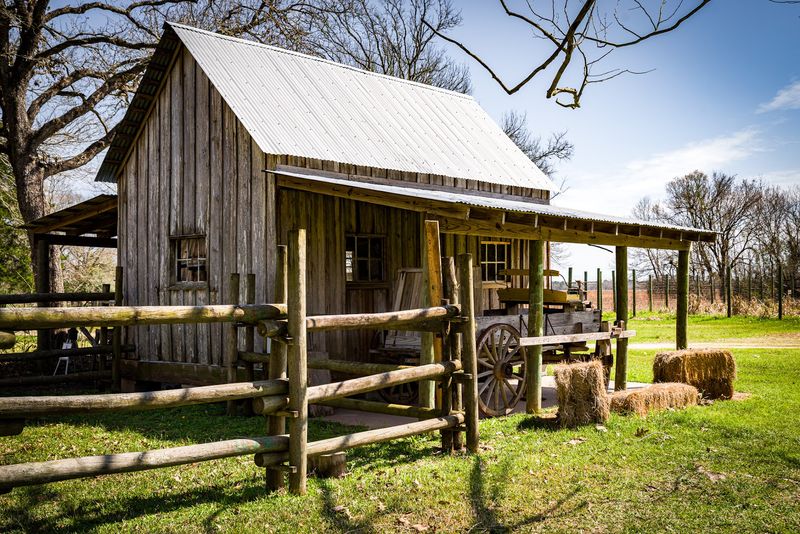
Tucked among the nature trails sits a fully restored 1890s farmstead that transports visitors back to Texas’ frontier days. The buildings, animals, and gardens recreate what life looked like for coastal prairie settlers more than a century ago. Walking through the property gives you a tangible connection to the region’s agricultural heritage.
Heritage breed chickens, goats, and other farm animals roam the grounds, delighting kids who might never have seen these animals up close. The livestock represents breeds that would have been common on Texas farms during that era. Volunteers often staff the area, answering questions and demonstrating traditional farming techniques.
The farmhouse interior has been carefully preserved and furnished with period-appropriate items. Stepping inside feels like visiting your great-great-grandparents’ home, complete with antique tools, furniture, and household goods. Educational displays explain how families survived and thrived in this challenging environment.
Gardens planted with heirloom vegetables and herbs show what settlers would have grown for food and medicine. The whole setup provides valuable context for understanding how dramatically the Houston area has changed. Kids especially enjoy seeing farm life portrayed so differently from modern agriculture.
The historic farm makes a nice complement to the nature trails, reminding visitors that humans have shaped this landscape for generations. It’s also a shady spot to take a break between trail segments, and the animals provide entertainment for restless children.
6. Educational Programs For Kids And Families
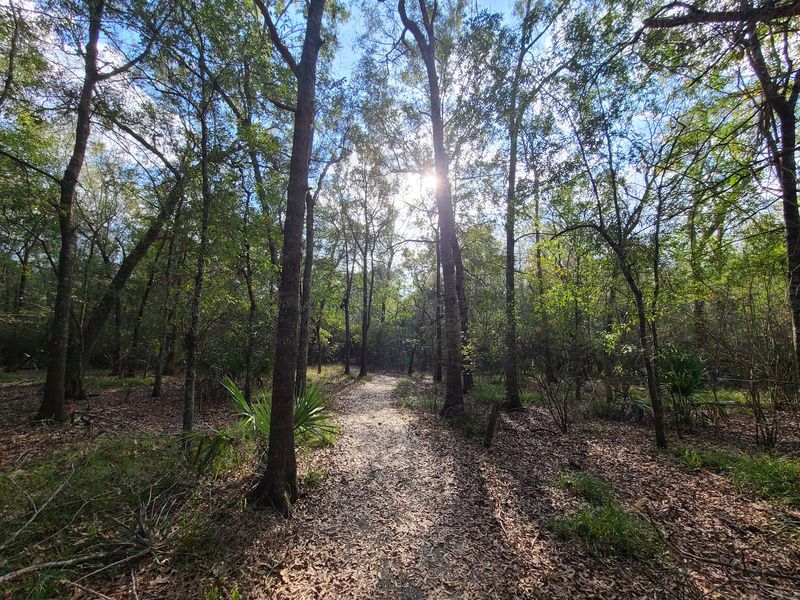
Armand Bayou runs an impressive lineup of educational programs designed to get kids excited about nature and conservation. Ecotots introduces preschoolers to wildlife through hands-on activities and short trail walks. Ecokids serves elementary-age children with more advanced nature exploration and environmental science concepts.
Summer camps fill up quickly because they offer multi-day immersive experiences in the preserve’s ecosystems. Kids spend their days hiking, learning animal care, conducting simple scientific observations, and building connections with nature that stick with them for years. Many local families return summer after summer, making it a tradition.
The programs give parents a chance to explore the trails solo while knowing their children are learning from passionate, knowledgeable instructors. Drop-off options make it convenient for families who want to split up and reconvene later. The curriculum balances structured learning with free exploration time.
Weekend family programs bring everyone together for guided activities like night hikes, animal encounters, and seasonal celebrations. These events create opportunities for parents and kids to learn side by side. The preserve also hosts school field trips throughout the year, introducing thousands of students to environmental education.
Registration typically happens online through the center’s website. Prices remain affordable, keeping nature education accessible to families across different income levels. The programs have built a loyal following over the years, with multiple generations of Houston-area residents sharing memories of growing up at Armand Bayou.
7. Incredible Diversity Of Native Wildlife
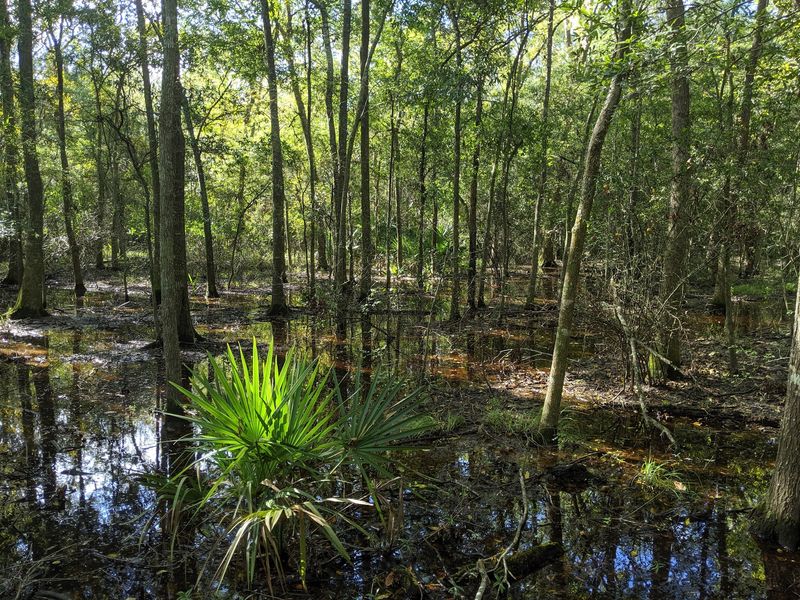
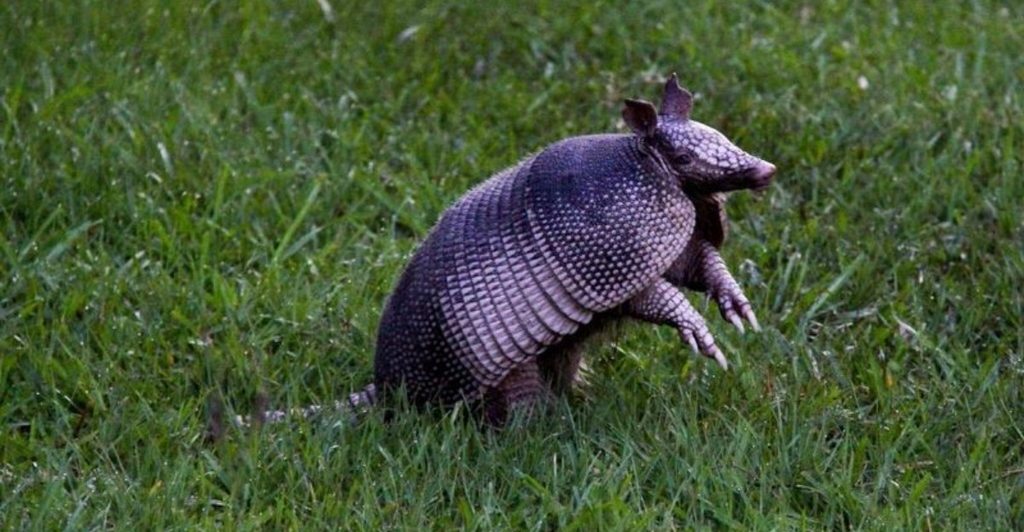
Beyond the famous bison and alligators, Armand Bayou shelters an astounding variety of native Texas species. White-tailed deer browse through the forest sections, often appearing near dawn or dusk. Armadillos root through leaf litter along the trails, and patient observers spot them surprisingly often despite their shy nature.
The preserve serves as an important stopover for migrating birds, with species counts reaching well into the hundreds throughout the year. Wading birds like herons and egrets stalk the shallow waters. Woodpeckers hammer away in the forest canopy.
Raptors including hawks and occasional bald eagles patrol from above.
Reptile and amphibian diversity runs high thanks to the mix of wet and dry habitats. Turtles stack themselves on logs to catch sun. Frogs and toads provide a constant soundtrack, especially after rain.
Snakes play important roles in the ecosystem, though most visitors never encounter them since they’re quite good at staying hidden.
Smaller creatures like butterflies, dragonflies, and countless insect species keep the food web humming. Spider webs glisten with morning dew along the trails, showcasing the intricate work of orb weavers and other species. Even the less charismatic animals contribute to the preserve’s ecological health.
Every season brings different wildlife activity patterns, giving repeat visitors new discoveries each time they return. The sheer biodiversity concentrated in this urban oasis makes it invaluable for conservation and education. Watching wild animals behave naturally just miles from Houston’s skyscrapers never gets old.
8. An Urban Nature Sanctuary That Feels Miles Away
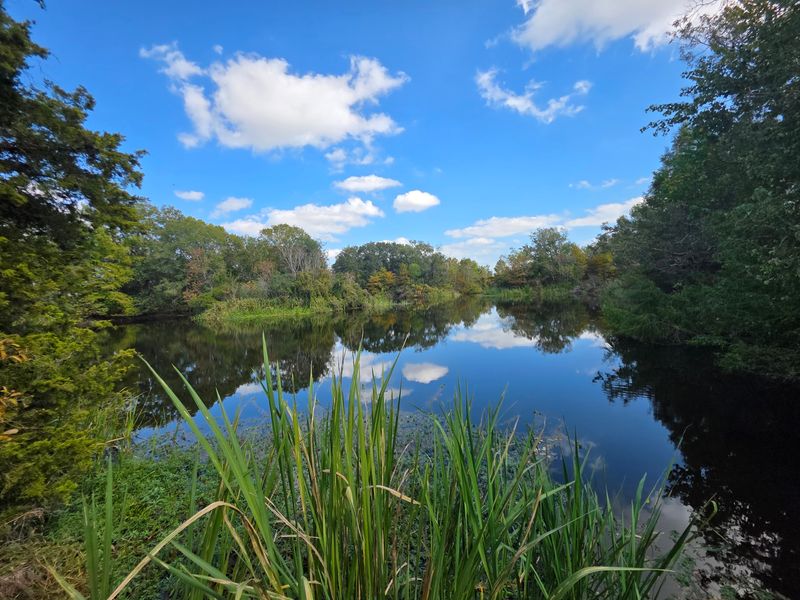
The most remarkable thing about Armand Bayou might be how completely it blocks out the surrounding city. Once you’re a few minutes down the trail, Houston’s urban sprawl vanishes. No traffic noise, no visible buildings, just forest, water, and wildlife sounds.
The psychological shift happens almost immediately.
This 2,500-acre preserve represents one of the largest urban wilderness areas in the United States. Its size allows ecosystems to function naturally despite being surrounded by development. The preserve acts as green infrastructure, providing flood control, air quality improvement, and habitat connectivity that benefits the entire region.
Many visitors describe feeling transported to a different world, amazed that such extensive wilderness exists so close to their homes. The tranquility and stillness contrast sharply with Houston’s usual pace. People use the space for stress relief, exercise, contemplation, and reconnecting with nature.
The preserve’s existence isn’t accidental. Decades of conservation work and community support have protected this land from development pressure. Nonprofit management ensures the focus stays on preservation and education rather than commercial exploitation.
Admission fees and donations fund ongoing maintenance and programming.
Accessibility makes Armand Bayou especially valuable. Families don’t need to drive hours into the countryside for a nature experience. The preserve democratizes access to wild spaces, serving communities that might not otherwise have these opportunities.
It proves that cities can coexist with functioning ecosystems when people prioritize conservation. The center stands as a testament to what’s possible when communities decide nature matters.
Share this story