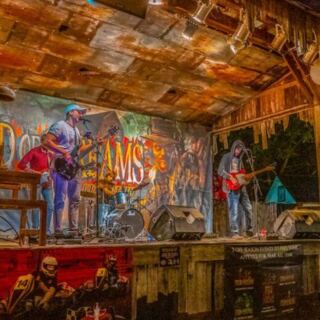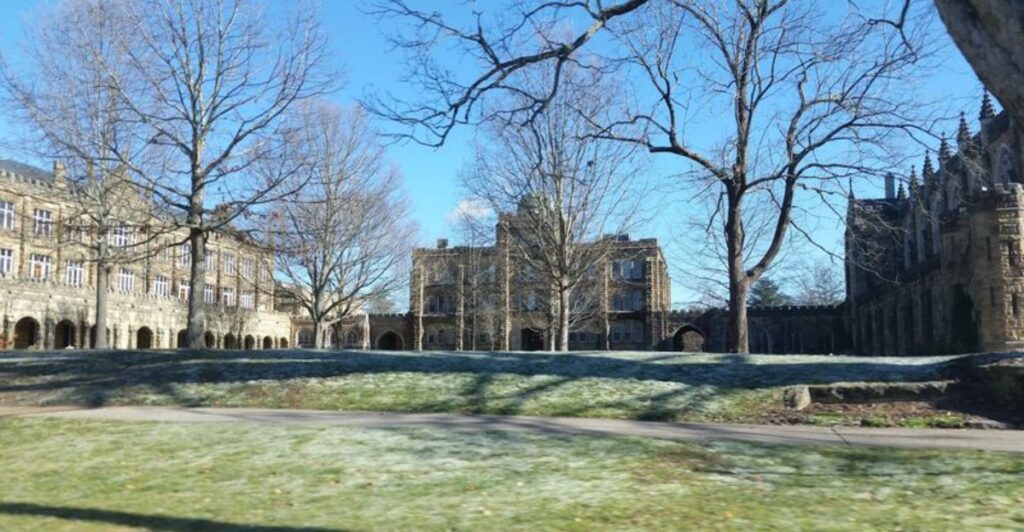
Tucked away on Tennessee’s Cumberland Plateau sits a mountain town that punches way above its weight when it comes to arts and culture. Sewanee might only have around 2,500 residents, but this tiny community has cultivated a creative scene that rivals cities ten times its size. Between world-class performances, stunning architecture, literary traditions, and an intellectual atmosphere you can practically breathe in, Sewanee proves that great culture doesn’t require a big population, just passionate people who care about beauty and ideas.
The University of the South Campus – Gothic Architecture in the Mountains
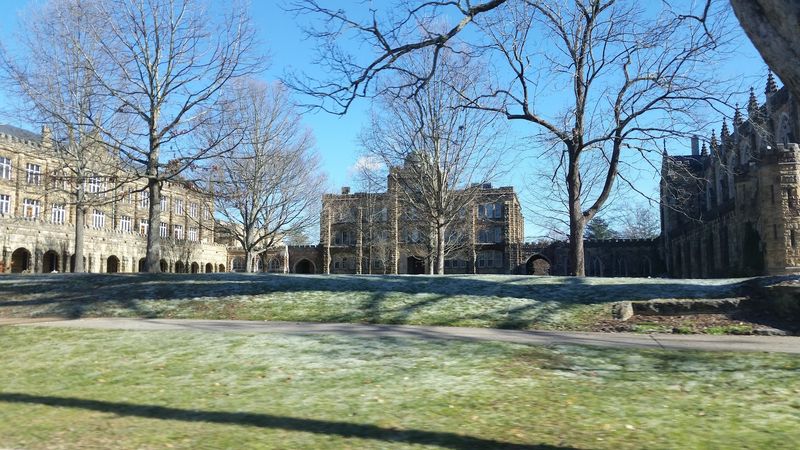
Walking onto the University of the South campus feels like stepping through a portal to Oxford or Cambridge, except you’re surrounded by Tennessee hardwoods instead of English gardens. The university’s founders in 1857 deliberately chose Gothic Revival architecture to create an academic atmosphere that would inspire serious scholarship. The result is a collection of stone buildings that look like they’ve been plucked from medieval Europe and planted on a mountain plateau.
All Saints’ Chapel stands as the crown jewel of campus architecture, with its 210-foot carillon tower visible for miles around. The chapel’s stained glass windows cast colored light across stone floors during services, and the acoustics make every choir performance feel sacred. Students and visitors alike find themselves drawn to the chapel’s quiet dignity, whether for worship, concerts, or just a moment of reflection away from daily chaos.
The Quad, framed by Convocation Hall and other academic buildings, creates outdoor spaces where students gather between classes under the shade of old trees. These limestone structures weren’t built for show but for permanence, with thick walls and careful craftsmanship that has weathered over 150 Tennessee winters. The architecture tells students every day that ideas matter, that learning deserves beautiful spaces, and that education is about more than just career preparation.
Even if you’re not affiliated with the university, campus walks are open to the public and offer some of the most photogenic architecture in the South. The contrast between rough-hewn stone and carefully maintained lawns creates endless Instagram opportunities. More importantly, the campus demonstrates what happens when a community commits to beauty as a core value rather than an afterthought, building structures meant to inspire generations of thinkers rather than just house them temporarily.
Sewanee Writers’ Conference – Literary Tradition Since 1990
Every July, some of the country’s most talented emerging writers descend on Sewanee for two weeks of intensive workshops, craft lectures, and literary conversations that stretch late into the mountain nights. The Sewanee Writers’ Conference has launched countless careers since its founding in 1990, with alumni including National Book Award winners and Pulitzer Prize recipients. What makes it special isn’t just the caliber of faculty but the collaborative spirit that develops when writers escape their normal lives to focus entirely on their craft.
The conference accepts only about 150 participants annually through a competitive application process, creating an environment where serious writers can get meaningful feedback from established authors. Workshop leaders have included literary heavyweights like Alice McDermott, Tony Earley, and Randall Kenan. Participants spend mornings in intensive workshops, afternoons revising or attending craft lectures, and evenings at readings where visiting authors share new work.
Even when the conference isn’t in session, Sewanee maintains its literary culture through the university’s creative writing program and visiting author series. The Sewanee Review, founded in 1892, operates year-round as the oldest continuously published literary quarterly in the United States. Walking through campus, you’ll often spot students sprawled on lawns with books, or gathered in coffee shops debating the merits of various novels.
This literary atmosphere permeates the whole town, not just the university. Local bookstores stock serious fiction and poetry alongside bestsellers, and residents actually read them. Conversations at restaurants might veer into discussions of recent short story collections or debates about narrative structure.
Sewanee proves that literature isn’t a dusty academic pursuit but a living art form that shapes how communities think and talk, creating a cultural richness that money can’t buy but dedication can build.
Sewanee Summer Music Festival – Classical Performances Under the Stars
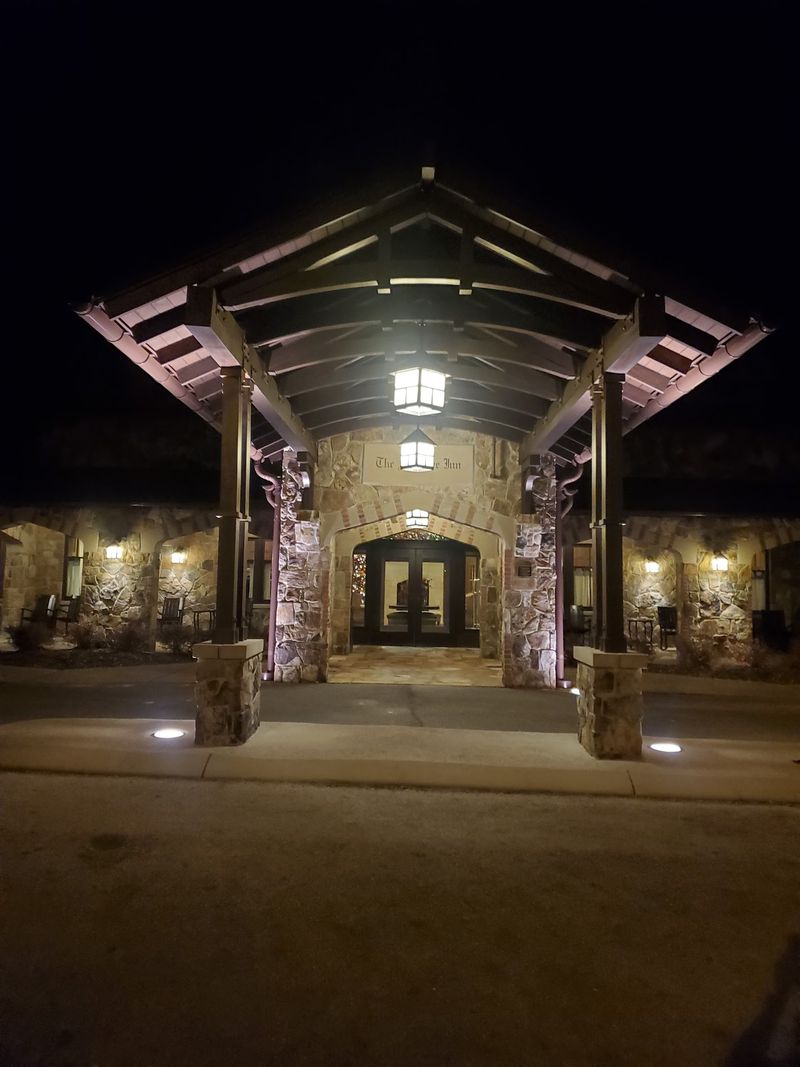
For five weeks each summer, Sewanee transforms into a classical music hub that attracts performers and audiences from across the country. The Sewanee Summer Music Festival brings together talented young musicians for intensive training while presenting over 50 concerts that range from intimate chamber music to full orchestral performances. The festival’s unique setting, where concert halls nestle into mountain forests, creates an acoustic and visual experience you simply can’t replicate in urban concert venues.
Faculty members include principal players from major orchestras like the New York Philharmonic and Metropolitan Opera Orchestra, giving students access to world-class instruction. But this isn’t just a training program closed off from the public. Festival concerts are open to everyone, with many performances free or very affordable compared to big-city ticket prices.
The outdoor concerts particularly capture Sewanee’s magic, with string quartets performing as the sun sets behind the Cumberland Plateau and fireflies begin their evening dance. Audiences spread blankets on the lawn, sometimes bringing picnics to enjoy before the music starts. The natural amphitheater created by the surrounding hills enhances the acoustics, so even those seated far from the stage hear every note clearly.
Beyond the performances themselves, the festival creates a summer-long atmosphere where classical music becomes part of daily life rather than a rare special occasion. You might hear a cellist practicing in a practice room as you walk past, or stumble upon an impromptu jazz session at a local gathering spot. Students and faculty alike shop at the same grocery stores and eat at the same restaurants as locals, breaking down the barriers that often separate artists from communities.
This accessibility makes classical music feel approachable rather than intimidating, welcoming rather than exclusive, proving that great art doesn’t require formal dress codes or stuffy concert hall rules to be meaningful and moving.
The University Art Gallery – Rotating Exhibitions and Permanent Collections
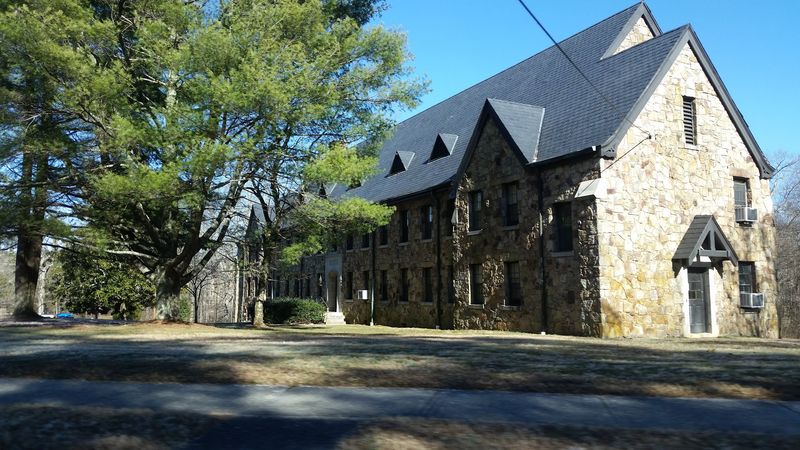
Housed in the Carlos C. Hall Art Gallery, the University of the South maintains an exhibition space that brings museum-quality shows to this small mountain community. The gallery hosts 8-10 exhibitions annually, featuring everything from contemporary installations to historical retrospectives, ensuring that there’s always something new to see.
Recent shows have included works by regional artists, national touring exhibitions, and pieces from the university’s own permanent collection that spans several centuries of artistic production.
What sets this gallery apart from typical college art spaces is its commitment to engaging both students and the broader community in meaningful dialogue about art. Exhibition openings draw crowds that mix university faculty with local residents, creating conversations that cross generational and professional boundaries. The gallery also hosts artist talks, workshops, and educational programs that make art accessible to people who might feel intimidated by traditional museum settings.
The permanent collection includes works on paper, paintings, sculptures, and decorative arts that reflect both Southern artistic traditions and broader American art movements. While not massive by major museum standards, the collection is thoughtfully curated to support teaching and provide students with direct access to original artworks. Seeing a real Audubon print or a 19th-century landscape painting in person creates learning opportunities that no textbook can match.
Gallery hours are generous and admission is free, removing financial barriers that keep many people from engaging with visual art. The space itself features high ceilings and natural light that allow artworks to shine without competing with overly designed interiors. Comfortable seating encourages visitors to spend time with individual pieces rather than rushing through.
For a town of Sewanee’s size, having this level of visual arts programming is remarkable and speaks to the community’s values. Art isn’t treated as decoration or entertainment but as essential food for thought, a way of seeing the world differently, and a catalyst for the kinds of conversations that make life richer and more interesting.
Tennessee Williams Center – Theater Productions and Performance Arts
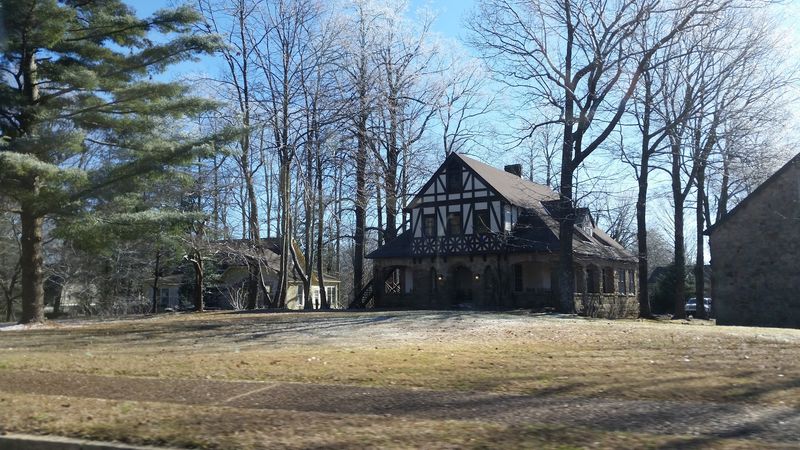
Named after the legendary playwright who had Tennessee roots, the Tennessee Williams Center serves as Sewanee’s hub for theatrical productions and performance arts. The university’s theater program stages multiple productions each academic year, ranging from Shakespeare to contemporary works, musical theater to experimental pieces. Student actors, directors, and designers gain hands-on experience while providing the community with entertainment that rivals professional regional theaters.
The center’s intimate theater spaces create a closeness between performers and audiences that larger venues can’t achieve. Sitting just rows away from the stage, you can see actors’ facial expressions, hear the subtle inflections in their voices, and feel the energy that live performance generates. This proximity makes theater feel immediate and vital rather than distant and formal.
Beyond student productions, the center hosts visiting companies, solo performers, and special events throughout the year. Dance troupes, spoken word artists, and touring theater companies all find their way to Sewanee’s stage, bringing diverse performance styles to audiences who might otherwise need to travel hours to experience them. The programming deliberately mixes familiar classics with challenging new works, respecting audience intelligence while also pushing comfort zones.
Theater students benefit from working in a program that values artistic risk-taking over safe commercial choices. Directors can experiment with unconventional staging, actors can tackle demanding roles, and designers can try innovative approaches without the pressure of needing to sell thousands of tickets. This creative freedom produces performances that feel fresh and genuine rather than calculated to please.
The center also offers workshops, master classes, and educational outreach that extends theatrical arts beyond the campus. Local high school students can participate in summer programs, community members can take acting classes, and teachers can access resources for incorporating drama into their curricula. This commitment to spreading theater arts throughout the region reflects Sewanee’s understanding that culture flourishes when it’s shared generously rather than hoarded protectively, and that performance arts can transform communities by giving people new ways to express themselves and understand others.
Sewanee’s Historic Downtown – Local Galleries and Artisan Shops
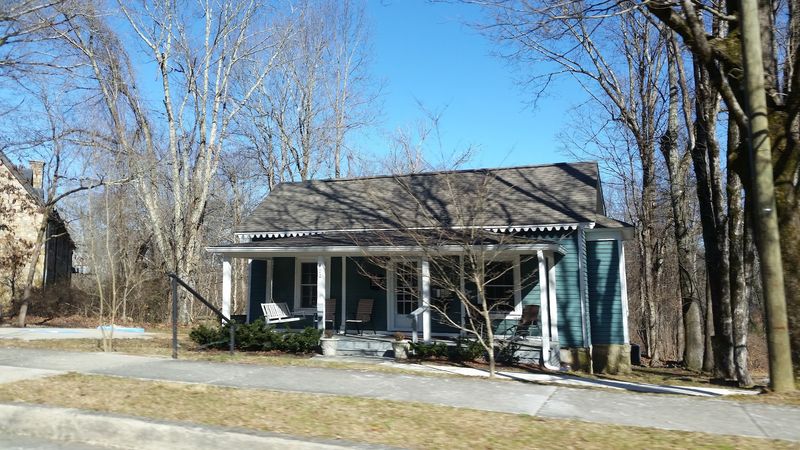
Downtown Sewanee doesn’t sprawl across multiple blocks or feature chain stores every few feet. Instead, it concentrates its energy into a compact area where locally-owned businesses create a genuine sense of place. Small galleries showcase work by regional artists, from pottery and jewelry to paintings and fiber arts, giving visitors a chance to take home something that actually connects to the area rather than mass-produced souvenirs.
Stirling’s Coffee House functions as the unofficial community living room, where students, professors, and townspeople gather for coffee and conversation. The walls rotate local artwork for sale, and the bulletin board advertises everything from poetry readings to hiking groups. Sitting at Stirling’s for an hour gives you a better sense of Sewanee’s character than any guidebook could provide.
The Blue Chair, a beloved bakery and cafe, serves pastries and lunch alongside a carefully curated selection of local food products, cookbooks, and kitchen items. It’s the kind of place where the staff knows regulars by name and strangers feel welcomed into the community rather than treated as tourists to extract money from. The food is genuinely good, not just acceptable by small-town standards, because Sewanee residents demand quality and won’t settle for mediocrity.
Several antique and vintage shops offer treasures for those willing to browse, from old books to furniture pieces with history. These aren’t the picked-over junk shops you find in some small towns but thoughtfully curated spaces where owners have real knowledge about their inventory. You might discover a first edition of a Southern author, a piece of locally-made pottery from decades past, or furniture crafted by regional artisans.
What makes downtown Sewanee special isn’t any single spectacular attraction but the cumulative effect of businesses that prioritize character over profit margins, quality over quantity, and community connection over anonymous transactions. Shopping here feels like participating in local culture rather than just consuming it, supporting artists and entrepreneurs who’ve chosen to build their lives in this mountain town despite easier opportunities elsewhere.
Cultural Events and Lecture Series – Year-Round Intellectual Engagement
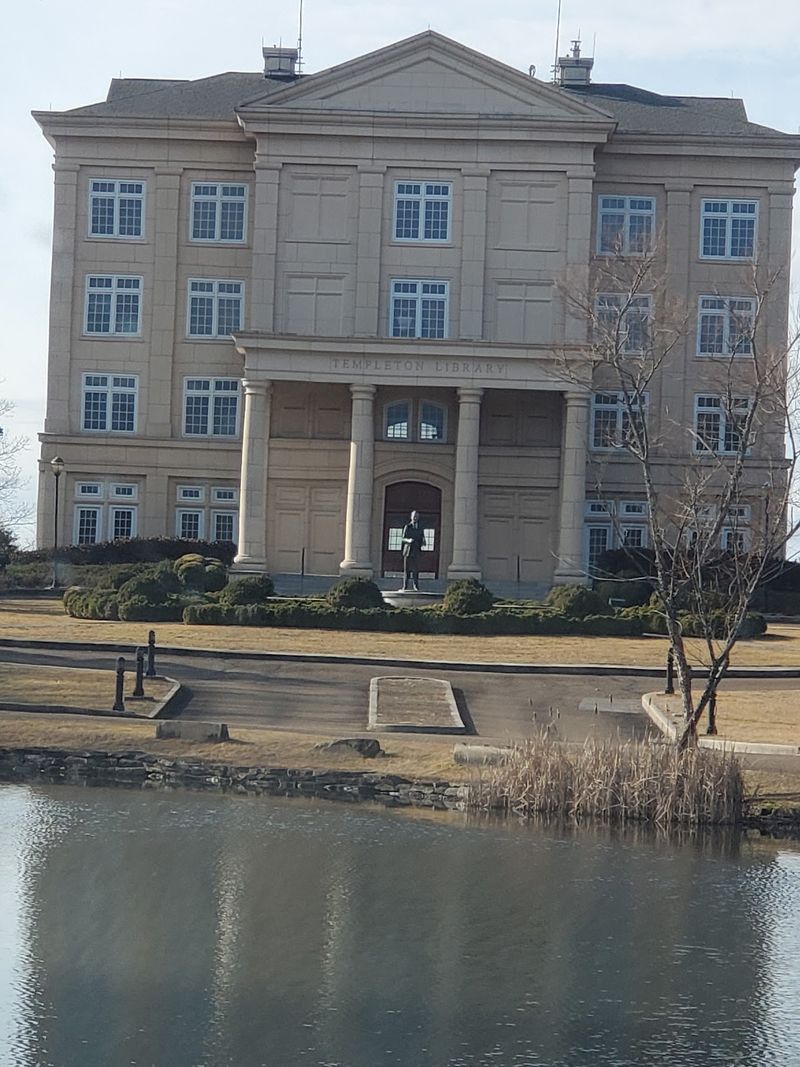
Sewanee’s cultural calendar stays packed year-round with lectures, symposiums, and special events that bring notable thinkers to this small mountain community. The university’s various departments host visiting speakers who are leaders in their fields, from award-winning authors and journalists to scientists and policy experts. These events are typically free and open to the public, meaning anyone can attend a lecture by a Pulitzer Prize-winning historian or a renowned environmental scientist without paying admission or having university credentials.
The Sewanee Speakers Series brings particularly high-profile guests to campus several times each year. Recent speakers have included bestselling authors, political commentators, and cultural critics whose ideas shape national conversations. After formal presentations, speakers often participate in smaller discussion sessions where audience members can ask questions and engage directly, creating opportunities for genuine intellectual exchange rather than one-way information delivery.
Special symposiums focus on specific themes, bringing together multiple experts for day-long or multi-day explorations of complex topics. These events might examine environmental challenges facing the Cumberland Plateau, explore the intersection of faith and social justice, or analyze contemporary political movements. The interdisciplinary approach encourages participants to consider issues from multiple angles rather than retreating into comfortable ideological corners.
Film screenings, often followed by discussions, add visual culture to the mix of intellectual offerings. Documentary films about social issues, classic cinema, and contemporary independent films all find audiences in Sewanee. The post-screening conversations often prove as valuable as the films themselves, as diverse perspectives emerge and people grapple with difficult questions together.
This constant flow of ideas creates an atmosphere where learning doesn’t stop after graduation but continues as a lifelong pursuit. Retirees attend lectures alongside current students, local residents engage with visiting scholars, and conversations started in formal settings continue informally over meals and coffee. Sewanee demonstrates that intellectual culture doesn’t require a major city’s population density, just a community that values curiosity, welcomes challenging ideas, and commits to ongoing learning as a core part of what makes life worth living.
Share this story