Every year, more than 13 million people head to Great Smoky Mountains National Park, making it the most popular national park in the entire country. That’s more visitors than Grand Canyon, Yellowstone, and Yosemite combined, which is pretty wild when you think about it.
Sitting right on the Tennessee-North Carolina border, the Smokies offer everything from misty mountain views and rushing waterfalls to black bears wandering through the forest and trails that take you deep into the Appalachian wilderness. Best part? There’s no entrance fee, so you can explore as much as you want without worrying about your wallet.
Great Smoky Mountains Is the Most Visited National Park in America for Good Reason
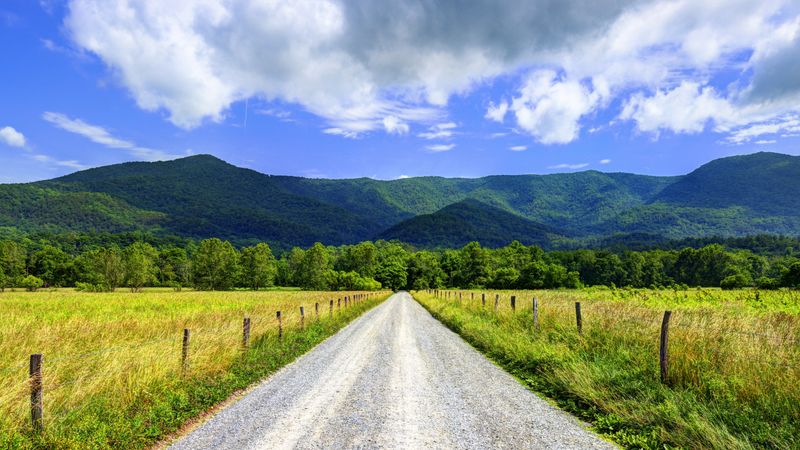
When over 13 million people choose the same spot for their vacation year after year, you know something special is happening. Great Smoky Mountains National Park holds the top spot for visitation in America, and it’s not just because it’s free to enter—though that definitely helps.
The park sprawls across 187,000 acres of forested peaks, offering more biodiversity than most places on Earth. You’ve got ancient mountains covered in thick hardwood forests, over 800 miles of hiking trails, and wildlife that includes black bears, elk, white-tailed deer, and even synchronous fireflies that light up the summer nights like a natural light show.
People come back because every visit feels different depending on the season, the trail, or even the time of day.
Unlike some western parks that require long road trips and careful planning, the Smokies are accessible from major cities like Atlanta, Charlotte, and Nashville. You can drive scenic routes like Newfound Gap Road or Cades Cove Loop and see jaw-dropping views without ever leaving your car. Or you can lace up your boots and disappear into the backcountry for days.
The combination of natural beauty, easy access, no entrance fee, and endless things to do makes this park a no-brainer for families, couples, adventurers, and anyone who just wants to breathe cleaner air for a weekend.
Why This Tennessee Treasure Draws Millions Year After Year
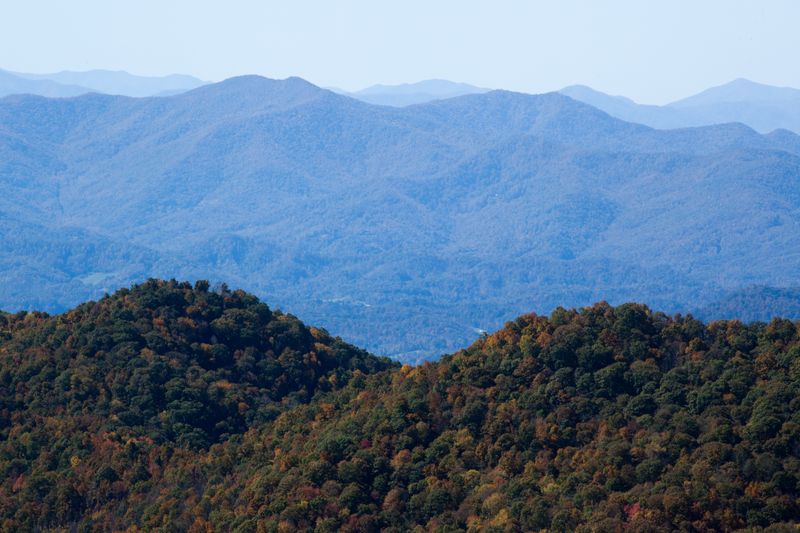
Most national parks have one or two standout features—a canyon, a geyser, a famous rock formation. The Smokies? They’ve got layers of reasons to visit, and that’s why people keep coming back like it’s a family reunion.
First off, it’s free. No entrance fee means you can pop in for a few hours or spend a whole week without dropping cash at the gate. That alone makes it more accessible than most national parks, especially for families trying to stretch a vacation budget.
Then there’s the sheer variety. You can hike to waterfalls like Laurel Falls or Grotto Falls, drive the winding roads through Cades Cove to spot wildlife, explore historic cabins and churches tucked into the hills, or just pull over at a scenic overlook and soak in the view.
The park also sits right next to Gatlinburg and Pigeon Forge, so you’ve got mountain wilderness on one side and mini-golf, pancake houses, and attractions on the other.
The Smokies also feel welcoming to all skill levels. You don’t need to be a hardcore hiker to enjoy this place. Plenty of trails are short, paved, and family-friendly. But if you want a challenge, the Appalachian Trail runs right through the park.
Add in the nostalgia factor—many visitors grew up coming here—and you’ve got a destination that feels like home, no matter where you’re actually from.
The Scenic Views Here Are Nothing Short of Spectacular
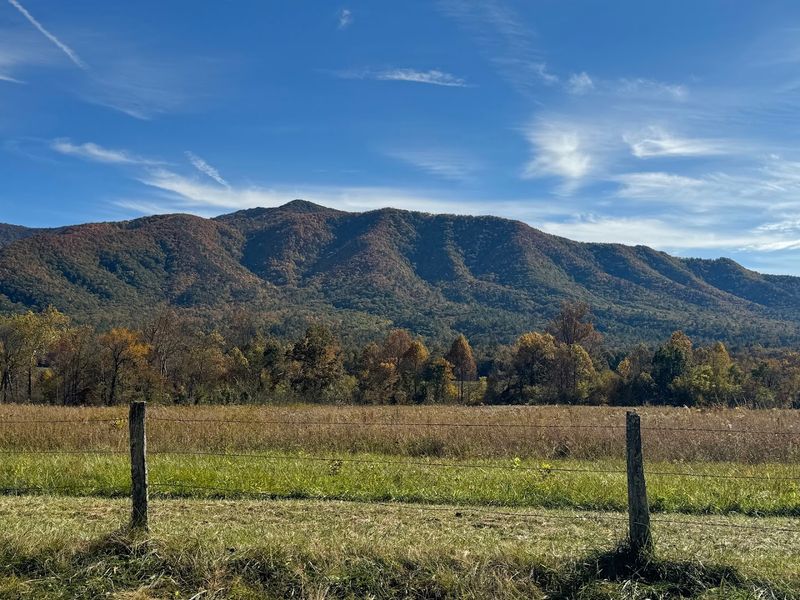
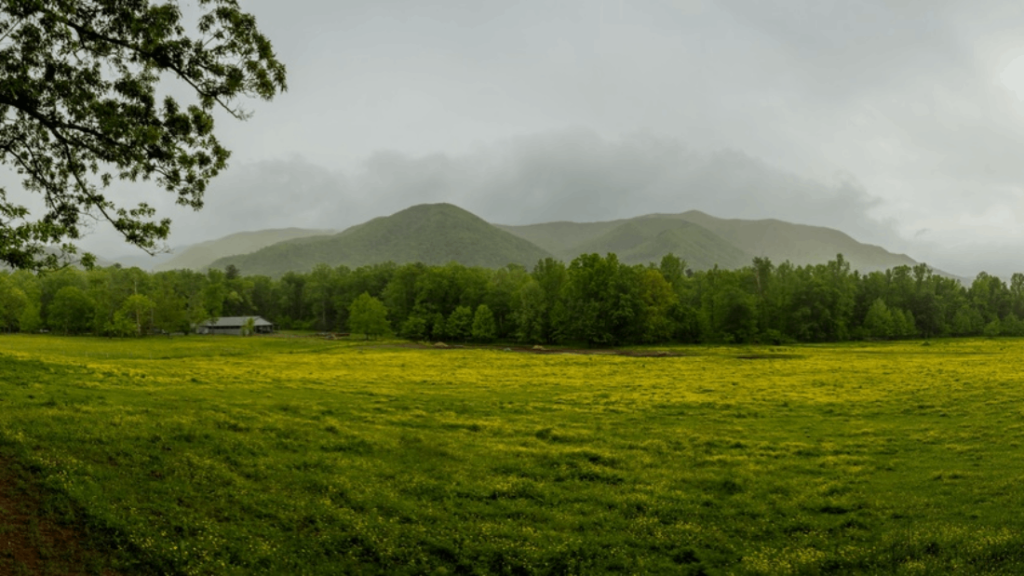
Pictures don’t do it justice, but people try anyway. The views in the Smokies hit different, especially when that signature blue haze rolls across the ridges and makes the whole landscape look like a watercolor painting.
That haze isn’t just for show—it’s actually caused by moisture and natural oils released by all the trees and plants in the park. It gives the mountains their name and creates this dreamy, soft-focus effect that photographers and Instagrammers absolutely love. Early morning and late afternoon are prime time for catching those golden-hour shots with fog sitting in the valleys.
Drive up to Clingmans Dome, the highest point in the park at over 6,600 feet, and you’ll get a 360-degree view that stretches across Tennessee and North Carolina. On a clear day, you can see up to 100 miles. The observation tower at the top makes you feel like you’re standing on top of the world.
Then there are overlooks like Newfound Gap and Morton Overlook, where you can pull off the road and just stare. No hiking required. The layers of mountains stacking up in the distance look unreal, like someone painted them in shades of blue and green just for you.
Whether you’re chasing sunrise, sunset, or just a quiet moment, the Smokies deliver views that stick with you long after you leave.
From Waterfalls to Wildlife, There’s So Much to Explore
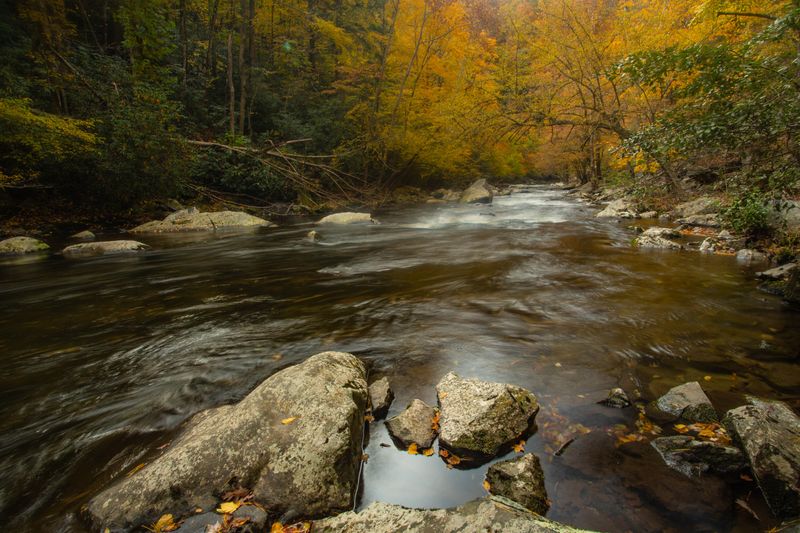
Some parks are all about one big attraction. The Smokies? They’re more like a greatest hits album where every track is a banger.
You’ve got waterfalls, wildlife, historic sites, wildflowers, and trails for every mood and fitness level.
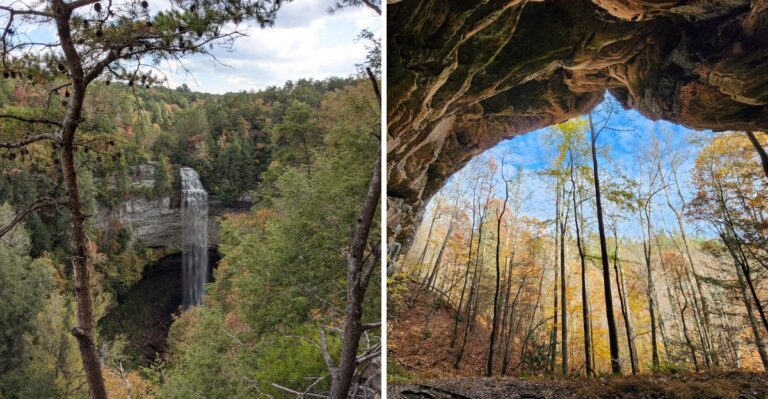
Waterfall chasers have plenty to love here. Laurel Falls is one of the most popular—paved, relatively easy, and absolutely gorgeous. Grotto Falls lets you walk behind the water, which feels like stepping into a secret hideout. Abrams Falls isn’t the tallest, but the volume of water crashing into the pool below is mesmerizing.
Wildlife sightings are almost guaranteed if you spend any time in the park. Black bears are the celebrities here, and if you drive through Cades Cove early in the morning or at dusk, you’ll likely spot one munching on berries or crossing the road. Elk were reintroduced to the area and now roam the fields near Cataloochee Valley.
Deer, wild turkeys, salamanders, and over 200 species of birds also call this place home.
History buffs can explore preserved cabins, churches, and grist mills that tell the story of the people who lived in these mountains before it became a national park. Walking through places like the John Oliver Cabin or Mingus Mill feels like stepping back in time.
No matter what you’re into, the Smokies have something waiting for you around the next bend.
What Makes the Great Smoky Mountains Stand Out From Other National Parks
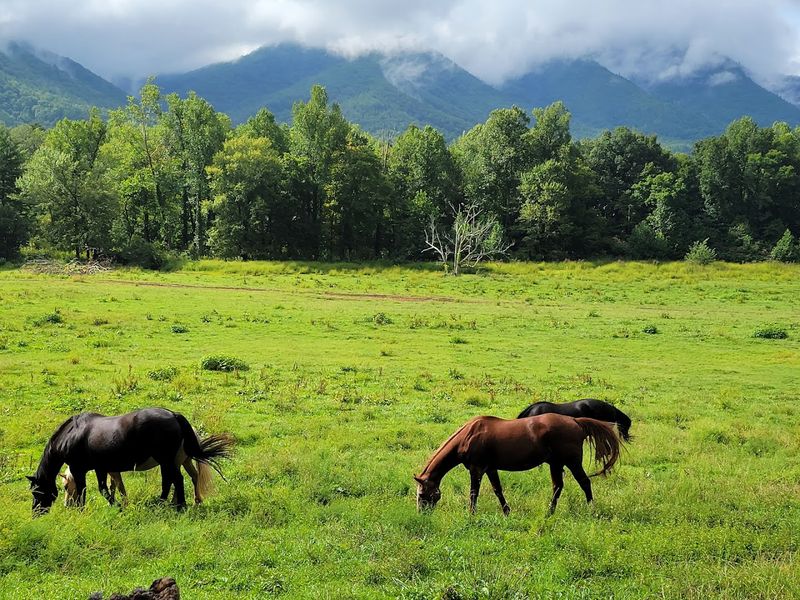
Sure, the Grand Canyon is iconic and Yellowstone has geysers, but the Smokies have something those parks don’t: accessibility, diversity, and a whole lot of heart. It’s not just a park—it’s a living, breathing ecosystem with more tree species than all of Europe and more salamander species than anywhere else on the planet.
One huge difference is the lack of an entrance fee. That’s thanks to a special agreement made when the park was established, and it means anyone can visit without worrying about the cost. It’s a small thing that makes a big difference, especially for families or people visiting multiple times a year.
The Smokies also sit right in the middle of the eastern United States, making them easier to reach than parks out west. You don’t need a week off work and a cross-country flight. A few hours’ drive from Atlanta, Nashville, or Knoxville, and you’re there.
And unlike desert or alpine parks, the Smokies are lush and green almost year-round. The biodiversity here is off the charts—old-growth forests, wildflower meadows, crystal-clear streams, and mountains that have been around for hundreds of millions of years. It feels ancient and alive at the same time.
The park also honors Appalachian culture in a way that feels authentic, not touristy. You’re not just visiting nature—you’re stepping into a place with deep roots and real history.
Every Season Brings a Different Kind of Beauty to the Smokies
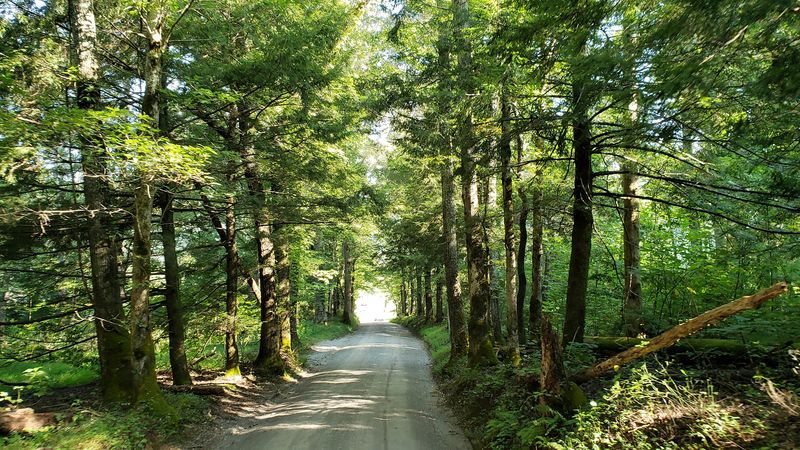
Visit the Smokies in spring, and you’ll see wildflowers exploding in every direction—trillium, violets, and flame azaleas turning the forest floor into a living garden. The waterfalls are roaring from snowmelt, and everything smells fresh and earthy. It’s renewal season, and the park feels brand new.
Summer is when the crowds show up, but for good reason. The weather is warm, the creeks are perfect for wading, and the trees create a canopy so thick it keeps you cool even on hot days. This is prime time for spotting black bears with cubs and catching the synchronous fireflies if you’re lucky enough to snag a permit.
Fall is peak season, and honestly, it’s hard to argue with that choice. The foliage is unreal—reds, oranges, yellows, and every shade in between painting the mountains like a masterpiece. The air is crisp, the trails are busy but worth it, and every overlook looks like a postcard.
People plan trips a year in advance just to catch this show.
Winter is the quiet season, and that’s part of its charm. The crowds thin out, the air gets sharp and clean, and if you’re lucky, you’ll see snow dusting the peaks. Some roads close, but the solitude and stillness make it feel like you have the whole park to yourself.
No matter when you visit, the Smokies deliver something unforgettable.
Why Great Smoky Mountains Belongs on Every Tennessee Travel Bucket List
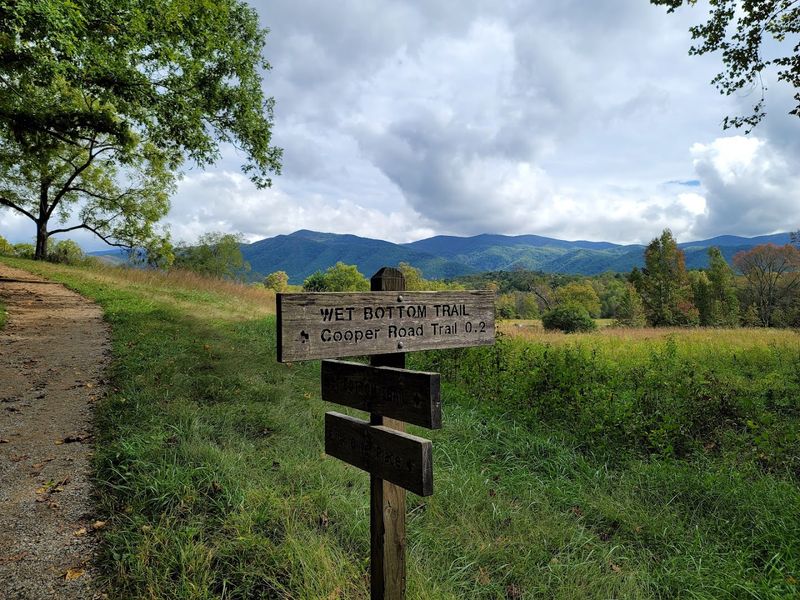
If you live in Tennessee or you’re planning a trip to the state, skipping the Smokies is like going to Nashville and not hearing live music. It’s the crown jewel of Tennessee tourism, and for good reason—it’s where nature, history, and adventure collide in the most beautiful way possible.
This isn’t just a park you check off a list. It’s a place you experience. You can spend a weekend here and barely scratch the surface, or you can come back every year and still find new trails, hidden waterfalls, and quiet corners you’ve never seen before.
It’s the kind of destination that grows with you.
The Smokies also represent Tennessee pride. It’s one of the most recognized landmarks in the state, right up there with Graceland and the Grand Ole Opry. But unlike those, the Smokies are timeless—they’ve been here for millions of years and they’ll be here long after we’re gone.
Whether you’re a hiker, a photographer, a history nerd, or someone who just wants to unplug and breathe mountain air, the Smokies have something for you. Families love it, couples find it romantic, solo travelers find peace, and adventurers find challenge.
It’s free, it’s accessible, it’s stunning, and it’s right here in Tennessee. There’s really no excuse not to go. Put it on your bucket list, then move it to the top.
Share this story