A fire started underground in 1962, and it is still burning today. Experts think it could keep going for another 250 years.
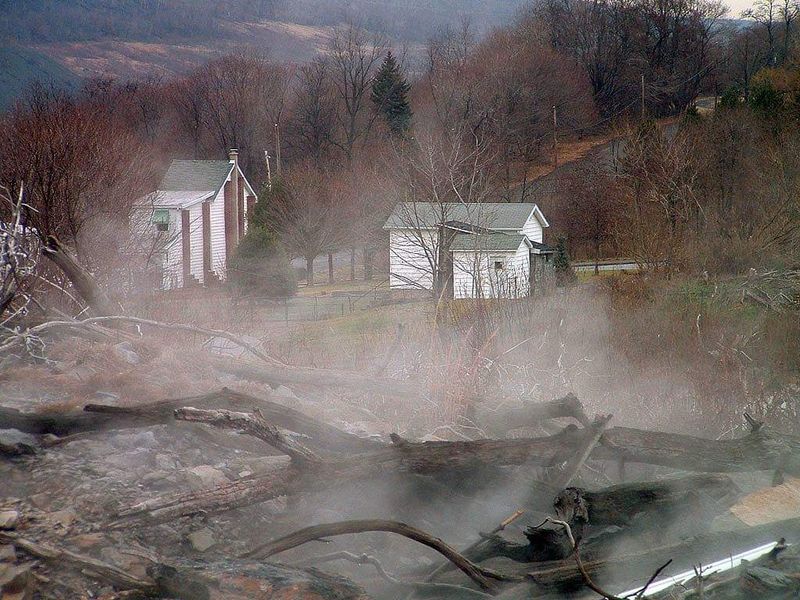
The flames sit as deep as 300 feet below the surface. Steam still drifts up through cracks in the ground. A whole town once lived right on top of all that heat.
This place sits in Pennsylvania coal country, and only five residents remained as of the 2020 census. Most of the houses are gone now. Grass and trees have taken over the old streets.
I can’t imagine packing up a whole life because the dirt under my porch got too hot. I like how this story mixes science, history, and plain stubbornness. The town may be nearly empty, but its story is far from over.
1. A Trash Fire That Refused To Go Out
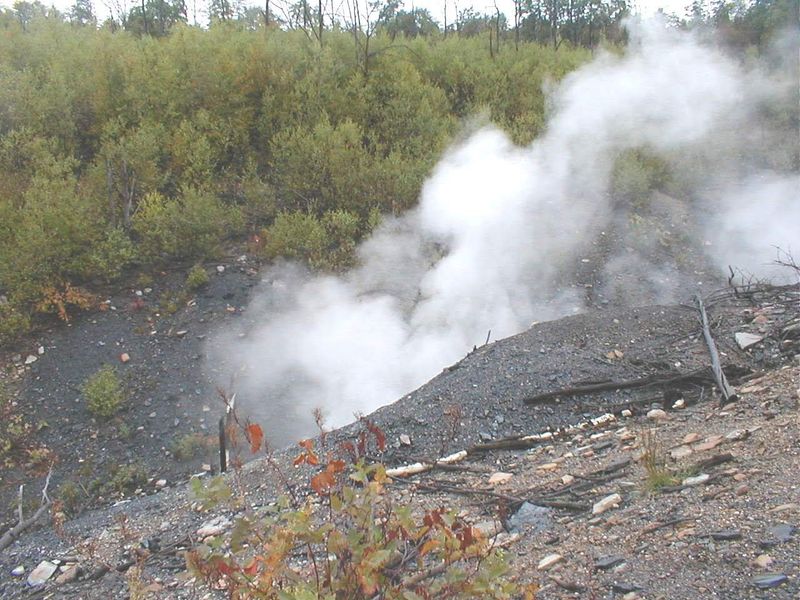
Most people forget about burning trash by the next morning.
In Centralia, Pennsylvania, one trash burn turned into a fire that has lasted more than 60 years.
The fire is believed to have started on or around May 27, 1962.
The likely cause was a controlled burn of household garbage in an old strip-mine pit.
Here’s the catch.
That pit sat right on top of coal seams, and coal burns slowly and stubbornly underground.
The flames crept into tunnels left behind by decades of mining.
Once the fire found that coal, it had a nearly endless food supply.
Crews tried to put it out many times over the years.
None of those efforts worked, and the fire kept spreading below the town.
Early cost estimates to stop it were fairly small.
By 1981, the projected price had climbed to about 660 million dollars.
That number tells you how hard the problem became.
Nobody could simply pour water on it and call it a day.
So the next time someone says a small mistake can’t grow, Centralia offers a pretty fiery counterpoint.
It’s a lesson about how one spark can rewrite a whole map.
2. The Fire Below Is Bigger Than You Think
Three thousand seven hundred acres.
That’s roughly how much ground the Centralia mine fire covers, stretched along an eight-mile area.
The heat sits in coal seams that reach depths of up to 300 feet.
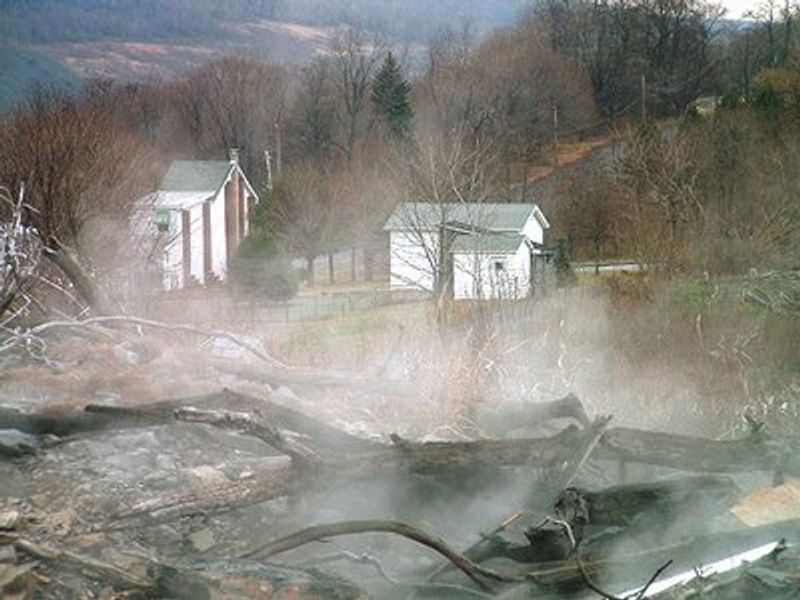
You can’t see flames, but you can sometimes see the clues.
Steam and smoke rise through cracks in the earth.
On a cool day, that white vapor makes the woods look like a spooky movie set.
The ground itself can also be unstable in fire areas.
Soil can weaken and sink when the coal beneath it burns away.
Dangerous gases may collect near those cracks too.
The Pennsylvania Department of Environmental Protection strongly discourages walking or driving through the immediate fire zone.
That warning is worth taking seriously.
A good photo is never worth a twisted ankle or a lungful of bad air.
Experts think the fire could burn for another 250 years.
That means your great-great-grandkids might still hear about it in school.
Honestly, it’s hard to wrap your head around a fire with that kind of patience.
It makes the whole place feel alive in a strange way.
3. Why Hundreds Of Families Packed Up And Left
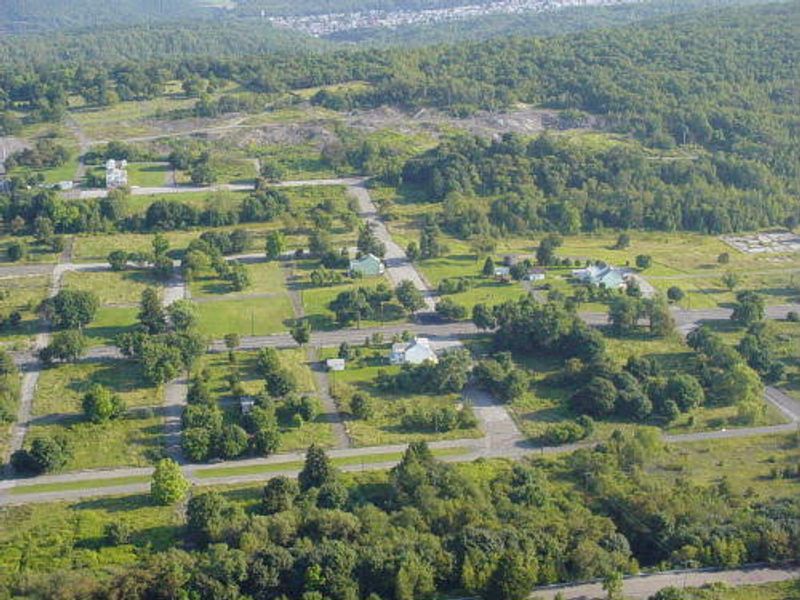
Back in 1980, around 1,000 people called this little borough home.
A few decades later, almost all of them were gone.
The 1980s changed everything for Centralia.
In 1984, the U.S. Congress set aside 42 million dollars to help residents move away.
The program was voluntary.
Families could sell their properties and start over somewhere safer.
Between 1985 and 1991, 545 homes and businesses were bought up.
After that, crews tore down most of the buildings.
Think about what that meant for neighbors.
Kids lost their old streets, and families lost the porches where they had spent summer evenings.
Some residents chose to stay, though.
Their roots ran deep, maybe almost as deep as the coal.
In 2013, an agreement let the seven people still living there remain for the rest of their lives.
After that, the properties would go to the state.
By the 2020 census, only five residents were left.
That’s fewer people than you’d find at a small family dinner.
It’s a quietly emotional story.
The town didn’t vanish overnight; it slowly emptied, one moving truck at a time.
4. Streets That Lead Nowhere Are The Eeriest Part
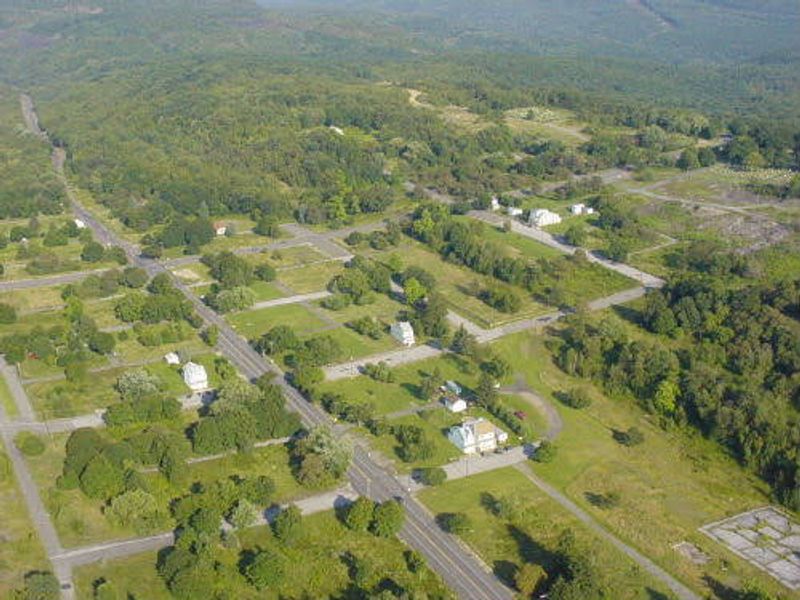
Old roads still cross the area, even though the houses they once served are long gone.
That’s what makes Centralia feel so odd.
Instead of a classic ghost town with empty buildings, you mostly find open land.
The demolitions left behind grass, trees, and a lot of blank space.
Some people say it looks more like a park than a town.
That’s a fair description, minus the picnic tables and the ice cream truck.
Look closely, and you’ll notice traces of the past.
A few decaying structures and other remnants still hint at where life once happened.
Nature has been busy here.
Plants have crept into spots where kids once rode bikes and neighbors chatted.
It’s a strange feeling to see a town’s outline without the town.
Your brain keeps trying to fill in the missing houses.
Remember that much of this land is private property.
Posted signs matter, and respecting them keeps everyone out of trouble.
For history fans, this quiet emptiness is the real attraction.
It’s like reading a book where someone erased most of the words but left the page numbers.
5. You Can’t Walk The Graffiti Highway Anymore
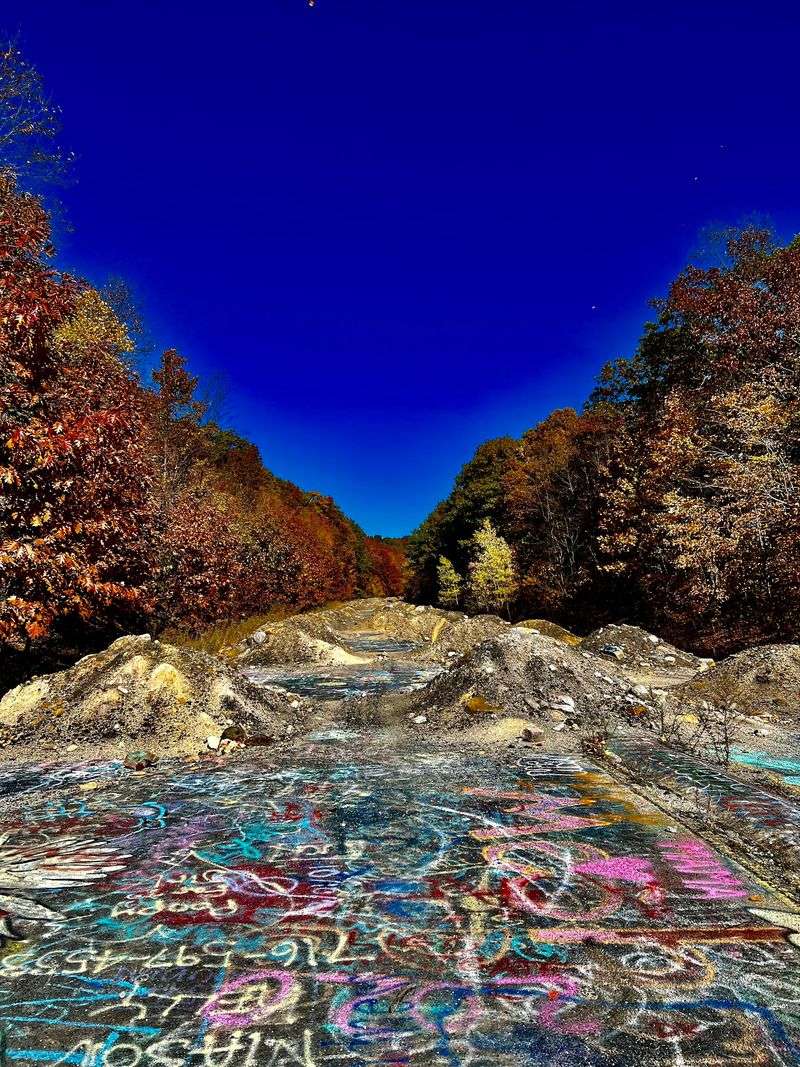
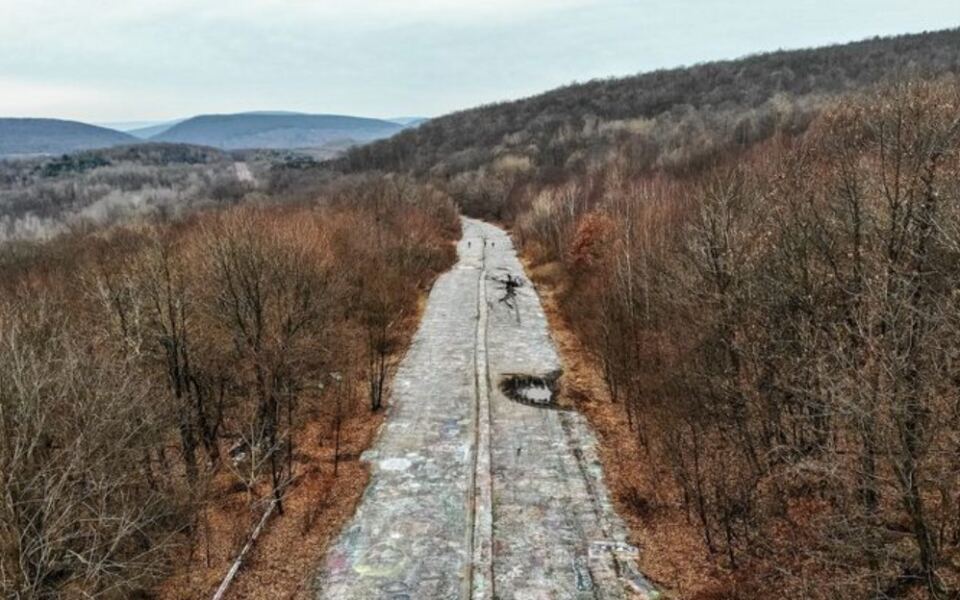
For years, the most famous sight here was a road covered in spray paint.
People called it the Graffiti Highway.
That stretch was part of the old Pennsylvania Route 61.
Ground damage from the fire made it unsafe for normal traffic, so it was closed off.
Visitors then turned the cracked pavement into a giant art canvas.
Colorful designs, names, and messages covered nearly every inch.
Sadly for selfie lovers, that era is over.
In early April 2020, property owner Pagnotti Enterprises buried the road under truckloads of dirt.
The goal was to stop trespassers and reduce liability worries.
No Trespassing signs are now posted in the area.
So please don’t plan your trip around painting your initials there.
The highway you’ve seen in old photos simply isn’t available anymore.
Even so, damaged sections of Route 61 still show how the ground sank and buckled.
That damage is a clear reminder of what’s happening below.
It’s a little bittersweet.
The graffiti made a sad place feel lively, but safety had to come first.
6. A Hillside Cemetery Still Keeps Watch
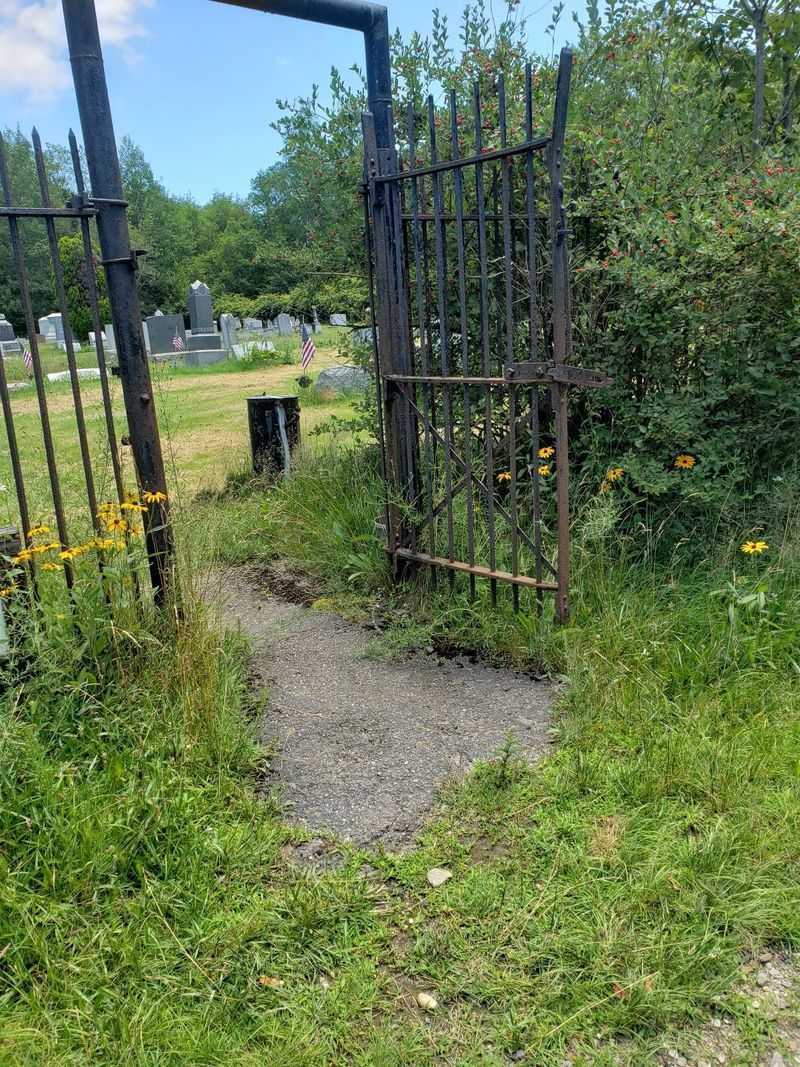
Few landmarks made it through the demolitions, but the Odd Fellows Cemetery is still here.
It stands as one of the town’s last clear links to its past.
Visitors have described an eerie silence around the grounds.
Some have also reported hearing the occasional hiss of steam rising from nearby earth.
That combination sounds like something from a campfire story.
In Centralia, though, it’s simply part of the landscape.
Old headstones carry names of families who built lives in this coal town.
Reading them can make the history feel personal fast.
If you stop by, treat the space with care.
Stay on paths, keep voices low, and leave everything just as you found it.
Families still have ties to this ground.
A respectful visit honors the people who once made the town buzz with life.
The cemetery also helps you picture Centralia at its busiest.
Churches, clubs, and neighbors all shaped a close community here.
It’s a peaceful place, oddly enough, considering what lies beneath.
The quiet seems to hold more stories than any tour guide could tell.
7. Gamers And Movie Fans Will Recognize The Vibe
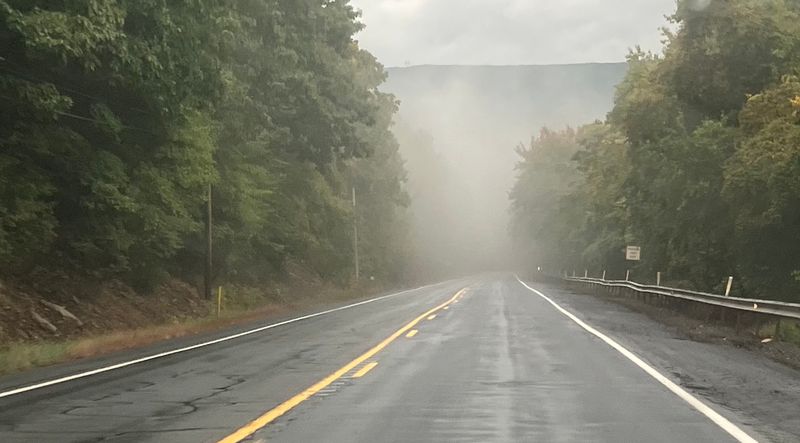
Foggy roads, steaming ground, and an empty town sound like a horror script.
Hollywood noticed.
Centralia is often named as one of the inspirations for the 2006 Silent Hill movie.
The video game series also shares its creepy, smoke-filled mood.
Fans have connected the dots for years.
A town with an endless fire underneath is basically a ready-made spooky setting.
Of course, the real place isn’t full of monsters.
It’s full of history, quiet fields, and a very stubborn coal fire.
Still, it’s fun to spot the similarities.
Steam drifting through bare trees on a gray day definitely fits the movie mood.
This pop culture link brought many curious people to the area.
Some came for the films, then stayed interested because of the true story.
Honestly, the real version might be more unbelievable than fiction.
A writer would struggle to convince an editor that a fire could burn for centuries.
If you love scary stories, Centralia gives you a real-life backdrop with a science lesson attached.
Just remember to keep your adventure safe and legal.
8. Finding It Takes A Map, Not A Street Number
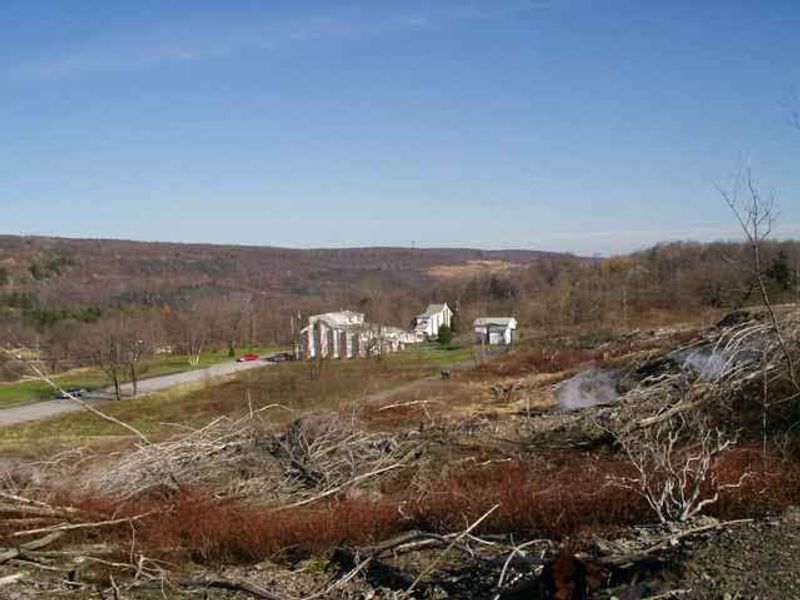
Typing Centralia into your phone works, but don’t expect a neat house number.
The town has no single street address anymore.
It sits in Columbia County, Pennsylvania, in the northeastern part of the state.
This is coal region, where mining shaped towns for generations.
Map coordinates put the area near 40.804, -76.341.
The old route of Pennsylvania Route 61 is often linked with the town’s location.
Once you arrive, things look surprisingly calm.
There’s no welcome center, gift shop, or ticket booth waiting for you.
Plan ahead before you head out.
Bring water, wear sturdy shoes, and download maps in case your phone signal gets spotty.
Pay attention to posted signs.
Some land is private, and the state warns people to stay away from the immediate fire zone.
It’s smart to visit during daylight.
Uneven ground is much easier to spot when the sun is up.
Think of this trip as a history stop, not a theme park.
A little preparation goes a long way in a place with this much going on underground.
9. The Real Souvenir Is The Story You Bring Home
Some trips give you t-shirts and magnets.
Centralia gives you a story that will make your friends stop scrolling.
How many people can say they stood near a fire that started in 1962?
Not many, and that’s what makes this spot so memorable.
The best way to enjoy it is with respect.
Take photos from safe areas, follow signs, and leave nothing behind.
It also helps to learn a bit of history first.
Knowing about the relocation program and the 2013 agreement adds meaning to every empty lot.
Kids especially might find it fascinating.
It’s a real-world lesson in geology, energy, and how communities handle tough choices.
Remember that a handful of people may still live nearby.
Treat the area like someone’s neighborhood, because it is.
This Pennsylvania town shows how quickly a place can change.
It also shows how memories can outlast buildings.
So go curious, stay careful, and leave with plenty of questions.
The ground may keep smoking for centuries, but the story of Centralia, PA is the part that really sticks with you.
Share this story