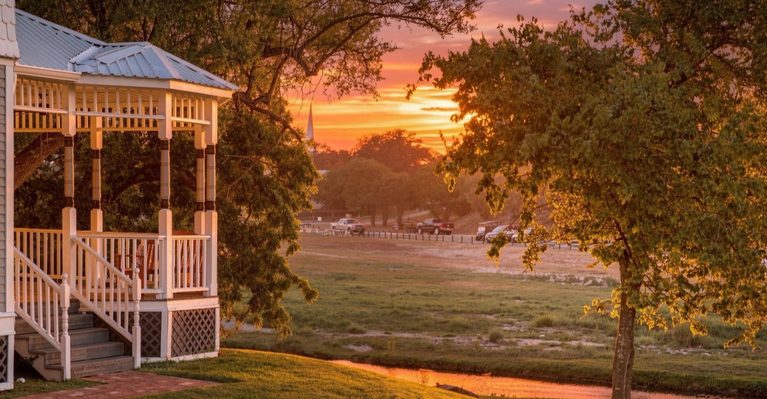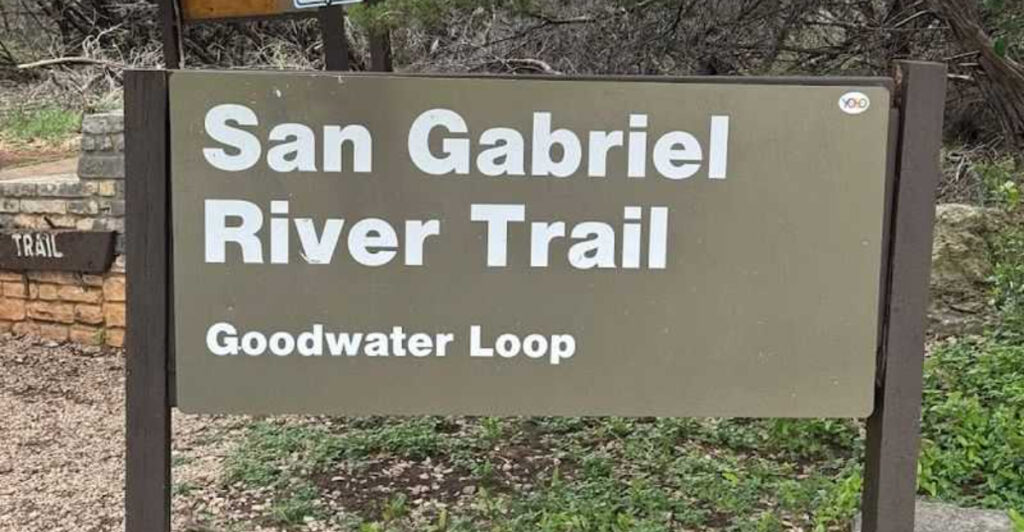
The Goodwater Loop wraps 28 miles around Lake Georgetown, offering one of Central Texas’s most rewarding backpacking adventures. Unlike manicured city trails, this rocky path delivers real wilderness experience just outside Austin, complete with waterfall destinations and clifftop lake views. Whether you tackle the full loop or sample shorter sections from the San Gabriel River Trailhead, knowing what to expect makes all the difference between a memorable trek and a miserable slog.
1. Rocky, Uneven Terrain That Demands Respect
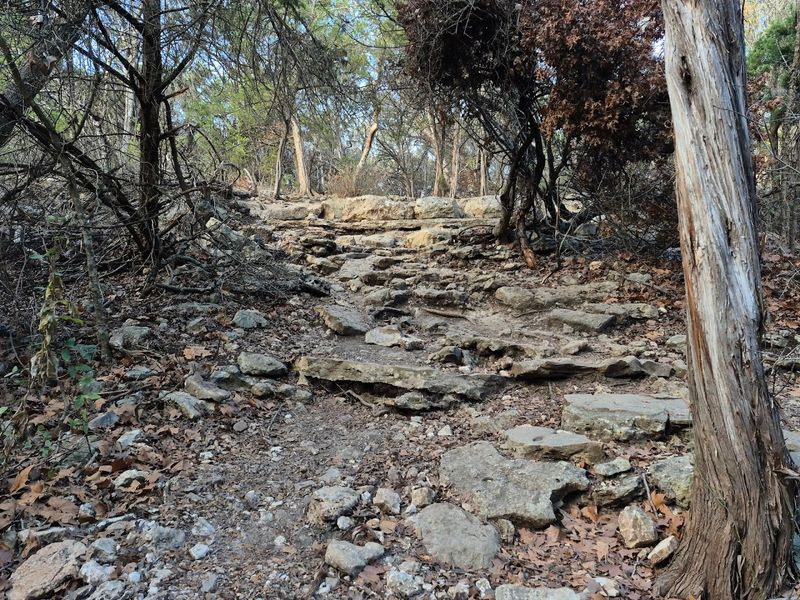
The Goodwater Loop doesn’t apologize for being rough underfoot. Limestone chunks, jutting roots, and uneven surfaces dominate most of the 28-mile route, making proper footwear absolutely essential. Reviewers consistently warn that sneakers won’t cut it here—you need real hiking boots with ankle support and grippy soles.
Erosion has carved shortcuts in places where impatient hikers skipped switchbacks, creating confusing junctions that can throw off your navigation. The trail markers exist, but you’ll want a downloaded map because cell service gets spotty. First-timers often underestimate how much this rocky footing slows their pace compared to smoother trails.
Families with young kids should think twice about tackling longer sections. There’s nowhere to bail out once you’re committed—no side trails leading back to roads or parking lots. That means if a five-year-old runs out of steam two miles in, you’re carrying them back.
The terrain difficulty varies throughout the loop, with some sections offering easier walking while others challenge even experienced hikers. Early morning starts work best, giving you cooler temperatures and better visibility to spot tricky footing. Trekking poles help tremendously, especially on the steeper elevation changes that pop up without warning throughout this Hill Country landscape.
2. The 2.5-Mile Trek to Crockett Garden Falls
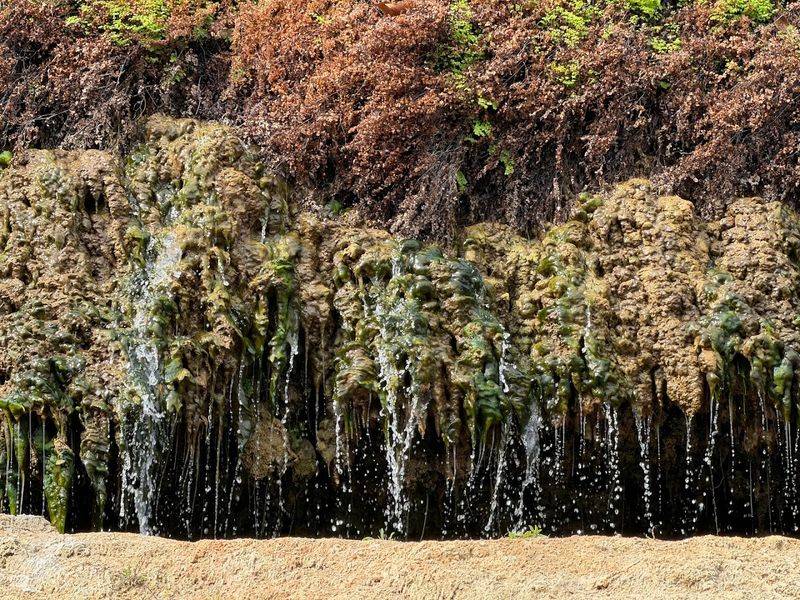
Most day hikers make Crockett Garden Falls their turnaround point, and it’s easy to see why. The waterfall sits about 2.5 miles from the San Gabriel River Trailhead at Cedar Breaks Park, making it a manageable 5-mile round trip. You’ll earn those lake views and shaded forest stretches before reaching the refreshingly cold cascade.
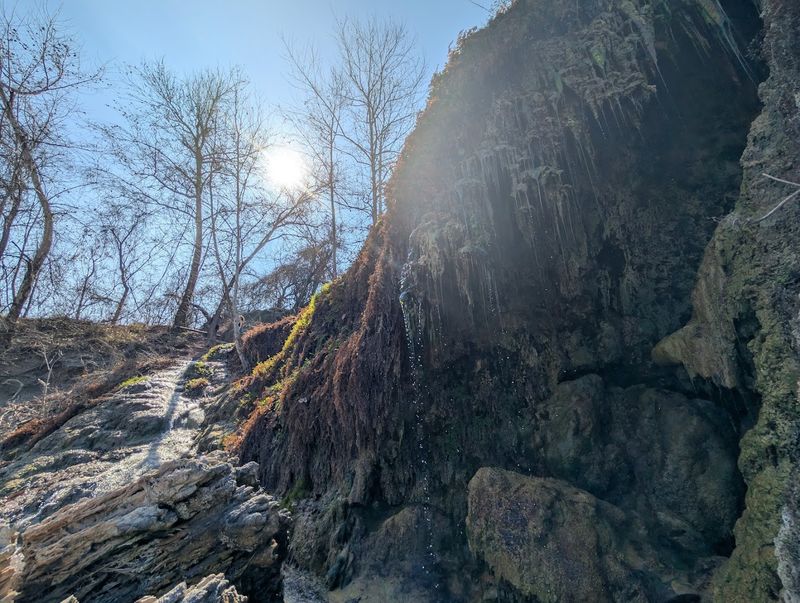
The falls themselves aren’t Niagara-level dramatic, but they’re absolutely worth the effort. Clear water spills over limestone ledges into pools where hikers cool off after the rocky journey. Just watch your step—the rocks around the falls get slicker than ice, and plenty of folks have learned this lesson the hard way.
Benches appear sporadically along the route, offering rest spots for catching your breath. Three benches total doesn’t sound like much, but you’ll appreciate every single one on hot days. The trail stays about 90% shaded according to multiple reviews, which helps tremendously during Texas summers.
Plan on 2-3 hours round trip if you’re moving at a relaxed pace with photo stops. Bring more water than you think you need—there’s no refilling until you’re back at the trailhead. Early morning departures beat both the heat and the parking crunch, since the small lot fills fast on weekends.
3. Parking Nightmares and Gate Fees
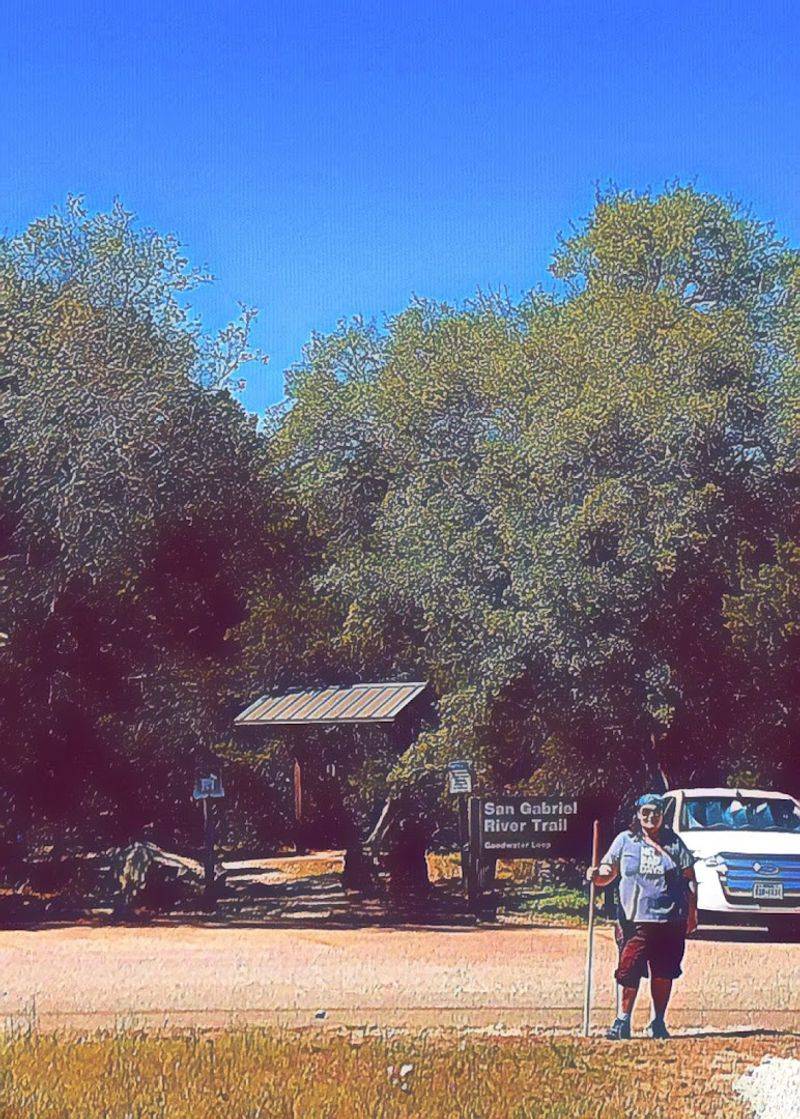
Here’s something nobody mentions until you arrive: parking at the San Gabriel River Trailhead fills up faster than a BBQ joint on Saturday. The small lot right at the trailhead holds maybe a dozen vehicles, and weekend mornings see it packed by 8 AM. Miss that window and you’re parking outside Cedar Breaks Park along Crockett Gardens Road.
The walk-in option actually saves you money. Drive through the gate and you’ll pay $5 for park entry. Park outside and walk through?
Free admission for pedestrians. Smart hikers arrive super early or embrace the roadside parking without complaint.
By 9:30 AM on nice weekends, expect the overflow parking to be your only option. That adds maybe a quarter-mile to your hike—not terrible, but annoying when you’re already facing 5-6 miles. Weekday mornings offer the best parking situation, with the lot rarely filling completely.
Some folks get creative and use other trailhead access points around the lake to avoid this mess entirely. The Goodwater Loop has multiple entry spots, though the San Gabriel River Trailhead remains the most popular for accessing Crockett Falls. If you’re planning a full loop backpacking trip, coordinating shuttle vehicles becomes its own logistical puzzle worth solving beforehand.
4. Lake Georgetown Views From the Cliffs
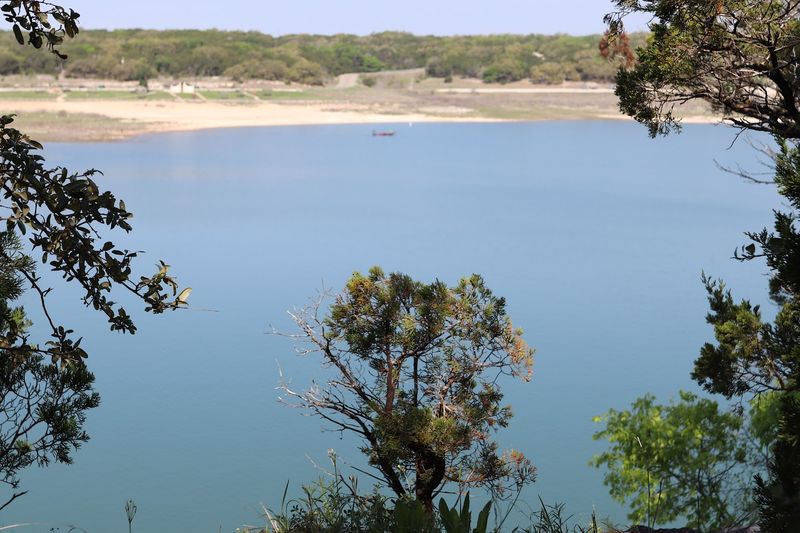
The trail rewards your rocky scrambling with stunning clifftop perspectives of Lake Georgetown. These aren’t gentle overlooks—you’re perched on limestone bluffs with genuine drop-offs, looking down at brilliant blue water and the boats zipping across the surface. Photographers love these spots, especially during golden hour.
Multiple viewpoints appear throughout the loop, each offering different angles on the 1,310-acre reservoir. Some sections run close enough to the shoreline that you can scramble down to the water’s edge. Others keep you elevated, providing bird’s-eye views that make the rocky climb worthwhile.
Reviewers mention these lake vistas as highlights that break up the forested sections nicely. You’ll spot sailboats, jet skis, and fishing boats depending on the season and time of day. The contrast between the rugged trail and the recreational lake scene creates an interesting dynamic.
Certain cliff areas have become unofficial jumping spots for adventurous swimmers. One review mentions turning left before the beach to find these jump rocks. Obviously, this carries serious risk—the water depth changes, and one wrong move could ruin your whole year.
Most backpackers stick to admiring the views safely from established overlook points rather than testing their cliff-diving skills on a multi-day trek.
5. Heat Management and Hydration Realities
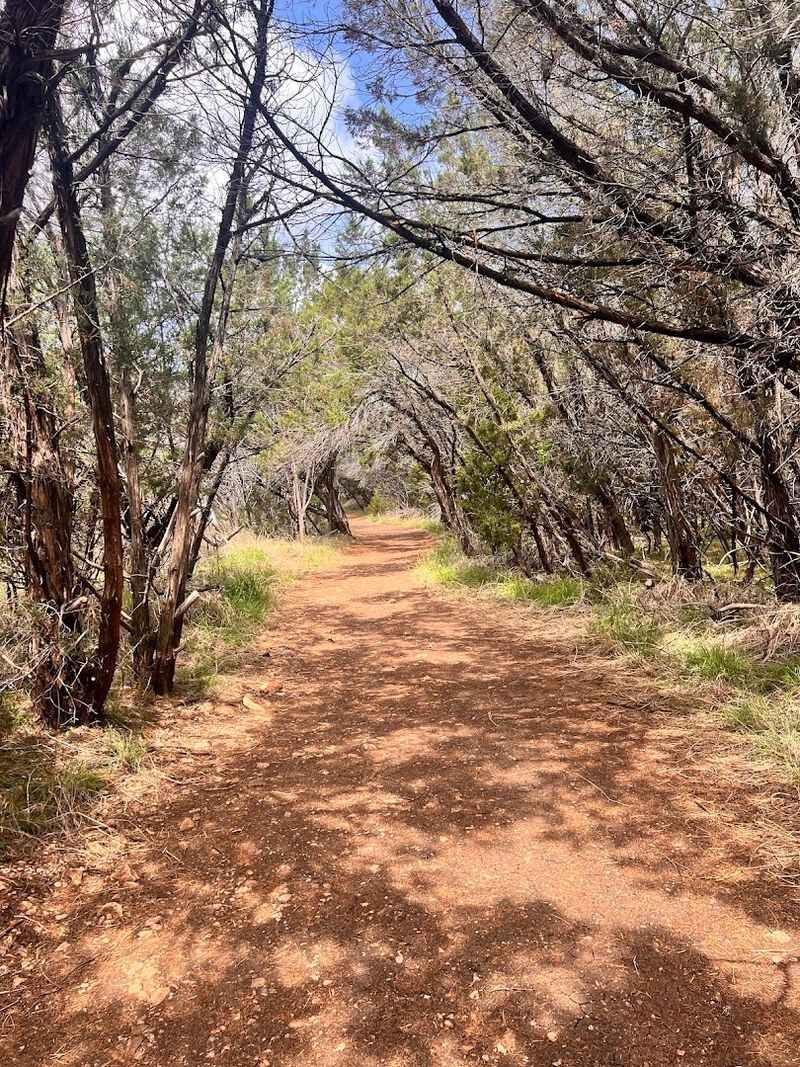
Texas heat turns the Goodwater Loop from challenging to potentially dangerous if you’re unprepared. Summer temperatures regularly crack 95°F, and the exposed sections offer zero relief. Multiple reviewers specifically recommend early morning starts to beat the worst heat—we’re talking sunrise departures, not 9 AM casual roll-ups.
Carry significantly more water than you’d bring on equivalent-distance hikes in cooler climates. Two liters minimum for the Crockett Falls round trip, and that’s conservative. The 90% shade helps, but you’re still working hard on uneven terrain that cranks up your exertion level and water needs.
There’s no water source along the trail for refilling, so what you carry is what you get. Multi-day backpackers tackling the full 28-mile loop need to cache water beforehand or plan their route around the few access points where resupply is possible. Some sections stay exposed to full sun, particularly near the dam and certain ridgeline stretches.
Spring and fall offer the best conditions—mild temperatures, lower humidity, and beautiful wildflower displays or fall colors respectively. Winter hiking works great too, with cool temps and fewer crowds. If you insist on summer backpacking, start your hiking days before 7 AM and plan long midday breaks in shaded spots.
6. The Full 28-Mile Loop Challenge
Completing the entire Goodwater Loop separates casual hikers from serious backpackers. That 28-mile circuit around Lake Georgetown typically requires 2-3 days with overnight camping, depending on your pace and how much you’re carrying. The elevation changes aren’t extreme by mountain standards, but they’re constant enough to wear you down.
Few reviews mention completing the full loop, which tells you something about the commitment level required. Most people sample sections as day hikes, enjoying the best parts without the logistical headaches of multi-day planning. You’ll need permits, proper gear, food planning, and realistic fitness expectations.
The trail’s primitive nature intensifies over longer distances. Navigation challenges multiply when you’re tired. Rocky footing that seems manageable for 5 miles becomes genuinely exhausting by mile 20.
Your feet take a beating that no amount of cushioned insoles completely prevents.
Camping spots exist along the route, though they’re not always obvious or conveniently spaced. Water access for filtering becomes critical planning—you can’t carry three days’ worth. Weather can shift fast in Central Texas, turning pleasant spring conditions into thunderstorm chaos.
Starting the loop late in the day guarantees you won’t finish before dark, which compounds the navigation difficulties on this sometimes-unclear trail system.
7. Wildlife, Solitude, and Peaceful Stretches
Despite sitting near suburban Georgetown, the Goodwater Loop delivers genuine wilderness solitude once you push past the popular Crockett Falls section. One reviewer mentioned hiking 3-4 mornings weekly and rarely encountering many people, which seems remarkable for a trail this close to Austin’s sprawl.
The further you venture from main access points, the quieter things get. Bird calls replace traffic noise. Deer, armadillos, and various songbirds make regular appearances.
You might spot turtles sunning on logs near the water or hawks circling overhead hunting for their next meal.
That peaceful atmosphere comes with a caveat—one review mentioned a constant hum of traffic or construction noise in certain sections. The trail does skirt developed areas in places, reminding you that true wilderness lies elsewhere. Still, most of the route feels genuinely removed from civilization.
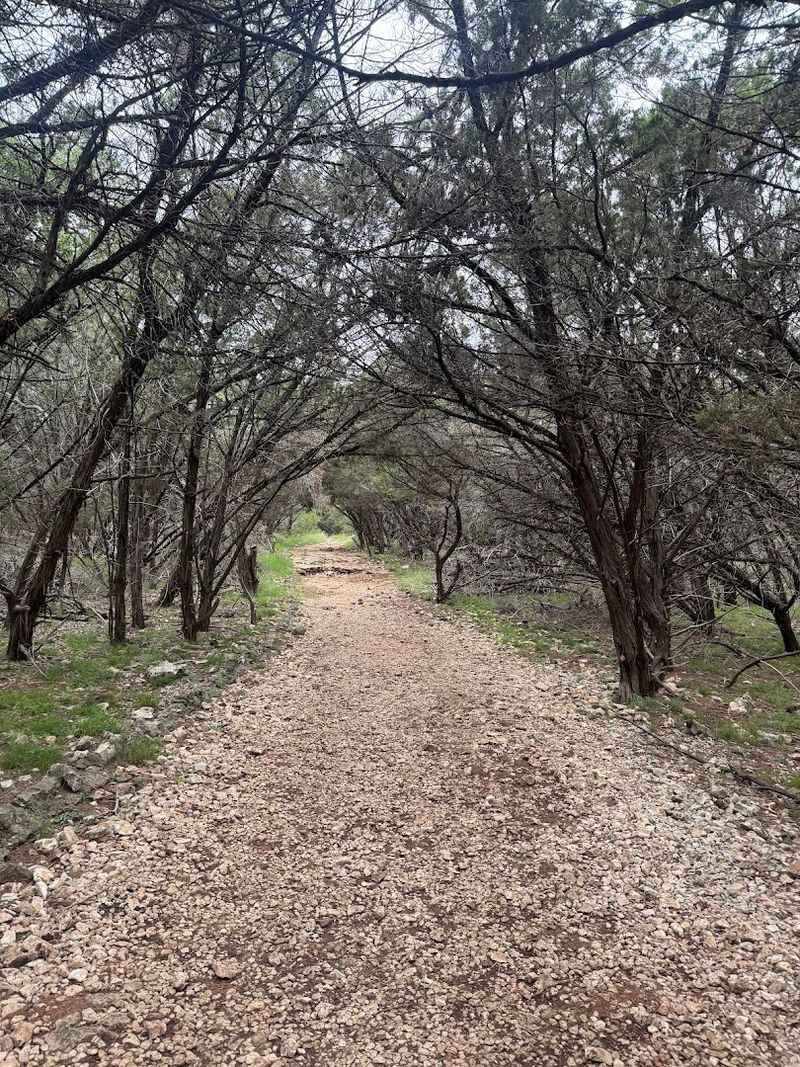
The shaded forest sections provide the most serene hiking, with oak and cedar creating natural tunnels that muffle outside sounds. Early morning and late afternoon offer the best wildlife viewing windows when animals are most active. Solo hikers especially appreciate these quiet stretches, though safety-conscious backpackers might prefer company on more remote sections.
The solitude factor increases dramatically during weekdays when the weekend crowds disappear completely.
8. Trail Maintenance and Condition Variability
The U.S. Army Corps of Engineers manages the Goodwater Loop, and trail maintenance quality varies considerably depending on which section you’re hiking. Some stretches show regular upkeep with clear markers and managed vegetation.
Others reveal obvious erosion damage and confusing routing where unofficial shortcuts have developed.
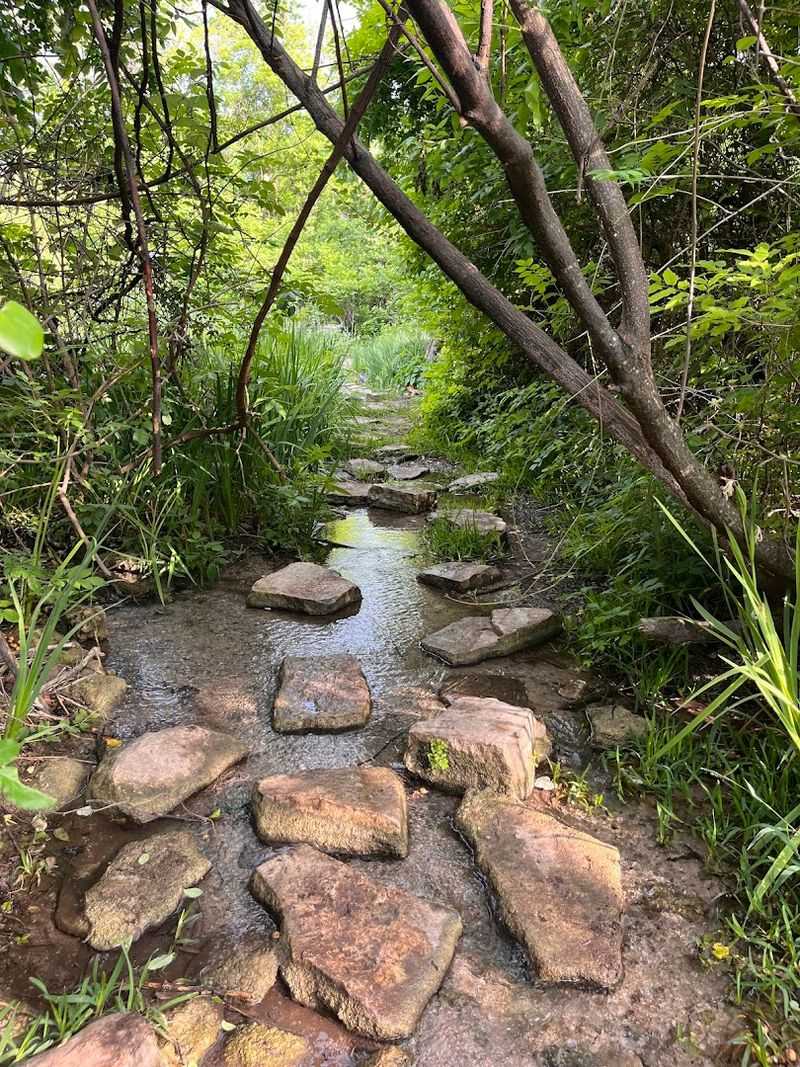
Reviewers consistently note that the trail can be hard to follow in parts. Erosion has cut off original pathways, and impatient hikers have created alternate routes that may or may not be the intended path. This creates navigation challenges that wouldn’t exist on more heavily managed trails with constant volunteer maintenance crews.
The good news: the trail is generally passable and hikeable year-round. The bad news: don’t expect pristine conditions or foolproof navigation. Download offline maps before you arrive, and pay attention to trail markers even when the path seems obvious.
Confident route-finding skills help tremendously.
Seasonal variations affect trail conditions too. Spring rains can create muddy sections and swollen creek crossings. Summer heat bakes the limestone into ankle-twisting hardness.
Fall typically offers the best conditions with stable weather and firmer ground. Check the Army Corps website for any trail closure notices before committing to a long backpacking trip, especially after severe weather events that might damage sections.
9. What to Bring and Real Preparation Tips
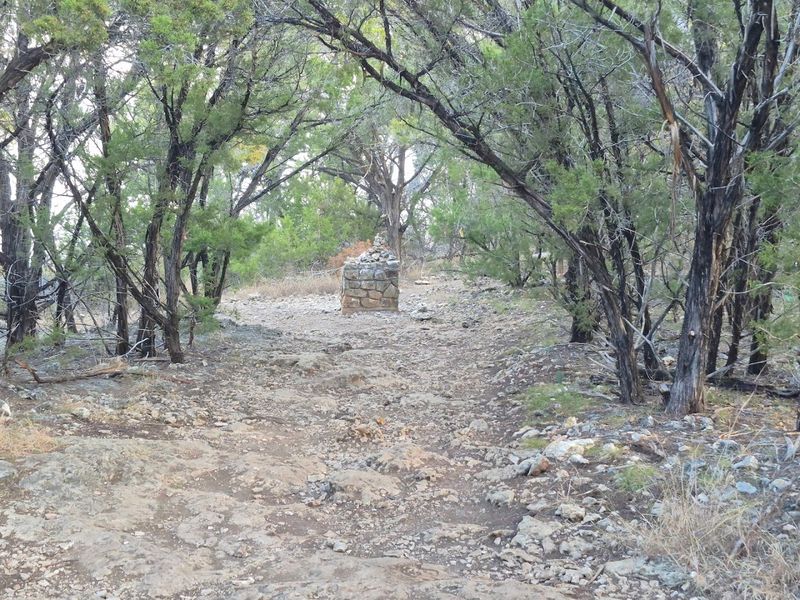
Proper hiking boots top every reviewer’s recommendation list—not suggestions, but requirements. The rocky terrain destroys ankles in running shoes and makes lightweight trail runners a risky choice. Boots with good ankle support and aggressive tread patterns perform best on the limestone chunks and root networks.
Water capacity matters more than you think. Hydration bladders work great, but bring backup bottles too. Snacks and proper nutrition keep energy levels stable over longer distances.
A basic first aid kit should include blister treatment since the rocky terrain creates hot spots fast. Sunscreen and a hat protect you during exposed sections.
Navigation tools deserve serious attention. Phone GPS works in some areas but fails in others. A downloaded offline map or old-school paper map provides essential backup.
Trekking poles genuinely help on the uneven terrain, reducing knee strain and improving stability on tricky sections.
Check water quality reports before your trip—one reviewer mentioned checking for E. coli levels, which is smart advice for any Texas lake. Bring a headlamp even for day hikes in case you’re out longer than planned. Bug spray during warmer months saves you from mosquito misery.
A small trash bag follows Leave No Trace principles, though one reviewer sadly noted filling a shopping bag with litter in under two miles.
Share this story