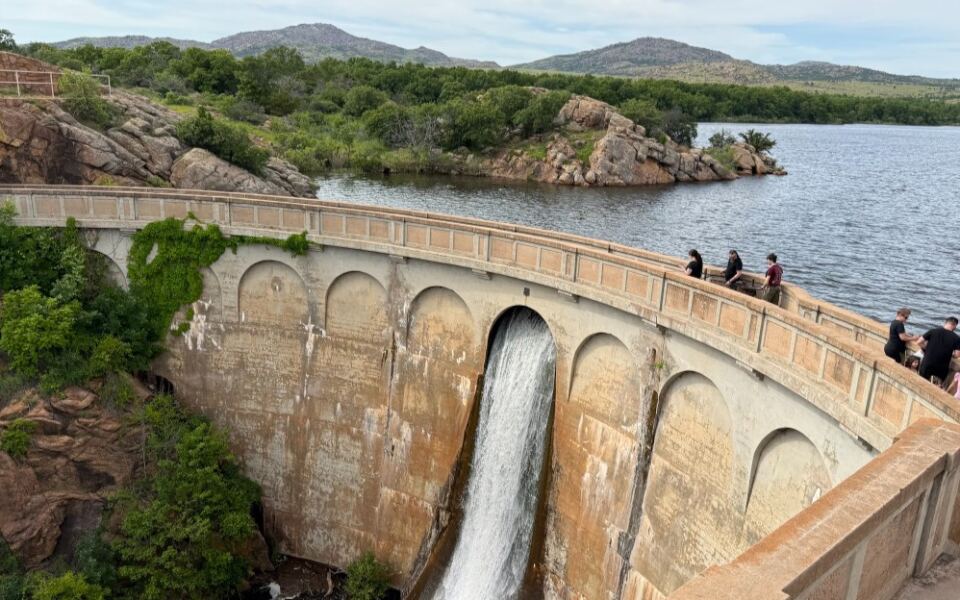
Southwest Oklahoma has a habit of surprising people who think the state is all flat prairie. Out near Indiahoma, granite peaks rise from the grasslands, and tucked among them sits a stone dam that has held back a calm lake since the 1930s.
It was built by hand during hard times, and it still stands sturdy today. You can walk right across it at almost water level, hike to a rocky summit nearby, cast a fishing line, or let the kids hunt for frogs along the shore.
Best of all, it costs nothing to get in or park. Keep reading to find out where this landmark hides, who built it, what makes it worth the drive, and the few smart tips that will make your visit go smoothly.
1. A Stone Landmark in the Wichita Mountains
Some landmarks shout for attention, and others simply wait among the hills for the right people to find them. Quanah Parker Dam belongs firmly in the second group.
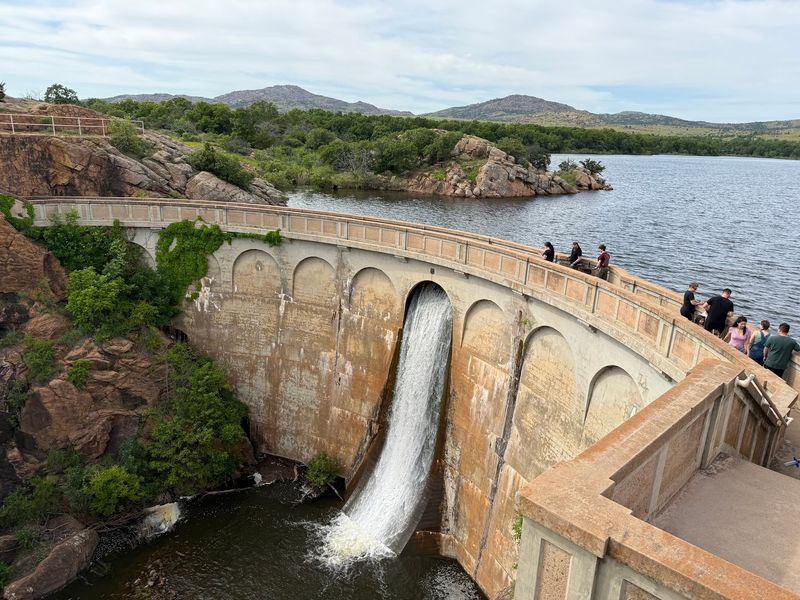
The dam sits on Little Baldy Trl, Indiahoma, OK 73552, in the southwestern corner of Oklahoma. It lies within the Wichita Mountains area, a short distance from the Wichita Mountains Wildlife Refuge headquarters region that draws families from across the state.
At its heart, this spot is a historic dam holding back a quiet lake. Around it stretch rocky hills, open grassland, and hiking paths that lead toward Little Baldy, a granite knob that rises nearby.
The place is listed as a tourist attraction, and it has earned a strong reputation among people who make the trip. Many call it one of their favorite places in all of Oklahoma, which is high praise in a state packed with lakes and parks.
The appeal is simple. Here you get history, water, and mountain scenery in one stop, with no ticket booth in sight.
For Oklahomans who love proving that their home state has real peaks and real character, this lakeside landmark makes a fine piece of evidence. The story behind it is where things get even more interesting.
2. Built by the Civilian Conservation Corps
Back in the 1930s, the country was deep in the Great Depression, and jobs were hard to find. The Civilian Conservation Corps, often called the CCC, put young men to work building parks, trails, and structures across America.
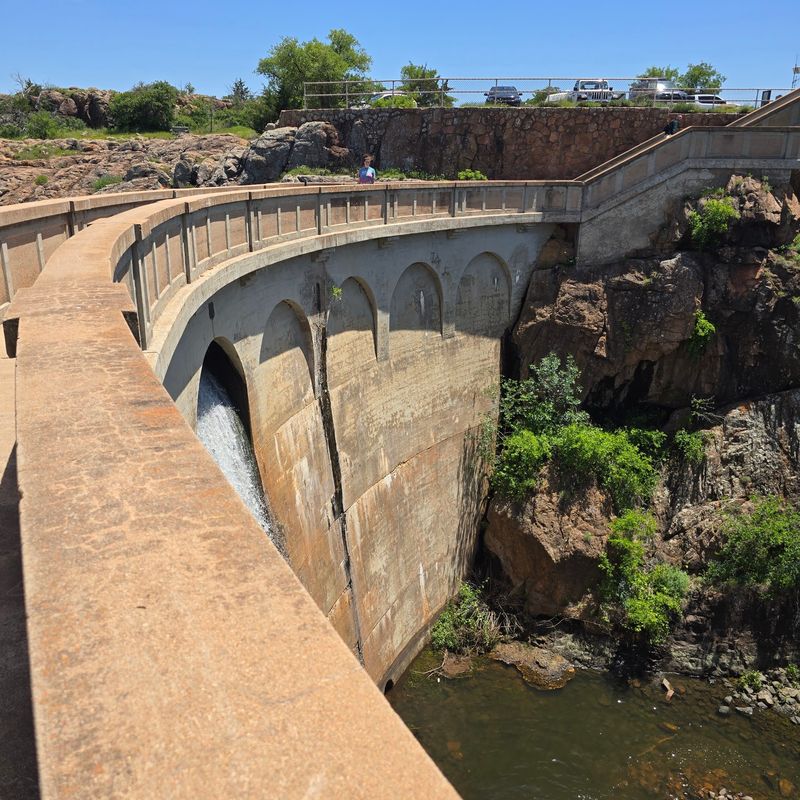
Quanah Parker Dam is one of their projects. Crews built it in the 1930s, and it still holds the lake in place nearly a century later.
That longevity says a lot about the quality of the work. People who visit often point out how well cared for the dam looks today, and some call it one of the best-kept dams they have ever seen.
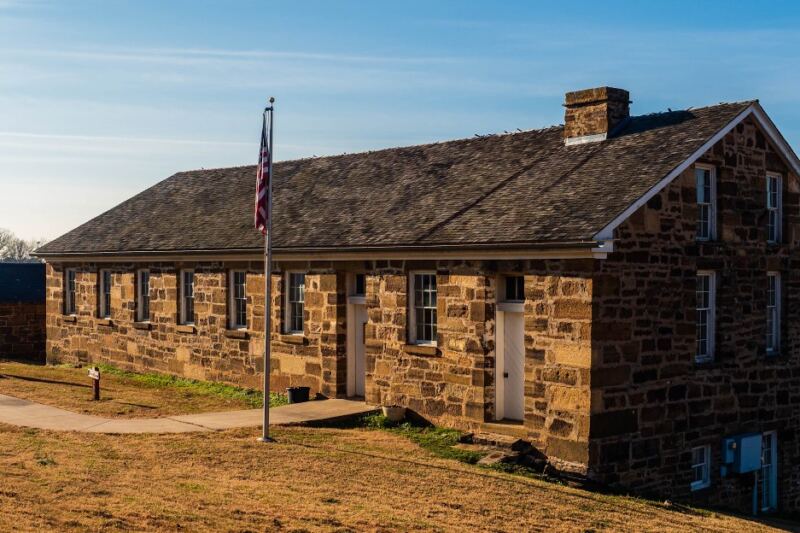
The stonework is a big part of the charm. Fans of old architecture enjoy studying the way the structure blends into the rocky landscape around it.
The name also carries weight. Quanah Parker was a famous Comanche leader, and the Wichita Mountains region holds deep ties to Comanche history and to the tribal nations of southwest Oklahoma.
So a visit here is more than a scenic stroll. It is a quiet lesson in New Deal history and frontier heritage, written in stone and still doing its job.
3. A Walk Across the Water
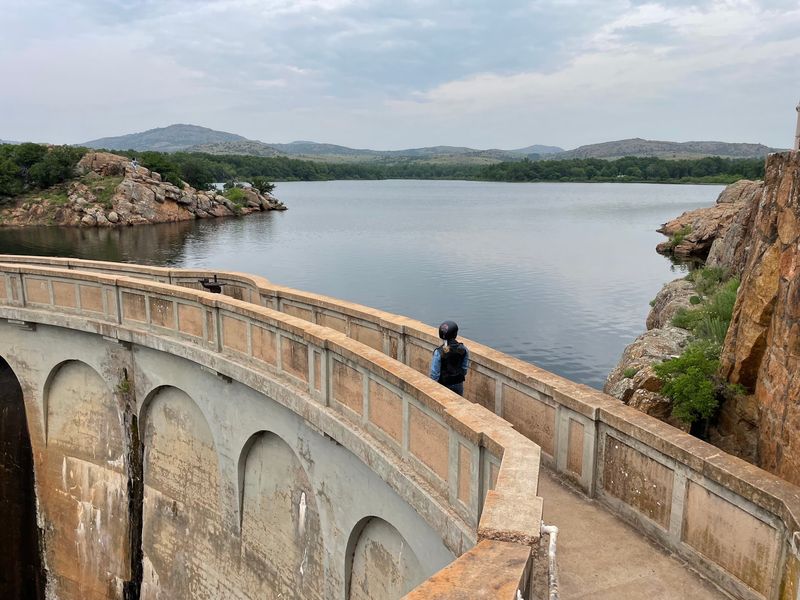
Most dams keep people at a distance, behind fences and warning signs. This one lets you stroll right across the top.
The walkway sits at almost lake level, which gives the crossing a close-up feel. On one side is the calm lake, and on the other is the spillway and the valley below.
Many people use the dam as a natural bridge to the trails on the far side. It is the first step on the popular route toward Little Baldy.
Timing matters if you want to see the spillway in action. Some lucky folks have arrived when water was flowing over it, and they call the sight very pretty.
Others have shown up during drier stretches and wished for more water coming through. Rainfall decides the show, so the spillway can look quite different from one trip to the next.
Either way, the crossing is short and easy, so it works well for most ages. Grandparents, parents, and kids can all make it across together and still have plenty of energy left for the trails waiting on the other side.
4. The Climb to Little Baldy
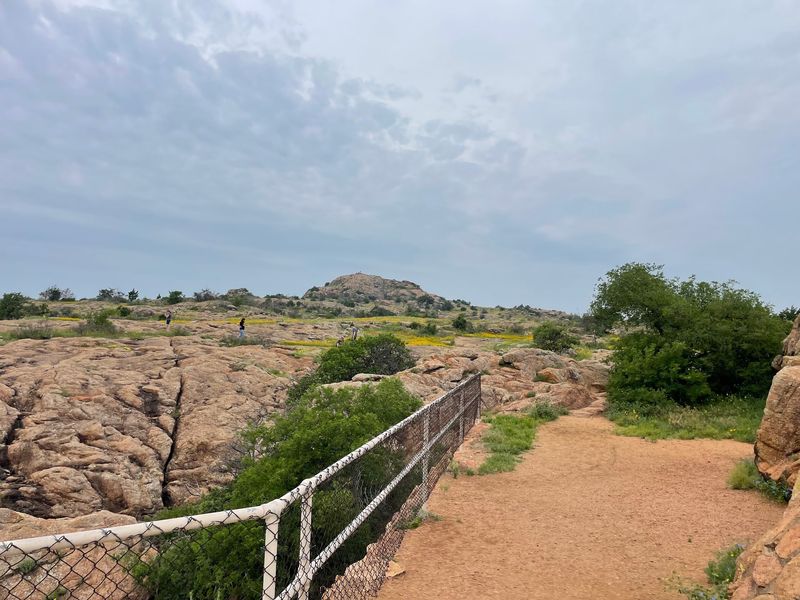
Hiking is the number one reason people talk about this place. The star of the show is Little Baldy, a rocky granite hill just across the dam.
The path begins with the dam crossing and then heads toward the base of the hill. That first stretch is easy and friendly for beginners.
The climb to the top is where things get a little more serious. Hikers describe it as easy to moderate, depending on how comfortable a person feels scrambling over rocks.
Nimble climbers tend to move right along. Others take it slower and pick their footing with care, which is a smart approach on granite.
The reward at the top is a wide view over the lake, the dam, and the surrounding Wichita Mountains. It is the kind of payoff that makes the effort feel well spent.
Little Baldy is a fine pick for families who want a real summit without an all-day trek. Good shoes and a steady pace go a long way here, and the bragging rights are completely free.
5. Trails Circling the Lake
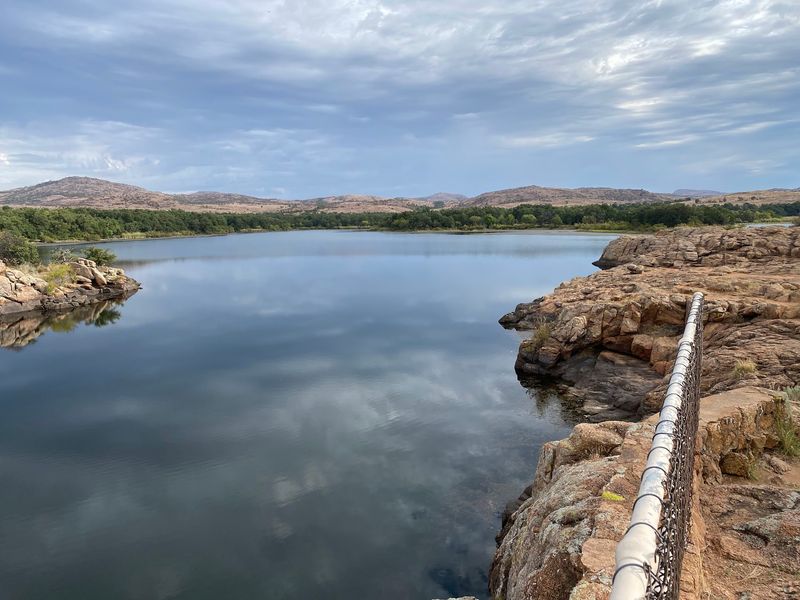
Not every hiker needs a summit. For those who prefer flatter ground, the area around the lake offers plenty of options.
Trails run all around the dam and lakeshore. Many of them are easy walks that let people explore at their own pace.
Folks often describe the area as clean, quiet, and relaxing to wander. It suits a slow afternoon just as well as a quick leg stretch during a longer road trip.
The trail network also links this spot to the broader Wichita Mountains landscape. Hikers who want more can keep going and string together a longer outing.
Spring brings an extra bonus in the form of wildflowers along the paths. Those blooms add color to the grassland and rocky slopes.
Shorter walks also make a great fit for younger kids or anyone easing back into hiking. There is no pressure to conquer anything here, just room to roam, look around, and turn back whenever the mood strikes.
6. Fishing Lines and Paddle Boards
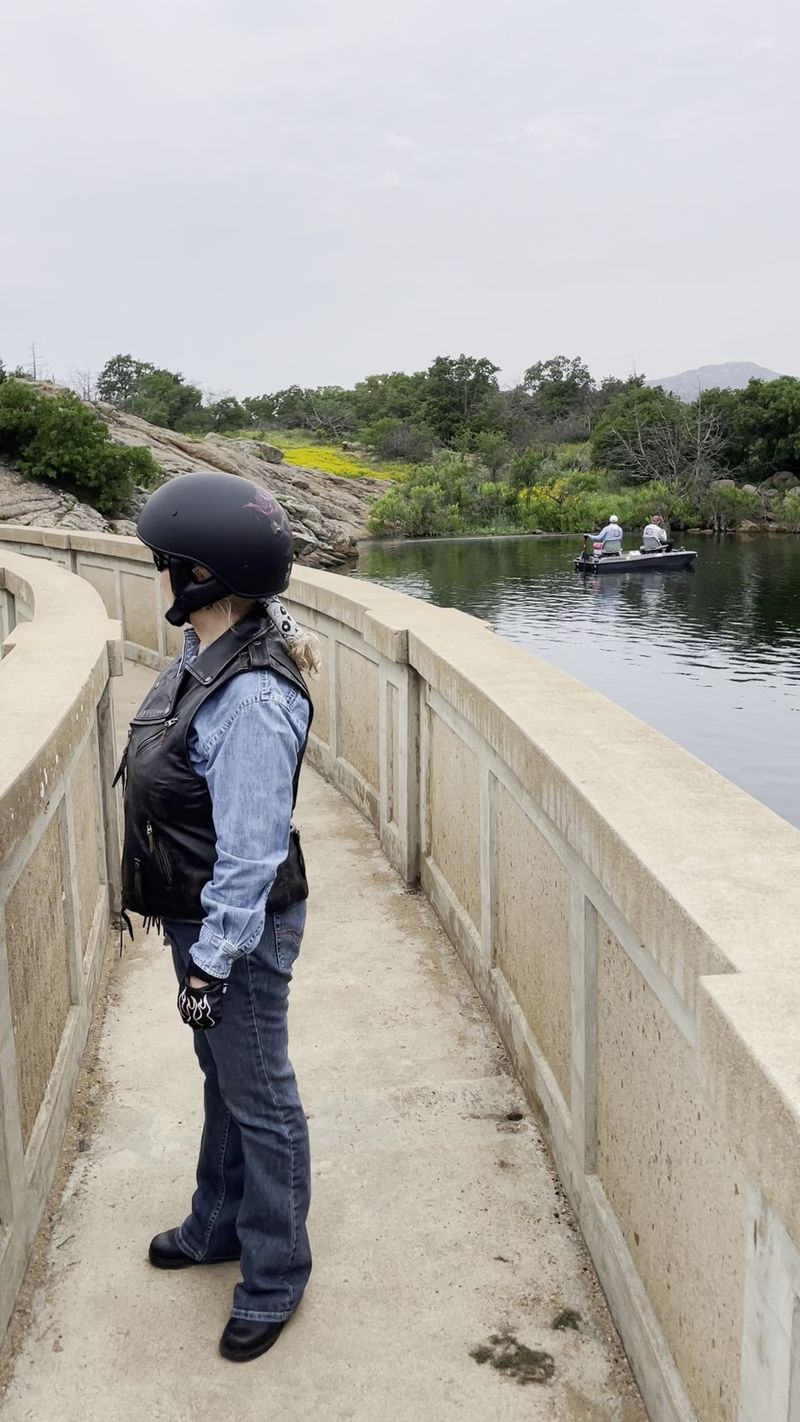
Grandpa casting a line while the grandkids splash around the other side of the cove is a scene that plays out here often. Fishing ranks right behind hiking as a favorite pastime at the lake.
Locals say the fishing is good. Anglers find plenty of shoreline to settle in and wait for a bite.
Paddlers have options too. The lake allows people to launch a kayak or a stand-up paddle board, which opens up a whole different view of the dam and hills.
Since the lake is quiet and fairly calm, it suits beginners who want a gentle first paddle. Families can take turns on the water and on the shore.
Anyone planning to fish should check current Oklahoma fishing license rules and any refuge regulations before heading out. Rules can change, and a quick check saves headaches later.
Pack the gear the night before, because a lake this calm has a way of turning a short stop into a full afternoon.
7. Frogs, Boulders, and Busy Kids
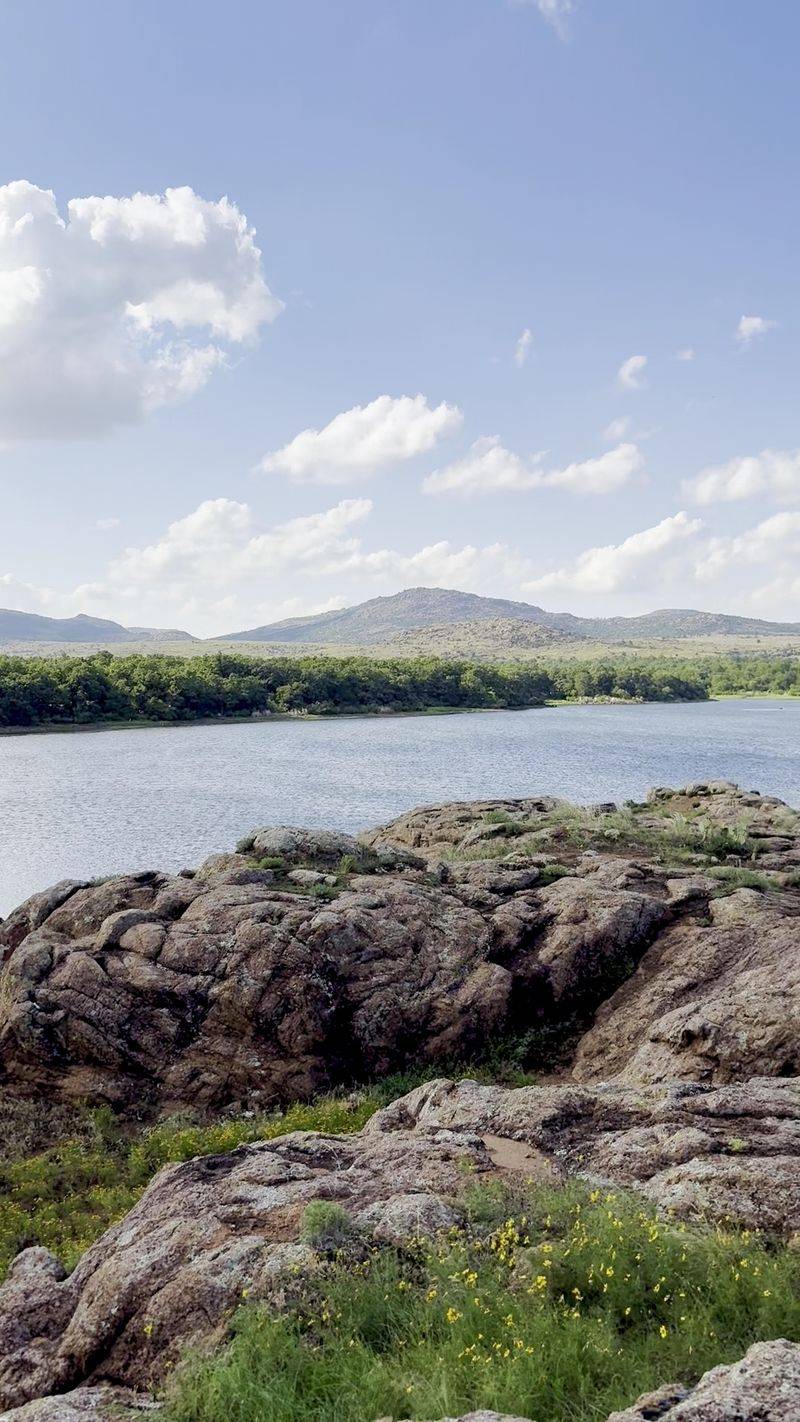
Kids do not need a playground when nature hands them rocks and a lakeshore. This area proves that point every weekend.
The surroundings include fun boulders that are just right for young climbers. Parents mention their children happily scrambling around the rocks for ages.
The water’s edge holds its own adventure. Several kinds of frogs live here, and kids enjoy catching them gently and letting them go again.
Wading in the shallow water along the shore is another hit with young explorers. It keeps them busy while older family members fish or relax nearby.
Supervision is a must around water and rocks, of course. Sturdy shoes help small feet stay steady on granite surfaces.
For families on a budget, this kind of hands-on fun is hard to beat. Every frog caught and released becomes a story for the drive home, and the price tag for all that excitement is exactly zero dollars.
8. Wildlife Neighbors, Including Bison
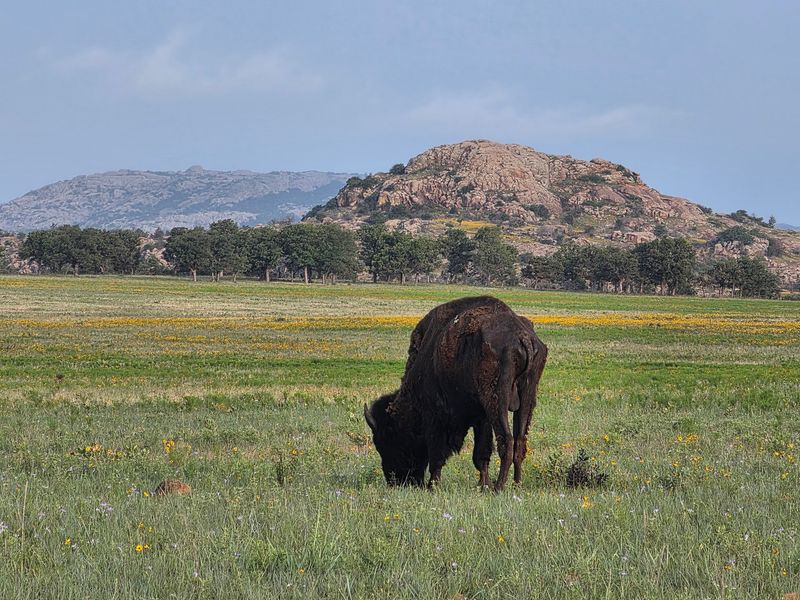
Some of the locals here weigh more than a pickup truck. The Wichita Mountains area is famous for its bison, and they sometimes roam near the dam.
People who stop by often mention plenty of wildlife around the lake and campground. It makes even a quick visit feel like a safari on the plains.
Some describe the dam as a great quick stop just to see wildlife. That alone makes it worth adding to a refuge driving loop.
Caution is key, though. Bison are wild animals, and giving them lots of space is the safest choice for everyone.
Watch from a distance, stay in your vehicle when animals are close to the road, and never approach for a photo. A zoom lens is a far better friend than bravery here.
Seeing bison against a backdrop of mountains is a reminder of the frontier landscape that once covered this region. It is living history with horns.
9. Quiet Water and Calm Moods
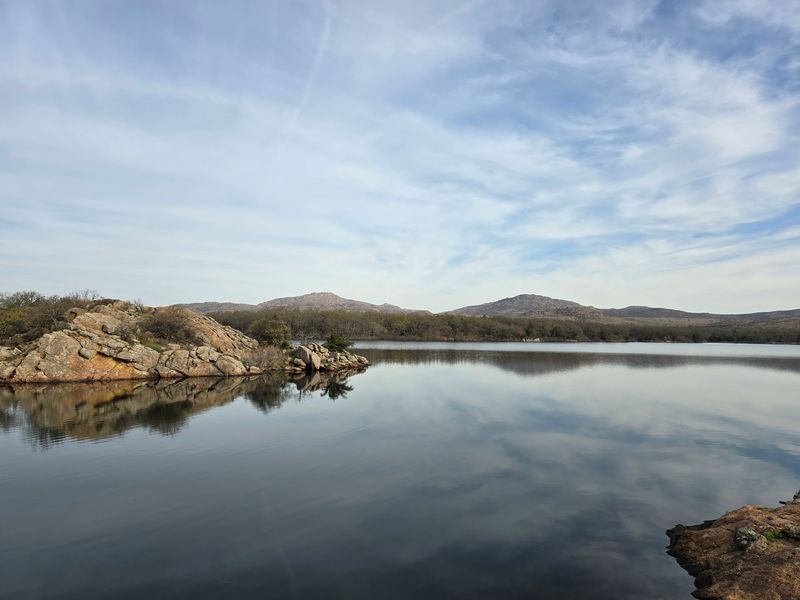
Peace and quiet come up again and again when people describe this lake. It is a place where the pace of life slows down.
Many call the view soothing, and some find it moving enough to stir their faith. Others simply appreciate a calm spot to sit and think.
The lake borders the Doris Campground, which makes it easy to fold into a camping trip. Campers can wander over for a morning stroll or an evening break.
Crowds depend on timing. Spring weekends can get a little busy, which makes sense given the pleasant weather and wildflowers.
Weekdays and off-peak times tend to feel far more relaxed. Some families have had the place nearly to themselves.
Not everyone falls in love with it. A few people see the dam as a quick ten-minute stop rather than a full outing.
The ones who stay and hike, fish, or explore usually leave with a very different opinion.
10. Planning Your Free Day Trip
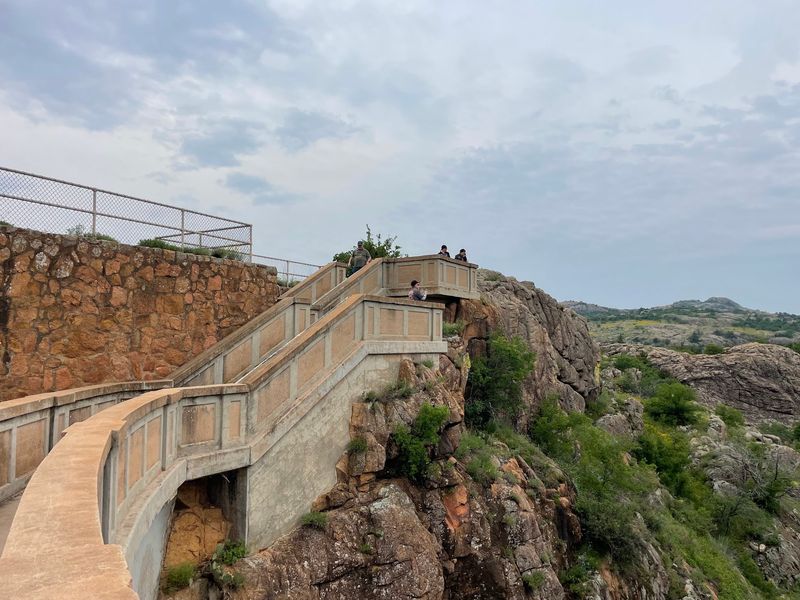
Here is the best news for budget-minded families: entry and parking are free. That makes this one of the easiest outings in southwest Oklahoma to justify.
The site is listed as open 24 hours, every day of the week. Still, hours and access rules may change, so check current refuge information before driving out.
Getting there is simple, and people describe it as easy to find. Parking spots are available near the dam.
Summer heat deserves serious respect. Daytime temperatures can climb past 100 degrees, so bring plenty of water, sun protection, and snacks.
Morning or late afternoon visits tend to feel more comfortable in the warm months. Spring and fall are popular choices for hiking.
Plan to combine the dam with other stops in the Wichita Mountains area to make the most of the drive. A full tank of gas, a cooler, and a loose schedule are really all it takes.
11. Worth the Drive to Indiahoma
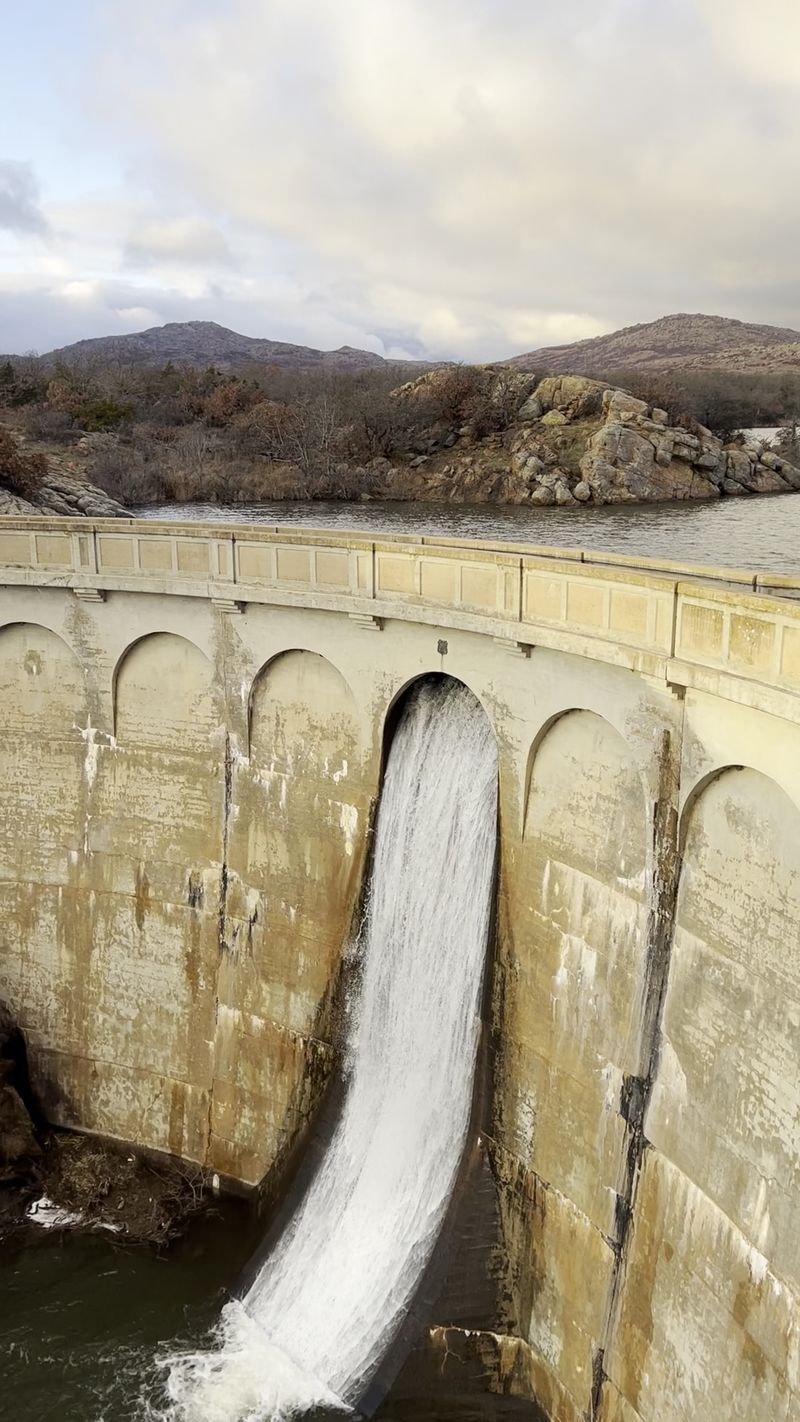
Nearly a century after CCC crews set the stones, this dam is still pulling its weight and still pulling in admirers. It earns its spot on any southwest Oklahoma bucket list.
The mix is what makes it special. You get a piece of 1930s history, a walkable dam, a granite summit, a fishing lake, and wildlife, all in one free stop.
Families with curious kids will find frogs, boulders, and shallow water to explore. Hikers get Little Baldy and a web of trails.
Anglers and paddlers get calm water. History fans get sturdy stonework and a name tied to Comanche heritage.
It may not be a giant theme park, and a quick look will not show everything. The real rewards come to those who linger, climb, and wander a bit.
So the next time someone claims Oklahoma is nothing but flat prairie, point them toward Indiahoma. Then hand them a water bottle and a good pair of shoes, because the mountains are waiting.
Share this story