Pennsylvania is full of old buildings, and some of the most interesting ones now serve lunch, dinner, or a cold drink in spaces that once had very different jobs. A train station, a church, a bank vault, a firehouse, and even a busy railroad hotel all show how places can change while still keeping pieces of the past alive for new visitors.
Learning what stood behind the doors before the tables, menus, and kitchen smells arrived helps people notice the stories hidden in brick walls, stained glass, stone arches, and worn floors that have seen generations come and go. If you enjoy local history, family road trips, or simply eating somewhere with real character, these Pennsylvania restaurants offer more than a meal because each one gives you a chance to sit inside history, imagine earlier days, and see how old spaces can be carefully reused instead of forgotten.
1. The Brewerie at Union Station (Erie)
Few dinner spots make you feel like a traveler from another time the moment you walk in.
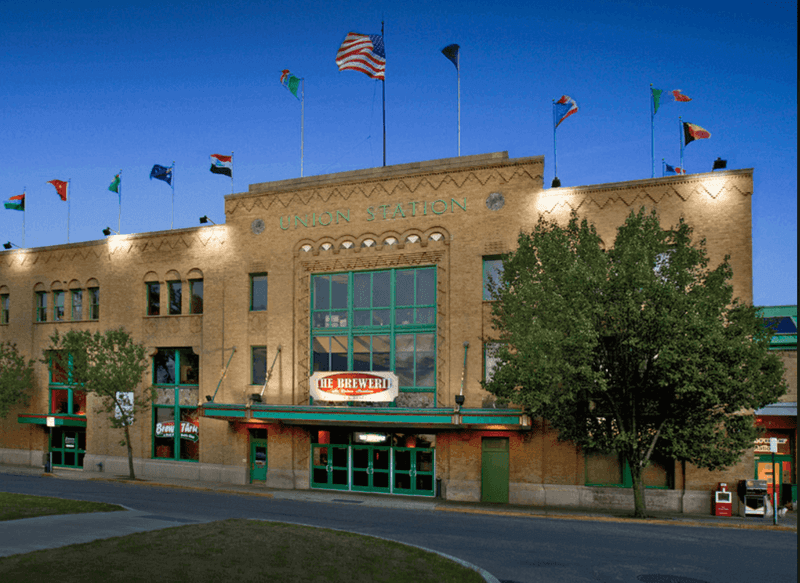
In Erie, The Brewerie at Union Station lives inside a former train station, a place once filled with passengers, luggage, whistles, and the rush of people heading in and out of town.
Built in the early 1900s, Union Station played an important role when rail travel helped connect Pennsylvania to the rest of the country.
Trains brought workers, families, soldiers, and business travelers through Erie, and the station became a lively gateway to the city.
When train use changed over the years, many old stations across America were torn down or left empty.
Erie kept this one standing, and that decision gave the building a second life instead of letting an important landmark disappear.
Today, guests can still notice the station’s big scale, strong stone exterior, and high ceilings.
Those details matter because they remind visitors that public buildings were once made to impress people and show pride in a growing community.
Eating here can feel a bit like stepping into a history book with better snacks.
If you visit, take a moment before ordering to look up, study the windows, and picture crowds reading tickets or waiting for a late train on a snowy Pennsylvania day.
Families may enjoy talking about how travel has changed from rail schedules and trunk bags to cars, apps, and highways.
That simple conversation can turn a meal into something memorable, especially for kids who like stories about how people used to move around.
The Brewerie at Union Station proves an old transportation hub can still bring people together.
Only now, instead of boarding a train, people gather for food, conversation, and a close-up look at one of Erie’s most striking historic spaces.
2. Corner Vault (Reedsville)
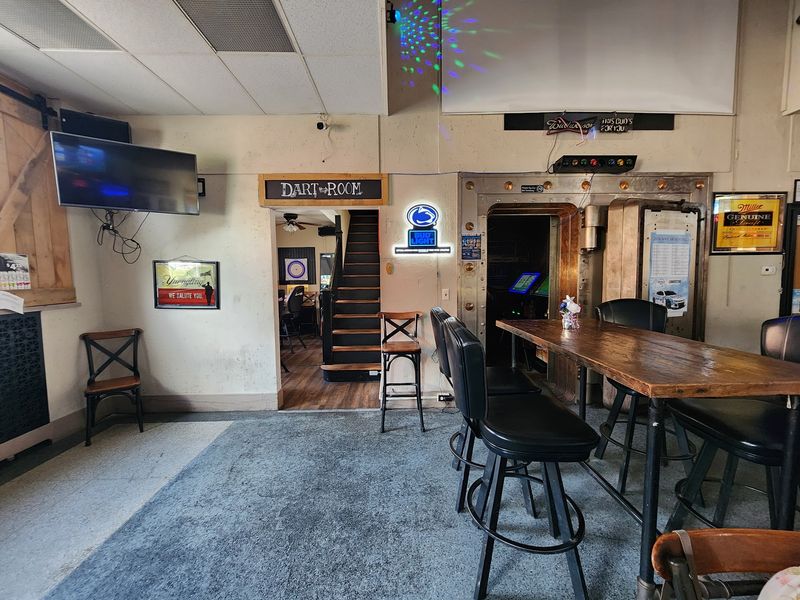
Money once mattered more than menus inside this small-town Pennsylvania building.
Corner Vault in Reedsville operates in a former bank, and that earlier purpose gives the restaurant a fun personality that stands out right away.
Banks were often built to look solid and trustworthy, so even a modest one could have thick walls, careful details, and a layout designed for security.
In a place like Reedsville, a bank also served as a center of daily life, where local people handled savings, loans, and business needs.
The most memorable feature is the vault connection, which turns ordinary architecture into a conversation starter.
Guests do not just sit down to eat, they get to imagine tellers, ledgers, coins, and the serious business that once happened in the same rooms.
Buildings like this help explain how small Pennsylvania towns grew and kept going through changing times.
A bank represented trust, planning, and the hope that local farms, stores, and families would keep moving forward together.
Now the atmosphere feels friendlier and more relaxed, yet the old purpose still gives the place character.
If you stop by, notice how the building’s earlier life shapes the mood, from its sturdy design to the sense that something important used to happen there every day.
That mix of old and new can make a meal more interesting, especially for visitors who enjoy history without needing a museum visit.
It is easy to picture the building’s first chapter while enjoying its current one, and that makes the experience feel more personal.
Corner Vault shows how adaptive reuse can work beautifully in a rural community.
Rather than becoming an empty reminder of the past, the old bank now welcomes neighbors and travelers in a fresh way while still holding onto the dependable spirit it was built to represent.
3. The Brew Bank Brewing Company (Ridgway)
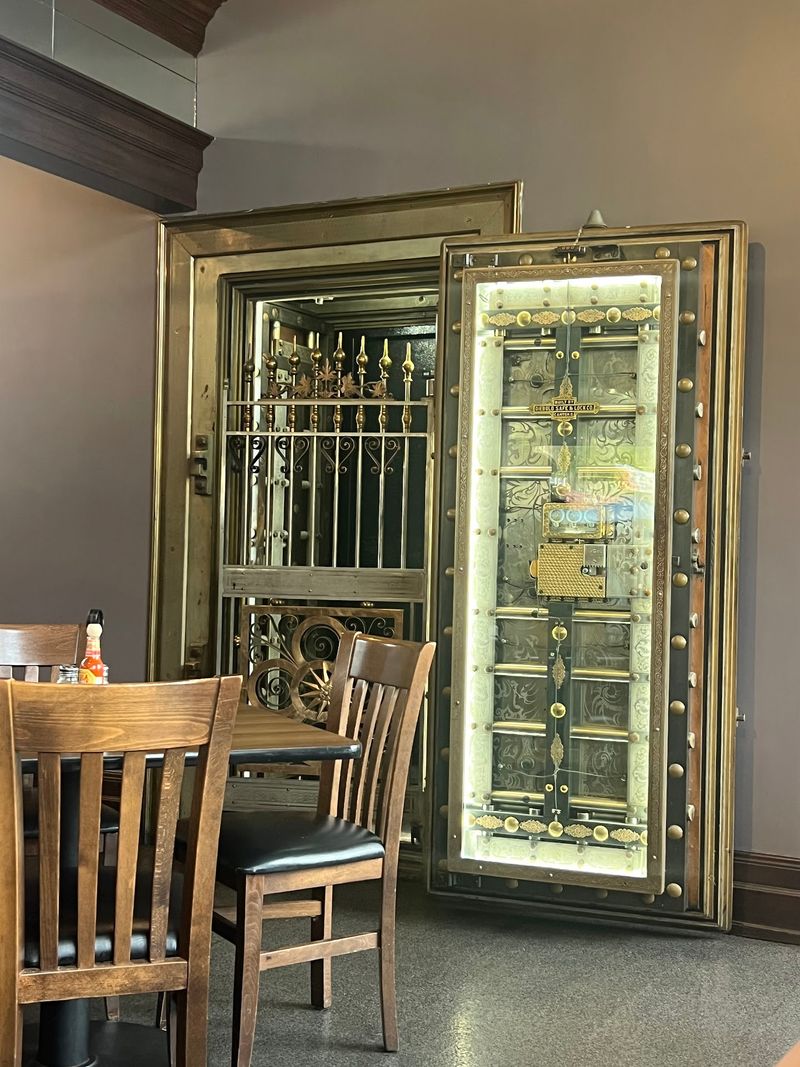
There is something clever about ordering a drink in a place that once handled dollars instead of dinner.
The Brew Bank Brewing Company in Ridgway takes that idea and turns it into a memorable stop inside a former bank building.
Before it became a restaurant and brewery, the structure served a practical and serious purpose in town.
Banks helped shape communities like Ridgway by supporting local business, managing savings, and giving residents a place tied to trust and financial stability.
Older bank buildings often had an impressive look, even in smaller towns.
Strong materials, neat stone or brickwork, and carefully planned interiors sent a message that the institution inside was dependable and built to last.
That sense of permanence works well for a restaurant today.
Diners get more than a place to eat because the building itself tells a story about how people in Pennsylvania once organized town life around commerce, Main Street, and face-to-face relationships.
If you visit, pay attention to features that may hint at the earlier layout, such as heavy doors, formal room shapes, or spaces that feel different from a typical dining room.
Those details can help you picture customers stepping in to deposit paychecks, ask for loans, or discuss business news.
Places like this also remind us that preservation does not have to mean freezing a building in time.
Giving an older bank a fresh use keeps it active, saves craftsmanship that might be hard to replace, and lets more people enjoy local history in an easy, everyday way.
The Brew Bank Brewing Company offers a strong example of how Ridgway’s past still has a place in the present.
The building no longer protects money, but it still serves the town by bringing people together under the same sturdy roof.
4. Bube’s Brewery (Mount Joy)
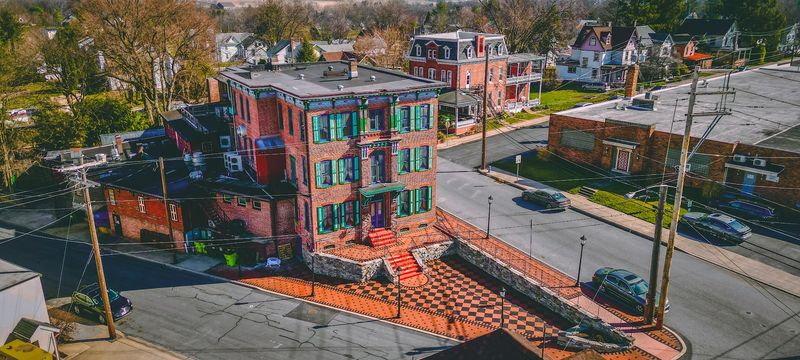
Some places do not need to invent a historic theme because the history is already built into every wall.
Bube’s Brewery in Mount Joy began as an actual brewery, which means its restaurant life grew directly from the purpose it had long ago.
During the 1800s, local breweries were important parts of many Pennsylvania towns.
They produced beer close to home, supported jobs, and often became well-known community businesses tied to the rhythms of daily life.
The original brewery site in Mount Joy carried that working spirit, with spaces meant for production, storage, and business rather than modern dining.
Over time, as tastes, industries, and regulations changed, many breweries closed or were altered beyond recognition, but this one kept enough of its identity to remain special.
Visitors today often notice the old-world atmosphere right away.
Brick, stone, and underground areas help create a mood that feels dramatic and a little mysterious, giving guests a stronger sense of the building’s age than they might get in a newer restaurant.
What makes Bube’s Brewery especially interesting is that its current use still connects to its original story instead of replacing it completely.
Food and drink are served where brewing once shaped the property, so the past and present feel linked rather than separated.
If you stop in, it helps to think about the workers who once moved barrels, managed supplies, and kept the place running before it became a destination for diners.
That simple shift in perspective can make the rooms feel more alive and help you appreciate the labor behind old industrial buildings.
Bube’s Brewery shows how preservation can be immersive, not just educational.
You are not only reading about local history, you are sitting inside it, surrounded by one of Mount Joy’s most memorable reminders of Pennsylvania’s brewing past.
5. Church Brew Works (Pittsburgh)
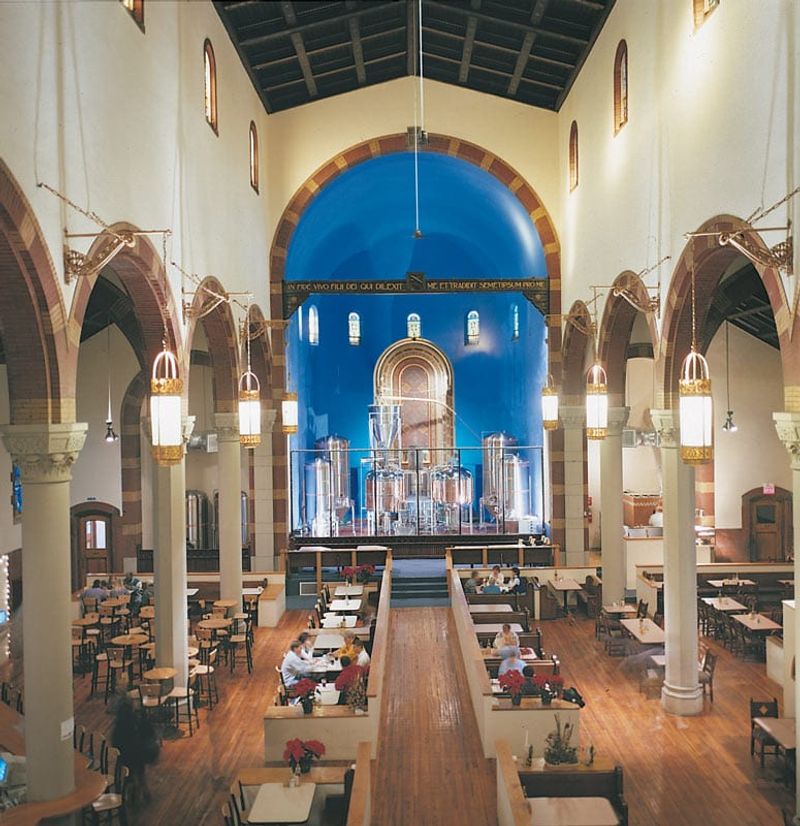
Walking into this Pittsburgh restaurant can stop people in their tracks for a second.
Church Brew Works was once a Roman Catholic church, and the building still carries the beauty, height, and quiet power of that earlier life.
Religious buildings often become landmarks because they are designed to lift the eye and create a feeling of awe.
High ceilings, stained glass, and long open spaces do more than look pretty, they reveal how much care communities put into creating places for worship and gathering.
When a church no longer serves its original congregation, the future can be complicated.
Demolition erases craftsmanship and memory, but thoughtful reuse can preserve major features while giving the structure a practical role in modern city life.
That balance is part of what makes Church Brew Works so fascinating.
Guests come for food and beer, yet they also enter a room that still reflects the building’s past through architecture that cannot easily be copied in a new restaurant.
For many visitors, the setting sparks mixed feelings of wonder, curiosity, and respect.
Even if you are not religious, it is hard to ignore the sense that this place once held baptisms, prayers, funerals, and ordinary Sundays that mattered deeply to neighborhood families.
Taking a careful look around can help you appreciate how reuse works best when history is visible.
Instead of hiding the church background, the restaurant lets much of the original character remain, which gives diners a richer experience than plain decor ever could.
Church Brew Works also tells a bigger Pittsburgh story about change, resilience, and creative preservation.
A building that once gathered people for spiritual community now gathers them around tables, showing that old spaces can still serve living neighborhoods in meaningful ways.
6. Battlefield Brew Works (Gettysburg)
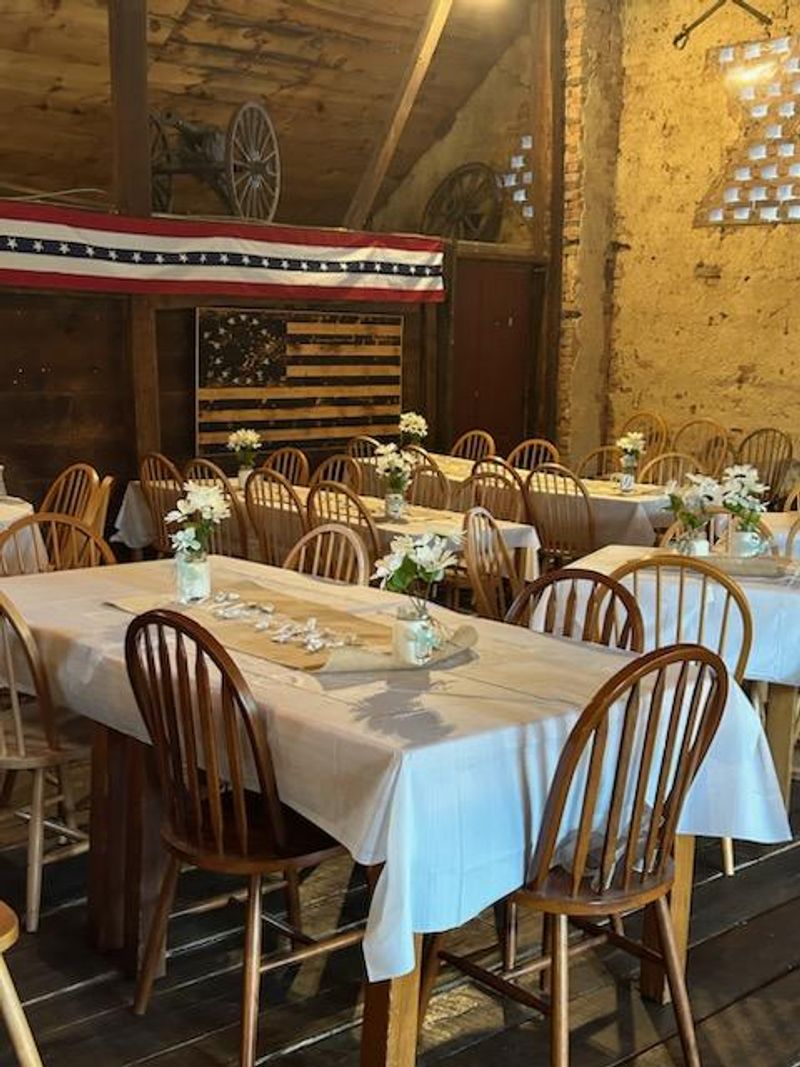
History feels especially close in Gettysburg, where nearly every older building seems to have a story hiding behind it.
Battlefield Brew Works stands in a place shaped by the town’s deep past, and that setting gives the restaurant more meaning than a typical casual stop.
Gettysburg is best known for the Civil War battle that changed American history, so buildings in the area often carry links to that era or to the community that rebuilt and continued afterward.
Even when a structure was not a battlefield site itself, its age and location can connect it to the town’s larger historical landscape.
That matters because Gettysburg is not just a museum town.
It is a living Pennsylvania community where old properties still have to adapt, serve modern needs, and stay useful without losing the qualities that make them distinctive.
Battlefield Brew Works benefits from that sense of place.
Dining there can encourage visitors to think beyond monuments and cannons and imagine ordinary local life, including the businesses, homes, and gathering spaces that existed before and after the famous battle.
If you are exploring Gettysburg, a restaurant inside a historic building offers a nice break from formal touring.
You can rest, eat, and still stay connected to the area’s story, which is helpful for families or travelers who want history in a more relaxed format.
Looking at timber, stone, room shapes, or old design choices can make the visit more rewarding.
Small details often reveal how earlier generations built for function first, using materials and plans that reflected the region and the time.
Battlefield Brew Works reminds people that preservation is not only about grand landmarks.
Sometimes the most relatable history comes from everyday buildings that continue serving the public, offering comfort now while quietly carrying the memory of Gettysburg’s remarkable past.
7. Bank + Vine (Wilkes-Barre)
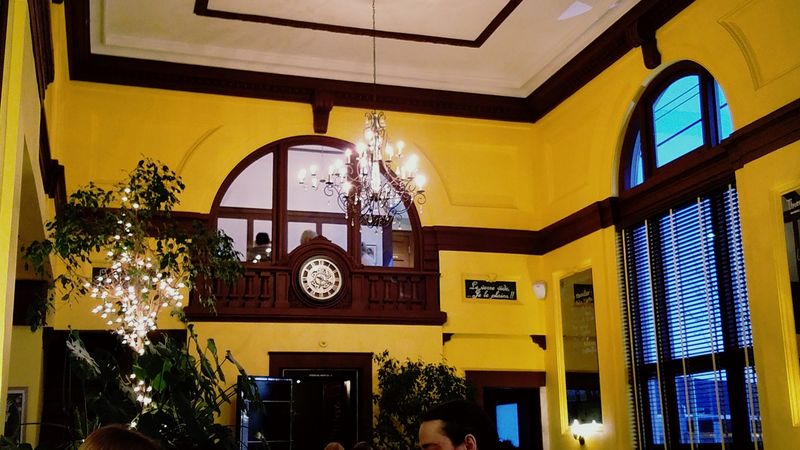
A name like Bank + Vine gives away part of the fun before you even step inside.
In Wilkes-Barre, this restaurant occupies a former bank building, turning a place once tied to accounts and paperwork into a more relaxed space for meals and conversation.
Older city banks were designed to project confidence.
They often featured grand entrances, durable materials, and formal interiors because people wanted financial institutions to look secure, respectable, and built for the long haul.
That old purpose still shapes the feeling of the restaurant today.
A bank does not have the casual bones of a diner or storefront cafe, so the structure naturally adds a sense of drama and importance to the dining experience.
Wilkes-Barre has a long history tied to industry, business, and regional growth, and banks helped support all of that movement.
When you eat in a reused bank, you are sitting inside a building that likely witnessed years of local ambition, setbacks, and recovery.
There is also something satisfying about a building shifting from guarded formality to public warmth.
Instead of protecting money behind counters and vaults, the space now invites guests to slow down, share food, and enjoy the character that older craftsmanship brings.
If you visit, glance at the proportions of the rooms and any preserved details that suggest the bank era.
Those clues can make it easier to picture suited workers, waiting customers, and the careful routines that once filled the same address.
Bank + Vine works as a reminder that history does not always survive in obvious ways.
Sometimes it stays alive through smart reuse, where a strong old building keeps its dignity while opening itself to a completely different kind of daily life in downtown Pennsylvania.
8. Titusville Iron Works Tap House (Titusville)
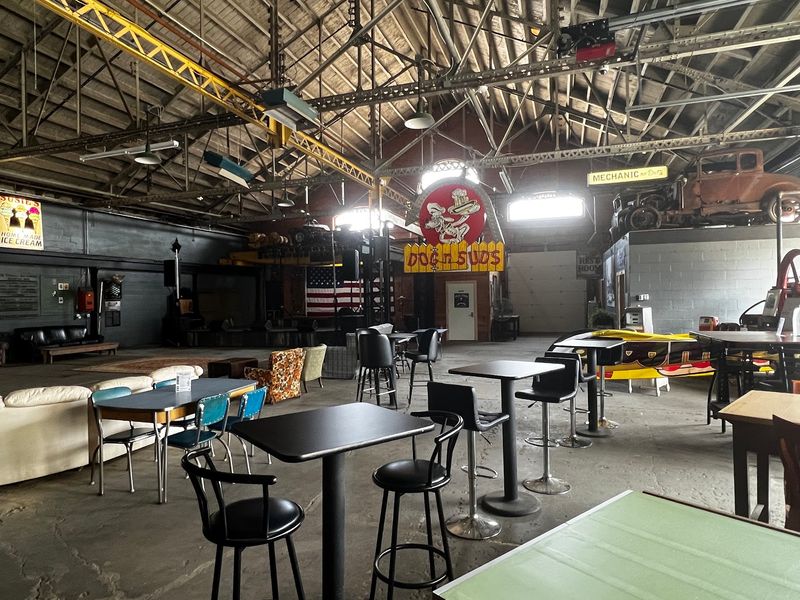
Not every restaurant begins in a graceful old station or fancy bank.
Titusville Iron Works Tap House comes from a more rugged background, tied to industrial history in a Pennsylvania town famous for its connection to the early oil industry.
Iron works sites mattered because they supported the machinery, tools, and practical needs of growing communities.
In a place like Titusville, industrial buildings helped power local progress, giving workers and businesses the equipment needed in a region shaped by energy, manufacturing, and hard labor.
That industrial beginning likely gave the building a tough, useful design rather than decorative comfort.
Structures built for iron work had to handle work first, which often meant strong materials, open spaces, and a straightforward layout focused on getting the job done.
Those qualities can create a striking restaurant atmosphere today.
Exposed brick, beams, or metal details often feel authentic in a former industrial space because they are not trying to imitate history, they are history.
Visitors can learn a lot from a place like this without reading a long plaque on the wall.
Simply noticing the scale of the rooms or the sturdy construction can hint at the amount of physical effort and noise that once defined the site.
If you are traveling through Titusville, eating in a former iron works building is a smart way to connect with the town’s identity.
It adds context to the region’s story and helps explain that Pennsylvania’s past was built not only in offices and churches, but also in demanding workplaces.
Titusville Iron Works Tap House gives an old industrial property a fresh purpose while keeping its backbone visible.
That makes the experience feel honest, grounded, and closely tied to the working history that helped shape this part of the state.
9. Jack’s Firehouse (Philadelphia)
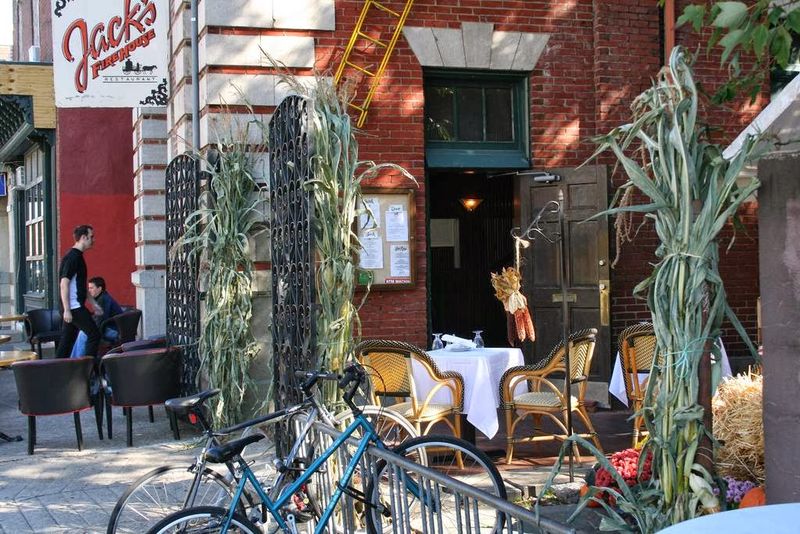
Some buildings seem ready for storytelling before you even open the door, and an old firehouse is one of them.
Jack’s Firehouse in Philadelphia was once a working fire station, a place where firefighters waited for alarms and rushed out to protect the neighborhood.
Firehouses were built for speed, teamwork, and community service.
Large doors, equipment space, and practical layouts helped crews respond quickly, while the station itself often became a familiar and trusted part of local daily life.
That public-service past gives the restaurant a special kind of energy.
Instead of a quiet office or formal bank, the building came from a world of sirens, horses or engines in earlier days, heavy gear, and people trained to act fast under pressure.
Philadelphia has many historic layers, and reusing a firehouse lets one of those layers stay visible.
It also honors the working history of a city where public buildings did more than fill space, they supported the safety and rhythm of entire neighborhoods.
Dining here can be especially fun if you enjoy imagining what a place sounded like in its first life.
A modern meal happens where firefighters once cleaned equipment, watched the street, and got ready to leave in seconds when someone needed help.
Look for structural clues during your visit, such as wide openings, brickwork, and station-style room arrangements.
Those features can help younger visitors understand how architecture follows purpose, and why certain buildings feel so different from ordinary restaurants.
Jack’s Firehouse proves that preserving history does not have to feel stiff or distant.
A former emergency service building now offers hospitality instead, letting guests enjoy food in a place that still reflects courage, usefulness, and Philadelphia’s strong neighborhood character.
10. Vault Brewing Company (Yardley)
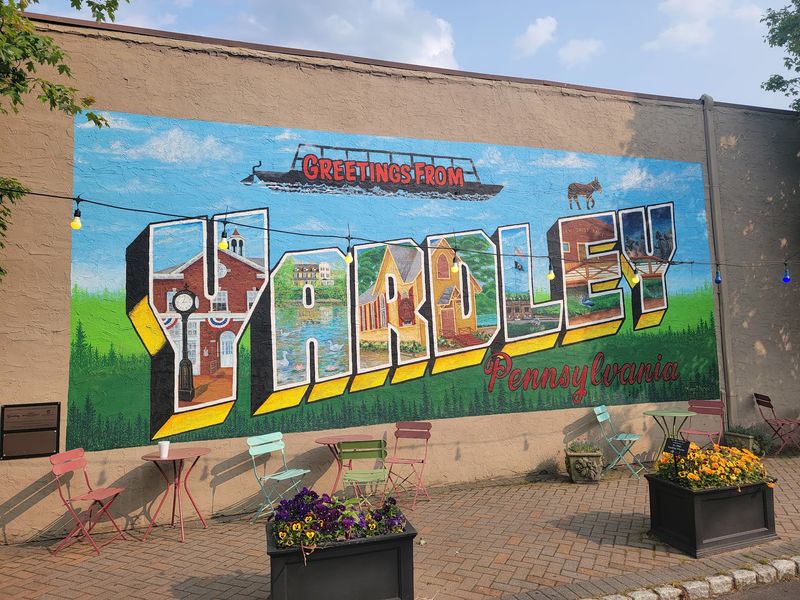
A good restaurant name can hint at a whole backstory, and Vault Brewing Company does exactly that.
In Yardley, the building’s earlier life as a bank still shapes the identity of the place, giving guests an easy connection to local history.
Small-town banks were more than money stops.
They were part of the civic heart of a community, where business owners, families, and workers handled important parts of life face to face rather than through phone apps or screens.
Because trust mattered so much, bank buildings often looked strong and well ordered.
Thick walls, classic design choices, and secure areas helped reassure customers that their money and records were being kept carefully.
That sense of structure carries over nicely into a restaurant setting.
Even if guests come mainly for food and drinks, the older layout and materials can add a feeling of permanence that newer spaces sometimes lack.
Yardley itself has the kind of historic atmosphere that makes adaptive reuse especially appealing.
Keeping a recognizable old building alive helps protect the town’s character while also supporting current business and drawing in curious visitors.
If you stop by Vault Brewing Company, spend a minute taking in the architecture before focusing on the menu.
Noticing original elements or the building’s formal shape can make the meal feel richer because you understand you are inside a place that once handled the town’s serious business.
There is also a playful contrast here that people tend to enjoy.
A former bank built to guard valuables now welcomes conversation and comfort, showing that preservation can be practical, social, and full of personality without erasing what came before.
11. Carmen’s 2.0 at Radisson Lackawanna Station (Scranton)
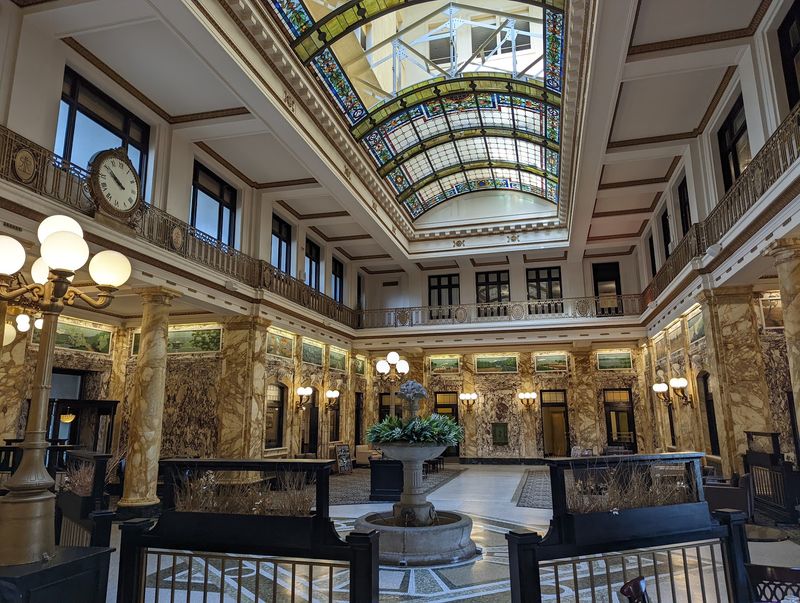
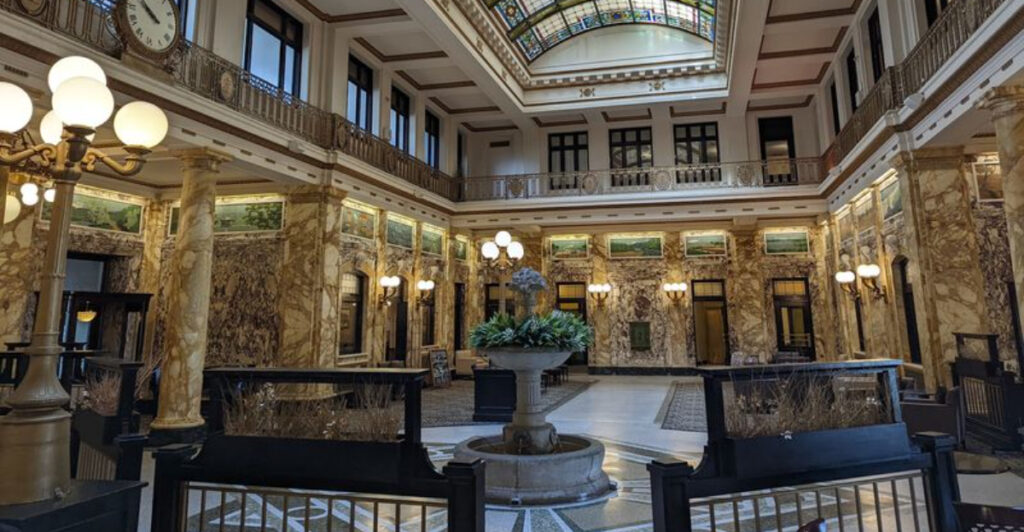
Grandeur is the first thing many people notice in Scranton’s Lackawanna Station.
Carmen’s 2.0 is located inside this remarkable railroad landmark, a building that once welcomed travelers during the great age of train travel in Pennsylvania.
Stations like this were more than simple boarding points.
They acted as gateways to cities, showing visitors a community’s ambition, wealth, and connection to the wider region through bold architecture and carefully designed public spaces.
Scranton’s railroad history runs deep, so the station played a major role in how people arrived, departed, and experienced the city.
Business travelers, families, workers, and tourists all would have passed through the halls when rail travel was a central part of everyday movement.
Over time, many large stations across the country lost their original purpose as transportation habits changed.
Saving a place like Lackawanna Station matters because it preserves not only a beautiful structure, but also a chapter of Pennsylvania history tied to industry, mobility, and urban growth.
Dining inside the building today lets people experience that history in a comfortable way.
You do not have to catch a train to appreciate the scale, the craftsmanship, or the sense that generations once moved through this same place with tickets in hand and plans ahead.
If you visit, take time to notice the station’s decorative details and imagine the noise it once carried.
The contrast between today’s restaurant calm and yesterday’s travel bustle can help the building’s story feel vivid and easy to understand.
Carmen’s 2.0 at Radisson Lackawanna Station shows how a transportation landmark can be reborn without losing its identity.
The trains may no longer define the building, but the old spirit of welcome still remains, now offered through hospitality, food, and one unforgettable setting.
Share this story