Tennessee’s most stunning panoramas don’t always require a full-day trek or advanced hiking skills. Scattered across the state, you’ll find trails that deliver jaw-dropping waterfalls, sweeping valley vistas, and rock formations that look like they belong in a fantasy novel, all within a quick jaunt from the trailhead. Whether you’re short on time, hiking with little ones, or simply prefer to save your energy for soaking in the scenery, these short routes pack maximum wow factor into minimal mileage.
1. Kuwohi Observation Tower – Gatlinburg
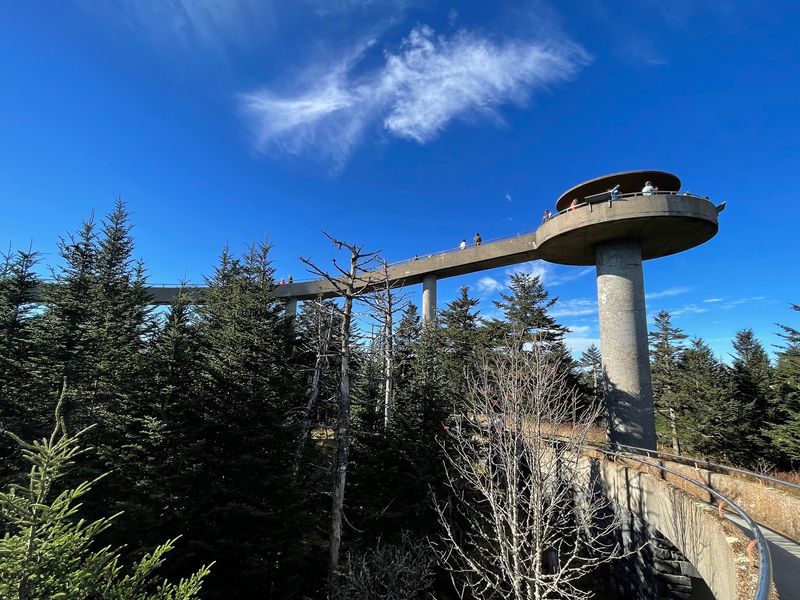
Standing at 6,643 feet, Kuwohi (formerly known as Clingmans Dome) offers the highest point in the Great Smoky Mountains National Park. The paved half-mile trail to the observation tower might be steep, but the payoff is unmatched. On clear days, you can see up to 100 miles in every direction, with layer upon layer of blue-tinted ridges stretching to the horizon.
The spiral ramp leading to the top of the concrete tower feels like walking into the sky. Once you reach the viewing platform, the 360-degree panorama takes over. Clouds often drift below you, creating an otherworldly atmosphere that feels more like flying than hiking.
Early morning visits reward you with fewer crowds and better visibility. The temperature at this elevation runs about 10 to 20 degrees cooler than Gatlinburg, so bring a jacket even in summer. Winter transforms this spot into a frozen wonderland, though ice can make the trail treacherous.
The parking area fills quickly during peak season, especially on weekends. Arriving before 9 a.m. or after 4 p.m. gives you breathing room and softer light for photos. The short distance makes this accessible for most fitness levels, though the grade challenges anyone not used to uphill walking.
Restrooms are available at the parking lot, and the entire trail is wheelchair accessible, though the steep grade requires assistance. This hike proves that Tennessee’s grandest views don’t demand the most effort.
2. Look Rock Tower Trail – Tallassee
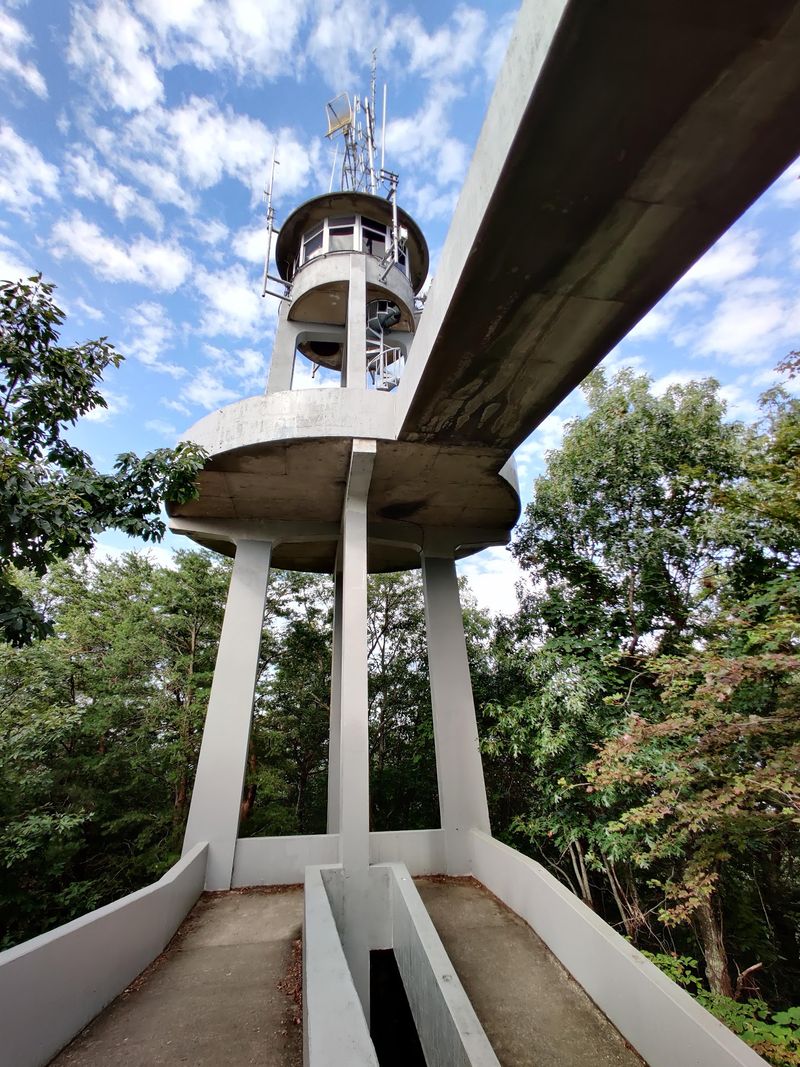
Perched along the Foothills Parkway, Look Rock Tower sits at 2,240 feet and delivers one of the best view-to-effort ratios in East Tennessee. The trail measures just under a mile round trip, winding through a peaceful forest before emerging at a vintage fire tower. Climbing the tower adds an extra thrill, with metal stairs spiraling upward to a small observation platform.
From the top, you’ll spot the Smokies to the south and Chilhowee Mountain to the north. The Tennessee Valley spreads out below like a patchwork quilt of farms and forests. Fall transforms this vista into a kaleidoscope of reds, oranges, and golds that photographers dream about.
The trail itself stays relatively gentle, with a gradual uphill grade that won’t leave you gasping. Tree roots and rocks dot the path, so watch your footing, especially after rain. The canopy provides welcome shade during summer hikes, keeping temperatures comfortable even at midday.
Unlike some popular Smokies destinations, Look Rock rarely sees overwhelming crowds. You might share the tower with a handful of other hikers, but you won’t battle for elbow room. The peaceful atmosphere makes this spot perfect for a quiet morning or sunset visit.
Picnic tables near the parking area make this an ideal lunch stop if you’re driving the Foothills Parkway. The entire area feels wonderfully remote despite being easily accessible by car. Pack water and snacks, as no facilities exist beyond the parking lot.
3. Spruce Flats Falls – Townsend
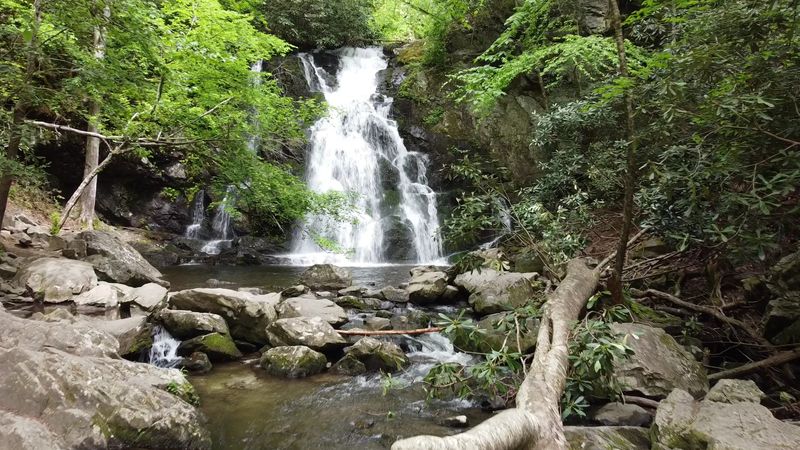
Tucked away in the quieter Tremont section of the Smokies, Spruce Flats Falls rewards hikers with a two-tiered waterfall that tumbles about 30 feet over moss-covered boulders. The two-mile round trip follows an old logging road alongside a bubbling creek, making navigation easy and the walk pleasant. You’ll cross the creek twice on foot logs, adding a touch of adventure without serious difficulty.
The sound of rushing water accompanies you for most of the hike, growing louder as you approach the falls. Rhododendron and mountain laurel crowd the trail in places, creating green tunnels that bloom spectacularly in late spring. The final approach to the falls involves a short scramble down to the creek, where you can feel the mist on your face.
Unlike some Smokies waterfalls that attract tour buses, Spruce Flats sees modest traffic. You might encounter a few other hikers, but you’ll likely have time alone with the falls. The pool at the base stays icy cold year-round, fed by mountain springs that never warm up.
Spring runoff makes the falls most impressive, with water crashing over the rocks in powerful sheets. Summer reduces the flow but reveals more of the interesting rock formations. The trail stays open year-round, though winter ice can make creek crossings tricky.
Getting to the trailhead requires navigating the Great Smoky Mountains Institute campus and following Tremont Road to the gate. The drive adds to the remote feeling, making the waterfall feel like a secret discovery rather than a tourist stop.
4. Grotto Falls – Gatlinburg
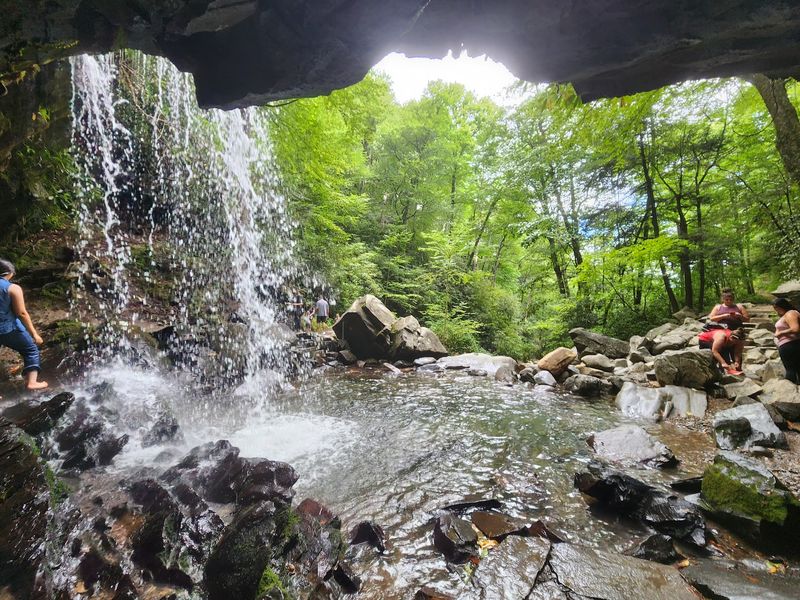
What makes Grotto Falls special isn’t just the 25-foot cascade, it’s the fact that you can walk behind it. The 2.6-mile round trip takes you through old-growth hemlock forest on a well-maintained trail that gains elevation gradually. As you approach the falls, the roar of water grows louder, building anticipation for the main event.
The trail behind the falls stays wet and slippery, so tread carefully on the rocks. Looking out through the curtain of water creates a unique perspective, with the forest beyond shimmering through the spray. On hot summer days, the cool mist feels absolutely refreshing, and you might spot salamanders on the damp rocks.
Trillium Creek feeds the falls, maintaining a consistent flow even during dry spells. The surrounding forest creates a cathedral-like atmosphere, with towering trees filtering sunlight into soft green rays. Wildflowers carpet the forest floor in spring, adding splashes of color to the already scenic walk.
Because Grotto Falls connects to the Roaring Fork Motor Nature Trail, it draws steady traffic during peak season. Starting early or visiting on weekdays gives you better chances of experiencing the falls without a crowd. The trail sees use year-round, though winter ice can make the path behind the falls too dangerous to attempt.
Llamas occasionally pass by, carrying supplies to the LeConte Lodge higher up the mountain. These friendly pack animals delight kids and add an unexpected element to your hike. The entire route stays family-friendly, with enough interest to keep younger hikers engaged without overwhelming them.
5. Cataract Falls – Gatlinburg
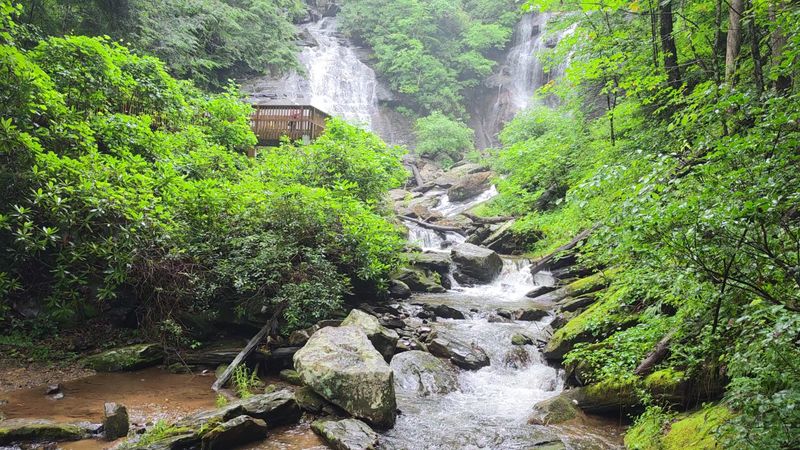
Cataract Falls might be one of the Smokies’ smaller waterfalls, but the 0.8-mile round trip makes it perfect for families or anyone seeking a quick nature fix. The trail follows an old roadbed before veering onto a footpath that descends to the falls. Hemlock and rhododendron create dense shade, keeping the walk cool even during summer heat.
The falls drop about eight feet over a wide rock face, creating a picturesque scene that’s especially photogenic after rain. During peak flow, water spreads across the entire ledge in a curtain of white. Lower water levels reveal interesting patterns in the rock and create multiple smaller cascades.
Because of its short length and easy access from Gatlinburg, this trail can get busy during prime visiting hours. However, the quick distance means people cycle through rapidly, so you won’t wait long for photo opportunities. The peaceful creek setting makes it worth sharing with other nature lovers.
The trail requires minimal elevation change, making it suitable for most ages and fitness levels. Tree roots and rocks require attention, but nothing technical challenges hikers. A small wooden bridge crosses the creek partway to the falls, adding a charming touch to the journey.
Parking at the Sugarlands Visitor Center gives you easy access to the trailhead. The visitor center offers restrooms, water, and information about other nearby trails if you want to extend your adventure. Rangers can provide current trail conditions and wildlife sighting reports.
This hike works beautifully as a warm-up for longer adventures or as a standalone quick escape into the mountains.
6. Great Stone Door – Beersheba Springs
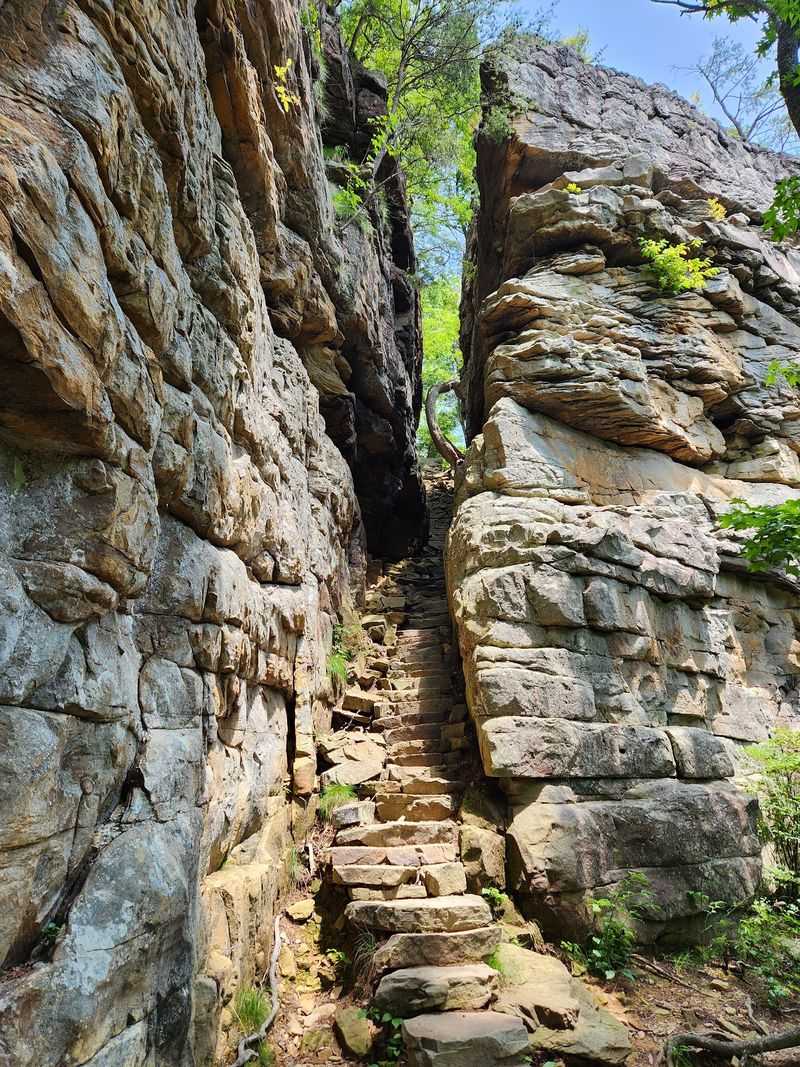
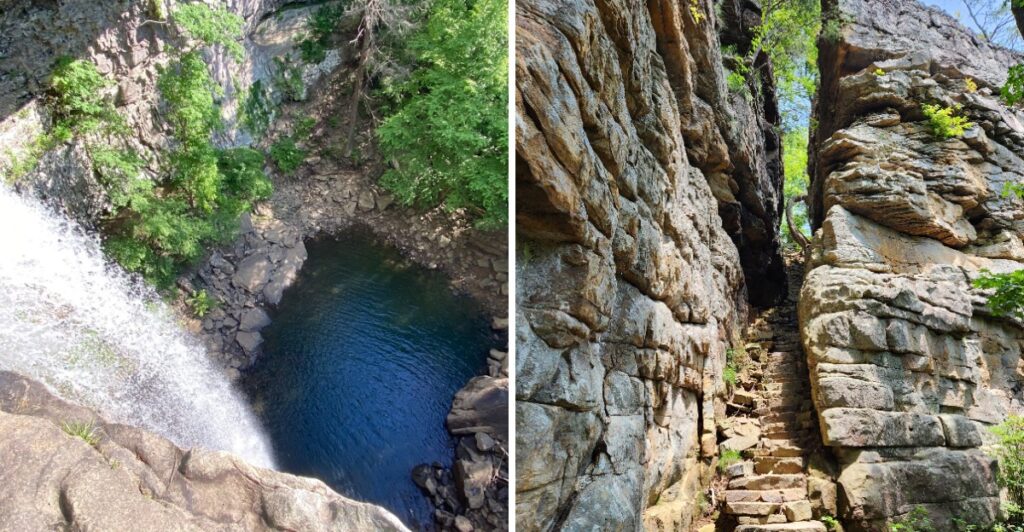
Imagine standing at the edge of a 100-foot cliff, looking through a natural stone doorway that frames an entire valley. The Great Stone Door delivers exactly that experience on a 1.5-mile round trip that ranks among Tennessee’s most unique geological features. The trail meanders through hardwood forest before reaching this dramatic rock formation on the Cumberland Plateau.
The “door” itself is a 10-foot-wide, 100-foot-tall crack in the bluff line that early settlers used as a passage to the valley below. Today, you can walk right up to the opening and peer through to the sweeping views beyond. The sheer drop creates an exhilarating perspective that photographs beautifully, especially during golden hour.
Rock climbers sometimes use the area, adding visual interest as you watch them scale the bluff face. The geology here tells a story millions of years in the making, with layers of sandstone and limestone clearly visible in the cliff walls. Interpretive signs explain how water erosion created this natural wonder.
The trail stays relatively flat until you reach the bluff, where you’ll need to watch your footing near the edge. Guardrails don’t exist here, so keep children and pets close. The exposed rock can be slippery when wet, and strong winds sometimes gust through the opening.
Fall foliage transforms the valley view into a masterpiece of autumn color. Spring brings wildflowers to the forest floor, while summer provides lush green canopy. Winter reveals distant views that foliage obscures during warmer months.
This lesser-known gem rewards those willing to venture off Tennessee’s beaten path.
7. Burgess Falls State Park – Sparta
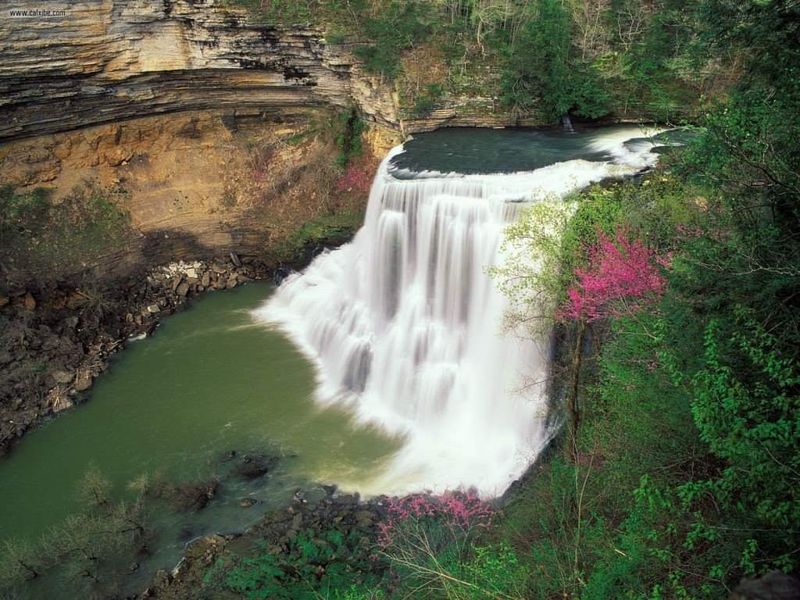
Four waterfalls in less than three miles sounds too good to be true, but Burgess Falls State Park delivers on that promise. The main trail follows the Falling Water River downstream, passing three smaller cascades before reaching the spectacular 136-foot Burgess Falls. Each waterfall builds anticipation for the next, creating a journey of escalating beauty.
The first cascade appears within minutes of leaving the parking area, a gentle introduction to what’s ahead. Rapids and smaller drops keep the creek interesting between the named falls. The trail stays mostly level until the final descent to the main falls overlook, where stairs lead to multiple viewing platforms.
Burgess Falls crashes into a deep gorge, sending up plumes of mist that catch rainbow colors on sunny days. The power of the water is mesmerizing, especially during spring runoff when the river runs high. Multiple overlooks let you experience different perspectives, from distant panoramas to close-up views where you can feel the spray.
The park recently improved the trail, adding boardwalks and better signage. However, the path still includes some steep sections and stairs, particularly near the main falls. Handrails assist on the steepest parts, but anyone with mobility issues should assess their comfort level before attempting the full route.
A fishing pier, picnic areas, and clean restrooms make this more than just a hiking destination. Families can easily spend several hours exploring the park. Summer weekends draw crowds, but the trail’s length spreads people out nicely.
Arriving early still offers the most peaceful experience and the best light for photography.
8. Ozone Falls State Natural Area – Ozone
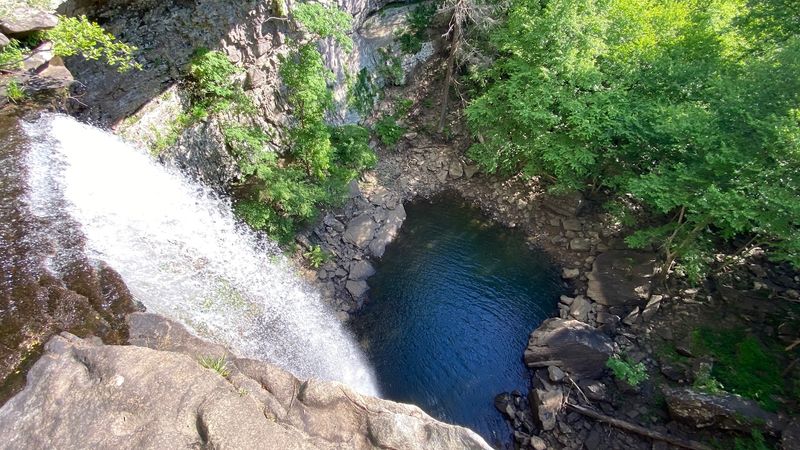
Some waterfalls require effort to reach. Ozone Falls practically greets you at your car. A 100-yard paved path leads from the parking area to an overlook of this 110-foot cascade, making it one of Tennessee’s most accessible natural wonders.
The waterfall plunges over a sandstone caprock into a large pool, surrounded by an amphitheater of rocky cliffs.
For those wanting more than an overlook view, a short trail descends to the base of the falls. This path gets steep and requires scrambling over rocks, but the payoff includes standing at the edge of the plunge pool. The mist creates a cool microclimate at the base, and the acoustics of the rock bowl amplify the water’s roar.
The creek feeding Ozone Falls drains a relatively small watershed, so water levels fluctuate dramatically. After heavy rain, the falls thunder with impressive force. During dry spells, the flow reduces to a trickle, though the setting remains photogenic.
Each season offers a different character, from ice formations in winter to lush greenery in summer.
Photographers love this location for its dramatic composition and easy access. The overlook provides a safe vantage point for capturing the full height of the falls. Adventurous visitors can scramble to various spots around the gorge for unique angles, though extreme caution is necessary on the slippery rocks.
The small parking area fills quickly on nice weekends, but turnover stays relatively fast since most visitors spend only 15-30 minutes. No facilities exist beyond the parking lot, so plan accordingly. The falls sit just minutes from Interstate 40, making them a perfect road trip break.
9. Twin Falls – Rock Island
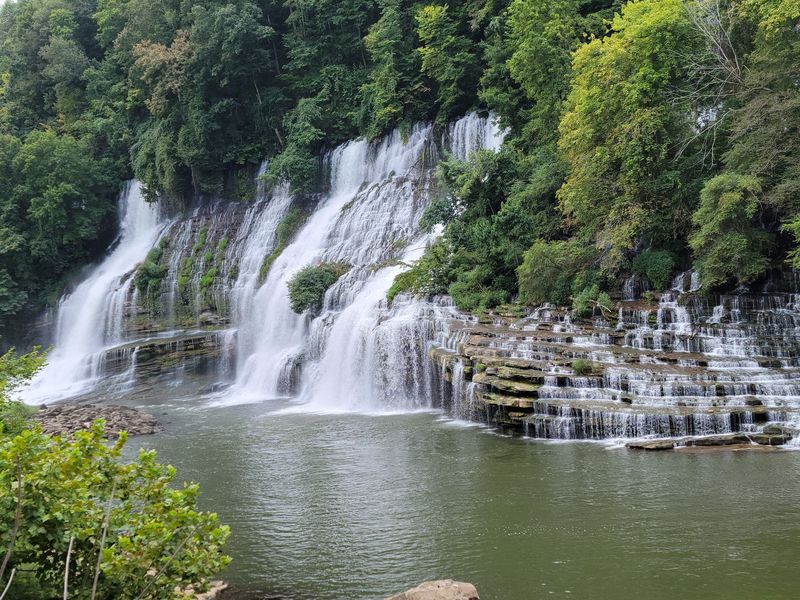
Twin Falls lives up to its name with dual cascades that plunge side by side into a beautiful swimming hole. The 1.5-mile round trip trail starts at Rock Island State Park and follows an old railroad grade before descending to the falls. The path stays wide and easy to follow, with interpretive signs explaining the area’s industrial history.
The Collins River splits around a rocky island, creating the twin cascades that give this spot its name. Each waterfall drops about 80 feet, and the combined effect creates a stunning display of water power. The pool at the base stays deep enough for swimming, making this a popular summer destination for locals seeking relief from the heat.
Rock formations around the pool provide natural diving platforms for brave swimmers, though caution is essential. The water stays cold year-round, fed by upstream springs that maintain a constant temperature. Even on the hottest days, expect a shock when you first jump in.
The trail includes some elevation change on the descent to the falls, with stairs and switchbacks easing the grade. Coming back up requires a bit more effort, but the distance stays short enough that most people handle it easily. Tree cover provides shade for most of the route, keeping summer hikes comfortable.
Rock Island State Park offers camping, picnicking, and additional trails if you want to extend your visit. The Great Falls Dam and power plant add industrial heritage interest to the natural beauty. Weekends during summer see heavy use, especially at the swimming hole, so weekday visits offer more solitude.
Spring showcases the falls at peak flow with wildflowers blooming along the trail.
10. Piney Falls State Natural Area – Grandview
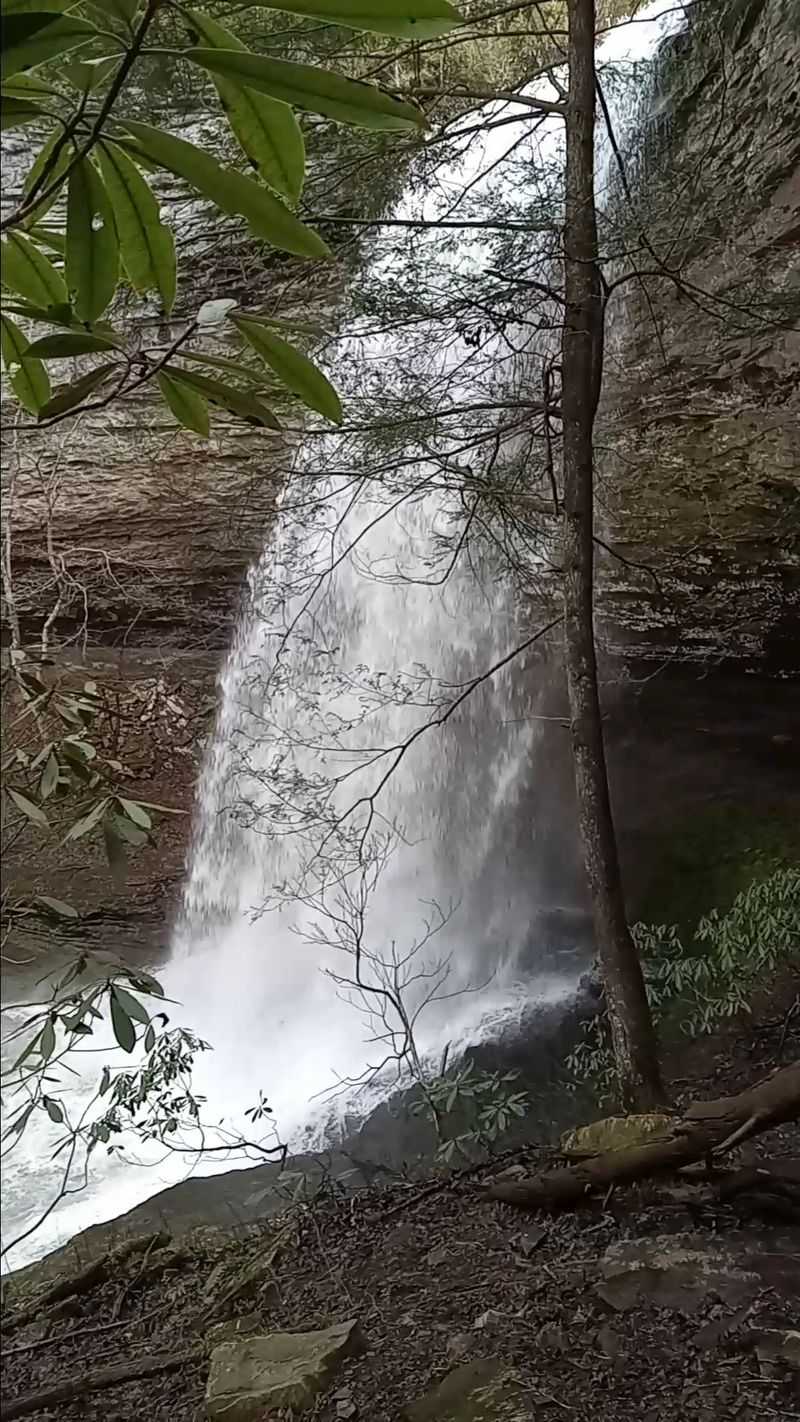
Piney Falls drops 90 feet into a stunning gorge lined with hemlocks and rhododendron, creating one of the Cumberland Plateau’s most beautiful scenes. The trail measures just under a mile one way, descending gradually through mixed hardwood forest before reaching overlooks of the falls. Multiple viewing platforms let you experience different perspectives of this powerful cascade.
The upper overlook provides a distant view that captures the full height of the falls and the depth of the gorge. A steeper trail continues down to the base, where you can wade in the creek and feel the spray. The gorge walls rise dramatically on both sides, creating an enclosed feeling that amplifies the waterfall’s majesty.
Piney Creek maintains consistent flow year-round, though spring runoff transforms the falls into a thundering spectacle. The surrounding forest stays particularly beautiful during fall color season, with the gorge walls ablaze in autumn hues. Winter occasionally freezes portions of the falls into impressive ice formations.
The trail sees moderate use compared to more famous Tennessee waterfalls, offering a quieter experience for those willing to venture off the main tourist routes. The natural area remains undeveloped beyond the trail itself, preserving a wild character. No facilities exist at the trailhead, just a small parking area.
Getting to Piney Falls requires navigating some winding country roads, but the journey adds to the sense of discovery. The remoteness means you’ll likely share the falls with only a handful of other visitors, even on nice weekends. Pack out everything you bring in, as no trash facilities exist in this pristine natural area.
Share this story