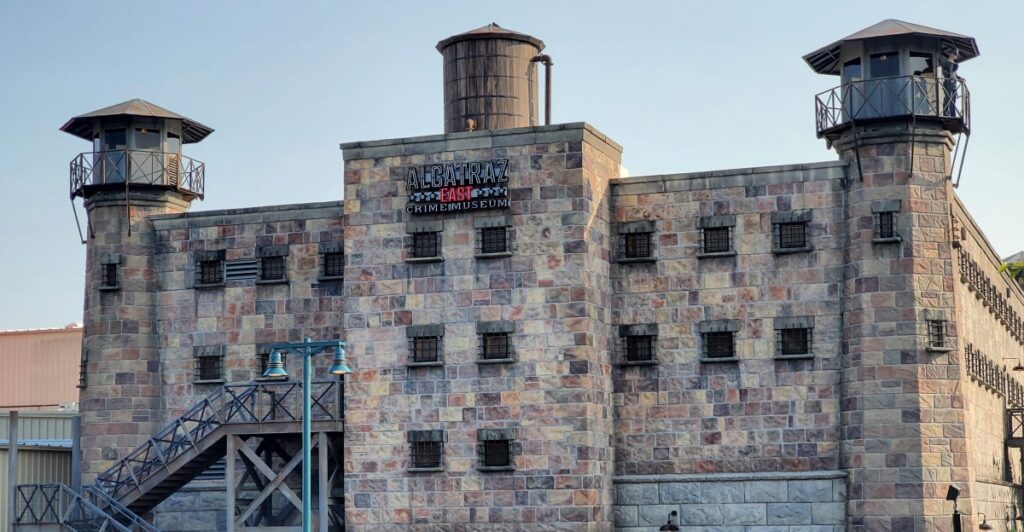
Behind its prison-inspired exterior, Alcatraz East Crime Museum explores the darker side of American history through notorious cases, authentic artifacts, forensic science, and the evolution of law enforcement. The Pigeon Forge attraction organizes its exhibits around subjects such as criminal history, crime prevention, investigations, punishment, and the lasting influence of high-profile cases on popular culture. Interactive displays invite visitors to examine evidence, test investigative techniques, and learn how specialists work to reconstruct events and identify suspects.
Other exhibits focus on famous outlaws, organized crime, courtroom stories, and the tools used by police agencies over the years. Rather than presenting crime as simple entertainment, the museum provides context about victims, investigators, and the consequences of criminal behavior. For true-crime followers and curious travelers, Alcatraz East offers an unusual Tennessee experience that is thought-provoking, detailed, and difficult to forget.
A Sprawling Timeline of American Crime
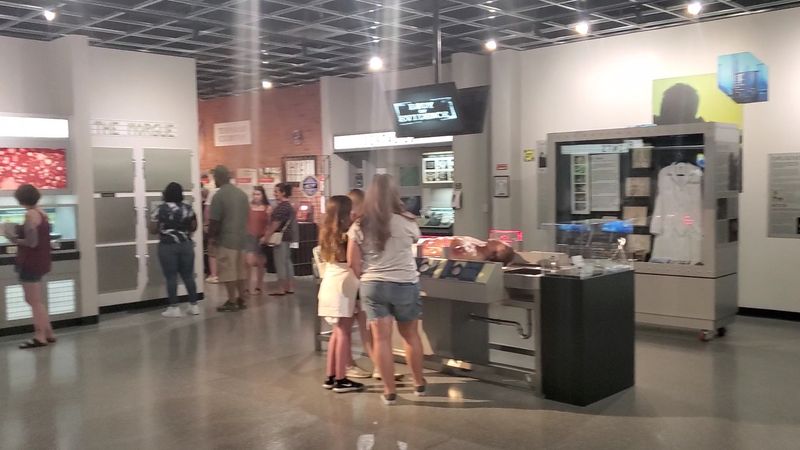
Plenty of visitors expect a small building with a few mugshots. Then they walk in and find two full levels of exhibits. One reviewer said it was bigger than expected, and that is a common reaction.
The story starts far back in time. You will see medieval punishments and torture methods, then move through the Old West, the Prohibition years, and on to modern criminals. Each area is set up by category, so the story is easy to follow even if history is not your favorite subject.
There is a lot to read. That is part of the fun, but it can also slow the crowd down. If you like to take your time, go on a weekday morning when the hallways are calmer.
Plan for at least two hours. Many guests say they spent three, and a few stayed four or more. One visitor who loves crime shows lingered for four and a half hours and still called it worth every minute.
Here is a handy tip: the museum also rotates temporary exhibits in four special areas each year. That means a second trip can look different from the first. Some guests come back and spot new displays, and the staff even marks updated exhibits with BREAKING NEWS signs.
Wear comfortable shoes, because you will be on your feet for a while. Grab a bottle of water before you go in. Then let yourself wander, read the small print, and enjoy how the story of crime and justice unfolds one room at a time.
Do not rush the first hall. The early exhibits set the mood and give you context for everything that comes later. Once you understand how justice worked long ago, the modern rooms hit even harder, and you will notice how tools and ideas changed over the centuries.
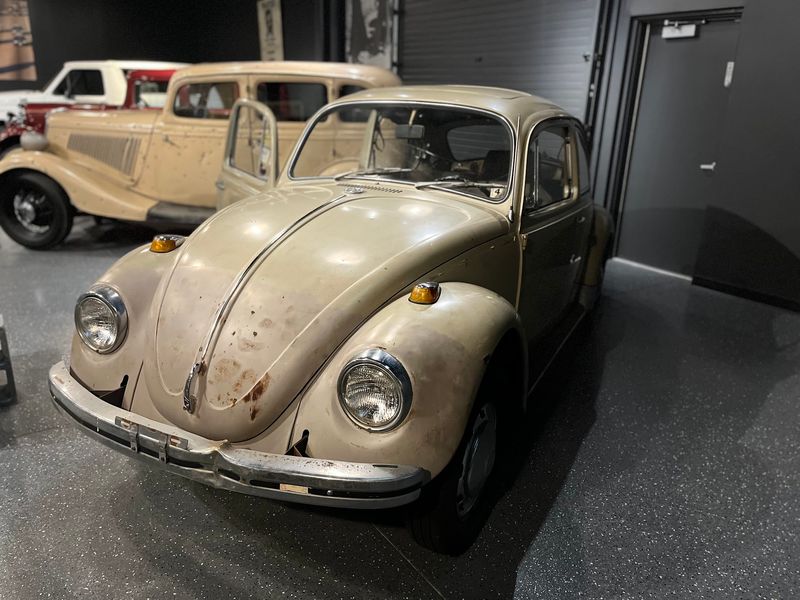
The Famous O.J. Simpson Bronco
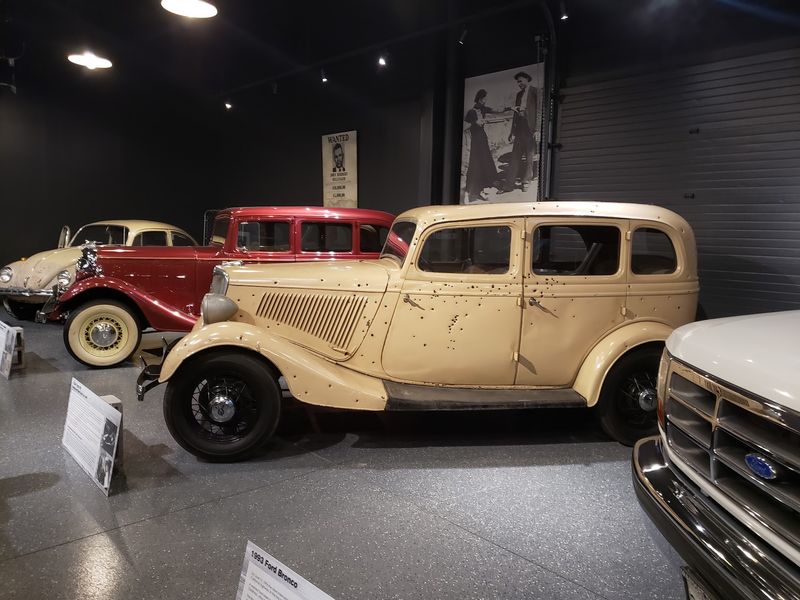
One visitor called it out by name: the Bronco was very cool. It is one of the most talked-about pieces in the building. Seeing it in person feels strange, like stepping into an old news broadcast.
The vehicle is tied to the 1994 slow-speed chase that millions watched on live television. Standing beside it, you realize how ordinary a car can look when it becomes part of history. The display gives background on the chase and the trial that followed.
Photos are a big deal here. The museum has plenty of photo spots, and this one is a favorite. Snap a picture, but also take a moment to read the panels, because the details add a lot of weight.
Fun fact: that chase interrupted a major sports broadcast, and people gathered around televisions in homes and bars just to watch. It changed how the news covered crime stories for years. Older guests often remember exactly where they were that day.
Younger visitors may not know the story, so this is a great place for a family talk. Parents can explain what happened in simple terms, and teens can ask questions. It turns a museum stop into a real conversation.
Give yourself a few minutes here, since crowds can gather around it. If it is packed, explore another room and circle back. The line moves faster than you might think.
Nearby displays connect to other headline-making cases, so keep your eyes open as you move along. You may find small items that tell just as big a story as the car itself. Those little details are often the ones people remember longest.
Alcatraz and Famous Gangsters
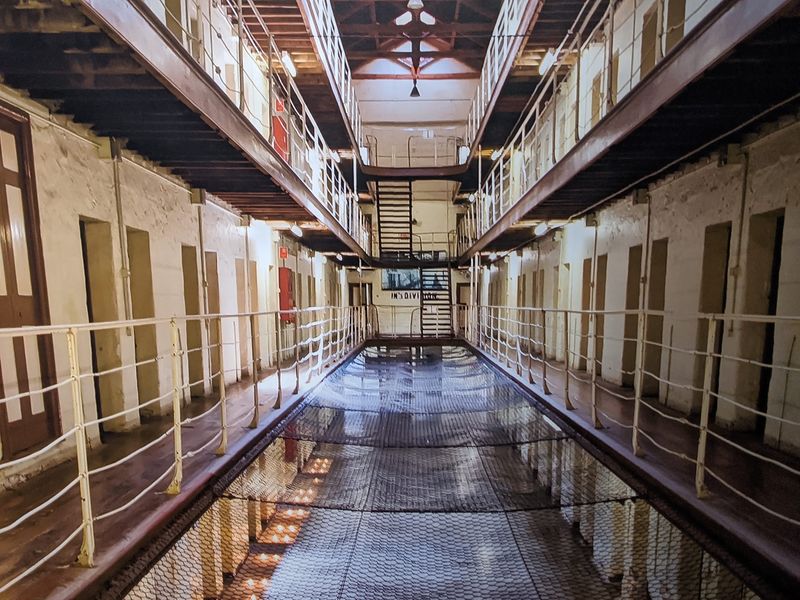
Yes, the name points to the island prison, but the museum is not only about Alcatraz. Still, that famous rock gets its moment. You can see artifacts and read about life behind those cold walls.
Beyond the island, the gangster era gets plenty of attention. Guests have described getting up close with Bonnie and Clyde, Al Capone, and other well-known names. The items on display make the old stories feel real instead of like movie scenes.
Think about how strange it is to see everyday objects tied to people who once ruled the headlines. A small piece of clothing or a worn tool can say a lot. Take your time reading each label to catch the details.
A quick history bit: Alcatraz held some of the toughest inmates in the country and closed in 1963. Its reputation became bigger than the building itself. The museum leans into that legend while still covering the wider picture of American justice.
Kids who like adventure stories will enjoy this section, though younger ones might need a parent to read the signs aloud. One reviewer noted that little children may not follow every area without help. A simple summary from you can keep them interested.
If you love classic gangster films, this part is your playground. Look for connections between the movies and the real people. It is fun to compare Hollywood versions with the facts on the walls.
Save some energy for this area, because it is packed with photo chances. A cell-style backdrop makes a great picture, especially with friends who are willing to pose in stripes.
Serial Killer and True Crime Exhibits

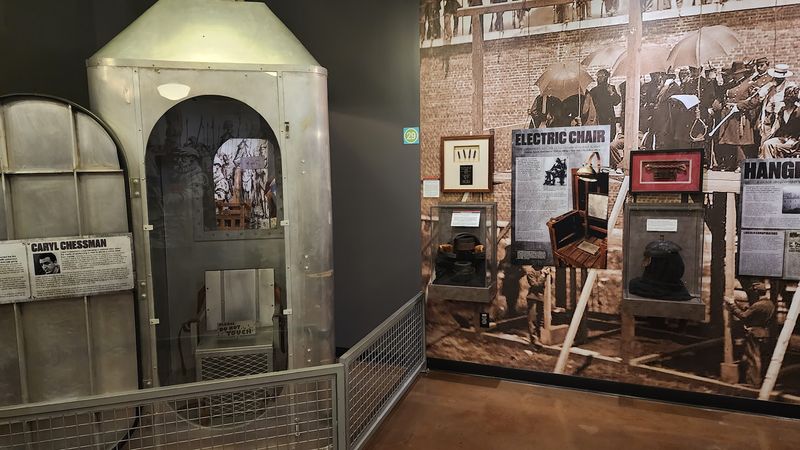
Some people come here mainly for the true crime. It is the most-mentioned topic in visitor reviews, so you will not be alone. One guest described the place as creepy in an awesome way.
The serial killer displays are serious and sometimes heavy. They show artifacts and explain cases that shocked the nation. Expect a quiet mood in these rooms, since many guests read slowly and think about what they are seeing.
Not everyone agrees on how deep the coverage goes. One visitor wished the victims’ names were listed beside every display, and a teen hoped for even more true crime detail. Others walked away feeling it was rich and fascinating, so your experience may depend on how much you already know.
Here is some advice for families. Younger children may find these areas confusing or upsetting. Older kids and teens usually handle it better, especially if you talk about it afterward.
If you enjoy documentaries and podcasts, bring that curiosity along. You will spot cases you have heard about and maybe learn a few new ones. It is also a good chance to think about the people affected and the officers who solved the cases.
Give yourself space to breathe between sections. The museum has lighter interactive areas, so you can mix in a game after a heavy room. That balance keeps the day from feeling too dark.
Remember that this is real history, not entertainment alone. Respectful visitors get the most out of it. Take your time, ask questions, and let the stories sink in.
The 9/11 Memorial Area
Ask a few guests what stayed with them, and the 9/11 memorial comes up. One reviewer called it heartfelt. Another said it was a nice section, even though the rest of their visit had mixed feelings.
The mood shifts here. Voices get quieter, and people slow down. Photos, artifacts, and written stories remind you of what happened and of the people who responded.
The museum treats the topic as part of America’s crime and justice history. That gives it a serious tone, and it fits well. Take a few minutes to read each panel rather than just walking through.
A helpful tip for parents: older kids may have only heard about the day from school. Standing in front of real items can make it click in a new way. Younger children might need a gentle explanation first.
Not every detail is perfect, and that is worth knowing. One visitor noticed a date error on a different placard about a school shooting and wished for more detail. The museum says it is always updating its collection, so feedback like that can matter.
Give this area your full attention. It is one of the places where the museum feels less like a tourist stop and more like a place of remembering. Many people leave quietly and thoughtfully.
If emotions run high, step out and take a breather. The building has room to pause, and nobody will rush you. Come back when you are ready to continue.
Forensics and the DNA Discovery Room
Cold cases sometimes get solved because of a tiny strand of DNA. The museum shows how that works. A returning visitor loved the newer DNA discovery room and said it was a fresh surprise on their second trip.
Forensics is a big topic here, with over a hundred mentions from guests. You can learn how fingerprints, evidence, and lab work help investigators. The explanations are simple enough for older kids to follow.
This section is great for curious minds. Ask yourself what you would look for at a scene. Then read how real investigators handled it.
A fun fact: fingerprint science has been used in police work for well over a century, and DNA testing changed everything only a few decades ago. The exhibits show how quickly the tools have improved. That contrast makes the history feel alive.
Hands-on pieces keep the mood lively. Guests mention interactive exhibits more than two hundred times, and many of them relate to solving puzzles. It is a good spot to team up with your family.
If you have a budding scientist, this room may be their favorite. Encourage them to read the signs and try each activity. You might be surprised at how much they remember later.
Do not skip the fine print on the wall panels. Many of the best stories hide in short paragraphs. A few extra minutes here can help the rest of the museum make more sense.
Scavenger Hunt and Audio Tour
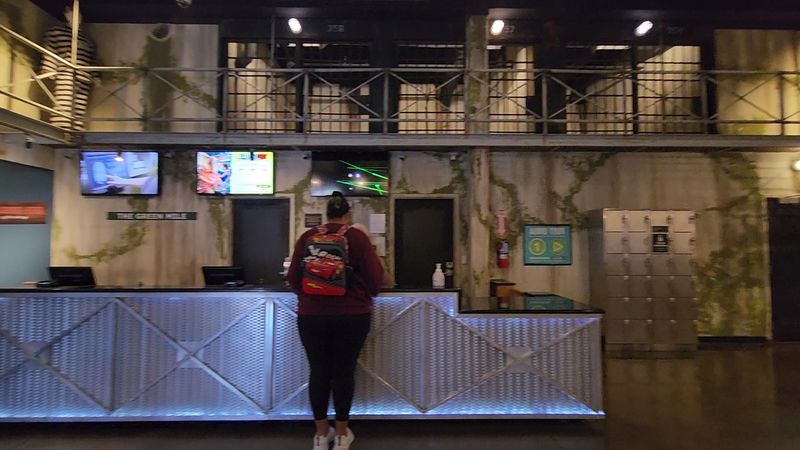
Want a reason to slow down and look closer? Try the scavenger hunt. Reviewers mention it often, and several said it made the visit more fun.
The audio tour is another popular add-on. One guest paired it with a laser maze and said the museum blew them away. Listening as you walk adds stories you might not read on the walls.
Some visitors bought the VIP experience online and enjoyed the puzzle. They spent over three hours listening and reading. One said the staff at the start seemed less than friendly when explaining the books and audio, so it helps to ask questions if you are unsure.
Here is a smart move: decide before you arrive which extras you want. At the ticket counter, staff may explain all the options, which can take time on busy days. Knowing your choices helps the line move.
Another tip is to look for coupons. One visitor found a two dollar off per person coupon at a local Waffle House. Little savings like that can cover a snack later.
The hunt works well for families with kids who get restless. It gives them a mission, so they stay engaged. Parents can enjoy the exhibits while the kids search for clues.
Bring a pen and patience. The activity can turn into friendly competition. Winner picks dinner.
Laser Maze and Interactive Games
Picture a movie thief creeping past red beams in a vault. Now imagine doing it yourself. The laser maze gives guests that exact thrill.
It costs a few extra dollars, about five according to one reviewer. Many families think it is worth it. Kids especially love the challenge, and adults get competitive quickly.
The museum also offers shooting games and other hands-on stations. Guests mention them as a fun break between heavier exhibits. It keeps the energy up on a long visit.
Timing matters. If you have limited time, choose the laser maze early so you do not run out of steam. One visitor said they did not have enough time to try every activity and planned to return.
Fun fact: laser security systems are popular in films, but real ones work differently and are far harder to sneak past. The game is a playful nod to those movies. Expect giggles, not danger.
Wear comfortable clothes that let you bend and stretch. Take off bulky jackets if you can. Flexibility helps.
After your run, compare scores with your group. A little friendly bragging is part of the fun. Then head back to the exhibits with a fresh mood.
Mugshots, Photo Ops, and Planning Your Visit
Every good trip needs a souvenir. Here, it can be a mugshot. Guests get a booking-style photo taken near the start, and some pick up a shirt or keepsake at the end.
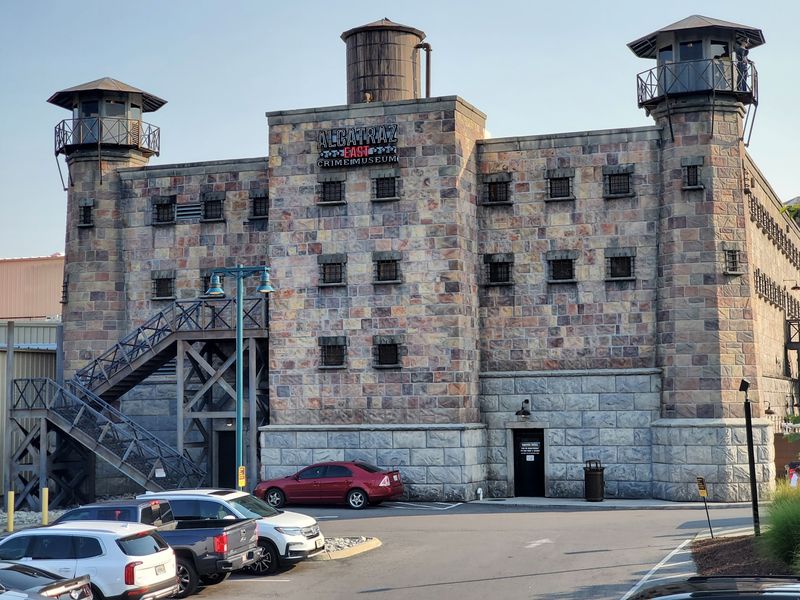
The museum sits at 2757 Parkway in Pigeon Forge. Hours run from 10 am to 9 pm most days, and until 10 pm on Friday and Saturday. Call 865-453-3278 or check the website before you go.
Parking can be tricky. One visitor on a rainy day found no spots and waited a long time in line. Arriving early or buying tickets online may save you stress.
Budget two to three hours for most visits. History fans can easily stretch that to a full afternoon. Restrooms are in one central location, so plan a stop while you are nearby.
Some reviews mention a very kind staff and clean facilities, while a few describe slow service at the ticket counter. Patience helps, and a smile goes far. The team says they are training new employees.
With a 4.5 star rating from over eleven thousand reviews, this stop has clearly won people over. Many say it was the best thing they did in town. Tell your family to bring curiosity.
Younger kids may not enjoy everything, so consider your group’s ages. Read to little ones and skip heavy rooms if needed. Then finish with a photo and a grin.