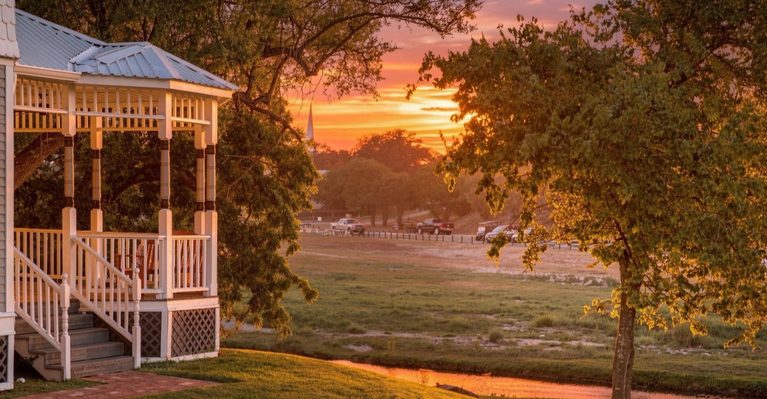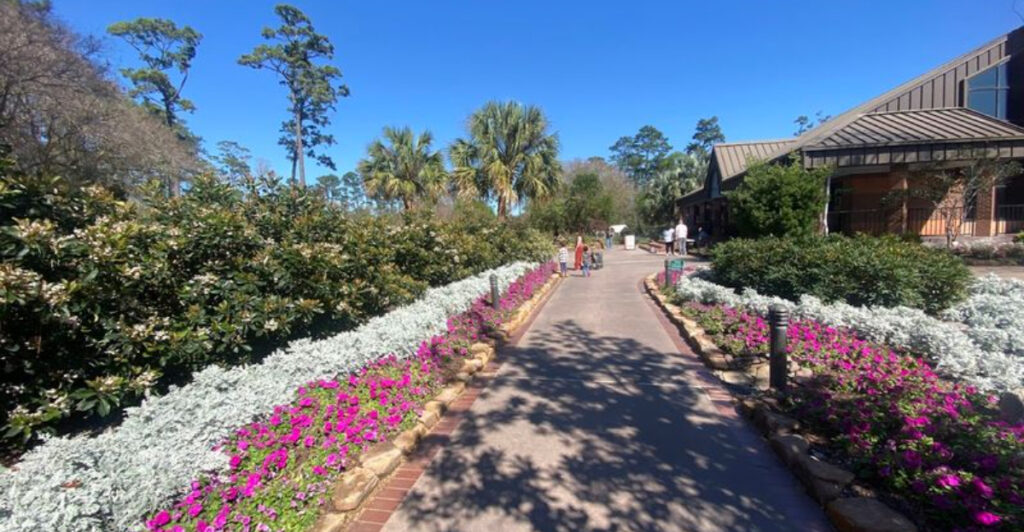
Located in Humble, Mercer Botanic Gardens spans 300 acres of natural beauty—and it’s completely free to visit, with no admission or parking fees. This sprawling green space features themed gardens, winding trails, and peaceful spots where you can escape the city buzz while staying surprisingly close to Houston. Whether you’re hunting for the perfect photo backdrop, looking to learn about native Texas plants, or just need a quiet place to recharge, this hidden gem delivers an experience that rivals pricey attractions across the state.
1. Zero Cost Entry and Parking Make It Accessible to Everyone
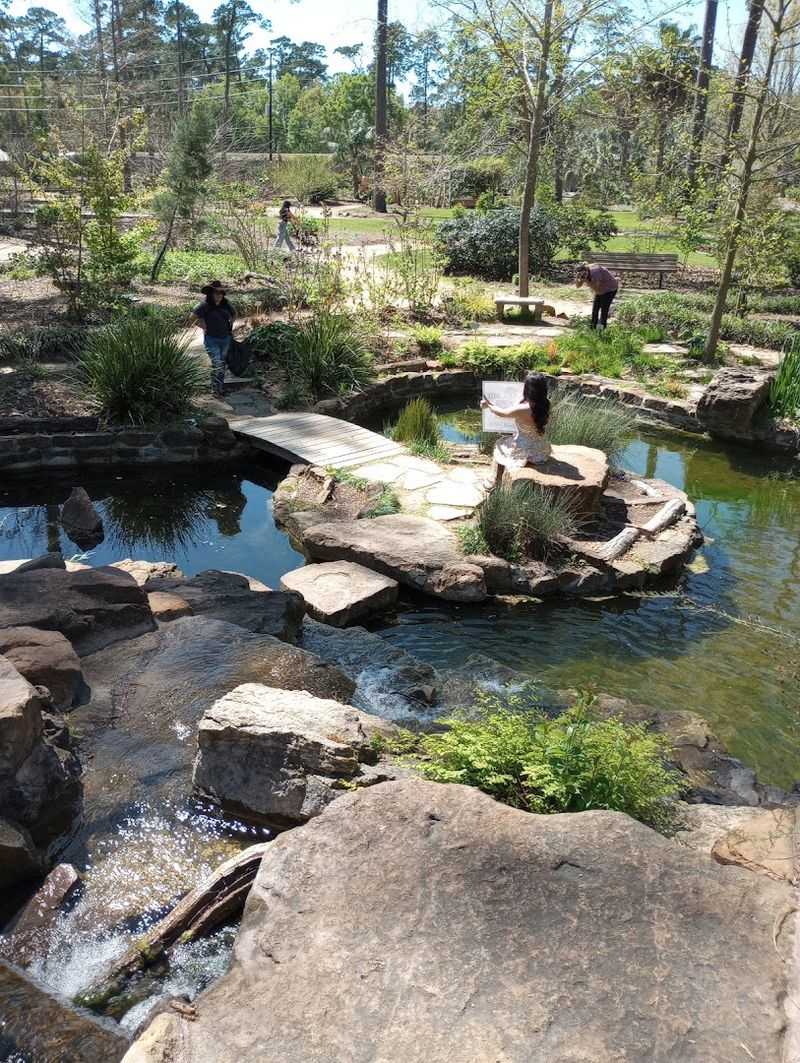
Walking into a beautiful botanical garden without reaching for your wallet feels almost too good to be true. Mercer Botanic Gardens keeps both admission and parking completely free every single day of the year. You won’t find hidden fees, suggested donations, or surprise charges when you leave.
Most botanical gardens across Texas charge anywhere from ten to twenty dollars per person, which adds up fast for families. Here, you can visit weekly without worrying about the budget. The free access means you can pop in for a quick thirty-minute stroll or spend the entire afternoon exploring without feeling like you need to maximize every dollar spent.
Parking lots fill up during peak times, especially on pleasant weekend mornings, but the gardens recently added an overflow section to handle crowds. Arriving early on Saturdays gives you the best shot at snagging a close spot. Weekday visits tend to be quieter, offering a more peaceful experience with plenty of available spaces.
The no-cost model makes this spot incredibly popular with homeschool groups, photographers building their portfolios, and retirees looking for daily exercise routes. Everyone from college students to young families can enjoy world-class gardens without the financial barrier that keeps many people away from similar attractions.
2. Themed Garden Sections Offer Distinct Experiences
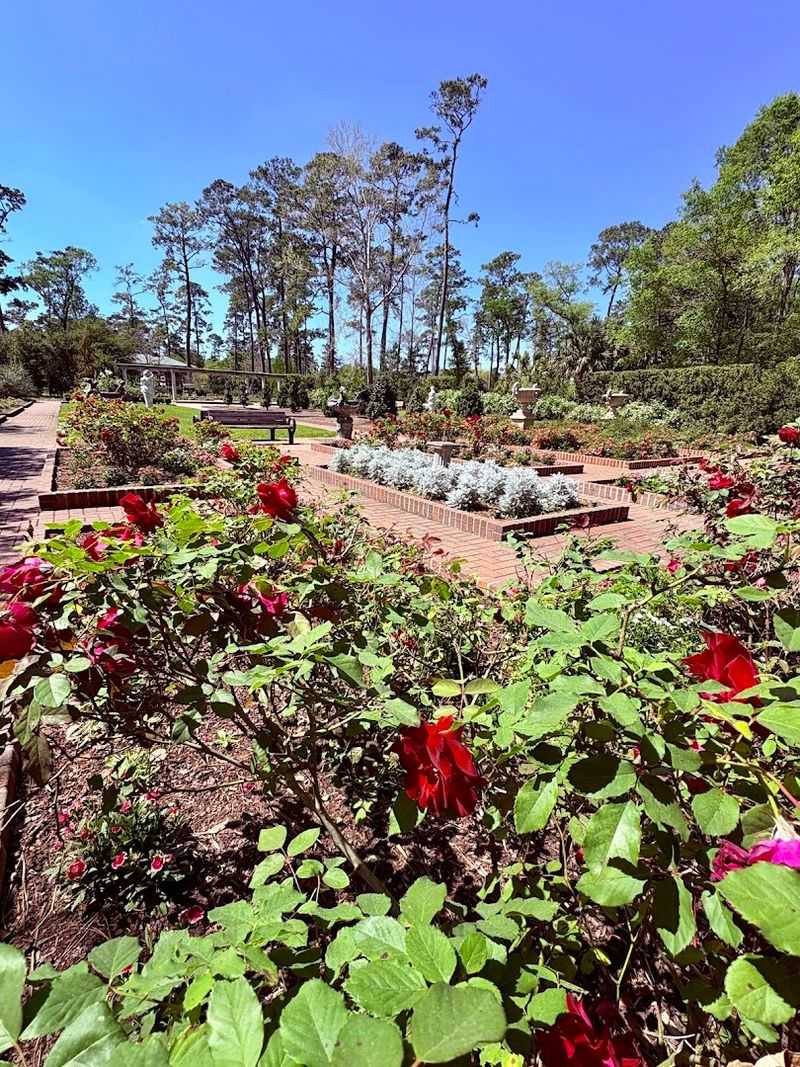
Wandering through Mercer feels like traveling between different worlds without leaving Humble. The gardens divide into distinct themed sections, each showcasing specific plant types and design styles. One minute you’re surrounded by tropical palms and exotic blooms, the next you’re walking through a prehistoric landscape that makes you wonder if a dinosaur might peek around the corner.
The tropical section bursts with color year-round, featuring plants that somehow thrive in Houston’s climate despite looking like they belong in a rainforest. Bohemian garden areas offer a more relaxed, cottage-style aesthetic with meandering pathways and unexpected plant combinations. Each zone gets carefully labeled, so you’ll actually learn the names of plants instead of just admiring pretty flowers you can’t identify later.
Photographers absolutely love the variety because you can capture completely different moods without changing locations. Wedding and quinceañera shoots happen constantly throughout the weekends, with families posing near the fairytale staircase or beside tranquil ponds. The diverse landscapes mean you won’t get bored even on repeat visits, since seasonal changes transform each area throughout the year.
Houston-area gardeners treat these themed sections like outdoor classrooms, studying which plants actually survive Texas summers and which design tricks work in our challenging growing zone.
3. Storey Lake Provides a Peaceful Natural Centerpiece
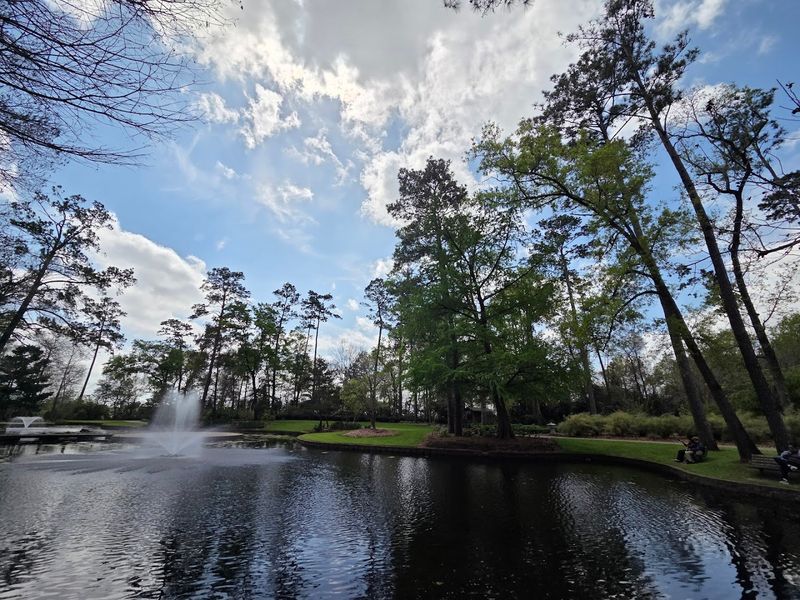
Storey Lake sits at the heart of the gardens like a liquid mirror reflecting clouds and overhanging branches. Dozens of turtles bask on half-submerged logs, occasionally plopping into the water when visitors get too close. Dragonflies zip across the surface in metallic flashes of blue and green, hunting mosquitoes while putting on an aerial show.
Benches line the shore at strategic spots, offering front-row seats to nature’s daily drama. You might spot a heron standing statue-still in the shallows, waiting to spear an unsuspecting fish. Water lilies bloom in different sections depending on the season, creating pockets of color against the dark water.
The lake area stays surprisingly quiet even when other parts of the gardens get crowded. Something about water seems to make people naturally lower their voices and slow their pace. It’s become a favorite spot for people dealing with stress, offering that rare combination of being outdoors but feeling sheltered from the world’s noise.
Keep walking past the main lake viewpoints, though, because the trails beyond lead to more secluded areas where you might have entire stretches to yourself. Those primitive paths wind through wooded sections that feel genuinely wild, creating moments of total isolation that seem impossible this close to Houston’s sprawl.
4. Educational Plant Labels Turn Visits Into Learning Opportunities
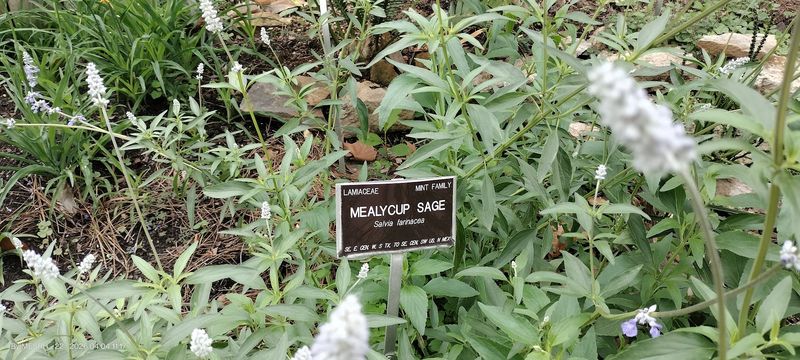
Every significant plant at Mercer comes with its own name tag, transforming casual walks into impromptu botany lessons. The labels include both common names and scientific classifications, plus growing zone information that helps local gardeners figure out what might work in their own yards. You’ll finally know the difference between a yaupon holly and a possumhaw holly instead of just calling everything “that red berry bush.”
The educational approach extends beyond simple identification. Many signs explain the plant’s native range, whether it attracts butterflies or hummingbirds, and how indigenous peoples traditionally used it. This context makes the gardens feel less like a pretty showpiece and more like a living library where every specimen has a story.
Homeschool families take full advantage of this free educational resource, using the labeled gardens to teach everything from photosynthesis to ecosystem relationships. Kids actually retain information better when they can touch bark, smell flowers, and watch bees work instead of just reading about plants in textbooks. The gardens even offer scavenger hunts that turn learning into a game.
Serious gardeners bring notebooks and snap photos of the labels, building wish lists of plants they want to try growing at home. The staff clearly understands that Houston’s climate challenges gardeners, so they focus heavily on showcasing what actually thrives here rather than what merely survives.
5. Family-Friendly Features Keep Kids Engaged
Parents know the struggle of dragging bored kids through adult-oriented attractions, but Mercer actually designed spaces specifically to capture young imaginations. The fairy garden area invites children to hunt for tiny decorated houses tucked among the plants and exchange painted rocks with other visitors. Kids can take a rock home or leave one they’ve decorated, creating a constantly changing outdoor art gallery.
The children’s garden section includes interactive nature art installations where little hands can rearrange natural materials into temporary sculptures. It’s messy, creative play that doesn’t require screens or batteries. Swings scattered throughout the grounds give antsy kids a chance to burn energy between garden sections, turning potential meltdowns into moments of joy.
Wide, stroller-friendly pathways make navigating with young children much easier than many outdoor spaces. You won’t be wrestling a stroller over roots and rocks every ten feet. The accessibility also helps grandparents who use walkers or wheelchairs join family outings without struggling.
Multiple reviewers mentioned using the gardens specifically to tire out toddlers before naptime, which speaks to how much space kids have to roam safely. The combination of open areas and shaded paths means children can explore without parents constantly worrying about them overheating or getting lost in crowds.
6. Special Events and Programs Enhance the Experience
The gardens don’t just sit there looking pretty—they host movie nights, seasonal celebrations, and educational workshops throughout the year. Christmas brings holiday music piped through the grounds and special decorations that transform evening visits into magical experiences. These events stay true to the free admission model, making quality entertainment accessible to everyone regardless of income.
Live musicians sometimes set up near the entrance, greeting visitors with keyboard melodies or acoustic guitar. The impromptu concerts add an unexpected layer of ambiance that turns ordinary garden visits into memorable occasions. You never quite know what extra touch you might encounter on any given day.
Educational classes cover topics from native plant gardening to butterfly identification, taught by knowledgeable staff and volunteers who genuinely love sharing their expertise. The lineup changes seasonally, reflecting what’s currently blooming or migrating through the area. Registration for popular classes fills quickly, so checking the website ahead of time helps you snag spots.
Community engagement runs deep here, with volunteer opportunities for people wanting to give back. The gardens actively recruit help with maintenance, education programs, and special events. This volunteer culture creates a sense of ownership among regular visitors, who treat the space with respect because they feel personally invested in its success and upkeep.
7. Photography Opportunities Draw Professionals and Hobbyists
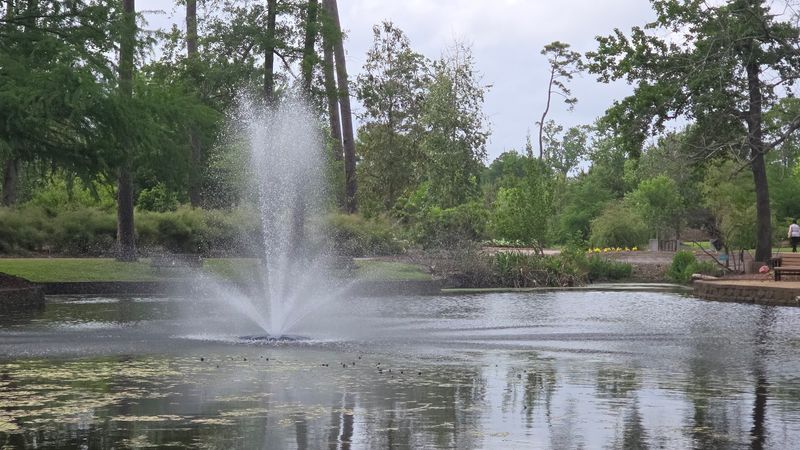
Scroll through Instagram using Mercer’s location tag and you’ll find thousands of photos spanning everything from engagement announcements to senior portraits. The gardens have become Houston’s worst-kept secret among photographers hunting for gorgeous backdrops without location fees. That fairytale staircase gets more action than a celebrity’s front steps, with couples and quinceañeras posing there almost every weekend.
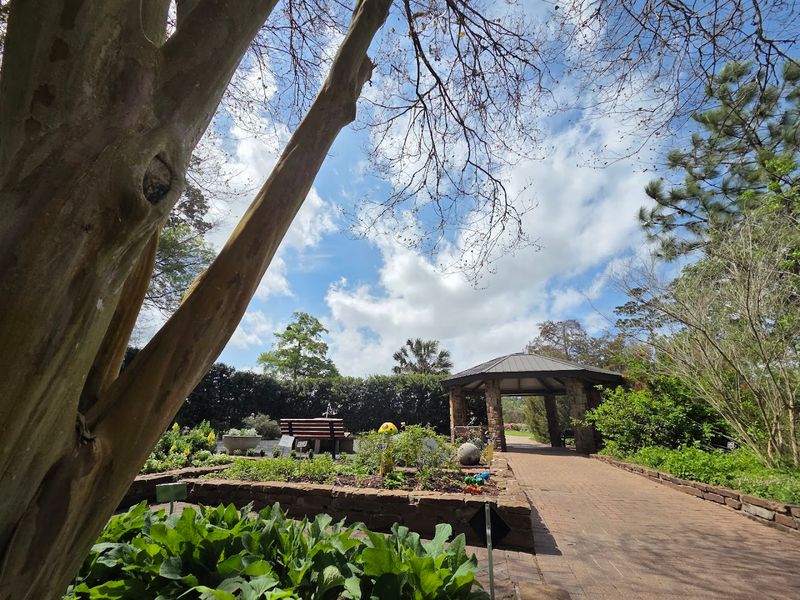
Gazebos draped in flowering vines provide natural frames for portraits, while the varied landscapes let photographers capture multiple looks in a single session. You can shoot tropical vibes near the palms, romantic garden party aesthetics in the cultivated beds, and moody forest scenes on the primitive trails without ever moving your car. The diversity saves time and gas money for professionals shooting multiple clients in one day.
Natural light photographers particularly love the mix of open sunny areas and dappled shade, which provides flattering illumination throughout the day. Early morning and late afternoon golden hour shoots produce especially stunning results when the low sun filters through leaves and glints off water surfaces.
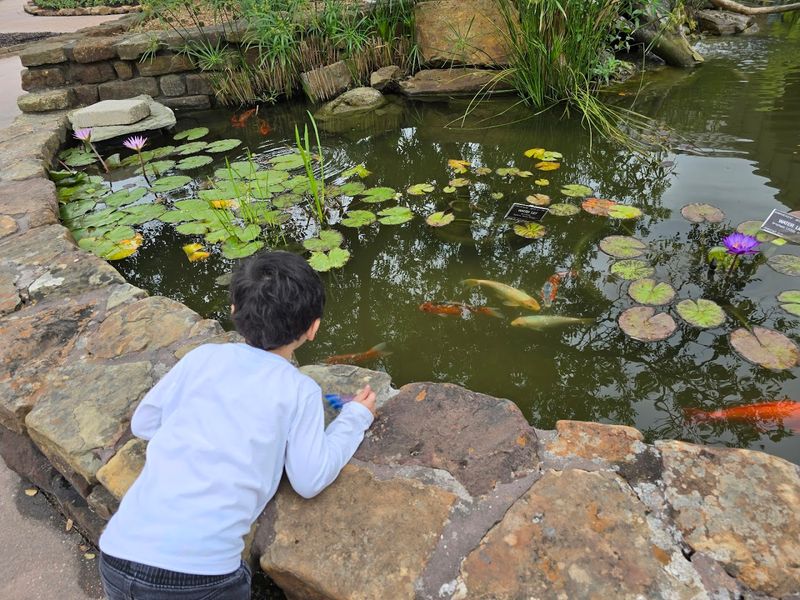
Wildlife photography opportunities abound too, with patient shooters capturing everything from ruby-throated hummingbirds to basking turtles. The koi pond attracts photographers specifically interested in aquatic subjects, offering clear water and cooperative fish that seem almost trained to pose.
8. Peaceful Atmosphere Supports Mental Health and Wellness
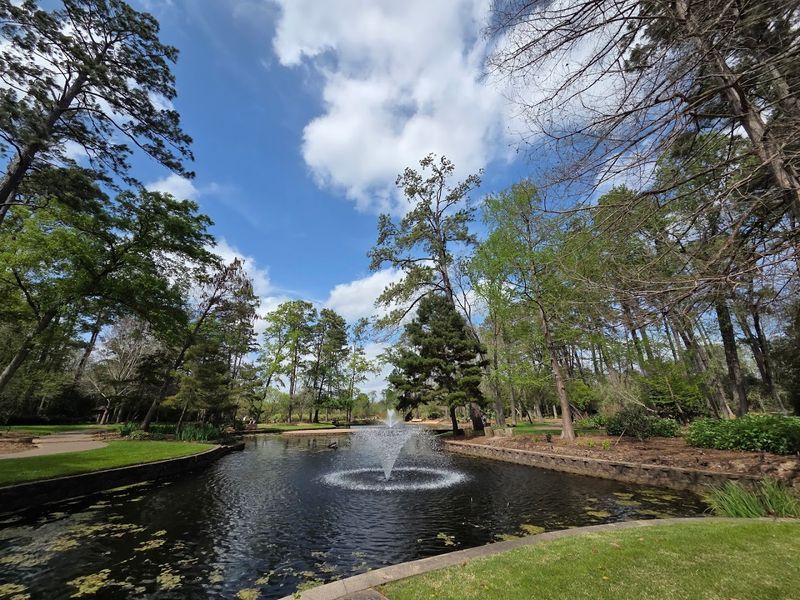
Something shifts when you step into Mercer’s green embrace—shoulders drop, breathing deepens, and the mental chatter quiets down a notch. Multiple visitors describe leaving feeling “light and uplifted” after their nature sessions, using words like “healing” and “peaceful” to capture the experience. This isn’t just poetic language; research consistently shows that time in green spaces reduces stress hormones and improves mood.
The gardens offer genuine quiet, which has become shockingly rare in modern life. Unlike parks where kids shriek on playgrounds or highways drone in the background, many sections of Mercer feel genuinely removed from urban noise. You can actually hear birds singing, leaves rustling, and your own thoughts without competing against constant mechanical sounds.
Regular visitors develop personal routines around the gardens, treating them like free therapy sessions. Some walk the same loop every morning for exercise and mental clarity. Others claim favorite benches where they sit and process life’s challenges while watching turtles sun themselves.
The consistency of the space provides comfort during unstable times.
The primitive trails beyond Storey Lake offer the deepest solitude, winding through wooded areas where you might walk for twenty minutes without seeing another person. That level of isolation feels impossible this close to Houston, making it precious for introverts and anyone needing to escape social overwhelm temporarily.
9. Well-Maintained Grounds Reflect Dedicated Staff Care
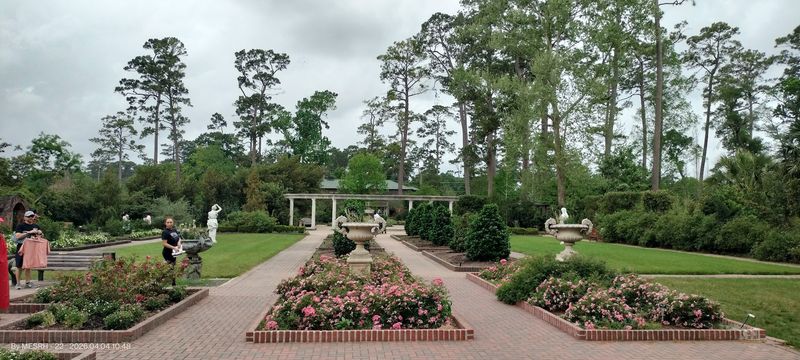
Beautiful gardens don’t maintain themselves, and Mercer’s consistently pristine condition reveals the hard work happening behind the scenes. Groundskeepers cruise the pathways on golf carts, trimming, planting, and monitoring plant health with obvious pride in their work. One visitor specifically praised a Hispanic groundskeeper for his genuine southern manners and helpfulness, noting how he pointed out the lake in back that she’d somehow missed on previous visits.
The cleanliness stands out immediately—you won’t find trash scattered around or neglected areas overtaken by weeds. Pathways stay clear and safe for walking, with prompt attention to any hazards like fallen branches. This level of upkeep requires significant resources and coordination, making the free admission even more impressive.
Friendly, knowledgeable staff members enhance visits through their willingness to share information and help visitors. The office workers go beyond basic customer service, offering cold water on hot days, babysitting dolls in air conditioning for traveling families, providing scavenger hunts for kids, and sharing seeds from the gardens. These personal touches transform a nice outing into a memorable experience that people rave about months later.
The gardens’ commitment to excellence shows in details like well-designed drainage that keeps paths accessible even after rain, strategic bench placement for optimal views, and thoughtful plant combinations that provide year-round interest rather than just spring blooms.
Share this story