Deep in central Pennsylvania, Rothrock State Forest offers wooded ridges, rocky trails, and quiet places where the outside world feels far away. Spanning nearly 97,000 acres, this expansive forest gives visitors plenty of room to hike scenic paths, camp beneath the trees, fish in peaceful waters, and simply slow down amid nature. Its rugged terrain and miles of forested landscapes make it an appealing destination for anyone looking to trade busy streets and everyday distractions for fresh air and open space.
Although this is a managed forest with a long human history, its secluded corners can feel wonderfully untouched, offering a glimpse of Pennsylvania’s wilder side. Whether you’re planning a challenging day hike or a quiet weekend surrounded by trees, there’s plenty to explore at your own pace. A little planning goes a long way, so check trail conditions, pack the essentials, and follow local guidelines to enjoy that wild feeling while protecting the land that makes it possible.
1. Find Room to Breathe Across Nearly 97,000 Acres
Some places make you lower your voice without even thinking about it.
Across Rothrock State Forest, long wooded slopes and tucked away valleys create that feeling, especially when you leave the busiest access points behind.
The forest covers nearly 97,000 acres in central Pennsylvania, but it is not one empty stretch without roads or people.
Trails, managed timber areas, recreation sites, and forest roads share the landscape, so choosing your starting point matters.
Before leaving home, study the current Pennsylvania Department of Conservation and Natural Resources map.
Pick a small area to explore rather than trying to see the whole forest in one day, and check whether your route crosses different land boundaries.
For a quieter outing, consider a weekday and arrive early.
Keep your expectations flexible: seclusion is never guaranteed, but a patient walk can reveal plenty of space to hear leaves rustle instead of traffic or conversations around the next bend.
2. Follow Rocky Trails Into the Quiet
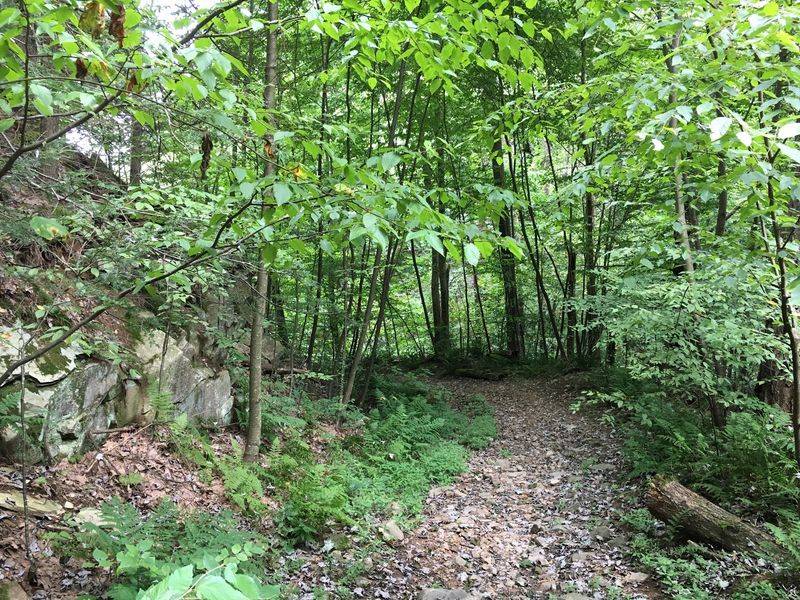
Your boots may do more talking than you do here.
Stones, roots, and uneven ground give many Rothrock trails a rugged character, turning an ordinary walk into a small adventure.
The Mid State Trail and Standing Stone Trail pass through portions of the forest, offering routes for hikers who want more than a short roadside stroll.
Distances and difficulty vary, so use an official map to choose a section that matches your experience.
Wear shoes with reliable grip, carry water, and leave extra time for rocky stretches.
A mile on rough terrain can take longer than a mile on a smooth neighborhood path, especially after rain.
You do not need a huge mileage goal to enjoy the woods.
Choose a manageable turnaround point, stop to notice ferns and tree bark, and let the walk unfold at your pace while keeping enough daylight for the return trip back to your vehicle without rushing.
3. Earn a View From the Forested Ridges
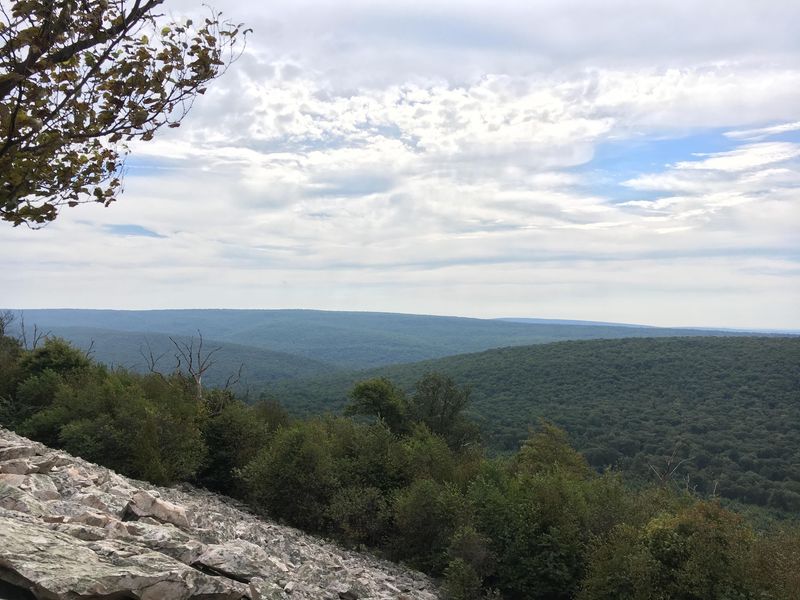
After a climb through trees, an open view can feel like a curtain being pulled aside.
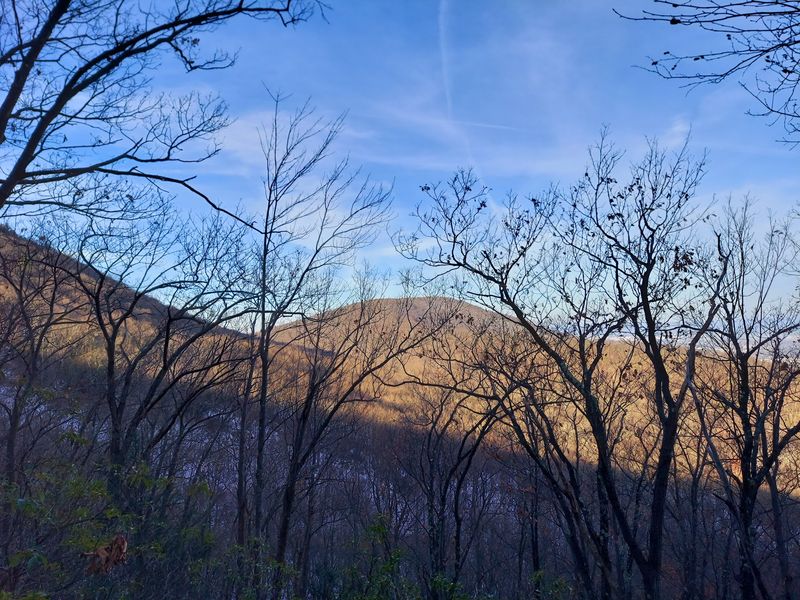
Rothrock’s ridge country offers places where wooded hills stretch across the horizon and nearby roads seem surprisingly small.
Some vistas can be reached from forest roads, while others require a hike.
Access conditions differ, and a viewpoint marked on a map does not automatically mean an easy walk or a paved parking area.
Check the route before choosing your destination, especially if you are traveling with younger children or anyone who needs steady footing.
Bring a light layer because exposed ridges can feel cooler and windier than sheltered trail sections.
At the overlook, step carefully and stay back from edges.
Give yourself a few minutes without a camera in hand; watching shadows shift across the slopes is often more rewarding than rushing away after one photograph, and it costs nothing but a little extra time outdoors.
4. Take the Scenic Route Along Forest Roads
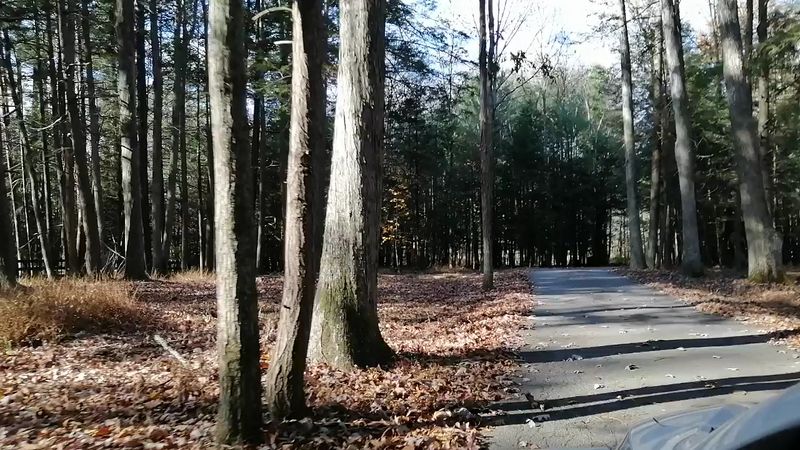
A winding gravel road can change the mood of an entire afternoon.
In Rothrock, forest roads offer another way to experience wooded scenery, particularly when you want a shorter outing between longer hikes.
Do not assume every line on your map is open to public driving.
Gates, seasonal restrictions, road work, and rough surfaces can affect access, and some routes may be unsuitable for vehicles with low clearance.
Download directions before entering the forest, then use current official road information to guide your plans.
Drive slowly, watch for cyclists and walkers, and pull over only where parking is allowed and other vehicles can pass safely.
The reward is not speed or distance.
It is noticing a shaded hollow, a sudden ridge view, or sunlight moving across the road ahead, then finding a legal place to stop and enjoy the scene without blocking traffic or disturbing the plants along the roadside near you.
5. Trade Screen Time for a Night Under Trees
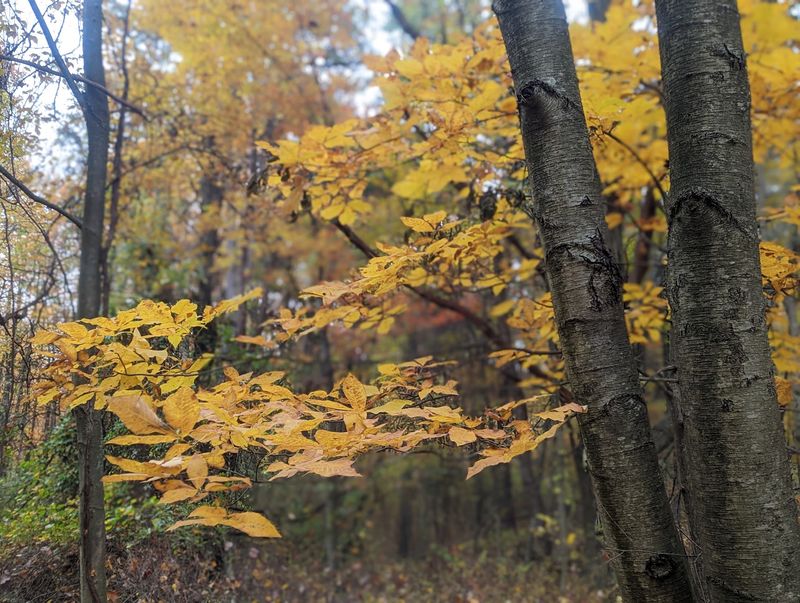
When evening settles over the trees, the forest takes on a different personality.
Bird calls fade, shadows deepen, and the simple job of making dinner can become the main event.
Rothrock offers camping opportunities, but roadside camping and backpack camping follow different rules.
Never rely on an old review promising free sites or permit exemptions; check current DCNR requirements, designated locations, reservation procedures, and any fees before your trip.
Choose an established legal campsite and arrive with enough daylight to get organized.
Bring drinking water or a suitable treatment system, pack warm sleeping gear, and check current fire restrictions rather than assuming a campfire is allowed.
Keep food secured against wildlife and carry out every scrap of trash.
A comfortable night does not require much equipment, but it does require preparation, respect for nearby campers, and a plan for rain that arrives after you have already crawled into your sleeping bag for bedtime.
6. Listen for Water in the Wooded Hollows
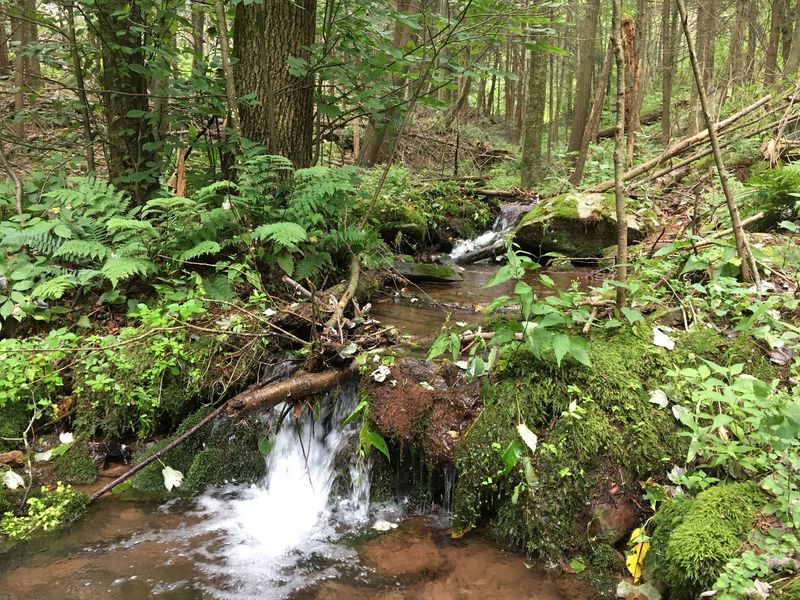
Sometimes you hear the creek before you see it.
Water moving over stones adds a steady soundtrack to Rothrock’s wooded hollows, giving a trail break a soothing place to land.
Streams and fishing opportunities are part of the forest’s appeal, though conditions vary by location and season.
If fishing is on your schedule, check Pennsylvania Fish and Boat Commission rules for the specific water, including licenses, seasons, and any special regulations.
For a simple creekside pause, stay on durable ground and avoid trampling soft banks.
Wet rocks can be slippery, and water that looks shallow may hide uneven footing or a stronger current after rainfall.
Never drink untreated stream water, even when it looks clear.
Instead, bring your own supply, settle somewhere safe, and watch the small details: drifting leaves, ripples behind rocks, and light flashing across the surface as the canopy moves overhead in a passing breeze during your quiet break.
7. Discover Thick Woodland at Alan Seeger Natural Area
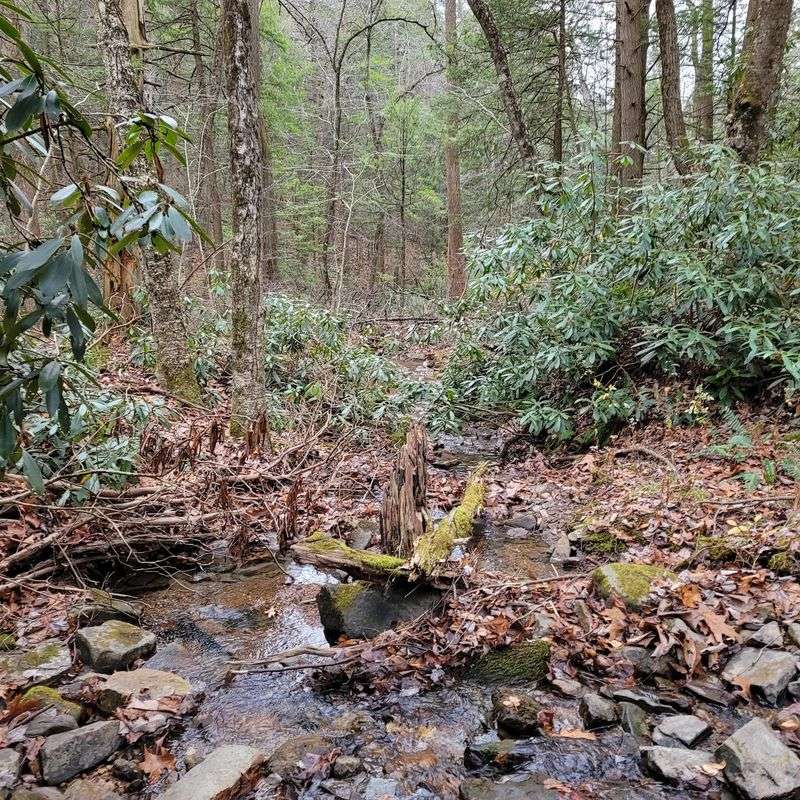
Shade feels deeper where hemlocks and thick rhododendron gather.
Alan Seeger Natural Area offers a distinctive woodland setting within Rothrock, with vegetation that makes the surrounding forest feel close and richly layered.
A visit here is less about covering miles and more about looking carefully.
Notice how evergreen branches change the light, how fallen wood becomes habitat, and how the understory fills spaces between larger trunks.
Use current forest information to confirm access and available walking routes before setting out.
Natural areas protect special features, so stay on established paths where provided and leave plants, stones, and fallen branches where they belong.
Take your time, but keep an eye on footing in damp or shaded sections.
Even a brief visit can make a lasting impression when you trade a fast pace for a closer look at the living layers around you, from tiny patches of moss to branches high above the trail.
8. Ride With Respect on Rugged Terrain
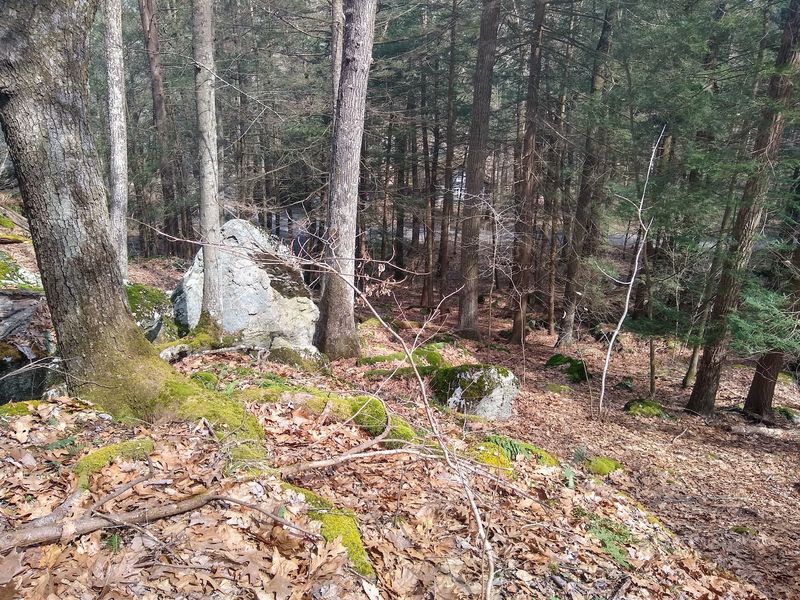
Rocks keep riders honest in Rothrock.
The forest is known for mountain biking and gravel riding, with terrain that rewards attention, balance, and a sensible match between route and skill.
Not every trail is open to bicycles, so plan with a current recreation map rather than following an unfamiliar track.
Beginners should look for suitable roads or easier authorized routes instead of assuming a popular ride will be comfortable.
Wear a helmet, carry repair supplies, and bring enough water for climbs that may feel longer than expected.
Wet conditions can make rocks slick, and riding soft trails can leave damage that lasts after the puddles disappear.
Share the woods with patience: slow down near other visitors, communicate clearly, and follow posted yielding rules.
A successful ride is not just reaching the finish; it is returning with your bike intact while leaving the route in good shape for whoever comes along after you.
9. Watch the Seasons Rewrite the Scenery
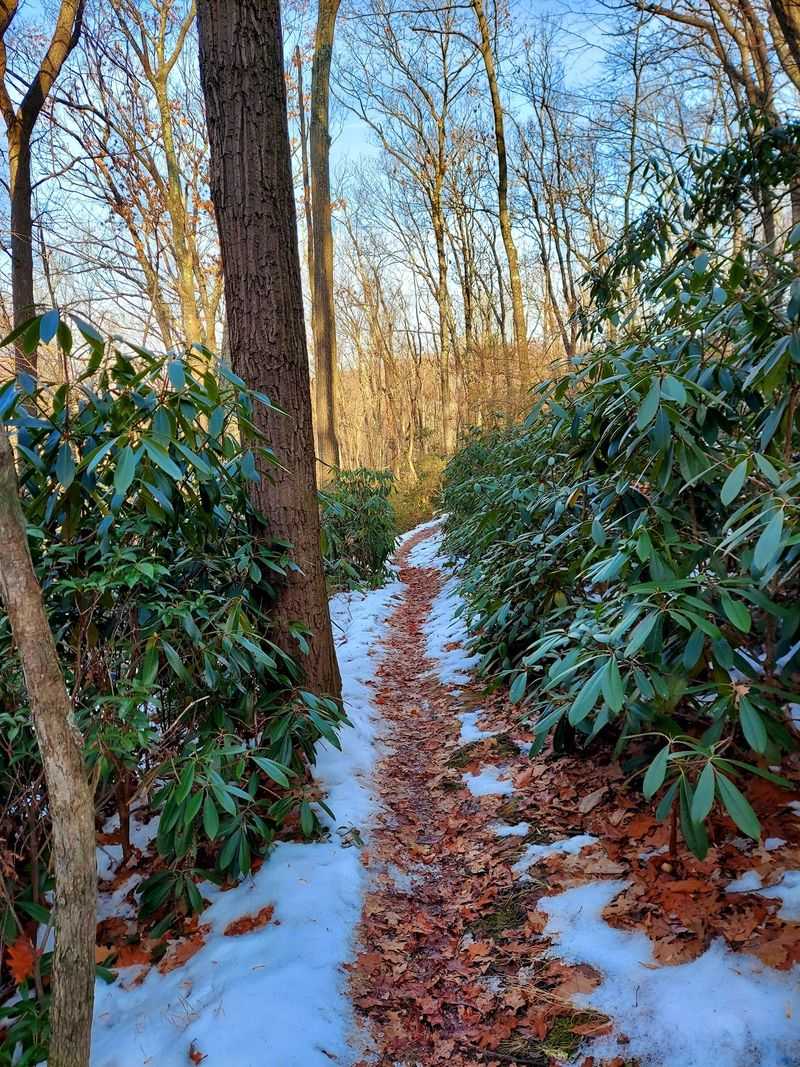
The same path can feel like four different places over a year.
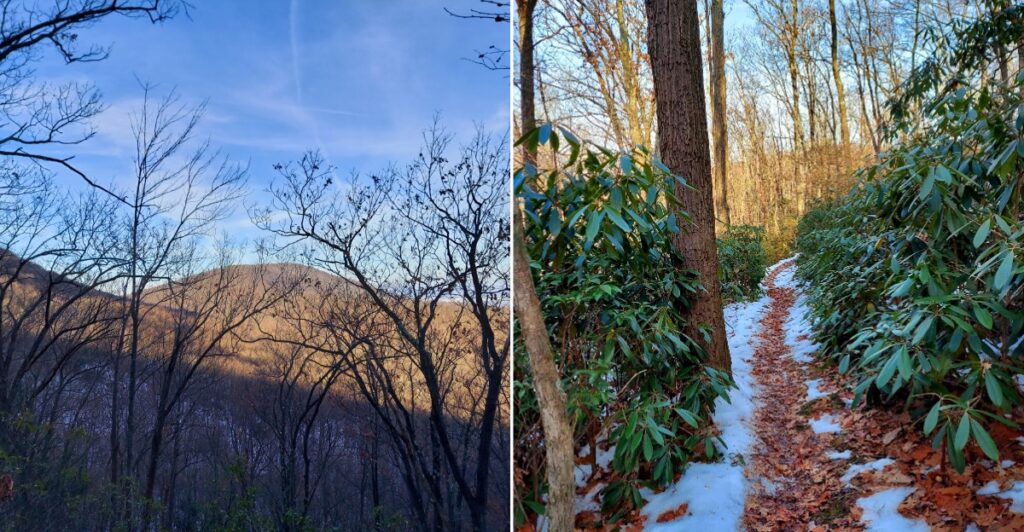
Spring brings fresh leaves, summer builds deep shade, autumn changes the canopy’s colors, and winter reveals the shapes of ridges through bare branches.
Choose your season with comfort and access in mind.
Warm weather can bring insects and humid climbs, while colder months may bring ice, snow, closed gates, or roads that are difficult to travel.
Check the forecast for the forest area rather than relying only on conditions at home.
Pack layers, use appropriate insect protection, inspect yourself for ticks after outings, and carry traction equipment when your planned walk could involve ice.
Fall color can attract more visitors, so solitude may take extra planning during popular weekends.
Whatever the month, let conditions set the pace; turning back early is better than pushing onward because a photograph or mileage goal seemed worth chasing before the weather began to change.
10. Protect the Wild Feeling for the Next Visitor
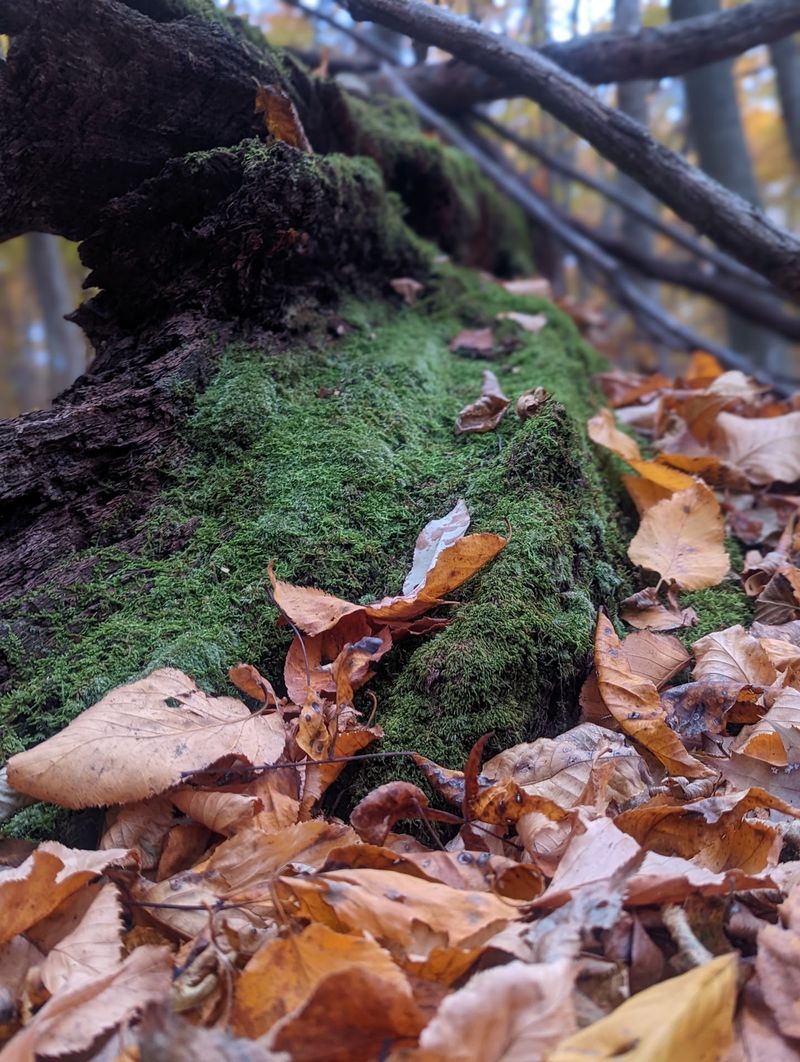
The best souvenir may be nothing you can carry.
A quiet hour in Rothrock leaves memories of wind, birds, and wooded hills, without needing a collected plant or a stone from the trail.
Despite its remote feel, the forest has a history of human use and remains actively managed.
Calling it untouched describes a feeling, not a literal fact, and caring for it helps preserve the qualities visitors enjoy.
Pack out litter, keep pets under control, avoid feeding wildlife, and respect posted closures.
During hunting seasons, check current guidance and consider wearing bright orange; sharing public land means understanding who else may be using it.
Leave your route and expected return time with someone, and carry offline navigation because phone service may be limited.
Thoughtful preparation protects both you and the forest, allowing that welcome sense of distance from daily life to remain an experience others can find on their own visit.
Share this story