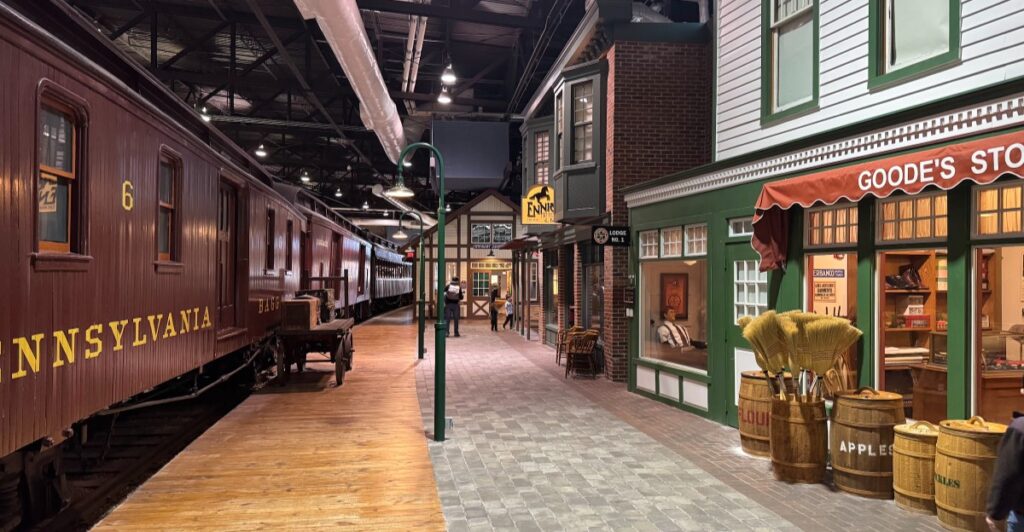
At the Railroad Museum of Pennsylvania in Strasburg, real trains fill the room, creating an experience that feels much bigger than a typical museum visit. Kids can discover how trains work and explore the exhibits up close, while adults may find themselves remembering the excitement of seeing a locomotive for the first time. Historic engines, hands-on activities, detailed displays, and tiny model trains bring Pennsylvania’s railroad history to life in ways that are easy for the whole family to enjoy.
There is plenty to see at a relaxed pace, making it a good place to spend a few hours without feeling rushed. Whether you have a lifelong interest in trains or simply want to try something different, the museum offers plenty of details worth discovering. Here are eight reasons to slow down and explore.
1. Real Locomotives That Tower Above You
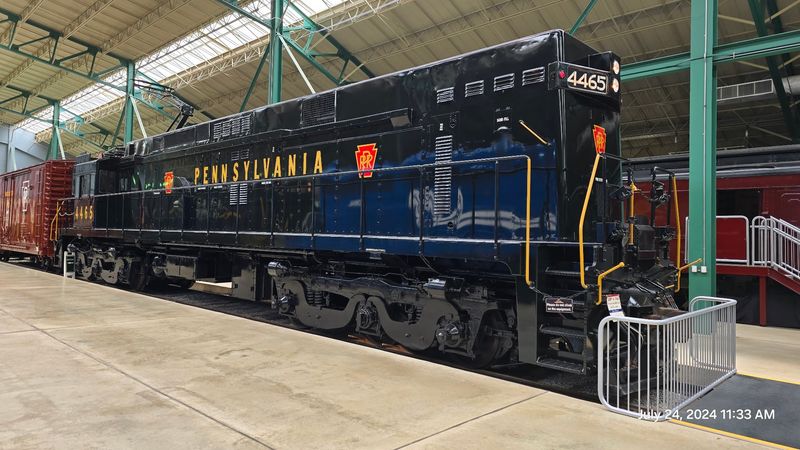
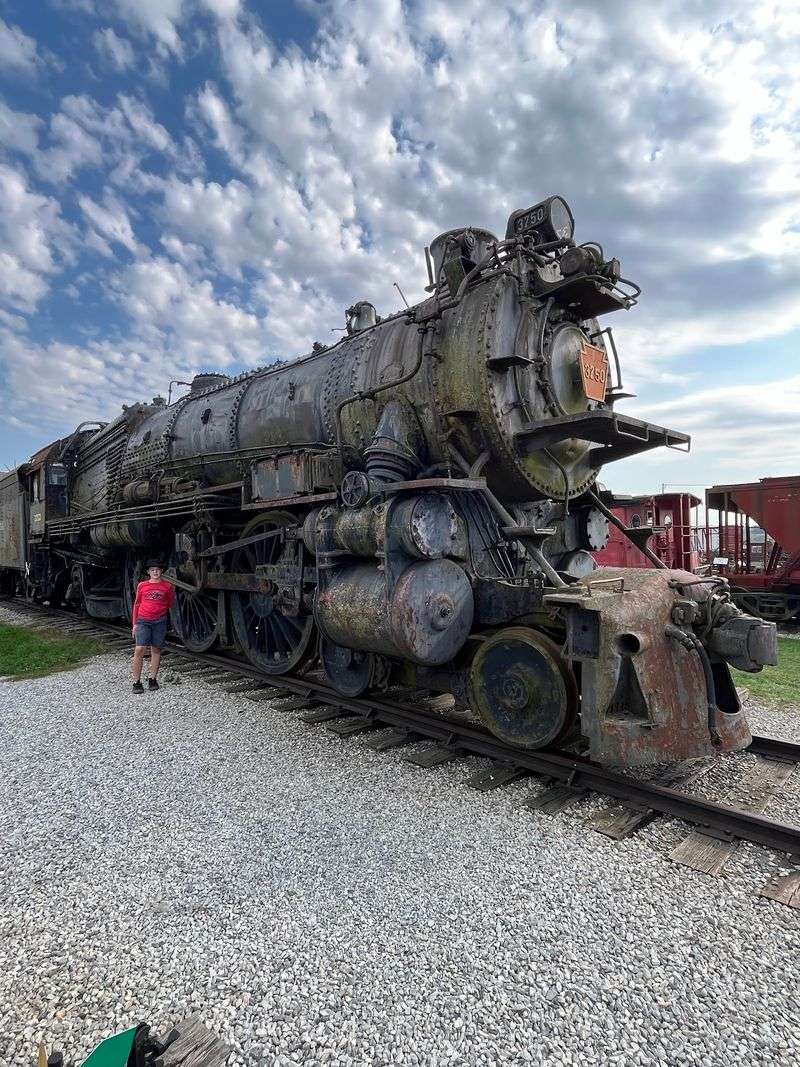
Imagine walking into a room where the trains are much bigger than the pictures in your history book.
At the Railroad Museum of Pennsylvania, full-size locomotives give that first glimpse a real sense of wonder.
Stand near an engine and look at its wheels, pipes, and front lights to see how many parts worked together.
Young visitors may simply enjoy the size, while older guests can compare engines from different times.
The collection includes railroad equipment that helps tell how travel and work changed over the years.
Read a sign beside one locomotive, then step back and see which details you can spot on another.
Give your group time to wander instead of rushing from train to train.
A favorite engine often becomes the one everyone remembers after the visit.
Photos can help capture the scale, but standing beside a real locomotive is the part that feels unforgettable.
2. Passenger Cars That Spark Daydreams
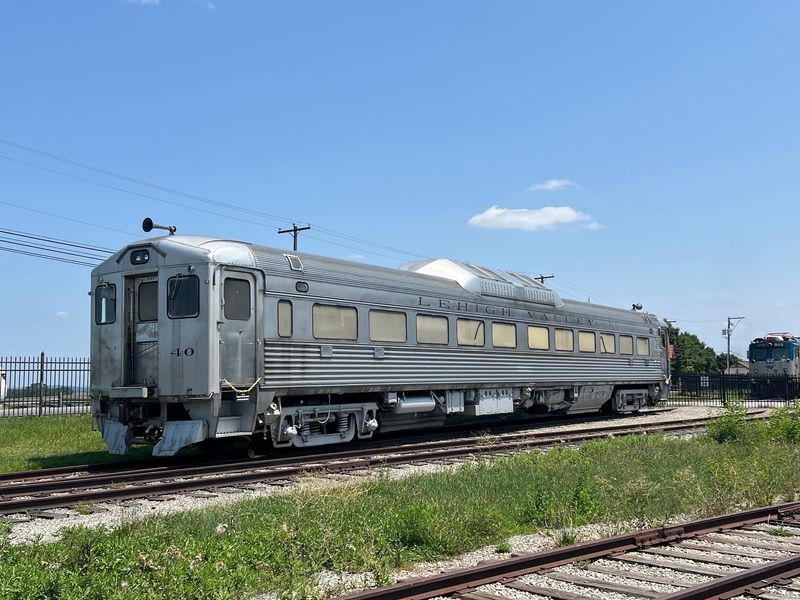
A passenger car can turn an ordinary museum stop into a make-believe trip.
Look through its windows and picture the fields, towns, and stations that travelers might have watched go by.
When a car is open for visitors, stepping inside makes that story easier to imagine.
Notice the seats, narrow spaces, and other details of the car.
Ask someone in your group where they would choose to sit and what they would pack for a long journey.
Simple questions like those make railroad history feel closer to everyday life.
They also give children something to talk about beyond how big the trains are.
Access to individual cars can vary, so follow posted signs and ask staff what is open on the day you visit.
If a doorway is closed, you can still study the outside together.
Compare its windows with those on another car and guess how the passengers’ experiences might have differed.
3. Hands-On Lessons That Feel Like Play
Sometimes the best way to understand a train is to try a small job yourself.
Visitors have described activities at the museum such as pretending to shovel coal, testing how wheels roll on a track, and using an old-fashioned scale.
Each one gives busy hands a reason to pause and think.
At the wheel activity, ask a child to watch closely instead of guessing what will happen.
At a work-themed station, talk about the people who kept railroads moving, not just the machines.
A short turn at an exhibit can lead to a surprisingly long conversation about weight, motion, or teamwork.
Interactive activities can change, and children should follow the directions posted nearby.
You do not need to complete every station to have fun.
Pick one that catches your eye, give everyone a turn, and let the youngest visitor explain what they noticed.
Their answer might surprise the whole family.
4. Tiny Trains With Big Stories
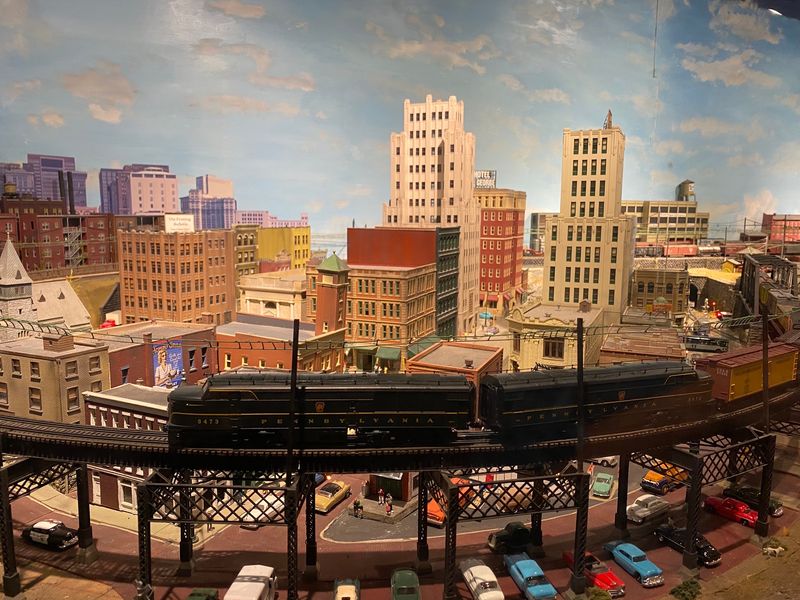
After meeting the giant engines, finding a whole railroad world in miniature feels like a fun surprise.
Visitors have praised the museum’s model train display for its careful detail.
Small tracks and scenery invite you to watch closely, even if you have never owned a toy train.
Try following one little train through the layout.
Look for changes in the landscape, from rural scenes to busier places, and see what else appears along its route.
Children can play a quiet spotting game while adults enjoy the work that went into building each scene.
It is a different kind of excitement from standing beside a full-size engine.
Model displays may have their own operating times or access rules, so check what is available when you arrive.
Leave a few minutes for a second look before moving on.
The first pass shows the trains; the next often reveals a tiny detail everyone missed.
5. A Higher View of the Collection
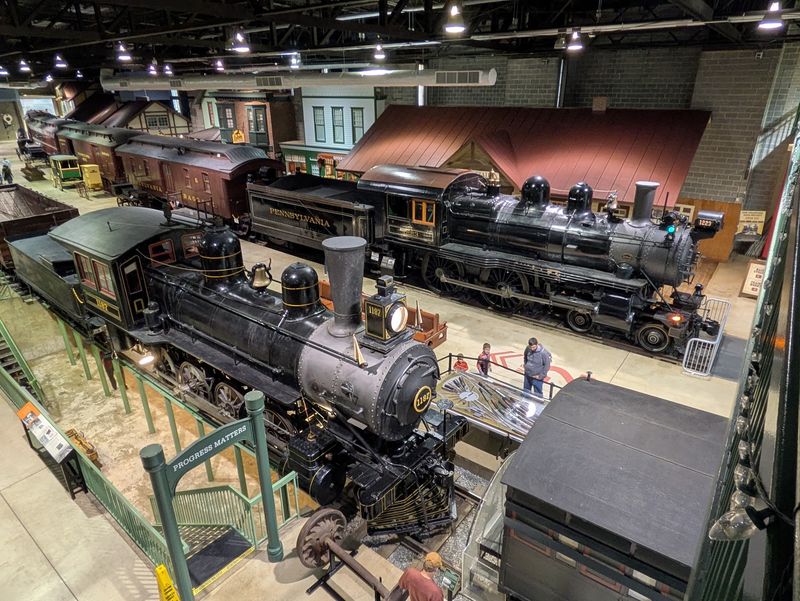
From an elevated view, the museum floor looks like a gathering of giants.
Visitors have singled out the upper walkway as a memorable place to see the trains together.
What seemed enormous at ground level becomes part of a wider picture, with engines and cars lined up across the hall.
Take a moment to find the locomotive you liked best from below.
Can you recognize it by its color, shape, or place in the room?
This simple challenge helps children connect two views of the same collection.
It also gives photographers a chance to show how much equipment the museum holds in one space.
Anyone uneasy with heights can enjoy the trains from the main floor instead.
There is no need to force the view.
For those who do go up, keep the visit comfortable and follow the walkway rules.
Looking down, you may spot a train you somehow walked right past earlier.
6. Clues to the People Behind the Trains
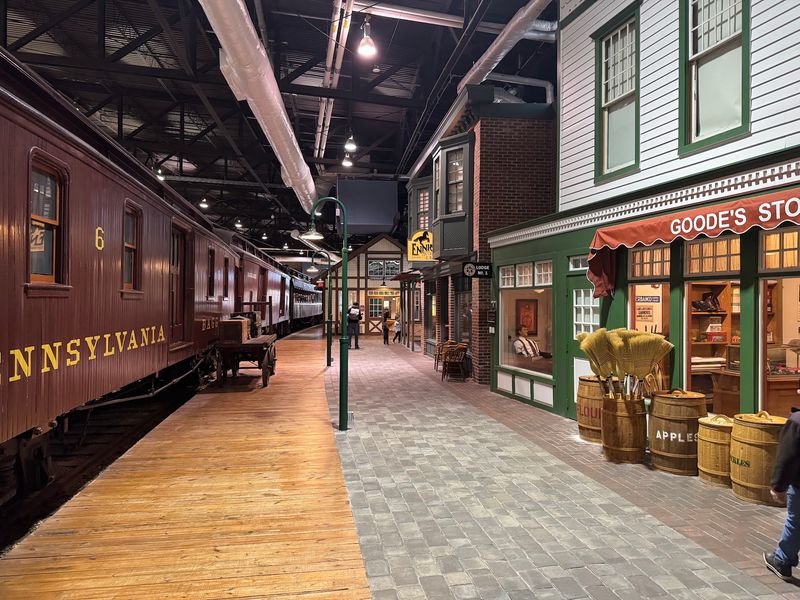
Big engines get the first gasp, but small objects can tell stories that are just as lively.
The Railroad Museum of Pennsylvania also displays railroad artifacts, including antique clocks.
Such pieces offer a way to think about schedules, station life, and the people whose work made train travel possible.
Choose one object that looks unfamiliar and read its nearby label together.
Then ask what problem it might have helped solve.
Children may enjoy making a guess before seeing the answer, while adults can connect the object to things they use today.
Even a clock feels more interesting when you picture a station full of people waiting for news of a train.
You do not have to read every sign in the building.
Pick a few that answer questions your group actually has.
Moving between a towering locomotive and a little artifact keeps the day varied and shows that railroad history is about people as well as machines.
7. Room to Explore at Your Own Speed
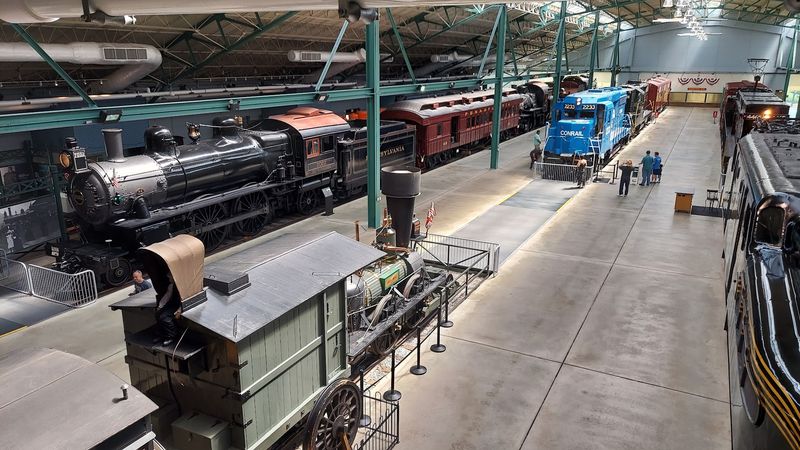
No one has to race a clock while choosing a favorite train.
Visitors often describe the museum as open and easy to explore at their own pace.
Some enjoy a quick walk past the biggest engines, while others spend hours reading signs and studying each car.
For a family visit, start with a short loop to see what catches everyone’s attention.
Return to those spots after a break rather than trying to cover every display in order.
A young child might want to watch model trains twice; an older visitor might prefer the history beside a locomotive.
Both plans can work on the same trip.
Recent visitors report spending anywhere from about an hour to several hours here.
Set your pace based on your group, not someone else’s schedule.
The museum is at 300 Gap Road in Strasburg.
Check current hours and admission before leaving home so your time on site stays relaxed.
8. Seasonal Surprises Worth Checking For
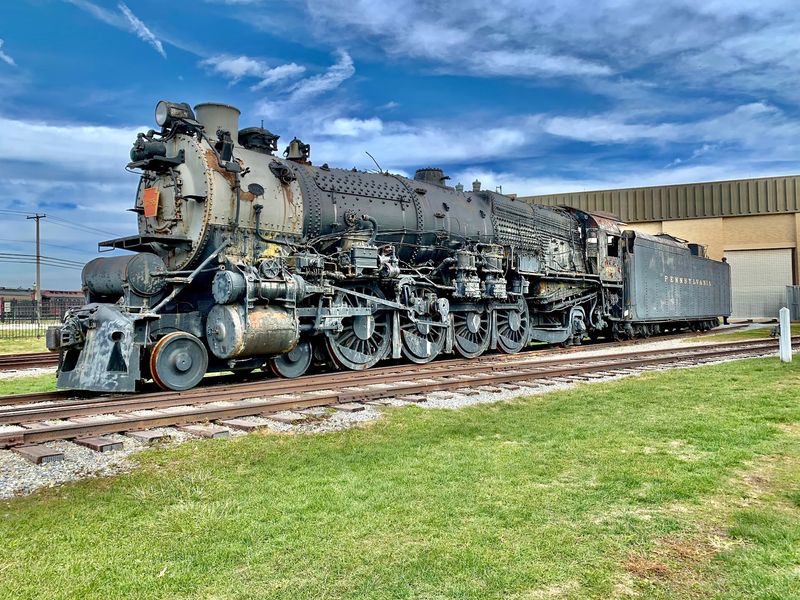
A return visit can feel new when the museum has a special event.
Visitors have recalled seasonal decorations and holiday activities alongside the regular train collection.
That mix brings extra excitement without changing the main attraction: the real engines and cars waiting to be explored.
If your family enjoys themed outings, look at the museum’s event calendar before choosing a date.
Check whether a program has a separate schedule, ticket, or age recommendation.
Events may change from year to year, so a past visitor’s favorite activity is a reason to check, not a promise that it will be there.
There is plenty to enjoy on an ordinary day, too.
Return to a locomotive you rushed past last time, revisit the models, or ask each person to find one new detail.
Familiar trains can spark fresh questions as children grow.
That is how a museum visit becomes a memory worth making again.
Share this story